IN
IN₹
Apparel & Fashion

Description
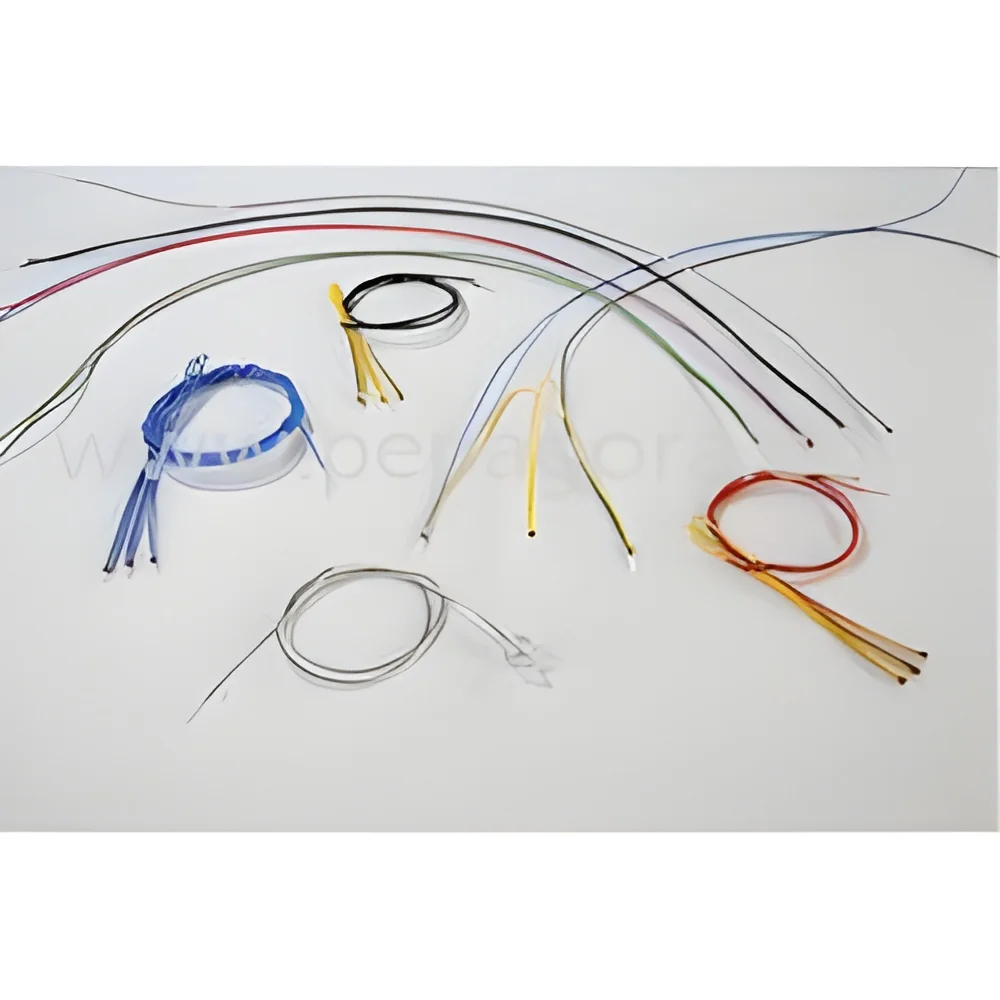
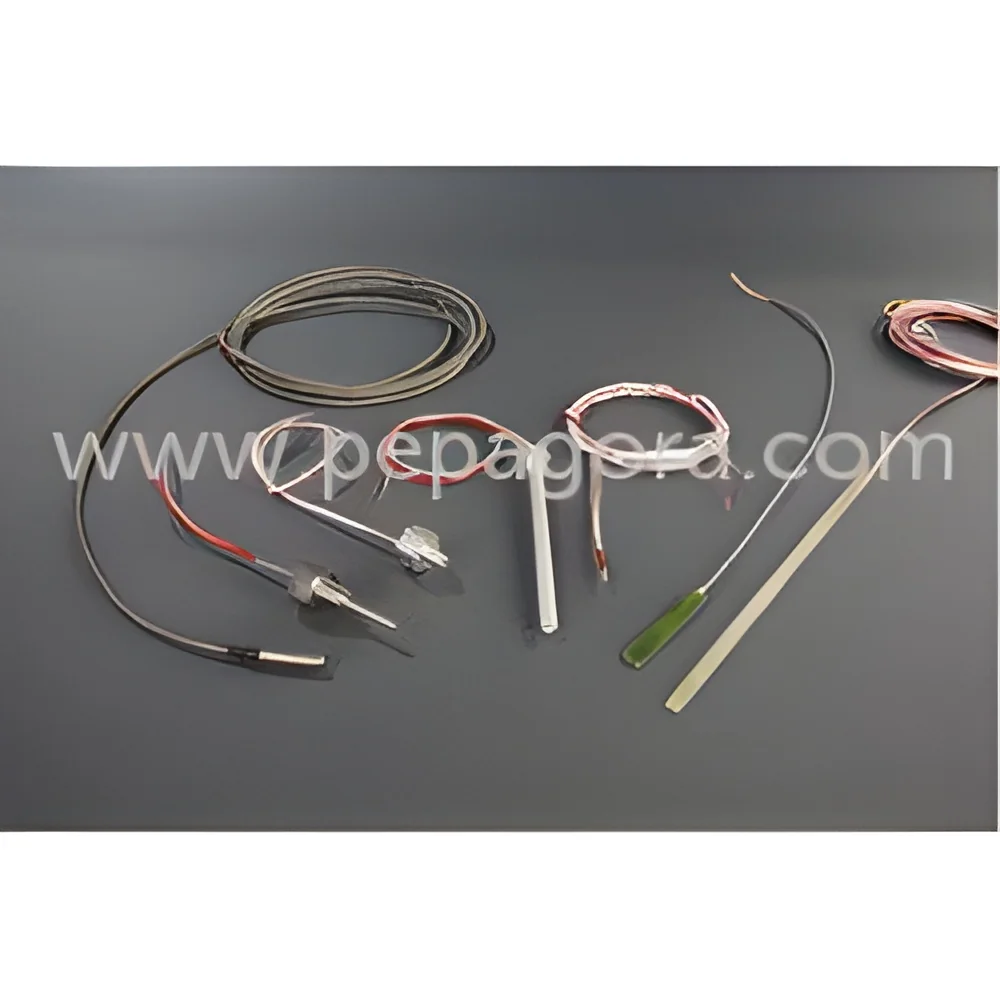
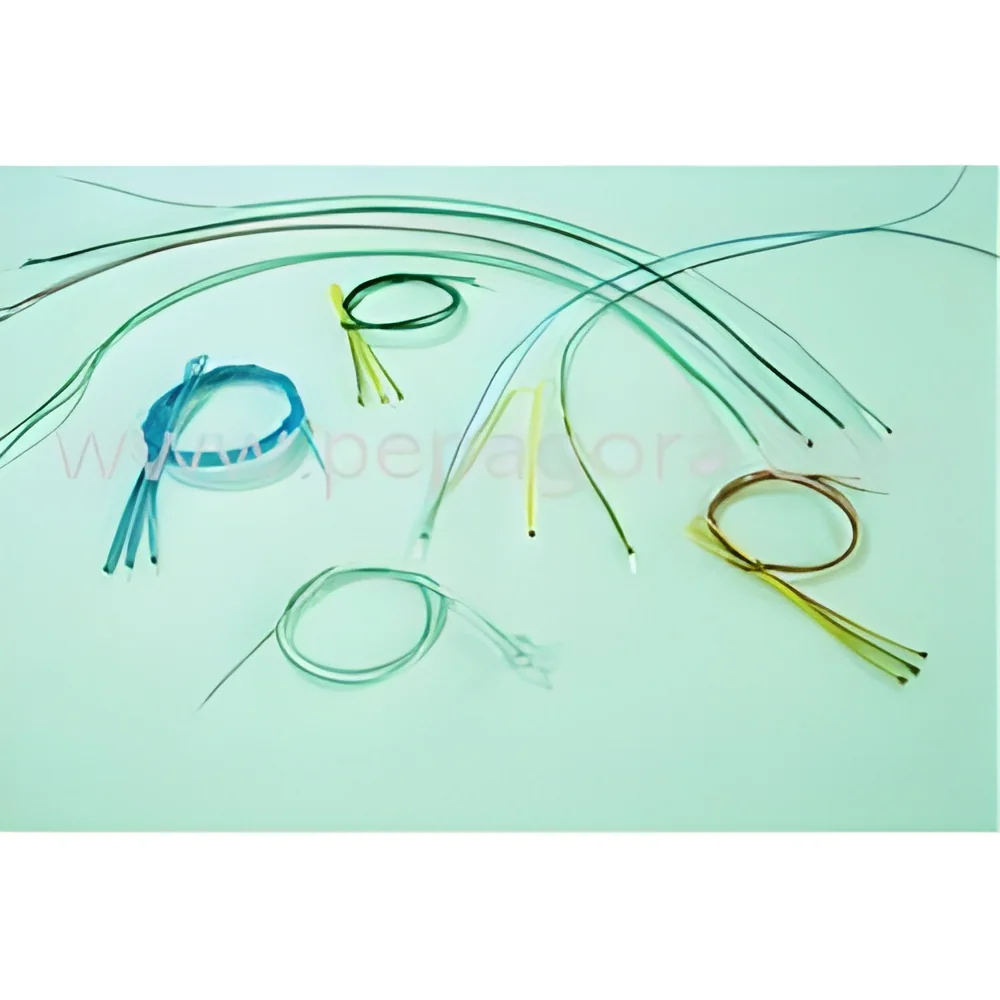
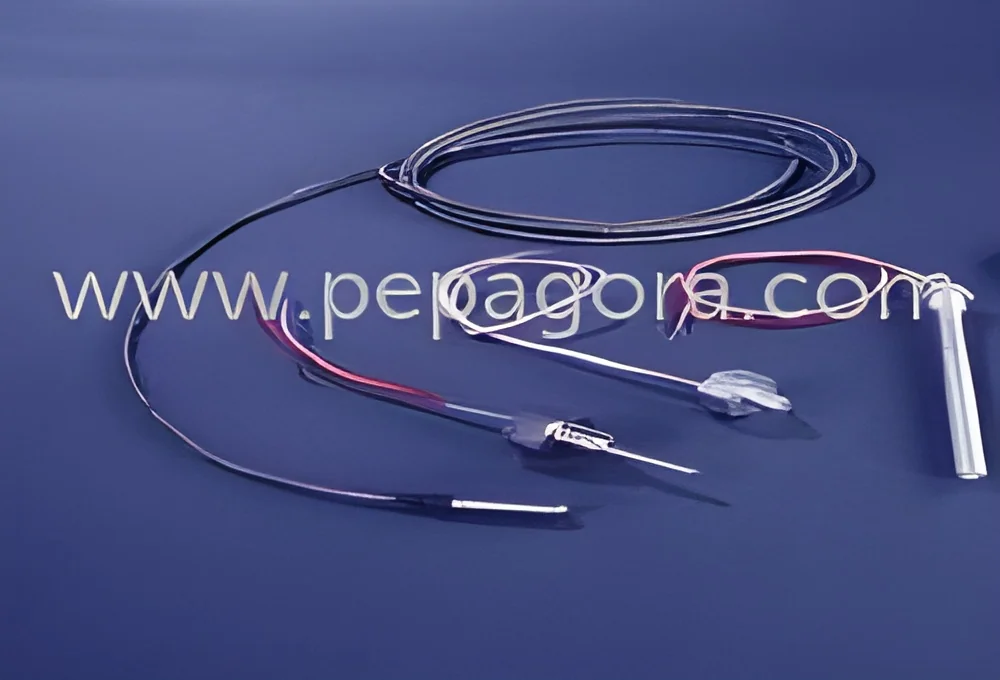
PTC thermistors for welding equipment represent critical safety components designed to protect valuable welding machinery from overheating damage. These temperature-sensitive resistors feature a positive temperature coefficient, meaning their resistance increases significantly as temperature rises. This characteristic allows them to function as self-regulating protective devices that automatically limit current flow when temperatures exceed predetermined safe levels. Available in straight lead, kinked lead, and surface mount configurations, these thermistors offer installation flexibility for various equipment designs and manufacturing requirements. Their durable construction ensures reliable performance in challenging welding environments where high temperatures and electrical interference are common occurrences during industrial operations.

These PTC thermistors find extensive application across multiple welding technologies and industrial sectors. In metal fabrication facilities, t...
PTC thermistors for welding equipment represent critical safety components designed to protect valuable welding machinery from overheating damage. These temperature-sensitive resistors feature a positive temperature coefficient, meaning their resistance increases significantly as temperature rises. This characteristic allows them to function as self-regulating protective devices that automatically limit current flow when temperatures exceed predetermined safe levels. Available in straight lead, kinked lead, and surface mount configurations, these thermistors offer installation flexibility for various equipment designs and manufacturing requirements. Their durable construction ensures reliable performance in challenging welding environments where high temperatures and electrical interference are common occurrences during industrial operations.

These PTC thermistors find extensive application across multiple welding technologies and industrial sectors. In metal fabrication facilities, they protect MIG and TIG welding equipment from thermal overload during extended operation cycles. Automotive manufacturing plants utilize them in robotic welding cells to safeguard expensive welding systems from temperature-related failures. Construction equipment manufacturers incorporate these thermistors in welding machines used for structural steel work and heavy fabrication. The marine industry depends on them for welding equipment aboard ships and offshore platforms where operational reliability is paramount. Electronics manufacturers also implement these components in welding equipment for circuit board production, ensuring consistent thermal protection across diverse production environments.

The operational value of these PTC thermistors lies in their ability to significantly reduce equipment downtime and maintenance costs. By preventing overheating damage to critical welding components, they extend equipment service life and improve overall return on investment. Their consistent reliability ensures stable welding quality by maintaining optimal operating temperatures, which directly influences production output and finished product consistency. These components comply with international safety standards and undergo comprehensive quality verification, providing assurance to equipment manufacturers and end-users. The cost-effective nature of these protection devices makes them a practical investment for businesses operating welding equipment across various industrial applications.

Key Features:
- Positive temperature coefficient characteristic for automatic over-temperature protection
- Multiple configuration options including straight lead, kinked lead, and surface mount
- Precise temperature sensing with consistent performance characteristics
- Robust construction designed for industrial welding environments
- Reliable operation across varying temperature conditions

Benefits:
- Prevents equipment damage and extends operational lifespan
- Reduces maintenance costs and minimizes production downtime
- Ensures consistent welding quality through temperature stability
- Provides reliable safety protection in demanding industrial conditions
- Offers installation flexibility for different equipment designs
Specifications
| Additional Information | |
|---|---|
| Country of Origin | India |
Application
PTC thermistors serve as essential safety components in welding equipment by continuously monitoring temperature levels. They automatically restrict current flow when temperatures exceed safe thresholds, preventing overheating damage to sensitive electronic circuits and power components. This reliable protection extends equipment lifespan while minimizing operational downtime across various industrial welding applications and manufacturing environments.
These thermistors are compatible with multiple welding technologies including MIG, TIG, and spot welding systems. Their rapid thermal response makes them ideal for protecting transformers, rectifiers, and control circuits in demanding conditions. The availability of straight lead, kinked lead, and surface mount versions ensures seamless integration with different welding equipment designs and manufacturing requirements for optimal performance.
- Over-temperature protection in MIG welding machine power supplies and control systems
- Temperature monitoring and safety shutdown in TIG welding equipment circuits
- Thermal protection systems for industrial spot welding machines and transformers
- Preventive maintenance applications in automated welding assembly lines
- Cooling system protection for welding transformers and power components
Trade Details
| Available Stock | In Stock |
| Sample Availability | No |
Payment Terms
| Payment Terms |
|
Company Profile
Ghanacon Products, Maharashtra
 Maharashtra, India
Maharashtra, IndiaIndustrial Equipment & Machinery•Manufacturer•Distributor / Wholesaler•Importer / Exporter
Factory Details
Factory SizeBelow 1000 sqm
Annual Production Capacity0
Welding Equipment PTC Thermistor Over Temperature Protection Straight Kinked SMD
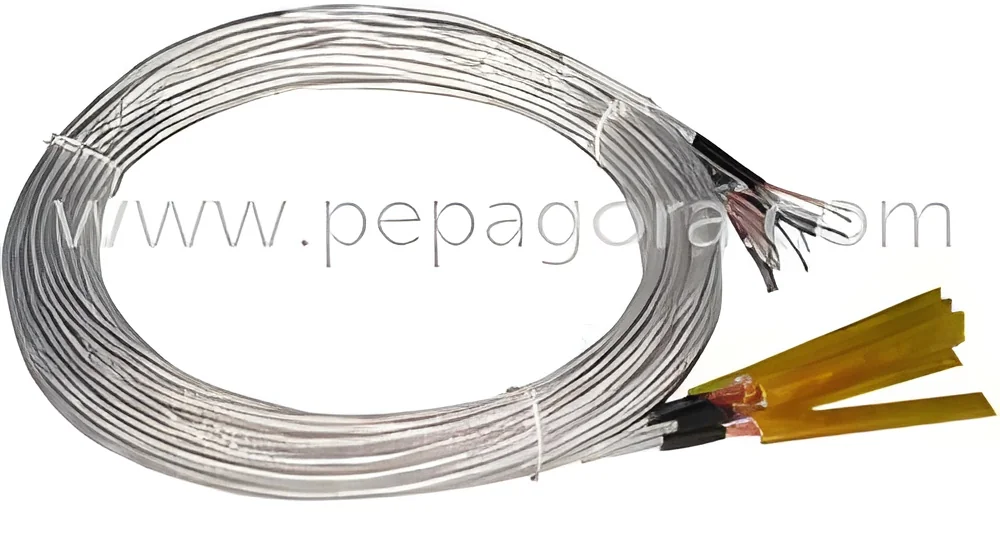
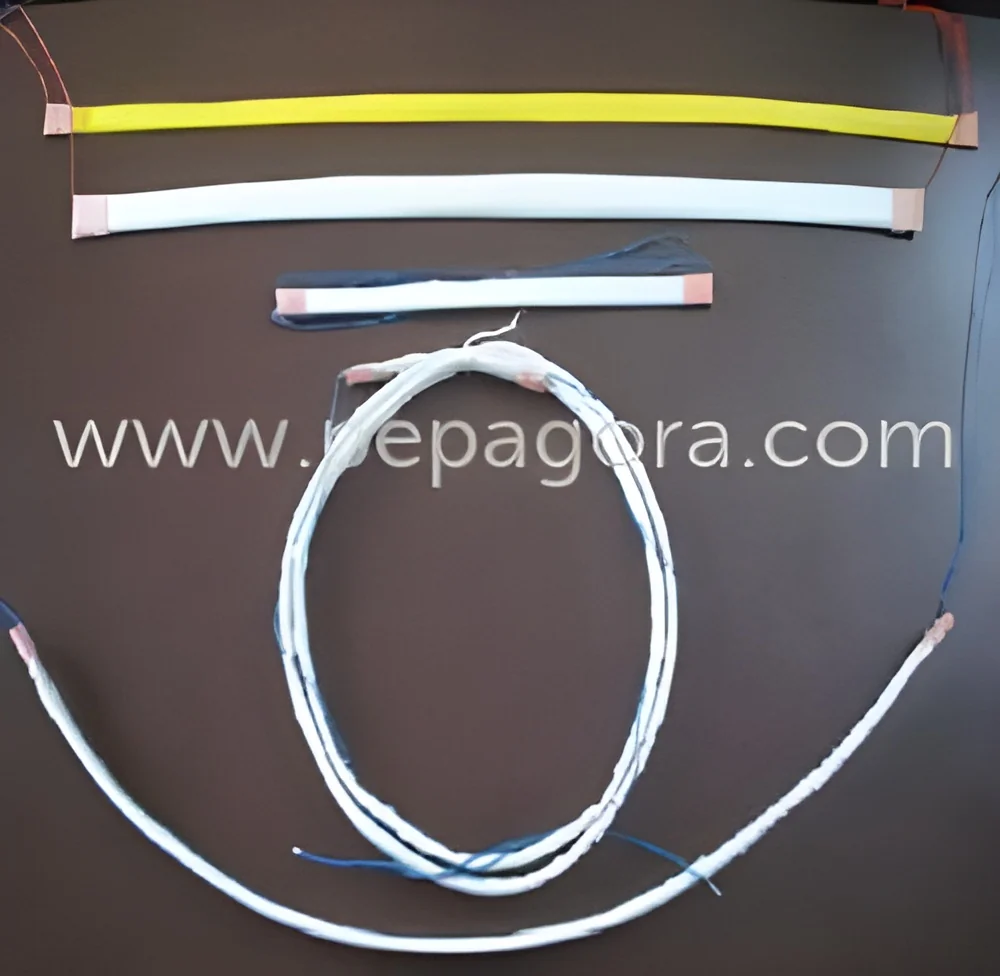
PTC thermistor for welding equipment provides reliable over-temperature protection with straight lead, kinked lead, or surface mount options. This component ensures equipment safety and prevents damage from overheating in demanding industrial environments.
Min. Order Quantity: 1 unit
Shipping
Shipping fee and delivery date to be negotiated. Contact supplier now for more details.
Ghanacon Products
 Maharashtra, India
Maharashtra, IndiaIndustrial Equipment & MachineryManufacturer