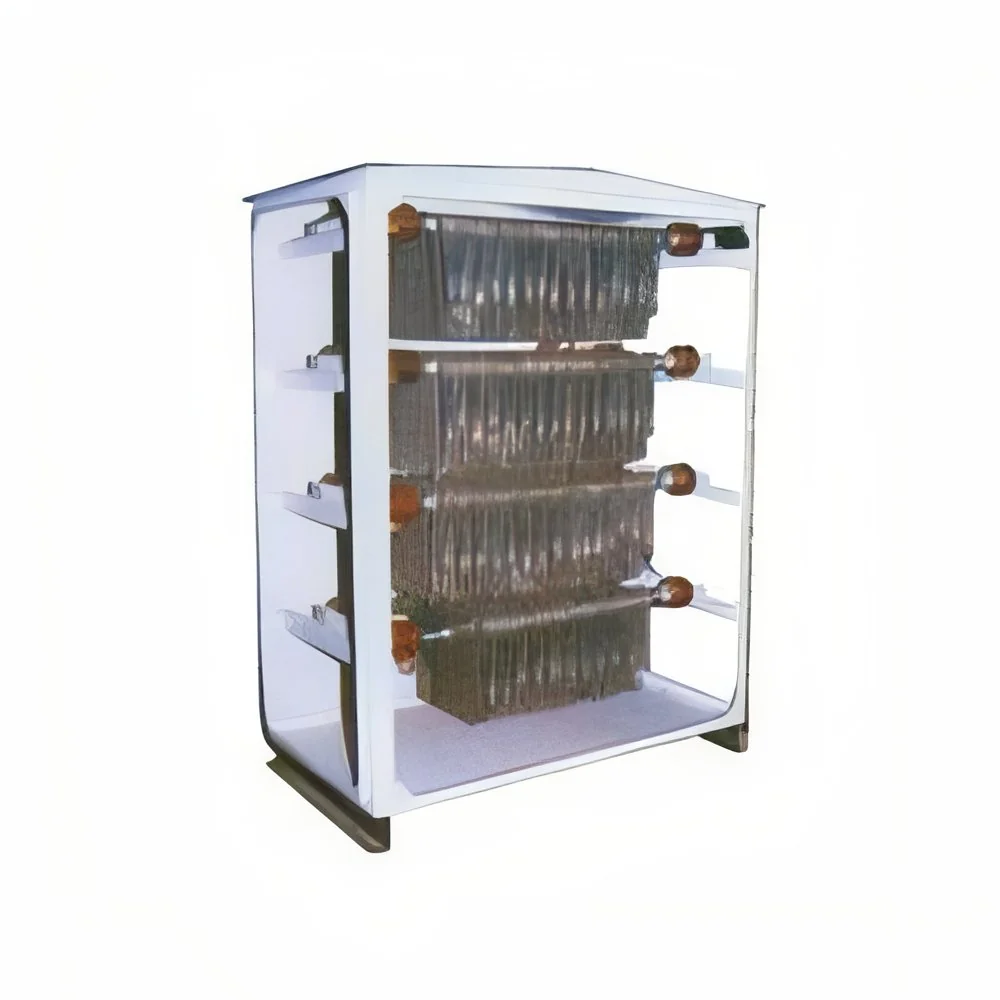
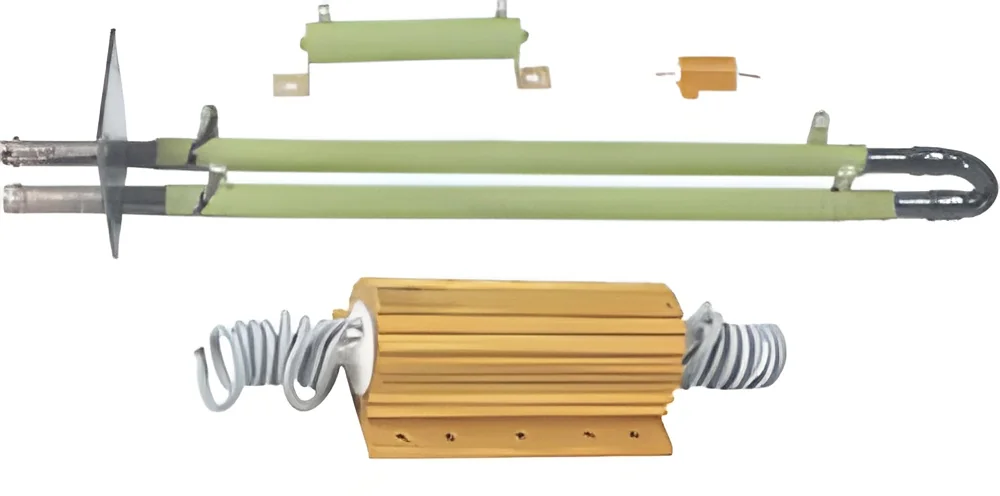
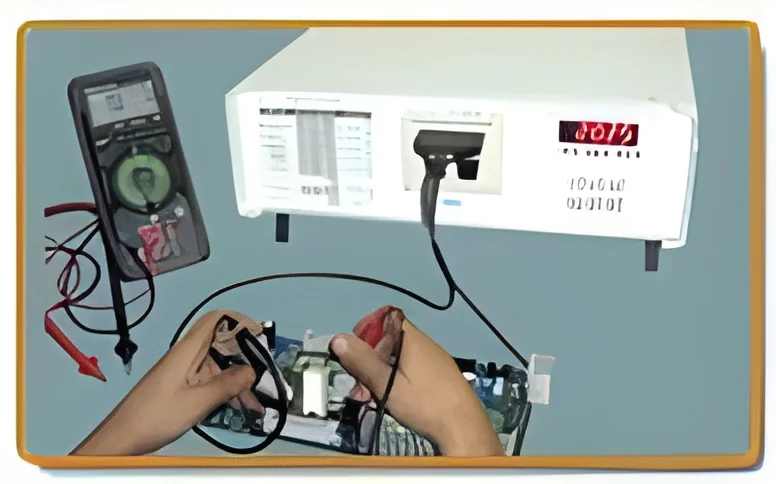
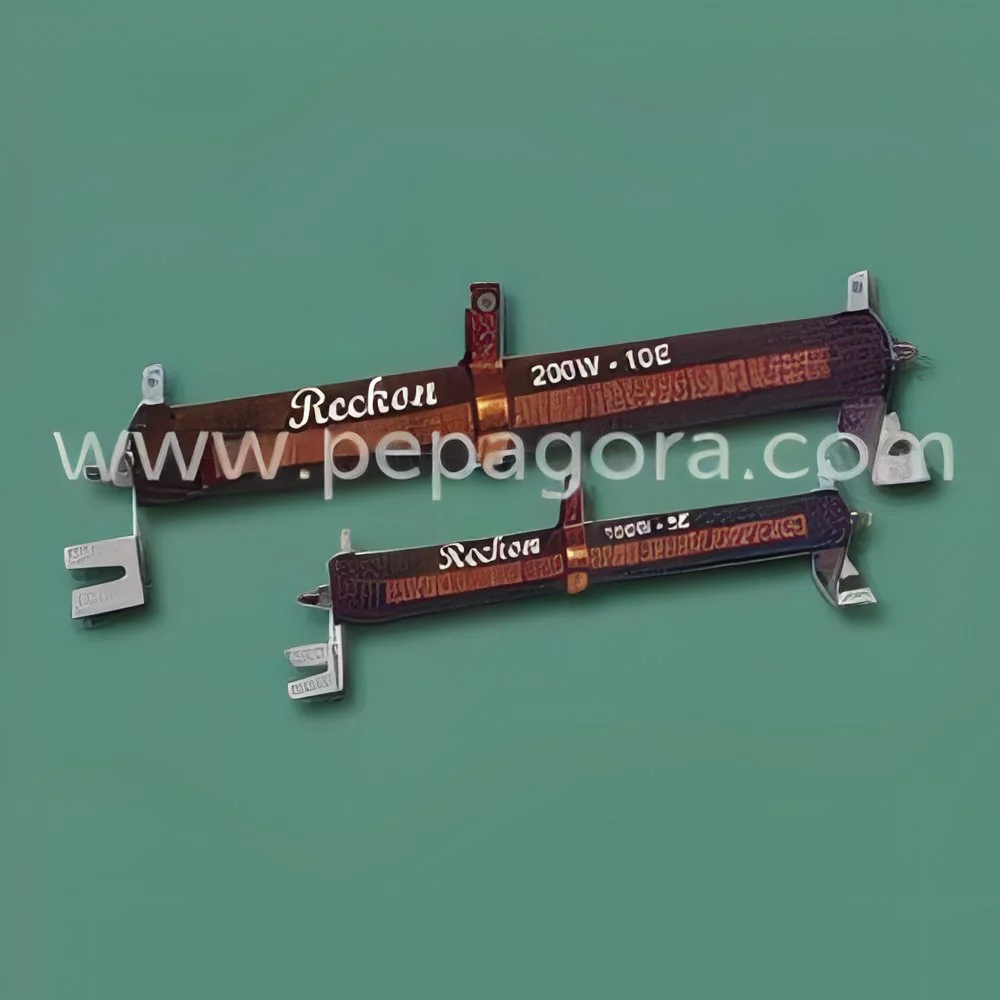
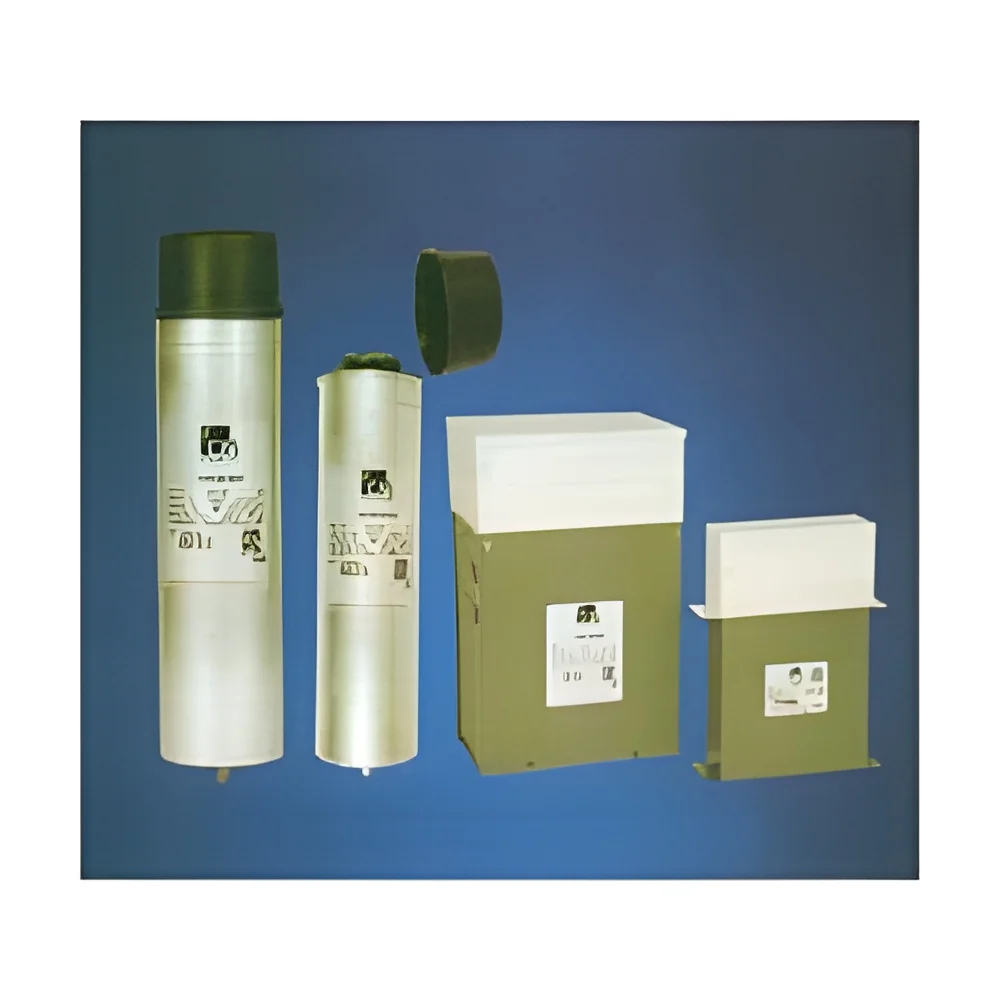
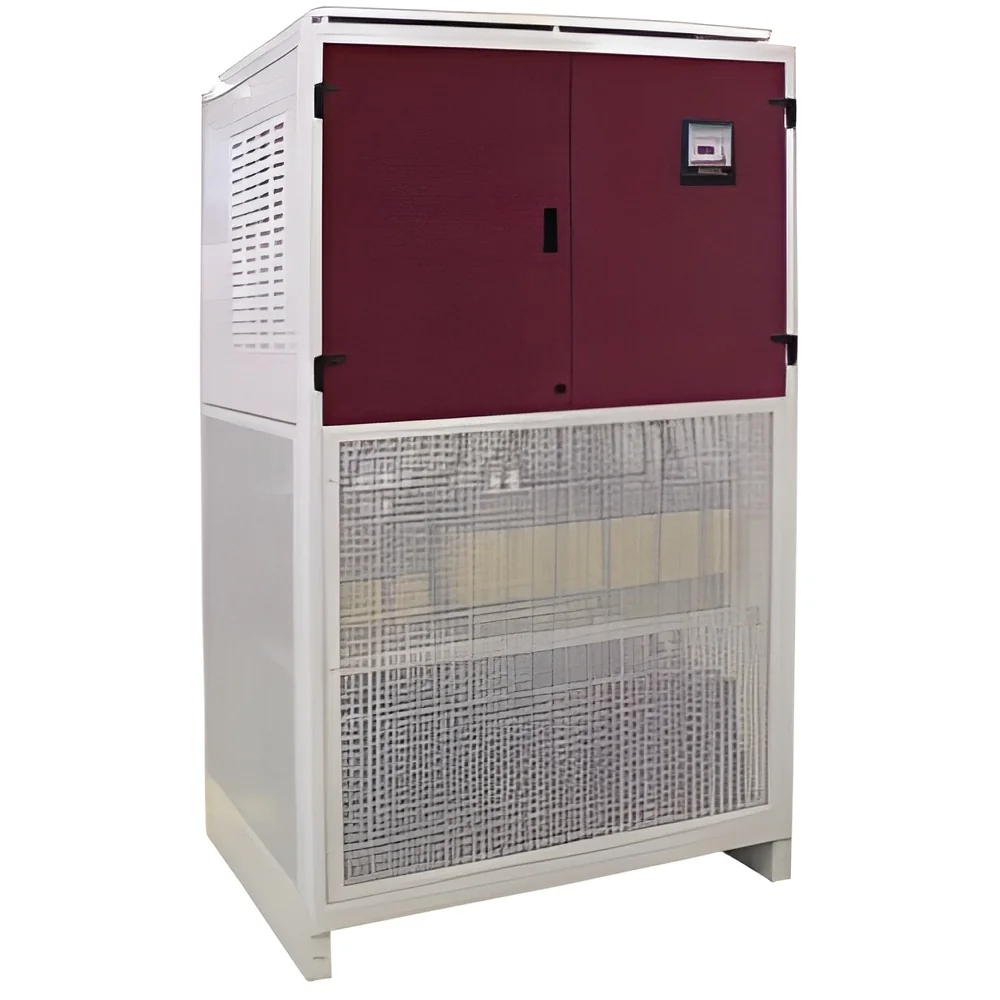
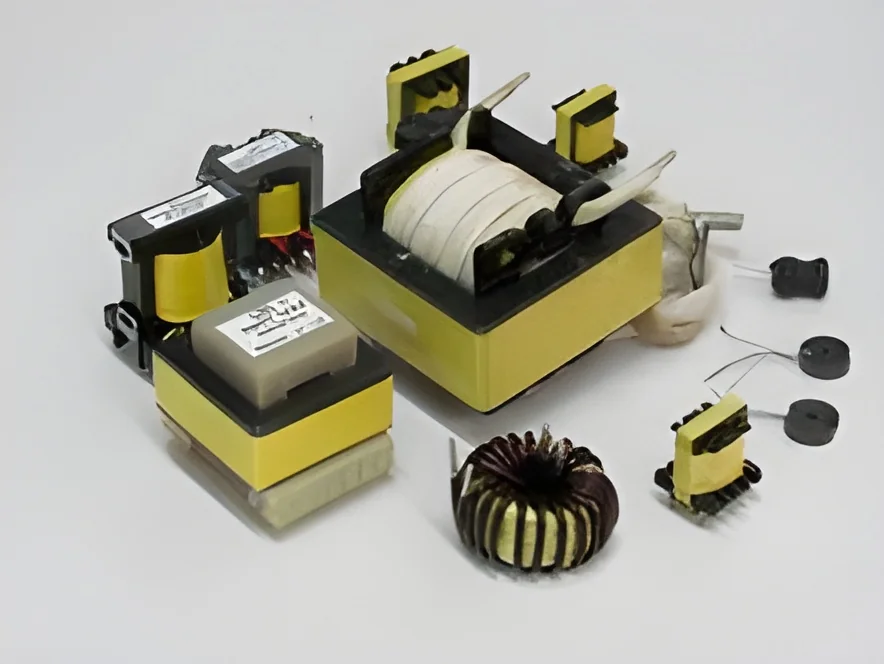
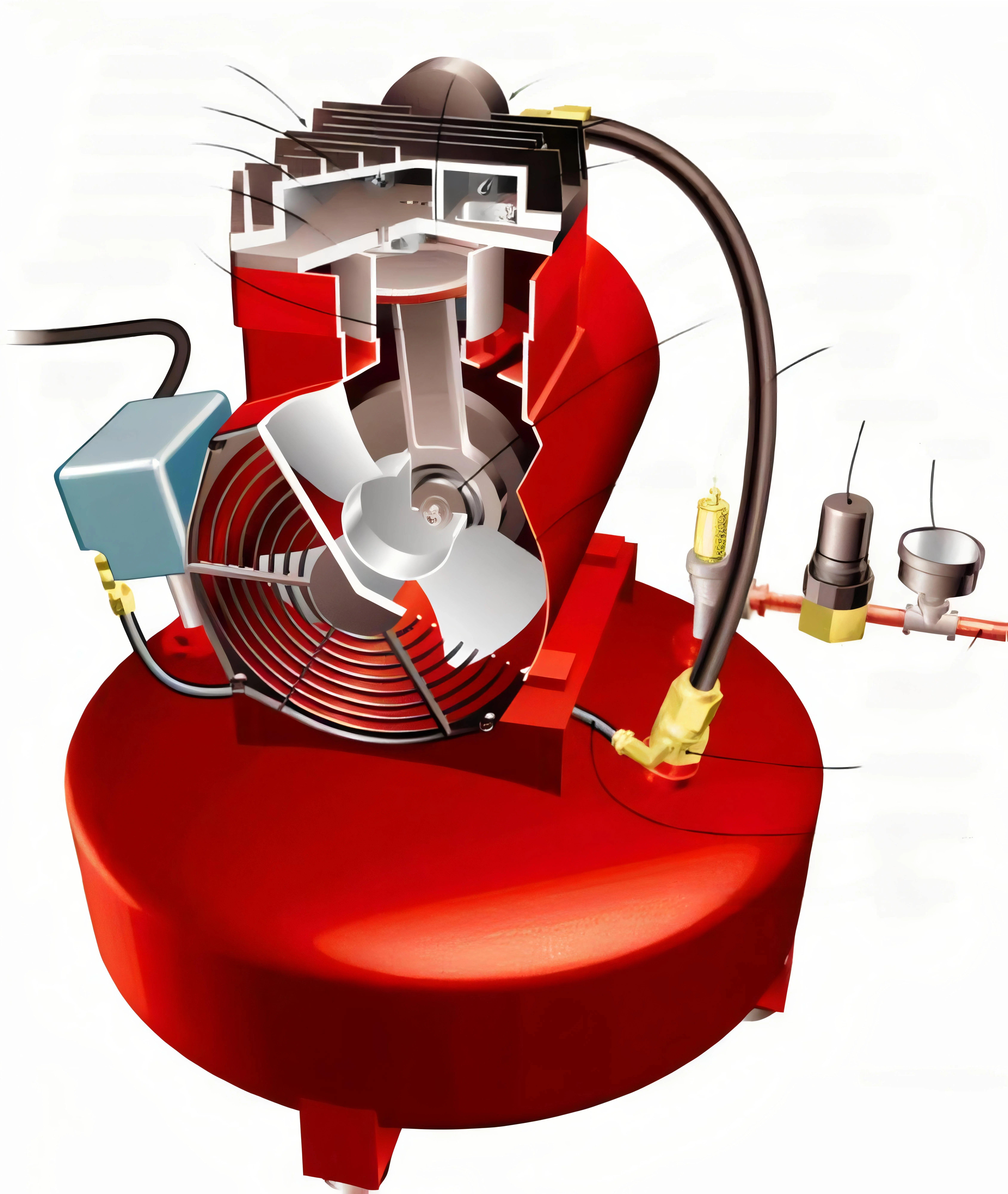
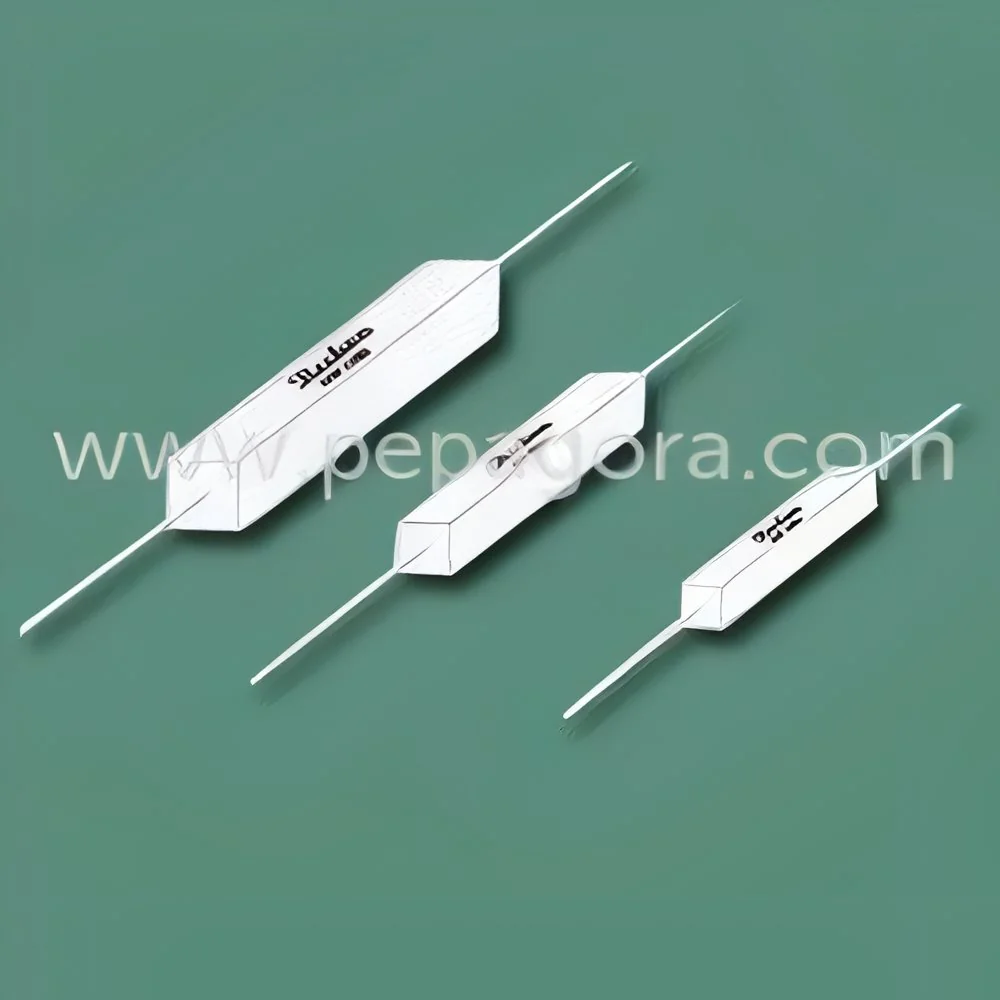
𝗪𝗵𝗮𝘁 𝗮𝗿𝗲 𝗖𝗮𝗽𝗮𝗰𝗶𝘁𝗼𝗿𝘀, 𝗥𝗲𝘀𝗶𝘀𝘁𝗼𝗿𝘀, 𝗜𝗻𝗱𝘂𝗰𝘁𝗼𝗿𝘀?
Capacitors, resistors, and inductors are fundamental components in electrical and electronic circuits. Capacitors store electrical energy temporarily, resistors limit the flow of electric current, and inductors store energy in a magnetic field when electrical current passes through them. These components are essential for controlling voltage and current within a circuit, ensuring optimal performance and functionality in a wide range of applications.
In business contexts, these components serve various critical roles. Capacitors are often employed in power supply systems, motor drive circuits, and signal processing applications. Resistors are used in voltage dividers, current limiters, and biasing circuits. Inductors play crucial roles in filtering applications, transformers, and energy storage systems. Their relevance spans numerous industries, including telecommunications, automotive, consumer electronics, and industrial automation, contributing to the overall efficiency and reliability of electronic devices.
As technology continues to evolve, the demand for capacitors, resistors, and inductors remains high. Their applications are expanding with advancements in electronics, making them indispensable for modern manufacturing and design processes. Businesses must stay informed about the latest developments and specifications to leverage these components effectively.
𝗞𝗲𝘆 𝗙𝗲𝗮𝘁𝘂𝗿𝗲𝘀 𝗮𝗻𝗱 𝗦𝗽𝗲𝗰𝗶𝗳𝗶𝗰𝗮𝘁𝗶𝗼𝗻𝘀
When selecting capacitors, resistors, and inductors, it is important to understand their key features and specifications. These specifications help businesses determine the right components for their needs, ensuring compatibility and performance.
Key specifications include:
1. Capacitance Value
- Measured in farads (F), this indicates the capacitor's ability to store charge.
- Typical ranges vary from picofarads (pF) to microfarads (μF).
2. Resistance Value
- Measured in ohms (Ω), this defines how much the resistor opposes current flow.
- Common values range from a few ohms to megaohms (MΩ).
3. Inductance Value
- Measured in henries (H), this indicates the inductor's ability to store energy.
- Typical ranges are from microhenries (μH) to henries (H).
4. Voltage Rating
- This specifies the maximum voltage that the component can handle without failure.
- Ratings can range from a few volts to several kilovolts.
5. Tolerance
- This indicates the precision of the component's value.
- Common tolerances for resistors and capacitors range from 1% to 20%.
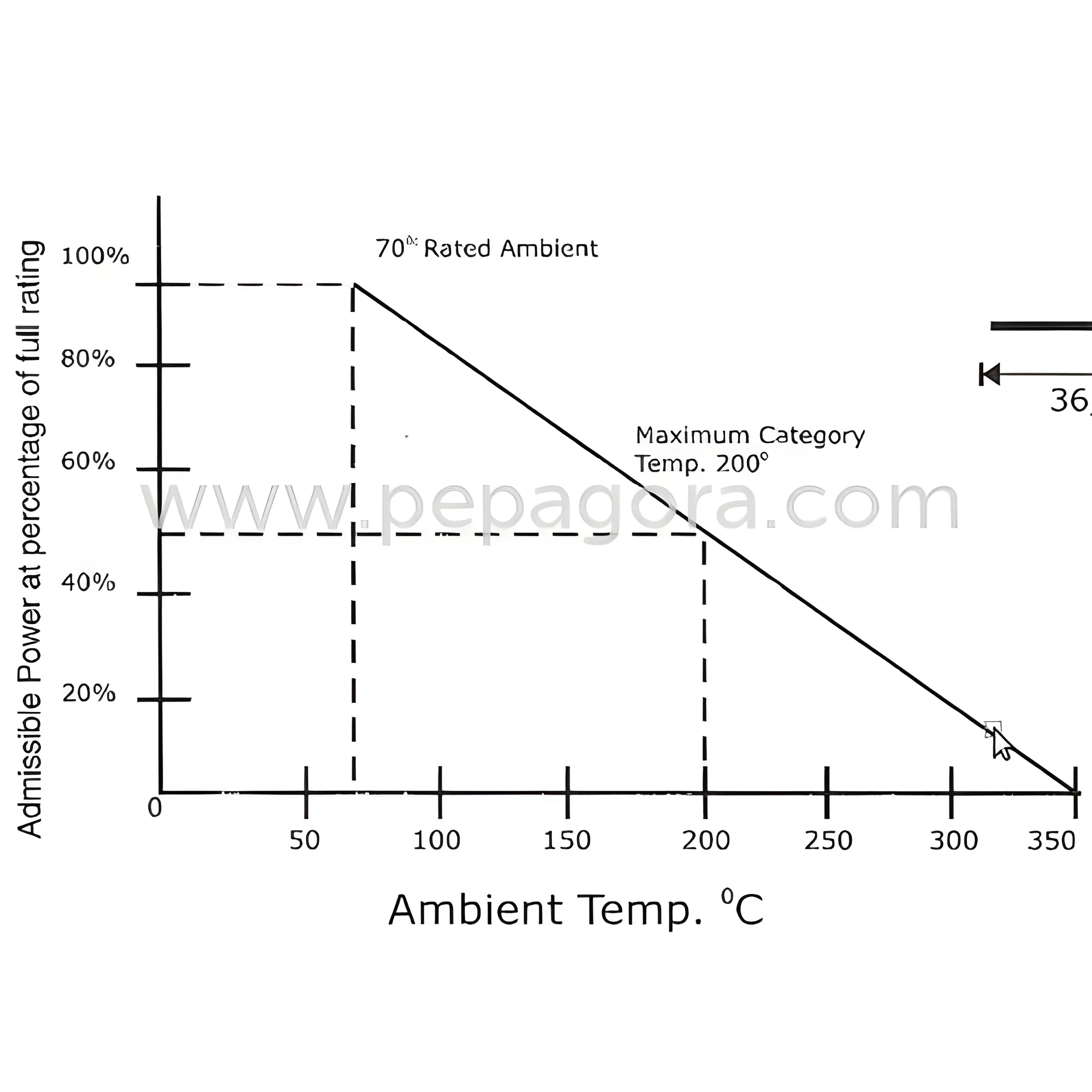
6. Temperature Coefficient
- This describes how the component's value changes with temperature.
- It is typically expressed in parts per million per degree Celsius (ppm/°C).
7. Power Rating
- For resistors, this indicates the maximum power they can dissipate without overheating.
- Ratings can range from milliwatts (mW) to several watts (W).
8. Frequency Response
- This specifies how the component performs at different frequencies.
- Key for capacitors and inductors in AC applications.
Understanding these specifications helps businesses select the right components to optimize circuit performance and reliability.
𝗖𝗼𝗺𝗺𝗼𝗻 𝗔𝗽𝗽𝗹𝗶𝗰𝗮𝘁𝗶𝗼𝗻𝘀 𝗮𝗻𝗱 𝗨𝘀𝗲 𝗖𝗮𝘀𝗲𝘀
Capacitors, resistors, and inductors find applications across various industries, each serving unique purposes.
1. Telecommunications: These components are crucial in signal processing and filtering, ensuring clear communication signals in devices such as smartphones and routers.
2. Automotive: Capacitors and inductors are used in power management systems and ignition circuits, contributing to vehicle efficiency and performance.
3. Consumer Electronics: In devices like televisions and computers, these components manage power supply and signal integrity, enhancing user experience.
4. Industrial Automation: Capacitors, resistors, and inductors are integral in control systems and motor drives, improving manufacturing efficiency.
5. Medical Devices: These components play vital roles in the functioning of diagnostic equipment and patient monitoring systems, ensuring accurate data collection.
6. Renewable Energy: In solar inverters and wind turbines, these components help manage energy conversion and storage.
7. Power Electronics: Capacitors and inductors are essential in power supply circuits, ensuring stable voltage and current regulation.
𝗣𝗿𝗼𝗱𝘂𝗰𝘁 𝗩𝗮𝗿𝗶𝗮𝗻𝘁𝘀 𝗮𝗻𝗱 𝗦𝘂𝗯𝗰𝗮𝘁𝗲𝗴𝗼𝗿𝗶𝗲𝘀
The diversity of capacitors, resistors, and inductors allows businesses to choose from various product variants based on their specific applications.
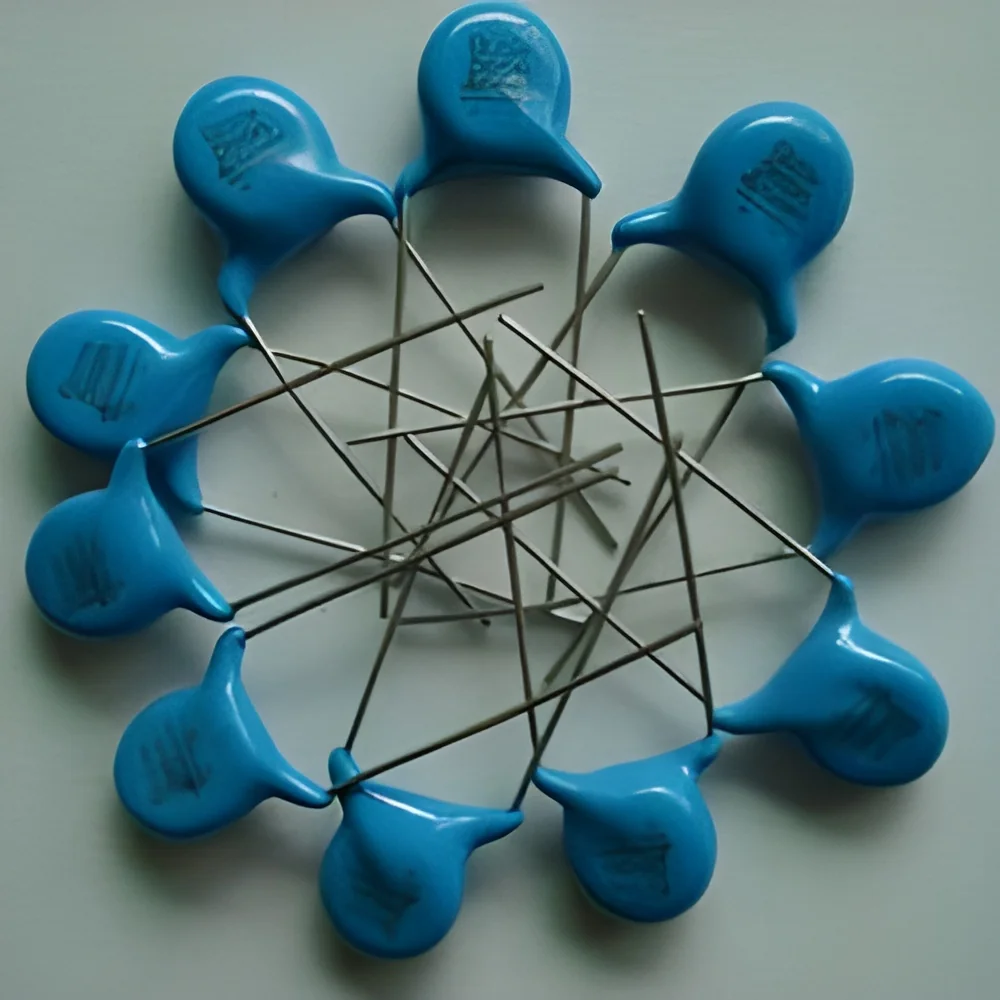
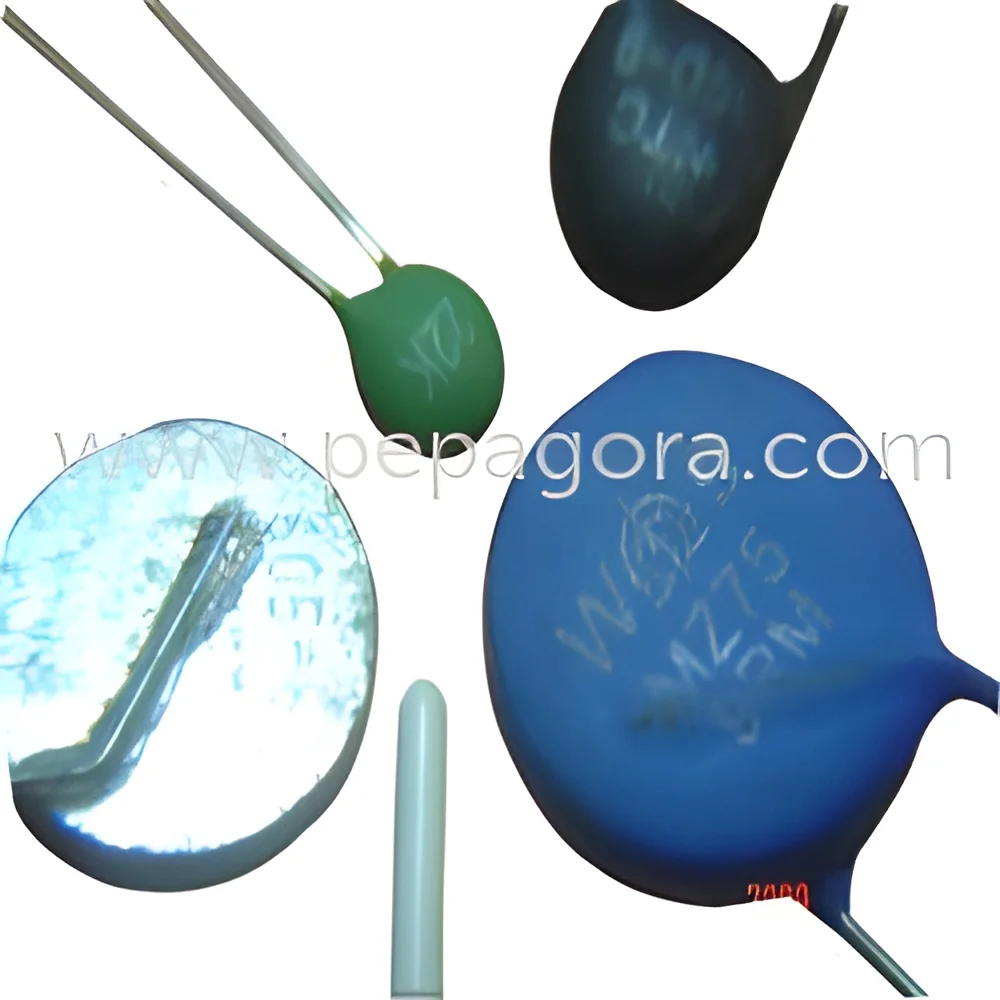
Ceramic Capacitors: These capacitors are widely used due to their compact size and stable performance across a range of temperatures. They are ideal for high-frequency applications.
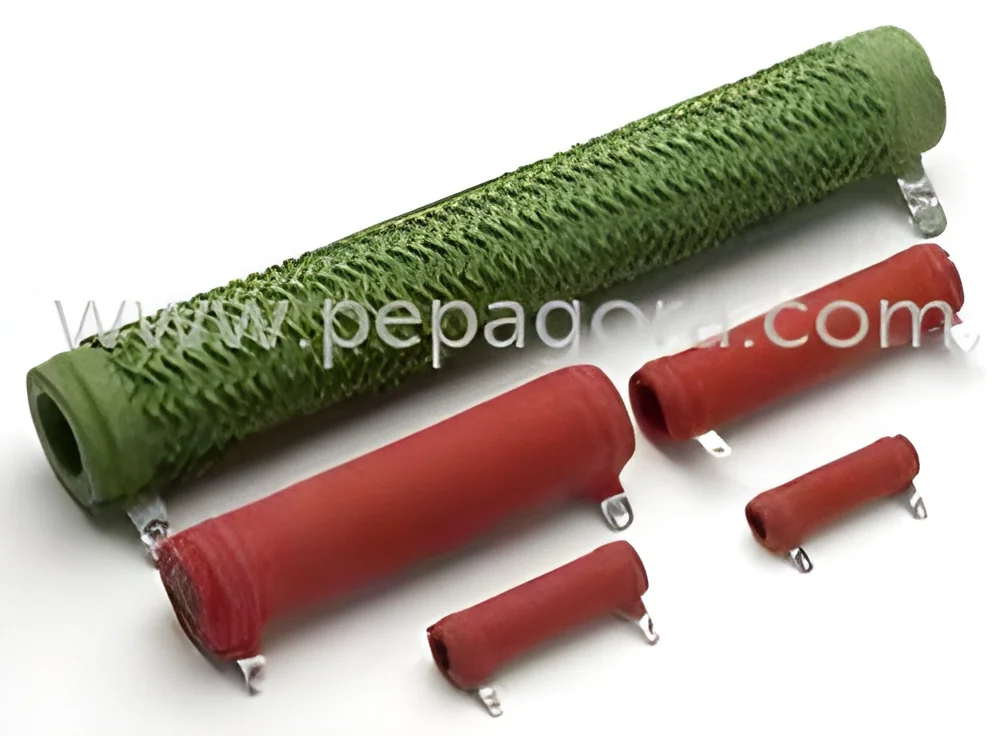
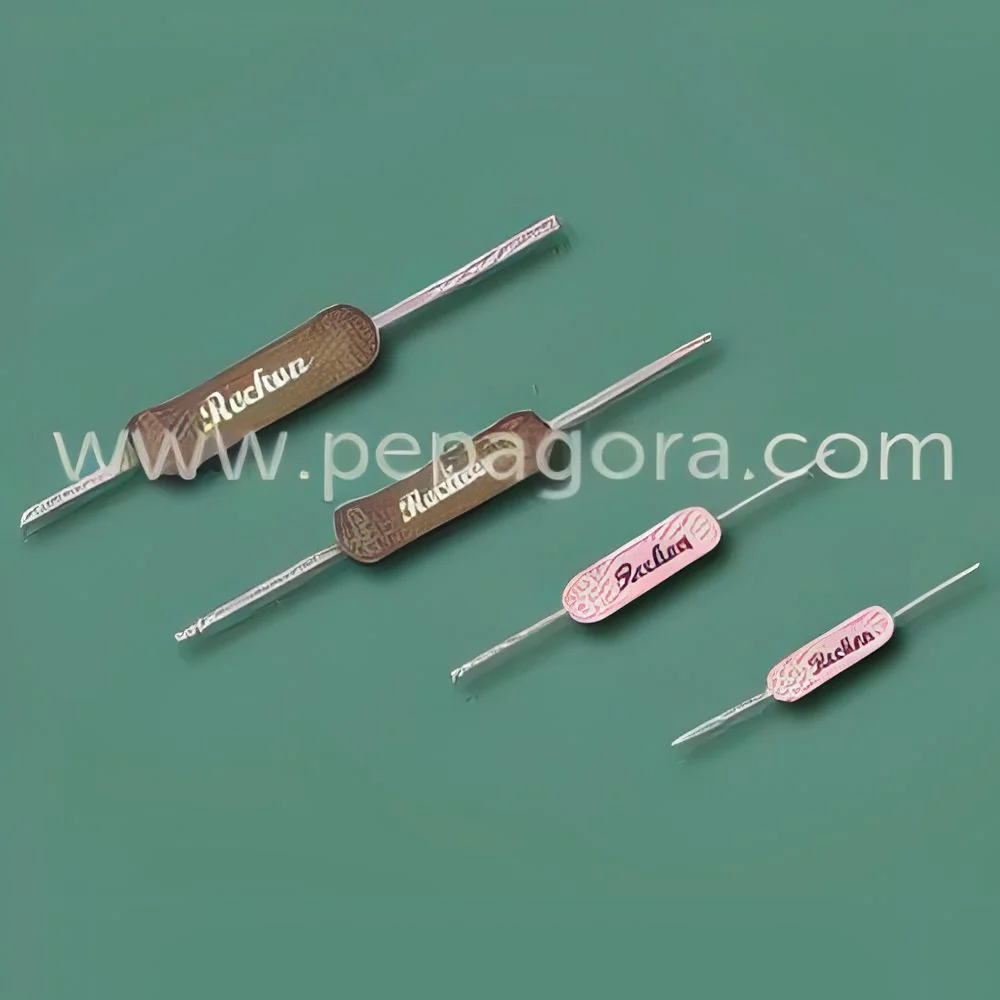
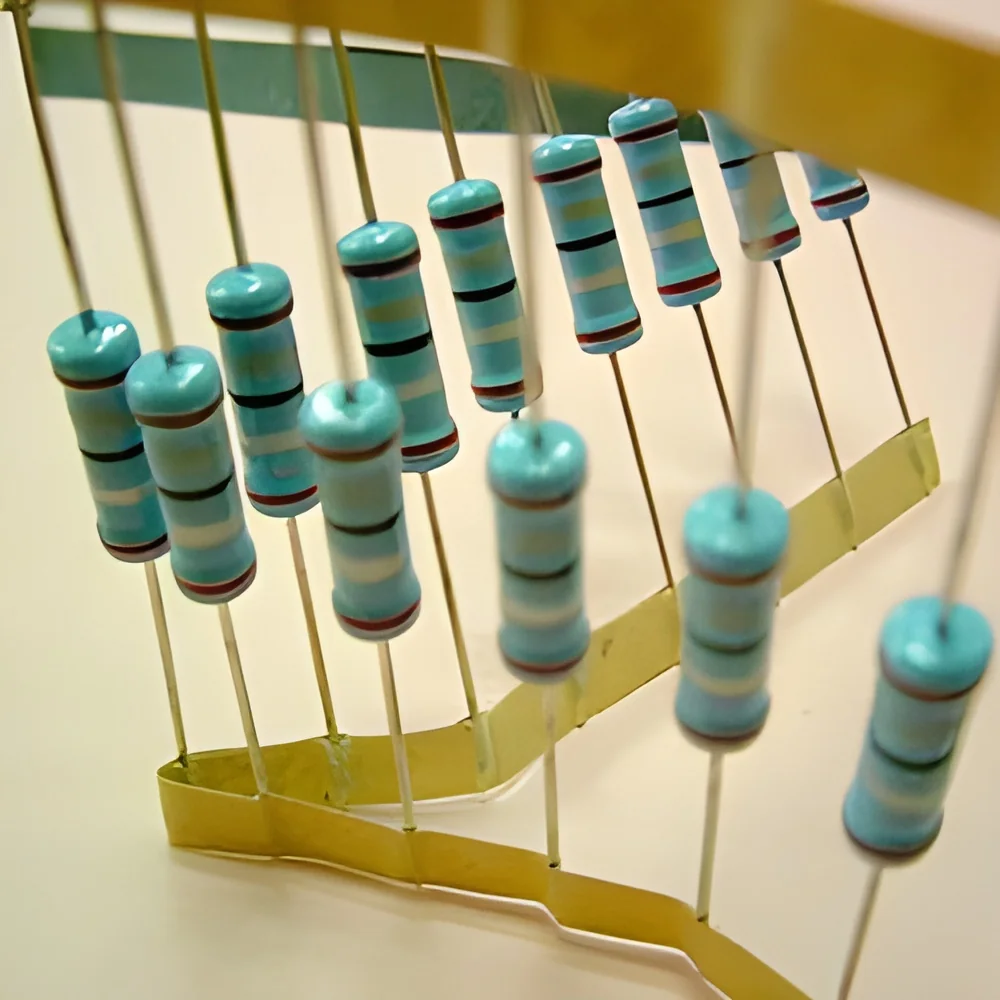
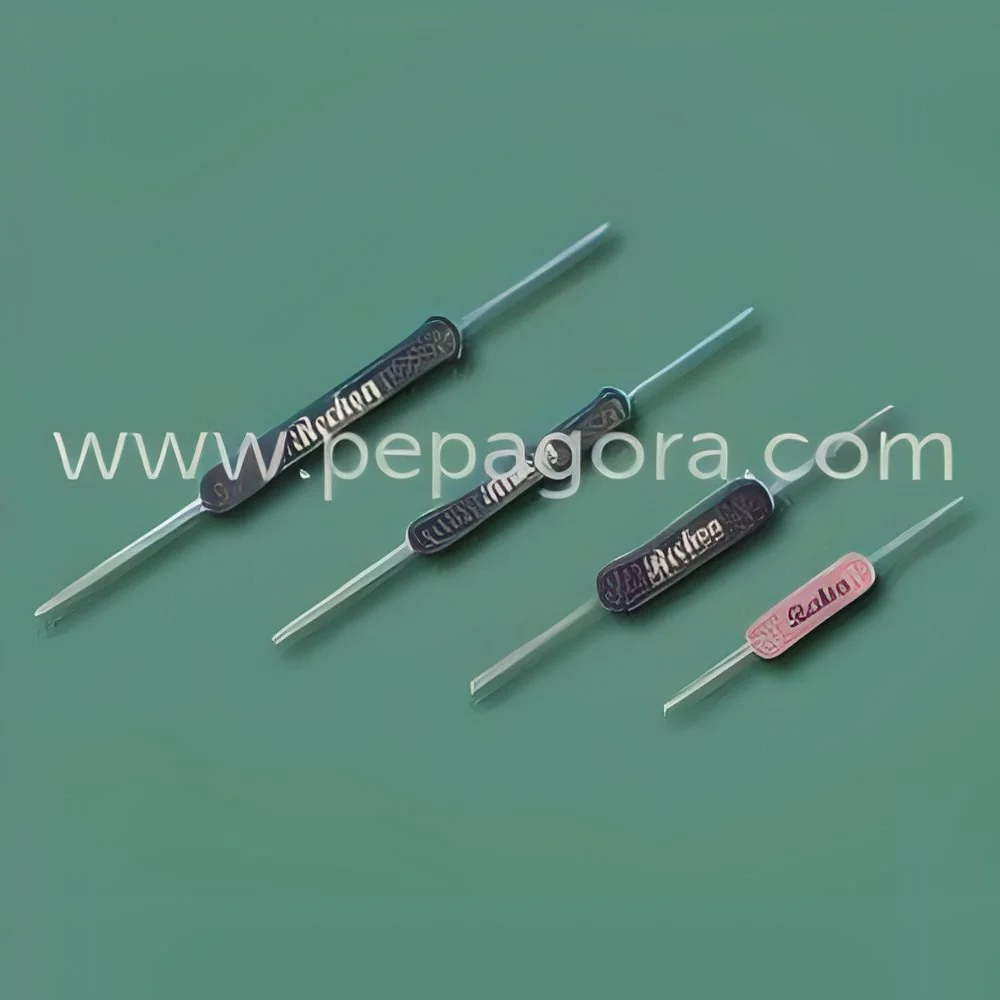
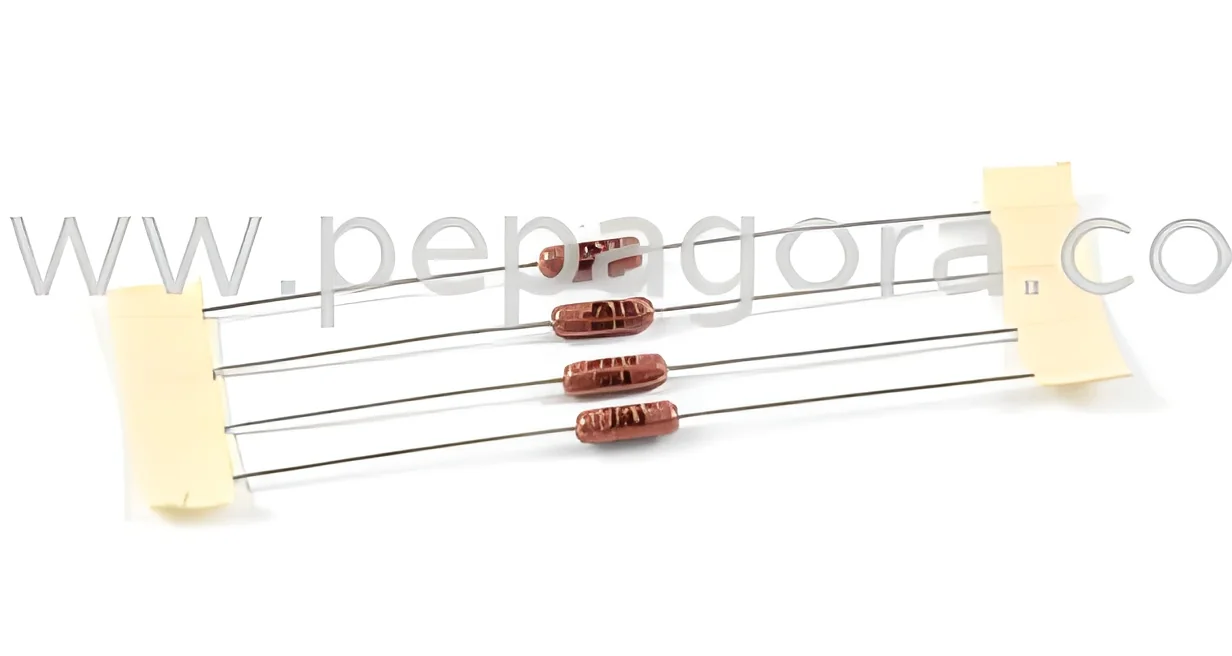
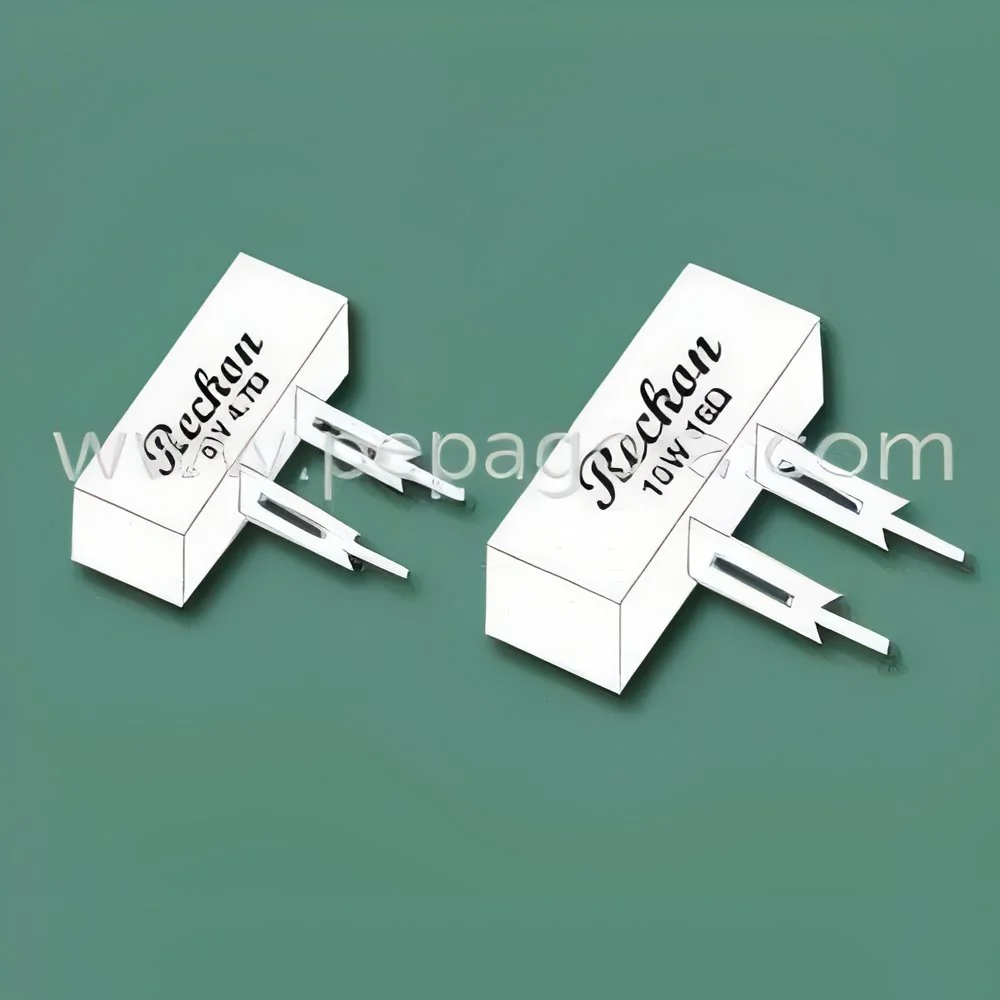
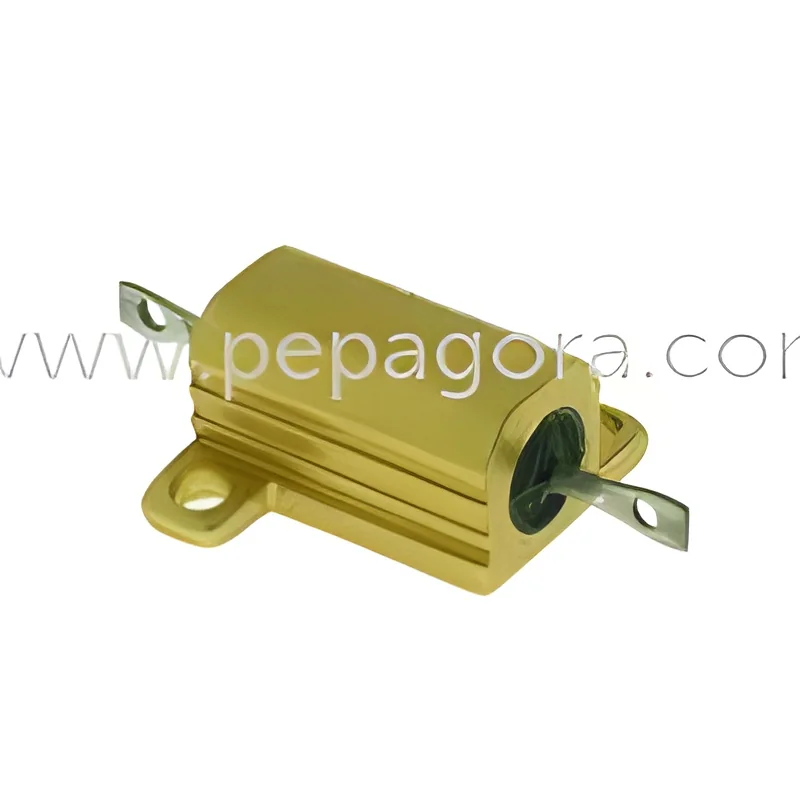
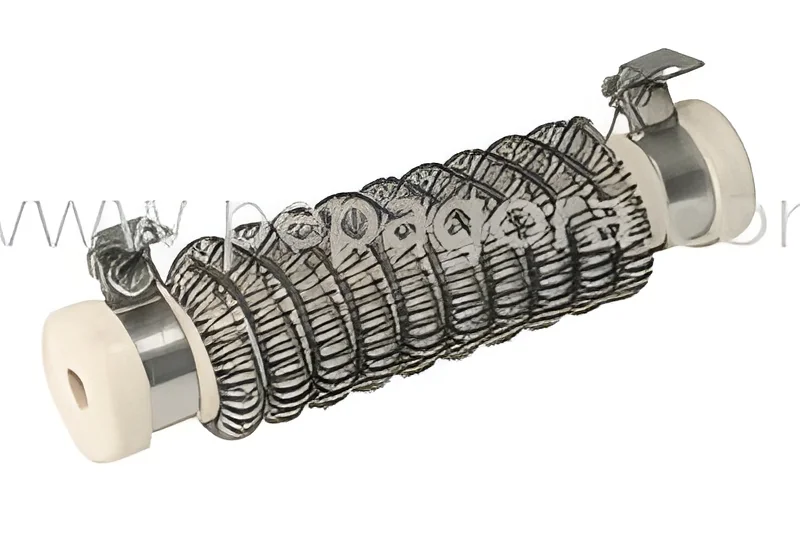
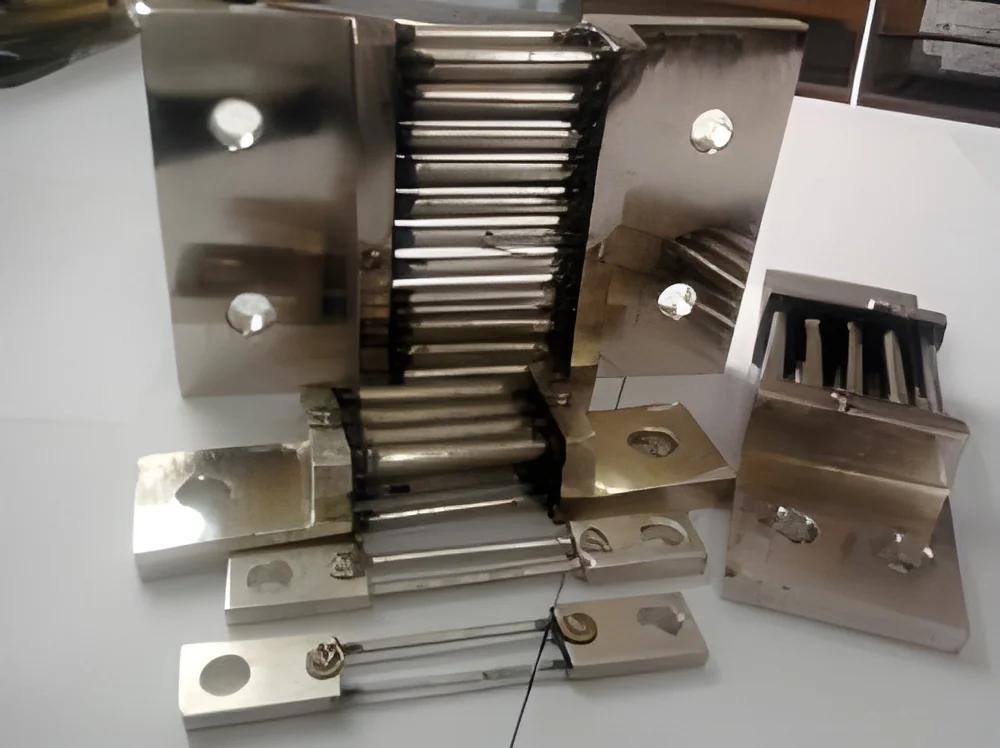
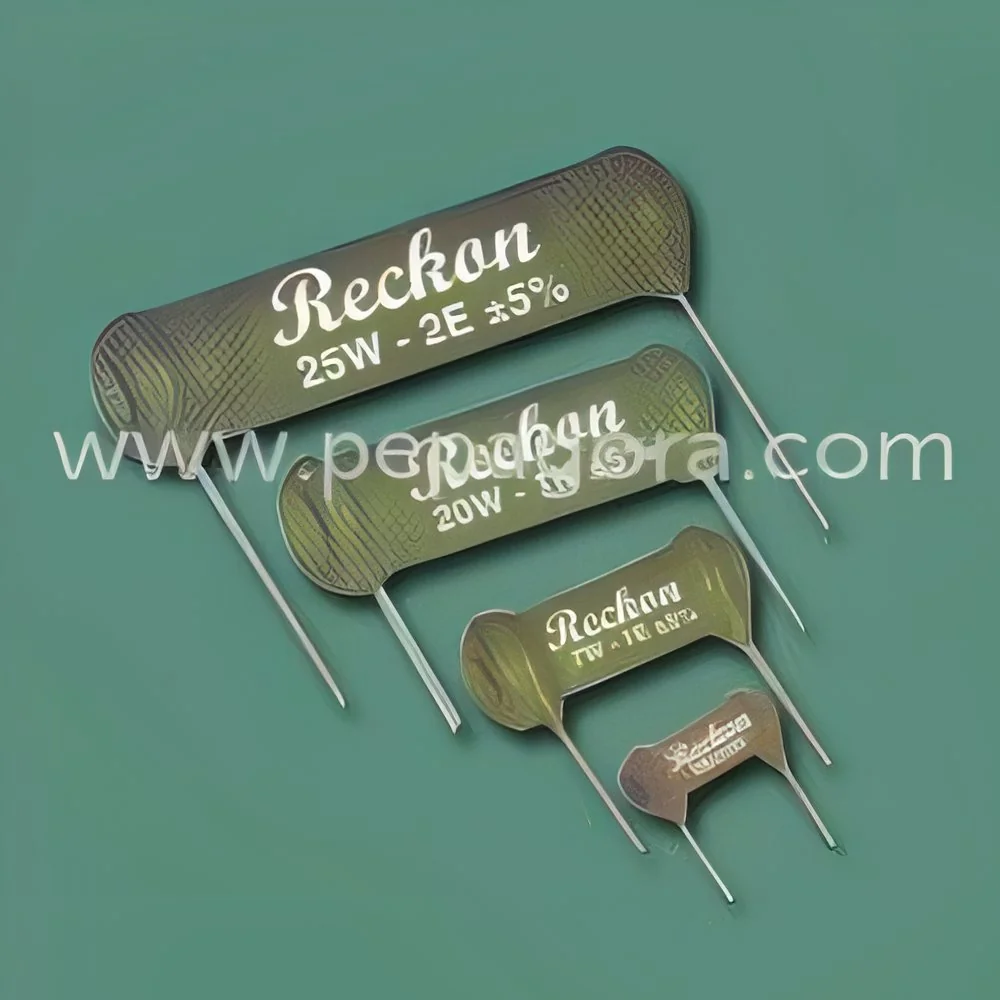
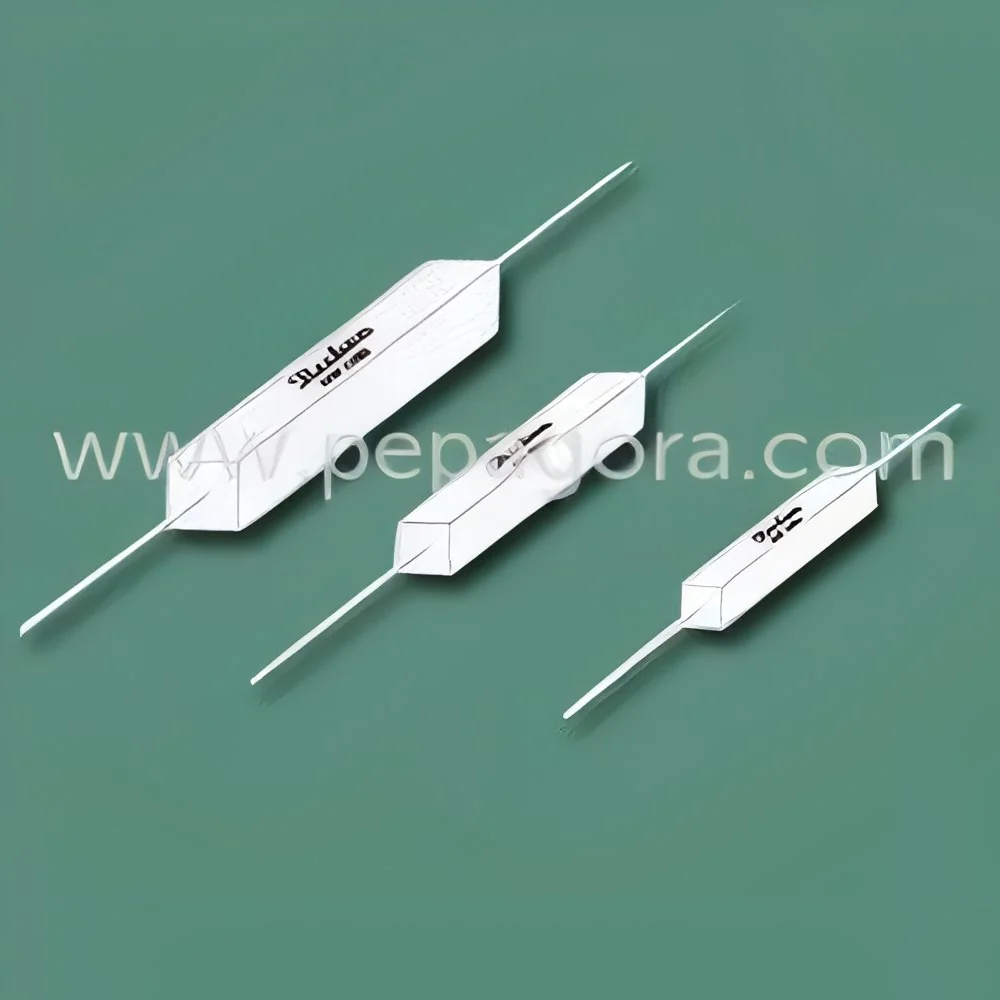
Film Resistors: Known for their precision and reliability, film resistors are commonly used in circuits requiring accurate resistance values. They offer low noise and high stability.
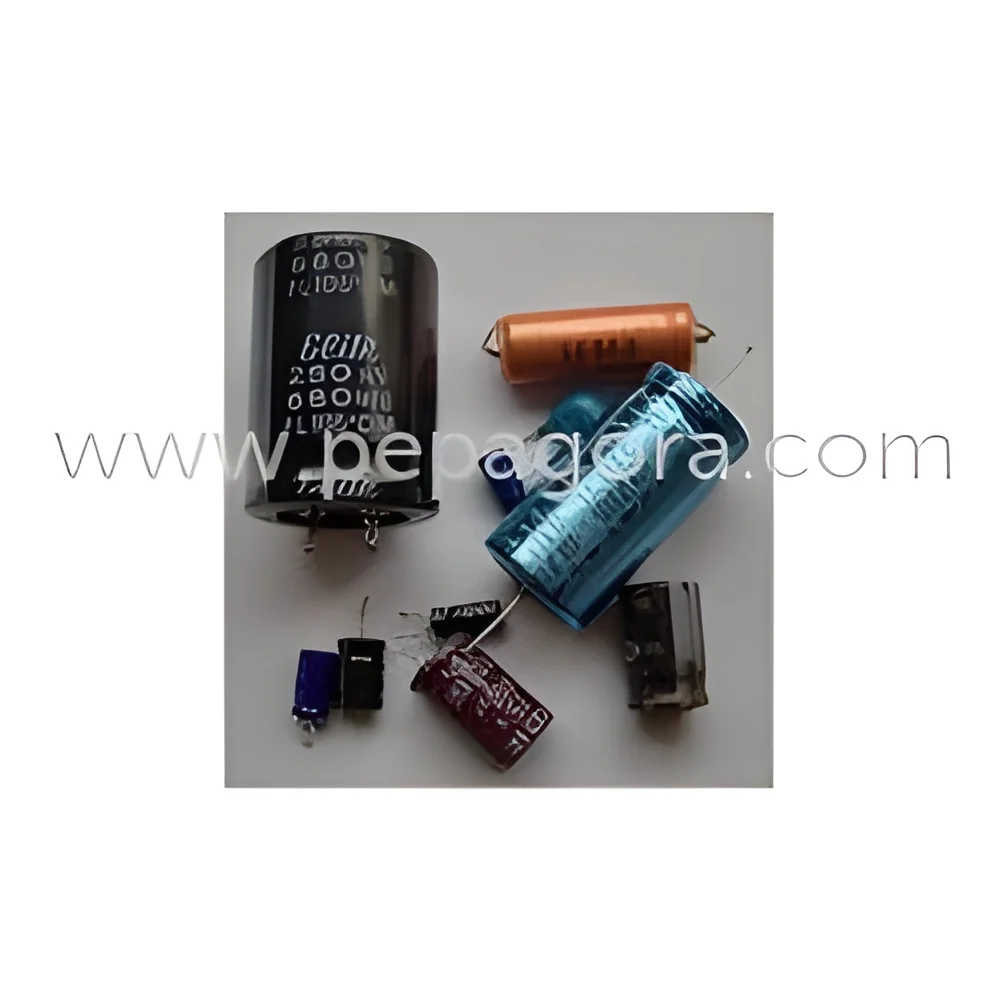
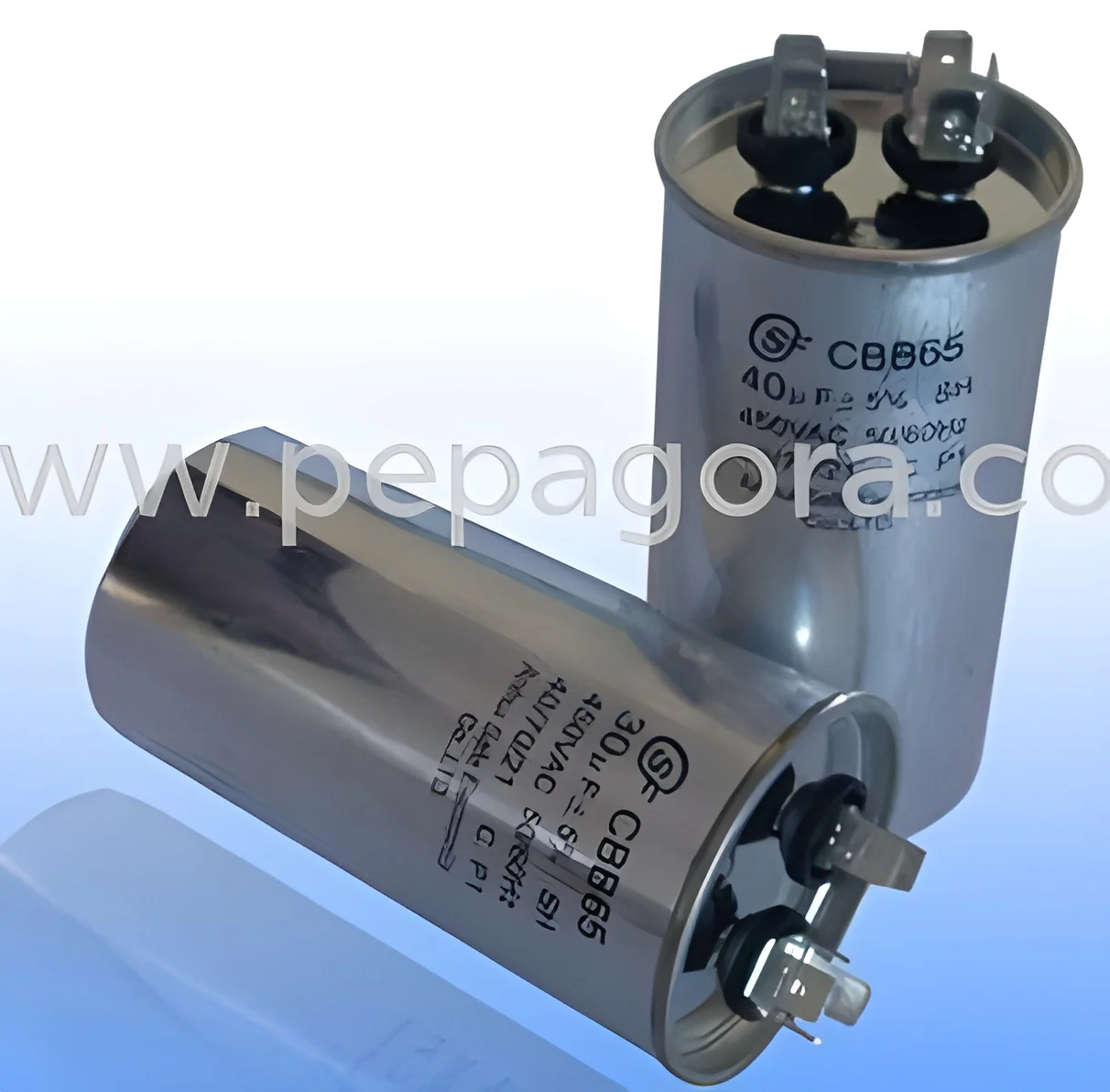
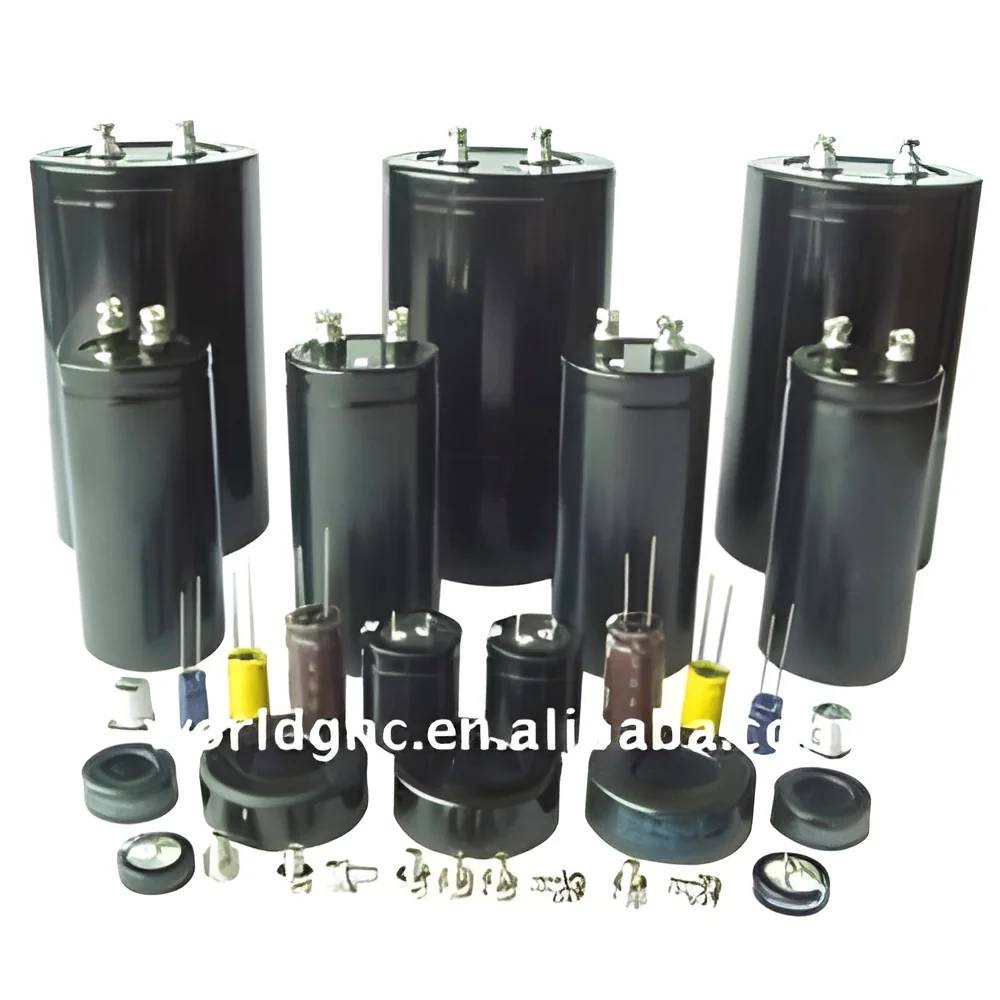
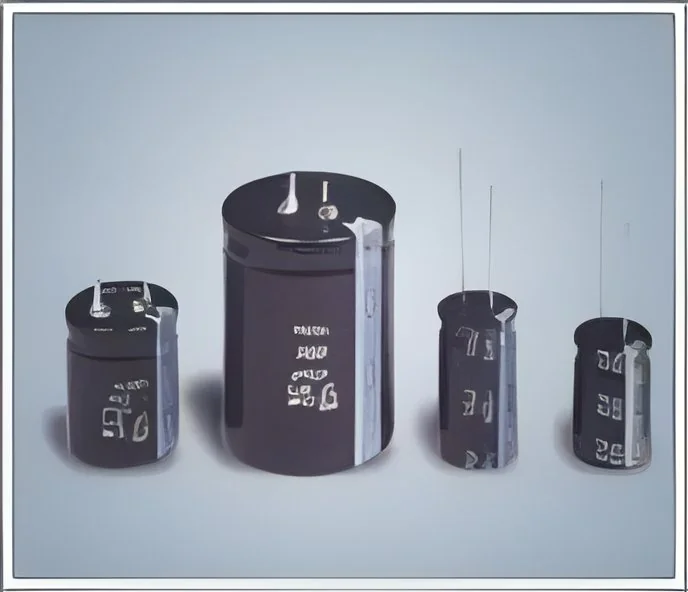
Electrolytic Capacitors: These capacitors are designed for high-capacitance applications, such as power supply filters. They provide excellent energy storage capacity.
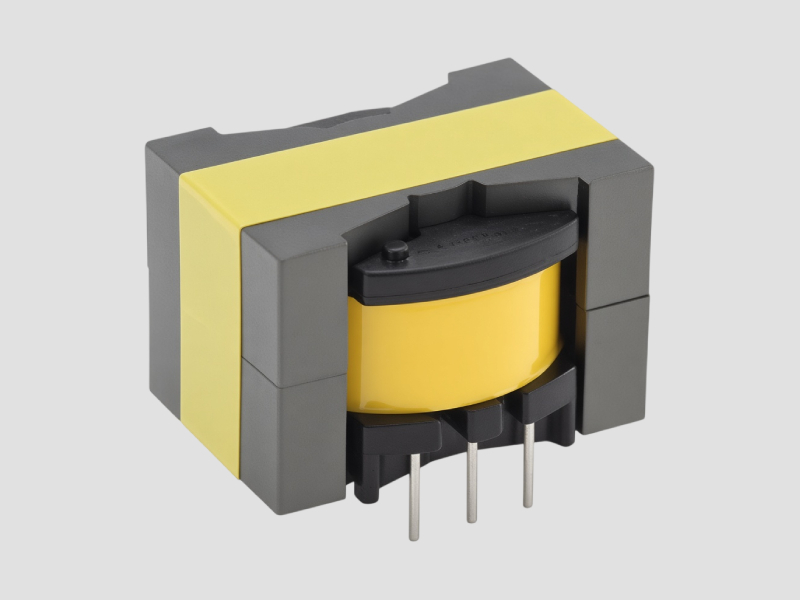
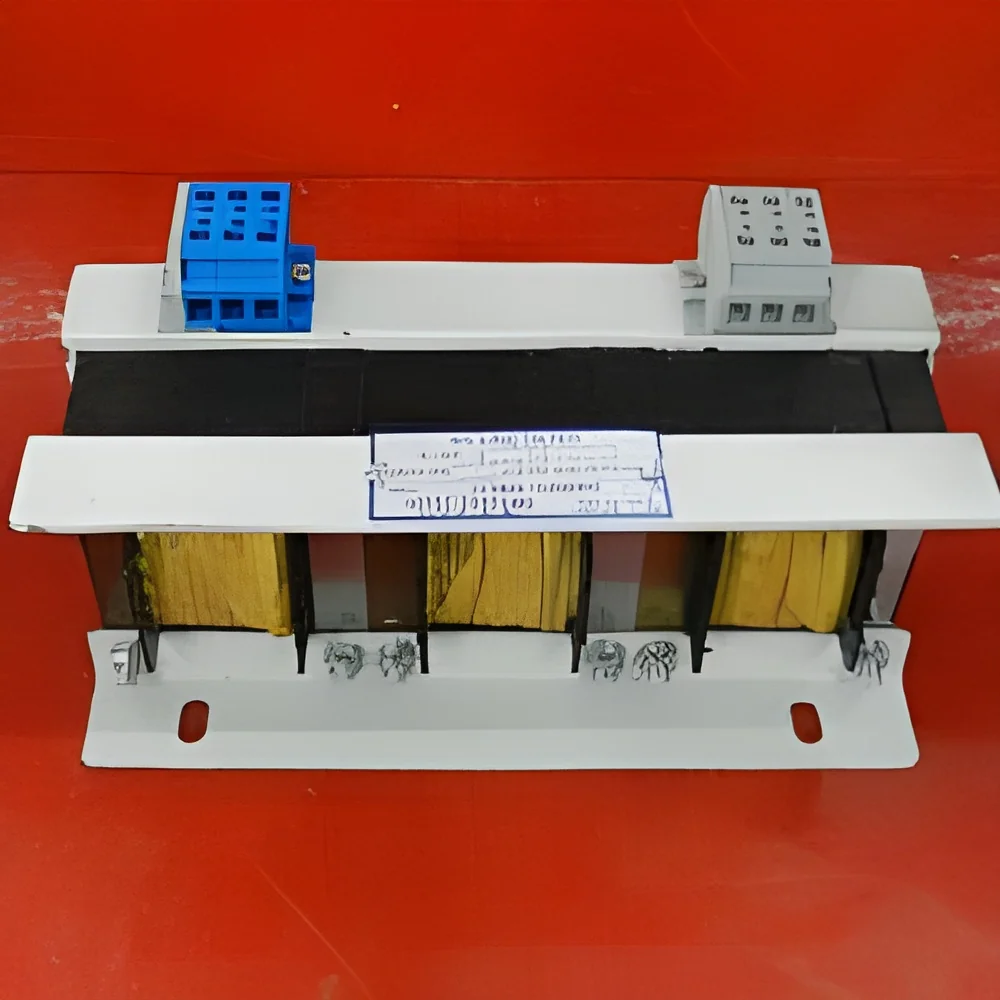
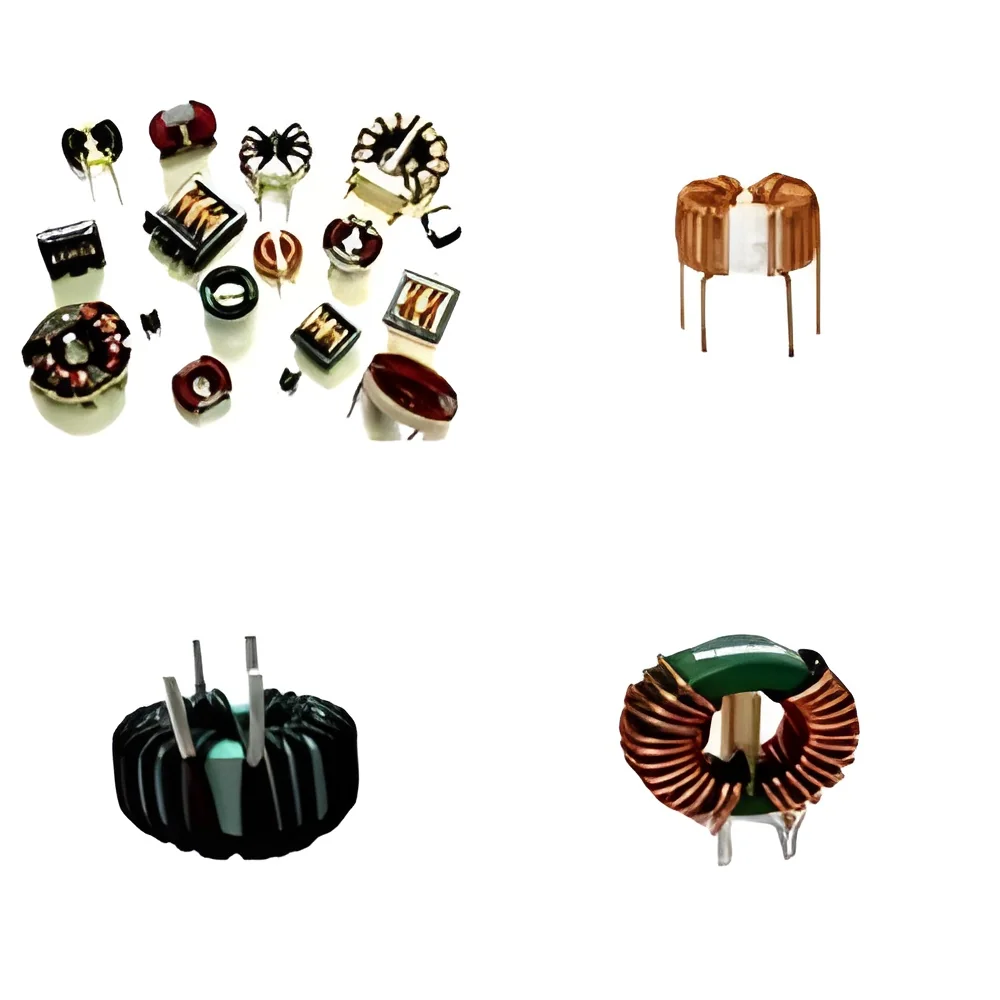
Wire-Wound Inductors: These inductors are constructed by winding wire around a core, providing high inductance values suitable for power applications.
𝗕𝗲𝗻𝗲𝗳𝗶𝘁𝘀 𝗮𝗻𝗱 𝗔𝗱𝘃𝗮𝗻𝘁𝗮𝗴𝗲𝘀
Sourcing capacitors, resistors, and inductors offers several advantages for businesses.
1. Enhanced Performance: These components improve circuit efficiency and reliability, leading to better overall performance of electronic devices.
2. Cost-Effectiveness: By selecting the right components, businesses can reduce energy consumption and operational costs.
3. Versatility: Capacitors, resistors, and inductors can be used in a wide range of applications across various industries, making them highly adaptable.
4. Improved Design Flexibility: The availability of different specifications allows engineers to customize designs according to specific requirements.
5. Increased Durability: High-quality components are designed to withstand harsh conditions, ensuring long life and reduced maintenance needs.
6. Regulatory Compliance: Sourcing from reputable suppliers ensures that components meet industry standards and regulations.
𝗕𝘂𝘆𝗶𝗻𝗴 𝗚𝘂𝗶𝗱𝗲 𝗳𝗼𝗿 𝗕𝟮𝗕 𝗕𝘂𝘆𝗲𝗿𝘀
When sourcing capacitors, resistors, and inductors, B2B buyers should consider several key factors to ensure they make informed purchasing decisions.
1. Quality Assessment: Evaluate components based on industry standards and certifications. Look for suppliers that provide detailed specifications and testing results.
2. Supplier Verification: Research potential suppliers to ensure they have a reliable track record and positive reviews. Request references and check for compliance with quality standards.
3. Pricing and MOQ: Consider the cost per unit and minimum order quantities. Compare prices from multiple suppliers to ensure competitive pricing while maintaining quality.
4. Delivery and Lead Times: Assess the supplier's ability to meet delivery deadlines. Ensure they can provide timely shipments to maintain production schedules.
5. Compliance Requirements: Be aware of any regulatory requirements that apply to the components, such as safety standards and environmental regulations. Ensure that the supplier can provide necessary documentation.
𝗖𝗼𝗺𝗽𝗹𝗶𝗮𝗻𝗰𝗲 𝗮𝗻𝗱 𝗖𝗲𝗿𝘁𝗶𝗳𝗶𝗰𝗮𝘁𝗶𝗼𝗻𝘀
In the manufacturing and sourcing of capacitors, resistors, and inductors, adherence to relevant quality standards and certifications is essential.
ISO 9001 is a widely recognized standard that ensures effective quality management systems. Suppliers adhering to this standard demonstrate their commitment to consistent quality and customer satisfaction.
Industry certifications like CE signify that products meet European safety, health, and environmental protection standards. This certification is crucial for businesses looking to distribute products within the European market.
Safety and testing requirements are paramount in the production of these components. Suppliers must conduct rigorous testing to ensure reliability and performance under various operating conditions.
Additionally, regional compliance considerations may apply depending on the target market. Businesses should ensure that their suppliers are aware of and compliant with local regulations and standards.
𝗪𝗵𝘆 𝗦𝗼𝘂𝗿𝗰𝗲 𝗖𝗮𝗽𝗮𝗰𝗶𝘁𝗼𝗿𝘀, 𝗥𝗲𝘀𝗶𝘀𝘁𝗼𝗿𝘀, 𝗜𝗻𝗱𝘂𝗰𝘁𝗼𝗿𝘀 𝗳𝗿𝗼𝗺 𝗣𝗲𝗽𝗮𝗴𝗼𝗿𝗮?
Pepagora provides a trusted platform for sourcing capacitors, resistors, and inductors, offering several key advantages to B2B buyers.
Verified Supplier Network: Pepagora has established a network of verified suppliers, ensuring that buyers have access to high-quality components from reputable sources. This reduces the risk associated with sourcing.
Streamlined RFQ Process: The request for quotation (RFQ) process on Pepagora is designed to simplify sourcing. Buyers can quickly receive competitive quotes from multiple suppliers, saving time and effort.
Trade Assurance and Support: Pepagora offers trade assurance and support to protect buyers throughout the purchasing process. This includes assistance with disputes and guarantees on product quality.
Regional Coverage: With a strong presence in India, the GCC, and Southeast Asia, Pepagora offers extensive regional coverage. This enables businesses to access components locally while benefiting from competitive pricing and reduced lead times.

 IN
IN