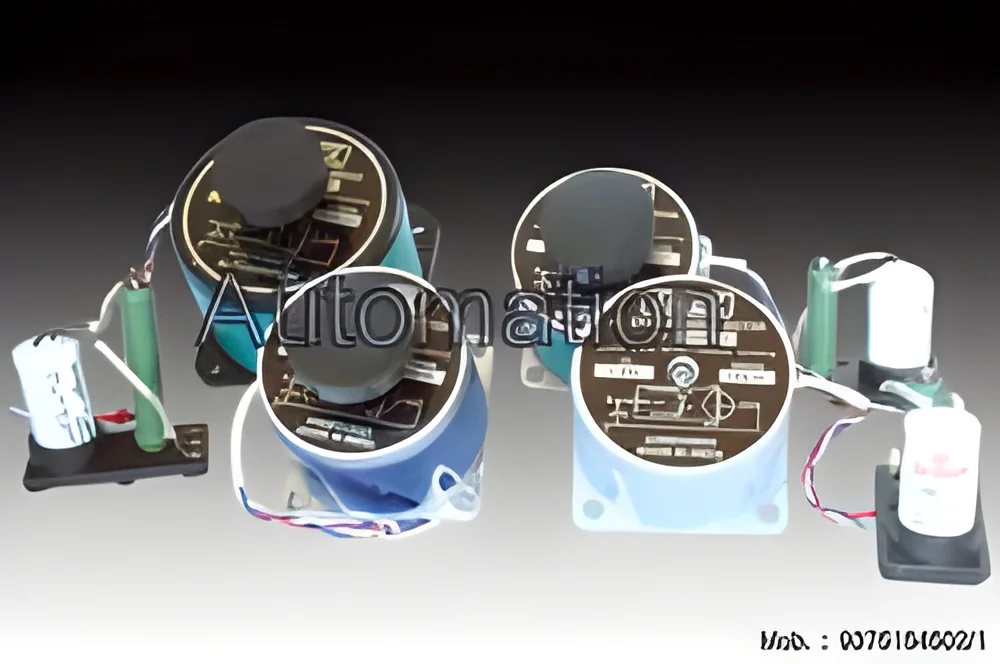
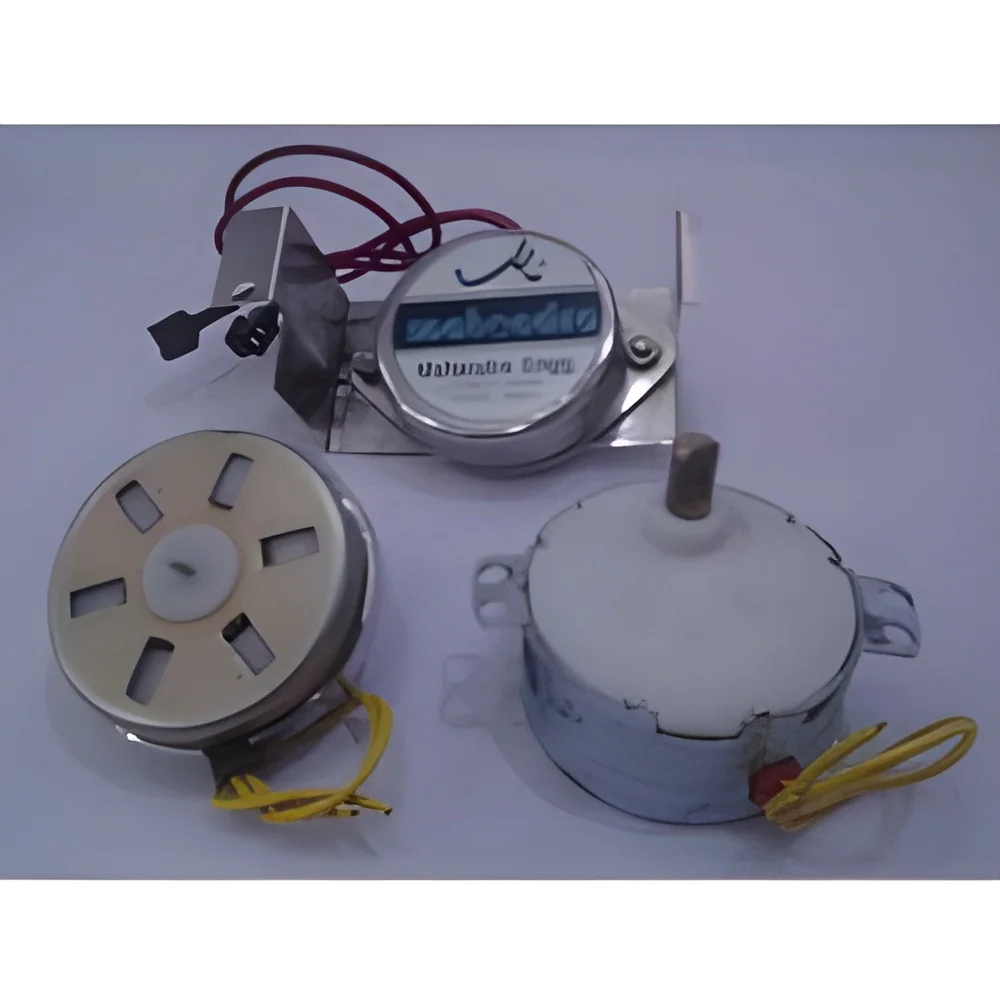
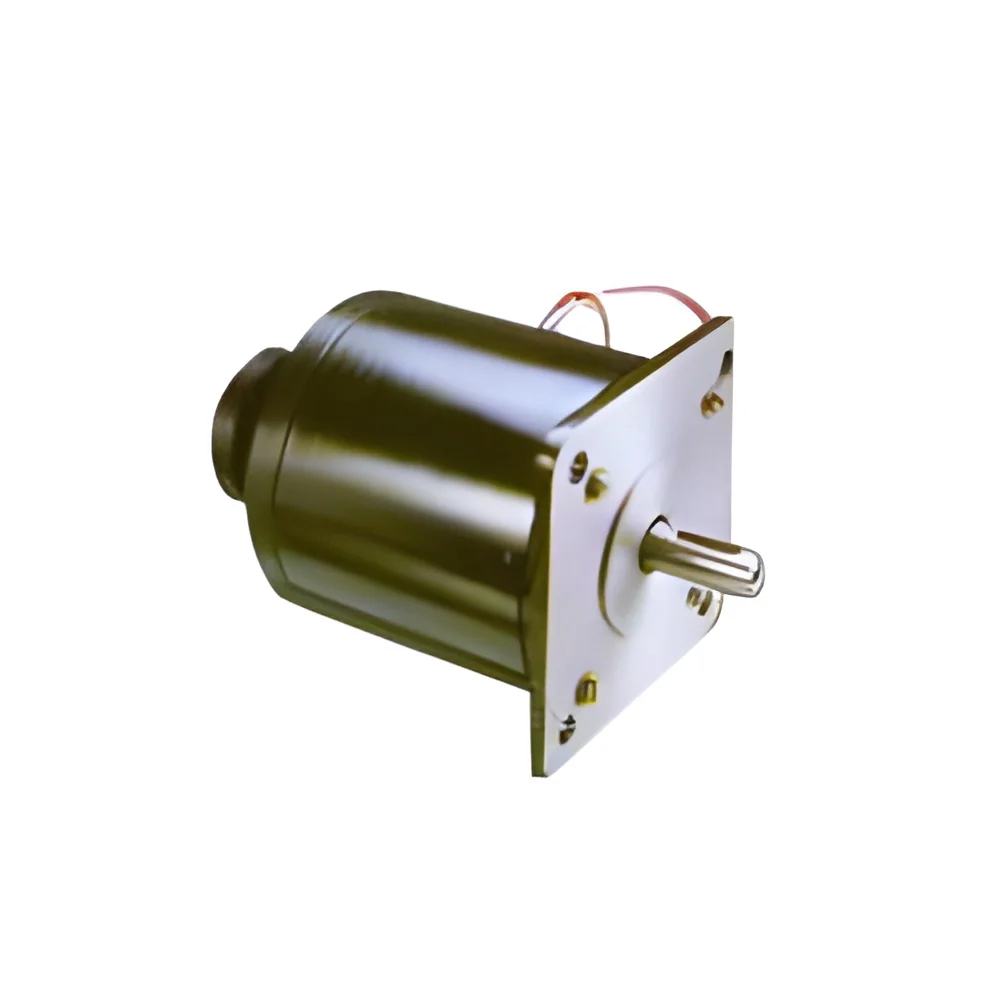
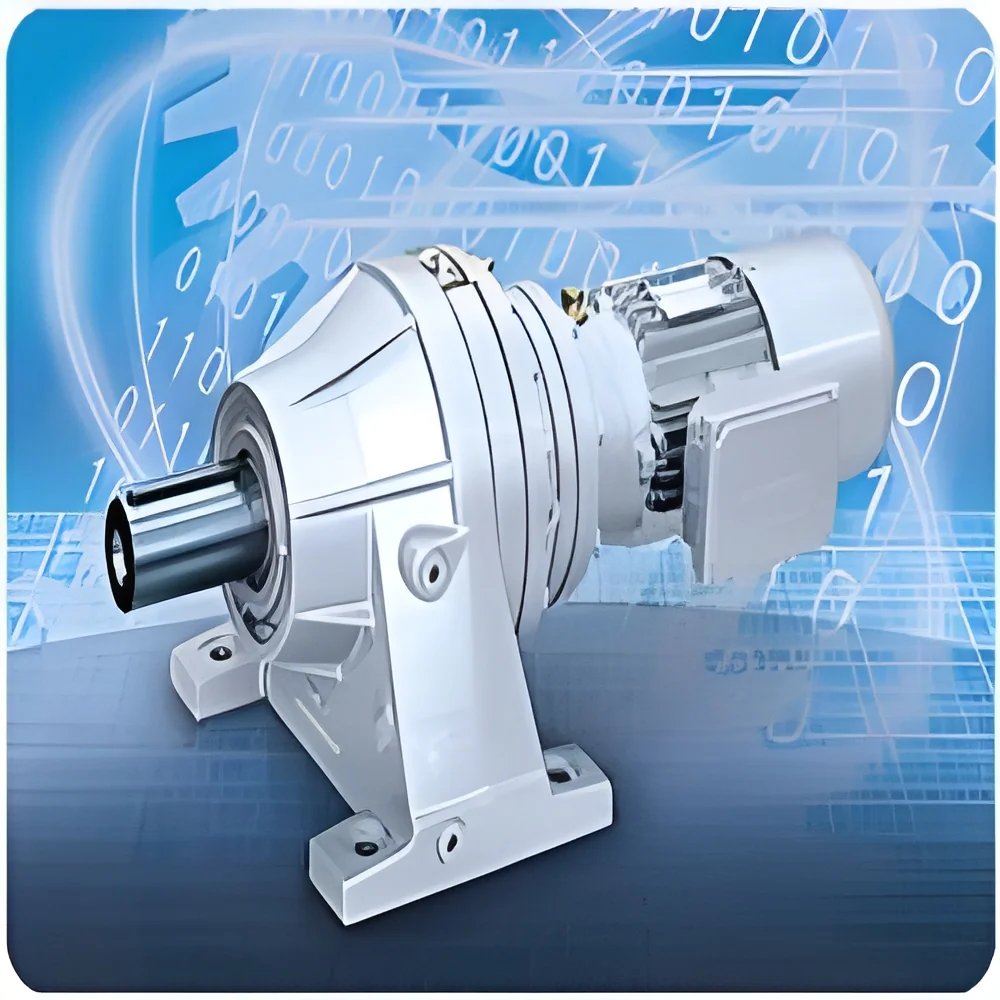
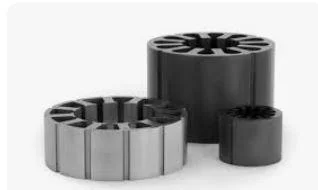
What are Synchronous Motors?
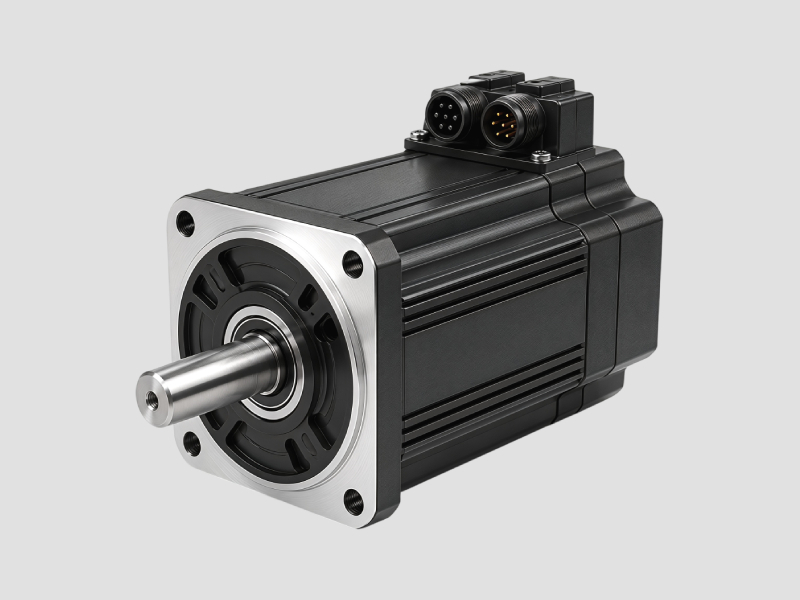
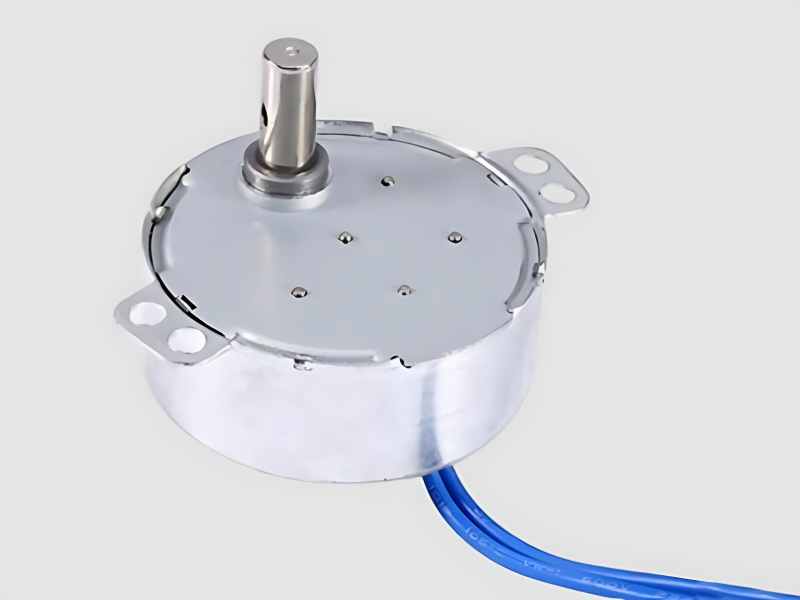
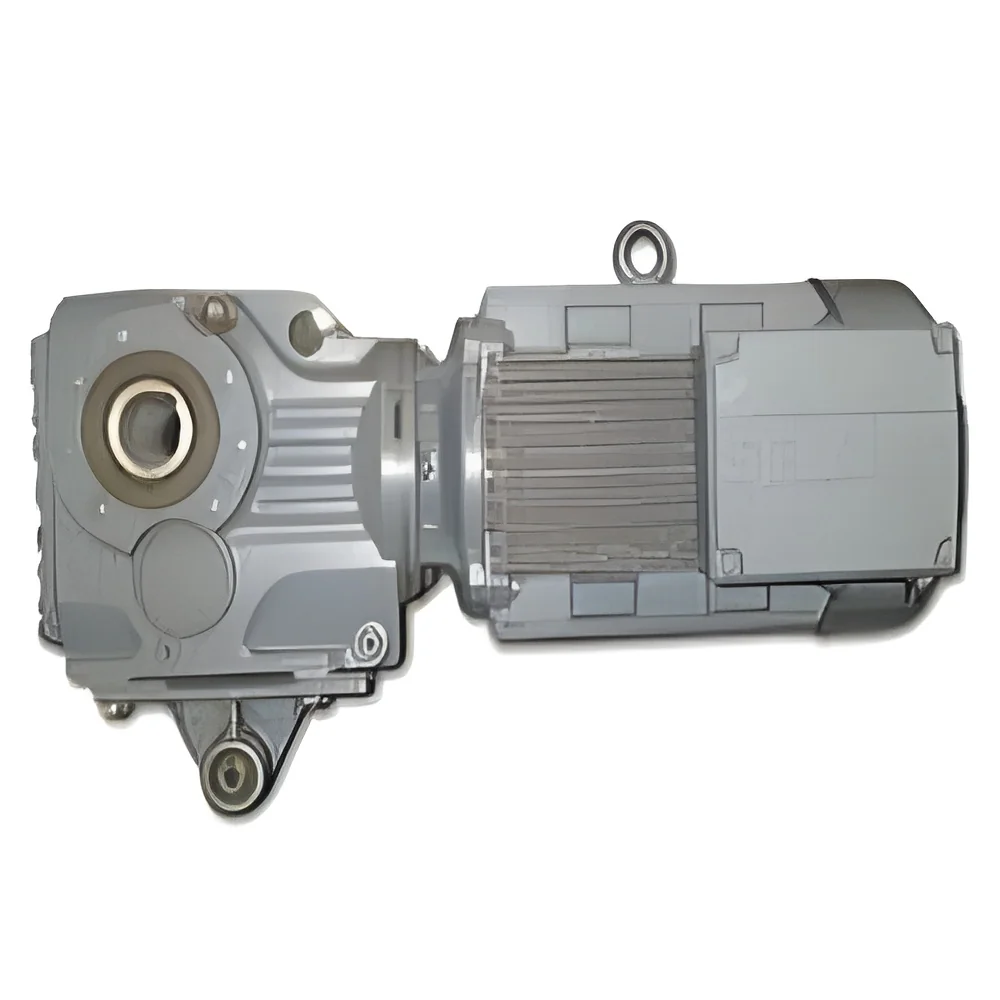
Synchronous motors are a type of electric motor that operates at a constant speed, synchronized with the frequency of the supply current. These motors are designed to maintain a constant rotational speed regardless of load variations. Unlike asynchronous motors, which experience slip, synchronous motors achieve their speed through magnetic fields generated by both the stator and rotor. This unique feature makes them suitable for applications requiring precise speed control and efficiency.
Synchronous motors find extensive use in various industries, including manufacturing, oil and gas, and power generation. They are employed in applications such as pumps, compressors, fans, and conveyors. The ability to operate under variable load conditions while maintaining efficiency makes them a popular choice in applications where energy savings are crucial. With increasing energy costs and a focus on sustainability, the demand for these motors is rising in markets worldwide.
In terms of industry relevance, synchronous motors are gaining traction due to advancements in technology and the growing emphasis on energy-efficient solutions. As industries strive to reduce operational costs and carbon footprints, the adoption of synchronous motors is likely to increase, solidifying their position in the market.
Key Features and Specifications
Synchronous motors come with several key features that enhance their performance and applicability. These features are essential for industries looking for reliable and efficient solutions.
Key specifications include:
1. Power Rating
- Power ratings typically range from a few kilowatts to several megawatts.
- Suitable for both small and large-scale applications.
2. Efficiency
- High efficiency rates, often exceeding 90%.
- Energy savings contribute to lower operational costs.
3. Speed Control
- Precise speed control with minimal variation.
- Constant speed operation regardless of load changes.
4. Torque Characteristics
- High starting torque and stable performance.
- Ideal for heavy-duty applications.
5. Cooling Method
- Options include air-cooled and water-cooled designs.
- Cooling method affects performance and operational reliability.
6. Construction Type
- Available in salient pole and non-salient pole designs.
- Selection depends on the specific application and performance requirements.
7. Voltage Ratings
- Common voltage ratings include 230V, 400V, and higher.
- Flexibility in voltage specifications for various applications.
8. Control Systems
- Compatibility with advanced control systems for enhanced functionality.
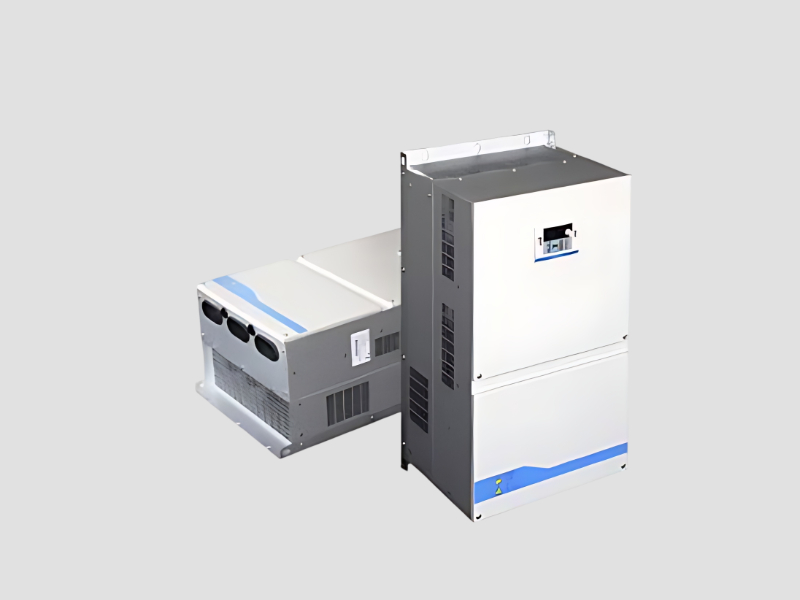
- Options for variable frequency drives to optimize performance.
In summary, the specifications of synchronous motors cater to diverse industrial needs, providing reliable performance, energy efficiency, and adaptability to different operational demands.
Common Applications and Use Cases
Synchronous motors are versatile and serve numerous industries effectively.
1. Manufacturing: Synchronous motors are commonly used in manufacturing plants for driving conveyor belts, machining equipment, and assembly lines. Their precise speed control enhances production efficiency.
2. Oil and Gas: In the oil and gas sector, these motors drive pumps and compressors, ensuring efficient operation even under varying loads. Their durability is essential in harsh environments.
3. Power Generation: Synchronous motors play a critical role in power generation plants, where they are used for synchronous condensers and grid stabilization, helping maintain system reliability.
4. Mining: In mining operations, synchronous motors are used to power crushers and mills, providing the necessary torque to handle heavy materials.
5. Water Treatment: These motors are employed in water and wastewater treatment facilities for driving aerators and mixers, ensuring effective processing.
6. HVAC Systems: Synchronous motors are utilized in heating, ventilation, and air conditioning systems to drive fans and pumps, enhancing energy efficiency.
7. Marine Applications: They are also used in marine propulsion systems, where reliability and efficiency are paramount.
Product Variants and Subcategories
Synchronous motors are available in various configurations to meet specific application needs.
High Torque Synchronous Motors: These variants are designed to provide high torque output, making them suitable for heavy-duty applications in industries such as mining and manufacturing. They excel in performance where starting torque is critical.
Low-Speed Synchronous Motors: Ideal for applications requiring low-speed operation, these motors are commonly used in conveyors and mixers. Their design ensures efficient performance at lower speeds.
High-Efficiency Synchronous Motors: These motors are built with advanced technology to maximize energy efficiency. They are particularly beneficial for applications where energy savings are a priority, such as HVAC systems.
Variable Speed Synchronous Motors: These variants are designed for applications requiring adjustable speed settings. They work well with variable frequency drives, making them suitable for dynamic load requirements.
Benefits and Advantages
Synchronous motors offer numerous advantages that make them appealing for various industrial applications.
1. Energy Efficiency: Synchronous motors generally have higher efficiency ratings than their asynchronous counterparts, leading to reduced energy consumption.
2. Constant Speed Operation: They maintain a constant speed under varying loads, which is crucial for applications that require precise timing and synchronization.
3. High Starting Torque: These motors provide a high starting torque, making them ideal for applications where heavy loads need to be moved from a standstill.
4. Low Maintenance: With fewer moving parts and a robust design, synchronous motors typically require less maintenance, resulting in lower operational downtime.
5. Reduced Harmonics: Synchronous motors produce fewer harmonics, contributing to improved power quality in electrical systems.
6. Compatibility with Advanced Control Systems: They can be integrated with modern control systems, allowing for improved performance monitoring and process optimization.
Buying Guide for B2B Buyers
When considering the procurement of synchronous motors, several important factors should be evaluated.
1. Quality Assessment: Ensure the motors meet applicable quality standards and have undergone rigorous testing. Look for certifications such as CE that indicate compliance with industry standards.
2. Supplier Verification: Vet potential suppliers to confirm their reliability and reputation. Consider their experience in the market and customer feedback.
3. Pricing and MOQ: Assess the pricing structure and minimum order quantities. Understand how these factors align with your budget and operational needs.
4. Delivery and Lead Times: Evaluate the supplier's ability to meet delivery timelines. This is crucial for planning and minimizing production delays.
5. Compliance Requirements: Ensure that the synchronous motors comply with relevant regulatory and safety standards in your region. This reduces the risk of operational disruptions.
Compliance and Certifications
Synchronous motors are subject to various quality standards and certifications that ensure their reliability and performance.
ISO 9001 is a widely recognized international standard that specifies requirements for a quality management system. Compliance with this standard demonstrates a company's commitment to quality and continuous improvement.
CE certification indicates that the product meets European safety and environmental requirements. It is essential for manufacturers looking to market their synchronous motors in Europe.
Safety and testing requirements are critical, as they ensure that synchronous motors operate safely under various conditions. Regular testing for performance, efficiency, and safety standards is necessary to maintain compliance.
Regional compliance considerations may vary, so it is important to understand the specific requirements in your market. This includes adhering to local regulations regarding safety, emissions, and energy efficiency.
Why Source Synchronous Motors from Pepagora?
Pepagora offers a trusted platform for sourcing synchronous motors, providing several key advantages for B2B buyers.
Verified Supplier Network: Pepagora facilitates connections to a network of verified suppliers, ensuring buyers access quality products from reputable manufacturers. This reduces the risk of procurement issues.
Streamlined RFQ Process: The platform features an efficient request for quotation (RFQ) system, allowing buyers to quickly compare pricing and specifications from multiple suppliers. This simplifies the sourcing process.
Trade Assurance and Support: Pepagora provides trade assurance, offering buyers protection throughout the transaction process. This instills confidence when making purchasing decisions.
Regional Coverage: The platform has a strong presence in key markets such as India, GCC, and Southeast Asia. This regional coverage allows buyers to source synchronous motors that meet their specific local needs while benefiting from competitive pricing and availability.

 IN
IN

 India
India