
 IN
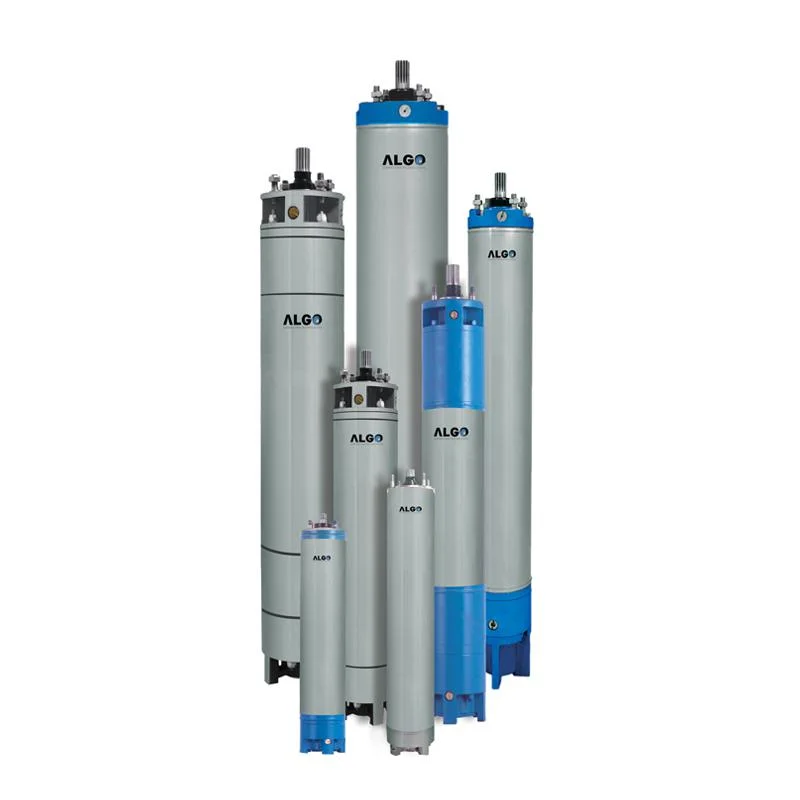
Submersible Motors
8 products available
What are Submersible Motors?
Submersible motors are specialized electric motors designed to operate while fully submerged in a fluid, typically water. These motors are sealed to prevent water ingress, ensuring reliable performance in challenging environments. They convert electrical energy into mechanical energy to drive pumps or other machinery, making them crucial for various applications in industrial settings.
Primary uses of submersible motors include water extraction, irrigation, drainage, and wastewater treatment. They are commonly employed in agriculture, municipal water systems, and industrial processes where fluid movement is necessary. Their ability to function underwater eliminates the need for long shafts, which simplifies design and installation. The submersible motor market is significant, driven by increasing demand for efficient fluid management solutions across multiple industries.
The relevance of submersible motors in today's market cannot be overstated. With growing concerns over water scarcity and environmental sustainability, these motors provide effective solutions for efficient resource management. Their adaptability allows them to meet various industry requirements, further solidifying their market presence.
Key Features and Specifications
Submersible motors come with a range of features that enhance their performance and reliability. Understanding these specifications is essential for selecting the right motor for specific applications.
Key specifications include:
1. Power Rating
- Commonly ranges from 0.5 to 500 horsepower.
- Allows for selection based on the required flow rate and application.
2. Voltage
- Typically available in single-phase (220-240V) and three-phase (380-415V) options.
- Ensures compatibility with existing electrical systems.
3. Insulation Class
- Usually rated at Class F or Class H.
- Provides adequate thermal protection for prolonged operation.
4. Enclosure Type
- Generally designed with a water-tight enclosure to prevent moisture ingress.
- Ensures durability in harsh environments.
5. Material Construction
- Often made from corrosion-resistant materials like stainless steel or high-grade plastics.
- Enhances longevity and reliability in demanding applications.
6. Operating Depth
- Capable of functioning at depths ranging from 50 to over 400 meters.
- Tailored to specific submersion needs based on application.
7. Cooling Method
- Uses the fluid surrounding the motor for cooling, preventing overheating.
- Ensures continuous operation without the need for additional cooling systems.
8. Certification
- Generally compliant with CE standards.
- Ensures adherence to safety and quality regulations.
In summary, understanding these features and specifications is crucial for selecting the right submersible motor to ensure optimal performance and reliability in various applications.
Common Applications and Use Cases
Submersible motors are versatile and find applications in numerous industries.
1. Agriculture: These motors are used for irrigation systems and groundwater extraction to ensure reliable water supply for crops.
2. Municipal Water Systems: Submersible motors play a critical role in water supply and sewage systems, facilitating the movement of water and wastewater.
3. Oil and Gas: Employed in offshore drilling and production, these motors help in the extraction and transportation of fluids.
4. Mining: Used for dewatering mines and pumping slurry, submersible motors enhance operational efficiency in mining operations.
5. Construction: These motors assist in dewatering construction sites, ensuring safe and dry working conditions.
6. Aquaculture: Submersible motors are utilized for water circulation and aeration in fish farming operations.
7. HVAC: Employed in cooling systems, these motors help in maintaining water flow in heat exchangers and chillers.
Product Variants and Subcategories
Submersible motors come in various designs and configurations to meet different operational needs. Each variant is tailored for specific applications.
Standard Submersible Motor
This variant is designed for general use in water pumping applications. It features a robust construction for durability and efficient operation in a variety of environments, ensuring reliable performance.
High-Performance Submersible Motor
Engineered for demanding applications, this motor offers enhanced power and efficiency. It is suitable for industrial processes requiring higher flow rates and is often used in water treatment facilities.
Low-Noise Submersible Motor
Designed for residential and commercial applications, this motor operates quietly to minimize disruption. Ideal for use in settings where noise reduction is crucial.
Benefits and Advantages
Submersible motors offer numerous advantages that make them a preferred choice for fluid management.
1. Efficient Operation: These motors can operate directly in the fluid, reducing energy losses associated with traditional systems.
2. Space-Saving Design: The compact design eliminates the need for extensive pump housings or shafts, saving valuable space.
3. Reduced Maintenance: Their sealed construction minimizes wear and tear, leading to lower maintenance costs over time.
4. Versatility: Submersible motors can be used in a wide range of applications across various industries, enhancing their utility.
5. Improved Safety: Operating underwater reduces the risk of electrical hazards associated with exposed machinery.
6. Reliable Performance: Designed for continuous operation, these motors maintain performance even in challenging conditions.
Buying Guide for B2B Buyers
When sourcing submersible motors, it is crucial to consider several factors to ensure the right choice.
1. Quality Assessment: Evaluate the quality based on manufacturer reputation, material construction, and compliance with industry standards. High-quality motors will provide better longevity and reliability.
2. Supplier Verification: Conduct thorough due diligence on potential suppliers. Look for certifications, customer reviews, and industry experience to ensure reliability and trustworthiness.
3. Pricing and MOQ: Understand pricing structures and minimum order quantities. Compare quotes from multiple suppliers to find the best deal while ensuring quality.
4. Delivery and Lead Times: Discuss logistics and ensure that suppliers can meet your delivery timelines. Delays can impact project schedules significantly.
5. Compliance Requirements: Ensure that the motors meet relevant regulations and quality standards in your region. This may include certifications like CE to ensure safety and reliability.
Compliance and Certifications
Submersible motors must adhere to various quality standards and certifications to ensure safety and reliability. One of the key standards is ISO 9001, which focuses on quality management systems. Compliance with this standard indicates that the manufacturer maintains consistent quality in their production processes.
Additionally, industry certifications such as CE signify that the product meets European safety and health requirements. This is particularly important for international buyers who need assurance of compliance with local regulations.
Safety and testing requirements are critical in the manufacturing of submersible motors. Manufacturers typically conduct rigorous testing to ensure that products can withstand harsh conditions and function effectively over time.
Regional compliance considerations may vary, so it is essential for buyers to be aware of local regulations that might affect the use and installation of submersible motors in their specific location.
Why Source Submersible Motors from Pepagora?
Pepagora provides a trusted platform for sourcing submersible motors, offering several key advantages to B2B buyers.
Verified Supplier Network: Pepagora has established a robust network of verified suppliers, ensuring that buyers can access high-quality products from reputable manufacturers. This reduces the risk of purchasing subpar equipment.
Streamlined RFQ Process: The platform facilitates a streamlined request for quotation process, allowing buyers to easily compare prices and specifications from multiple suppliers, saving time and effort in sourcing.
Trade Assurance and Support: Pepagora offers trade assurance and support services that protect buyers throughout the purchasing process. This includes dispute resolution and guarantees against non-delivery or defective products.
Regional Coverage: With a focus on regions such as India, the GCC, and Southeast Asia, Pepagora enables buyers to connect with suppliers that can meet their specific regional needs, ensuring timely delivery and compliance with local regulations.


 India

 India

 India
Frequently Asked Questions
What are Submersible Motors?
Submersible motors are electric motors that are designed to operate while submerged in a fluid, typically water. They are commonly used in applications such as pumping groundwater, sewage, and other liquids, providing a reliable and efficient solution for various industries.
What are the different types of Submersible Motors?
There are several types of submersible motors, including single-phase and three-phase motors, as well as deep well and borehole submersible motors. Each type is designed for specific applications, such as shallow water pumping or deeper well installations, catering to diverse operational needs.
How do I choose the right Submersible Motors?
Choosing the right submersible motor involves considering factors such as the depth of water, flow rate, and the type of liquid being pumped. Additionally, it is essential to evaluate the motor's power rating, efficiency, and compatibility with the pump system to ensure optimal performance.
What are the standard specifications for Submersible Motors?
Standard specifications for submersible motors typically include power output (measured in horsepower or kilowatts), voltage rating, insulation class, and protection rating (such as IP68). These specifications help determine the motor's suitability for specific environments and applications.
What is the price range for Submersible Motors?
The price range for submersible motors can vary significantly based on factors such as power rating, brand, and additional features. Generally, prices can range from a few thousand to several tens of thousands of Indian Rupees, depending on the specifications and manufacturers.
What quality standards apply to Submersible Motors?
Submersible motors are subject to various quality standards, including ISI and ISO certifications, which ensure compliance with safety and performance criteria. Adhering to these standards helps guarantee the reliability and efficiency of the motors in various applications.
Where can I find Submersible Motors suppliers in India?
Submersible motors suppliers in India can be found through online B2B marketplaces, industry trade shows, and local engineering supply stores. Websites like Pepagora.com offer a platform to connect with various manufacturers and suppliers across the country.
Can Submersible Motors be customized?
Yes, submersible motors can often be customized to meet specific requirements, including variations in size, power, and operational features. Manufacturers may offer customization options to cater to unique application needs or industry standards.
What is the typical minimum order quantity for Submersible Motors?
The typical minimum order quantity (MOQ) for submersible motors can vary by supplier, but it is often around 10 to 50 units. It's advisable to check with individual manufacturers for their specific MOQ requirements.
What is the typical lead time for Submersible Motors?
The typical lead time for submersible motors can range from 2 to 6 weeks, depending on the manufacturer's production schedule and the complexity of the order. Custom orders may require additional time for manufacturing and testing.
Why Businesses Trust Pepagora
Thousands of companies trust Pepagora to source smarter and sell faster
Expand Your Sales Globally

Source Smarter,Grow Faster
