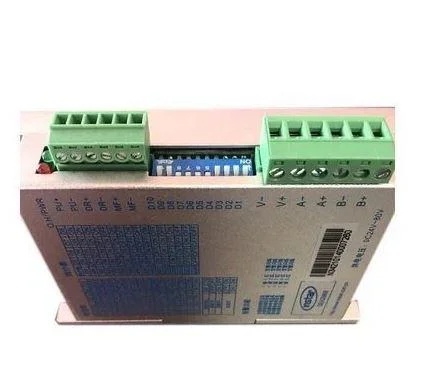
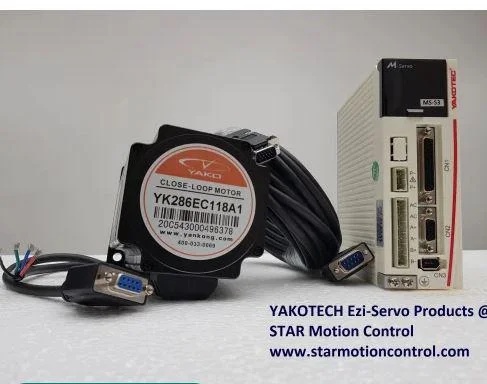
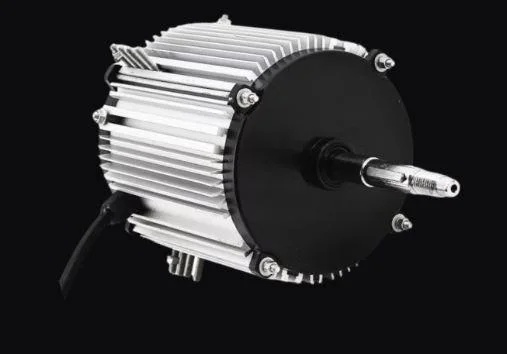
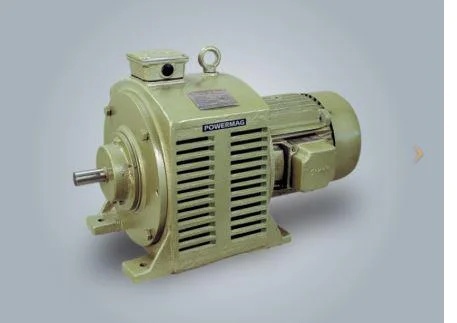
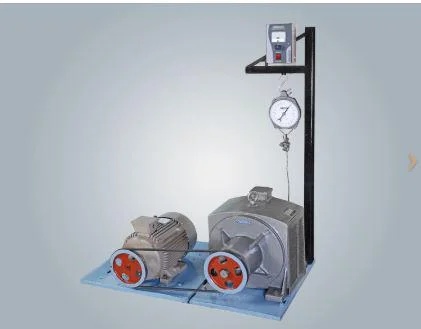
𝗪𝗵𝗮𝘁 𝗮𝗿𝗲 𝗦𝘁𝗲𝗽𝗽𝗲𝗿 𝗠𝗼𝘁𝗼𝗿𝘀?
Stepper motors are a type of electromechanical device that converts electrical energy into precise mechanical movements. They operate by dividing a full rotation into a large number of steps, allowing for accurate positioning and control. Unlike traditional DC motors, stepper motors can be stopped at any point in a rotation, making them ideal for applications requiring precise control over position and speed. The operation of stepper motors is based on the principle of magnetism, where the motor's coils are energized in a sequence to create rotational movement.
These motors are widely used in various industries for applications such as robotics, automation, CNC machinery, and 3D printing. Their ability to provide accurate positioning without the need for feedback systems makes them particularly valuable in scenarios where precision is critical. Businesses leverage stepper motors for tasks that require repeatable and reliable motion control, enhancing productivity and efficiency in manufacturing and assembly processes. The growing demand for automation solutions across multiple sectors continues to drive the market for stepper motors.
𝗞𝗲𝘆 𝗙𝗲𝗮𝘁𝘂𝗿𝗲𝘀 𝗮𝗻𝗱 𝗦𝗽𝗲𝗰𝗶𝗳𝗶𝗰𝗮𝘁𝗶𝗼𝗻𝘀
Stepper motors come with a range of features that cater to various industrial needs. Their design allows for high reliability and excellent performance in demanding environments. Understanding the key specifications is crucial for selecting the right motor for specific applications.
Key specifications include:
1. Step Angle
- The angle by which the motor shaft moves for each step.
- Common step angles are 1.8 degrees and 0.9 degrees.
2. Holding Torque
- The maximum torque the motor can maintain when stationary.
- Typically measured in Newton-centimeters (Ncm).
3. Rated Voltage
- The voltage at which the motor operates efficiently.
- Typically ranges from 2.8V to 12V, depending on the motor type.
4. Current Rating
- The amount of current the motor requires for optimal performance.
- Usually specified in Amperes (A).
5. Stepper Motor Type
- Common types include permanent magnet, variable reluctance, and hybrid stepper motors.
- Each type has distinct characteristics suited for different applications.
6. Number of Phases
- Stepper motors can be uni-polar or bi-polar, affecting their performance and control.
- Bi-polar motors typically offer higher torque.
7. Length and Diameter
- Physical dimensions that determine the motor's compatibility with equipment.
- Sizes vary widely across different models.
8. Lifespan
- Average operational lifespan, often exceeding 10,000 hours under normal conditions.
These specifications help in determining the suitability of stepper motors for specific applications and environments.
𝗖𝗼𝗺𝗺𝗼𝗻 𝗔𝗽𝗽𝗹𝗶𝗰𝗮𝘁𝗶𝗼𝗻𝘀 𝗮𝗻𝗱 𝗨𝘀𝗲 𝗖𝗮𝘀𝗲𝘀
Stepper motors find utility in a diverse range of industries due to their precision and reliability.
1. Manufacturing: Stepper motors are essential in CNC machines for cutting, milling, and engraving applications where precise control is necessary.
2. Robotics: In robotics, stepper motors enable accurate positioning and movement, making them ideal for robotic arms and automation systems.
3. Medical Equipment: Many medical devices, such as imaging systems and lab equipment, utilize stepper motors for precise control over movement and positioning.
4. 3D Printing: Stepper motors are fundamental in 3D printers, controlling the movement of the print head and build platform with high accuracy.
5. Textile Industry: In textile manufacturing, stepper motors are used in sewing machines and fabric cutting machines for consistent and precise operation.
6. Food Processing: Automated food packaging and processing machines rely on stepper motors for precise control of movement and timing.
7. Automotive: Stepper motors are employed in automotive applications for features like power window mechanisms and seat adjustments.
𝗣𝗿𝗼𝗱𝘂𝗰𝘁 𝗩𝗮𝗿𝗶𝗮𝗻𝘁𝘀 𝗮𝗻𝗱 𝗦𝘂𝗯𝗰𝗮𝘁𝗲𝗴𝗼𝗿𝗶𝗲𝘀
Stepper motors come in various configurations to meet the specific needs of different applications. Each variant offers unique features and benefits.
Hybrid Stepper Motors: These motors combine characteristics of both permanent magnet and variable reluctance motors, providing high torque and precise positioning. They are commonly used in applications requiring high precision and speed.
Permanent Magnet Stepper Motors: Known for their simplicity and reliability, these motors use permanent magnets in their rotor. They are suitable for applications where cost-efficiency is important.
Variable Reluctance Stepper Motors: These motors do not use permanent magnets and are typically lighter and simpler. They are used in applications where weight and size are critical factors.
𝗕𝗲𝗻𝗲𝗳𝗶𝘁𝘀 𝗮𝗻𝗱 𝗔𝗱𝘃𝗮𝗻𝘁𝗮𝗴𝗲𝘀
Stepper motors offer numerous advantages that make them attractive across various industries.
1. Precision Control: Stepper motors provide accurate positioning and repeatability, making them ideal for tasks requiring high precision.
2. Easy to Control: They can be controlled through simple digital signals, making integration with various control systems straightforward.
3. High Reliability: The absence of brushes reduces wear and tear, resulting in a long operational lifespan and minimal maintenance.
4. Cost-Effective: Stepper motors are generally more affordable than servo motors, making them a cost-effective solution for many applications.
5. Versatile Applications: Their adaptability allows them to be used in a wide range of industries and applications.
6. Open-loop Control: Stepper motors do not require feedback systems, simplifying their design and control for many applications.
𝗕𝘂𝘆𝗶𝗻𝗴 𝗚𝘂𝗶𝗱𝗲 𝗳𝗼𝗿 𝗕𝟮𝗕 𝗕𝘂𝘆𝗲𝗿𝘀
When sourcing stepper motors, several factors should be considered to ensure the right choice for your business needs.
1. Quality Assessment: Evaluate the quality standards of the motors. Look for certifications and testing results to ensure reliability and performance.
2. Supplier Verification: Research and verify suppliers to ensure they have a good reputation and offer high-quality products. Check references and reviews to gauge their reliability.
3. Pricing and MOQ: Consider the pricing structure and minimum order quantities (MOQ) that suppliers require. Compare prices across different suppliers to get the best deal.
4. Delivery and Lead Times: Assess the supplier's ability to meet your delivery timelines. Understanding lead times is crucial for planning production schedules.
5. Compliance Requirements: Ensure that the motors comply with relevant industry standards and regulations. This includes certifications like CE and adherence to safety requirements.
𝗖𝗼𝗺𝗽𝗹𝗶𝗮𝗻𝗰𝗲 𝗮𝗻𝗱 𝗖𝗲𝗿𝘁𝗶𝗳𝗶𝗰𝗮𝘁𝗶𝗼𝗻𝘀
Stepper motors must adhere to various quality and compliance standards to ensure their reliability and safety in industrial applications. Relevant quality standards include ISO 9001, which signifies a commitment to quality management systems. Compliance with HACCP and GDP may also be relevant in industries like food processing and pharmaceuticals, ensuring that products meet safety and quality benchmarks.
Certifications such as CE indicate that the motors comply with European health, safety, and environmental protection standards. Additional safety and testing requirements may vary based on the industry and application, so it's essential to understand these needs when sourcing stepper motors. Regional compliance considerations might also arise, particularly for businesses operating in multiple countries, necessitating an awareness of local regulations and standards.
𝗪𝗵𝘆 𝗦𝗼𝘂𝗿𝗰𝗲 𝗦𝘁𝗲𝗽𝗽𝗲𝗿 𝗠𝗼𝘁𝗼𝗿𝘀 𝗳𝗿𝗼𝗺 𝗣𝗲𝗽𝗮𝗴𝗼𝗿𝗮?
Pepagora provides a trusted platform for sourcing stepper motors with several key advantages that benefit B2B buyers.
Verified Supplier Network: Pepagora ensures that all suppliers in its network have been thoroughly vetted for quality and reliability. This gives buyers confidence that they are sourcing from reputable manufacturers.
Streamlined RFQ Process: The platform offers a straightforward request-for-quotation process, allowing buyers to easily compare quotes from multiple suppliers. This efficiency saves time and facilitates better purchasing decisions.
Trade Assurance and Support: Pepagora provides buyer protection through trade assurance programs, ensuring that transactions are secure and that buyers receive the products as promised. This support adds an extra layer of confidence for business transactions.
Regional Coverage: Pepagora has a broad geographic reach, covering regions like India, the GCC, and Southeast Asia. This enables buyers to access stepper motors from local suppliers, improving logistics and reducing shipping times.
Choosing Pepagora as a sourcing partner means leveraging a robust network and support system to meet your stepper motor needs effectively.

 IN
IN

 India
India