
 IN
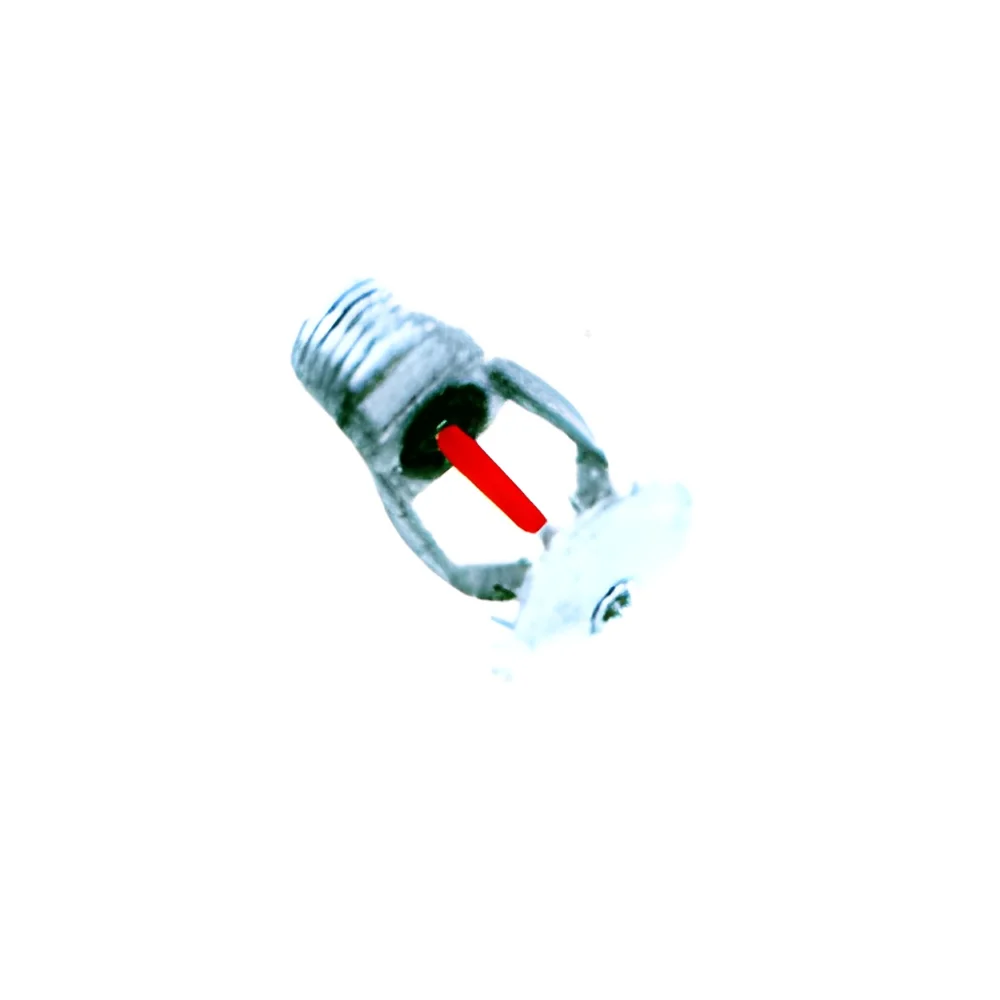
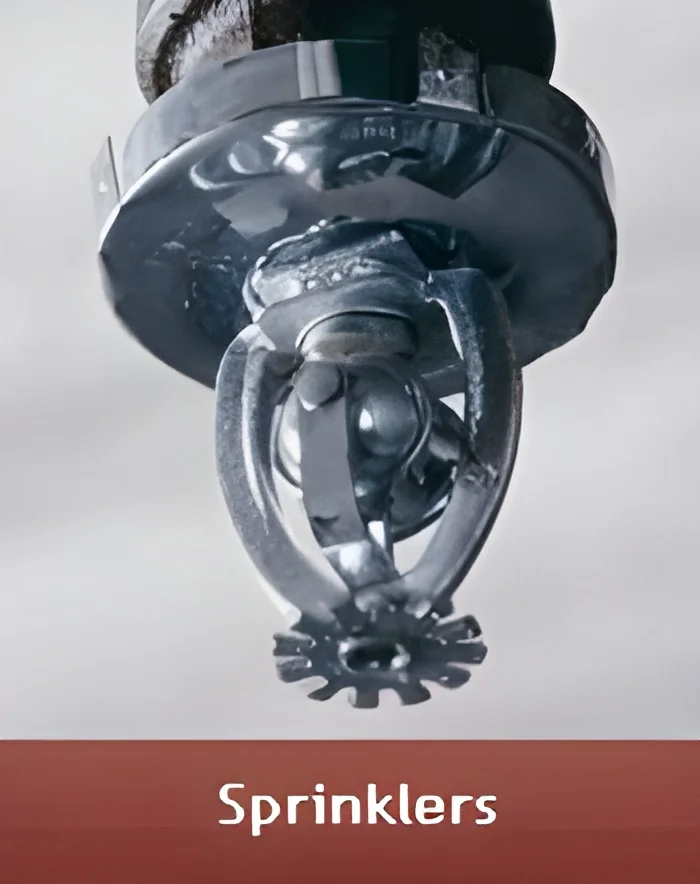
INSprinkler Systems (Wet, Dry, Pre-Action)
18 products available
Key Features and Specifications
Common Applications and Use Cases
Product Variants and Subcategories
Benefits and Advantages
Buying Guide for B2B Buyers
Compliance and Certifications



 India
India
 India
India
 India
India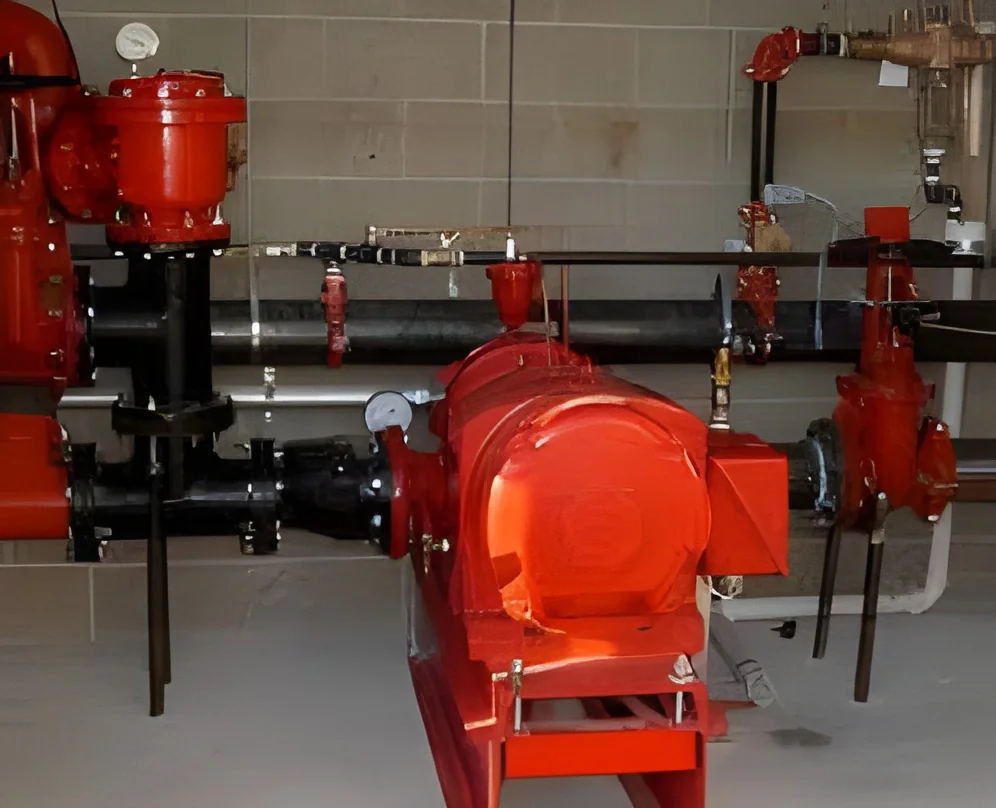
 India
India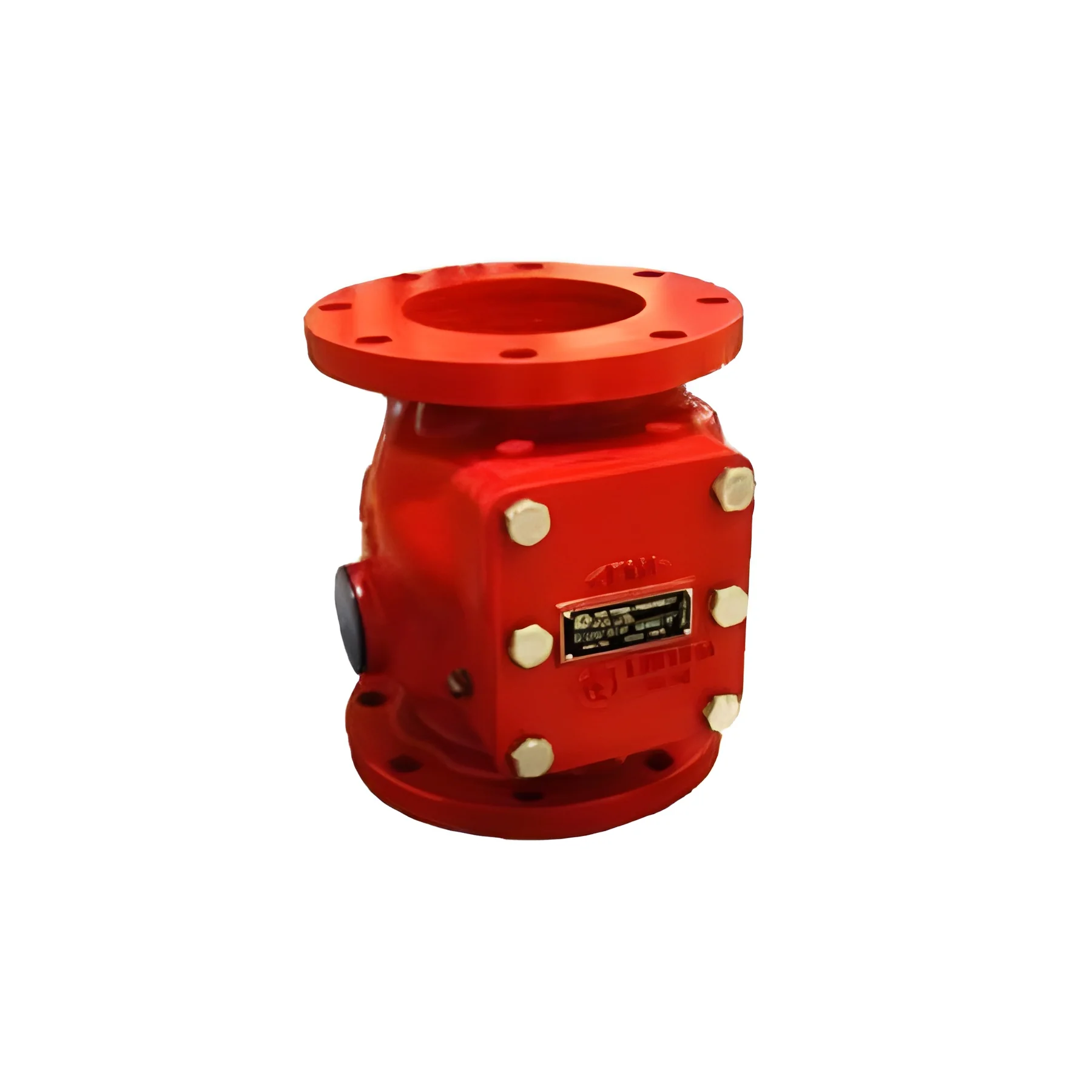 India
India India
India India
India India
India
 India
India

 India
India
 India
India India
India
 India
India
Frequently Asked Questions
What are Sprinkler Systems (Wet, Dry, Pre-Action)?
Sprinkler Systems (Wet, Dry, Pre-Action) are fire protection systems designed to automatically suppress fires through the release of water or other extinguishing agents. Wet systems use water stored in pipes, while dry systems contain pressurized air and release water only when needed. Pre-action systems require two triggers to activate, providing an extra layer of protection.
What are the different types of Sprinkler Systems (Wet, Dry, Pre-Action)?
The main types of Sprinkler Systems include wet pipe systems, dry pipe systems, and pre-action systems. Wet pipe systems are the most common, containing water at all times. Dry pipe systems are used in areas where freezing is a risk, and pre-action systems are typically used in high-risk environments requiring additional safeguards.
How do I choose the right Sprinkler Systems (Wet, Dry, Pre-Action)?
Choosing the right Sprinkler System involves evaluating the specific needs of the environment, such as temperature, moisture levels, and the type of hazards present. It is also important to consider regulatory requirements and the overall design of the building. Consulting with a fire protection engineer can help ensure the optimal choice.
What are the standard specifications for Sprinkler Systems (Wet, Dry, Pre-Action)?
Standard specifications for Sprinkler Systems include pipe size, pressure ratings, and flow rates, which are determined by the National Fire Protection Association (NFPA) guidelines. Additionally, each system must meet local fire codes and regulations. It is essential to ensure that the components are compatible and meet industry safety standards.
What is the price range for Sprinkler Systems (Wet, Dry, Pre-Action)?
The price range for Sprinkler Systems can vary significantly based on the type, size, and complexity of the installation. Generally, a basic wet pipe system can start from INR 50,000, while more complex systems like pre-action can exceed INR 1,50,000. It is advisable to obtain quotes from multiple suppliers for accurate pricing.
What quality standards apply to Sprinkler Systems (Wet, Dry, Pre-Action)?
Quality standards for Sprinkler Systems are set by organizations such as the NFPA, Underwriters Laboratories (UL), and the American Society for Testing and Materials (ASTM). These standards ensure that systems are reliable, efficient, and safe for use in fire protection. Compliance with local regulations is also crucial.
Where can I find Sprinkler Systems (Wet, Dry, Pre-Action) suppliers in India?
Sprinkler Systems suppliers can be found through various channels, including online B2B marketplaces like Pepagora.com, trade shows, and industry directories. Additionally, contacting local fire protection companies may lead to reputable suppliers. It is important to verify their credentials and customer reviews.
Can Sprinkler Systems (Wet, Dry, Pre-Action) be customized?
Yes, Sprinkler Systems can often be customized to meet specific requirements, including pipe sizes, flow rates, and control panels. Customization may also extend to the integration of additional fire safety features. It is advisable to discuss customization options with manufacturers or suppliers.
What is the typical minimum order quantity for Sprinkler Systems (Wet, Dry, Pre-Action)?
The typical minimum order quantity (MOQ) for Sprinkler Systems varies by supplier and system type. Generally, MOQs can range from one complete system for small projects to larger quantities for commercial installations. It is best to inquire directly with suppliers for their specific MOQs.
What is the typical lead time for Sprinkler Systems (Wet, Dry, Pre-Action)?
The typical lead time for Sprinkler Systems can range from a few weeks to several months, depending on the complexity of the system and the supplier's inventory. Custom systems may require longer lead times due to design and manufacturing processes. It is advisable to confirm lead times when placing an order.
Why Businesses Trust Pepagora
Thousands of companies trust Pepagora to source smarter and sell faster
Expand Your Sales Globally

Source Smarter,Grow Faster
