What are RFID & Smart Card Access Systems?
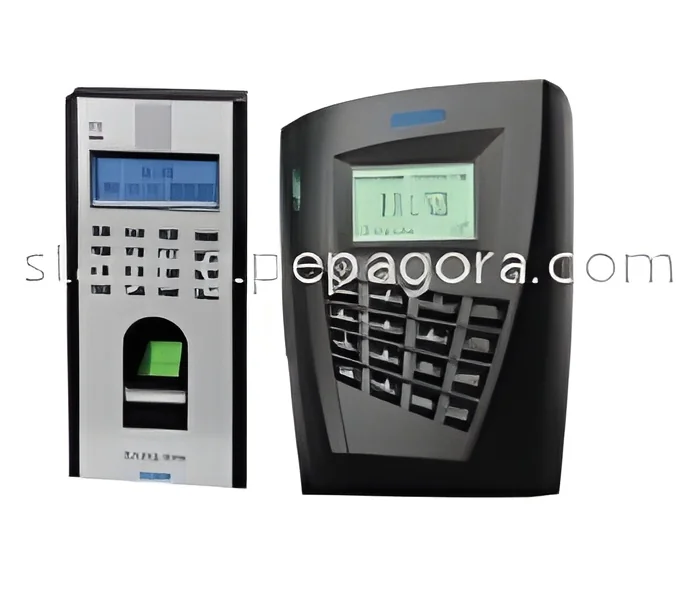
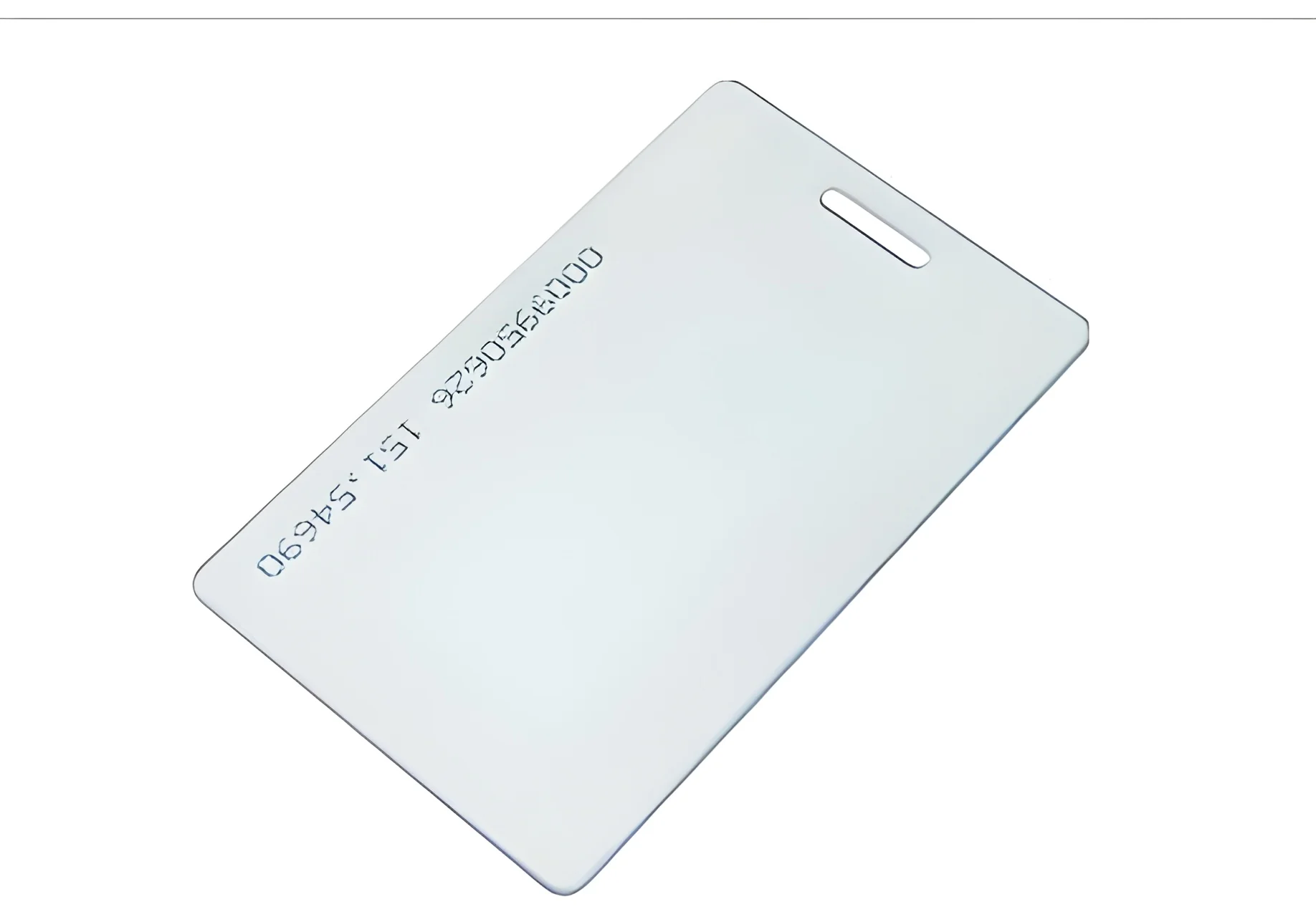
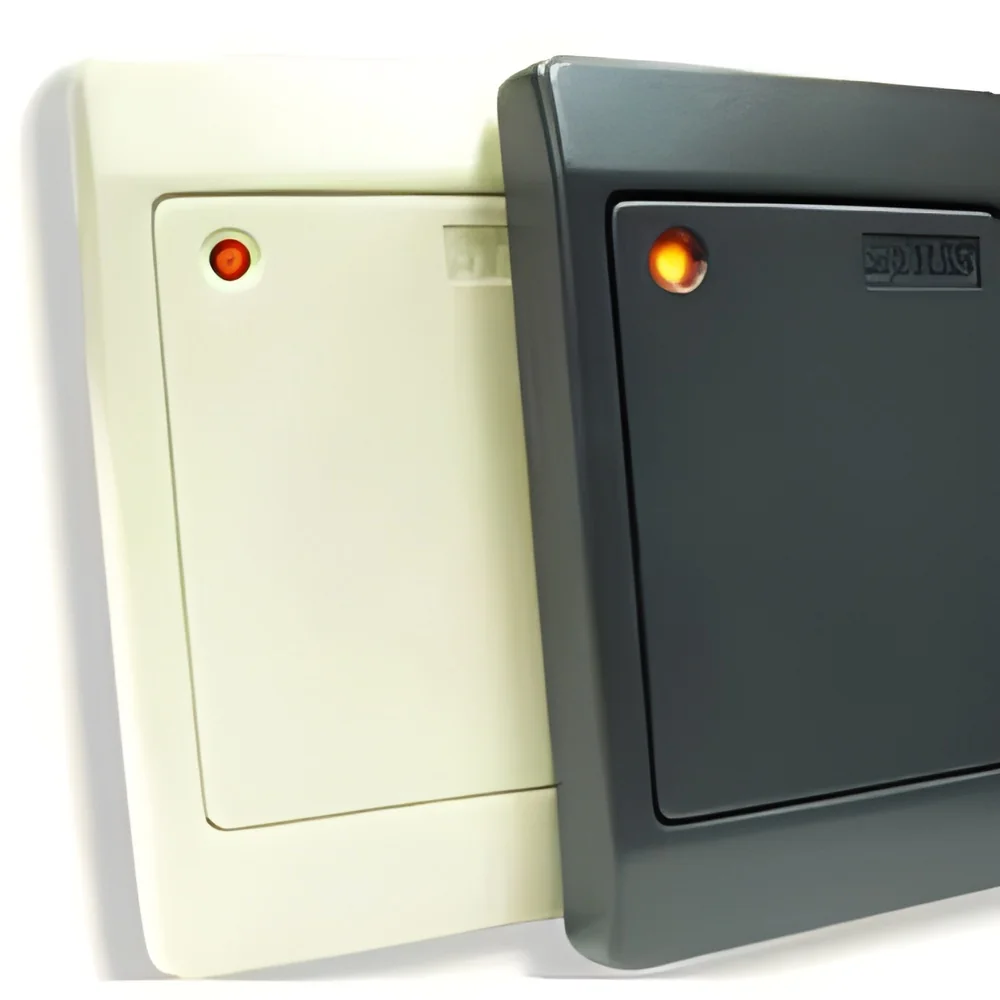
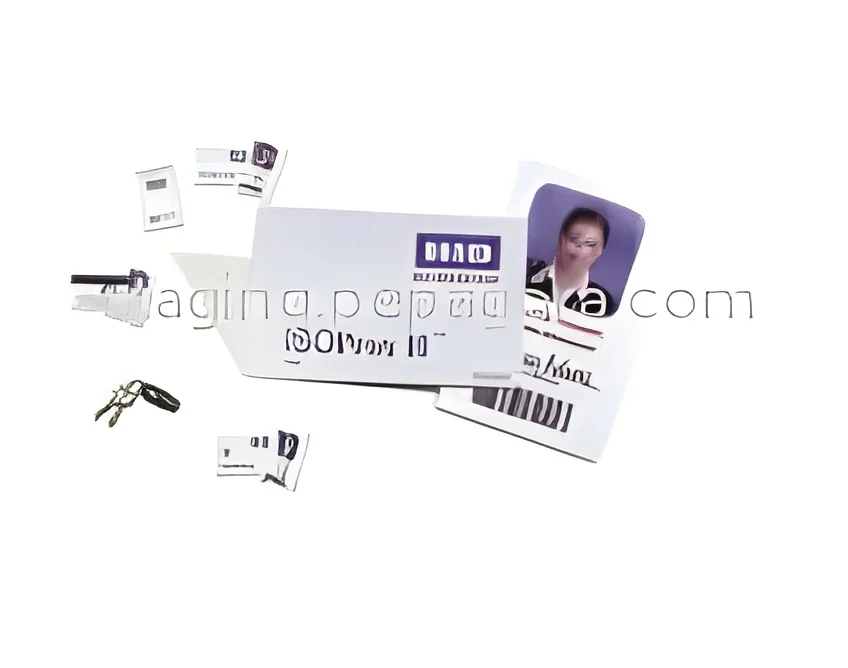
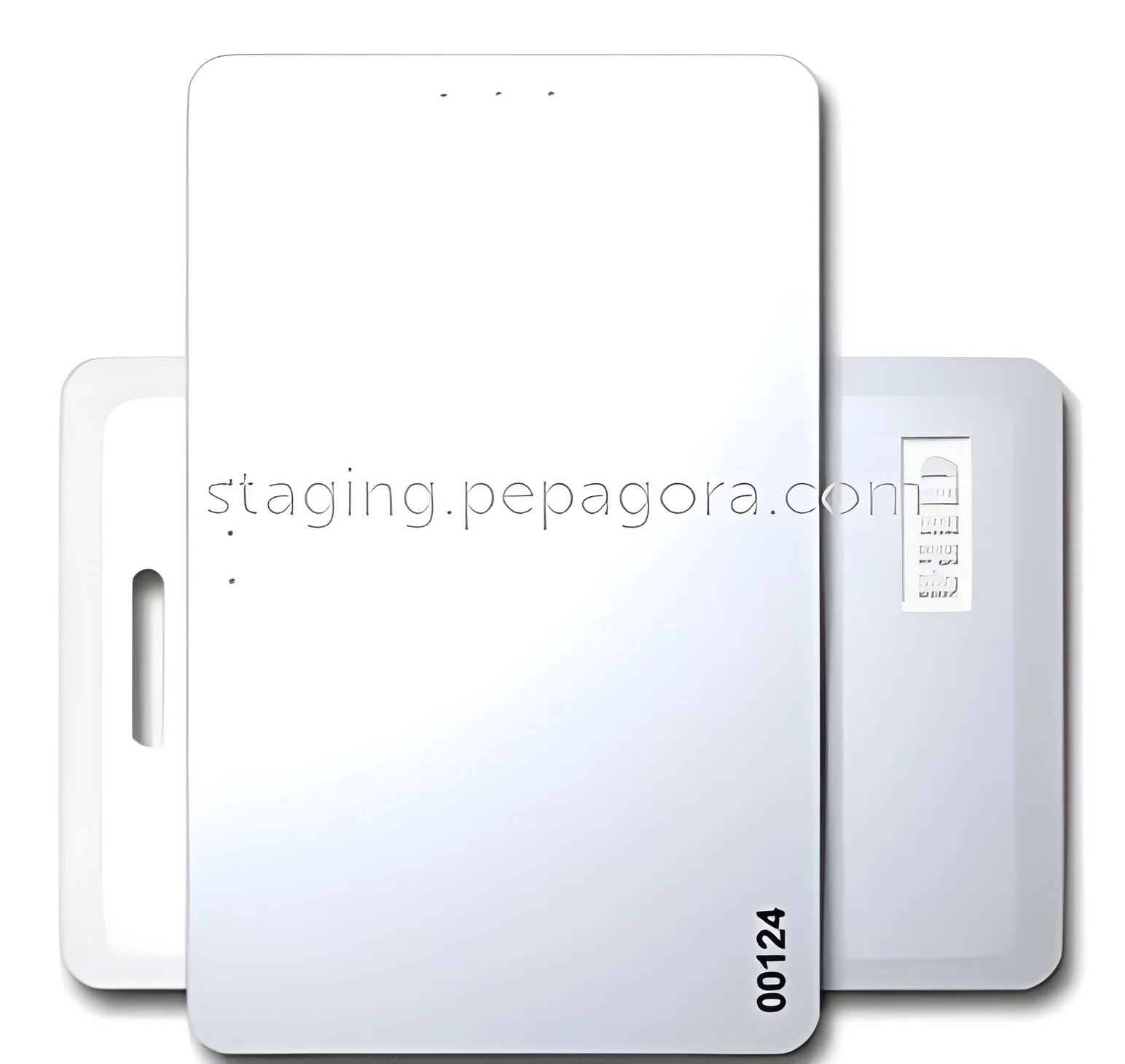
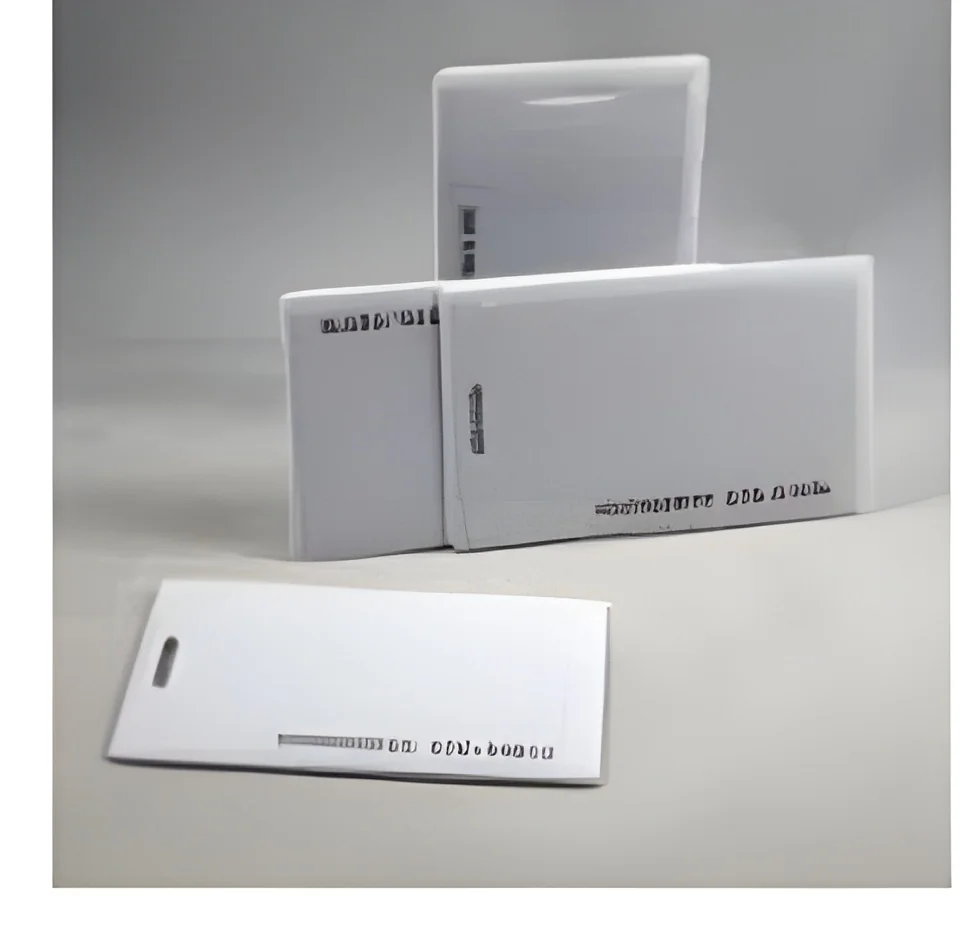
RFID (Radio Frequency Identification) and smart card access systems are advanced technologies used to manage and control access to secured areas. RFID systems utilize electromagnetic fields to automatically identify and track tags attached to objects, while smart card systems use embedded microchips to perform secure transactions. Together, these technologies provide a robust solution for organizations looking to enhance security and streamline access control processes.
Businesses widely implement RFID and smart card access systems across various sectors, including corporate offices, manufacturing plants, healthcare facilities, and educational institutions. These systems help companies monitor access to restricted areas, manage employee attendance, and enhance overall security measures. With the rising need for efficient access control solutions, RFID and smart card systems have become increasingly relevant in today's market, offering seamless integration with existing security infrastructure.
As industries continue to evolve, the demand for RFID and smart card access systems is expected to grow. Companies are constantly seeking innovative solutions to safeguard their assets and ensure compliance with regulatory standards. This trend reinforces the importance of RFID and smart card technologies in providing secure, efficient, and reliable access control.
Key Features and Specifications
RFID and smart card access systems boast a variety of features that enhance security and usability. These systems are designed to meet the needs of diverse applications and are built with specifications that ensure optimal performance in different environments.
Key specifications include:
1. Frequency Range
- RFID systems operate within different frequency bands such as low-frequency (125 kHz), high-frequency (13.56 MHz), and ultra-high frequency (UHF, 860-960 MHz).
- The choice of frequency affects read range and data transfer rates.
2. Read Range
- Depending on the technology used, RFID read ranges can vary from a few centimeters to over 100 meters.
- UHF systems typically offer the longest read ranges, making them suitable for large-scale applications.
3. Data Storage Capacity
- Smart cards can store varying amounts of data, ranging from a few kilobytes to several megabytes.
- Higher storage capacity allows for more complex applications, such as biometric data or transaction histories.
4. Security Features
- Systems may include encryption, password protection, and mutual authentication to safeguard data.
- Advanced security protocols help prevent unauthorized access and data breaches.
5. Durability
- RFID tags and smart cards are designed to withstand various environmental conditions, including temperature fluctuations and humidity.
- Robust designs ensure longevity and reliability in different applications.
6. Compatibility
- Many systems are compatible with existing access control software and hardware, facilitating integration.
- Interoperability with other security devices enhances overall system effectiveness.
7. User Capacity
- Systems can support varying numbers of users, from a small group to thousands, depending on the application.
- Scalability allows organizations to expand their access control systems as needed.
In summary, RFID and smart card access systems offer diverse features and specifications that cater to various industries and applications, ensuring enhanced security and efficiency.
Common Applications and Use Cases
RFID and smart card access systems are utilized across multiple industries to improve security and operational efficiency.
1. Corporate Offices: These systems manage employee access to buildings and sensitive areas, ensuring only authorized personnel can enter.
2. Manufacturing Plants: RFID technology tracks inventory and equipment, while smart cards control access to production areas, enhancing safety protocols.
3. Healthcare Facilities: These systems secure patient data and control access to restricted areas, ensuring compliance with health regulations.
4. Educational Institutions: RFID and smart card systems manage student access to facilities and resources, streamlining attendance tracking and library services.
5. Retail: These technologies enhance loss prevention by controlling access to stock rooms and sensitive areas in retail stores.
6. Transportation: RFID enables efficient tracking of vehicles and cargo, while smart cards simplify toll collection and access to public transport services.
7. Government: Access control systems secure sensitive locations and manage employee access in government buildings and facilities.
Product Variants and Subcategories
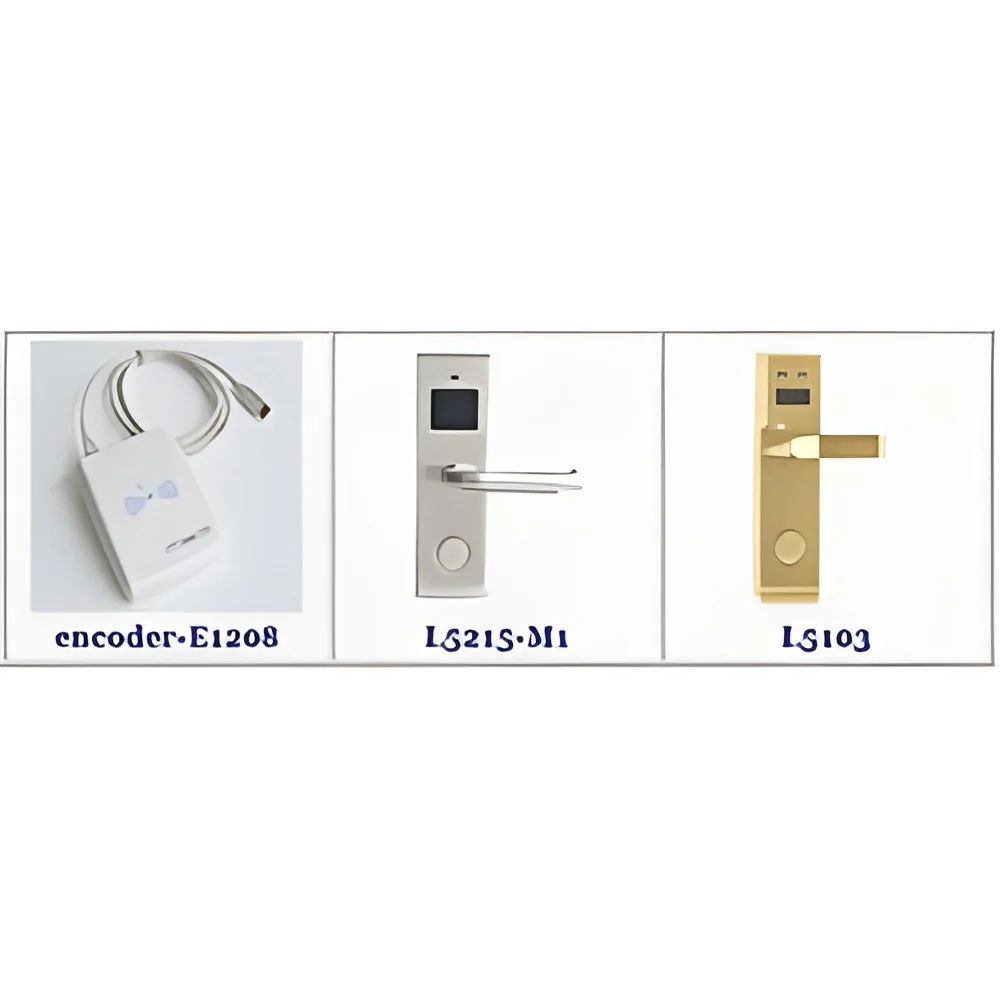
RFID and smart card access systems come in various forms, each tailored to specific needs and applications.
Handheld RFID Readers: These portable devices allow users to read RFID tags on-the-go. They are ideal for inventory management and asset tracking in various environments.
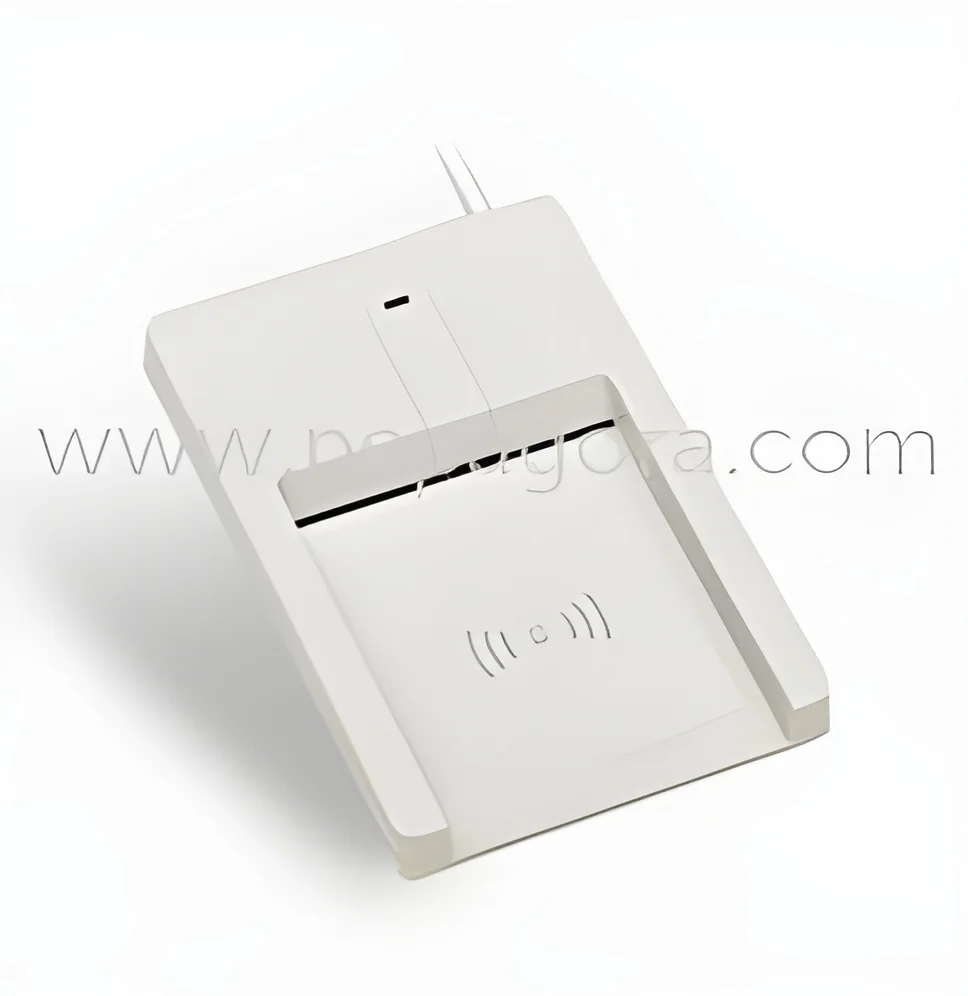
Desktop Smart Card Readers: Designed for office use, these readers enable secure access to computers and systems through smart cards, enhancing cybersecurity measures.
Fixed RFID Gateways: These installations monitor access points continuously, providing real-time data on movement and access control in high-traffic areas.
Mobile Smart Card Solutions: These systems utilize smartphones or tablets to read smart cards, providing flexibility and convenience for access management.
Benefits and Advantages
Implementing RFID and smart card access systems offers numerous advantages for businesses seeking enhanced security and operational efficiency.
1. Enhanced Security: These systems provide robust security features that prevent unauthorized access and ensure data protection.
2. Improved Efficiency: RFID technology streamlines processes such as inventory management and access control, reducing time and labor costs.
3. Scalability: Organizations can easily expand their RFID and smart card systems to accommodate growth and changing needs.
4. User-Friendly: These systems are designed for ease of use, allowing employees to access secured areas quickly and efficiently.
5. Cost-Effectiveness: While initial investments may be significant, the long-term savings from improved efficiency and reduced losses make these systems cost-effective.
6. Real-Time Monitoring: RFID systems provide real-time data on access and inventory, enabling better decision-making and resource allocation.
Buying Guide for B2B Buyers
When sourcing RFID and smart card access systems, B2B buyers should consider several critical factors to ensure they select the right solution for their organization.
1. Quality Assessment: Evaluate system quality by reviewing technical specifications and reliability. Ensure the products meet industry standards and are backed by reputable certifications.
2. Supplier Verification: Conduct thorough research on potential suppliers to confirm their experience, reputation, and track record in the industry. Look for customer reviews and case studies.
3. Pricing and MOQ: Understand the pricing structure and minimum order quantities (MOQ) to align with budget constraints and purchasing plans.
4. Delivery and Lead Times: Discuss delivery schedules and lead times with suppliers to ensure timely installation and deployment of the systems.
5. Compliance Requirements: Ensure that the selected systems comply with relevant regulations and standards applicable to your industry, such as data protection and access control regulations.
Compliance and Certifications
RFID and smart card access systems must adhere to various quality standards and certifications to ensure safety, reliability, and compliance with industry regulations.
ISO 9001 is a widely recognized standard that sets requirements for quality management systems within organizations. It ensures that suppliers maintain consistent quality in their products and services.
The CE mark indicates that a product complies with European health, safety, and environmental protection standards. This certification is crucial for companies operating in Europe or dealing with European partners.
Safety and testing requirements are essential to ensure that RFID and smart card systems do not pose risks to users or organizational operations. Regular testing and adherence to safety protocols are vital in maintaining compliance.
Regional compliance considerations may vary, so businesses should be aware of local regulations affecting access control and data security. Understanding these requirements helps companies avoid legal issues and enhances their reputation.
Why Source RFID & Smart Card Access Systems from Pepagora?
Pepagora provides a trusted platform for sourcing RFID and smart card access systems, offering several key advantages that benefit B2B buyers.
Verified Supplier Network: Pepagora connects buyers with a network of verified suppliers, ensuring that only reputable and reliable companies are available for sourcing. This verification process helps buyers make informed decisions with confidence.
Streamlined RFQ Process: The request for quotation (RFQ) process on Pepagora is designed to be user-friendly, allowing buyers to easily compare options and receive competitive pricing from multiple suppliers. This efficiency saves time and resources during the sourcing process.
Trade Assurance and Support: Pepagora offers trade assurance and support for buyers, protecting their investments and ensuring that transactions are secure. This added layer of protection fosters trust between buyers and suppliers.
Regional Coverage: Pepagora has a significant presence in regions like India, the Gulf Cooperation Council (GCC), and Southeast Asia. This geographic reach allows buyers to access a wide variety of RFID and smart card systems tailored to their specific market needs.
By choosing Pepagora, businesses can enhance their purchasing experience and secure the best solutions for their RFID and smart card access system requirements.

 IN
IN