
 IN
Sprinkler Systems (Wet, Dry, Pre-Action)
18 products available
Key Features and Specifications
Sprinkler systems (wet, dry, pre-action) come with a range of features tailored to meet the specific needs of various environments. Understanding these specifications is crucial for selecting the right system for your application.
Key specifications include:
1. System Type
- Wet, dry, or pre-action systems
- Each type serves different operational needs and environments
2. Activation Method
- Automatic with heat detection
- Manual override options available in some cases
3. Water Supply Requirements
- Minimum pressure and flow rates necessary for effective operation
- Sizing considerations based on building layout
4. Response Time
- Time taken for the system to activate after detecting a fire
- Varies by system type and installation specifics
5. Coverage Area
- Size of the area each sprinkler can effectively cover
- Impacted by ceiling height and design
6. Maintenance Requirements
- Regular inspections and testing protocols
- Compliance with local regulations
7. Control Panel Features
- Monitoring capabilities for system status
- Integration with fire alarm systems
8. Environmental Conditions
- Temperature and humidity ranges suitable for operation
- Special features for unique industrial settings
In summary, the specifications of sprinkler systems are designed to ensure reliable performance and safety in various applications.
Common Applications and Use Cases
Sprinkler systems find applications across a multitude of industries, providing essential fire protection and safety measures.
1. Warehousing: Sprinkler systems are crucial in warehouses to protect stored goods and ensure safe evacuation during a fire incident.
2. Manufacturing: In manufacturing facilities, where flammable materials may be present, sprinkler systems help mitigate risks and protect equipment.
3. Healthcare: Hospitals and medical facilities utilize sprinkler systems to safeguard patients and staff in case of fire emergencies.
4. Retail: Retail spaces benefit from sprinkler systems to protect merchandise and provide a safe shopping environment for customers.
5. Hospitality: Hotels and restaurants rely on sprinkler systems to enhance safety for guests and staff, ensuring compliance with fire safety regulations.
6. Educational Institutions: Schools and universities implement sprinkler systems to create a secure environment for students and faculty.
7. Data Centers: In facilities housing sensitive electronic equipment, sprinkler systems are critical for preventing fire damage and maintaining operational integrity.
Product Variants and Subcategories
Sprinkler systems offer a diverse range of options to meet varying needs across industries.
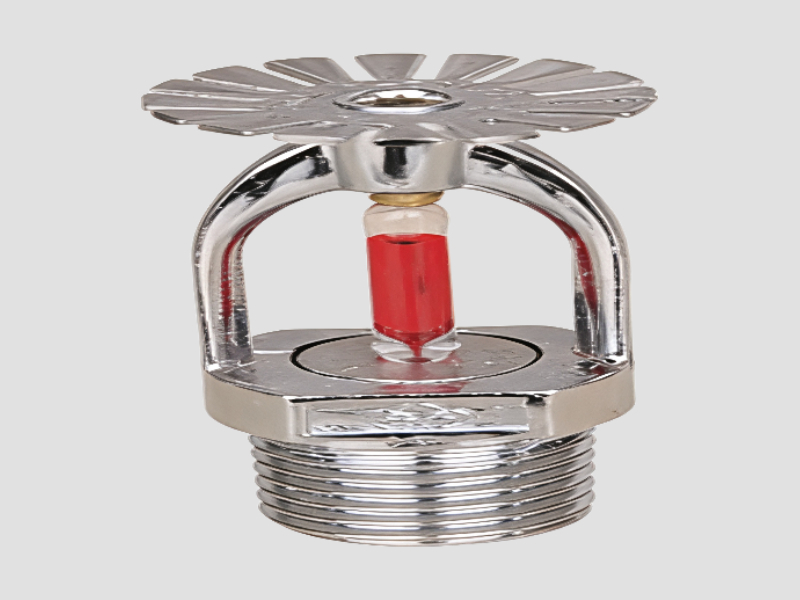
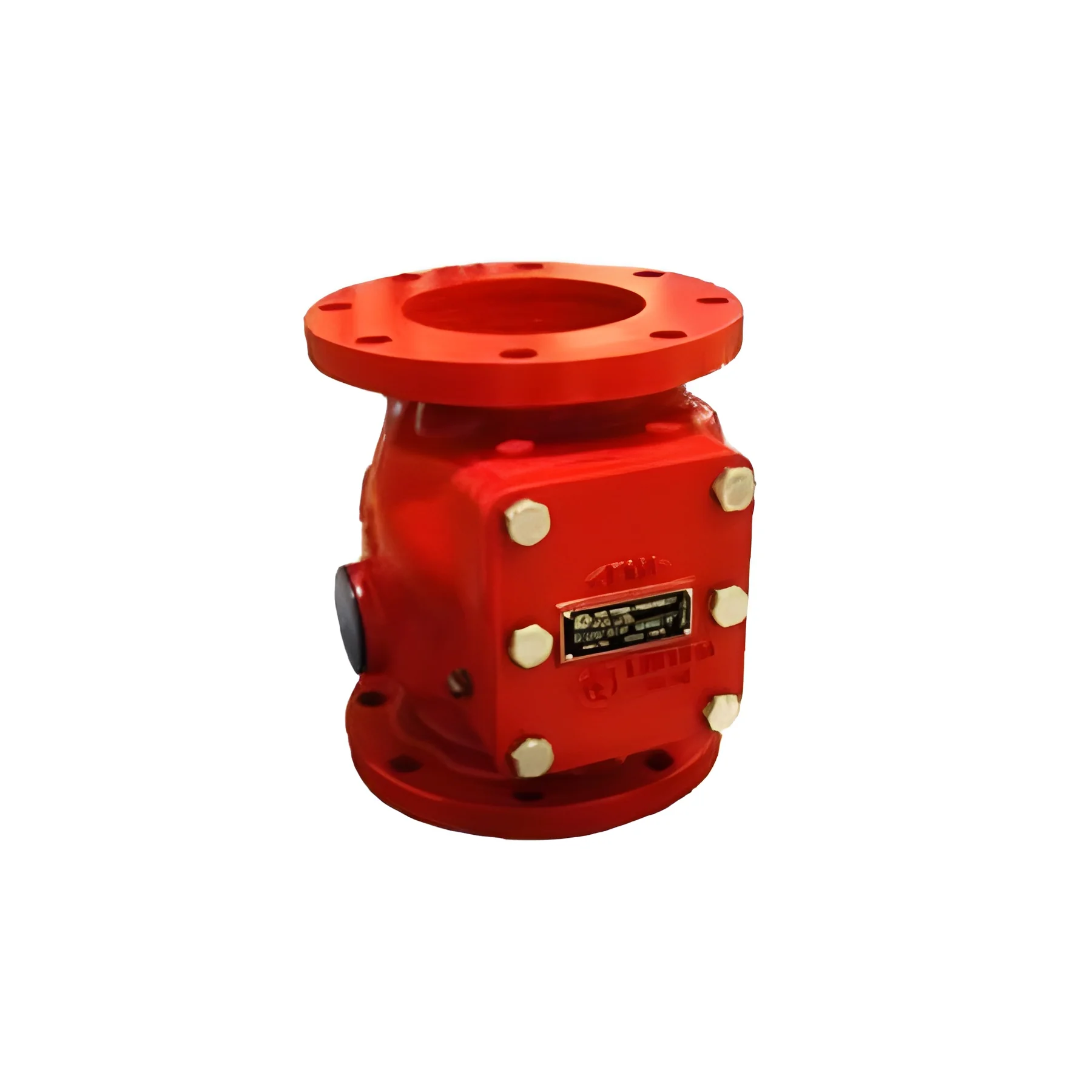
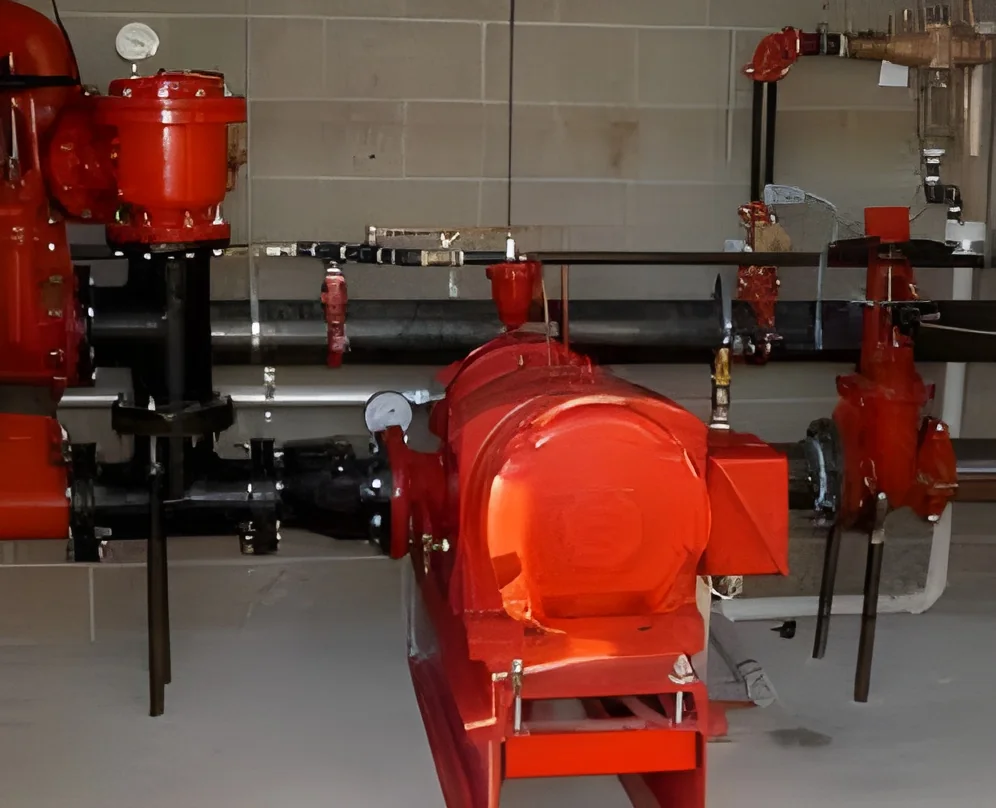
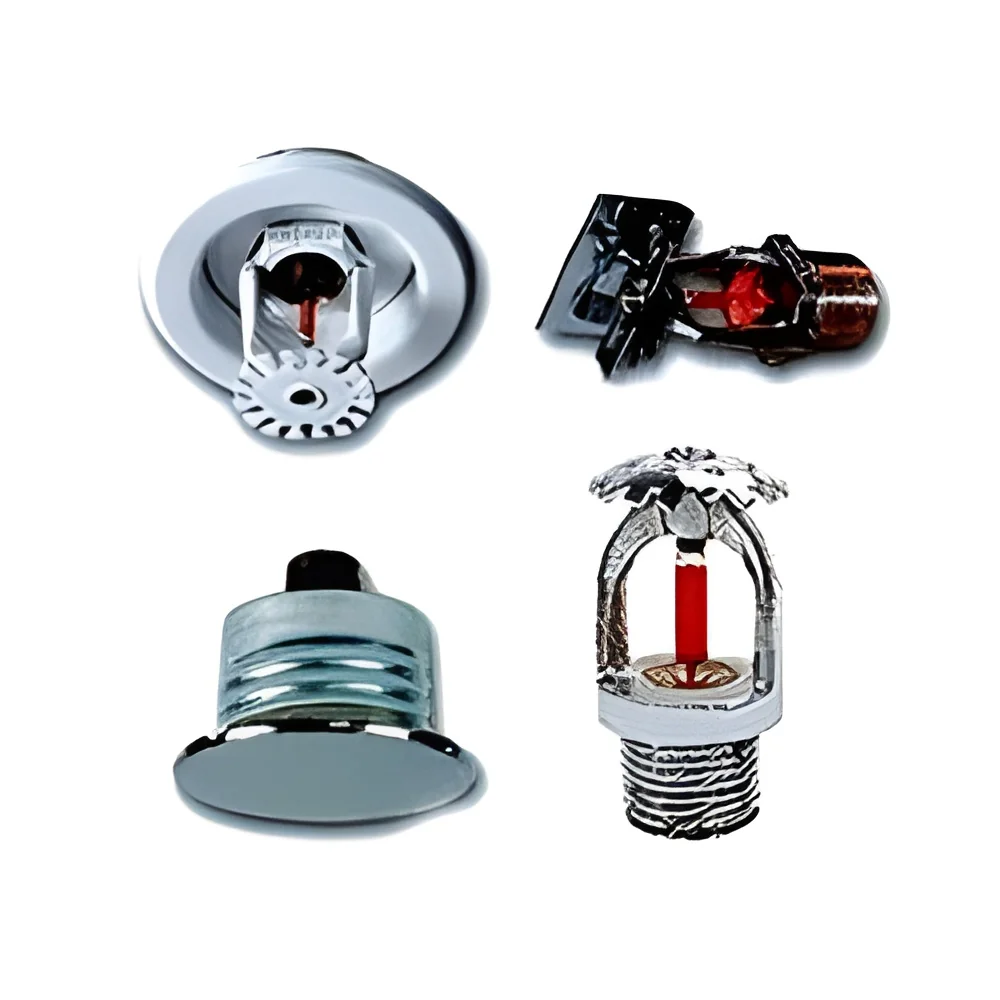
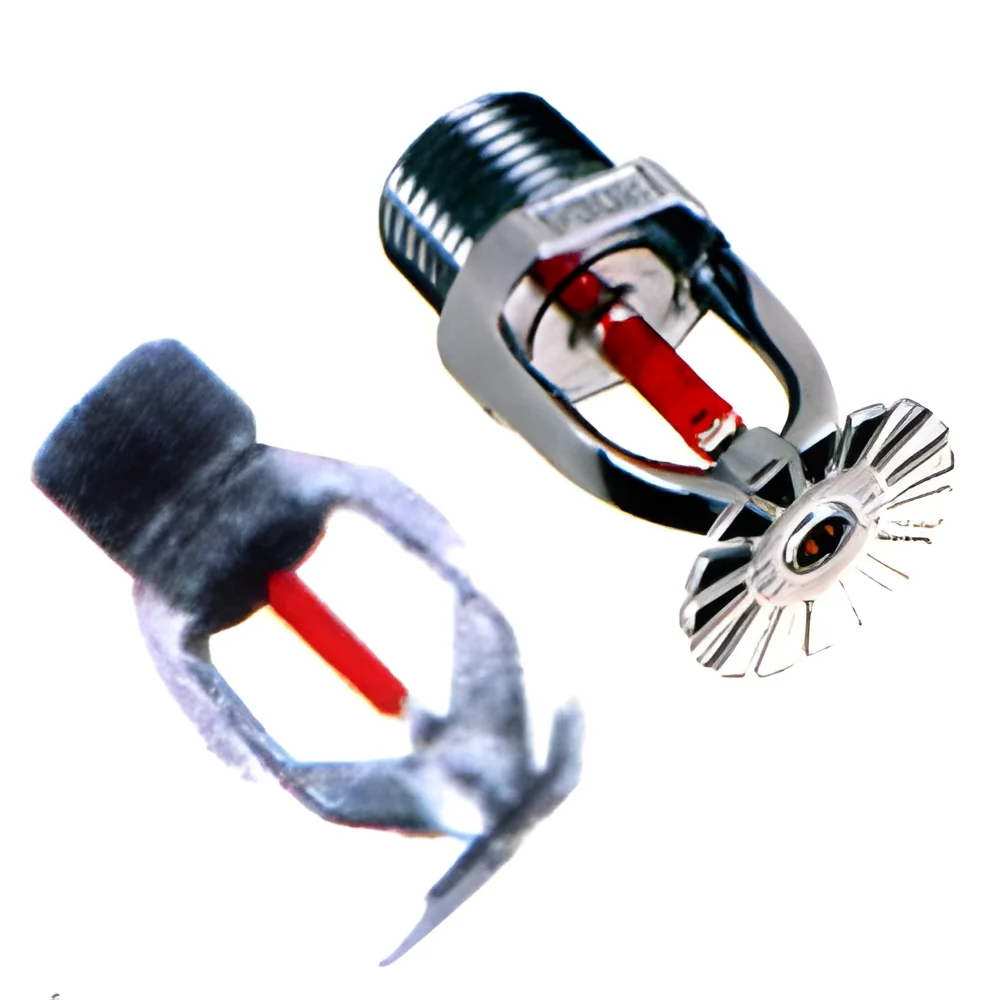
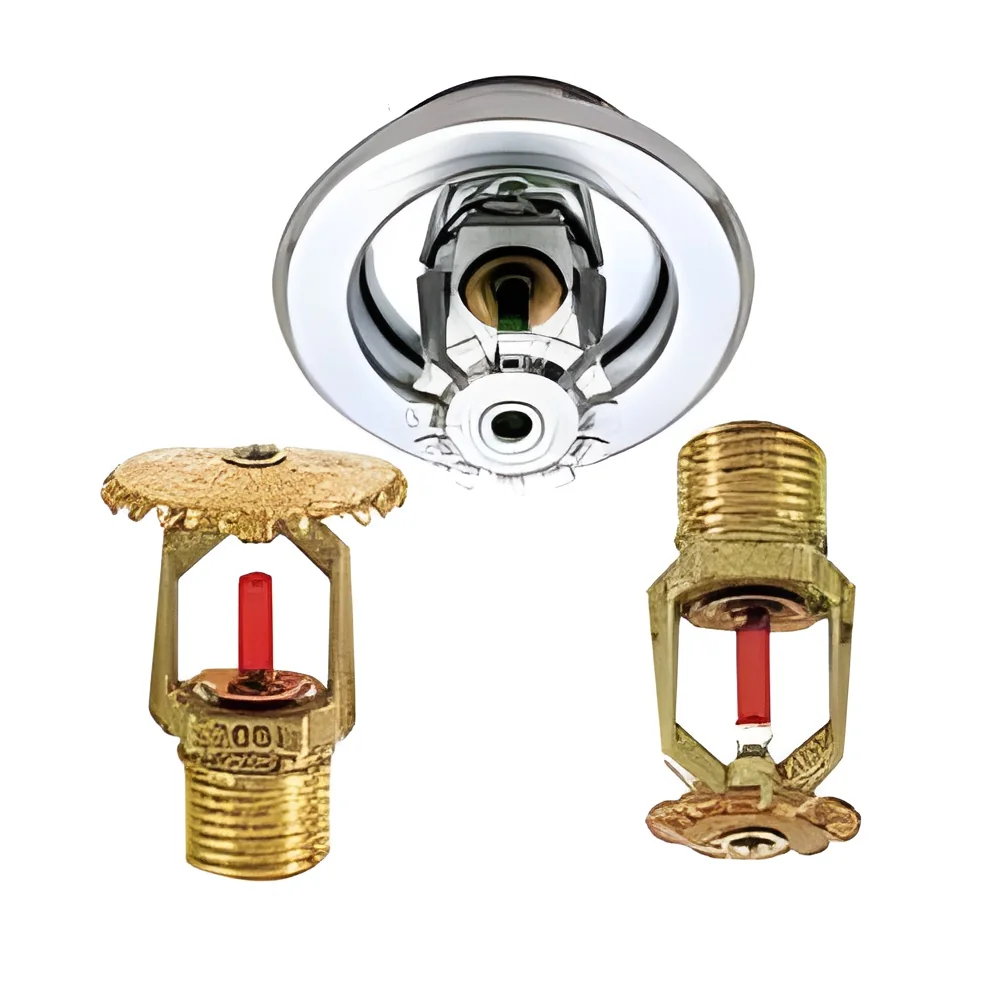
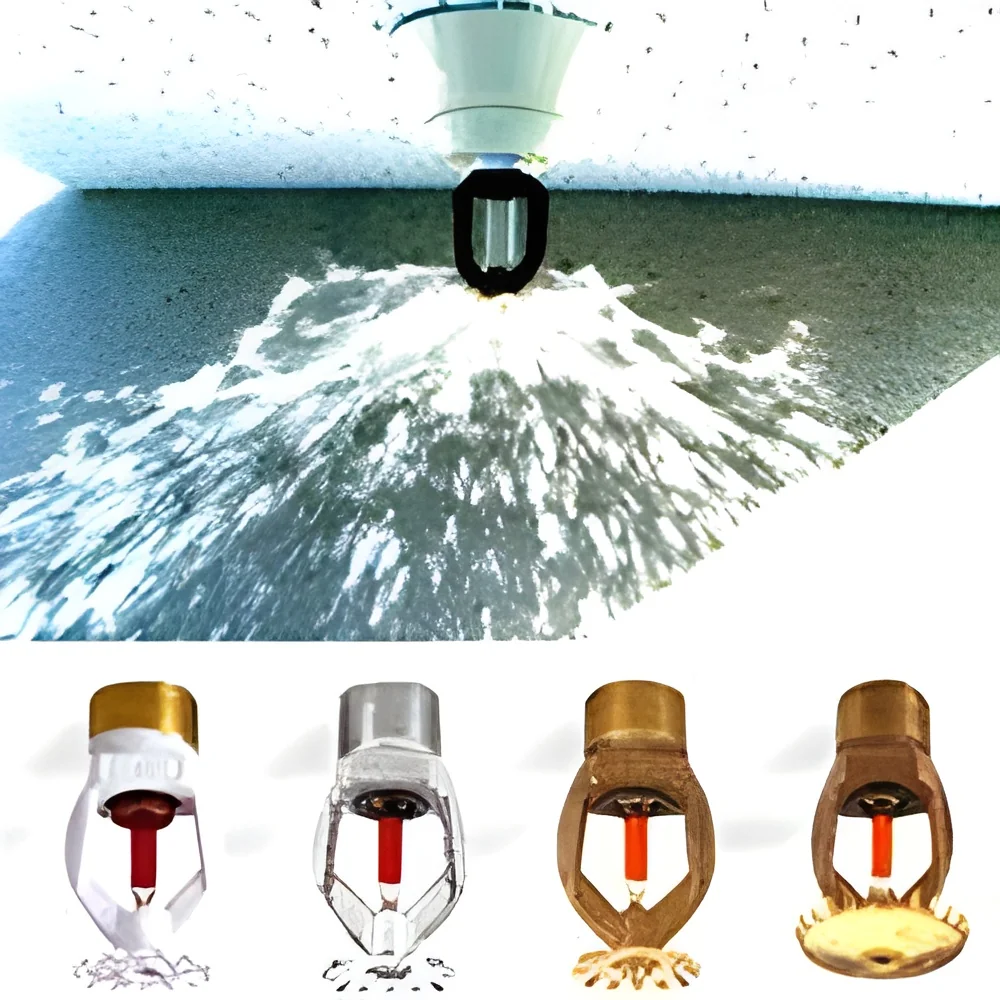
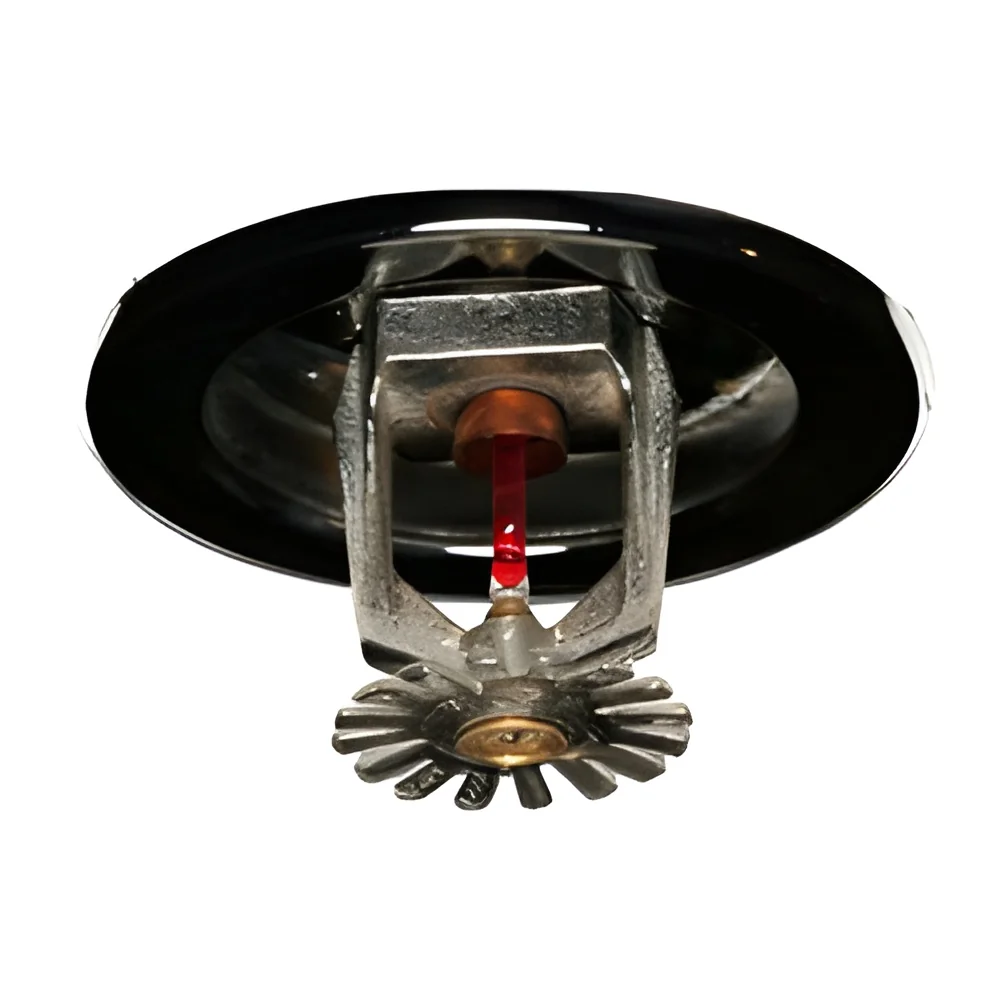
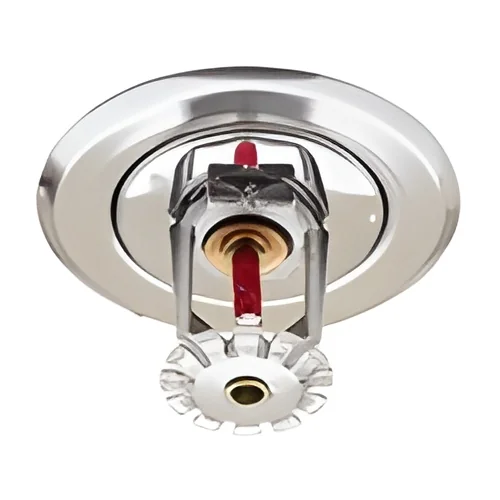
Wet Sprinkler System: This system is the most common type, featuring water-filled pipes that immediately discharge water when a fire is detected. It is ideal for environments where temperatures remain above freezing.
Dry Sprinkler System: Designed for unheated spaces, this system uses pressurized air to keep water at bay until a fire triggers the release. It is suitable for areas where freezing temperatures may occur.
Pre-Action Sprinkler System: This hybrid system requires a two-step process for activation, combining the benefits of wet and dry systems. It is often used in sensitive environments, such as museums or data centers, where accidental discharge must be avoided.
Benefits and Advantages
Sprinkler systems offer numerous advantages that make them a preferred choice for fire protection.
1. Automatic Operation: Sprinkler systems activate automatically upon detecting heat, providing immediate response in emergencies.
2. Cost-Effective: Investing in a sprinkler system can lead to reduced insurance premiums and lower repair costs after a fire incident.
3. Enhanced Safety: These systems significantly improve safety for occupants, reducing the risk of injuries and fatalities during a fire.
4. Minimal Maintenance: Once installed, sprinkler systems require regular inspections but minimal ongoing maintenance compared to other fire safety measures.
5. Versatility: Sprinkler systems can be tailored to suit various environments, making them suitable for a wide range of applications.
6. Compliance Assurance: Installing a sprinkler system helps ensure compliance with local fire safety regulations, reducing liability for business owners.
Buying Guide for B2B Buyers
When sourcing sprinkler systems (wet, dry, pre-action), there are several factors to consider to ensure you make an informed decision.
1. Quality Assessment: Evaluate the quality of materials and construction used in the sprinkler systems. Look for reliable brands with a proven track record in fire protection.
2. Supplier Verification: Vet suppliers to ensure they have the necessary certifications and experience in providing sprinkler systems. Review customer testimonials and case studies.
3. Pricing and MOQ: Understand the pricing structure and minimum order quantities. This will help in budgeting and inventory planning.
4. Delivery and Lead Times: Inquire about delivery schedules and lead times to ensure that systems can be installed promptly when needed.
5. Compliance Requirements: Check for compliance with local regulations and standards. Ensure that the systems meet all necessary safety and performance criteria.
Compliance and Certifications
Compliance with industry standards is essential for the reliability and safety of sprinkler systems. Relevant quality standards include ISO 9001, which ensures a quality management system is in place to consistently provide safe and effective products. Other standards such as HACCP and GDP may also apply depending on the specific application and industry.
Industry certifications, like CE marking, indicate that products meet essential safety and environmental requirements within the European Union.
Safety and testing requirements are critical as they ensure that sprinkler systems perform effectively during a fire. Regular testing and maintenance are necessary to comply with safety regulations.
Regional compliance considerations may vary, so it is vital to consult local authorities and regulations to ensure that all aspects of fire safety are adequately addressed.
Why Source Sprinkler Systems (Wet, Dry, Pre-Action) from Pepagora?
Pepagora provides a trusted platform for sourcing sprinkler systems (wet, dry, pre-action) with several key advantages that cater to B2B buyers.
Verified Supplier Network: Pepagora connects buyers with a network of verified suppliers, ensuring that the products meet high-quality standards and compliance requirements. This helps buyers make informed purchasing decisions.
Streamlined RFQ Process: The platform offers a streamlined Request for Quotation (RFQ) process, allowing buyers to easily compare prices and features from multiple suppliers. This simplifies the procurement process and saves time.
Trade Assurance and Support: Pepagora provides trade assurance, offering buyer protection throughout the purchasing process. The platform also offers support for any post-purchase issues, ensuring a smooth experience.
Regional Coverage: With a broad geographic reach including India, the GCC, and Southeast Asia, Pepagora caters to a wide range of industries and requirements, making it easier for businesses to find the right fire protection solutions for their needs.


Frequently Asked Questions
What are Sprinkler Systems (Wet, Dry, Pre-Action)?
Sprinkler Systems (Wet, Dry, Pre-Action) are fire protection systems designed to automatically suppress fires through the release of water or other extinguishing agents. Wet systems use water stored in pipes, while dry systems contain pressurized air and release water only when needed. Pre-action systems require two triggers to activate, providing an extra layer of protection.
What are the different types of Sprinkler Systems (Wet, Dry, Pre-Action)?
The main types of Sprinkler Systems include wet pipe systems, dry pipe systems, and pre-action systems. Wet pipe systems are the most common, containing water at all times. Dry pipe systems are used in areas where freezing is a risk, and pre-action systems are typically used in high-risk environments requiring additional safeguards.
How do I choose the right Sprinkler Systems (Wet, Dry, Pre-Action)?
Choosing the right Sprinkler System involves evaluating the specific needs of the environment, such as temperature, moisture levels, and the type of hazards present. It is also important to consider regulatory requirements and the overall design of the building. Consulting with a fire protection engineer can help ensure the optimal choice.
What are the standard specifications for Sprinkler Systems (Wet, Dry, Pre-Action)?
Standard specifications for Sprinkler Systems include pipe size, pressure ratings, and flow rates, which are determined by the National Fire Protection Association (NFPA) guidelines. Additionally, each system must meet local fire codes and regulations. It is essential to ensure that the components are compatible and meet industry safety standards.
What is the price range for Sprinkler Systems (Wet, Dry, Pre-Action)?
The price range for Sprinkler Systems can vary significantly based on the type, size, and complexity of the installation. Generally, a basic wet pipe system can start from INR 50,000, while more complex systems like pre-action can exceed INR 1,50,000. It is advisable to obtain quotes from multiple suppliers for accurate pricing.
What quality standards apply to Sprinkler Systems (Wet, Dry, Pre-Action)?
Quality standards for Sprinkler Systems are set by organizations such as the NFPA, Underwriters Laboratories (UL), and the American Society for Testing and Materials (ASTM). These standards ensure that systems are reliable, efficient, and safe for use in fire protection. Compliance with local regulations is also crucial.
Where can I find Sprinkler Systems (Wet, Dry, Pre-Action) suppliers in India?
Sprinkler Systems suppliers can be found through various channels, including online B2B marketplaces like Pepagora.com, trade shows, and industry directories. Additionally, contacting local fire protection companies may lead to reputable suppliers. It is important to verify their credentials and customer reviews.
Can Sprinkler Systems (Wet, Dry, Pre-Action) be customized?
Yes, Sprinkler Systems can often be customized to meet specific requirements, including pipe sizes, flow rates, and control panels. Customization may also extend to the integration of additional fire safety features. It is advisable to discuss customization options with manufacturers or suppliers.
What is the typical minimum order quantity for Sprinkler Systems (Wet, Dry, Pre-Action)?
The typical minimum order quantity (MOQ) for Sprinkler Systems varies by supplier and system type. Generally, MOQs can range from one complete system for small projects to larger quantities for commercial installations. It is best to inquire directly with suppliers for their specific MOQs.
What is the typical lead time for Sprinkler Systems (Wet, Dry, Pre-Action)?
The typical lead time for Sprinkler Systems can range from a few weeks to several months, depending on the complexity of the system and the supplier's inventory. Custom systems may require longer lead times due to design and manufacturing processes. It is advisable to confirm lead times when placing an order.
Why Businesses Trust Pepagora
Thousands of companies trust Pepagora to source smarter and sell faster
Expand Your Sales Globally

Source Smarter,Grow Faster
