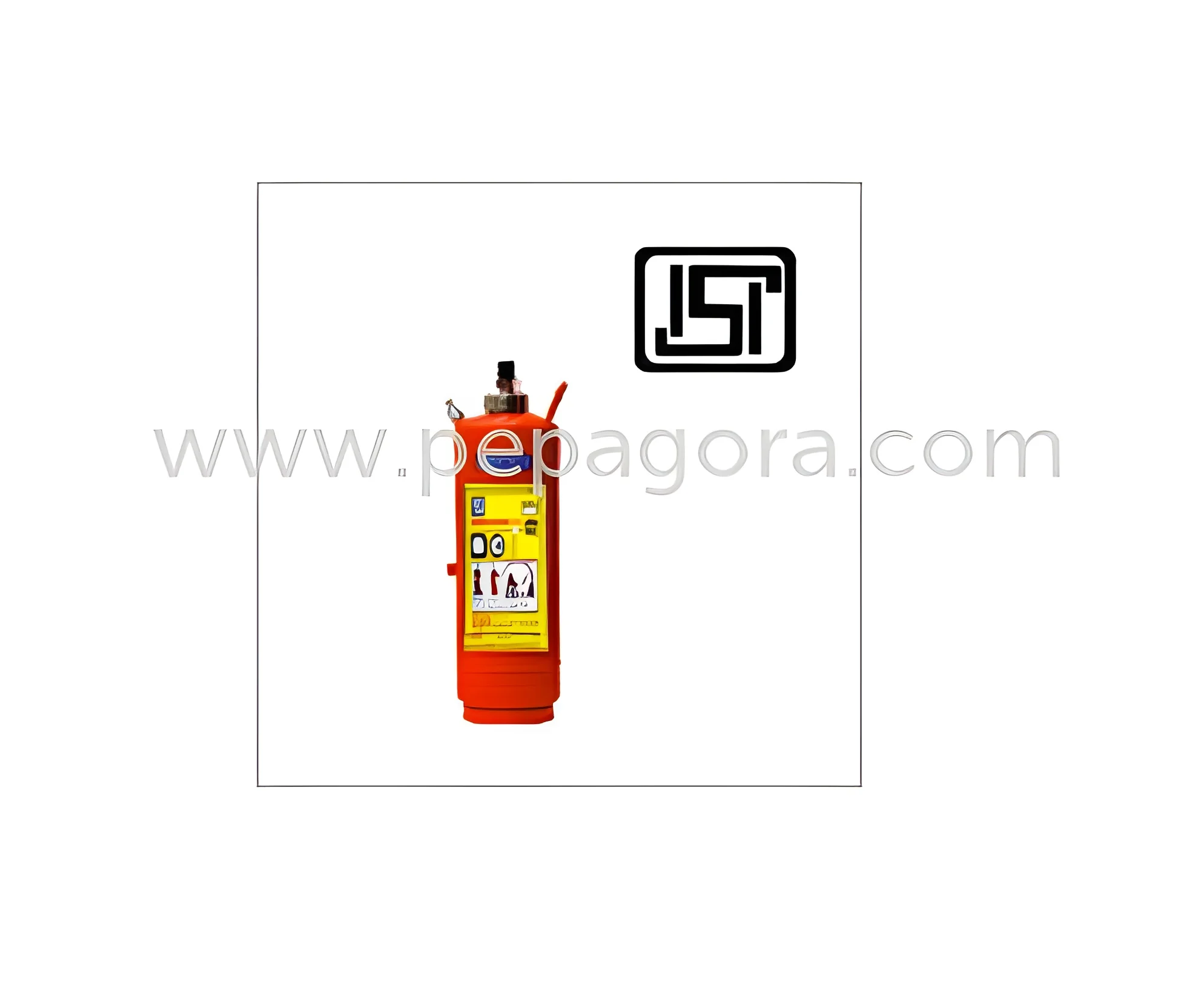
What are Fire Extinguishers (ABC, CO2, Foam, Water)?
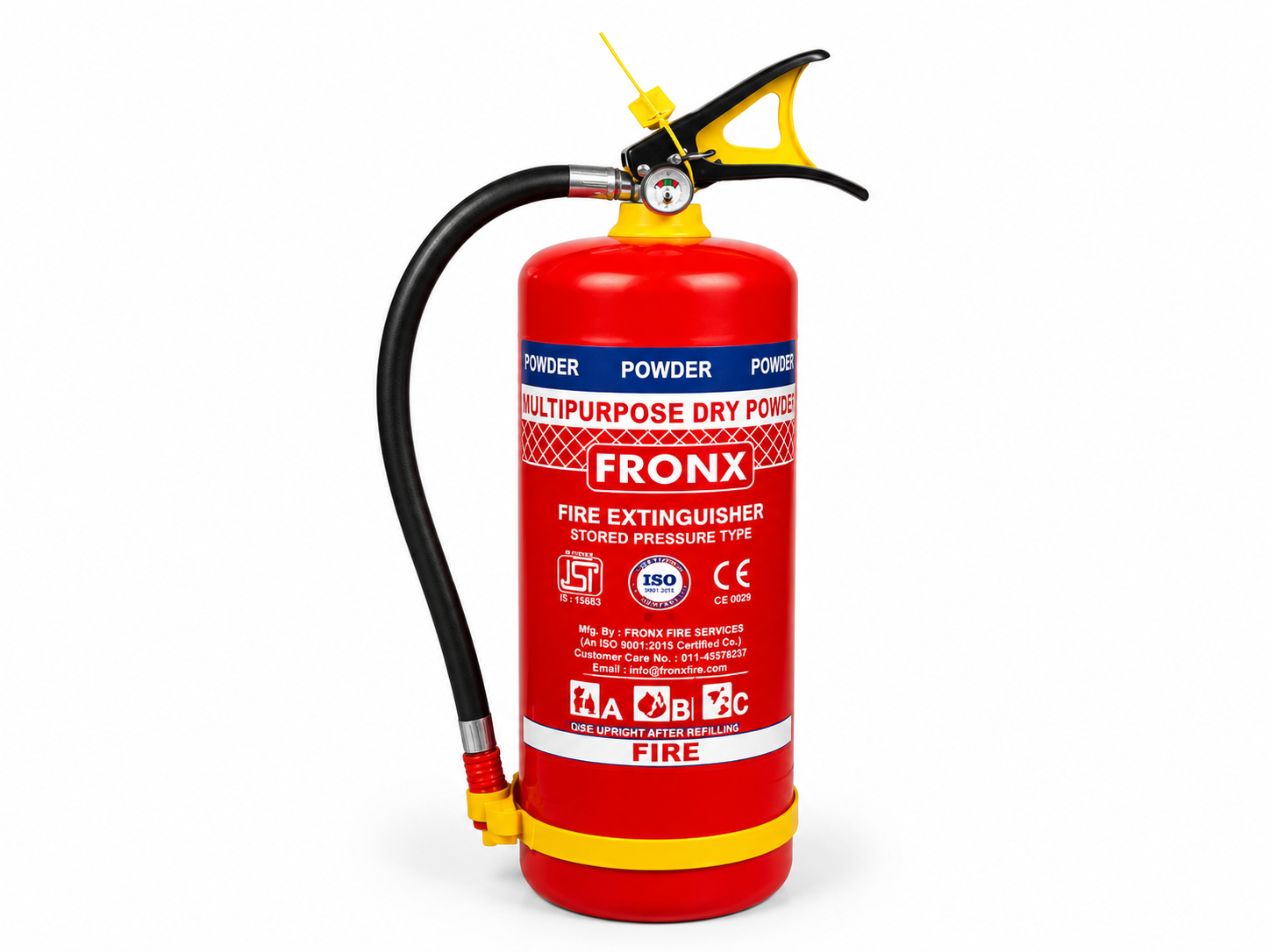
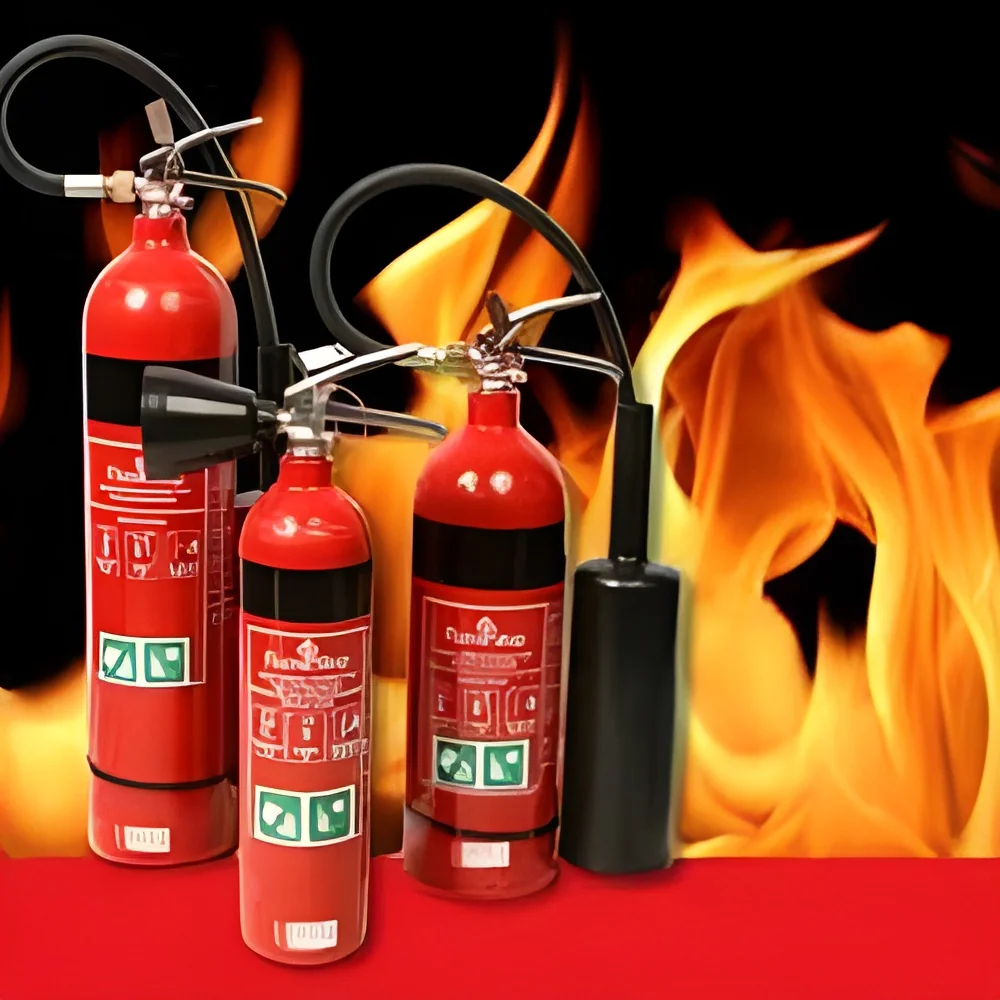
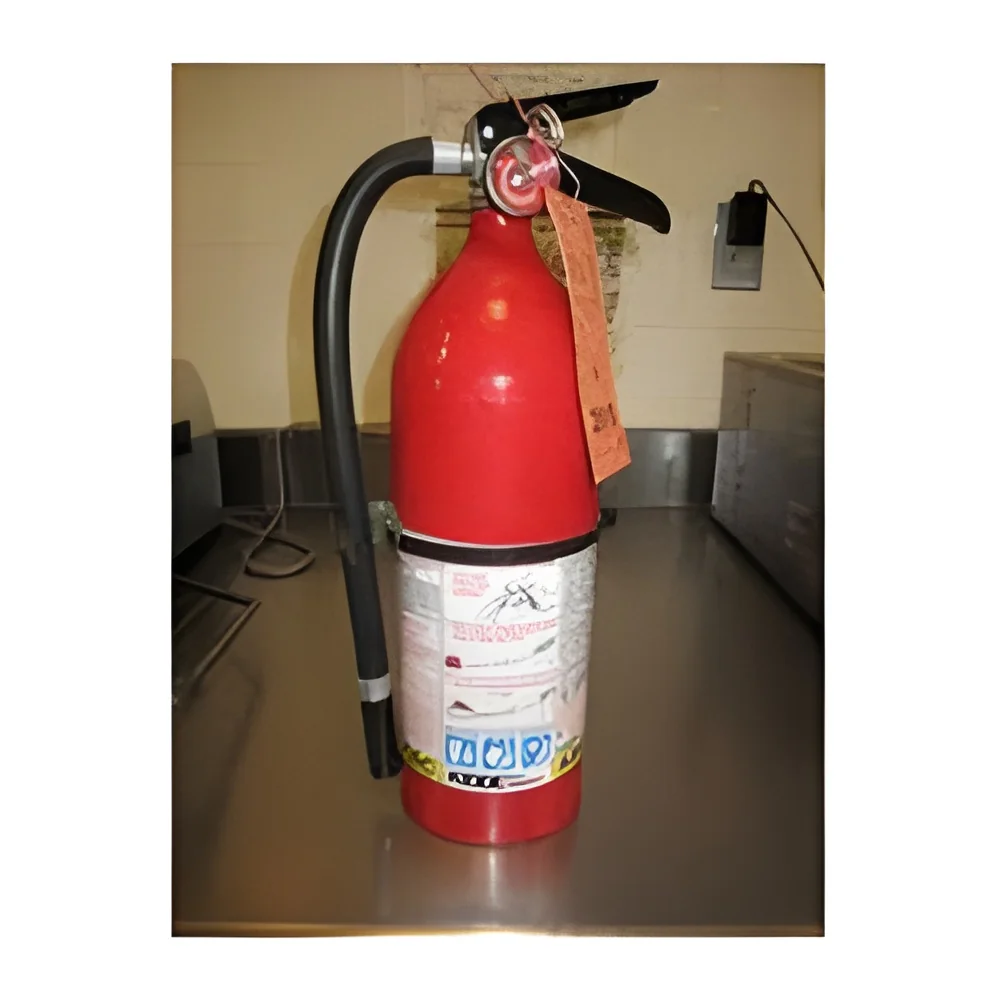
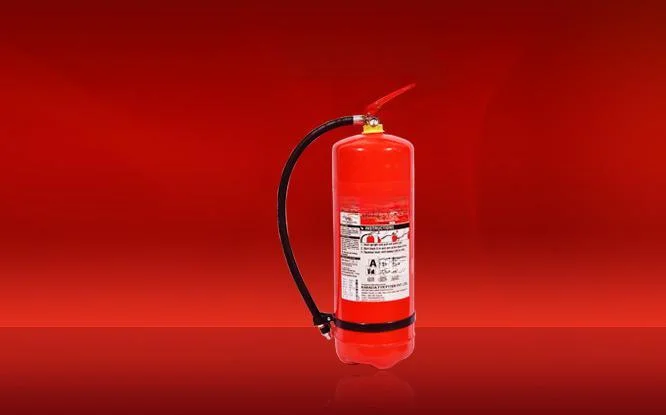
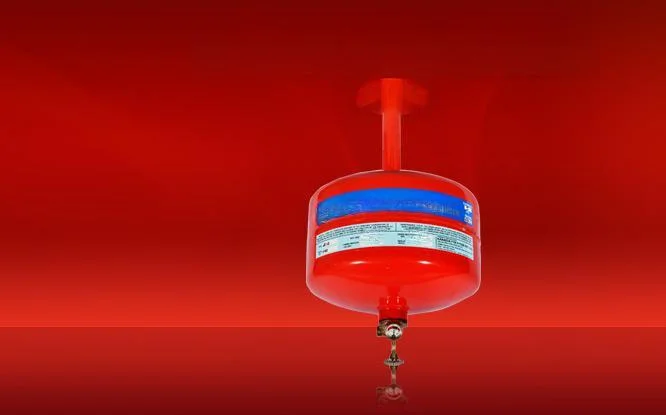
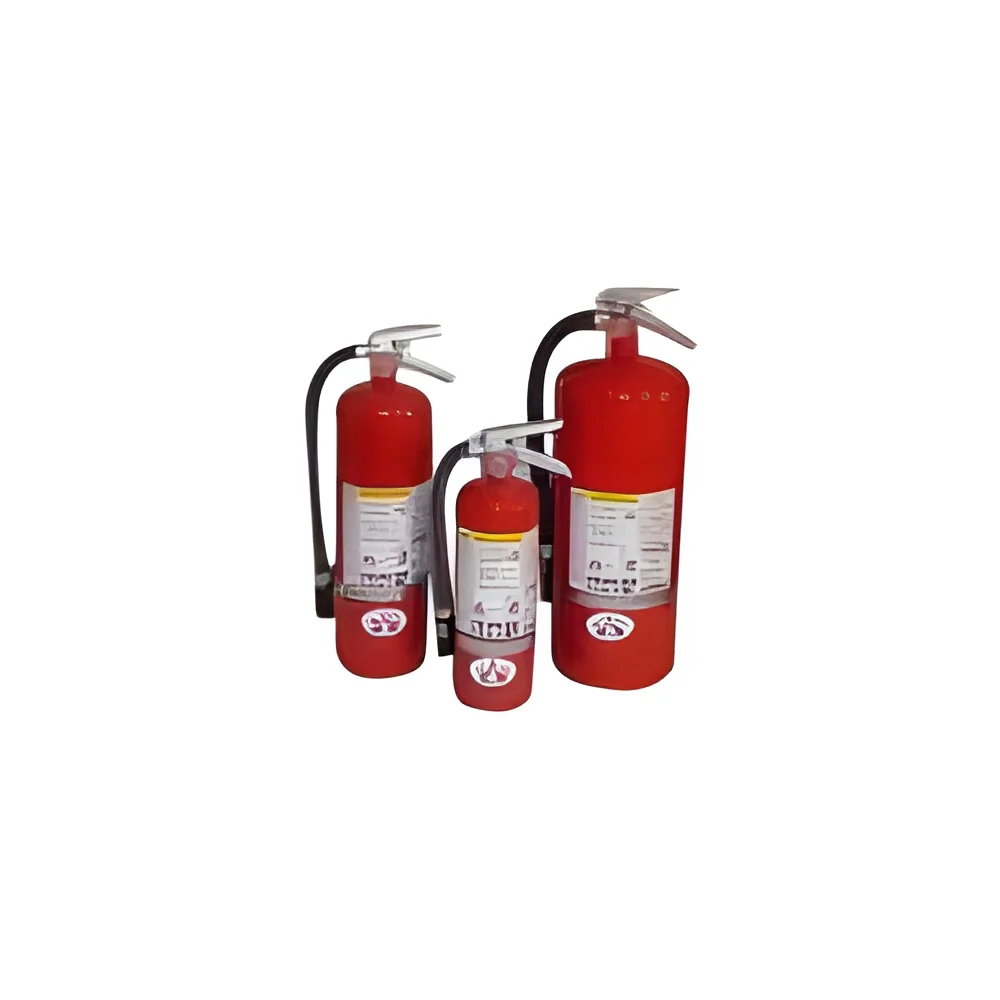
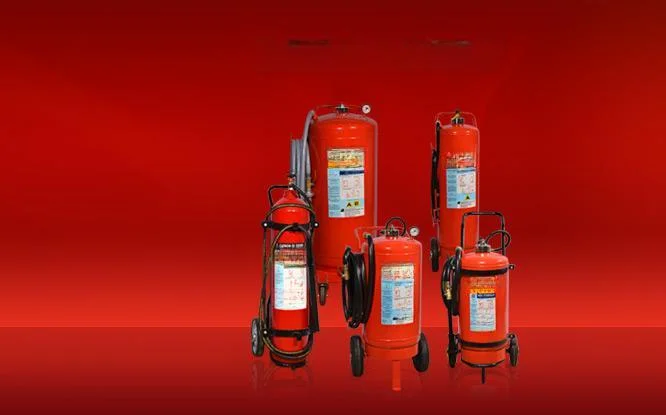
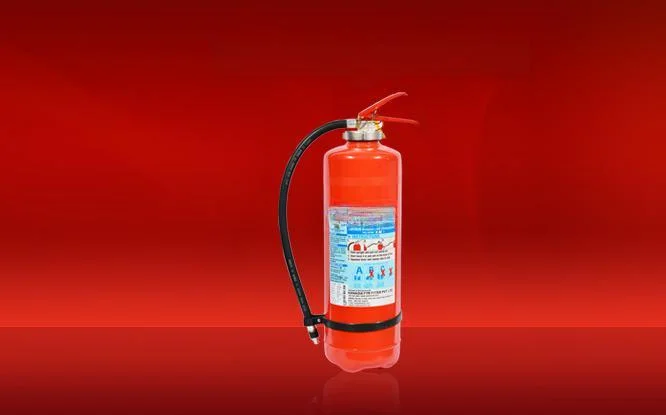
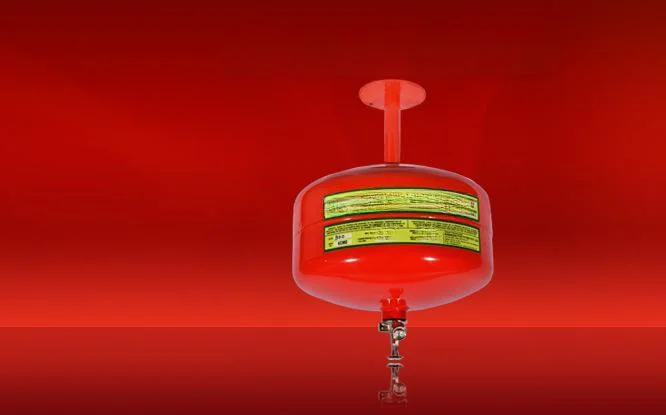
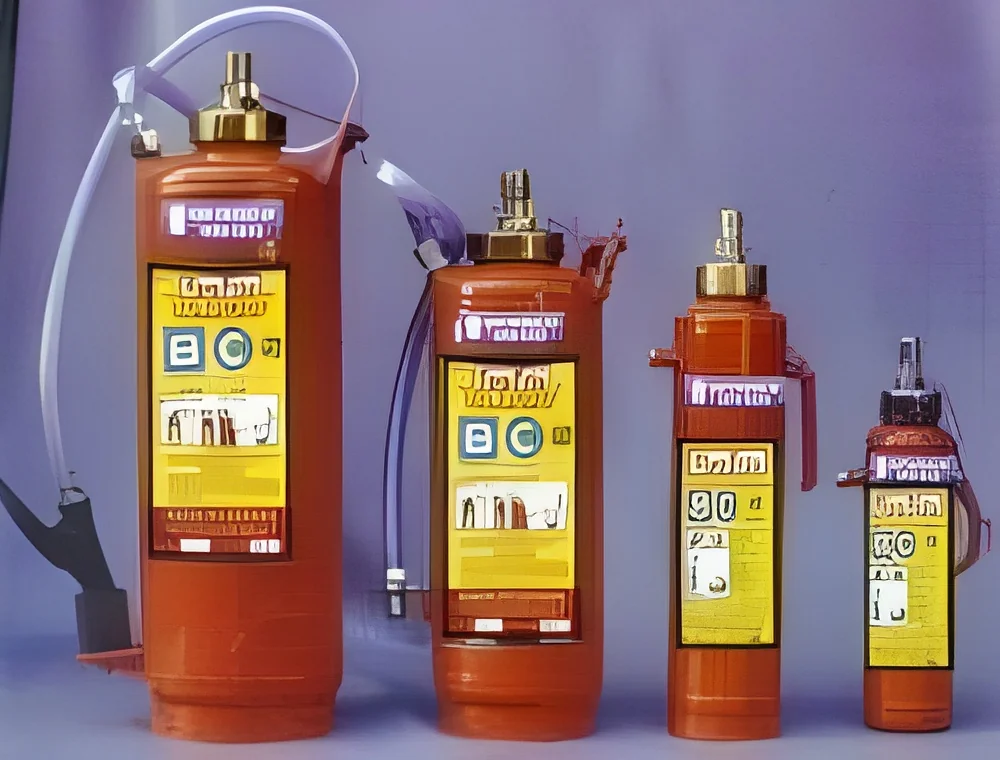
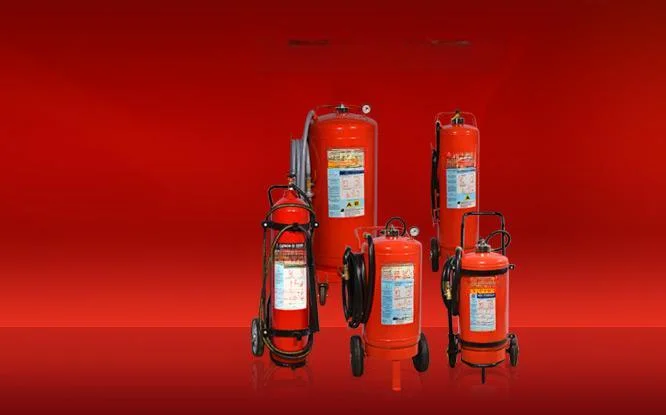
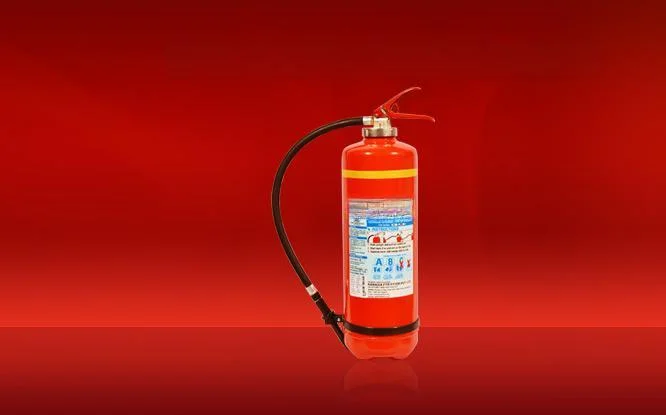
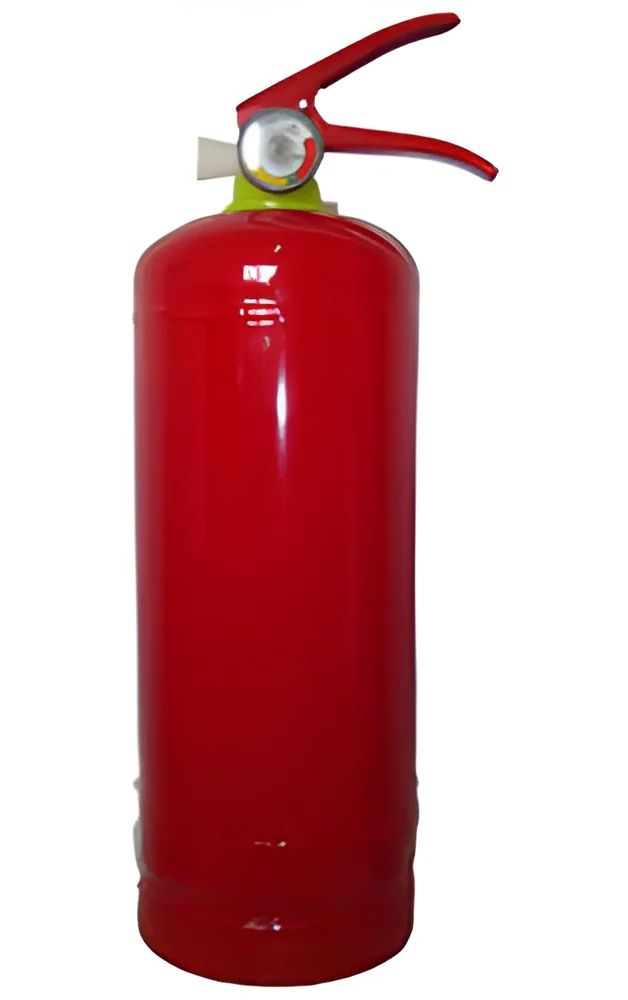
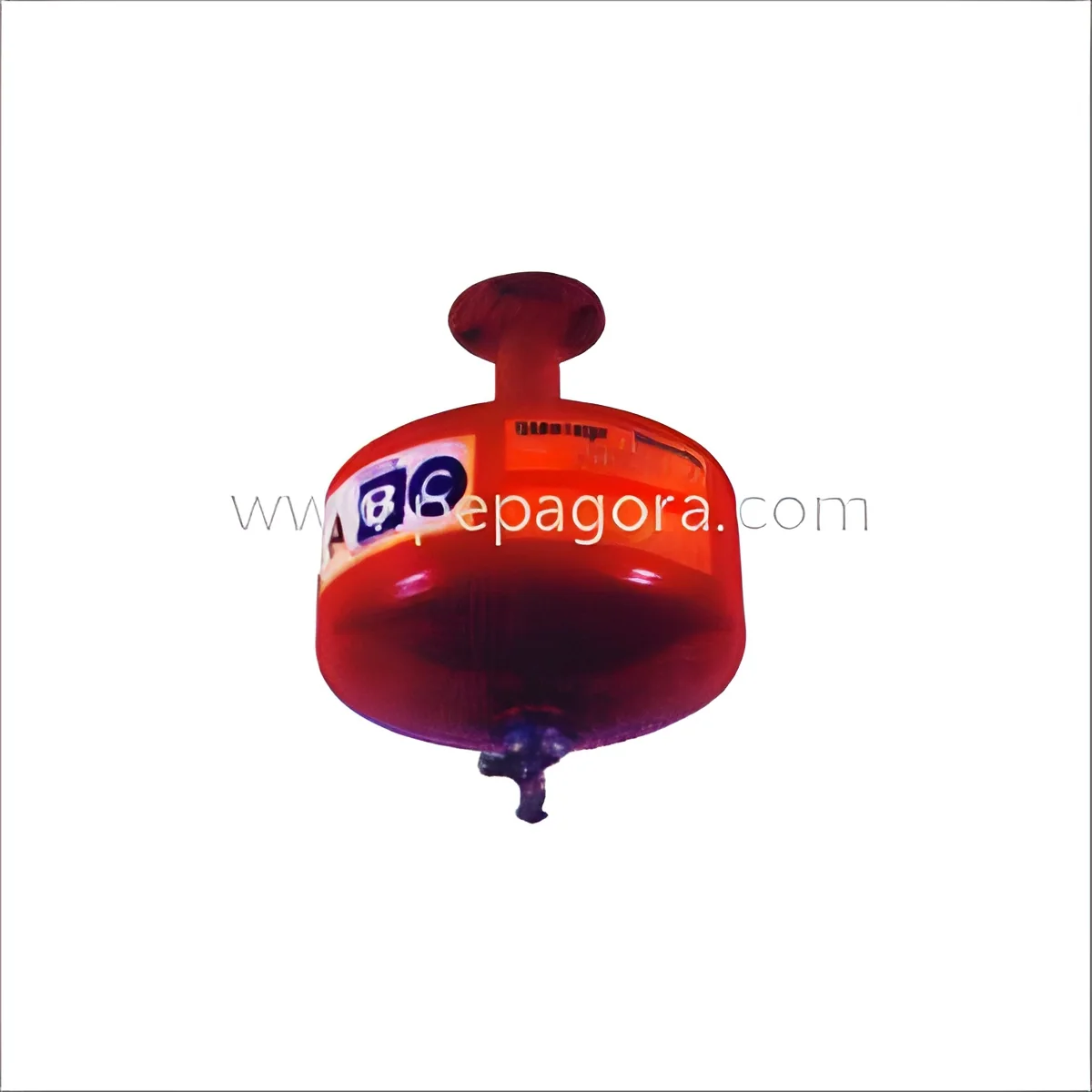
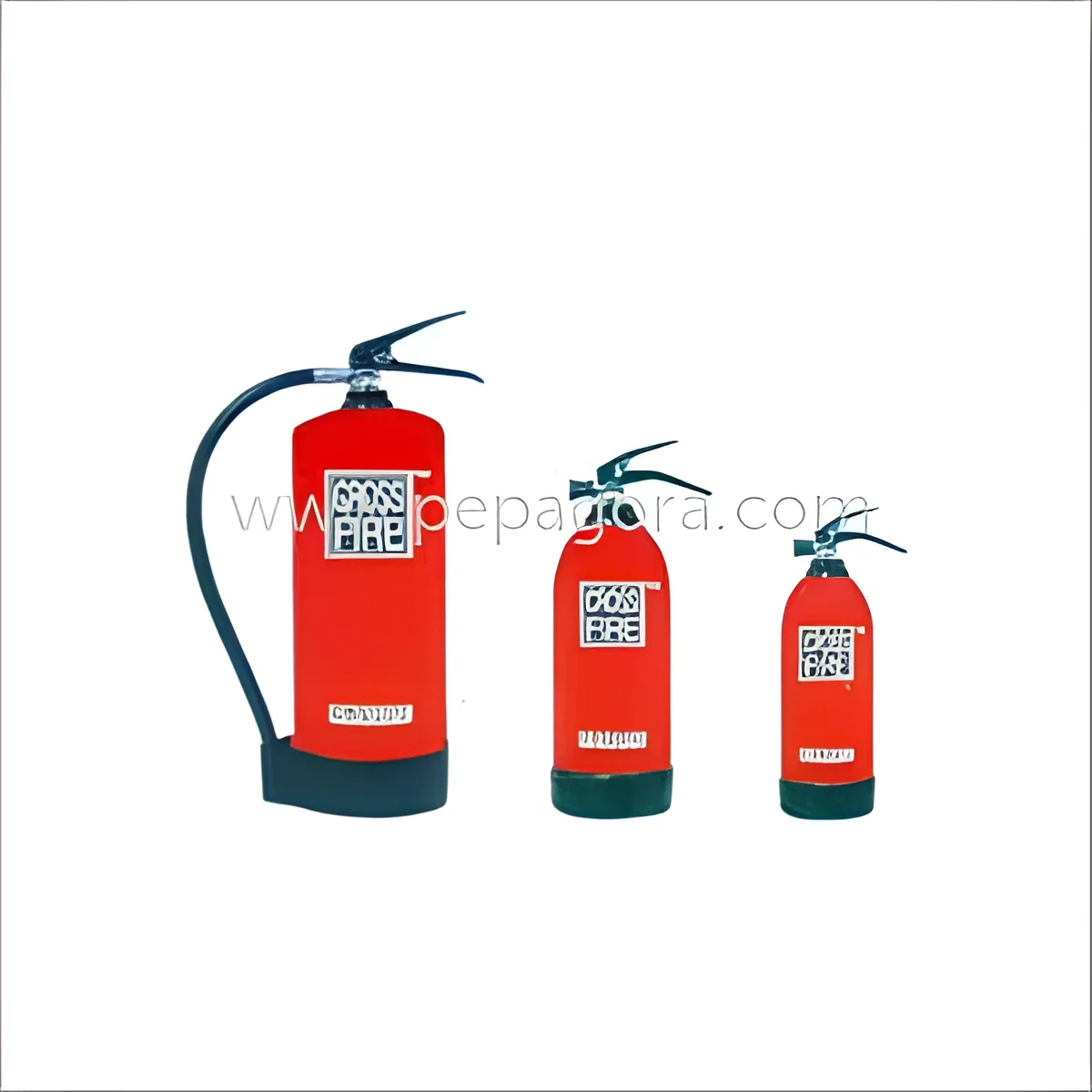
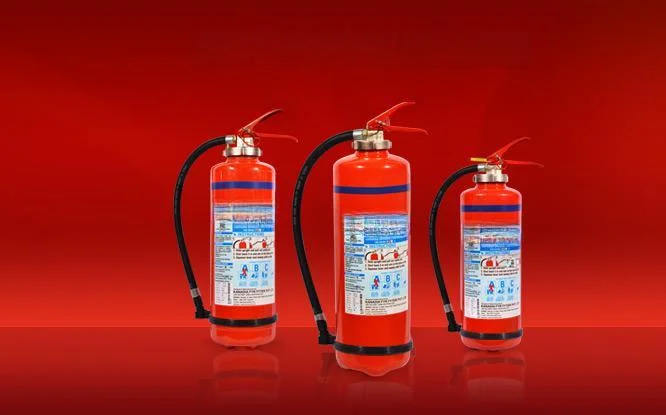
Fire extinguishers are essential safety devices designed to put out small fires or control their spread until professional help arrives. There are several types of fire extinguishers, each tailored for specific kinds of fires. The most common types include ABC extinguishers for ordinary combustibles, CO2 extinguishers for electrical fires, foam extinguishers for flammable liquids, and water extinguishers for solid materials. Each type utilizes different suppression agents and mechanisms to effectively tackle fire emergencies.
These fire extinguishers are widely used in various business environments, including offices, manufacturing plants, and warehouses. They serve to protect both employees and property from fire hazards. Businesses often conduct fire risk assessments to determine the appropriate types and quantities of extinguishers needed based on their unique fire risks. As fire safety regulations become increasingly stringent, understanding the applications and requirements of different extinguishers is crucial for compliance and safety.
In the industrial market, fire extinguishers are not only a regulatory requirement but also a critical aspect of workplace safety culture. With the rise of safety standards and the need for risk management, effective fire safety solutions are in high demand. This has led to innovations in fire extinguisher technology and an expanded market offering various products to meet diverse customer needs.
𝗞𝗲𝘆 𝗙𝗲𝗮𝘁𝘂𝗿𝗲𝘀 𝗮𝗻𝗱 𝗦𝗽𝗲𝗰𝗶𝗳𝗶𝗰𝗮𝘁𝗶𝗼𝗻𝘀
Fire extinguishers come with a variety of features and specifications that determine their effectiveness and suitability for specific applications. Understanding these specifications is essential for selecting the right extinguisher for your needs.
Key specifications include:
1. Type of Fire Class
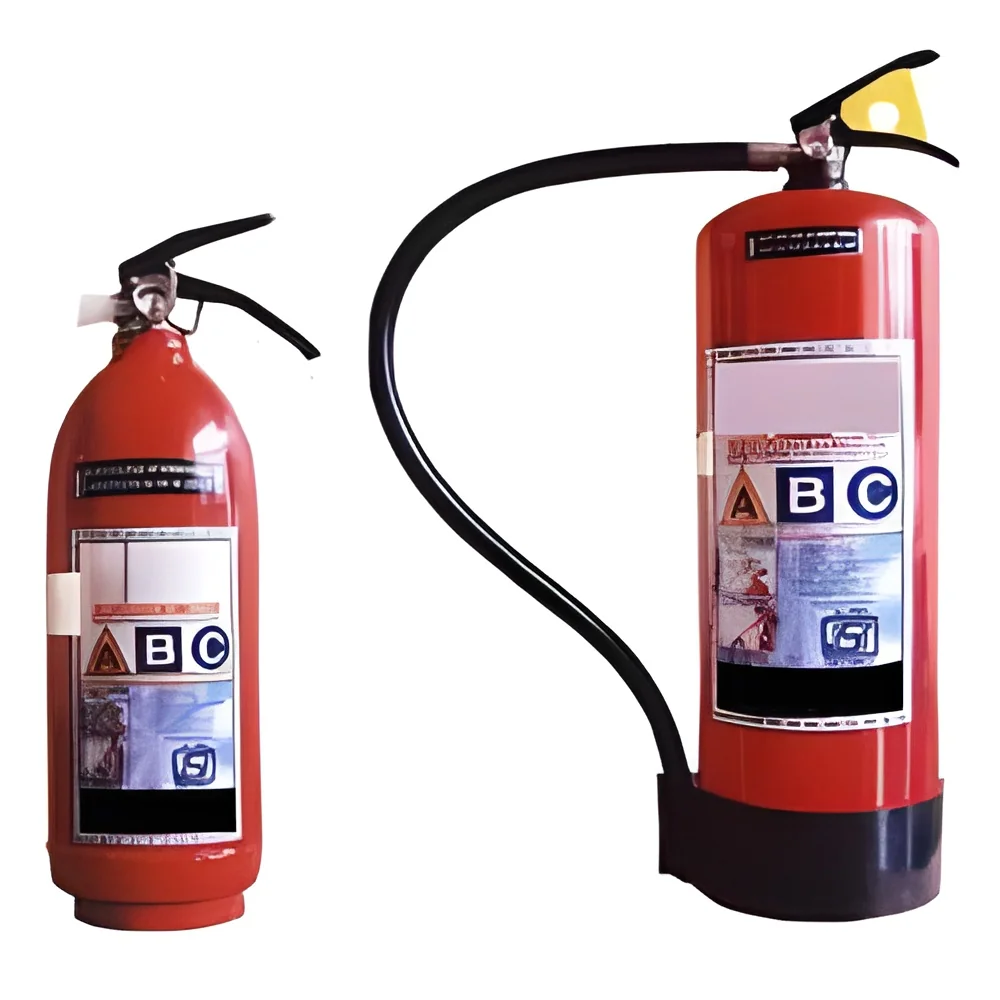
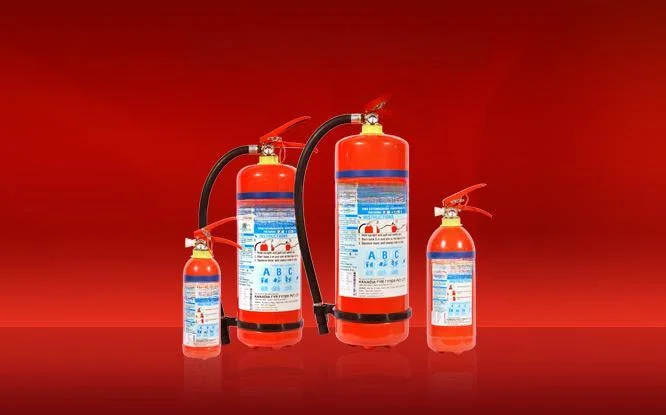
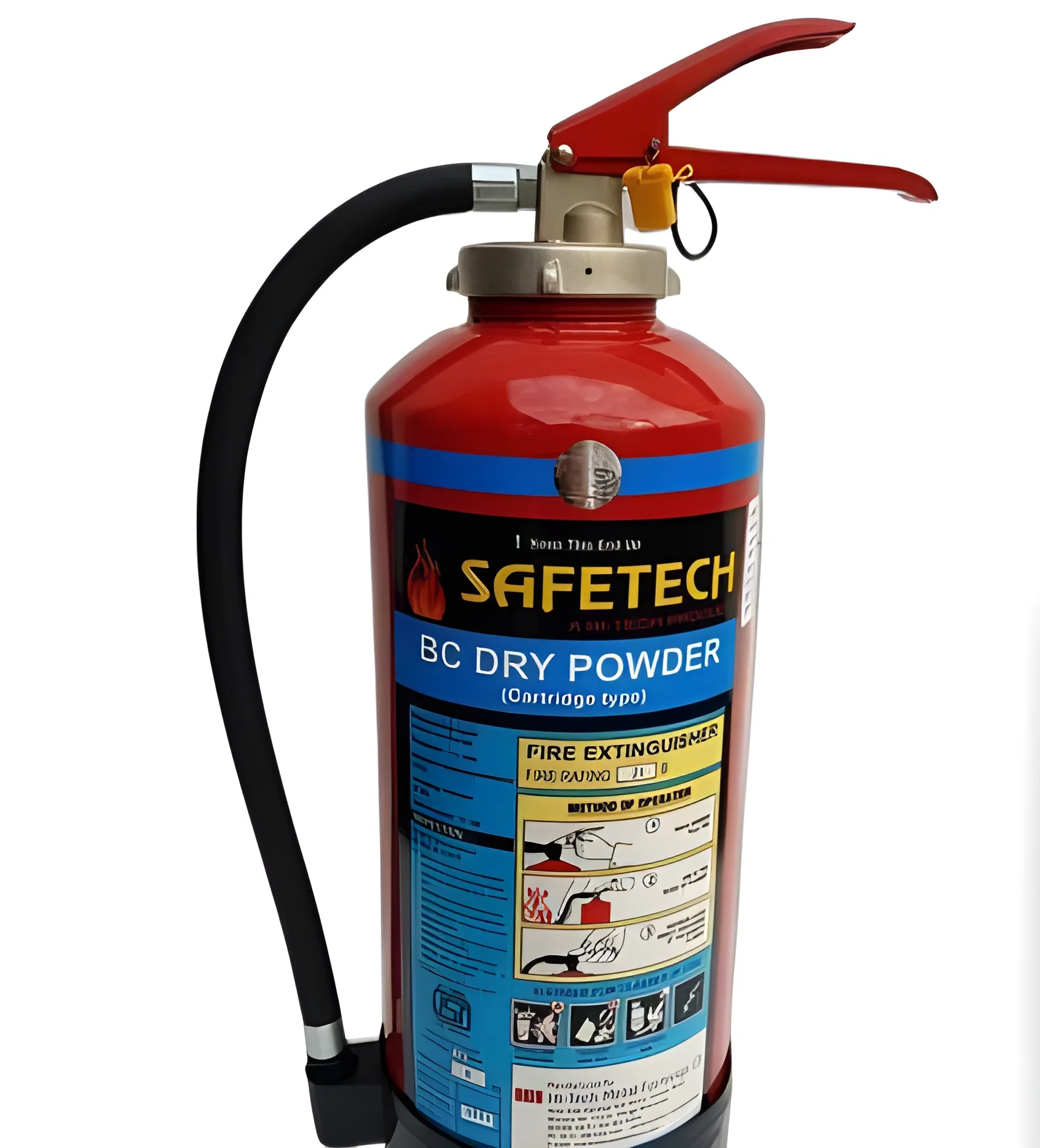
- ABC extinguishers can be used on ordinary combustibles, flammable liquids, and electrical fires.
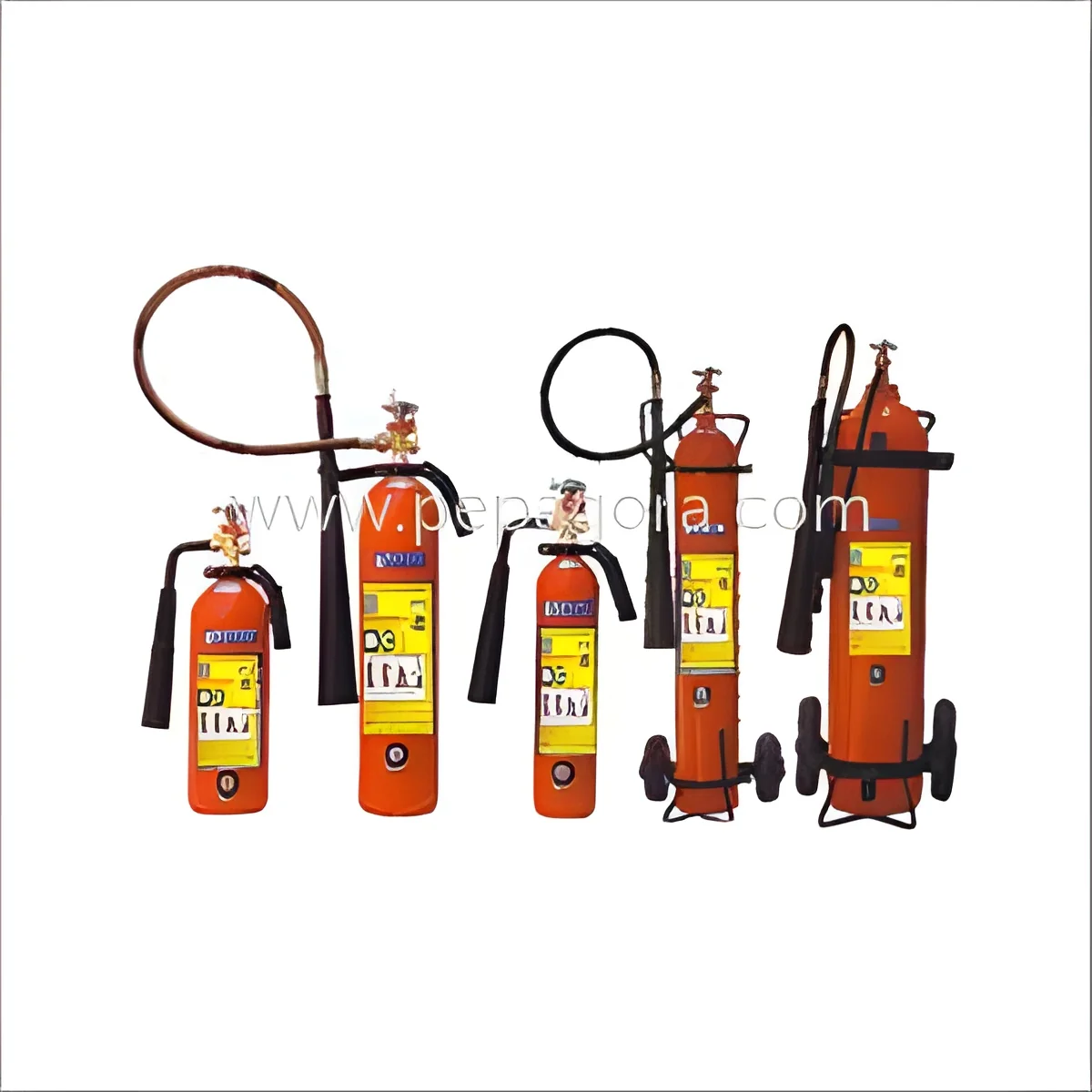
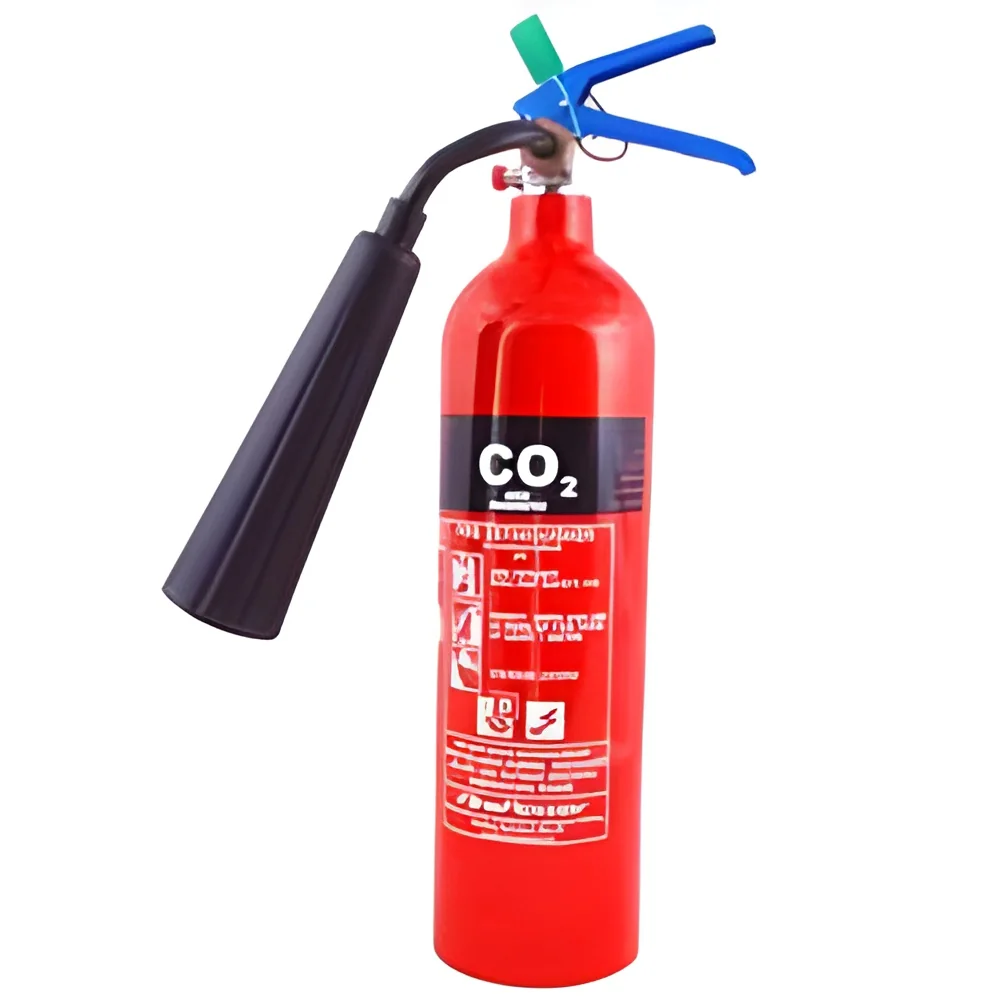
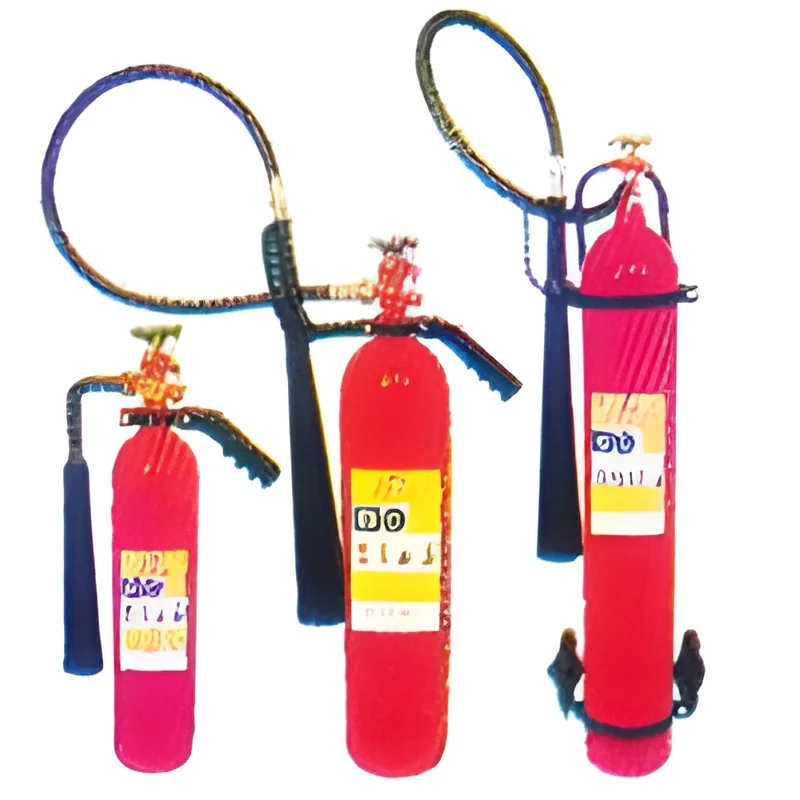
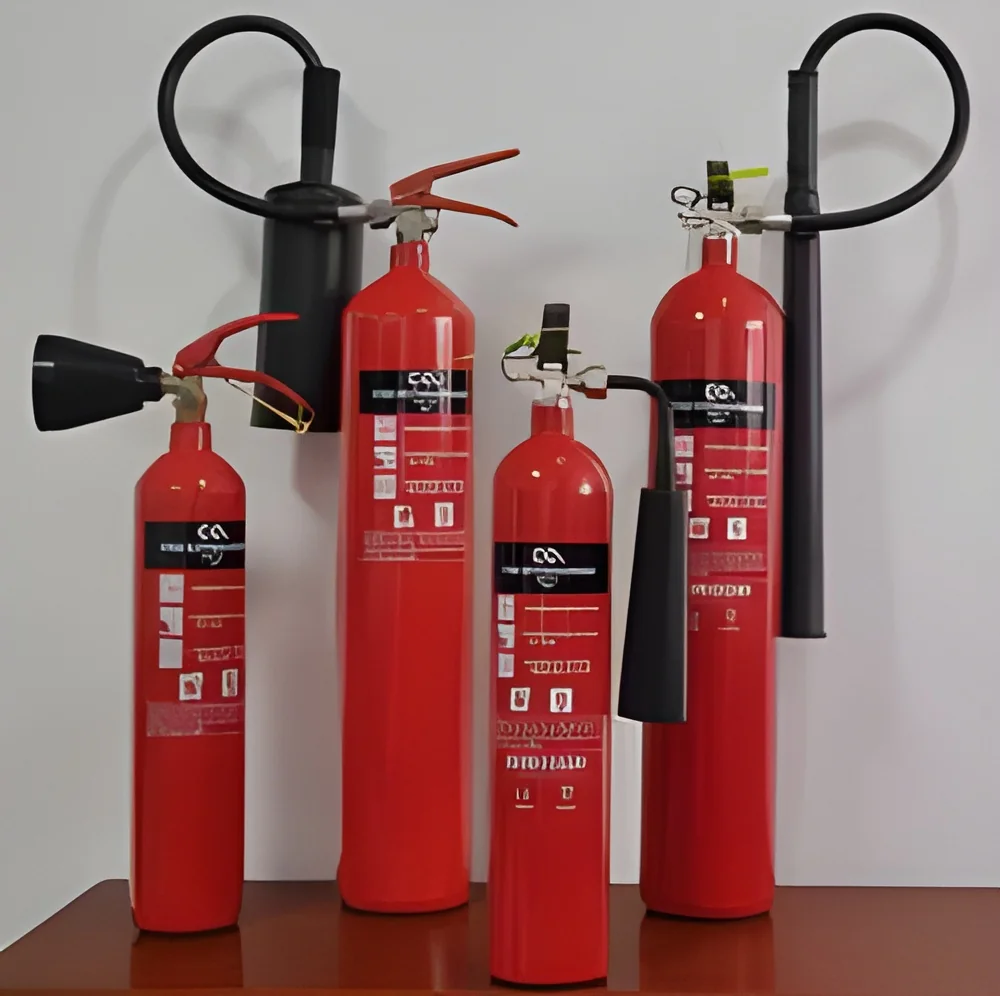
- CO2 extinguishers are effective for electrical fires and flammable liquids.
2. Agent Capacity
- ABC extinguishers typically range from 2 to 20 pounds in capacity.
- CO2 extinguishers generally range from 5 to 20 pounds.
3. Discharge Time
- Most extinguishers have a discharge time of 8 to 30 seconds, depending on the size and type.
4. Operating Temperature
- Fire extinguishers are usually rated to operate effectively between -40°F and 120°F.
5. Maintenance Requirements
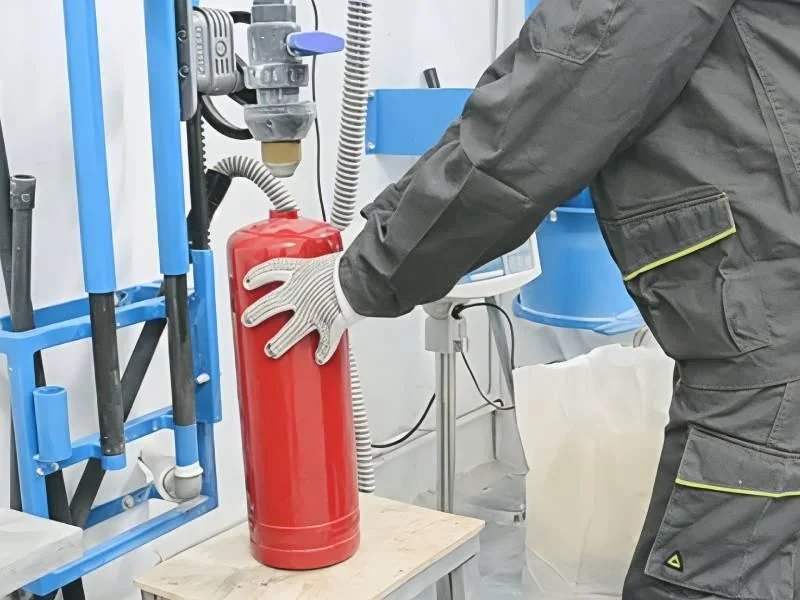
- Regular inspections and maintenance are required to ensure operational readiness, typically every month.
6. Certification
- Fire extinguishers must meet certain safety standards, such as CE certification.
7. Weight
- The weight of extinguishers varies based on the type and capacity, influencing ease of handling.
8. Pressure Indicator
- Many extinguishers come with a pressure gauge to indicate whether they are fully charged.
In summary, knowing the features and specifications of fire extinguishers helps businesses make informed choices, ensuring safety and compliance with regulations.
𝗖𝗼𝗺𝗺𝗼𝗻 𝗔𝗽𝗽𝗹𝗶𝗰𝗮𝘁𝗶𝗼𝗻𝘀 𝗮𝗻𝗱 𝗨𝘀𝗲 𝗖𝗮𝘀𝗲𝘀
Fire extinguishers are vital tools in various industries, each with unique fire risks and requirements.
1. Manufacturing: In manufacturing environments, ABC extinguishers are commonly used to address fires from combustible materials and flammable liquids present in production processes.
2. Hospitality: Hotels and restaurants utilize CO2 extinguishers for kitchen fires caused by grease and cooking equipment, while also having ABC extinguishers for other potential fire hazards.
3. Warehousing: Storage facilities often deploy foam extinguishers for fires involving flammable liquids, as well as traditional ABC extinguishers for general use.
4. Healthcare: Hospitals require specialized extinguishers, including CO2 extinguishers, to ensure safety around sensitive medical equipment that could be damaged by water.
5. Retail: Retail outlets need portable extinguishers, typically ABC types, to safeguard against fires from stored merchandise or electrical equipment.
6. Education: Schools implement fire safety measures by equipping classrooms and common areas with easily accessible fire extinguishers for emergencies.
7. Automotive: Garages and automotive shops use foam and ABC extinguishers to combat fires stemming from vehicles and flammable automotive products.
𝗣𝗿𝗼𝗱𝘂𝗰𝘁 𝗩𝗮𝗿𝗶𝗮𝗻𝘁𝘀 𝗮𝗻𝗱 𝗦𝘂𝗯𝗰𝗮𝘁𝗲𝗴𝗼𝗿𝗶𝗲𝘀
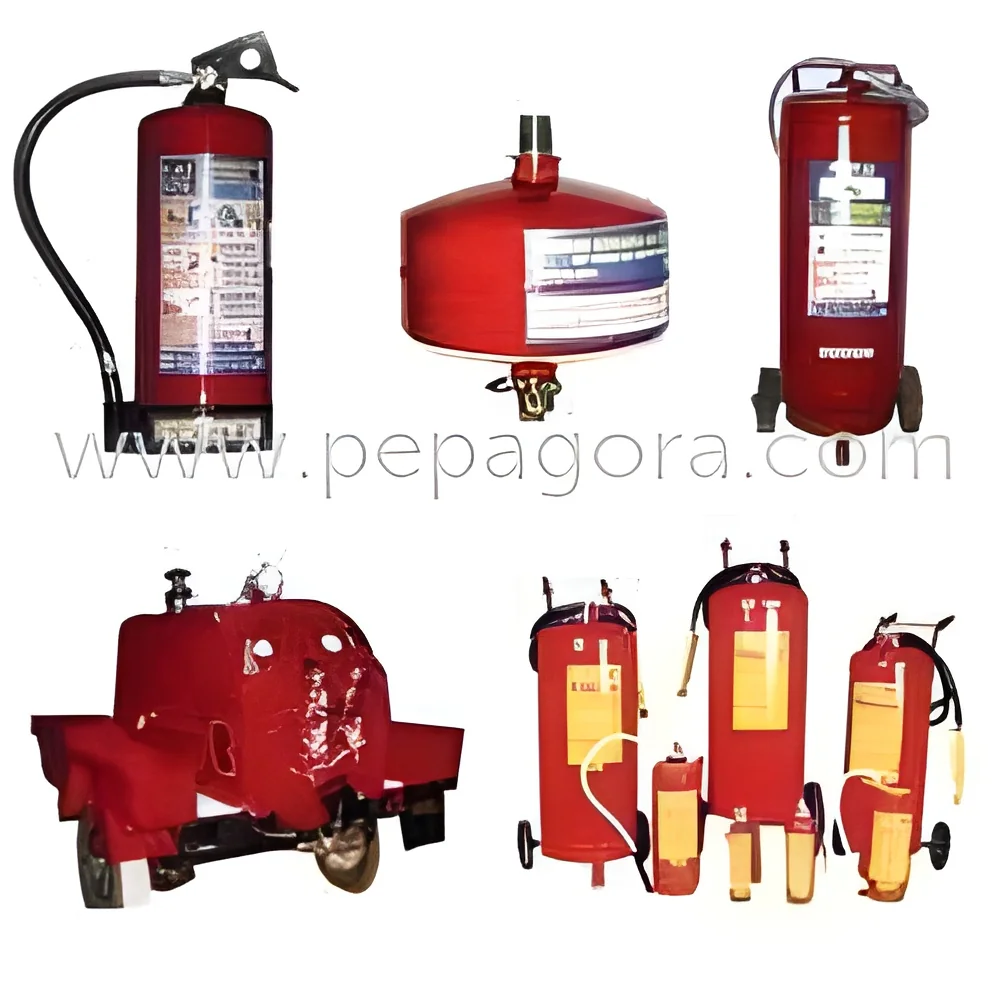
Fire extinguishers come in various types to address different fire risks, ensuring versatility and effectiveness in fire safety.
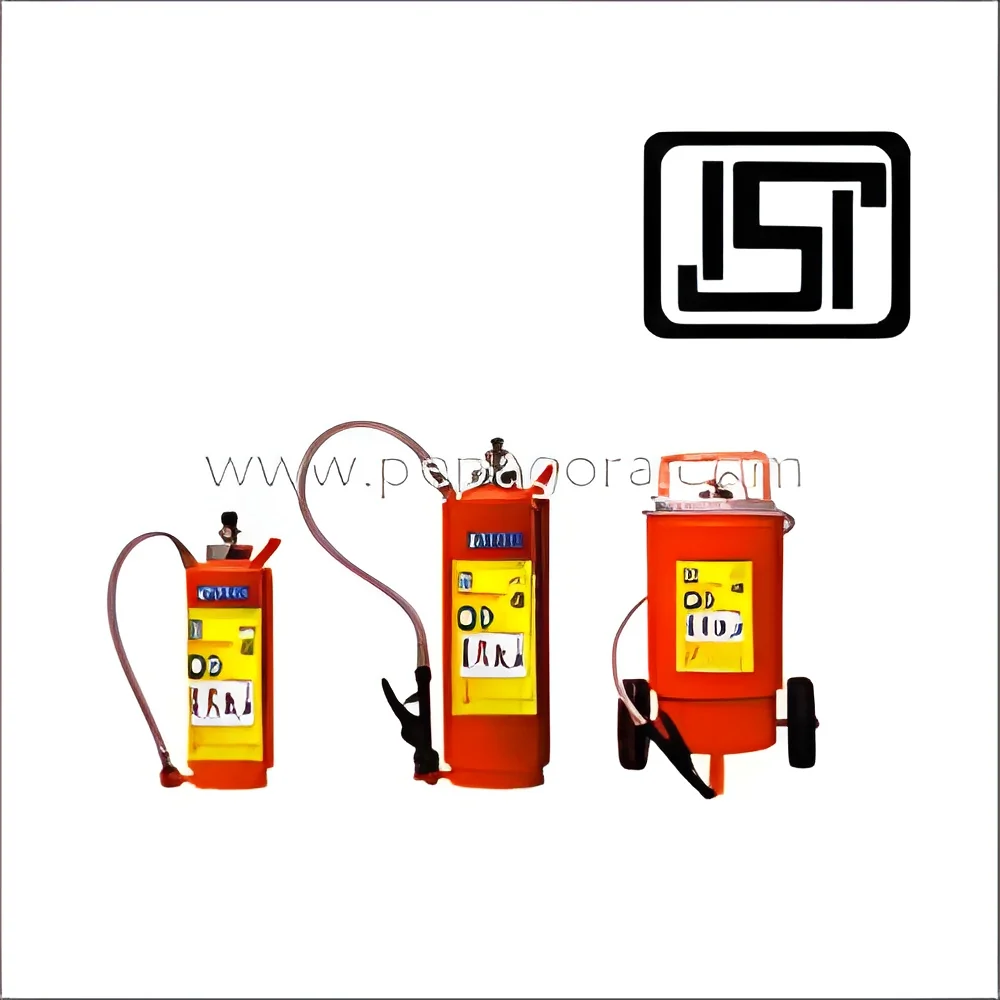
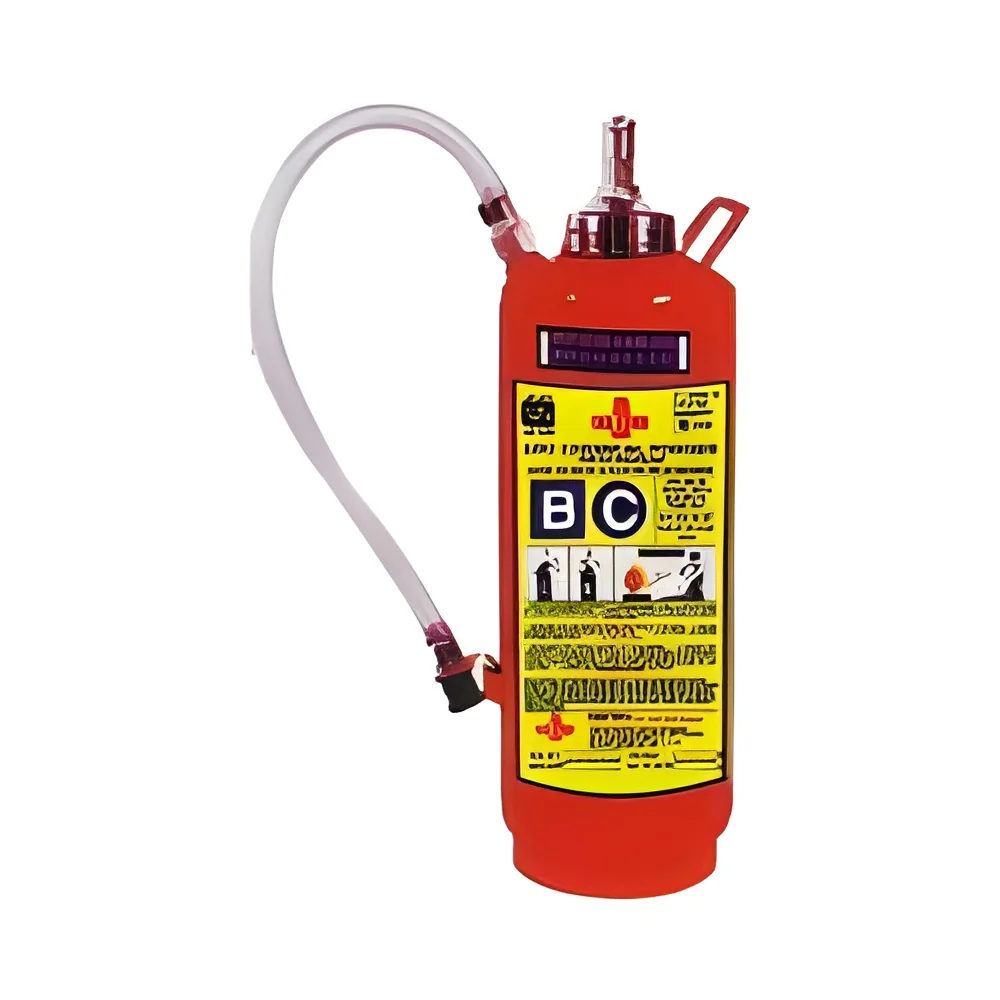
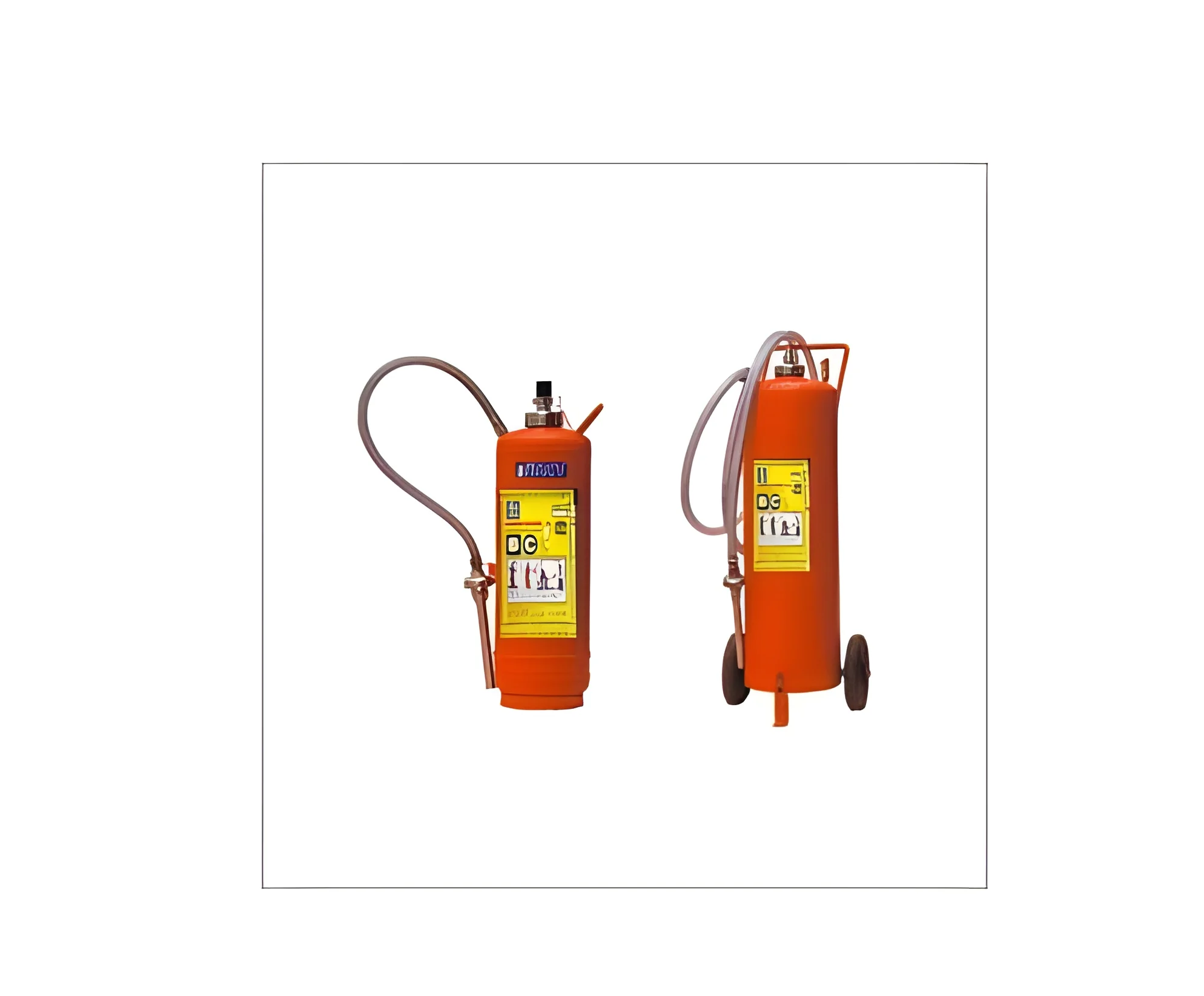
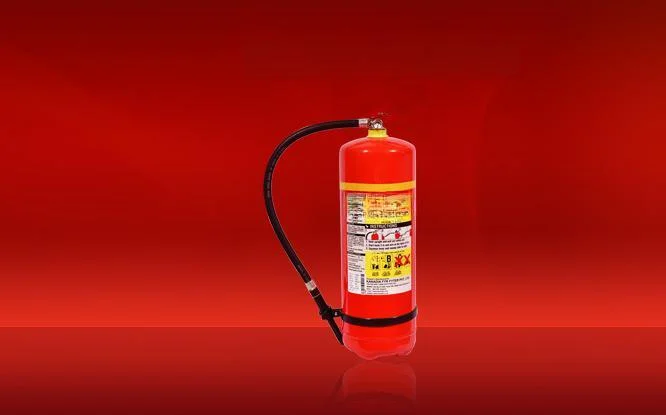
ABC Extinguishers: These multipurpose extinguishers are effective against ordinary combustibles, liquids, and electrical fires. They are ideal for general business use due to their wide applicability.
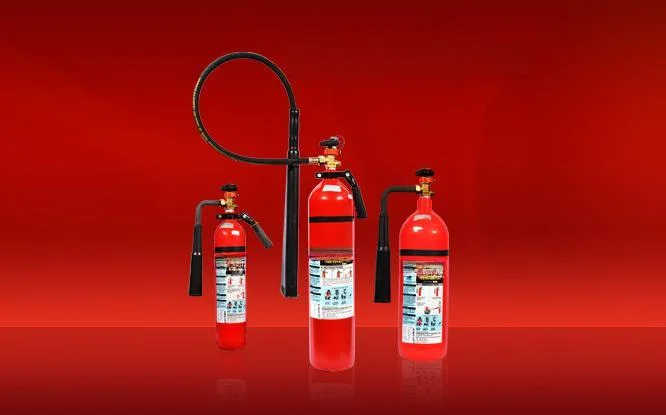
CO2 Extinguishers: Designed specifically for electrical fires and flammable liquids, CO2 extinguishers do not leave any residue, making them suitable for sensitive environments such as data centers and laboratories.
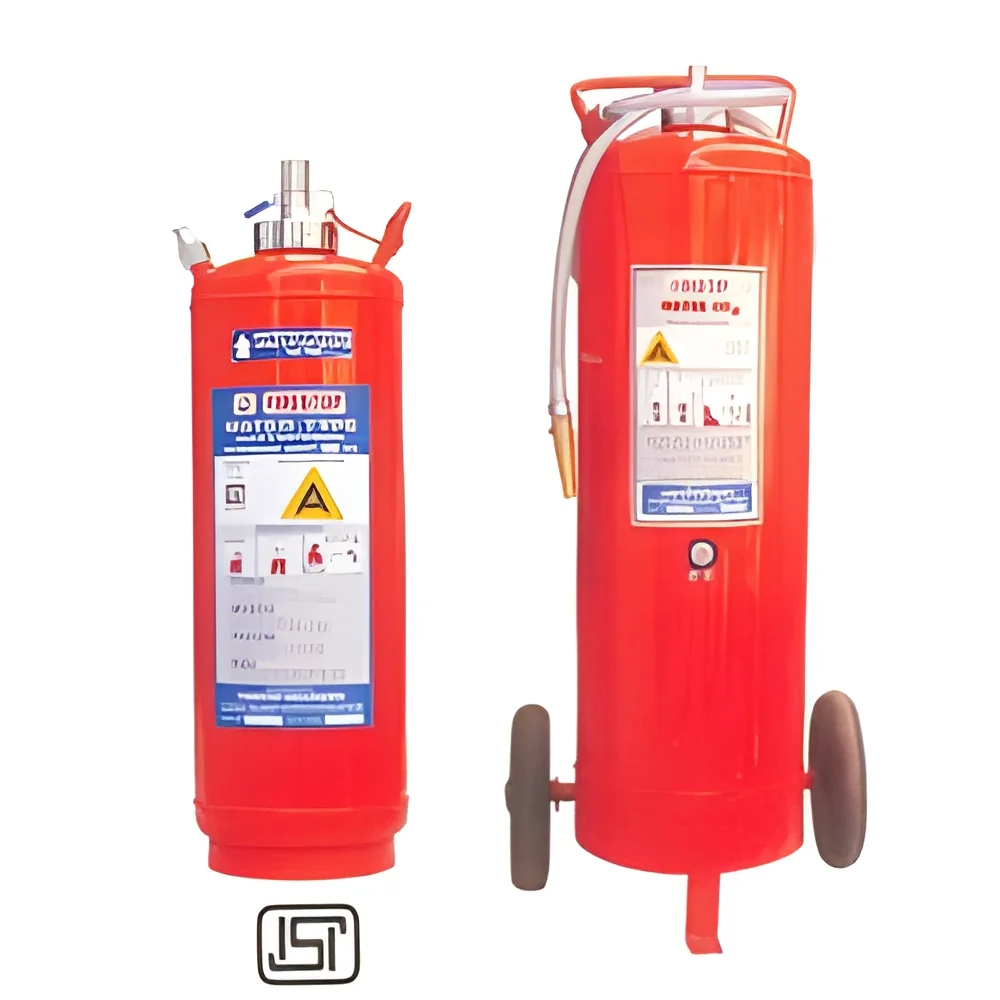
Foam Extinguishers: These are particularly effective for flammable liquid fires, such as those found in chemical storage areas or fuel stations. Their ability to form a blanket over the fire helps suppress flames.
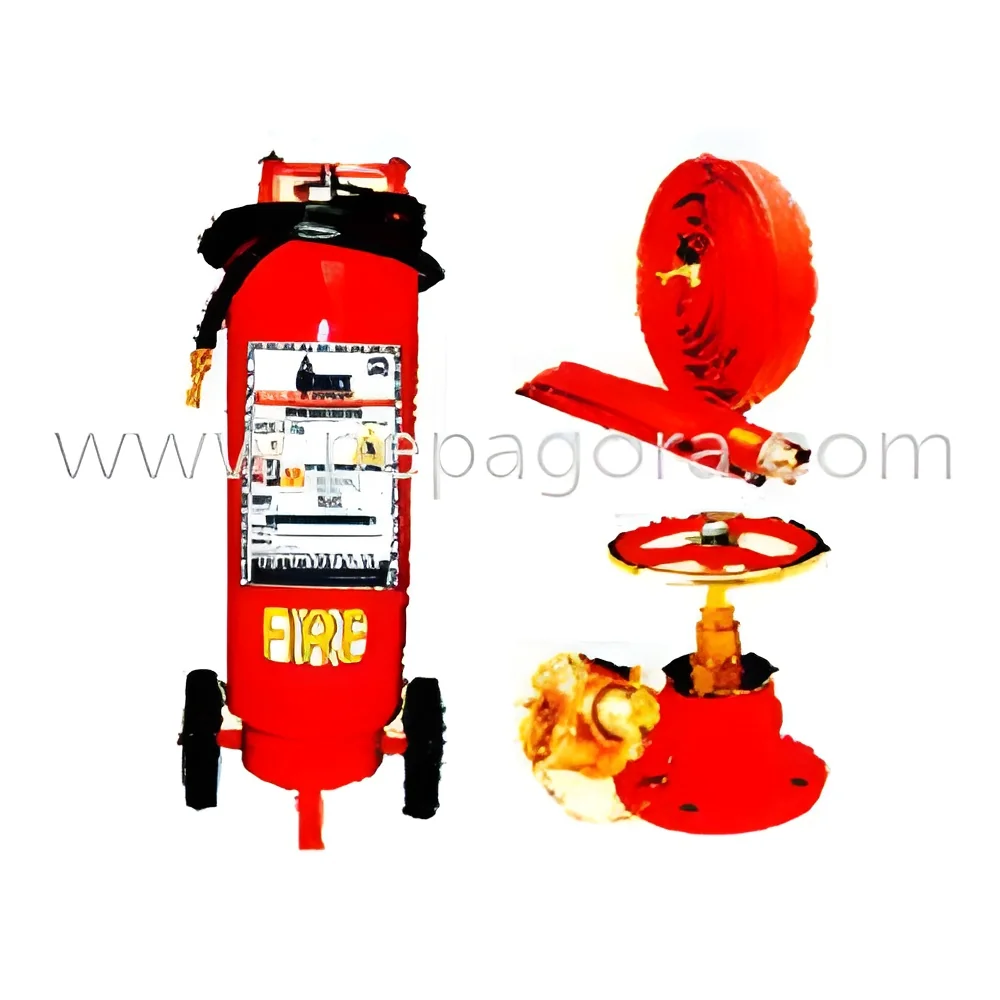
Water Extinguishers: Primarily used for solid material fires, water extinguishers are common in areas where combustible materials are present. They are cost-effective and straightforward to use.
𝗕𝗲𝗻𝗲𝗳𝗶𝘁𝘀 𝗮𝗻𝗱 𝗔𝗱𝘃𝗮𝗻𝘁𝗮𝗴𝗲𝘀
Fire extinguishers offer numerous benefits to businesses, enhancing safety and compliance.
1. Enhanced Safety: Fire extinguishers provide immediate response capabilities, allowing businesses to control small fires before they escalate.
2. Regulatory Compliance: Having the correct type and number of extinguishers helps businesses meet local fire safety regulations and avoid penalties.
3. Cost-Effectiveness: Investing in fire extinguishers is often more affordable than dealing with the aftermath of a fire, including property damage and legal liabilities.
4. Employee Protection: Properly equipped facilities help ensure the safety of employees, fostering a responsible workplace culture.
5. Peace of Mind: Knowing that effective fire safety measures are in place instills confidence in employees and customers alike.
6. Versatility: Different types of extinguishers allow businesses to address a range of fire risks, ensuring comprehensive fire protection.
𝗕𝘂𝘆𝗶𝗻𝗴 𝗚𝘂𝗶𝗱𝗲 𝗳𝗼𝗿 𝗕𝟮𝗕 𝗕𝘂𝘆𝗲𝗿𝘀
When sourcing fire extinguishers, businesses should consider several critical factors to ensure they meet safety requirements.
1. Quality Assessment: Evaluate the quality of extinguishers by verifying certifications and standards. Look for products that meet recognized safety regulations.
2. Supplier Verification: Choose suppliers with a strong reputation and track record in the industry. Conduct due diligence to ensure they provide reliable products.
3. Pricing and MOQ: Compare pricing across different suppliers, keeping an eye on minimum order quantities to ensure they align with your budget and needs.
4. Delivery and Lead Times: Assess the logistics of delivery and lead times to ensure timely availability of extinguishers, particularly if you have upcoming safety audits.
5. Compliance Requirements: Understand the specific regulatory requirements for your industry and ensure that the extinguishers you choose meet these standards.
𝗖𝗼𝗺𝗽𝗹𝗶𝗮𝗻𝗰𝗲 𝗮𝗻𝗱 𝗖𝗲𝗿𝘁𝗶𝗳𝗶𝗰𝗮𝘁𝗶𝗼𝗻𝘀
Fire extinguishers must adhere to various compliance standards to ensure safety and reliability. Relevant quality standards include ISO 9001, which focuses on quality management systems, and HACCP, which is crucial in food safety environments.
In addition to quality standards, industry certifications such as CE are vital for demonstrating compliance with European safety directives. These certifications ensure that fire extinguishers have undergone rigorous testing and meet necessary safety protocols.
Safety and testing requirements are critical for fire extinguishers, where regular inspections and maintenance are mandatory. Businesses must also consider regional compliance, as different areas may have specific regulations regarding fire safety equipment.
Why Source Fire Extinguishers (ABC, CO2, Foam, Water) from Pepagora?
Pepagora offers a trusted platform for sourcing fire extinguishers with several key advantages.
Verified Supplier Network: Pepagora connects buyers with verified suppliers, ensuring that businesses receive high-quality products that meet safety standards.
Streamlined RFQ Process: The request for quotation system simplifies the purchasing process, allowing businesses to compare offers quickly and efficiently.
Trade Assurance and Support: Buyers benefit from trade assurance policies that protect their investments, providing added security and peace of mind.
Regional Coverage: Pepagora's extensive network spans India, the GCC, and Southeast Asia, giving buyers access to a wide range of suppliers and products tailored to their regional needs.