
 IN
INCCTV Surveillance Cameras (Analog, IP)
3 products available
Key Features and Specifications
Common Applications and Use Cases
Product Variants and Subcategories
Benefits and Advantages
Buying Guide for B2B Buyers
Compliance and Certifications

Frequently Asked Questions
What are CCTV Surveillance Cameras (Analog, IP)?
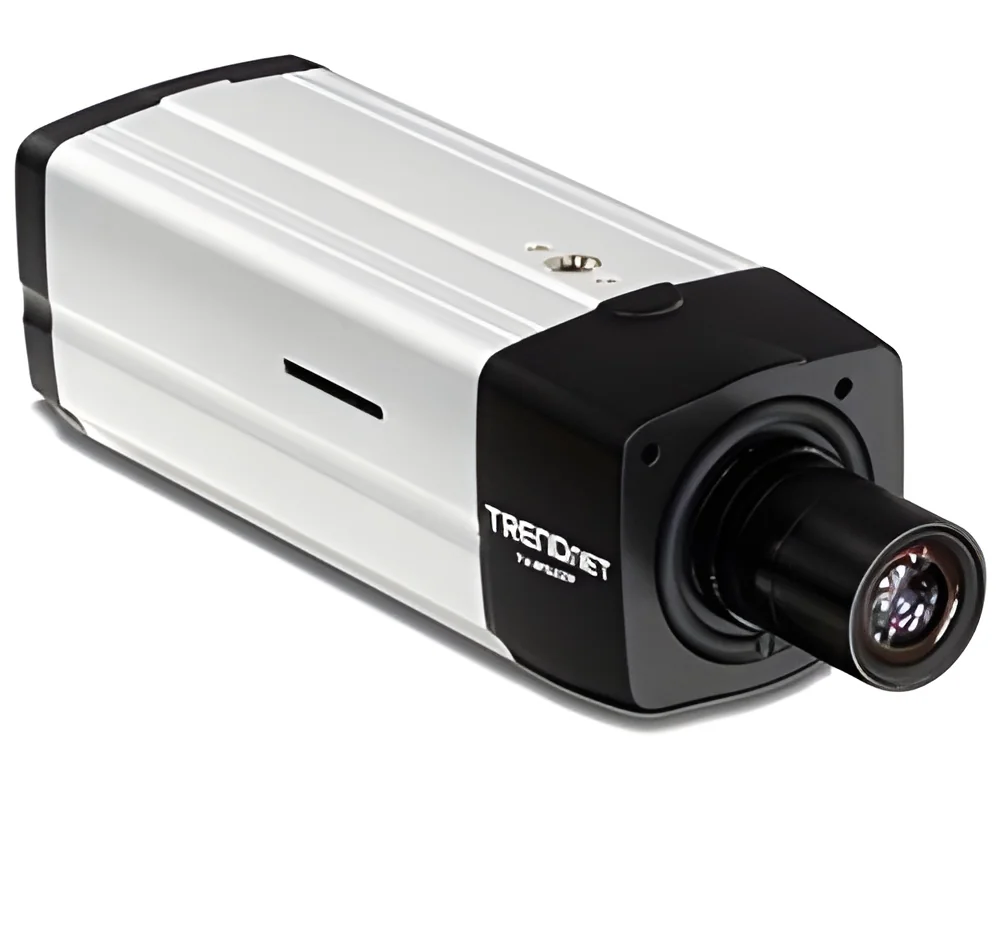
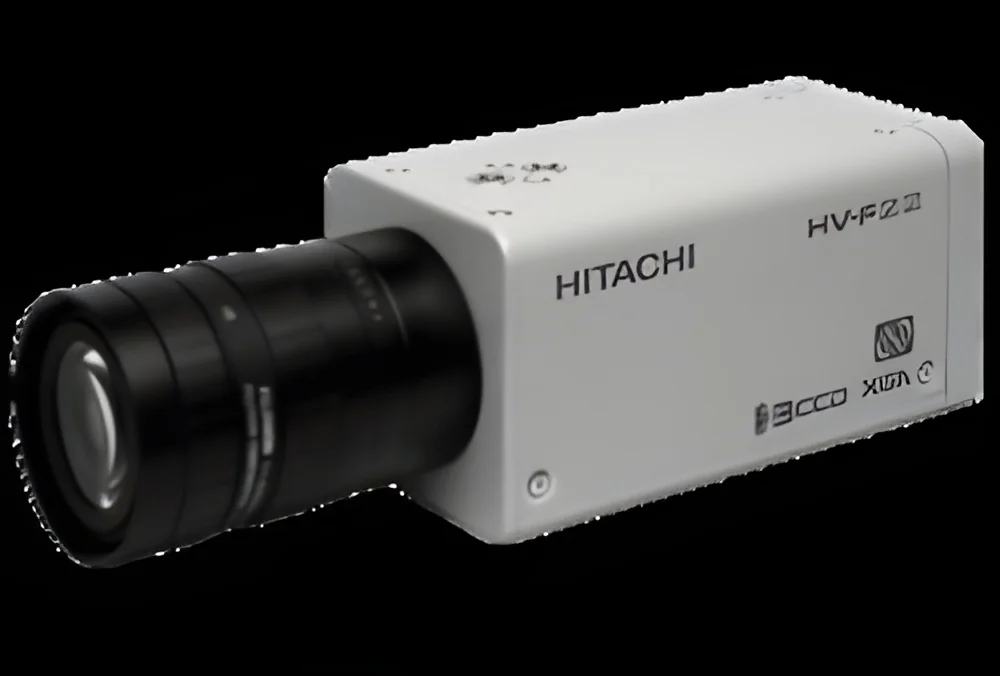
CCTV Surveillance Cameras, both Analog and IP, are devices used for monitoring and recording activities in a specific area. Analog cameras transmit video signals over coaxial cables, while IP cameras use digital signals, allowing for higher resolution and remote access via the internet.
What are the different types of CCTV Surveillance Cameras (Analog, IP)?
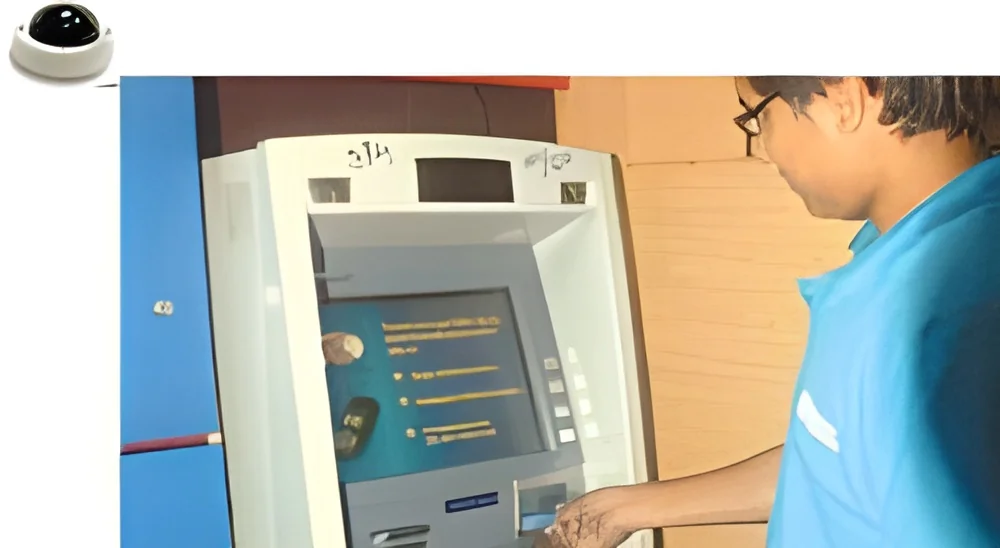
The main types of CCTV Surveillance Cameras include Analog Cameras, IP Cameras, PTZ (Pan-Tilt-Zoom) Cameras, Bullet Cameras, Dome Cameras, and Thermal Cameras. Each type serves different monitoring needs, such as broad area surveillance or capturing detailed images at various distances.
How do I choose the right CCTV Surveillance Cameras (Analog, IP)?
To choose the right CCTV Surveillance Cameras, consider factors such as the area size, lighting conditions, resolution requirements, and whether you need remote access. Additionally, evaluate the installation environment and whether you prefer a wired or wireless setup.
What are the standard specifications for CCTV Surveillance Cameras (Analog, IP)?
Standard specifications for CCTV Surveillance Cameras typically include resolution (measured in megapixels), frame rate, lens type, field of view, and minimum illumination. For IP cameras, additional specifications like compression format and network connectivity options are also important.
What is the price range for CCTV Surveillance Cameras (Analog, IP)?
The price range for CCTV Surveillance Cameras varies widely, typically from INR 1,500 to INR 50,000 or more, depending on the type, features, and brand. Analog cameras are generally more affordable than high-end IP cameras, which offer advanced functionalities.
What quality standards apply to CCTV Surveillance Cameras (Analog, IP)?
CCTV Surveillance Cameras are subject to various quality standards, including ISO 9001 for quality management systems and specific certifications for environmental resistance, such as IP ratings. Compliance with these standards ensures reliability and performance in various conditions.
Where can I find CCTV Surveillance Cameras (Analog, IP) suppliers in India?
You can find CCTV Surveillance Cameras suppliers in India through online B2B marketplaces like Pepagora, trade shows, and industry directories. Additionally, local electronics and security equipment stores often have contacts with reputable manufacturers and distributors.
Can CCTV Surveillance Cameras (Analog, IP) be customized?
Yes, CCTV Surveillance Cameras can be customized based on specific requirements, such as lens selection, housing design, and software features. Many manufacturers offer customization options to meet the unique surveillance needs of different businesses.
What is the typical minimum order quantity for CCTV Surveillance Cameras (Analog, IP)?
The typical minimum order quantity (MOQ) for CCTV Surveillance Cameras can vary by supplier but often ranges from 10 to 50 units. Larger orders may be required for customized products or bulk purchasing discounts.
What is the typical lead time for CCTV Surveillance Cameras (Analog, IP)?
The typical lead time for CCTV Surveillance Cameras varies depending on the supplier, order size, and customization requirements, usually ranging from 2 to 6 weeks. It is advisable to confirm lead times with the supplier before placing an order.
Why Businesses Trust Pepagora
Thousands of companies trust Pepagora to source smarter and sell faster
Expand Your Sales Globally

Source Smarter,Grow Faster
