What are Safety Audits & Risk Assessments?
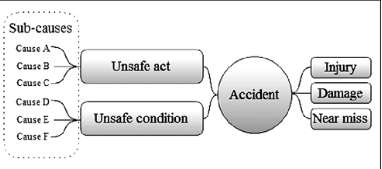
Safety audits and risk assessments are systematic evaluations designed to identify hazards and assess risks within an organization. These processes involve a thorough examination of workplace environments, practices, and policies to ensure compliance with safety regulations and to promote a safe working atmosphere. By identifying potential hazards, businesses can implement effective control measures to reduce the likelihood of accidents and injuries.
These assessments are utilized in various business applications, including manufacturing, construction, healthcare, and service industries. They serve to enhance operational efficiency by minimizing risks and ensuring that safety protocols are adhered to. Organizations often conduct safety audits and risk assessments as part of their compliance with industry regulations and standards, leading to improved safety culture and employee morale.
In today's market, the relevance of safety audits and risk assessments continues to grow, driven by increasing regulatory requirements and a greater emphasis on workplace safety. Industries are increasingly adopting these practices to mitigate risks and protect their workforce, thereby enhancing their reputation and operational continuity.
Key Features and Specifications
Safety audits and risk assessments offer several key features that enhance their effectiveness in promoting workplace safety. These features are vital for organizations looking to maintain compliance and improve risk management practices.
Key specifications include:
1. Comprehensive Evaluation
- Involves a detailed analysis of workplace conditions and safety practices
- Covers physical, chemical, and ergonomic hazards
2. Regulatory Compliance
- Ensures adherence to local, national, and international safety regulations
- Helps organizations avoid legal penalties and liability
3. Risk Identification and Analysis
- Identifies potential hazards and assesses their impact
- Provides a risk rating to prioritize safety measures
4. Recommendations for Improvement
- Offers actionable insights to enhance safety protocols
- Suggests best practices tailored to specific industries
5. Documentation and Reporting
- Produces detailed reports outlining findings and recommendations
- Facilitates tracking of safety improvements over time
6. Training and Awareness Programs
- Includes educational components to promote safety culture
- Enhances employee awareness of safety practices
7. Follow-Up Assessments
- Provides periodic evaluations to ensure continuous improvement
- Adjusts safety measures based on evolving risks
In summary, the effectiveness of safety audits and risk assessments lies in their comprehensive approach to evaluating workplace safety and compliance, ultimately leading to improved operational practices.
Common Applications and Use Cases
Safety audits and risk assessments are applicable across a wide range of industries, ensuring that organizations maintain safe working environments.
1. Manufacturing: In manufacturing, these assessments help identify hazards related to machinery, chemicals, and workplace ergonomics. They are critical for maintaining compliance with safety regulations.
2. Construction: The construction industry frequently uses safety audits to assess site conditions and equipment safety, minimizing risks for workers and ensuring project adherence to safety standards.
3. Healthcare: In healthcare settings, risk assessments focus on patient safety, infection control, and compliance with health regulations, thereby safeguarding both patients and staff.
4. Transportation: Transportation companies conduct safety audits to evaluate vehicle safety, driver practices, and compliance with transportation regulations, ensuring safe operations.
5. Hospitality: In the hospitality sector, audits assess fire safety, food safety, and security measures, helping to protect guests and staff while ensuring a positive experience.
Product Variants and Subcategories
Safety audits and risk assessments can be tailored to meet various organizational needs, leading to a diverse range of services offered.
Standard Safety Audit
This variant includes a basic evaluation of workplace safety, focusing on compliance with essential safety regulations and general risk identification.
Comprehensive Risk Assessment
This variant offers an in-depth analysis of potential hazards, including detailed recommendations for risk mitigation strategies tailored to specific industries or situations.
Industry-Specific Audit
This variant is designed to address the unique safety challenges faced by specific industries, such as healthcare or construction, ensuring targeted compliance and risk management.
Benefits and Advantages
Implementing safety audits and risk assessments provides numerous benefits that contribute to overall organizational success.
1. Enhanced Safety Culture: Regular audits foster a culture of safety within the organization, promoting employee awareness and engagement in safety practices.
2. Reduced Liability: By identifying and mitigating risks, organizations can minimize their exposure to legal liabilities related to workplace accidents.
3. Improved Compliance: Safety audits help organizations stay compliant with regulations, reducing the risk of penalties and enhancing their reputation.
4. Increased Operational Efficiency: Identifying hazards and implementing safety measures leads to fewer accidents and disruptions, resulting in improved productivity.
5. Employee Satisfaction: A safe working environment boosts employee morale and satisfaction, leading to higher retention rates and productivity.
Buying Guide for B2B Buyers
When sourcing safety audits and risk assessments, it is important for businesses to consider several key factors to ensure they receive quality services.
1. Quality Assessment: Look for providers who demonstrate a thorough understanding of safety regulations and industry standards. Check for client testimonials and case studies that showcase their expertise.
2. Supplier Verification: Vet potential suppliers by evaluating their credentials, certifications, and experience in conducting safety audits and risk assessments.
3. Pricing and MOQ: Understand the pricing structure and minimum order quantities. Compare quotes from multiple providers to ensure competitive pricing while maintaining quality.
4. Delivery and Lead Times: Inquire about the expected timelines for completing audits and assessments, ensuring they align with your operational needs.
5. Compliance Requirements: Confirm that the provider is knowledgeable about relevant local and international compliance requirements, as this is crucial for regulatory adherence.
Compliance and Certifications
Safety audits and risk assessments must adhere to various quality standards and certifications to ensure their reliability and effectiveness.
ISO 9001 is one of the most recognized quality management standards and emphasizes a systematic approach to managing organizational processes. Compliance with this standard demonstrates a commitment to quality and continuous improvement.
HACCP, or Hazard Analysis and Critical Control Points, is particularly relevant in industries like food production. It focuses on identifying potential hazards in food safety and implementing controls to mitigate risks.
CE certification indicates that products meet European safety, health, and environmental protection standards. For safety audits and risk assessments, this certification can enhance credibility and trust among clients.
It is important to be aware of regional compliance considerations as well. Different regions may have specific regulations and standards that must be adhered to, making it essential for auditors to be knowledgeable about local laws.
Why Source Safety Audits & Risk Assessments from Pepagora?
Pepagora offers a reliable platform for sourcing safety audits and risk assessments, providing businesses with several key advantages.
Verified Supplier Network: Pepagora maintains a network of verified suppliers, ensuring that businesses can connect with reputable service providers who have a proven track record of delivering quality audits and assessments.
Streamlined RFQ Process: The platform features a streamlined request for quotation process, allowing businesses to easily obtain competitive quotes from multiple suppliers, ensuring they find the best fit for their needs.
Trade Assurance and Support: Pepagora provides trade assurance, offering buyers protection and support throughout the sourcing process. This ensures that businesses can confidently engage with suppliers.
Regional Coverage: With a focus on regions including India, the GCC, and Southeast Asia, Pepagora facilitates access to safety audits and risk assessments tailored to the specific compliance needs of these markets, enhancing the overall sourcing experience.

 IN
IN