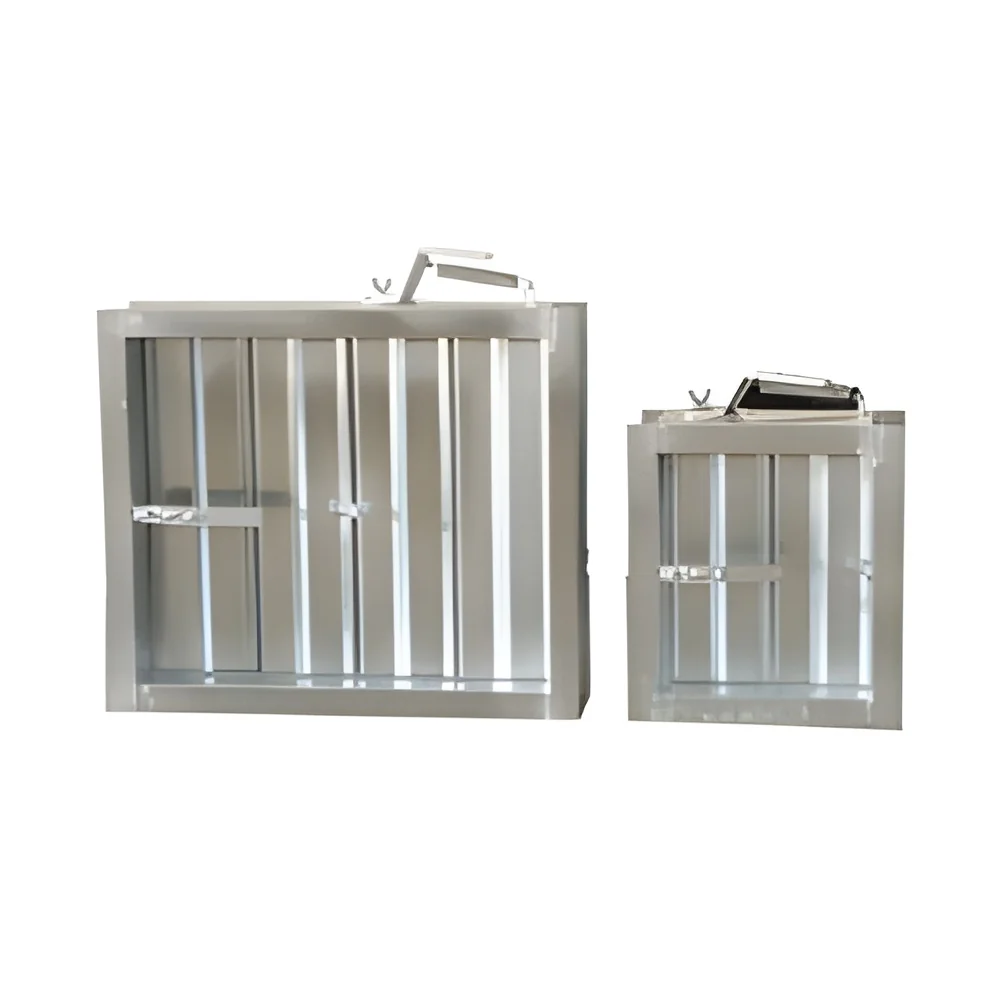
What are Fire Dampers & Duct Protection?
Fire dampers and duct protection systems are essential components in building safety and fire prevention strategies. Fire dampers are mechanical devices installed in ductwork that automatically close when they detect heat or smoke, preventing the spread of fire and smoke through ventilation systems. Duct protection refers to the materials and systems used to safeguard ductwork from fire, physical damage, and environmental conditions, ensuring the integrity of air distribution systems in various settings.
These products find primary use in commercial buildings, industrial facilities, and residential complexes. They are critical in maintaining safe air quality and helping to meet fire safety regulations. Businesses in sectors such as construction, manufacturing, and facility management rely on these systems to protect assets and ensure the safety of occupants. The relevance of fire dampers and duct protection is underscored by stringent building codes and safety standards that mandate their use in many regions, highlighting the importance of compliance and industry best practices.
Key Features and Specifications
Fire dampers and duct protection systems come with various features and specifications that ensure optimal functionality and compliance with safety standards. Understanding these specifications is crucial for selecting the right product for specific applications.
Key specifications include:
1. Material Construction
- Typically made from galvanized steel, stainless steel, or other fire-resistant materials.
- Ensures durability and resistance to corrosion.
2. Temperature Ratings
- Designed to operate within specified temperature ranges.
- Typically rated for high-temperature environments to ensure reliability during a fire.
3. Closing Mechanism
- Features include spring-loaded or gravity-operated closure systems.
- Ensures quick response to fire detection.
4. Certification
- Must comply with specific industry certifications, such as CE.
- Guarantees adherence to safety standards.
5. Airflow Resistance
- Measured in terms of pressure drop across the damper.
- Critical for maintaining HVAC efficiency.
6. Installation Type
- Available in various configurations for different installation needs.
- Options include vertical or horizontal installations.
7. Size Options
- Available in multiple sizes to fit various duct dimensions.
- Custom sizing may be available based on project requirements.
8. Maintenance Requirements
- Designed for easy access to facilitate maintenance and inspection.
- Regular maintenance is essential for long-term performance.
Fire dampers and duct protection systems are vital to ensuring safety and efficiency in air distribution systems.
Common Applications and Use Cases
Fire dampers and duct protection systems serve a variety of industries, each with unique applications and requirements.
1. Commercial Buildings: Used in office buildings, shopping malls, and hotels to prevent smoke spread and ensure safety during emergencies.
2. Industrial Facilities: Essential in manufacturing plants and warehouses where fire risks are higher due to equipment and materials.
3. Healthcare: Critical in hospitals and medical facilities to maintain safe air quality and comply with health regulations.
4. Educational Institutions: Installed in schools and universities to protect students and staff in case of fire emergencies.
5. Data Centers: Important for maintaining the integrity of air handling systems that protect sensitive electronic equipment.
6. Hospitality: Utilized in restaurants and hotels to ensure the safety of patrons and employees in high-traffic areas.
7. Residential Complexes: Implemented in multi-family dwellings to enhance fire safety and comply with building codes.
Product Variants and Subcategories
Fire dampers and duct protection systems come in various types to meet different operational needs.
Motorized Fire Dampers: These dampers offer automated operation, allowing for remote control and integration with fire alarm systems. They are suitable for larger buildings where automatic fire response is critical.
Manual Fire Dampers: Designed for manual operation, these dampers are typically used in smaller systems where automation is not required. They are cost-effective and easy to maintain.
Smoke Dampers: Specifically designed to prevent the passage of smoke through ductwork, these dampers are essential in applications where smoke containment is a priority.
Air Control Dampers: Used to manage airflow in HVAC systems, these dampers can also provide fire protection features, making them versatile for various applications.
Benefits and Advantages
Fire dampers and duct protection systems offer numerous benefits to businesses and facilities.
1. Enhanced Safety: These systems protect occupants and assets by preventing the spread of fire and smoke, reducing the risk of injury and damage.
2. Compliance Assurance: They help businesses meet local building codes and safety regulations, ensuring legal compliance.
3. Cost Savings: By minimizing fire damage, these systems can significantly reduce potential financial losses associated with fire incidents.
4. Improved Air Quality: Maintaining duct integrity prevents contamination and ensures that air quality remains safe for occupants.
5. Increased Efficiency: Properly functioning fire dampers help maintain HVAC efficiency, reducing energy consumption and operational costs.
6. Peace of Mind: Knowing that effective fire protection measures are in place provides reassurance to building owners and occupants.
Buying Guide for B2B Buyers
When sourcing fire dampers and duct protection systems, buyers should consider several key factors to ensure optimal selection.
1. Quality Assessment: Evaluate products based on material quality, durability, and compliance with industry standards. Look for certifications that indicate adherence to safety protocols.
2. Supplier Verification: Vet suppliers carefully to ensure they have a proven track record in the industry. Check for reviews, references, and certification status.
3. Pricing and MOQ: Understand the pricing structure and minimum order quantities. Consider the total cost of ownership, including installation and maintenance.
4. Delivery and Lead Times: Assess suppliers' logistics capabilities to ensure timely delivery. Confirm lead times to avoid delays in project schedules.
5. Compliance Requirements: Be aware of local and regional compliance needs. Ensure that the products sourced meet all necessary regulations and standards.
Compliance and Certifications
Fire dampers and duct protection systems must adhere to various quality standards and certifications to ensure safety and reliability.
Relevant quality standards include ISO 9001, which focuses on quality management systems, and other industry-specific standards that guarantee product reliability. Certifications such as CE indicate compliance with European safety requirements, ensuring products meet rigorous testing and performance criteria.
Safety and testing requirements are critical in the manufacturing of fire dampers. These include fire resistance testing and airflow performance evaluations to ensure the products perform as intended in emergencies.
Regional compliance considerations vary by location but often include building codes and safety regulations that dictate the necessary fire protection measures in various types of structures. Understanding these requirements is essential for businesses looking to implement effective fire safety solutions.
Why Source Fire Dampers & Duct Protection from Pepagora?
Pepagora provides a trusted platform for sourcing fire dampers and duct protection systems, offering several key advantages to B2B buyers.
Verified Supplier Network: Pepagora connects buyers with a network of verified suppliers, ensuring that all products meet high-quality standards. This verification process helps mitigate risks associated with sourcing from unreliable vendors.
Streamlined RFQ Process: The platform features a user-friendly quotation system that allows buyers to request quotes from multiple suppliers simultaneously. This efficiency saves time and helps businesses make informed purchasing decisions.
Trade Assurance and Support: Pepagora offers trade assurance to protect buyers throughout the purchasing process. This support ensures that transactions are secure and that any issues are promptly addressed.
Regional Coverage: With a focus on markets in India, the GCC, and Southeast Asia, Pepagora provides extensive geographic reach. This coverage ensures that buyers can access a wide variety of products tailored to their regional needs and compliance requirements.

 IN
IN