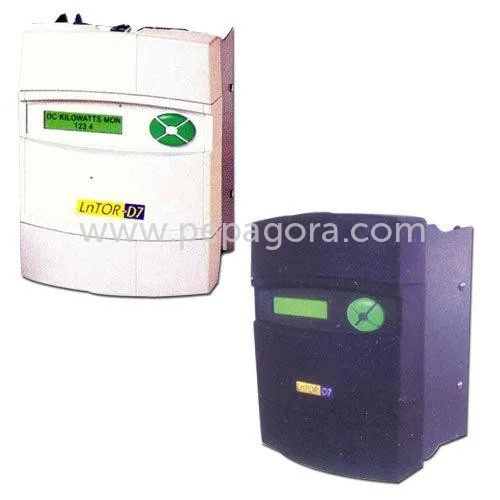
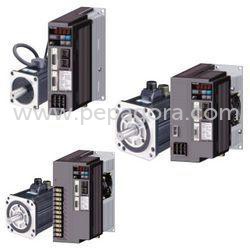
𝗪𝗵𝗮𝘁 𝗮𝗿𝗲 𝗦𝗲𝗿𝘃𝗼 𝗠𝗼𝘁𝗼𝗿𝘀?
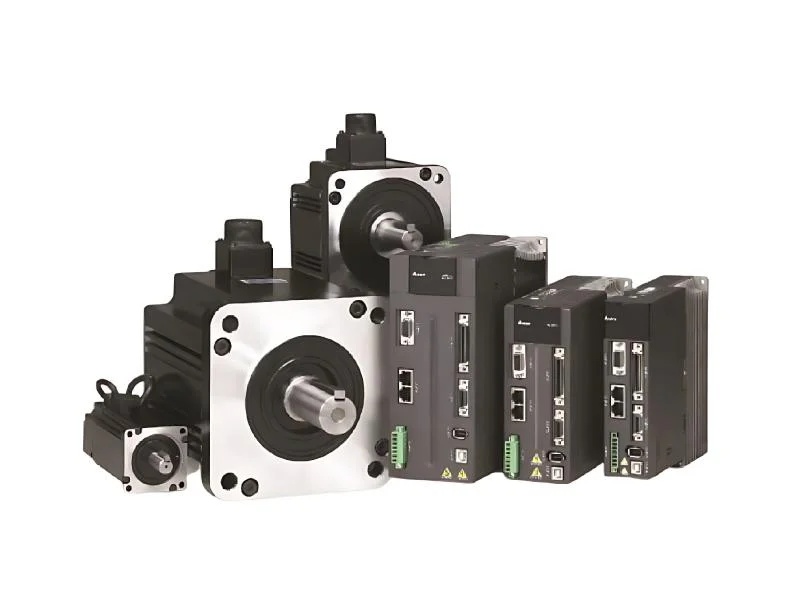
Servo motors are specialized rotary or linear actuators that enable precise control of angular or linear position, velocity, and acceleration. They are commonly used in applications requiring high performance, accuracy, and reliability. Servo motors operate using a closed-loop system, which means they continuously monitor their position and adjust accordingly to maintain the desired output. This feedback mechanism distinguishes them from standard motors, making them ideal for complex applications.
These motors find extensive uses across various business applications, including robotics, manufacturing automation, CNC machinery, and conveyor systems. Their ability to deliver high torque at high speeds while maintaining precision makes them essential in sectors such as automotive, aerospace, and electronics. The demand for servo motors has been rising due to the growing need for automation and efficiency in industrial processes, positioning them as a key component in the modern industrial landscape.
𝗞𝗲𝘆 𝗙𝗲𝗮𝘁𝘂𝗿𝗲𝘀 𝗮𝗻𝗱 𝗦𝗽𝗲𝗰𝗶𝗳𝗶𝗰𝗮𝘁𝗶𝗼𝗻𝘀
Servo motors come equipped with a range of features that enhance their performance in various applications. These include high efficiency, low maintenance requirements, and the ability to operate under varying loads. Their compact design allows for easy integration into existing systems.
Key specifications include:
1. Torque Rating
- Torque output can vary from a few ounce-inches to several hundred pound-inches.
- Ratings depend on the motor size and application requirements.
2. Speed Range
- Typical speed ranges from 1,000 to 10,000 revolutions per minute (RPM).
- This variation allows for different application needs.
3. Voltage Ratings
- Common voltage ratings include 12V, 24V, and 48V.
- Compatibility with power supply systems is essential for performance.
4. Control Methods
- Servo motors can be controlled via PWM, analog signals, or digital communication protocols.
- This flexibility allows for integration with various control systems.
5. Feedback Mechanisms
- Options include encoders and resolvers for position feedback.
- These mechanisms ensure accurate position control.
6. Size and Weight
- Available in various sizes, from small hobby motors to large industrial units.
- Weight considerations are important for specific applications.
7. Operating Temperature Range
- Standard operating range is typically between -20°C to 60°C.
- This range allows for diverse environmental adaptability.
8. Lifespan and Reliability
- Designed for extended operational life, typically exceeding 10,000 hours.
- High reliability reduces maintenance and downtime.
Overall, servo motors are characterized by their versatility and precision, making them suitable for a broad spectrum of industrial applications.
𝗖𝗼𝗺𝗺𝗼𝗻 𝗔𝗽𝗽𝗹𝗶𝗰𝗮𝘁𝗶𝗼𝗻𝘀 𝗮𝗻𝗱 𝗨𝘀𝗲 𝗖𝗮𝘀𝗲𝘀
Servo motors are utilized in numerous industries due to their ability to deliver precision and control.
1. Robotics: In robotics, servo motors are essential for joint movement, enabling precise articulation and control of robotic arms.
2. Manufacturing Automation: They are widely used in automated assembly lines to control the movement of machinery and ensure precise operations.
3. CNC Machining: Servo motors drive CNC machines, allowing for accurate cutting and shaping of materials in manufacturing.
4. Packaging: In packaging machinery, servo motors control the movement of conveyor belts and packaging equipment for efficiency.
5. Aerospace: They are employed in flight control systems, providing precise control over aircraft movements.
6. Medical Equipment: Servo motors are vital in medical devices, ensuring accurate positioning in surgical instruments and imaging systems.
7. Automotive: In automotive applications, they control various functions such as steering and braking systems.
𝗣𝗿𝗼𝗱𝘂𝗰𝘁 𝗩𝗮𝗿𝗶𝗮𝗻𝘁𝘀 𝗮𝗻𝗱 𝗦𝘂𝗯𝗰𝗮𝘁𝗲𝗴𝗼𝗿𝗶𝗲𝘀
Servo motors come in various configurations to suit different operational needs. Each variant offers distinct features tailored for specific applications.
Standard Servo Motors: These are typically used in general-purpose applications and provide reliable performance with moderate precision. They are ideal for tasks that do not require extreme accuracy.
High-Precision Servo Motors: Designed for applications requiring superior accuracy, these motors utilize advanced feedback systems for precise control. They are commonly used in robotics and CNC applications.
Mini Servo Motors: These smaller variants are used in compact devices and applications where space is limited. They provide adequate torque and speed for small-scale operations.
𝗕𝗲𝗻𝗲𝗳𝗶𝘁𝘀 𝗮𝗻𝗱 𝗔𝗱𝘃𝗮𝗻𝘁𝗮𝗴𝗲𝘀
Servo motors present a range of advantages that make them a preferred choice for various applications.
Key benefits include:
1. High Precision: Servo motors offer exceptional accuracy, essential for applications requiring exact positioning.
2. Efficient Performance: They provide optimal energy efficiency, reducing operational costs in long-term use.
3. Low Maintenance: With fewer mechanical components, servo motors require less maintenance than traditional motors.
4. Versatility: Capable of handling diverse applications across industries, making them adaptable to various needs.
5. Enhanced Responsiveness: Servo motors respond quickly to control signals, allowing for real-time adjustments.
6. Customization Options: Many servo motors can be tailored to meet specific application requirements, enhancing usability.
𝗕𝘂𝘆𝗶𝗻𝗴 𝗚𝘂𝗶𝗱𝗲 𝗳𝗼𝗿 𝗕𝟮𝗕 𝗕𝘂𝘆𝗲𝗿𝘀
When sourcing servo motors for your business, several key factors should be considered to ensure optimal selection and performance.
1. Quality Assessment: Evaluate the quality of servo motors by reviewing manufacturer certifications and product testing standards to ensure reliability and performance.
2. Supplier Verification: Conduct thorough research on suppliers to confirm their credibility and track record in delivering high-quality products.
3. Pricing and MOQ: Understand pricing structures and minimum order quantities to align with your budget and operational needs.
4. Delivery and Lead Times: Assess logistics and lead times for product delivery to ensure timely project execution.
5. Compliance Requirements: Ensure that the servo motors meet relevant safety and industry regulations, which may vary by region.
𝗖𝗼𝗺𝗽𝗹𝗶𝗮𝗻𝗰𝗲 𝗮𝗻𝗱 𝗖𝗲𝗿𝘁𝗶𝗳𝗶𝗰𝗮𝘁𝗶𝗼𝗻𝘀
Servo motors must adhere to specific compliance and certification standards to ensure safety and reliability.
Relevant quality standards such as ISO 9001 guarantee that manufacturers maintain consistent quality management throughout their production processes. Additionally, industry certifications like CE signify that the products meet European safety and health requirements.
Safety and testing requirements are critical, often involving rigorous testing procedures to confirm the motors can operate reliably under various conditions. Buyers should also consider regional compliance standards, as different regions may have specific regulations affecting the design and use of servo motors.
𝗪𝗵𝘆 𝗦𝗼𝘂𝗿𝗰𝗲 𝗦𝗲𝗿𝘃𝗼 𝗠𝗼𝘁𝗼𝗿𝘀 𝗳𝗿𝗼𝗺 𝗣𝗲𝗽𝗮𝗴𝗼𝗿𝗮?
Pepagora provides a trusted platform for sourcing servo motors, offering several key advantages to buyers.
Verified Supplier Network: Pepagora has established a comprehensive network of verified suppliers, ensuring that buyers have access to high-quality products from reputable manufacturers.
Streamlined RFQ Process: The platform facilitates a straightforward Request for Quotation (RFQ) process, allowing buyers to easily obtain competitive pricing and options tailored to their needs.
Trade Assurance and Support: Buyers benefit from trade assurance measures that protect their purchases, providing peace of mind throughout the sourcing process.
Regional Coverage: Pepagora has a significant geographic reach, serving markets in India, the Gulf Cooperation Council (GCC) countries, and Southeast Asia, making it a reliable partner for businesses in these regions.

 IN
IN
 India
India