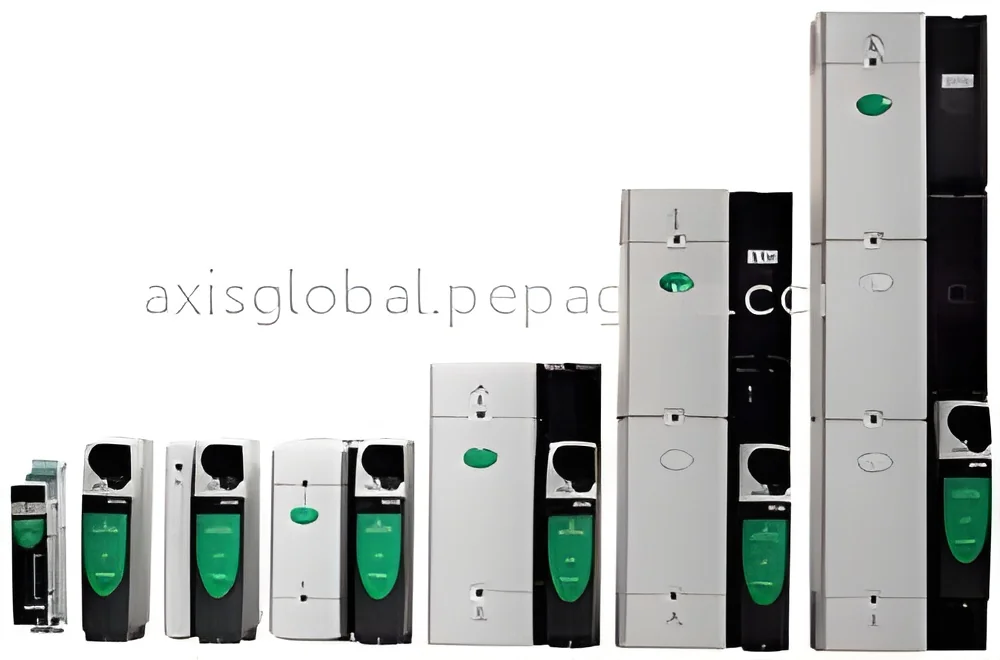
What are Servo Drives?
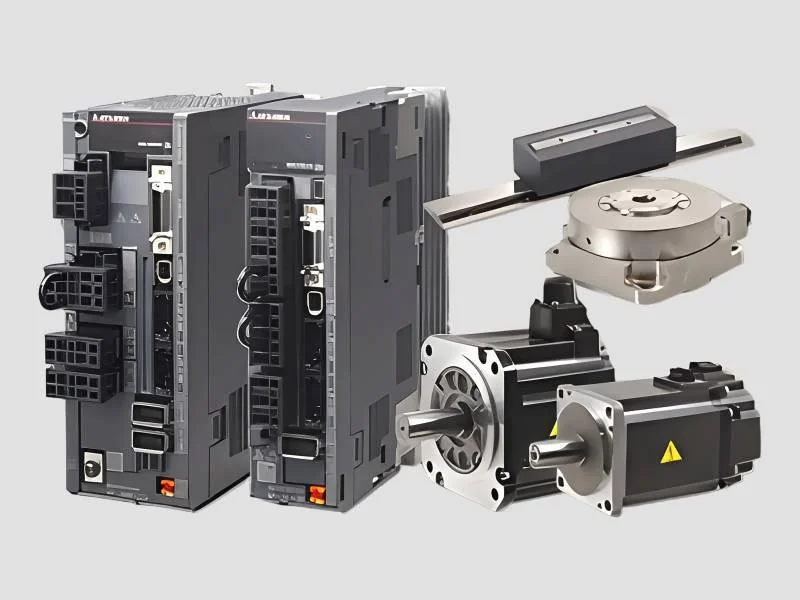
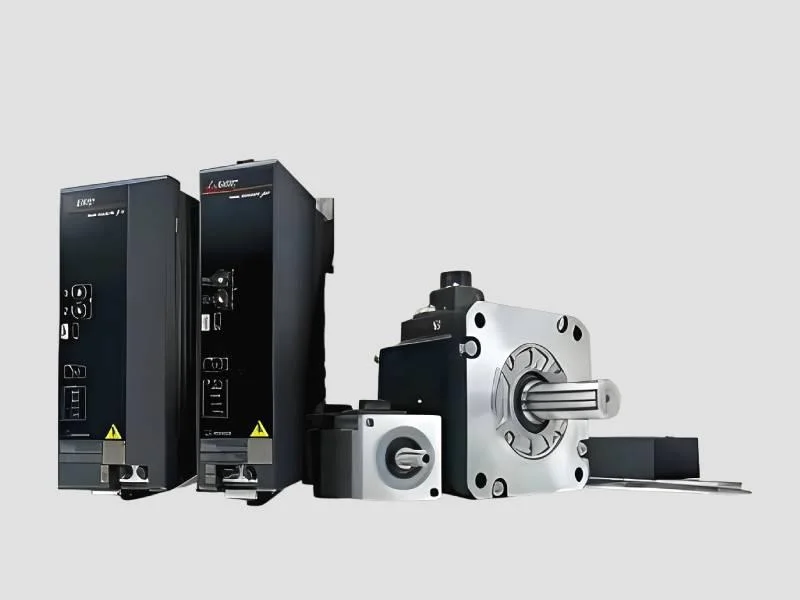
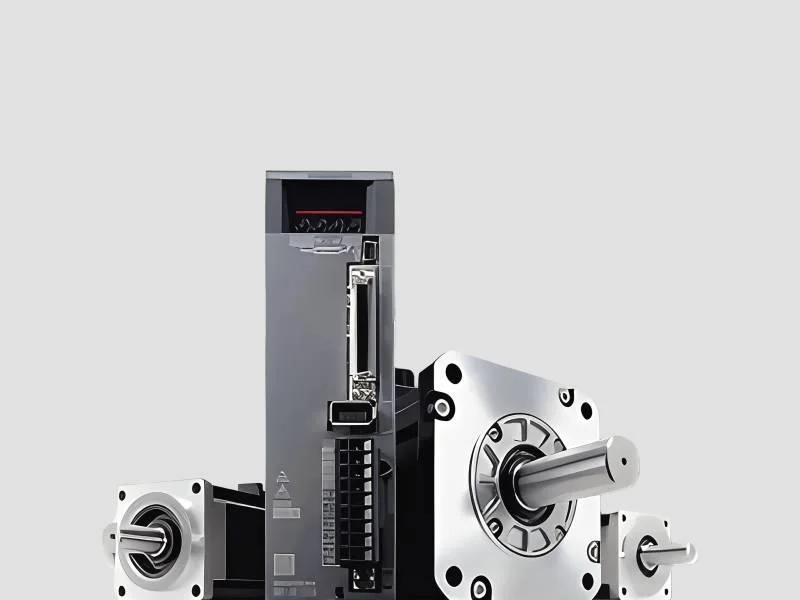
Servo drives are electronic devices that control the motion of a servo motor. They receive information from a controller and adjust the motor's position, speed, and torque to achieve precise control in various applications. The servo drive interprets signals from the controller and sends power to the motor, ensuring accurate movement and performance.
These drives are widely used in numerous business applications, including robotics, CNC machinery, packaging equipment, and automated assembly lines. By providing precise control over motor functions, servo drives enhance productivity and efficiency in manufacturing processes. They are integral to industries that require high levels of accuracy and repeatability, making them essential components in modern automation systems.
In today's market, servo drives are crucial for maintaining competitiveness in industries where precision and performance are key. With advancements in technology, servo drives have become more sophisticated, allowing for greater flexibility and functionality in various applications. Their relevance continues to grow as industries increasingly adopt automation and smart manufacturing practices.
Key Features and Specifications
Servo drives come with several key features and specifications that enhance their performance and usability. Understanding these attributes is essential for selecting the right drive for specific applications.
Key specifications include:
1. Control Method
- This specification refers to the way the servo drive regulates motor functions. Common methods include position control, speed control, and torque control.
2. Input Voltage Range
- Servo drives typically operate within a specified input voltage range, which can vary depending on the model. Common ranges may include 24V to 480V.
3. Maximum Output Current
- This indicates the maximum current the servo drive can deliver to the motor. Specifications usually range from a few amps to several hundred amps, depending on the application.
4. Communication Protocols
- Many servo drives support various communication protocols such as EtherCAT, CANopen, or Modbus, facilitating integration with other automation systems.
5. Feedback Mechanism
- This specification details the type of feedback used for closed-loop control, which can include encoders or resolvers.
6. Environmental Ratings
- Servo drives may have ratings for dust and moisture protection, with common classifications being IP20, IP54, and IP65.
7. Size and Weight
- Specifications often include the physical dimensions and weight of the drive, which are critical for installation and space considerations.
8. Thermal Management
- Some drives incorporate advanced cooling methods, such as heatsinks or fans, to manage heat during operation.
In summary, understanding these features and specifications is vital for making informed decisions when selecting servo drives for various industrial applications.
Common Applications and Use Cases
Servo drives are versatile components used across many industries, each benefitting from their precise motion control capabilities.
1. Manufacturing: In manufacturing, servo drives are utilized in CNC machines, robotics, and assembly lines to ensure accurate positioning and movement, enhancing productivity and efficiency.
2. Packaging: The packaging industry uses servo drives for automated packaging machines, providing precise control for bagging, labeling, and sealing processes.
3. Aerospace: In aerospace applications, servo drives control critical flight systems and components, ensuring high reliability and precision in demanding environments.
4. Automotive: The automotive industry employs servo drives in robotic assembly lines, improving the accuracy and speed of vehicle manufacturing processes.
5. Material Handling: Servo drives are essential in automated guided vehicles (AGVs) and conveyor systems, allowing for efficient transport and handling of materials in warehouses.
6. Textile: In the textile industry, servo drives control weaving and sewing machines, ensuring consistent quality and precision in fabric production.
7. Medical Equipment: Servo drives are used in various medical devices, such as robotic surgical systems, where precision and reliability are paramount.
Product Variants and Subcategories
Servo drives come in various types to cater to different applications and requirements. Each variant offers unique features suited for specific tasks.
AC Servo Drive
AC servo drives are commonly used in industrial applications. They provide smooth motion control and high torque at various speeds, making them ideal for robotics and CNC machinery.
DC Servo Drive
DC servo drives are often preferred for applications requiring high-speed operation. They are suitable for small motors and applications where precise control is necessary.
Digital Servo Drive
Digital servo drives use advanced algorithms for superior control. They are known for their responsiveness and are widely used in high-performance applications such as aerospace and automotive systems.
Closed-Loop Servo Drive
Closed-loop servo drives feature feedback systems that allow for precise control of motor functions. This variant is ideal for applications requiring high accuracy and repeatability.
Benefits and Advantages
Servo drives offer numerous benefits that make them an attractive choice for industrial applications.
1. Precision Control: Servo drives provide highly accurate control over motor functions, which is essential for applications requiring tight tolerances.
2. Increased Efficiency: By optimizing motor performance, servo drives enhance overall system efficiency, reducing energy consumption and operational costs.
3. Flexibility: Many servo drives support various communication protocols, allowing for easy integration into existing automation systems.
4. Compact Design: The small footprint of many servo drives makes them suitable for applications where space is limited.
5. Reliability: Servo drives are designed for durability and can operate effectively in demanding environments, ensuring consistent performance.
6. Reduced Maintenance: With fewer mechanical components, servo drives often require less maintenance compared to traditional motor control systems.
Buying Guide for B2B Buyers
When sourcing servo drives, several important factors should be considered to ensure the right choice for your application.
1. Quality Assessment: Ensure that servo drives meet industry standards and have undergone rigorous testing. Look for certifications such as CE for quality assurance.
2. Supplier Verification: Vet suppliers thoroughly to ensure they have a good reputation and provide reliable products. Check for reviews and references from past customers.
3. Pricing and MOQ: Consider the pricing structure and minimum order quantities. Understanding the cost can help in budgeting and planning for purchases.
4. Delivery and Lead Times: Discuss logistics and delivery times with suppliers to ensure timely receipt of products. This is crucial for maintaining production schedules.
5. Compliance Requirements: Be aware of any regulatory and compliance requirements specific to your industry. Ensure that the servo drives meet these standards to avoid potential issues.
Compliance and Certifications
Compliance and certifications are critical aspects of servo drives that ensure product quality and safety.
Servo drives often adhere to relevant quality standards such as ISO 9001, which emphasizes quality management systems, ensuring that products meet customer and regulatory requirements. Additionally, industry certifications like CE signify compliance with European safety and performance standards.
Safety is paramount in the design and manufacture of servo drives. They must undergo rigorous testing to meet safety standards, which can vary by region. Companies must also consider regional compliance, as different countries may have specific regulations governing the use of electrical and electronic equipment.
Why Source Servo Drives from Pepagora?
Pepagora offers a trusted platform for sourcing servo drives, providing several key advantages for B2B buyers.
Verified Supplier Network: Pepagora has established a network of verified suppliers, ensuring that buyers can find reliable manufacturers of high-quality servo drives. This verification process reduces the risk of sourcing inferior products.
Streamlined RFQ Process: The request for quotation (RFQ) process on Pepagora is designed to be user-friendly and efficient. Buyers can easily submit their requirements and receive competitive quotes from multiple suppliers.
Trade Assurance and Support: Pepagora provides trade assurance measures to protect buyers, ensuring that they receive the products as promised. Additional support is available throughout the purchasing process, offering peace of mind.
Regional Coverage: Pepagora’s platform caters to various geographical regions, including India, the GCC, and Southeast Asia. This broad coverage allows buyers to connect with local suppliers, facilitating faster delivery and better service.

 IN
IN

 India
India