
 IN
IN₹
Apparel & Fashion
Self-Leveling Compounds
3 products available
What are Self-Leveling Compounds?
Self-leveling compounds are specialized materials used in construction and flooring applications to create a smooth, level surface. These compounds are typically made from a mixture of cement and other additives that allow them to flow easily and fill in any imperfections on a substrate. When applied, they self-adjust to form a flat surface, which is essential for the proper installation of flooring materials such as tiles, carpets, or vinyl.
The primary uses of self-leveling compounds span across various commercial and industrial applications. They are commonly employed in new construction projects, renovation work, and repair jobs. These compounds are particularly valuable in environments where a high degree of flatness is required, such as in warehouses, retail spaces, and manufacturing facilities. Their importance in the construction industry is underscored by the growing market demand for efficient flooring solutions that minimize installation time and labor costs.
Key Features and Specifications
Self-leveling compounds are designed with specific features that enhance their performance and versatility. When selecting a compound, understanding these features and specifications is crucial for ensuring the right fit for your project needs.
Key specifications include:
1. Flowability
- This specification indicates how easily the compound can spread and fill gaps.
- Flowability is typically measured in millimeters.
2. Setting Time
- This refers to the duration it takes for the compound to cure and allow for foot traffic.
- Setting times can range from 2 to 24 hours depending on the product.
3. Compressive Strength
- This measures the compound's ability to withstand loads without failing.
- Typical values range from 20 to 40 MPa.
4. Thickness Range
- This specifies the minimum and maximum thickness at which the compound can be applied.
- Common thickness ranges are from 3 mm to 50 mm.
5. Adhesion Strength
- This indicates how well the compound adheres to the substrate.
- Adhesion is often tested according to industry standards.
6. Drying Time
- This specifies how long it takes for the compound to dry before further flooring installation.
- Drying times can vary widely, often from 24 hours to several days.
7. Coverage Area
- This refers to the area that can be covered per unit of the compound.
- Coverage can range based on thickness, often from 1 to 5 square meters per bag.
In summary, understanding these specifications will help B2B buyers make informed decisions when selecting self-leveling compounds for their projects.
Common Applications and Use Cases
Self-leveling compounds are utilized in various industries where level surfaces are essential for functionality and aesthetic appeal.
1. Retail Spaces: They are commonly used in retail environments to create smooth, visually appealing flooring that enhances customer experience.
2. Warehouses: In warehouse settings, self-leveling compounds provide a durable surface that can support heavy loads and facilitate the movement of goods.
3. Healthcare Facilities: Hospitals and clinics use these compounds to ensure hygienic, easy-to-clean surfaces that also meet strict regulatory standards.
4. Educational Institutions: Schools and universities benefit from self-leveling compounds to create safe, level floors in classrooms and hallways.
5. Residential Properties: Homeowners often use self-leveling compounds during renovations to prepare floors for new finishes.
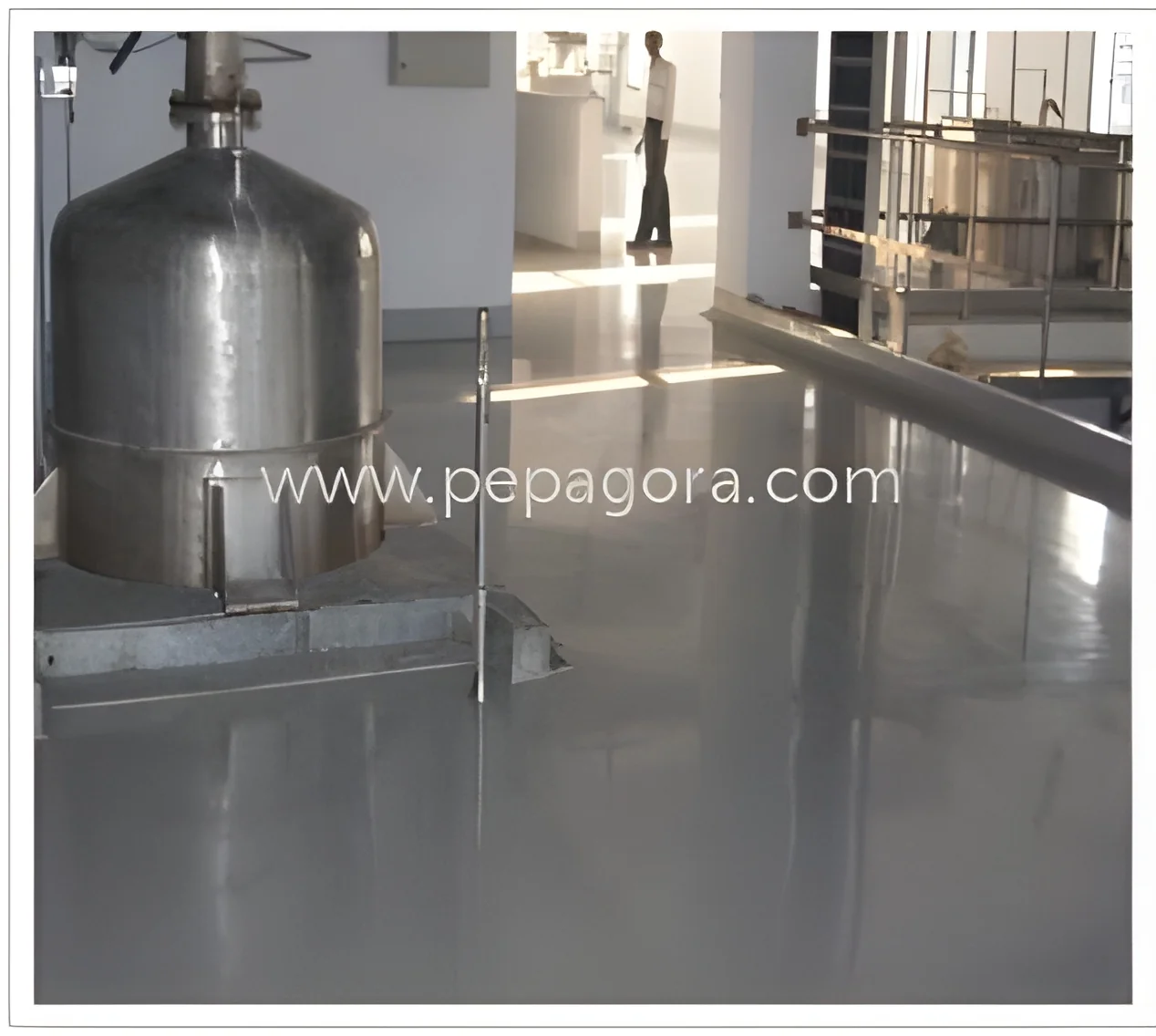
6. Industrial Plants: In manufacturing facilities, these compounds are essential for creating level surfaces that support machinery and equipment.
7. Hospitality Industry: Hotels and restaurants utilize self-leveling compounds to maintain high aesthetic standards in dining and guest areas.
Product Variants and Subcategories
Self-leveling compounds come in various formulations to suit different application needs.
Rapid-Setting Self-Leveling Compound
This variant is designed for quick application and fast curing, allowing for reduced downtime in construction projects. It is ideal for environments where speed is critical.
High-Strength Self-Leveling Compound
This type offers enhanced compressive strength, making it suitable for heavy-load applications such as industrial flooring. It is engineered to withstand the demands of high-traffic areas.
Low-Viscosity Self-Leveling Compound
This variant is formulated to flow easily into tight spaces and imperfections, making it ideal for intricate flooring designs. It is often used in residential and commercial renovations.
Benefits and Advantages
Self-leveling compounds provide several key benefits that make them an attractive choice for flooring solutions.
1. Time Efficiency: The quick application and setting times significantly reduce project timelines.
2. Cost-Effectiveness: By minimizing labor costs and reducing the need for additional materials, these compounds can lead to overall savings.
3. Improved Surface Flatness: They ensure a level surface, which is crucial for the proper installation of flooring materials.
4. Versatility: Self-leveling compounds can be used on a variety of substrates, making them suitable for diverse applications.
5. Durability: These compounds are designed to withstand wear and tear, providing long-lasting solutions for high-traffic areas.
6. Enhanced Aesthetics: A smooth, level surface improves the overall appearance of the finished flooring.
Buying Guide for B2B Buyers
When sourcing self-leveling compounds, it is essential for B2B buyers to consider several factors to ensure a successful procurement process.
1. Quality Assessment: Evaluate the quality of the compound based on its specifications and industry standards. Look for products that meet relevant certifications.
2. Supplier Verification: Vet suppliers by checking their credentials, customer reviews, and track record in delivering quality products.
3. Pricing and MOQ: Understand the price range and minimum order quantities for the compounds you are interested in to ensure they fit within your budget.
4. Delivery and Lead Times: Consider the logistics involved, including estimated delivery times and the supplier’s ability to meet your project timeline.
5. Compliance Requirements: Ensure that the products meet local regulations and industry standards to avoid any compliance issues during installation.
Compliance and Certifications
Self-leveling compounds must adhere to various compliance and certification standards to ensure safety and performance in industrial applications.
Relevant quality standards include ISO 9001, which sets out the criteria for a quality management system. This standard ensures that products meet customer and regulatory requirements consistently.
Industry certifications such as CE indicate that the product complies with European health, safety, and environmental protection standards. This certification is crucial for gaining market access in Europe.
Safety and testing requirements are critical components of product compliance. Manufacturers must conduct rigorous testing to ensure that their compounds are safe for use in various environments.
Additionally, regional compliance considerations can vary, so it is essential for buyers to familiarize themselves with local regulations regarding construction materials.
Why Source Self-Leveling Compounds from Pepagora?
Pepagora provides a trusted platform for sourcing self-leveling compounds, offering several key advantages that benefit B2B buyers.
Verified Supplier Network: Pepagora carefully vets its suppliers, ensuring that all products meet high-quality standards. This network helps buyers find reliable partners in the industry.
Streamlined RFQ Process: The request for quotation system allows buyers to easily compare options from multiple suppliers, facilitating informed decision-making.
Trade Assurance and Support: Pepagora offers buyer protection through trade assurance, providing peace of mind during transactions. Their support team is available to assist with any inquiries.
Regional Coverage: With a strong presence in India, the GCC, and Southeast Asia, Pepagora ensures that buyers have access to high-quality self-leveling compounds across these regions, making it easier to source products that meet their specific needs.
Newly Added


Frequently Asked Questions
1
What is Self-Leveling Compounds?
Self-Leveling Compounds is a product offered by global suppliers on Pepagora.
2
How do I find suppliers for Self-Leveling Compounds?
Use Pepagora's search and filter options to find verified suppliers.
3
Can I request a quote for Self-Leveling Compounds?
Yes, use the RFQ feature to request quotes from multiple suppliers.
4
Is Self-Leveling Compounds available in multiple languages?
Pepagora supports multilingual catalogs for global buyers.
5
What trust signals are available for Self-Leveling Compounds?
Look for TruBadge, RFQ, and multilingual support on supplier profiles.
Why Businesses Trust Pepagora
Thousands of companies trust Pepagora to source smarter and sell faster
Expand Your Sales Globally
25000+Products listed.Get discovered by global buyers
Tools to boost visibility
Build your own catalog

Source Smarter,Grow Faster
4000+Active RFQs
100+ Countries served
Easy Sourcing Tools
