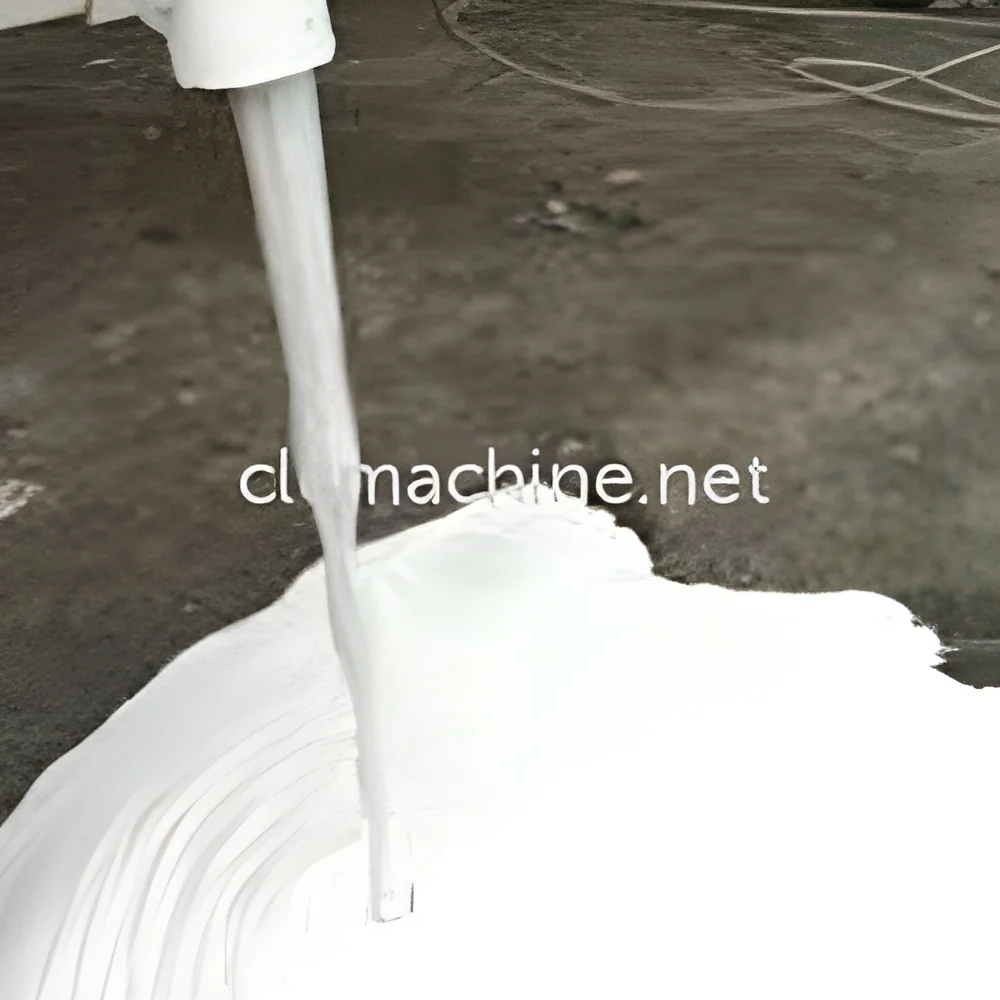
What are Air Entraining Agents?
Air Entraining Agents (AEAs) are chemical additives used in various industries, primarily construction, to create air bubbles in materials like concrete and mortar. These agents facilitate the incorporation of microscopic air pockets into the mixture, enhancing its performance properties. By reducing the density of the final product, AEAs play a crucial role in improving workability, durability, and resistance to freeze-thaw cycles.
The primary applications of Air Entraining Agents include ready-mix concrete production, precast concrete manufacturing, and in the formulation of mortars and stuccos. These agents are essential for achieving desired performance characteristics in different environmental conditions, making them invaluable in construction projects. In a broader market context, the demand for AEAs is growing due to increasing construction activities globally, along with the need for sustainable building materials that offer better longevity and performance.
Key Features and Specifications
Air Entraining Agents are characterized by several distinct features that enhance their utility in various applications. Understanding these specifications is important for selecting the right product for specific needs.
Key specifications include:
1. Chemical Composition
- Typically based on surfactants that facilitate air incorporation.
- May include variations in formulation to target specific applications.
2. Density
- Generally ranges from 0.9 to 1.1 g/cm³, depending on the formulation.
- Affects the dosage required for effective performance.
3. pH Level
- Usually maintained between 6 to 8 for optimum stability.
- Important for compatibility with other components in the mix.
4. Dosage Recommendations
- Commonly recommended dosage is between 0.2% to 1.0% by weight of the cement.
- Varies based on specific application and environmental conditions.
5. Freeze-Thaw Resistance
- Enhances the durability of concrete in freeze-thaw cycles.
- Critical for applications in colder climates.
6. Workability Improvement
- Increases the ease of mixing and placing concrete.
- Contributes to a smoother finish in final products.
7. Compatibility
- Compatible with various cement types and chemical admixtures.
- Essential for maintaining the integrity of the mix.
8. Shelf Life
- Typically ranges from 12 to 24 months when stored properly.
- Important for inventory management in construction projects.
In summary, understanding these key features and specifications helps businesses choose the right Air Entraining Agent to meet their specific project requirements and improve construction quality.
Common Applications and Use Cases
Air Entraining Agents are versatile and serve multiple industries effectively. Their ability to improve the properties of concrete and mortar makes them essential in several applications.
1. Construction Industry: In ready-mix concrete, AEAs enhance workability and durability, particularly in regions with extreme weather conditions.
2. Precast Concrete Manufacturing: AEAs are used to produce precast elements like beams and walls, providing necessary air voids for structural integrity.
3. Infrastructure Projects: AEAs are crucial in applications such as bridges and roads, where freeze-thaw resistance is essential for longevity.
4. Mortar Production: In masonry and plaster applications, AEAs improve adhesion and flexibility, leading to better performance in various environments.
5. Lightweight Concrete: Used in creating lightweight concrete for improved thermal insulation and reduced structural load.
6. Repair Mortars: AEAs enhance the performance of repair mortars by increasing workability and durability, making them suitable for rehabilitating existing structures.
7. Shotcrete Applications: AEAs are beneficial in shotcrete processes for tunneling and slope stabilization, where air-entrained mixes enhance bonding and performance.
Product Variants and Subcategories
Air Entraining Agents come in various formulations, allowing for tailored applications based on project needs. Although specific subcategories are not available, the product diversity enables businesses to select agents that best fit their requirements.
Standard Air Entraining Agent
This variant is designed for general use in concrete and mortar applications. It offers balanced performance in workability and freeze-thaw resistance, making it suitable for most construction projects.
High-Performance Air Entraining Agent
Engineered for specialized applications, this variant provides superior air entrainment with enhanced workability. It is ideal for projects requiring exceptional durability and performance in challenging environmental conditions.
Benefits and Advantages
The incorporation of Air Entraining Agents offers numerous advantages that contribute to the overall quality and longevity of construction projects.
Key benefits include:
1. Improved Durability: AEAs enhance the freeze-thaw resistance of concrete, reducing the risk of cracking and extending the service life of structures.
2. Enhanced Workability: They make the mixing and placement of concrete easier, leading to improved labor efficiency and reduced costs.
3. Reduced Weight: By creating air pockets, AEAs help lower the overall weight of concrete, which can lead to material savings and lower structural loads.
4. Better Surface Finish: Concrete with AEAs achieves a smoother finish, improving the aesthetic quality of the final product.
5. Increased Flexibility: The use of AEAs allows for better performance in varying environmental conditions, making them suitable for a wide range of applications.
6. Cost-Effectiveness: By improving durability and workability, AEAs can lead to lower maintenance costs over time, providing a long-term return on investment.
Buying Guide for B2B Buyers
When sourcing Air Entraining Agents, it is essential for businesses to consider several key factors to ensure they meet their specific needs.
1. Quality Assessment: Look for suppliers that provide detailed product specifications and adhere to recognized quality standards. Assessing the chemical composition and performance data can help ensure the agent meets your requirements.
2. Supplier Verification: Vet potential suppliers by checking their industry reputation, certifications, and client testimonials. This step is crucial for ensuring reliability and product quality.
3. Pricing and MOQ: Understand the pricing structure and minimum order quantities (MOQ) offered by suppliers. This information will help in budgeting and planning for procurement.
4. Delivery and Lead Times: Inquire about delivery schedules and lead times to ensure that products arrive when needed for project timelines.
5. Compliance Requirements: Ensure that the Air Entraining Agents meet local and international regulatory standards. Compliance with safety and testing requirements is vital for maintaining product integrity.
Compliance and Certifications
Air Entraining Agents must adhere to various quality and safety standards to ensure their effectiveness and safety in applications.
Relevant quality standards include ISO 9001, which focuses on quality management systems and ensures consistent product quality. Compliance with HACCP (Hazard Analysis Critical Control Point) is also essential for those agents used in environments where food safety is a concern.
Industry certifications such as CE mark indicate that the product meets European safety and health requirements. This certification is important for companies exporting to or operating within European markets.
Additionally, safety and testing requirements must be met to ensure the agents do not pose any risk during handling and application. This includes thorough testing for performance and compatibility with other materials.
Regional compliance considerations may vary, so it is crucial for buyers to understand local regulations regarding chemical additives in construction materials.
Why Source Air Entraining Agents from Pepagora?
Pepagora offers a trusted platform for sourcing Air Entraining Agents, providing several advantages to businesses looking to enhance their construction projects.
Verified Supplier Network: Pepagora connects buyers with a network of verified suppliers, ensuring access to high-quality products and reliable service.
Streamlined RFQ Process: The platform simplifies the request for quotation (RFQ) process, enabling businesses to quickly obtain competitive pricing and product information from multiple suppliers.
Trade Assurance and Support: Pepagora offers buyer protection through trade assurance policies, ensuring that purchases are secure and that buyers receive the products as promised.
Regional Coverage: With a strong presence in India, the GCC, and Southeast Asia, Pepagora provides extensive geographic reach, making it easier for businesses to source Air Entraining Agents in their respective regions.

 IN
IN