What are Expansion Joint Fillers?
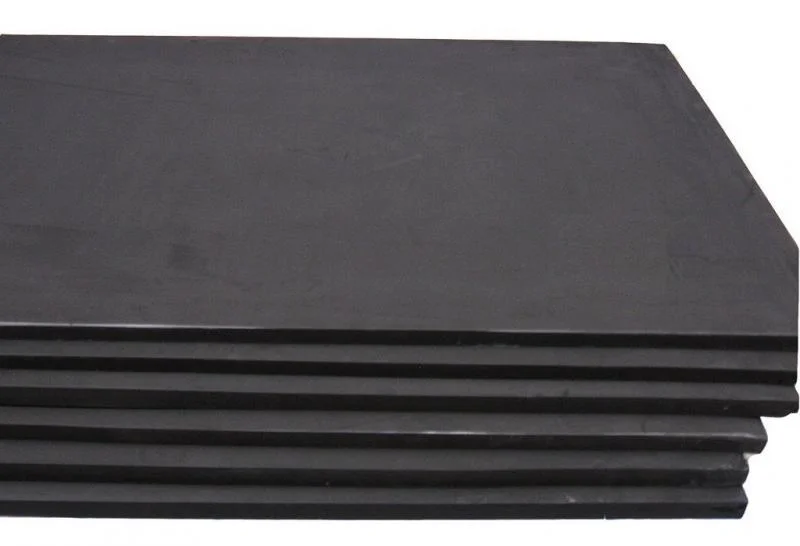
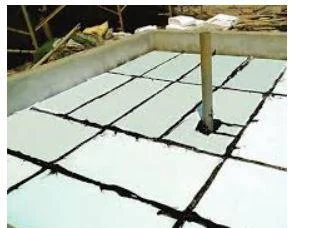
Expansion joint fillers are materials used to fill the gaps in expansion joints within various structures. These fillers accommodate movement caused by temperature changes, settling, or other environmental factors. By absorbing stress and allowing for motion, expansion joint fillers help maintain the integrity and longevity of structures.
These products find primary applications in construction, manufacturing, and civil engineering projects. They are commonly used in floors, pavements, bridges, and walls, where expansion and contraction occur. In industrial settings, expansion joint fillers are crucial in maintaining proper functionality and safety in machinery and equipment. The relevance of these products in the construction and manufacturing sectors continues to grow as infrastructure demands increase globally.
Key Features and Specifications
Understanding the key features and specifications of expansion joint fillers is essential for making informed purchasing decisions. These specifications help determine the suitability of fillers for specific applications.
Key specifications include:
1. Material Composition
- Expansion joint fillers are typically made from elastomers, foam, or other flexible materials.
- They must have suitable properties to withstand environmental pressures.
2. Temperature Resistance
- They should be able to tolerate a wide range of temperatures.
- Specific temperature ranges depend on the materials used.
3. Compression Set
- This specification measures how much the filler can compress without losing its original shape.
- Lower compression set values indicate better performance.
4. Water Resistance
- Fillers need to resist moisture ingress to prevent deterioration.
- Water-resistant properties vary by material.
5. Durability
- The lifespan of fillers is critical, especially in high-traffic areas.
- Durability can be affected by environmental conditions.
6. Installation Method
- Different fillers may require various installation techniques, affecting choice.
- Ease of installation is a vital consideration for efficiency.
7. Density
- The density of the material influences its strength and performance.
- Higher density typically correlates with increased durability.
8. Certification
- Many expansion joint fillers are certified to meet industry standards such as CE.
- Certification ensures compliance with safety and quality requirements.
These specifications play a crucial role in determining the right expansion joint filler for specific applications and environments.
Common Applications and Use Cases
Expansion joint fillers are versatile and essential in many industries, providing solutions for various structural needs.
1. Construction: Used in building foundations, pavements, and walls to manage thermal expansion and contraction.
2. Manufacturing: Essential in machinery and equipment to absorb vibrations and prevent damage.
3. Civil Engineering: Applied in bridges and highways to accommodate movement and enhance safety.
4. Water Management: Utilized in dams and reservoirs to control water levels and protect structures.
5. Industrial Facilities: Important in factories and warehouses to maintain structural integrity under various conditions.
6. Aerospace: Used in aircraft manufacturing to handle material expansion and contraction.
7. Transportation: Employed in railways and roadways to ensure smooth transitions and durability.
Product Variants and Subcategories
Expansion joint fillers come in various forms to meet different needs and applications. This diversity allows businesses to select the most suitable option for their specific requirements.
Foam Fillers
Foam expansion joint fillers are lightweight and flexible, making them ideal for use in concrete and asphalt applications. They provide excellent thermal insulation and are easy to install.
Elastomeric Fillers
These fillers offer superior durability and resistance to harsh environmental conditions. They are often used in high-stress applications such as bridges and heavy traffic areas.
Preformed Fillers
Preformed fillers are ready-to-install products that provide quick solutions for expansion joints. They are available in various shapes and sizes to fit different joint configurations.
Benefits and Advantages
Choosing expansion joint fillers provides numerous benefits that enhance structural integrity and performance.
1. Flexibility: Fillers can accommodate movement in structures, reducing stress and potential damage.
2. Longevity: High-quality materials ensure that fillers last longer, reducing the need for frequent replacements.
3. Cost-Effectiveness: Properly maintained expansion joints can save costs by preventing structural failures and repairs.
4. Easy Installation: Many fillers are designed for straightforward installation, minimizing labor costs and time.
5. Moisture Resistance: Quality fillers provide protection against moisture, preventing deterioration and extending service life.
6. Enhanced Safety: By managing movement, expansion joint fillers contribute to the overall safety of structures.
Buying Guide for B2B Buyers
When sourcing expansion joint fillers, several factors must be considered to ensure the right product selection.
1. Quality Assessment: Buyers should evaluate the quality of materials used in fillers, ensuring they meet industry standards.
2. Supplier Verification: It is crucial to vet suppliers for reliability and reputation, checking for certifications and customer reviews.
3. Pricing and MOQ: Understanding the pricing structure and minimum order quantities (MOQ) helps in budgeting and planning.
4. Delivery and Lead Times: Timely delivery is essential for project schedules, so buyers should inquire about lead times.
5. Compliance Requirements: Ensure that the fillers comply with relevant regulatory standards and certifications for safety and quality.
Compliance and Certifications
Expansion joint fillers must adhere to various quality standards and compliance regulations. Relevant standards include ISO 9001 for quality management systems, ensuring that manufacturers maintain high production standards.
Certifications such as CE are crucial for demonstrating compliance with European safety standards.
Safety and testing requirements are also fundamental, as fillers must undergo rigorous testing to ensure they can withstand various environmental conditions.
Additionally, regional compliance considerations may apply, depending on where the fillers will be used, making it essential for buyers to understand local regulations.
Why Source Expansion Joint Fillers from Pepagora?
Pepagora offers a comprehensive platform for sourcing expansion joint fillers, providing several key advantages for B2B buyers.
Verified Supplier Network: The platform connects buyers with a network of verified suppliers, ensuring that all options meet high-quality standards.
Streamlined RFQ Process: Pepagora simplifies the request for quotation (RFQ) process, enabling buyers to receive competitive quotes quickly and efficiently.
Trade Assurance and Support: Buyers benefit from trade assurance, providing protection during transactions and ensuring a secure purchasing experience.
Regional Coverage: With a strong presence in India, the GCC, and Southeast Asia, Pepagora offers extensive geographic reach, making it easier for buyers to find suitable suppliers in their region.

 IN
IN