Key Features and Specifications
Bonding agents, particularly epoxies and latex, offer a range of features and specifications that cater to diverse industrial needs. The following specifications are critical for both manufacturers and end-users in selecting the right bonding agent for their applications.
Key specifications include:
1. Adhesive Strength
- Determines the force required to break the bond
- Typically measured in pounds per square inch (psi)
2. Cure Time
- Indicates how long the agent takes to fully set
- Ranges from minutes for quick-set options to hours for standard formulations
3. Temperature Resistance
- Describes the operational temperature limits
- Can vary widely, with some epoxies resistant to extreme heat or cold
4. Flexibility
- Refers to the ability of the bond to withstand movement
- Varies between rigid (epoxy) and flexible (latex) formulations
5. Chemical Resistance
- Indicates the bond's ability to withstand exposure to various chemicals
- Important for applications in harsh environments
6. Viscosity
- Measures the thickness of the bonding agent
- Affects application methods and flow characteristics
7. Water Resistance
- Indicates how well the bond holds up when exposed to moisture
- Critical for outdoor or high-humidity applications
8. Shelf Life
- The duration the product remains effective when stored properly
- Typically ranges from 1 to 2 years depending on formulation
These specifications help businesses assess which bonding agent best fits their specific requirements, ensuring optimal performance in intended applications.
Common Applications and Use Cases
Bonding agents are utilized across a multitude of industries, each with distinct applications and benefits.
1. Construction: In this sector, epoxy bonding agents are often used for structural repairs and anchoring. They bond concrete, brick, and metal surfaces effectively.
2. Automotive: Manufacturers rely on latex bonding agents for interior applications, such as upholstery and trim assemblies, where flexibility and durability are essential.
3. Aerospace: Epoxy bonding agents are critical in assembling aircraft components due to their high strength and resistance to extreme conditions.
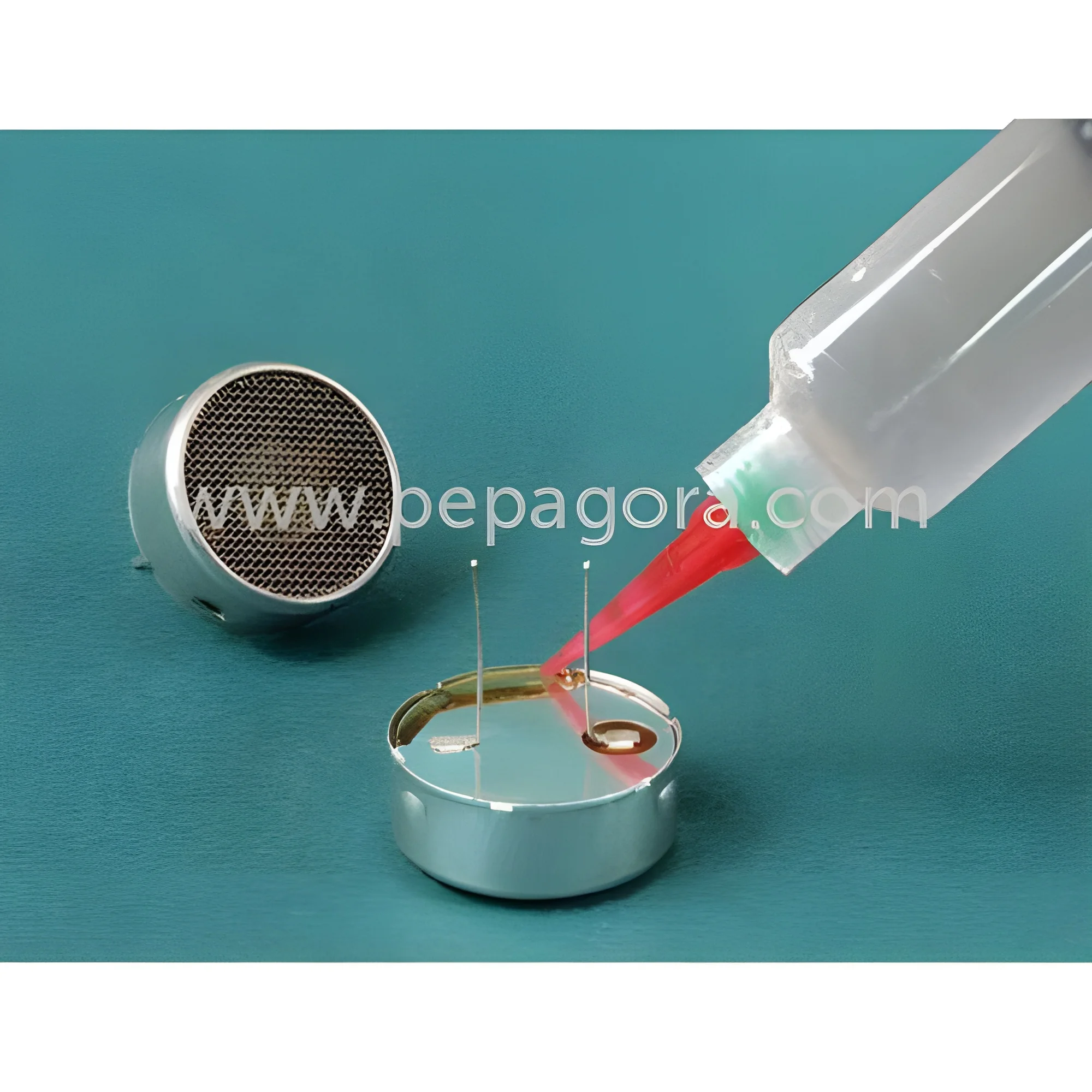
4. Electronics: These agents are used to adhere components on circuit boards, providing electrical insulation and mechanical support.
5. Furniture: Latex adhesives are commonly used in the production of wooden furniture, offering quick drying times and ease of application.
6. Marine: Epoxy bonding agents are preferred for boat repairs and construction, as they resist water and harsh marine environments.
7. Arts and Crafts: Both epoxy and latex bonding agents are utilized in crafting and DIY projects for their strong and reliable adhesion.
Product Variants and Subcategories
Bonding agents come in various formulations to suit specific applications and performance requirements.
Epoxy Bonding Agents
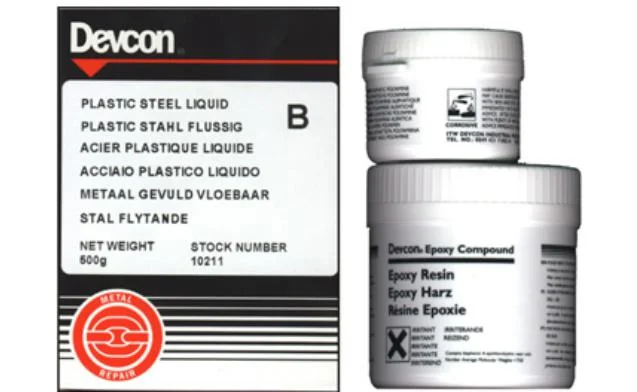
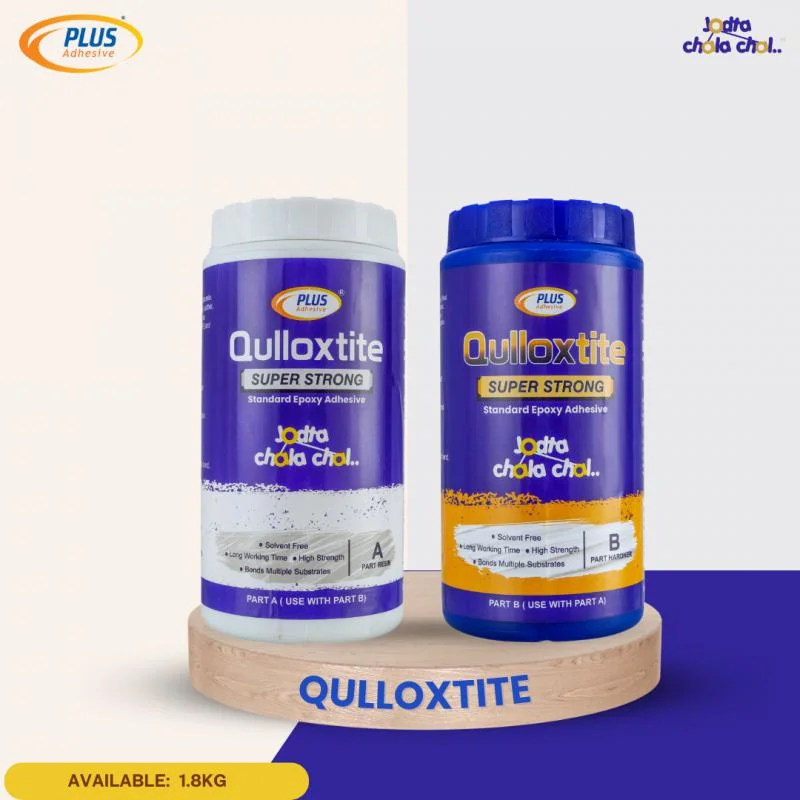
These agents are known for their exceptional strength and chemical resistance. They are ideal for heavy-duty applications, such as construction and automotive manufacturing. Epoxy bonding agents typically require a mixing process and cure to a hard finish, making them suitable for permanent bonds.
Latex Bonding Agents
These agents are water-based and provide a flexible bond that is easy to apply and clean up. They are commonly used in applications that require fast drying times and ease of handling, such as in the furniture industry or for interior finishes.
Benefits and Advantages
The use of bonding agents, particularly epoxy and latex, offers numerous advantages that enhance business operations.
1. Strong Adhesion: Both types of bonding agents provide robust bonds that significantly improve the durability of products.
2. Versatility: These agents can be used on a variety of substrates, including wood, metal, plastic, and concrete, making them suitable for diverse applications.
3. Chemical Resistance: Epoxy bonding agents are particularly resistant to chemicals, ensuring longevity in harsh environments.
4. Ease of Use: Latex bonding agents are user-friendly, often requiring minimal preparation and cleanup, which helps streamline the application process.
5. Flexibility: Latex agents provide a degree of flexibility, making them ideal for applications where movement is expected.
6. Quick Setting: Many bonding agents, particularly certain epoxies, offer fast cure times, enabling quicker project completions.
Buying Guide for B2B Buyers
When considering the procurement of bonding agents, it is essential for buyers to evaluate several key factors to ensure the selection of the most appropriate product.
1. Quality Assessment: Buyers should examine the quality of bonding agents by reviewing certifications and testing data. It is crucial to ensure that the products meet industry standards for performance and safety.
2. Supplier Verification: It is important to vet suppliers thoroughly. This includes checking references, their reputation in the market, and their ability to provide consistent quality.
3. Pricing and MOQ: Understanding pricing structures and minimum order quantities (MOQ) is vital for budgeting. Buyers should compare costs across different suppliers to ensure they are getting the best value.
4. Delivery and Lead Times: Logistics play a significant role in procurement. Buyers should confirm delivery schedules and lead times to align with project timelines.
5. Compliance Requirements: Ensure that the bonding agents meet any relevant regulatory requirements, including safety and environmental standards, which may vary by region.
Compliance and Certifications
Bonding agents, particularly epoxy and latex formulations, must adhere to various compliance standards and certifications.
ISO 9001 is a quality management standard that ensures that products meet customer and regulatory requirements consistently. Many manufacturers of bonding agents strive to comply with ISO 9001 to ensure quality assurance in their processes.
CE marking is another important certification that indicates a product's conformity to health, safety, and environmental protection standards within the European Economic Area. This certification is often required for products sold in international markets.
In addition to these certifications, bonding agents must undergo safety and testing requirements to demonstrate their effectiveness and reliability. Compliance with regional regulations is also essential, as different regions may have specific requirements for chemical substances and environmental impact.
Why Source Bonding Agents (Epoxy, Latex) from Pepagora?
Pepagora stands out as a premier platform for sourcing bonding agents, including epoxy and latex formulations, offering numerous advantages for B2B buyers.
Verified Supplier Network: Pepagora connects buyers with a network of verified suppliers. This ensures that buyers can trust the quality and reliability of the products they are sourcing.
Streamlined RFQ Process: The platform simplifies the request for quotation (RFQ) process, allowing buyers to efficiently compare options and make informed purchasing decisions.
Trade Assurance and Support: Pepagora offers trade assurance, providing an added layer of protection for buyers. This support ensures that transactions are secure and that quality standards are met.
Regional Coverage: With a strong presence in India, the GCC, and Southeast Asia, Pepagora provides extensive geographic reach, making it easier for buyers in these regions to access high-quality bonding agents tailored to their specific needs.

 IN
IN