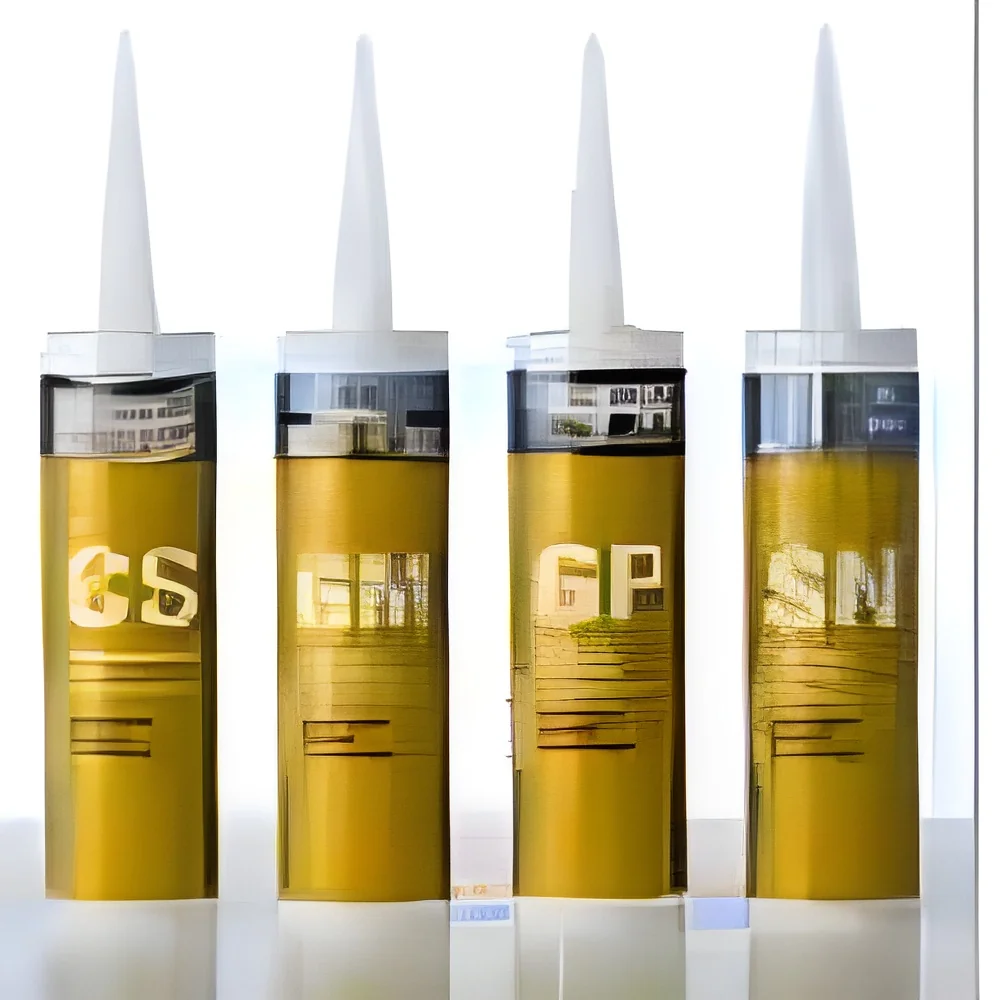
What are Silicone Sealants?
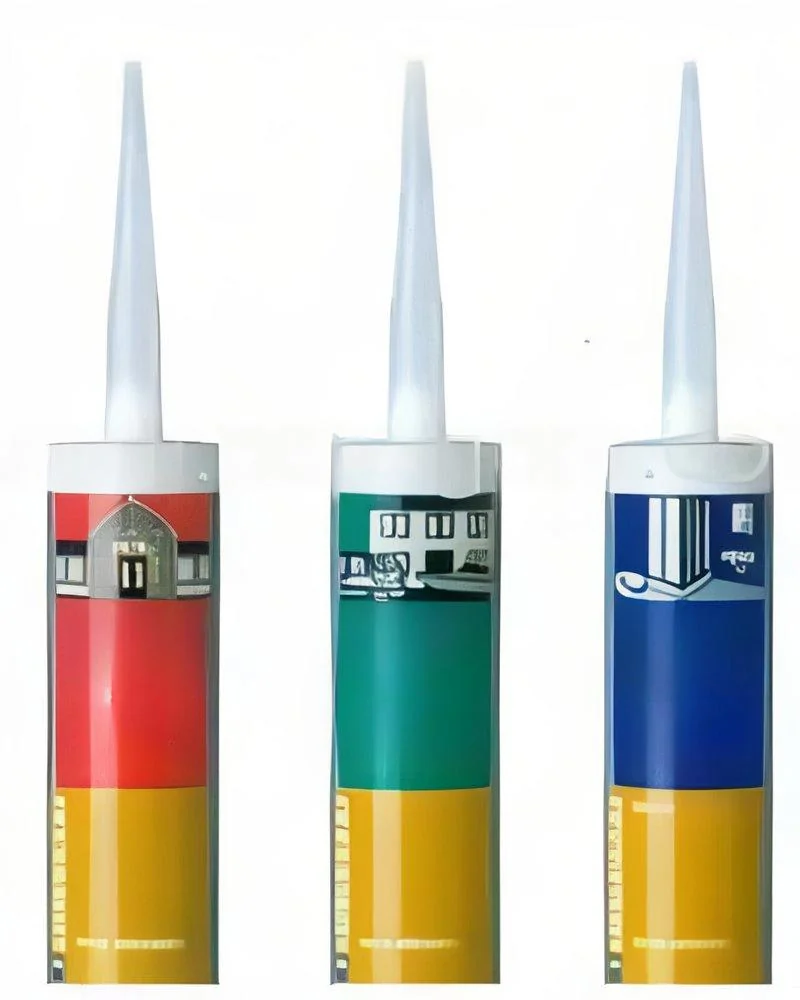
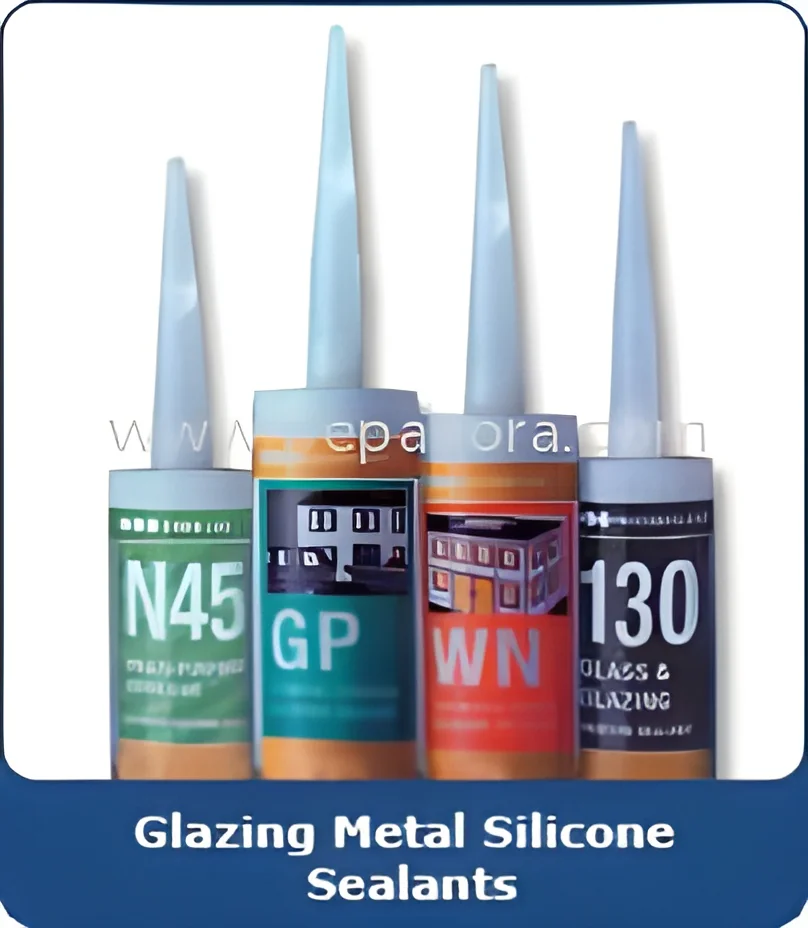
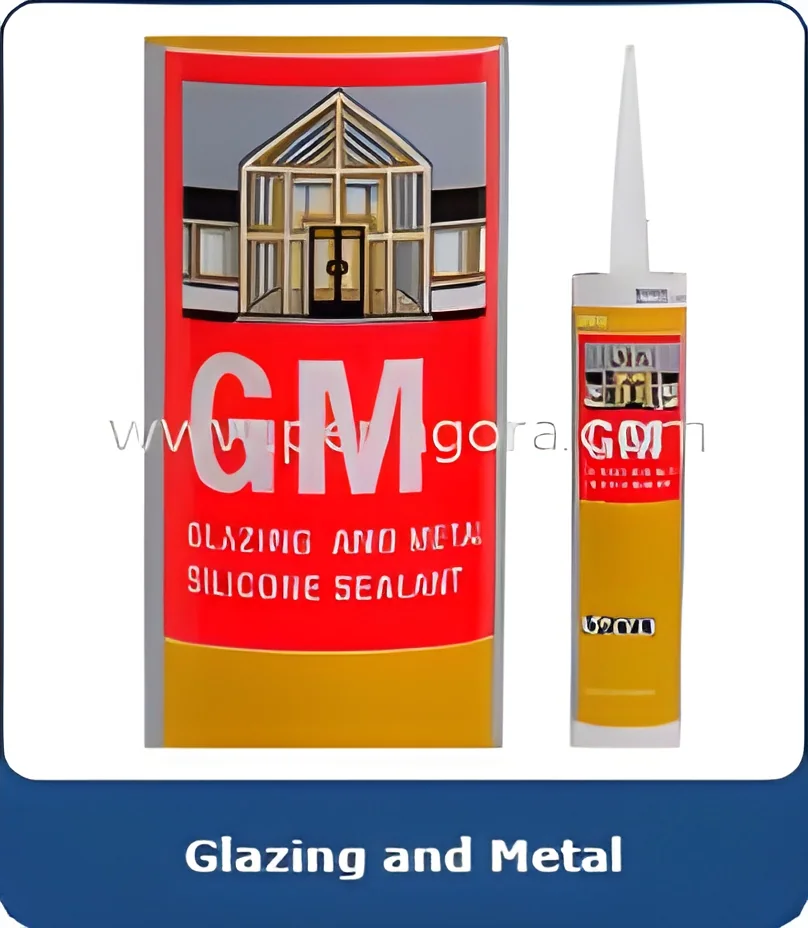
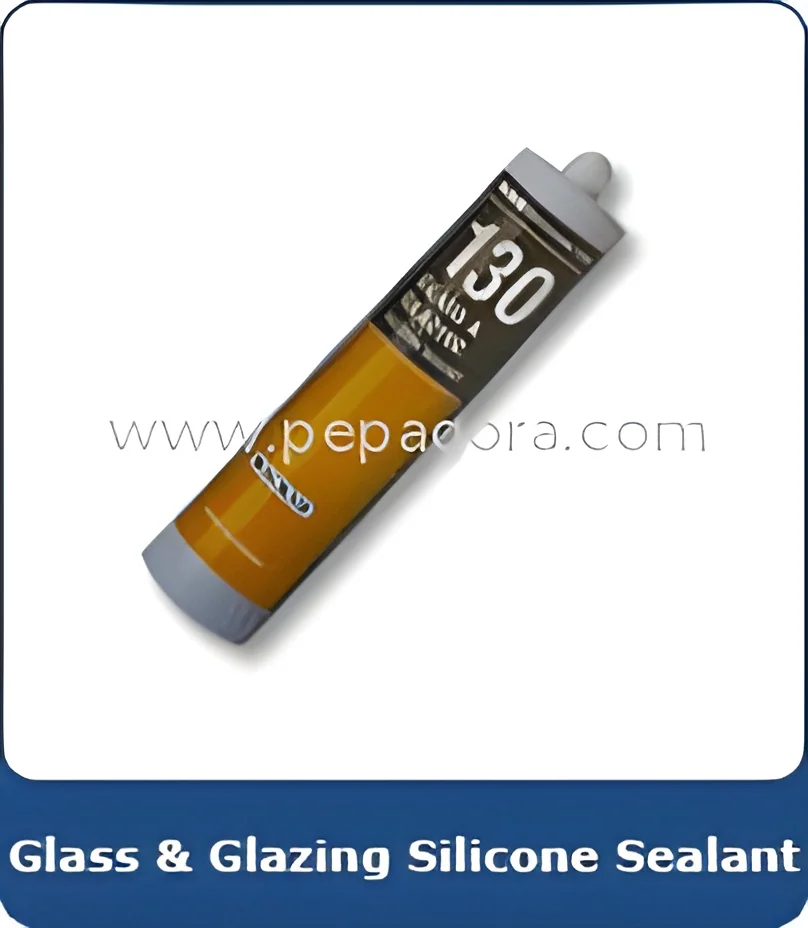
Silicone sealants are versatile materials used to create a waterproof and airtight seal in various applications. Made primarily from silicone polymers, these sealants are known for their flexibility, durability, and resistance to extreme temperatures and environmental conditions. They are available in various formulations, making them suitable for both indoor and outdoor use.
These sealants are commonly used in construction, automotive, and manufacturing industries. They serve critical functions, such as sealing joints in buildings, preventing water leaks in roofs and windows, and providing a reliable bond for automotive components. The increasing demand for sustainable building materials and the growing emphasis on energy efficiency have further fueled the adoption of silicone sealants across various sectors.
The silicone sealant market is experiencing significant growth due to advancements in technology and increasing awareness of the benefits of using silicone-based products. As industries continue to seek solutions that offer enhanced performance and longevity, silicone sealants are becoming a preferred choice for both manufacturers and contractors.
Key Features and Specifications
Silicone sealants provide numerous advantages that make them a popular choice across various applications. Their unique properties include excellent adhesion, flexibility, and resistance to weathering and UV exposure. When assessing silicone sealants, it is essential to consider specific features and technical specifications.
Key specifications include:
1. Adhesion Strength
- Provides strong bonding to a variety of substrates including glass, metal, and plastics
- Ensures durability in challenging environments
2. Temperature Resistance
- Capable of withstanding extreme temperatures ranging from -60°C to 200°C
- Suitable for high-heat applications in automotive and industrial uses
3. Cure Time
- Typically cures within 24 hours, depending on the formulation and environmental conditions
- Fast curing options available for quicker project completion
4. Flexibility
- Maintains flexibility over time, accommodating movements in joints and structures
- Ideal for applications where expansion and contraction occur
5. UV Resistance
- Formulated to resist degradation from sunlight exposure
- Ensures longevity in outdoor applications
6. Chemical Resistance
- Offers protection against various chemicals and solvents
- Suitable for use in industrial environments with exposure to harsh substances
7. Water Resistance
- Creates a waterproof seal, preventing water ingress
- Essential for applications in wet environments
8. Non-toxic Formulations
- Available in low-VOC and non-toxic variants
- Meets environmental safety standards
In summary, silicone sealants are characterized by their exceptional performance attributes that cater to a wide range of industrial needs.
Common Applications and Use Cases
Silicone sealants are utilized in various industries due to their diverse properties and capabilities.
1. Construction: Silicone sealants are extensively used in construction for sealing windows, doors, and expansion joints. They provide waterproofing and insulation, contributing to energy efficiency in buildings.
2. Automotive: In the automotive sector, silicone sealants are used to bond windshields, headlights, and other components. Their flexibility and resistance to temperature fluctuations make them ideal for vehicle applications.
3. Aerospace: Silicone sealants are crucial in aerospace applications for sealing gaps and joints in aircraft. Their lightweight nature and resistance to extreme conditions enhance aircraft durability.
4. Electronics: In the electronics industry, silicone sealants protect sensitive components from moisture and dust. They are used in potting and encapsulation processes to ensure product reliability.
5. Marine: Silicone sealants are essential in marine applications for sealing boats and ships against water ingress. Their resistance to saltwater and UV exposure makes them ideal for marine environments.
6. HVAC: In heating, ventilation, and air conditioning systems, silicone sealants are used to seal ductwork and prevent air leaks. This helps improve energy efficiency and indoor air quality.
7. Food Processing: Silicone sealants are utilized in food processing facilities due to their non-toxic properties. They seal equipment and surfaces to prevent contamination and ensure hygiene.
Product Variants and Subcategories
Silicone sealants come in various formulations to meet specific application needs. The diversity in product variants allows businesses to choose the right sealant for their requirements.
High-Temperature Silicone Sealants
These sealants are designed to withstand extreme heat, making them suitable for automotive and industrial applications. They maintain their integrity at elevated temperatures and resist degradation.
Low-VOC Silicone Sealants
Low-VOC sealants are formulated to minimize volatile organic compounds, making them environmentally friendly. These are ideal for indoor applications where air quality is a concern.
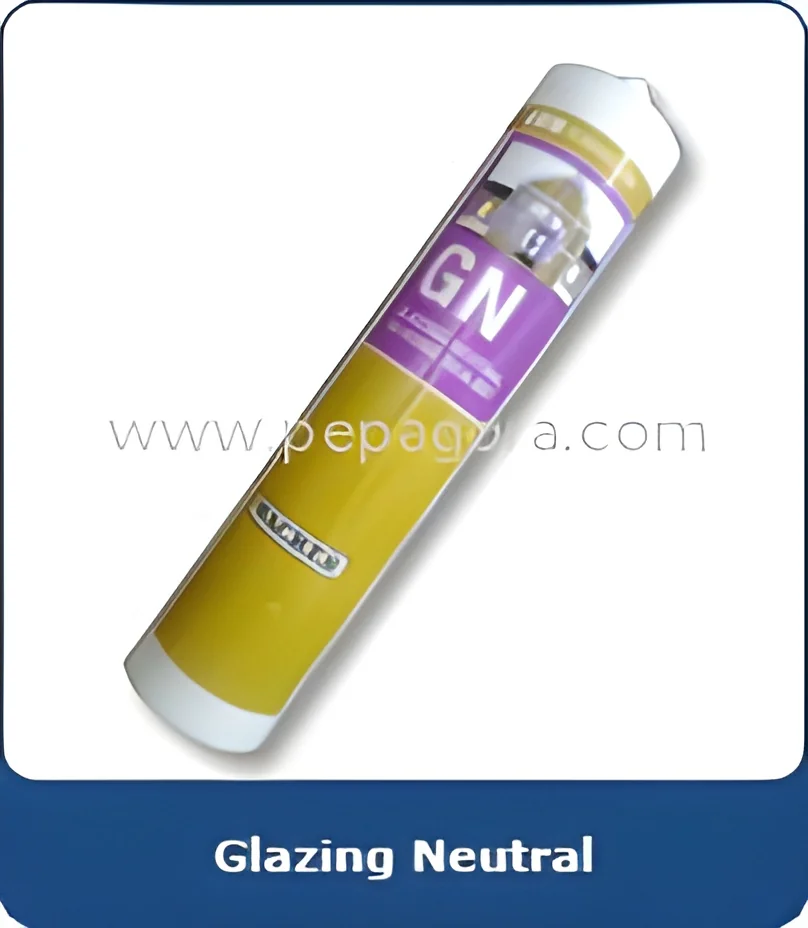
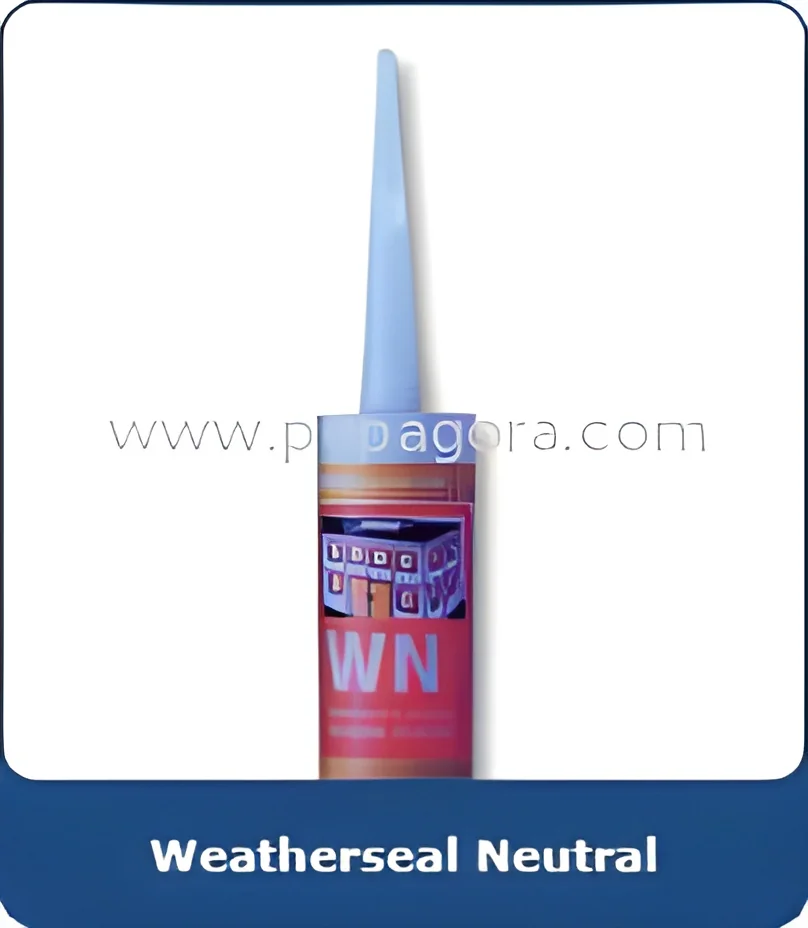
Neutral-Cure Silicone Sealants
These sealants cure without releasing acetic acid, making them compatible with various substrates. They are commonly used in construction and automotive applications due to their versatility.
Acetoxy Silicone Sealants
Acetoxy sealants are known for their fast curing time and strong adhesion. They are suitable for use in bathrooms and kitchens, providing excellent waterproofing properties.
Benefits and Advantages
Silicone sealants offer numerous benefits that make them an advantageous choice for businesses.
1. Durability: Silicone sealants are highly durable, providing long-lasting seals that resist cracking and shrinkage over time.
2. Flexibility: Their ability to remain flexible allows them to accommodate movement and thermal expansion, making them ideal for dynamic applications.
3. Weather Resistance: Silicone sealants withstand a wide range of weather conditions, ensuring reliable performance in outdoor applications.
4. Easy Application: They are simple to apply, often requiring just a caulking gun for effective use, which streamlines the sealing process.
5. Low Maintenance: Once cured, silicone sealants require minimal maintenance, contributing to lower long-term costs.
6. Wide Range of Colors: Available in various colors, silicone sealants can be matched to any surface, enhancing aesthetic appeal while providing functionality.
Buying Guide for B2B Buyers
When sourcing silicone sealants, businesses should consider several key factors to ensure they choose the right product for their needs.
1. Quality Assessment: Evaluate the quality of silicone sealants by reviewing technical data sheets and seeking certifications. Look for products that meet industry standards to ensure performance.
2. Supplier Verification: Vet suppliers by checking their reputation, reviews, and industry experience. A reliable supplier can ensure consistent quality and timely delivery.
3. Pricing and MOQ: Compare pricing across different suppliers while considering the minimum order quantity. Ensure that the pricing aligns with the budget without compromising quality.
4. Delivery and Lead Times: Discuss logistics with suppliers to understand delivery timelines. Choosing suppliers with reliable lead times can help maintain project schedules.
5. Compliance Requirements: Verify that the silicone sealants meet local and international compliance standards. This is crucial for industries with stringent regulatory demands.
Compliance and Certifications
Silicone sealants must adhere to several quality standards and certifications to ensure safety and performance. These include:
ISO 9001: This standard outlines the criteria for a quality management system. Compliance with ISO 9001 indicates that a manufacturer consistently provides products that meet customer and regulatory requirements.
CE Certification: This certification signifies that silicone sealants comply with European health, safety, and environmental protection standards. CE marking is crucial for products sold in European markets.
Safety and Testing Requirements: Silicone sealants should undergo rigorous testing to ensure they meet safety standards. This includes evaluating their performance under various environmental conditions.
Regional Compliance Considerations: Depending on the geographic market, specific regulations may apply. It is essential to understand local compliance requirements to ensure product acceptance in different regions.
Why Source Silicone Sealants from Pepagora?
Pepagora provides a trusted platform for sourcing silicone sealants, offering several key advantages for businesses looking to procure high-quality products.
Verified Supplier Network: Pepagora has established a network of verified suppliers, ensuring that buyers have access to reliable manufacturers. This network is crucial for maintaining product quality and consistency.
Streamlined RFQ Process: The request for quotation process on Pepagora is designed to be efficient, allowing businesses to obtain competitive pricing from multiple suppliers quickly. This streamlined approach saves time and enhances decision-making.
Trade Assurance and Support: Pepagora offers trade assurance and support for buyers, providing peace of mind during transactions. This includes protection against payment disputes and ensuring product quality.
Regional Coverage: With coverage in India, the GCC region, and Southeast Asia, Pepagora facilitates access to silicone sealants across diverse markets. This broad reach helps businesses find the right products regardless of their location.

 IN
IN