
 IN
Curing Compounds
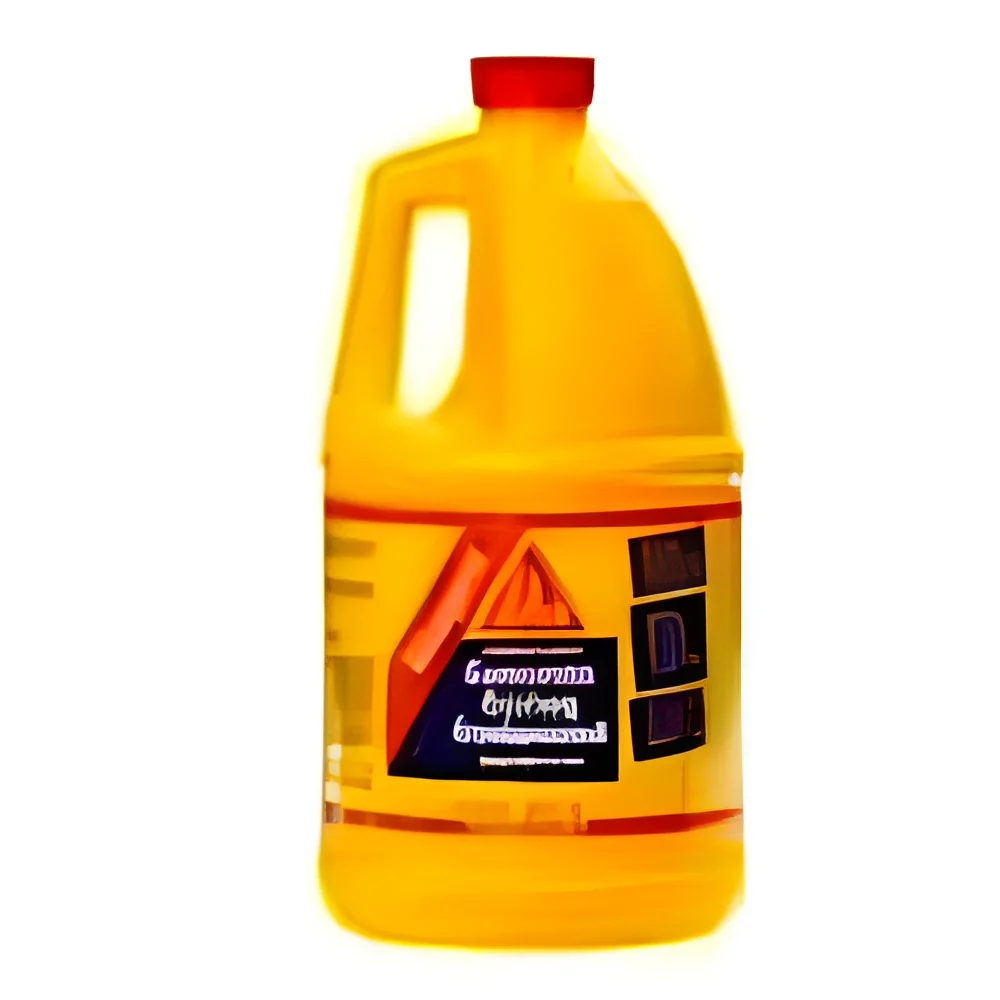
2 products available
What are Curing Compounds?
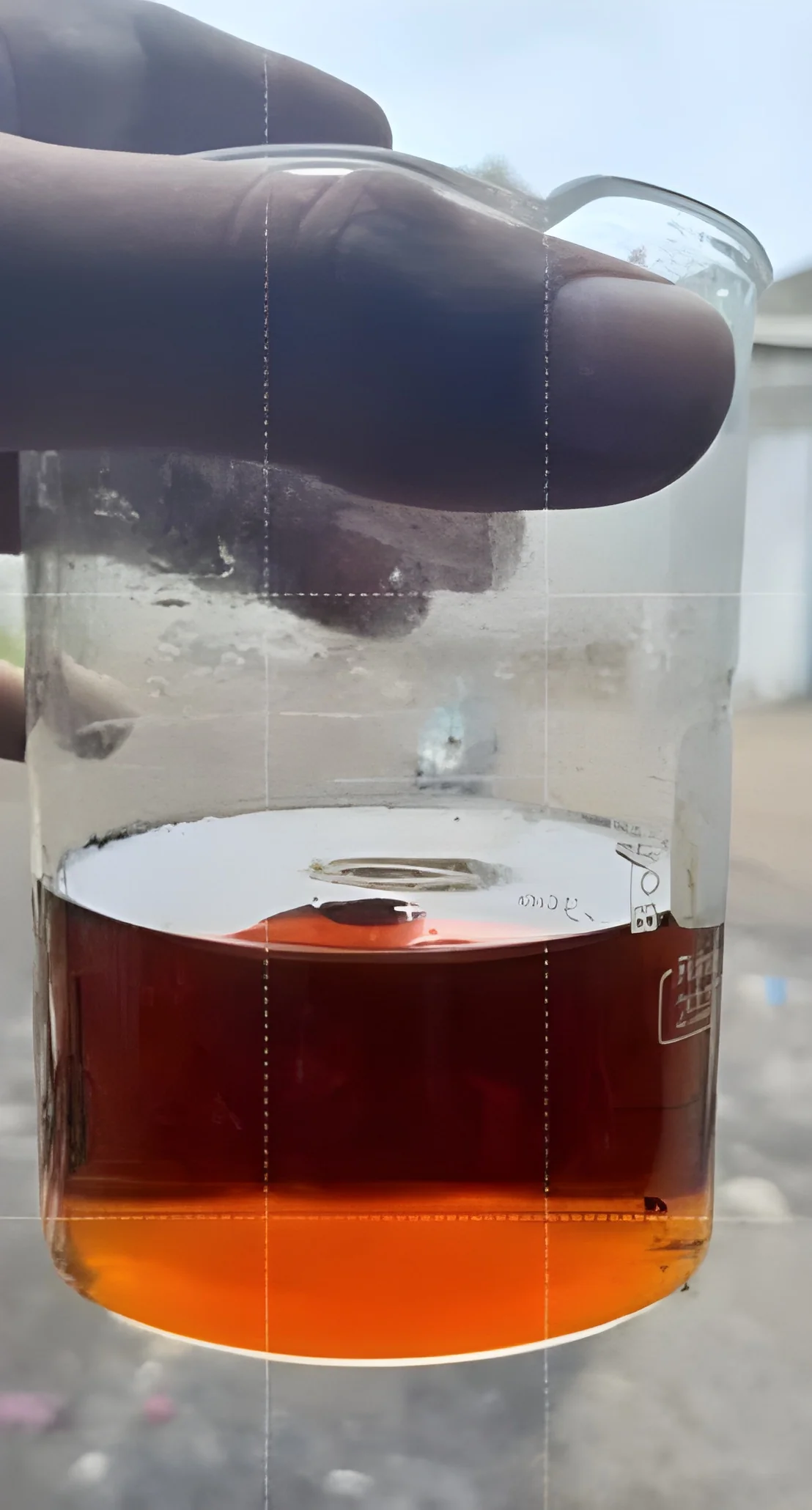
Curing compounds are specialized chemical solutions used to enhance the curing process of concrete and other cement-based materials. They work by forming a film on the surface, which helps retain moisture during the initial curing phase. This moisture retention is crucial for achieving the desired strength and durability of the material. By minimizing evaporation and controlling the moisture environment, curing compounds ensure that the hydration process occurs efficiently.
These compounds are primarily used in construction and civil engineering projects, where concrete is a fundamental material. Businesses involved in these industries utilize curing compounds to improve the quality of their concrete applications, from foundations to pavements. The effectiveness of curing compounds directly impacts construction timelines and the longevity of structures. In the context of the growing construction market, the use of curing compounds has become increasingly relevant, as they contribute to enhanced performance standards and sustainability in building practices.
Key Features and Specifications
Curing compounds offer various features that enhance their performance and usability. Understanding these specifications can help businesses select the right product for their needs.
Key specifications include:
1. Moisture Retention
- Designed to minimize moisture loss from freshly poured concrete
- Ensures optimal hydration for maximum strength
2. Film Formation
- Creates a protective layer on the concrete surface
- Prevents evaporation and environmental contamination
3. Application Method
- Available in spray, roller, or brush application formats
- Flexible for various project requirements
4. Drying Time
- Quick-drying formulations to enable faster project progress
- Typically dries within a few hours
5. Compatibility
- Suitable for various types of concrete mixtures
- Compatible with other curing techniques and products
6. Color Options
- Available in different colors for aesthetic considerations
- Some variants are clear for a natural finish
7. Environmental Impact
- Low VOC (volatile organic compounds) options available
- Contributes to sustainable building practices
In summary, the right curing compound can significantly influence the efficiency and quality of concrete work.
Common Applications and Use Cases
Curing compounds are used across various industries, each benefiting from their unique properties.
1. Construction: In building projects, curing compounds are applied to concrete slabs, beams, and columns to enhance strength and durability.
2. Infrastructure: Road and pavement construction utilizes curing compounds to ensure long-lasting surfaces that can withstand heavy traffic.
3. Precast Concrete: Manufacturing precast elements requires effective curing to maintain quality during production and transport.
4. Industrial Flooring: In warehouses and factories, curing compounds help create robust flooring that endures heavy machinery and foot traffic.
5. Water Treatment: Curing compounds are used in constructing water treatment facilities, where structural integrity is paramount.
6. Residential Projects: Homebuilders apply curing compounds to driveways, patios, and foundations to improve longevity.
7. Repair and Maintenance: In restoration projects, curing compounds assist in ensuring that new concrete bonds effectively with existing surfaces.
Product Variants and Subcategories
Curing compounds come in various formulations tailored to specific applications.
Water-Based Curing Compounds
These compounds are easy to apply and environmentally friendly. They are suitable for indoor and outdoor projects, providing effective moisture retention without harmful emissions.
Solvent-Based Curing Compounds
These variants offer enhanced performance in high-temperature environments. They create a strong film, making them ideal for large-scale construction projects where quick drying is essential.
Clear Curing Compounds
Designed to be invisible once applied, these compounds are perfect for decorative concrete surfaces. They provide moisture retention without altering the appearance of the finished product.
Colored Curing Compounds
These compounds add aesthetic value to concrete applications. Available in various colors, they are used in decorative projects where visual appeal is essential.
Benefits and Advantages
Utilizing curing compounds provides numerous benefits for construction and industrial applications.
1. Enhanced Strength: Curing compounds promote optimal hydration, leading to increased compressive and tensile strength in concrete.
2. Reduced Cracking: By minimizing moisture loss, these compounds help prevent shrinkage cracking, which can compromise structural integrity.
3. Improved Durability: Curing compounds contribute to the long-term durability of concrete, making it more resistant to wear and environmental factors.
4. Cost-Effective: By ensuring that projects are completed efficiently and with high-quality results, curing compounds can lead to significant cost savings in the long run.
5. Versatility: Applicable across a wide range of projects and environments, curing compounds are suitable for various concrete applications.
6. Environmentally Friendly Options: Many curing compounds are now available in low VOC formulations, aligning with modern sustainability goals.
Buying Guide for B2B Buyers
When sourcing curing compounds, it is essential to consider several factors to ensure you choose the right product for your business needs.
1. Quality Assessment: Evaluate the quality of the curing compounds based on performance tests and certification standards. Look for products that meet industry requirements to ensure reliability.
2. Supplier Verification: Vet suppliers thoroughly to ensure they have a proven track record of providing high-quality materials. Check references and previous client feedback to assess reliability.
3. Pricing and MOQ: Understand the pricing structure and minimum order quantities (MOQ) for curing compounds. Compare prices across different suppliers while considering quality and service.
4. Delivery and Lead Times: Confirm the expected delivery times and logistics processes with suppliers. Timely delivery is crucial to keeping construction projects on schedule.
5. Compliance Requirements: Ensure that the curing compounds meet regional and industry-specific compliance standards. This may include safety regulations and certification requirements.
Compliance and Certifications
Curing compounds are subject to various quality standards and certifications that ensure their efficacy and safety.
ISO 9001 is a widely recognized standard for quality management systems and ensures that manufacturing processes meet strict quality criteria.
CE certification indicates that the product complies with European safety, health, and environmental protection standards.
Additionally, curing compounds may need to adhere to safety and testing requirements depending on the region in which they are sold.
Companies must also consider regional compliance issues, particularly when exporting products. Compliance with local regulations ensures that the products are safe for use and meet industry standards.
Why Source Curing Compounds from Pepagora?
Pepagora provides a trusted platform for sourcing curing compounds with several key advantages.
Verified Supplier Network: Pepagora connects buyers with a network of verified suppliers, ensuring that you have access to high-quality products from reputable manufacturers. This network helps mitigate risks associated with sourcing materials.
Streamlined RFQ Process: The platform offers a simplified Request for Quotation (RFQ) process, allowing buyers to quickly obtain pricing and product details from multiple suppliers. This efficiency saves time and facilitates better decision-making.
Trade Assurance and Support: With trade assurance, Pepagora offers buyer protection to ensure that you receive the products as promised. The platform also provides support throughout the purchasing process, enhancing the overall experience.
Regional Coverage: Pepagora has a strong presence in regions like India, the GCC, and Southeast Asia. This geographic reach enables buyers to access a wide range of suppliers and products tailored to their specific needs.

Frequently Asked Questions
What are Curing Compounds?
<p>Curing compounds are materials used to retain moisture in freshly placed concrete, promoting proper hydration and curing. They help in preventing surface cracking and enhance the durability and strength of the concrete. These compounds can be applied as liquid sprays or film-forming agents.</p>
What are the different types of Curing Compounds?
<p>There are primarily two types of curing compounds: membrane-forming and non-membrane-forming. Membrane-forming compounds create a film on the concrete surface, while non-membrane-forming compounds penetrate the surface to retain moisture. Additionally, some compounds are classified based on their chemical composition, such as wax-based or resin-based products.</p>
How do I choose the right Curing Compounds?
<p>Choosing the right curing compound depends on several factors, including the type of concrete, environmental conditions, and specific project requirements. Consider factors such as the curing duration, exposure to sunlight, and the need for surface finish. Consulting with manufacturers or suppliers can also provide insights into the best options for your project.</p>
What are the standard specifications for Curing Compounds?
<p>Standard specifications for curing compounds often include compliance with ASTM C309 or similar standards, which define performance criteria such as moisture retention, drying time, and film formation. It is important to review product data sheets to ensure compliance with relevant construction codes and project specifications.</p>
What is the price range for Curing Compounds?
<p>The price of curing compounds can vary widely based on the type, brand, and quantity purchased. Generally, prices range from INR 150 to INR 500 per liter. Bulk purchases or long-term contracts may provide cost savings or discounts.</p>
What quality standards apply to Curing Compounds?
<p>Curing compounds are subject to various quality standards, including those set by organizations like the Bureau of Indian Standards (BIS) and ASTM. These standards ensure that the compounds are effective in moisture retention and do not adversely affect the finished concrete surface. Always verify that the products meet the necessary quality certifications.</p>
Where can I find Curing Compounds suppliers in India?
<p>You can find curing compounds suppliers in India through various online B2B marketplaces, construction supply stores, and manufacturer directories. Platforms like Pepagora feature listings of reputable suppliers and manufacturers, allowing you to compare products and pricing easily.</p>
Can Curing Compounds be customized?
<p>Yes, some manufacturers offer customization options for curing compounds to meet specific project needs. Customizations may include variations in formulation, color, or application method. It is advisable to discuss your requirements directly with suppliers to explore available options.</p>
What is the typical minimum order quantity for Curing Compounds?
<p>The typical minimum order quantity (MOQ) for curing compounds can vary depending on the supplier and the product type. Generally, MOQs range from 50 liters to 200 liters. For specific requirements, it is best to confirm with the supplier during the ordering process.</p>
What is the typical lead time for Curing Compounds?
<p>The lead time for curing compounds typically ranges from 5 to 15 business days, depending on the supplier's inventory and the order quantity. Custom orders may take longer, so it's essential to confirm the delivery schedule with the supplier to ensure timely project completion.</p>
Why Businesses Trust Pepagora
Thousands of companies trust Pepagora to source smarter and sell faster
Expand Your Sales Globally

Source Smarter,Grow Faster
