What are Hot Melt Adhesives?
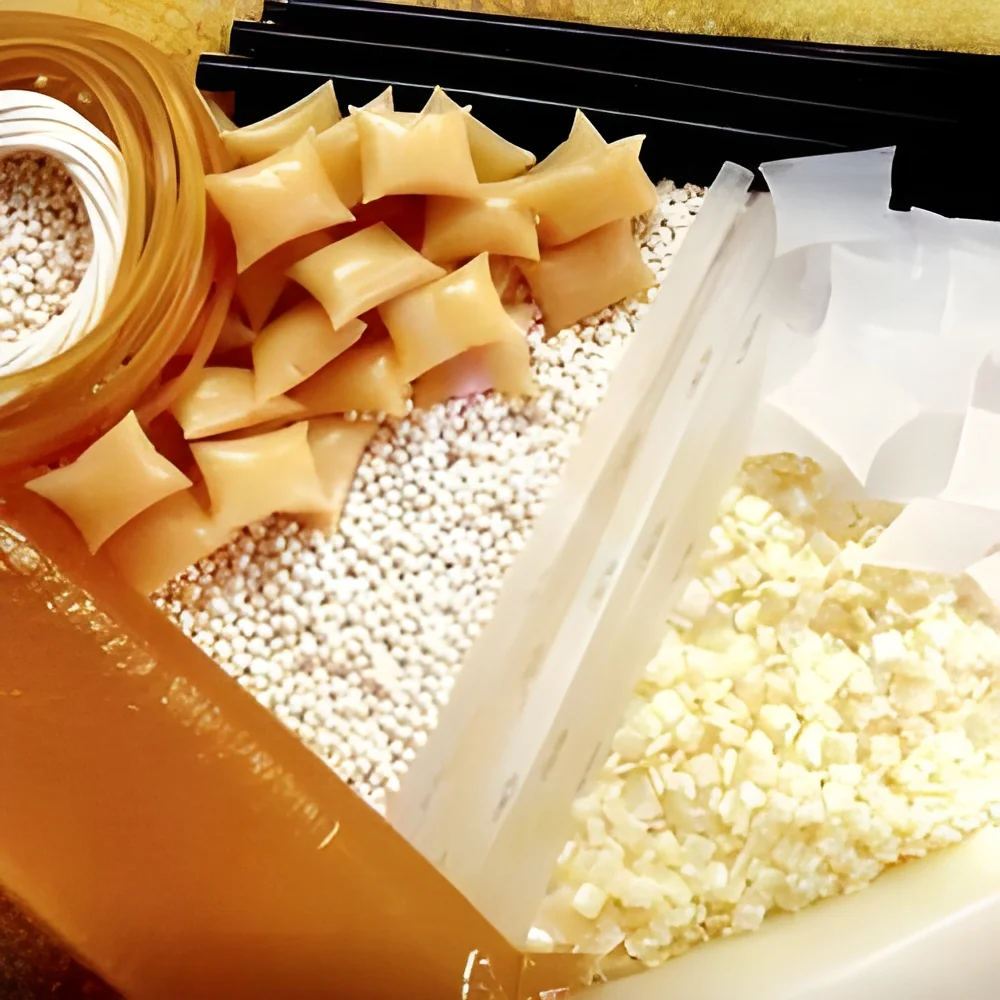
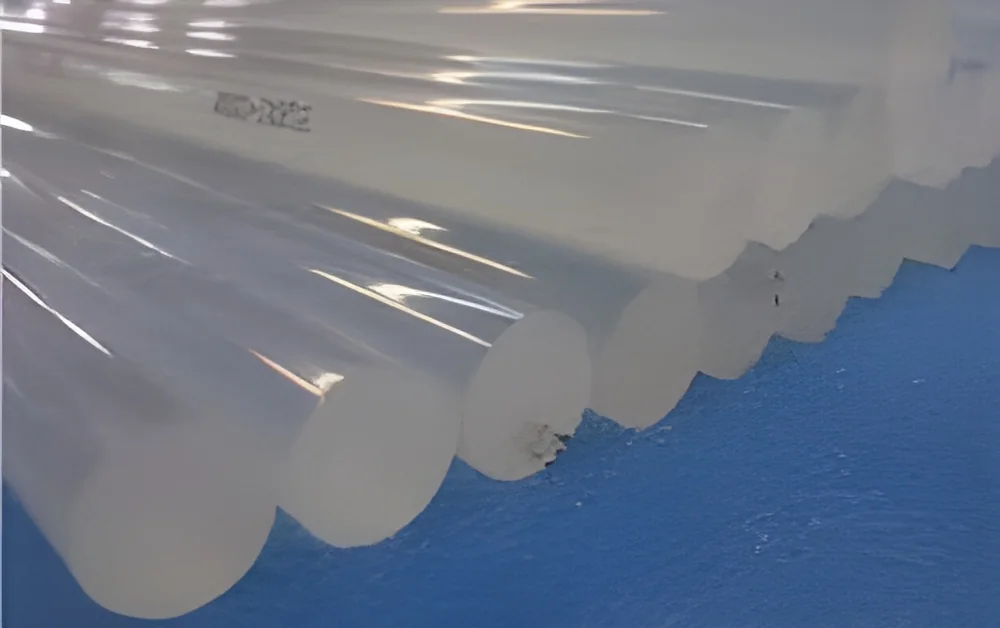
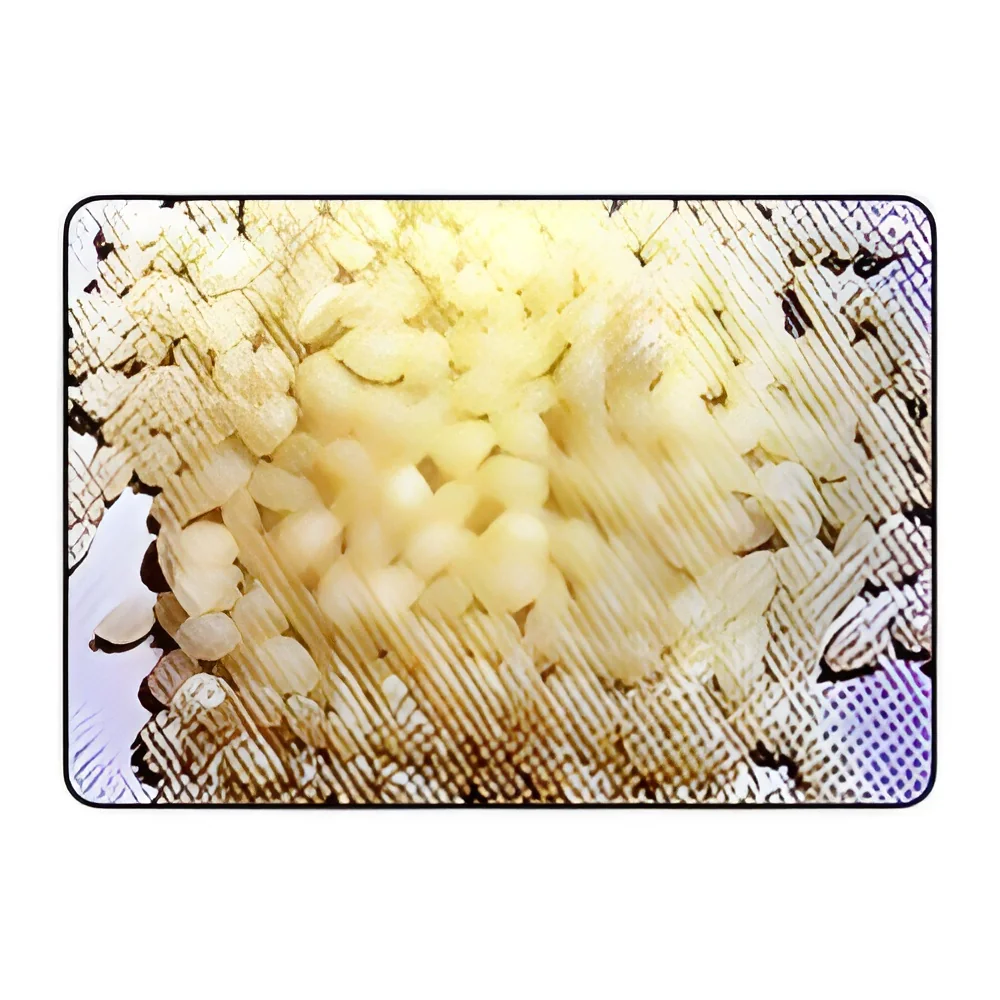
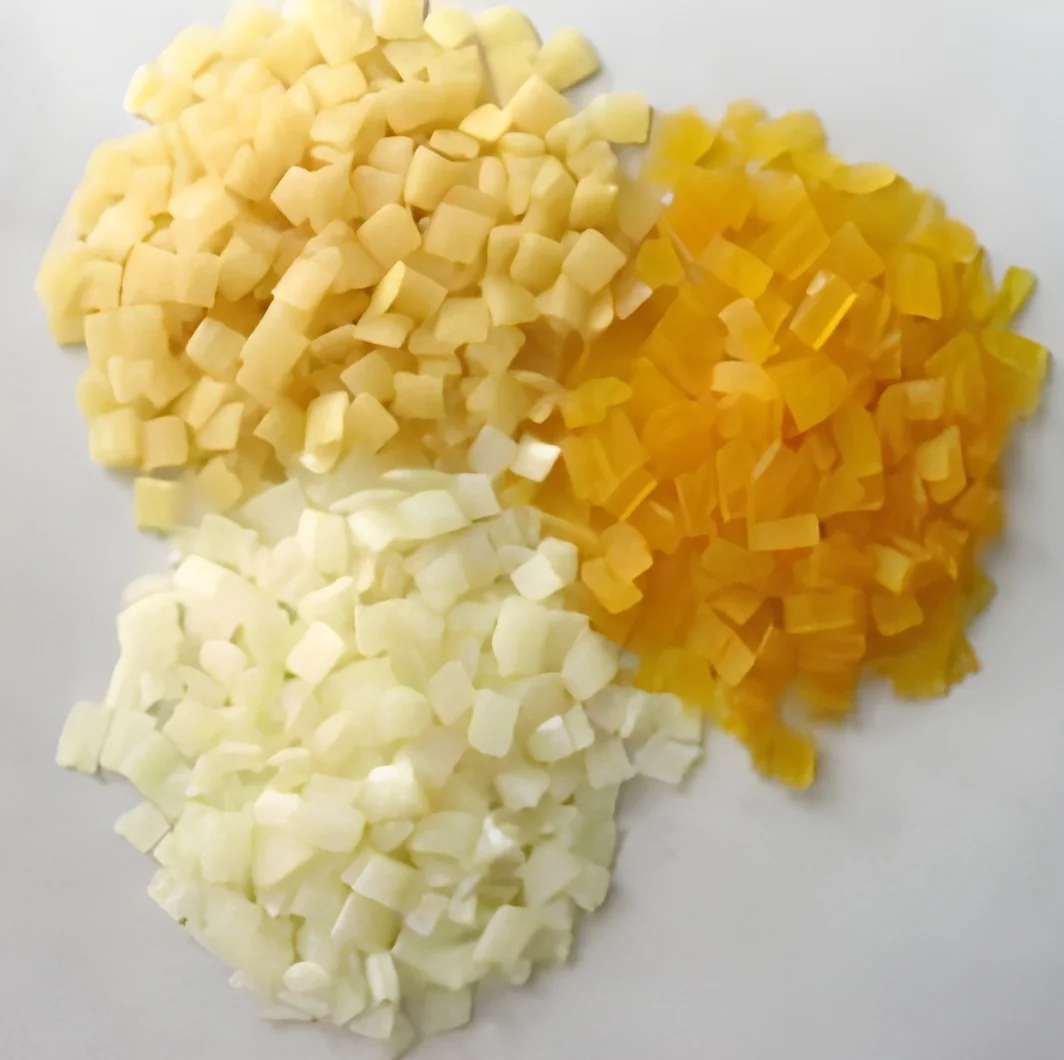
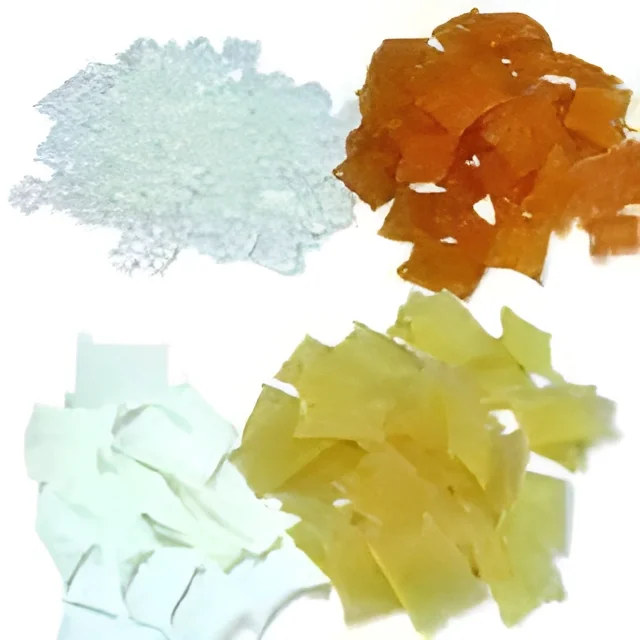
Hot melt adhesives are thermoplastic adhesives that are applied in a molten state and solidify upon cooling. These adhesives are typically made from a combination of polymers, resins, and waxes. Once heated, they become viscous and can be easily applied to surfaces. Upon cooling, they form a strong bond, making them suitable for a variety of applications in different industries.
The primary uses of hot melt adhesives span numerous applications, including packaging, woodworking, automotive assembly, and electronics. They are preferred for their quick setting times and ability to bond diverse materials like paper, wood, plastics, and metals. In a competitive market, their versatility and efficiency make them a valuable choice for manufacturers looking to enhance production processes.
Hot melt adhesives are increasingly relevant in sectors that prioritize speed and reliability. As industries strive for efficiency, these adhesives offer quick applications and strong bonding capabilities. The growing demand for automated and streamlined manufacturing processes further boosts their market presence.
Key Features and Specifications
Hot melt adhesives offer a range of features that cater to various industrial applications. Understanding these specifications is crucial for selecting the right adhesive for your needs.
Key specifications include:
1. Bonding Strength
- Provides resistance against shear and tensile forces.
- Typically rated between 300 to 700 psi depending on the formulation.
2. Viscosity
- Indicates the flow characteristics when heated.
- Generally ranges from 1,000 to 10,000 cps at application temperatures.
3. Set Time
- Refers to the time taken for the adhesive to reach initial bond strength.
- Usually between 5 to 60 seconds based on application conditions.
4. Temperature Resistance
- Determines the adhesive's performance under varying temperatures.
- Effective in environments ranging from -40°F to 200°F.
5. Open Time
- The duration the adhesive remains workable after application.
- Varies from 20 seconds to several minutes.
6. Color Options
- Available in clear, colored, or opaque formulations.
- Choice depends on aesthetic and functional requirements.
7. Flexibility
- Indicates how well the adhesive can accommodate movement.
- Can be rigid or flexible based on the polymer composition.
8. Chemical Resistance
- Assesses the adhesive's durability against various chemicals.
- Varies widely depending on the specific formulation.
In summary, selecting the right hot melt adhesive involves understanding these key features and specifications to ensure optimal performance in your applications.
Common Applications and Use Cases
Hot melt adhesives are utilized across various industries, each benefiting from their unique properties.
1. Packaging: Hot melt adhesives are widely used in packaging for sealing cartons and bonding labels. Their quick setting time enhances production efficiency.
2. Woodworking: In furniture and cabinet making, these adhesives provide strong bonds for wood joints. They are favored for their ease of use and fast curing.
3. Automotive: Hot melt adhesives are used in vehicle assembly for bonding interior components and securing trims. Their durability is essential for high-performance applications.
4. Electronics: In the electronics industry, these adhesives secure components on circuit boards. They are chosen for their thermal stability and electrical insulation properties.
5. Textile: Hot melt adhesives are employed in fabric lamination and bonding. Their flexibility allows for movement without compromising integrity.
6. Construction: In construction, hot melt adhesives are used for insulation panels and flooring applications. They provide strong adhesion and weather resistance.
7. Medical: Medical device manufacturing uses hot melt adhesives for assembly. They meet stringent safety and regulatory standards.
Product Variants and Subcategories
Hot melt adhesives come in various formulations, catering to specific needs and applications.
General Purpose Hot Melt Adhesive: This variant is designed for a wide range of applications, offering good bonding strength and flexibility. It is commonly used in packaging and woodworking.
High-Performance Hot Melt Adhesive: This type is engineered for demanding applications, providing superior bond strength and chemical resistance. It is used in automotive and industrial settings.
Low-Temperature Hot Melt Adhesive: Optimized for applications requiring lower melting temperatures, this variant is ideal for temperature-sensitive materials.
Thermal Conductive Hot Melt Adhesive: Used in electronics, this adhesive facilitates heat dissipation while providing strong bonds.
Benefits and Advantages
Hot melt adhesives offer numerous advantages that can enhance operational efficiency and product performance.
1. Fast Setting Time: Hot melt adhesives bond quickly, reducing production time and increasing throughput.
2. Versatility: They can bond a wide variety of materials, making them suitable for diverse applications across industries.
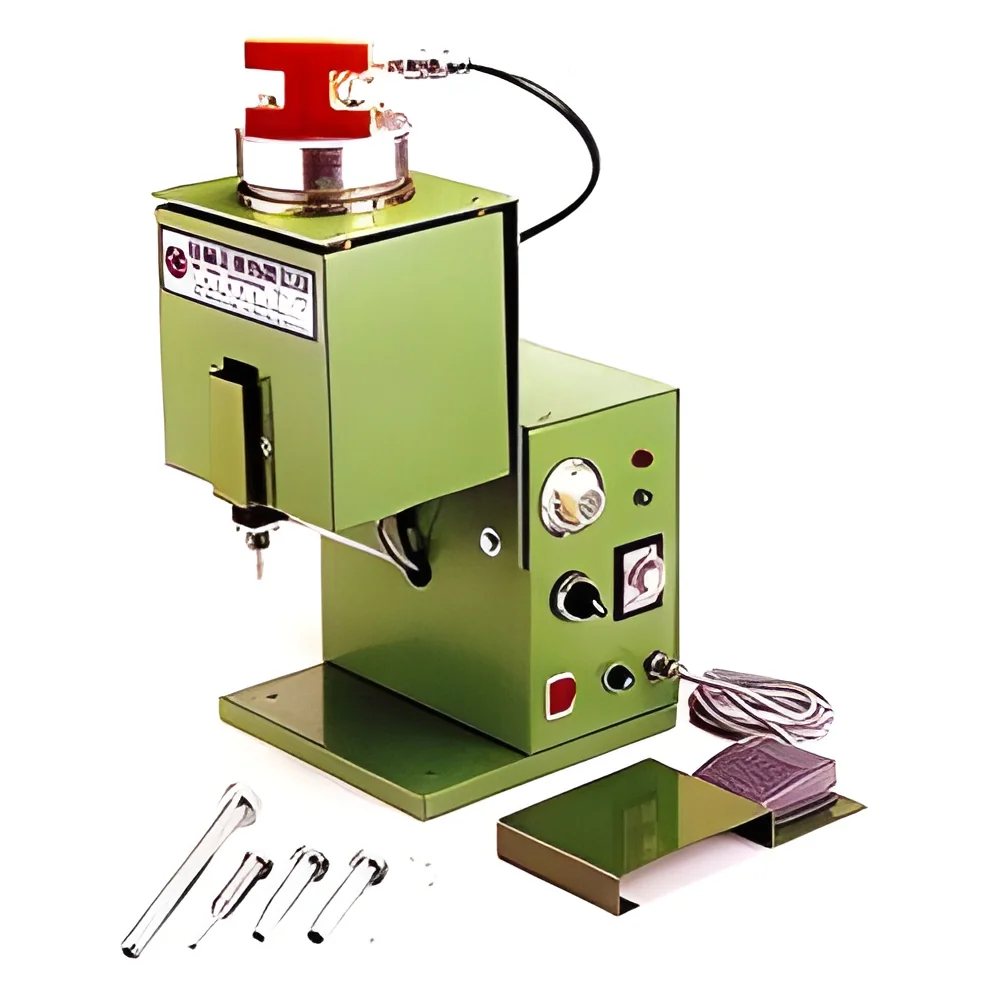
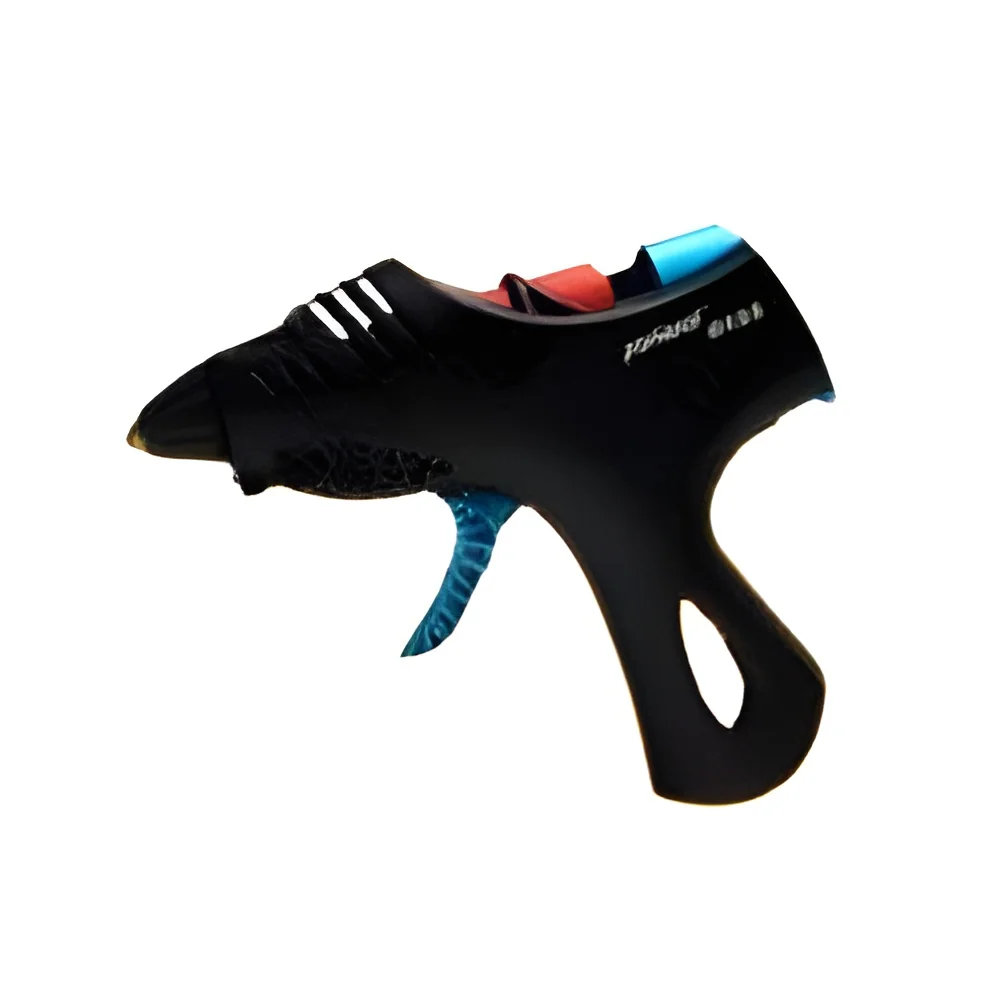
3. Easy Application: The molten state allows for precise application using various dispensing methods, including guns and rollers.
4. No Solvents: Hot melt adhesives are solvent-free, reducing health risks and environmental impact.
5. Cost-Effective: Their efficiency and performance can lead to lower overall production costs.
6. Strong Bonds: They provide durable and reliable bonds, essential for maintaining product integrity.
Buying Guide for B2B Buyers
When sourcing hot melt adhesives, it is essential to consider several key factors to ensure the right choice for your business needs.
1. Quality Assessment: Evaluate the adhesive's performance characteristics and certifications. Look for products that meet relevant industry standards to ensure reliability.
2. Supplier Verification: Vet suppliers carefully by checking their reputation and experience in the industry. A reliable supplier can provide consistent quality and support.
3. Pricing and MOQ: Understand the pricing structure and minimum order quantities (MOQ) required by suppliers, which can affect your budgeting and inventory management.
4. Delivery and Lead Times: Discuss logistics and delivery schedules to ensure timely supply, which is critical for maintaining production schedules.
5. Compliance Requirements: Ensure that the adhesives meet necessary regulatory and safety standards relevant to your industry. This is vital for product safety and market acceptability.
Compliance and Certifications
Compliance and certification are crucial for ensuring the quality and safety of hot melt adhesives. Many products adhere to recognized quality standards such as ISO 9001, ensuring consistent production quality and reliability.
Industry certifications such as CE mark denote compliance with European safety and environmental regulations. These certifications are essential for companies looking to enter or operate in regulated markets.
Safety and testing requirements are also paramount. Hot melt adhesives must undergo rigorous testing to assess their performance and safety in various applications. This includes evaluating heat resistance, chemical durability, and bond integrity.
Regional compliance considerations can vary, so it is important to stay informed about local regulations that may affect the use and distribution of hot melt adhesives in different markets.
Why Source Hot Melt Adhesives from Pepagora?
Pepagora provides a trusted platform for sourcing hot melt adhesives, offering several key advantages to B2B buyers.
Verified Supplier Network: Pepagora has a robust network of verified suppliers, ensuring that buyers have access to high-quality products and reliable service. This network helps mitigate risks associated with sourcing.
Streamlined RFQ Process: The platform simplifies the request for quotation (RFQ) process, allowing buyers to easily compare offerings and make informed decisions without extensive legwork.
Trade Assurance and Support: Pepagora offers buyer protection through trade assurance, providing peace of mind that transactions are secure and supported. This feature is essential for building trust between buyers and suppliers.
Regional Coverage: With a focus on markets in India, GCC, and Southeast Asia, Pepagora facilitates access to a diverse range of hot melt adhesive suppliers, catering to various regional needs and preferences. This broad coverage supports businesses looking to expand their supply chain efficiently.

 IN
IN