
 IN
Seed Paper Stationery
2 products available
What are Seed Paper Stationery?
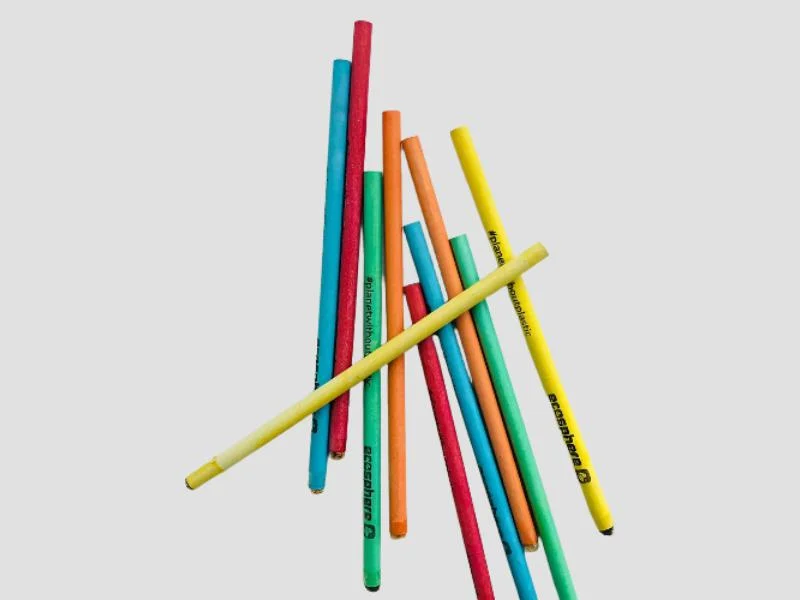
Seed paper stationery is an innovative product made from recycled paper embedded with seeds. When the paper is planted in soil and watered, it biodegrades and the seeds germinate, resulting in new plants. This eco-friendly solution offers a sustainable alternative to traditional paper products, appealing to environmentally conscious consumers and businesses. Seed paper can come in various forms, including cards, notepads, and promotional materials.
The primary applications of seed paper stationery include business promotions, invitations, and gifts. Companies often use these products to enhance their branding while showcasing their commitment to sustainability. Organizations in various sectors, such as education, non-profits, and corporate enterprises, leverage seed paper to engage customers and raise awareness about environmental issues. As businesses increasingly prioritize sustainability, seed paper products are gaining traction in the market, becoming a popular choice for eco-friendly marketing campaigns.
Key Features and Specifications
Seed paper stationery is characterized by its unique composition and functionality. It combines the qualities of traditional paper with the added benefit of being plantable. This dual-purpose functionality makes it a versatile option for various uses, including marketing and personal stationery.
Key specifications include:
1. Composition
- Made from recycled paper materials
- Embedded with non-invasive seeds
2. Seed Types
- Various seed options available, including wildflowers and herbs
- Selection can be tailored based on customer preferences
3. Size Options
- Available in multiple sizes, including standard card sizes and custom dimensions
- Compatibility with standard printing formats
4. Printability
- Can be printed using standard inks
- Suitable for various printing methods, including digital and offset
5. Eco-Friendly
- Fully biodegradable and compostable
- No harmful chemicals in production
6. Customization
- Options for custom designs, colors, and branding
- Ability to add messages or logos
7. Packaging
- Available in eco-friendly packaging solutions
- Options for bulk packaging or individual wrapping
In summary, seed paper stationery provides a unique blend of functionality and environmental consciousness, making it an appealing choice for businesses looking to make a positive impact.
Common Applications and Use Cases
Seed paper stationery serves various industries, making it a versatile choice for many applications.
1. Marketing and Promotions: Companies use seed paper for promotional materials, including flyers and business cards, to attract eco-conscious consumers.
2. Weddings and Events: Seed paper is popular for wedding invitations and favors, allowing guests to plant and enjoy flowers or herbs.
3. Education: Schools and educational institutions utilize seed paper for teaching materials, encouraging students to engage with nature through planting.
4. Non-Profits: Environmental organizations use seed paper for awareness campaigns, effectively promoting their missions while demonstrating commitment to sustainability.
5. Corporate Gifts: Businesses often give seed paper products as unique gifts, enhancing brand visibility while supporting environmental initiatives.
6. Art and Crafts: Artists create unique artworks and stationery items using seed paper, adding a creative and eco-friendly touch to their projects.
7. Fundraising: Organizations use seed paper products in fundraising efforts, appealing to supporters who value sustainable practices.
Product Variants and Subcategories
Seed paper stationery comes in various forms to meet diverse needs.
Seed Paper Cards
These cards are perfect for greetings, invitations, or promotional messages. They can be customized with unique designs and are ideal for sharing eco-friendly sentiments.
Seed Paper Notebooks
Available in different sizes, these notebooks feature seed paper pages that can be planted after use. They are ideal for students and professionals who appreciate sustainable products.
Seed Paper Tags
These tags are often used in packaging or as gifts. They can be printed with messages or branding and serve as beautiful, plantable reminders.
Benefits and Advantages
Seed paper stationery offers several key benefits that appeal to businesses and consumers alike.
1. Environmental Impact: By using recycled materials and promoting planting, seed paper contributes positively to the environment.
2. Unique Marketing Tool: Businesses can stand out from competitors by offering a memorable and engaging product that aligns with sustainability values.
3. Customization Options: Seed paper can be tailored to fit branding needs, allowing companies to create unique and personalized products.
4. Consumer Engagement: Plantable paper encourages interaction, as customers can actively participate in sustainability by growing plants from the product.
5. Versatile Usage: Seed paper can be used in various contexts, from marketing campaigns to personal events, making it a flexible option for different applications.
6. Positive Brand Image: Companies that use eco-friendly products enhance their reputation, appealing to a growing demographic of environmentally conscious consumers.
Buying Guide for B2B Buyers
When sourcing seed paper stationery, it is essential to consider several factors to ensure quality and suitability.
1. Quality Assessment: Evaluate the materials used in seed paper production. Look for products made from high-quality recycled materials for optimal performance.
2. Supplier Verification: Conduct thorough research on potential suppliers. Check their reputation, customer reviews, and compliance with industry standards.
3. Pricing and MOQ: Understand the pricing structure and minimum order quantities. Compare quotes from multiple suppliers to find the best deal.
4. Delivery and Lead Times: Discuss logistics with suppliers. Ensure they can meet your deadlines and provide reliable shipping options.
5. Compliance Requirements: Confirm that products meet relevant environmental and quality standards. This may include certifications like CE for safety and compliance.
Compliance and Certifications
Seed paper stationery must adhere to various quality and safety standards, ensuring that products are safe for consumers and environmentally friendly.
Relevant quality standards include ISO 9001, which focuses on quality management systems. This standard ensures that manufacturers maintain high-quality production processes.
Industry certifications, such as CE, indicate that the product meets European health, safety, and environmental protection standards. This certification is essential for gaining consumer trust in international markets.
Safety and testing requirements are critical for confirming that the materials used in seed paper stationery do not contain harmful substances. Manufacturers should conduct regular testing to comply with these standards.
Regional compliance considerations may vary, so it is essential to understand local regulations regarding eco-friendly products. Businesses should ensure that their suppliers are compliant with relevant laws and guidelines in their operating regions.
Why Source Seed Paper Stationery from Pepagora?
Pepagora provides a trusted platform for sourcing seed paper stationery with several key advantages.
Verified Supplier Network: Pepagora connects buyers with a network of verified suppliers, ensuring that businesses can source quality products with confidence. Suppliers are vetted for their reputation and compliance with industry standards.
Streamlined RFQ Process: The platform simplifies the request for quotation process, allowing buyers to easily compare offers from multiple suppliers. This saves time and ensures competitive pricing.
Trade Assurance and Support: Pepagora offers trade assurance to protect buyers throughout the purchasing process. This includes support for resolving disputes and ensuring timely delivery.
Regional Coverage: With a focus on markets in India, the GCC, and Southeast Asia, Pepagora provides access to a wide range of suppliers. This regional coverage helps businesses find local suppliers while supporting their sustainability goals.




Frequently Asked Questions
What are Seed Paper Stationery?
Seed Paper Stationery refers to eco-friendly stationery products made from biodegradable paper embedded with seeds. When planted, the paper decomposes, and the seeds grow into plants, making it a sustainable choice for environmentally conscious consumers.
What are the different types of Seed Paper Stationery?
The different types of Seed Paper Stationery include greeting cards, invitations, notepads, bookmarks, and business cards. Each type offers unique design possibilities while promoting sustainability through the use of seed-infused paper.
How do I choose the right Seed Paper Stationery?
To choose the right Seed Paper Stationery, consider factors such as the type of occasion, design preferences, and the specific seeds embedded in the paper. Additionally, evaluate the quality of the paper and the supplier's reputation for sustainability practices.
What are the standard specifications for Seed Paper Stationery?
Standard specifications for Seed Paper Stationery typically include paper thickness, seed type, and dimensions of the stationery items. Common thickness ranges from 200 to 400 GSM, and the seeds can vary from wildflowers to herbs, depending on the intended use.
What is the price range for Seed Paper Stationery?
The price range for Seed Paper Stationery can vary widely based on factors such as design complexity, quantity, and customization options. Generally, prices can range from INR 10 to INR 50 per piece, but bulk orders may reduce the cost per unit.
What quality standards apply to Seed Paper Stationery?
Quality standards for Seed Paper Stationery include the durability of the paper, the germination rate of the embedded seeds, and adherence to eco-friendly manufacturing practices. Suppliers often comply with ISO standards to ensure product quality and sustainability.
Where can I find Seed Paper Stationery suppliers in India?
You can find Seed Paper Stationery suppliers in India through B2B marketplaces like Pepagora, local craft fairs, and online directories. Additionally, searching for specialized eco-friendly product suppliers can yield results for bulk purchasing.
Can Seed Paper Stationery be customized?
Yes, Seed Paper Stationery can be customized in terms of design, size, and seed type. Many manufacturers offer personalization options, allowing businesses and individuals to create unique stationery that meets their specific needs.
What is the typical minimum order quantity for Seed Paper Stationery?
The typical minimum order quantity (MOQ) for Seed Paper Stationery varies by supplier, but it usually ranges from 100 to 500 pieces. Larger orders may be required for customization options or more intricate designs.
What is the typical lead time for Seed Paper Stationery?
The typical lead time for Seed Paper Stationery can range from 10 to 30 days, depending on factors such as order size, customization requirements, and supplier workload. It's advisable to confirm lead times with the supplier during the ordering process.
Why Businesses Trust Pepagora
Thousands of companies trust Pepagora to source smarter and sell faster
Expand Your Sales Globally

Source Smarter,Grow Faster
