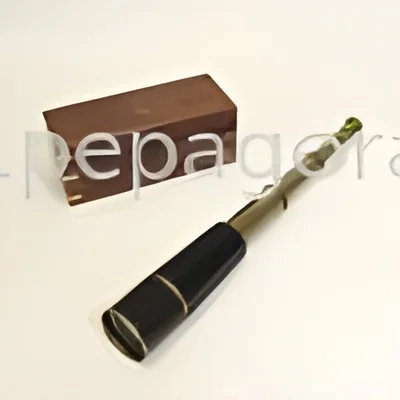
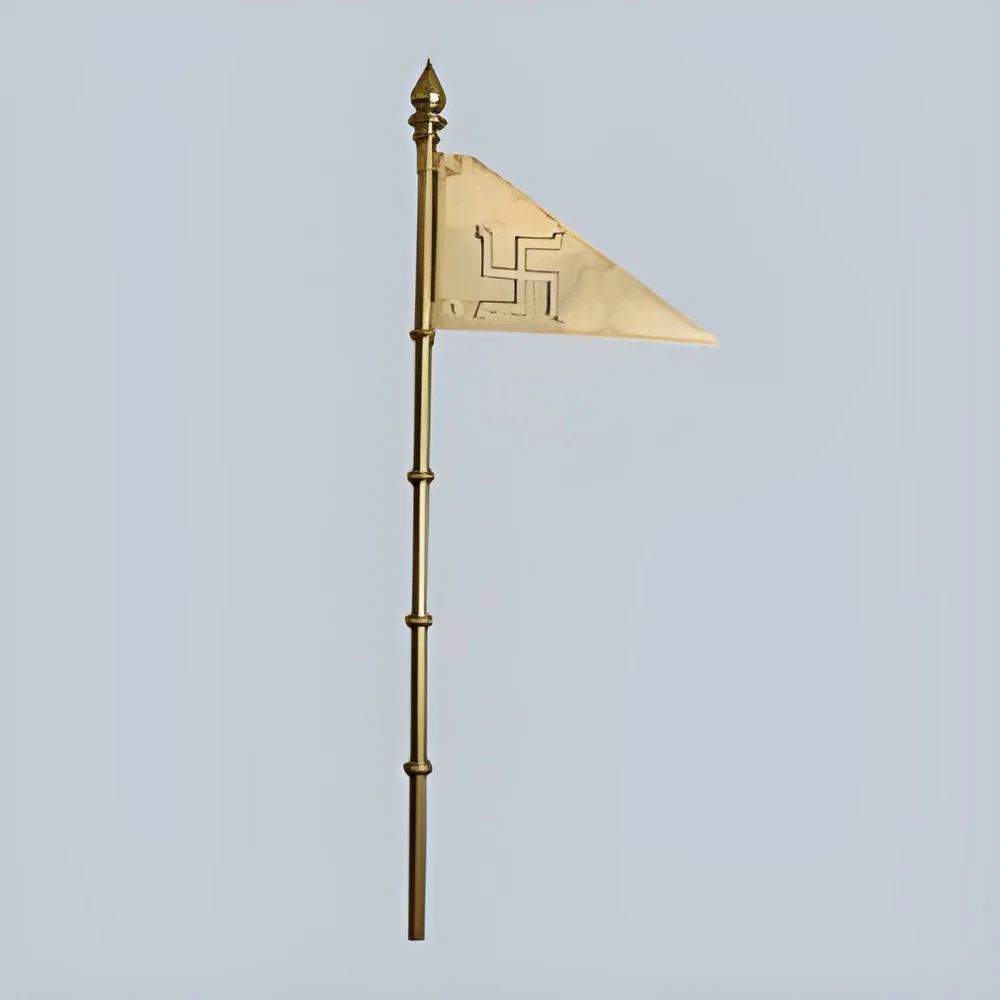
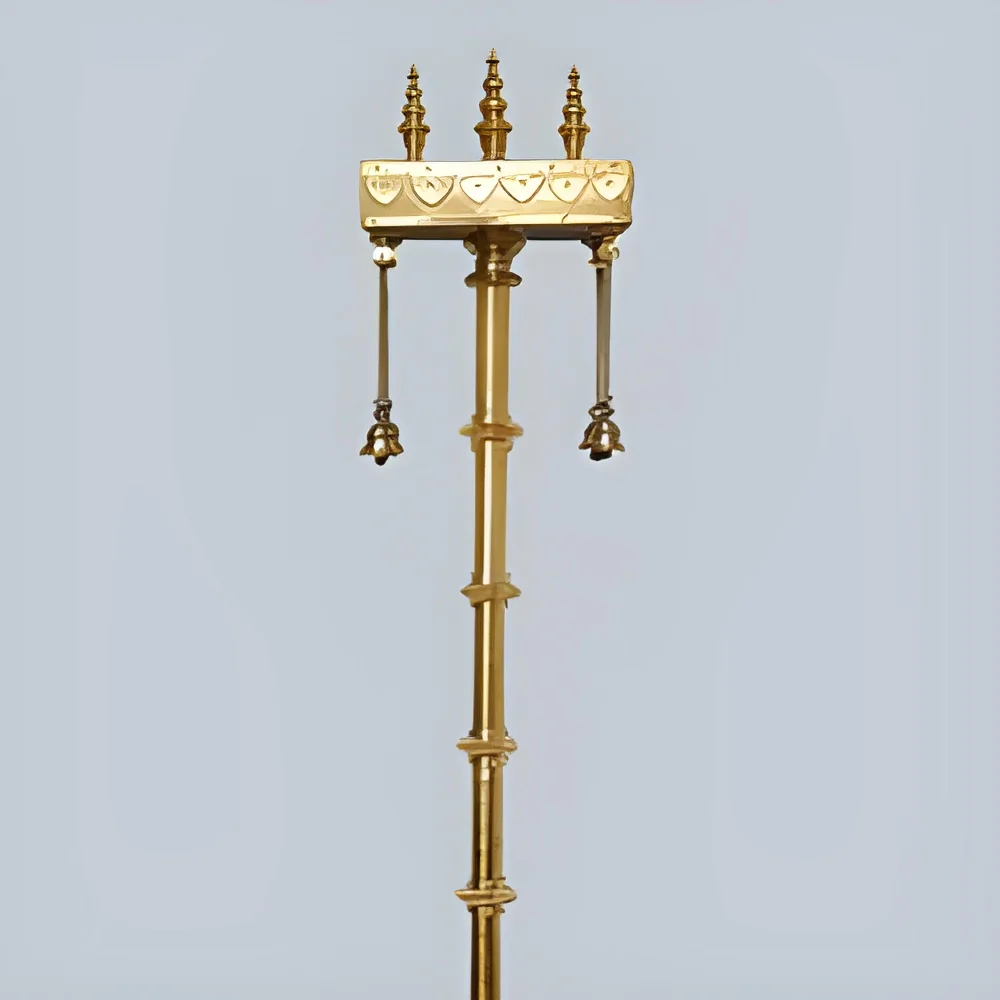
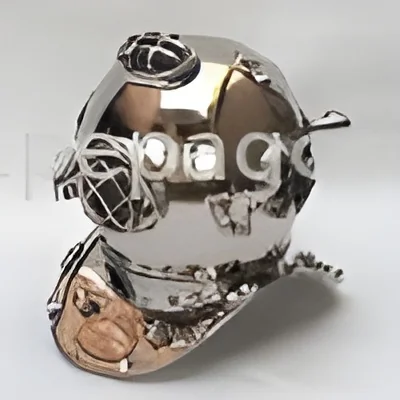
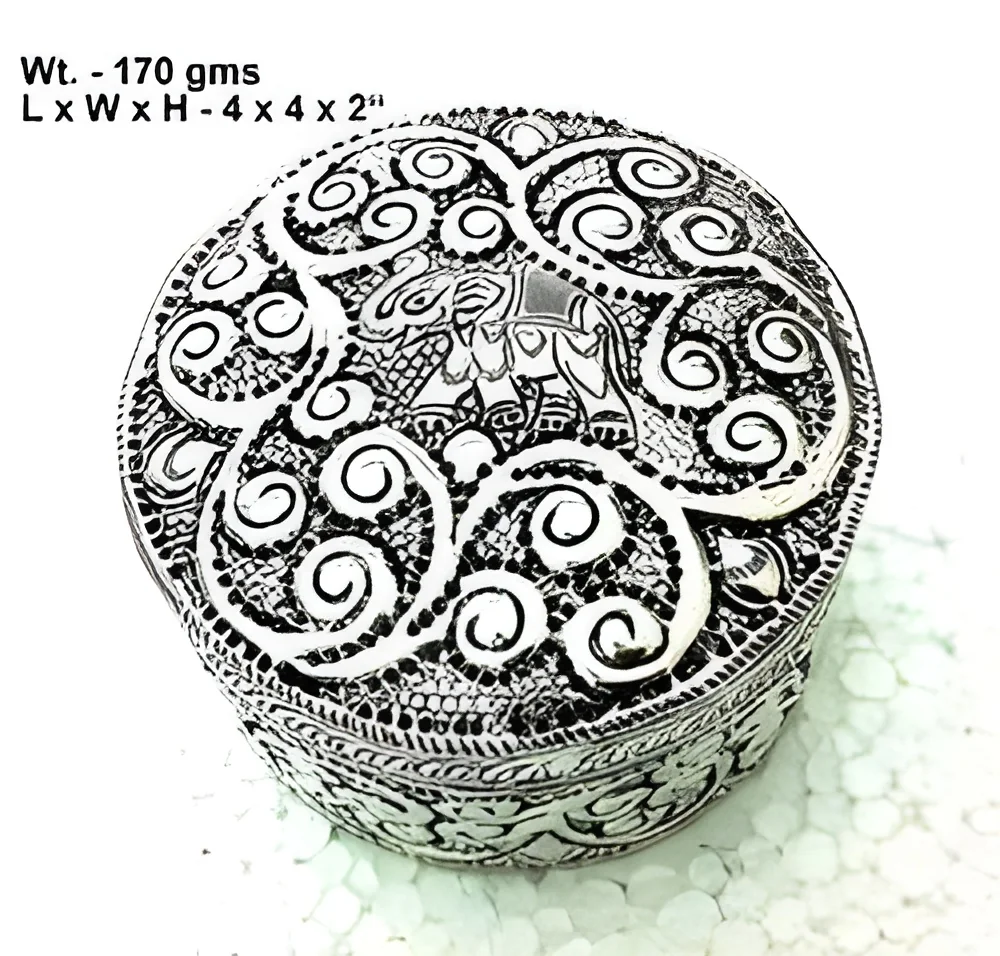
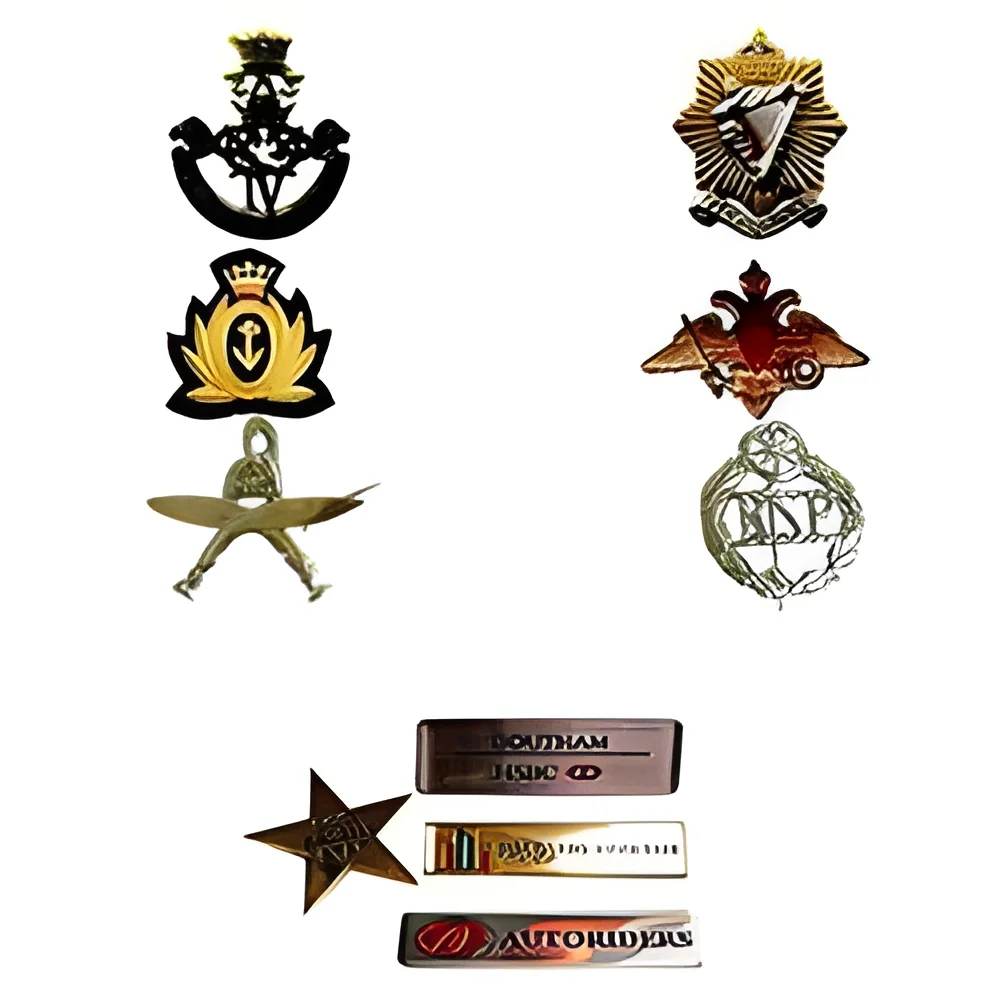
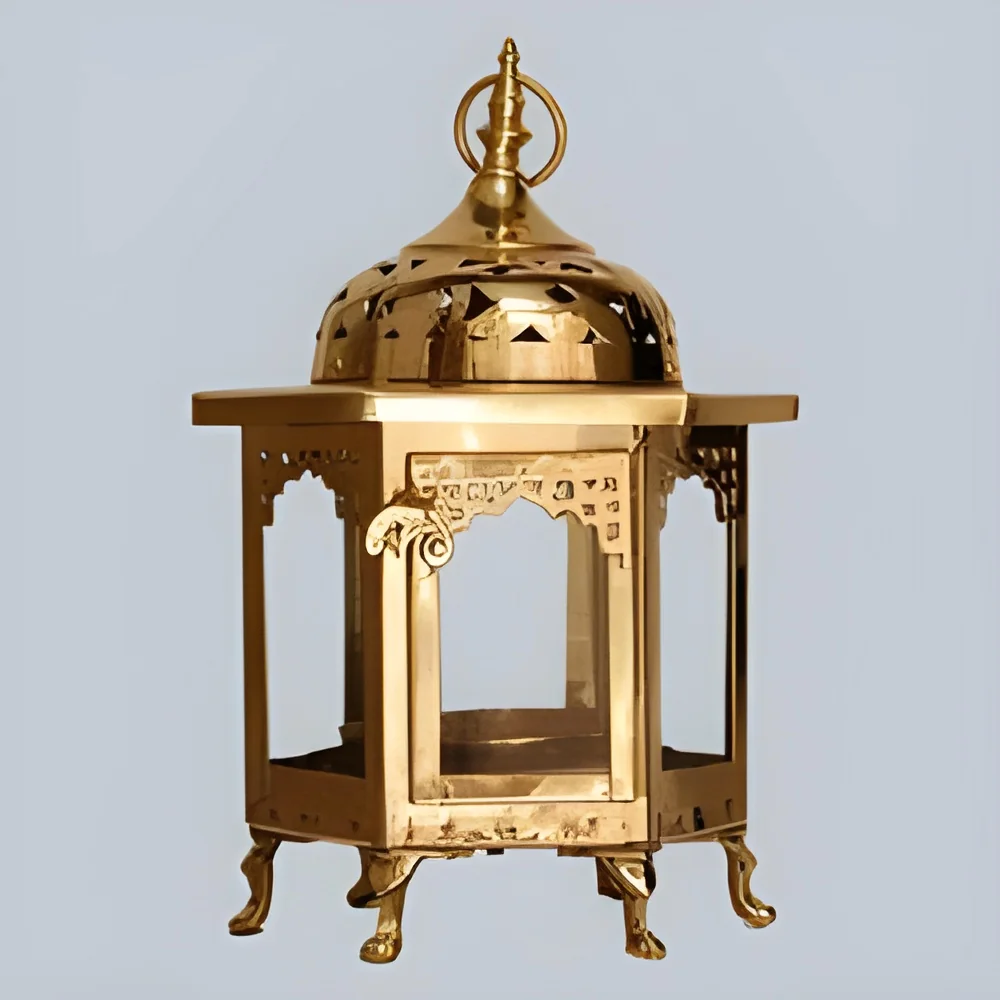
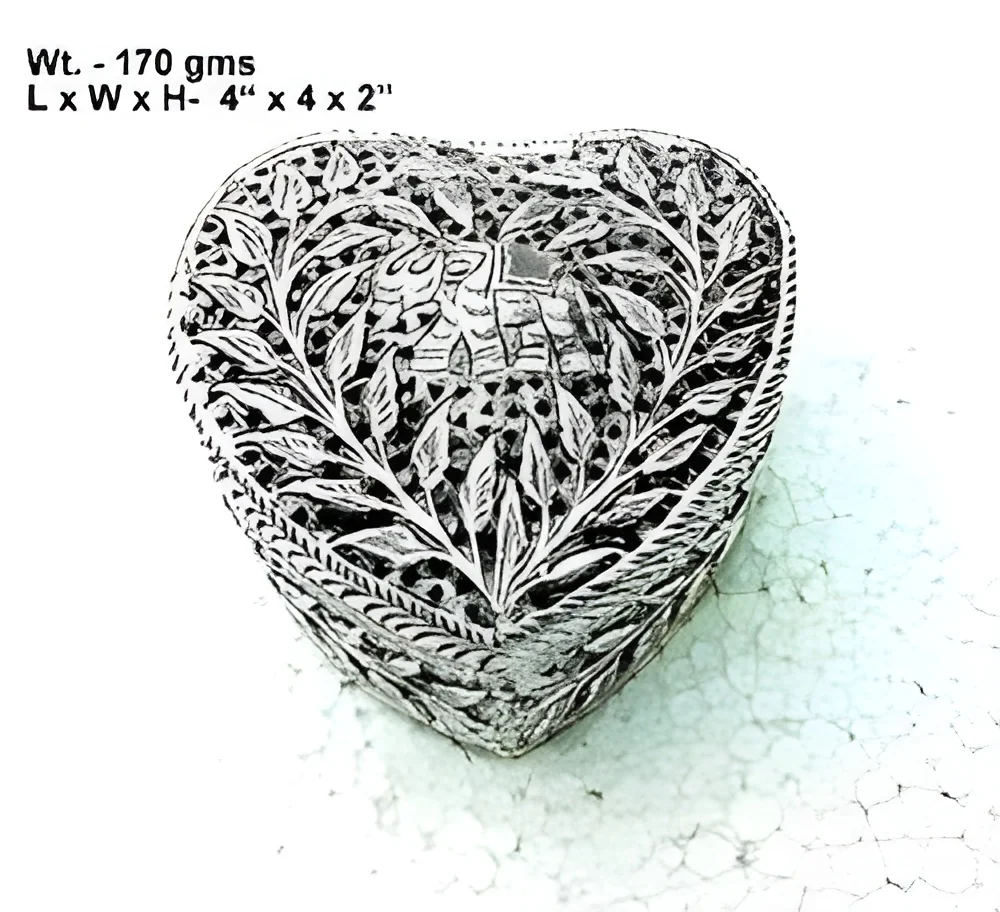
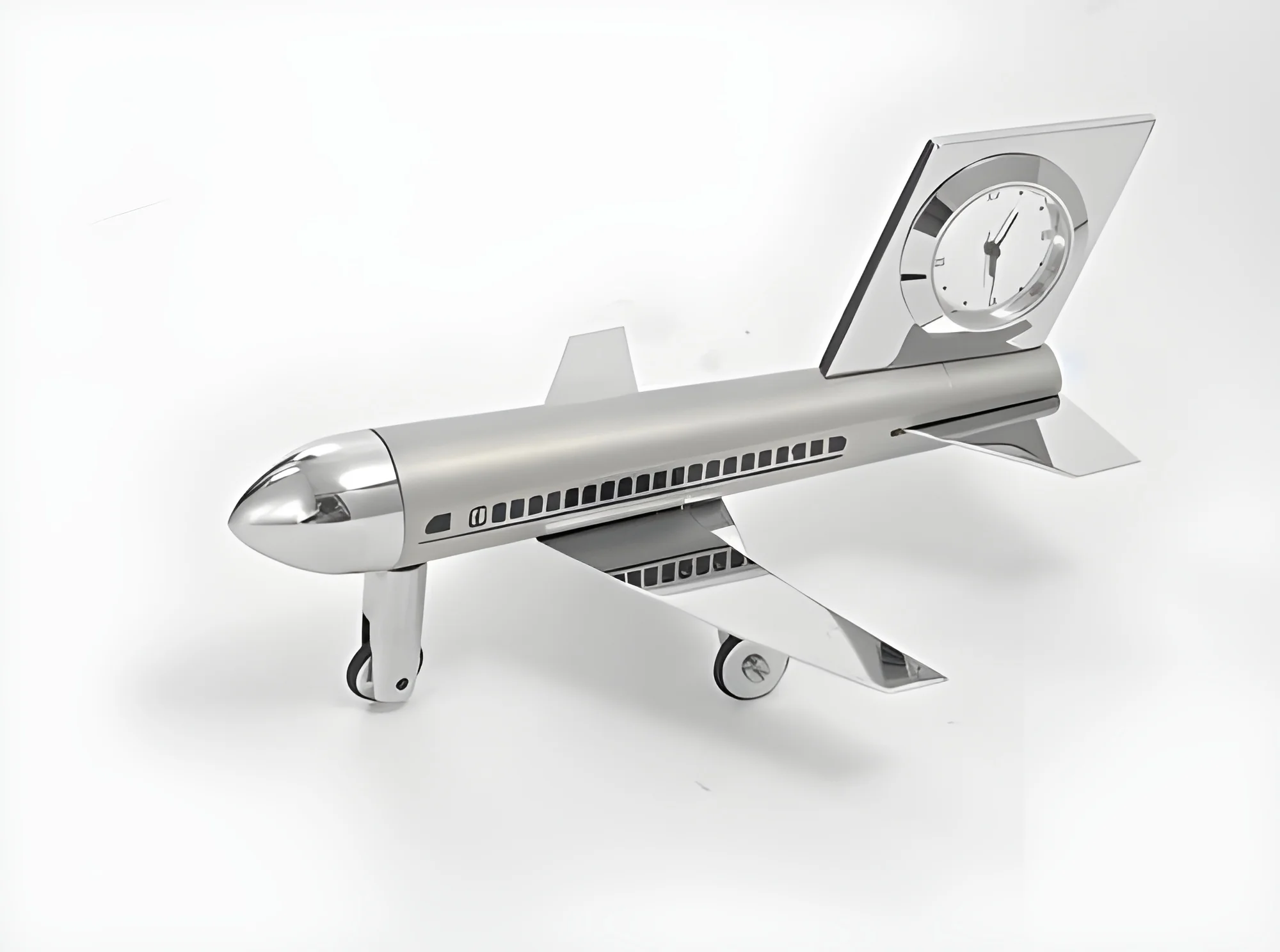
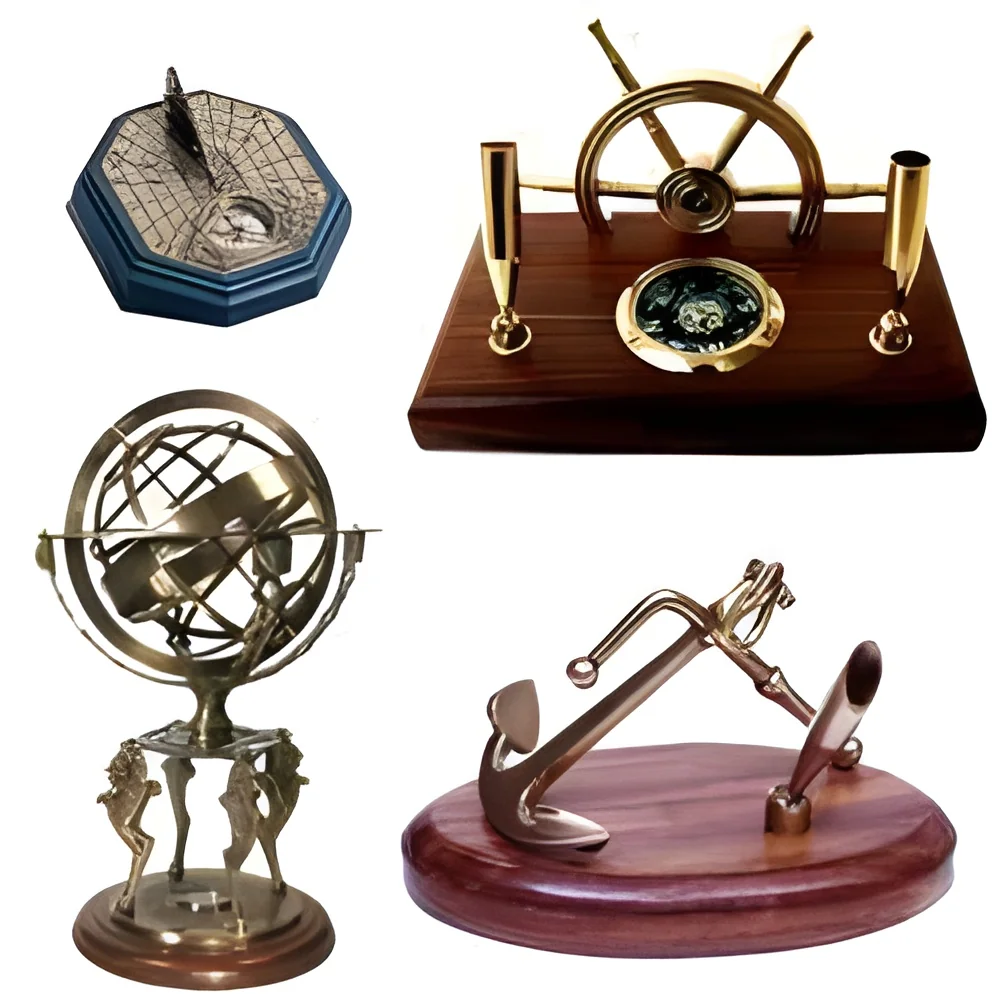
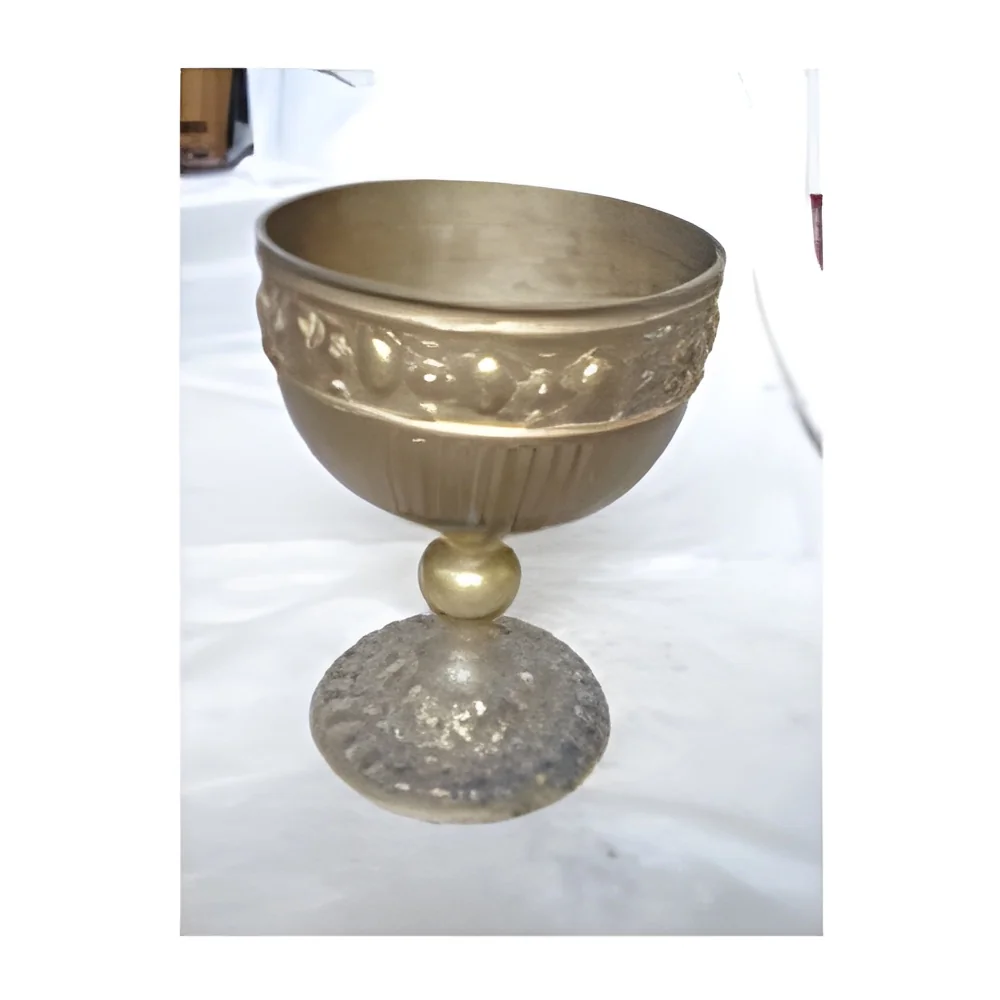
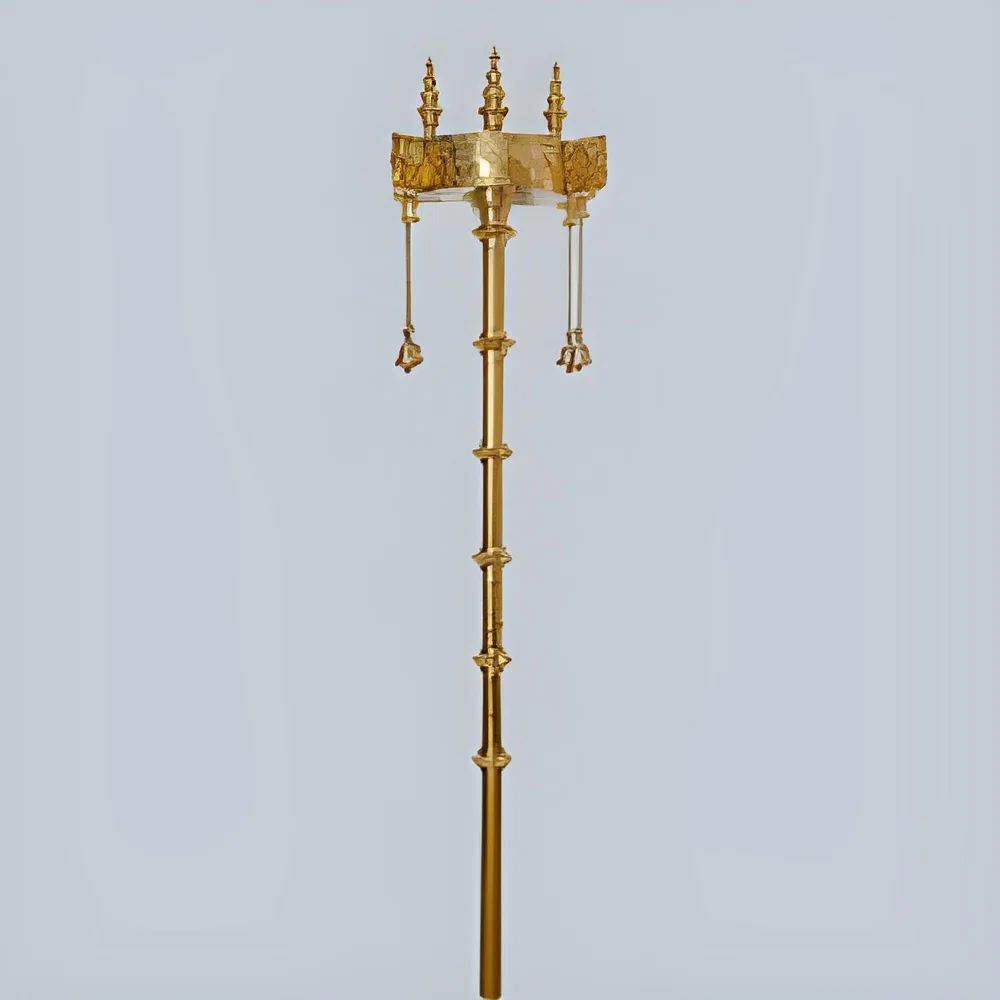
What are Brass & Metal Artifacts?
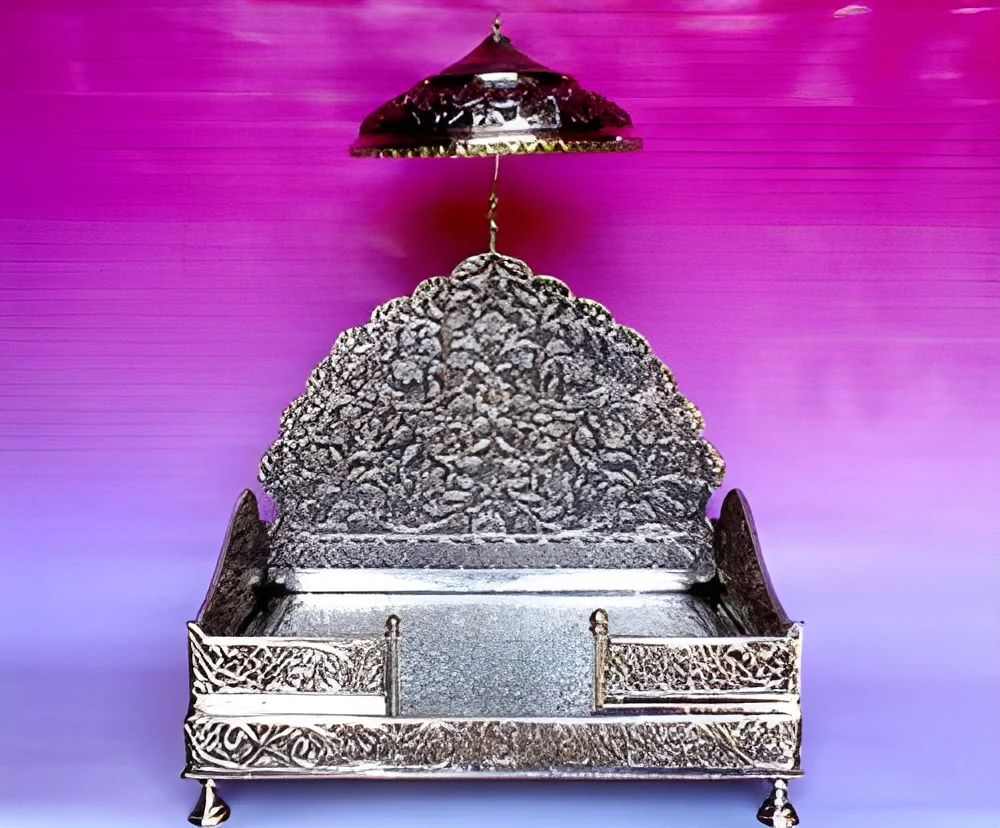
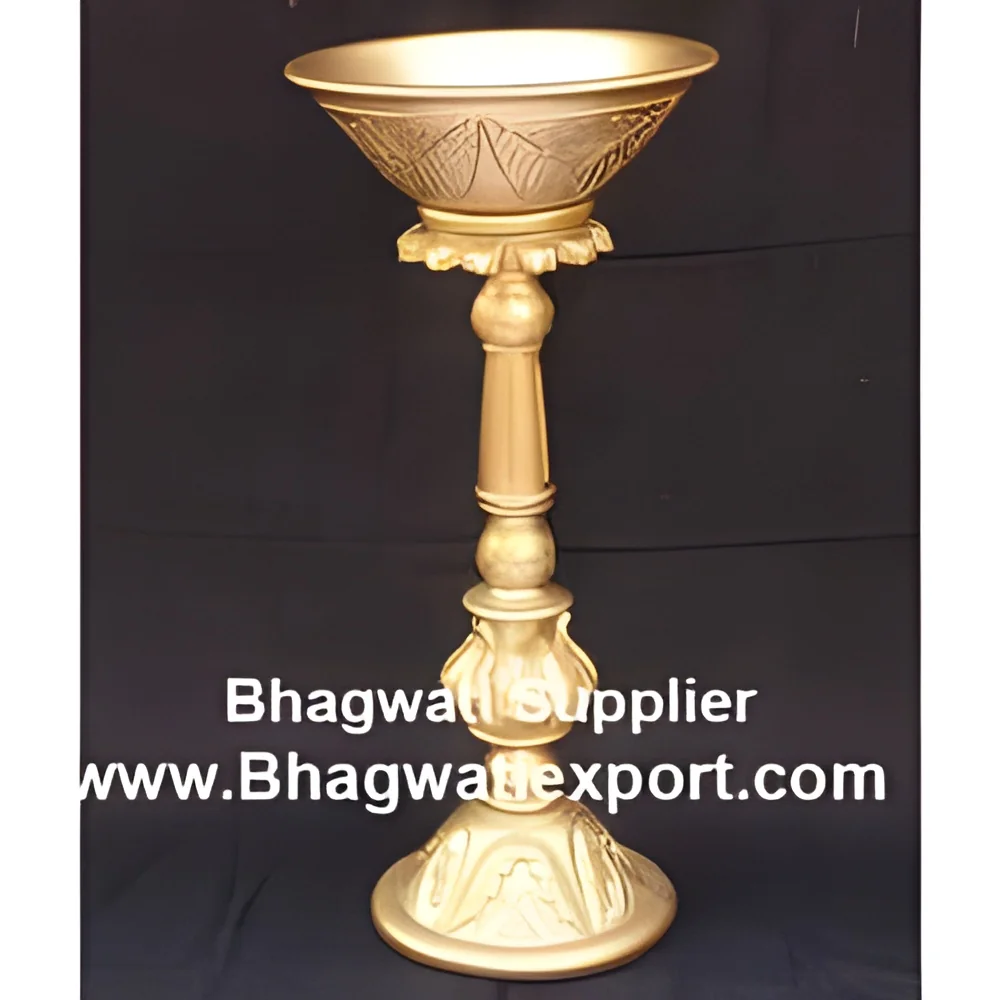
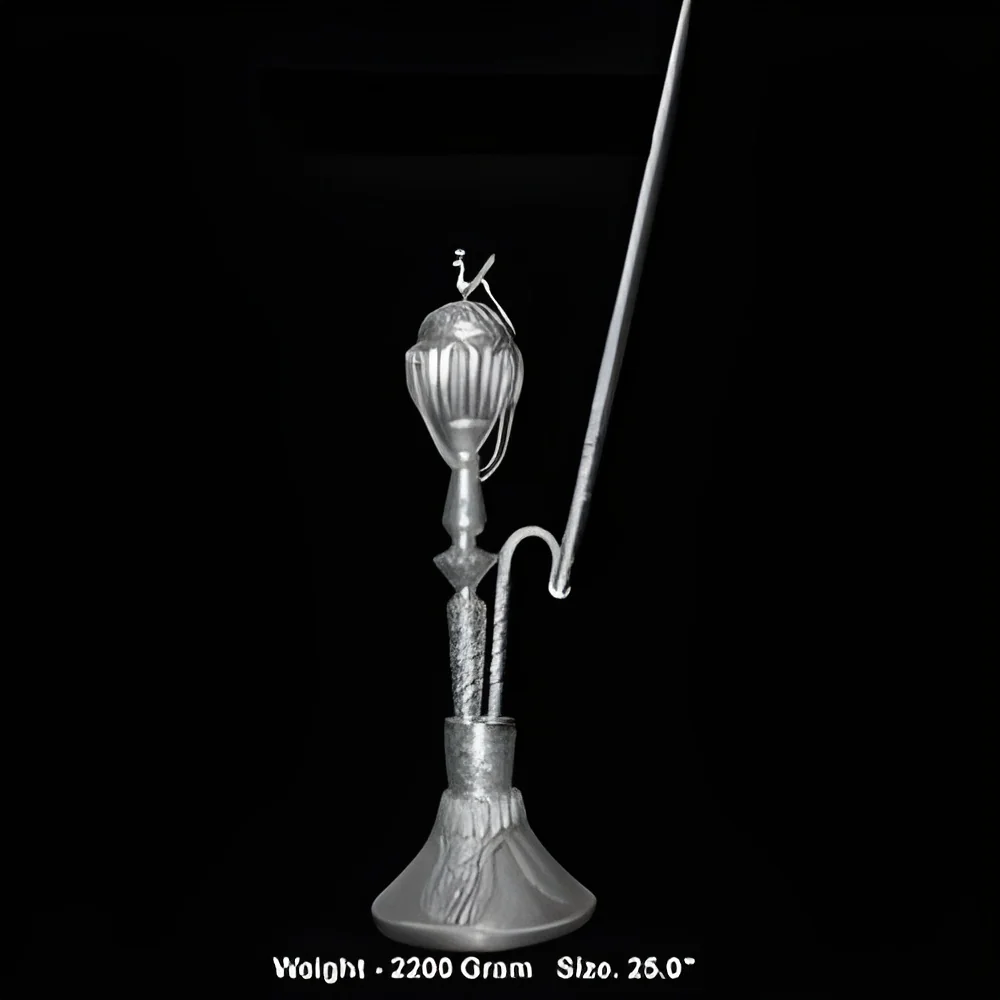
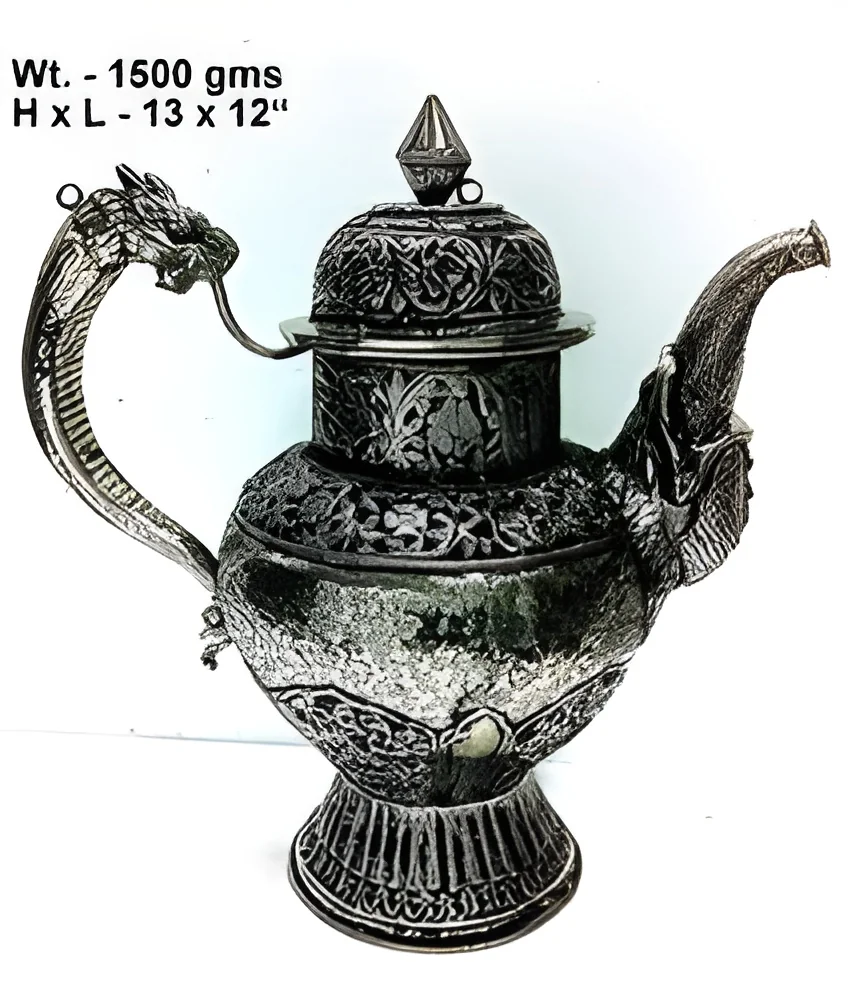
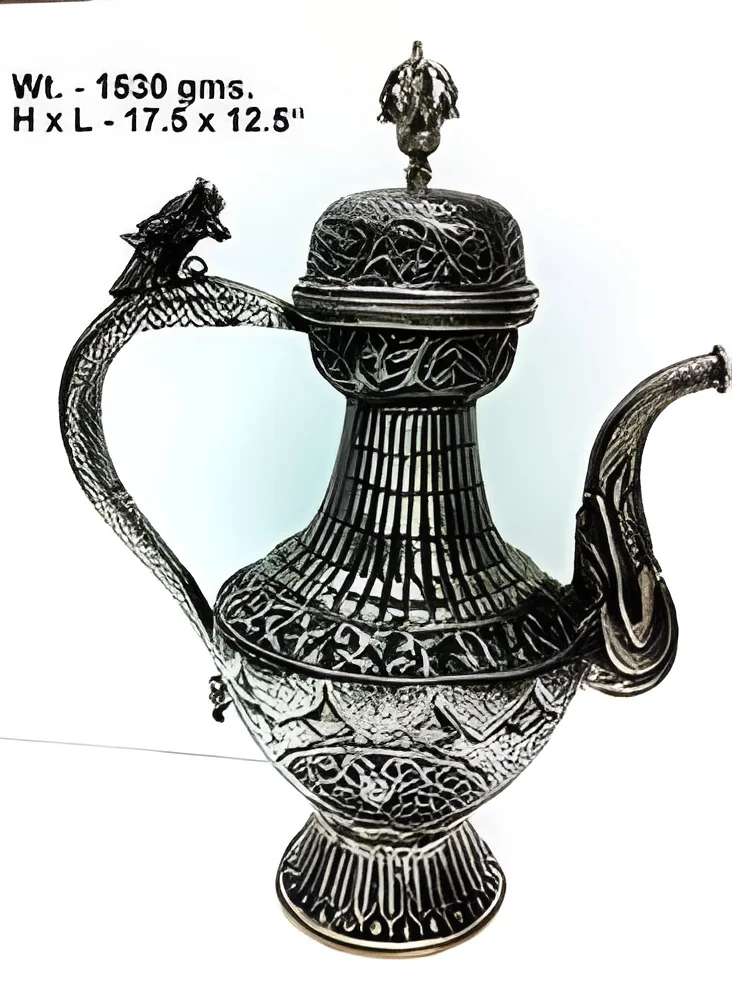
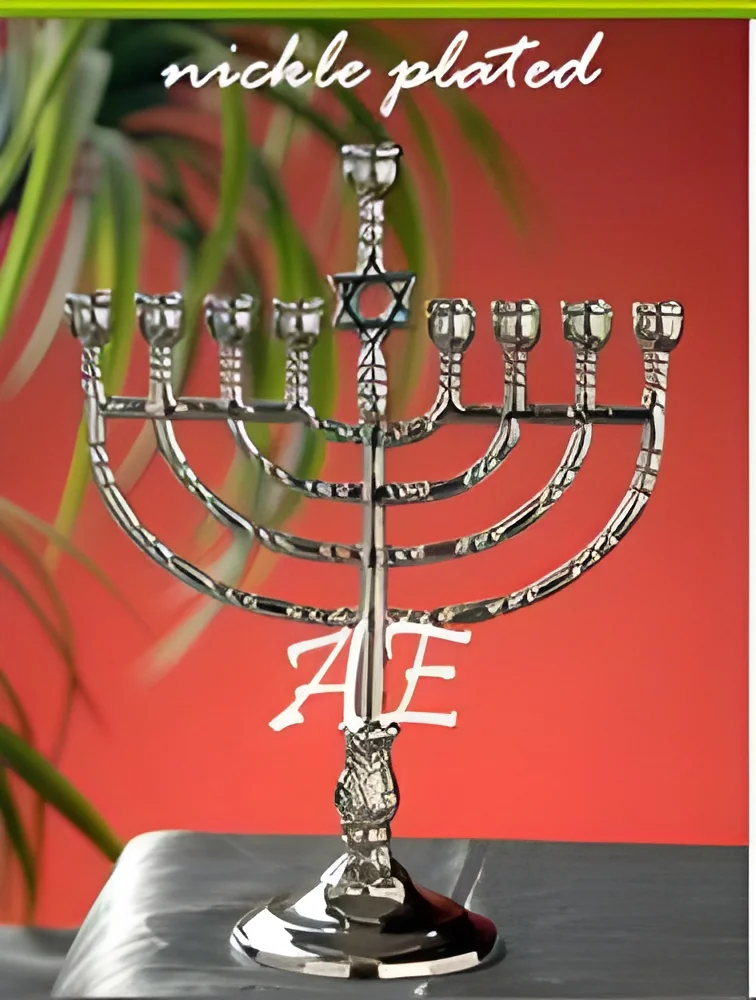
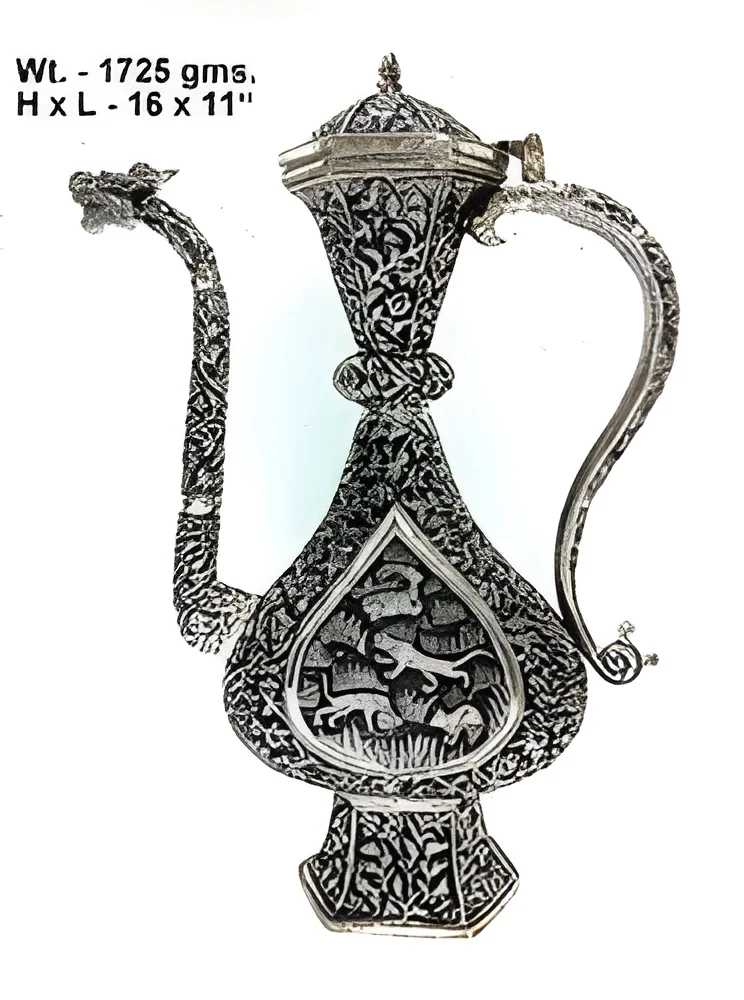
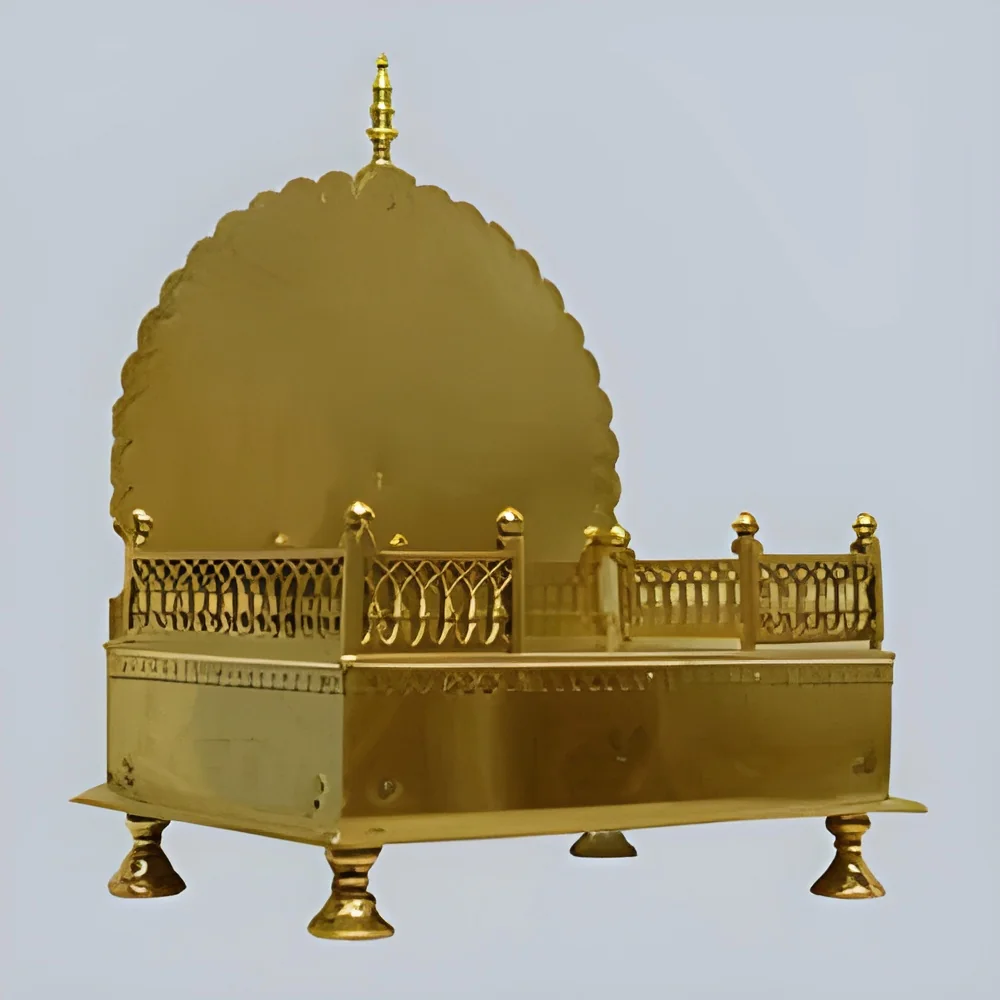
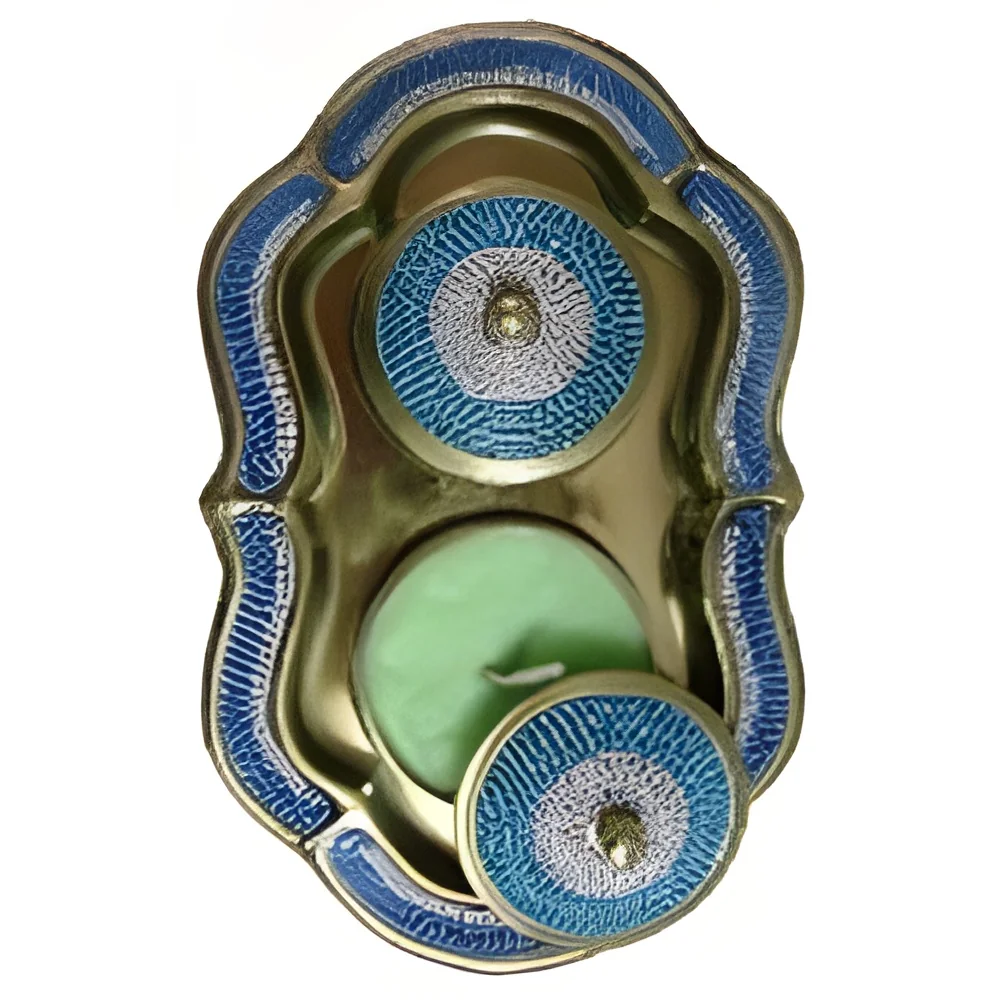
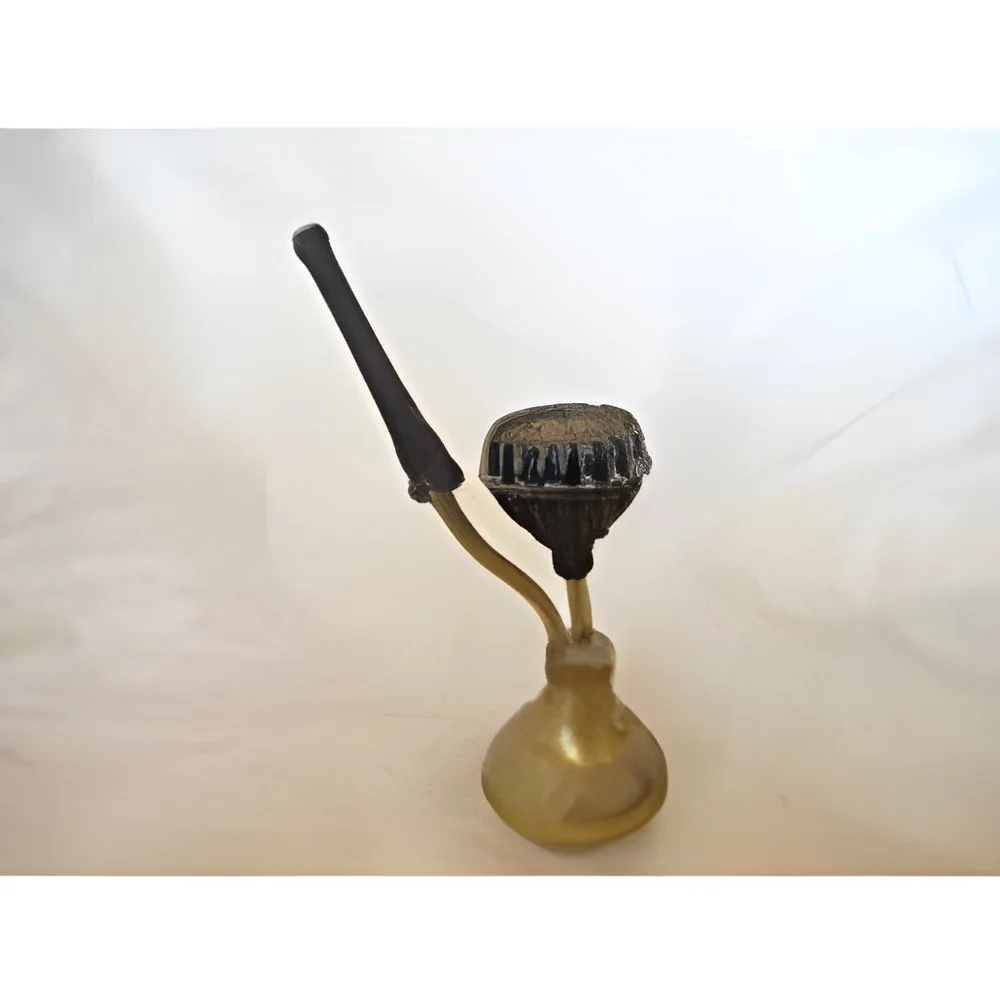
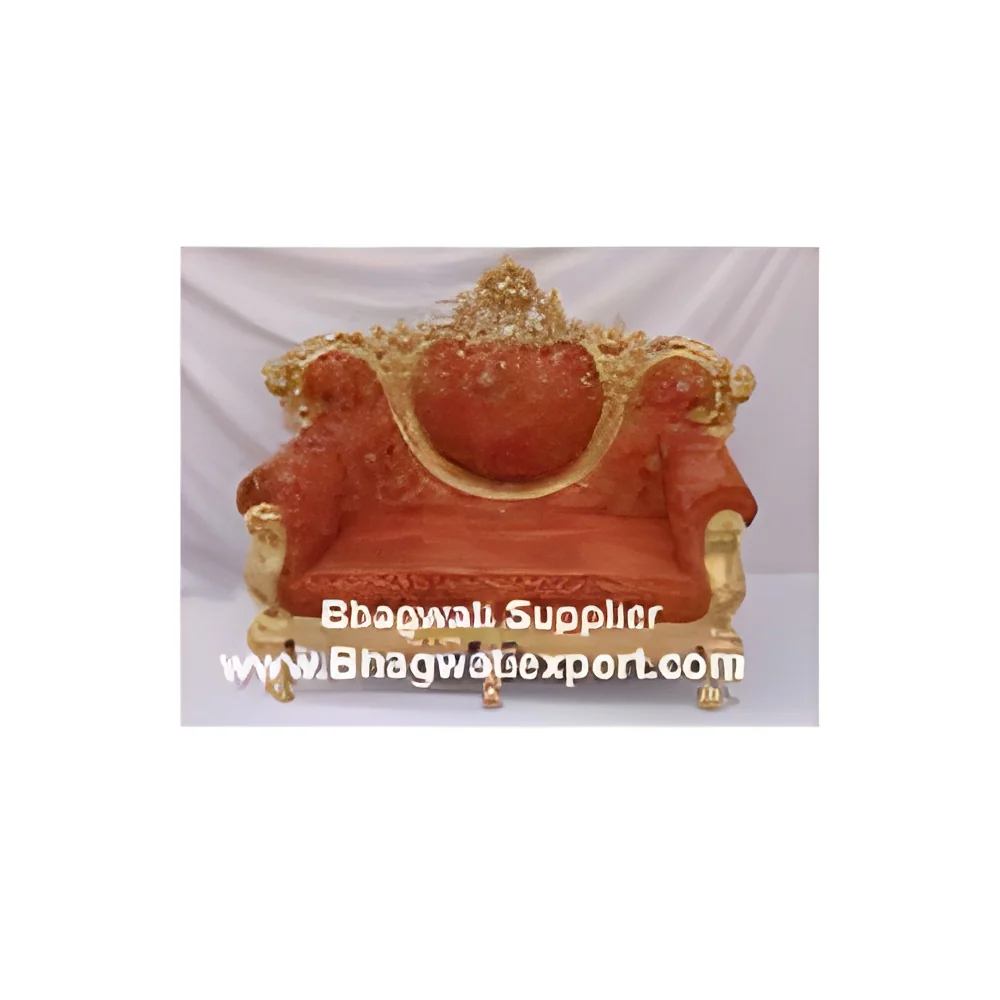
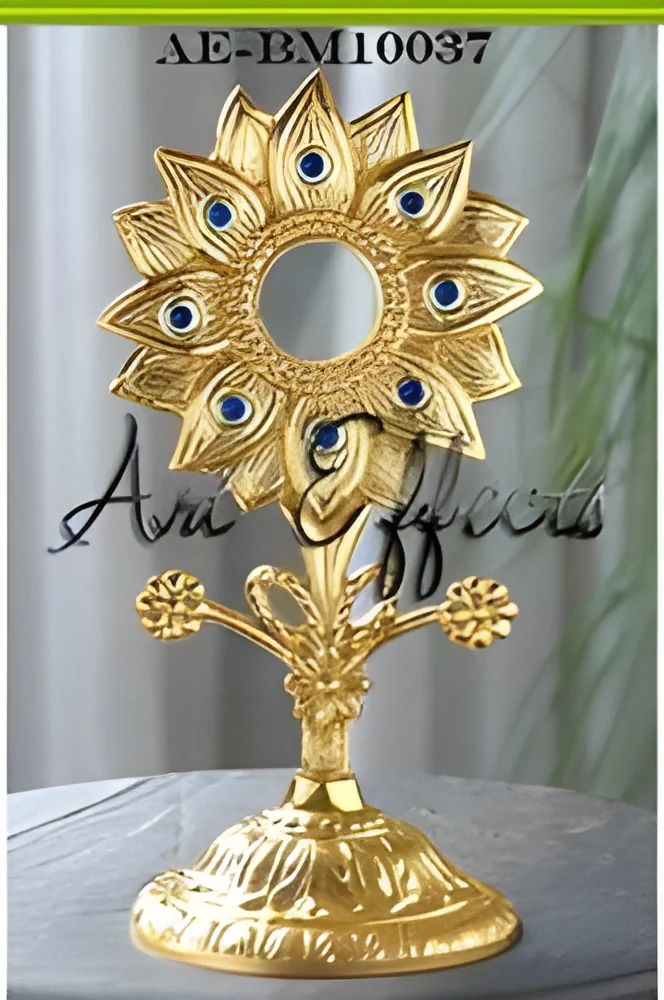
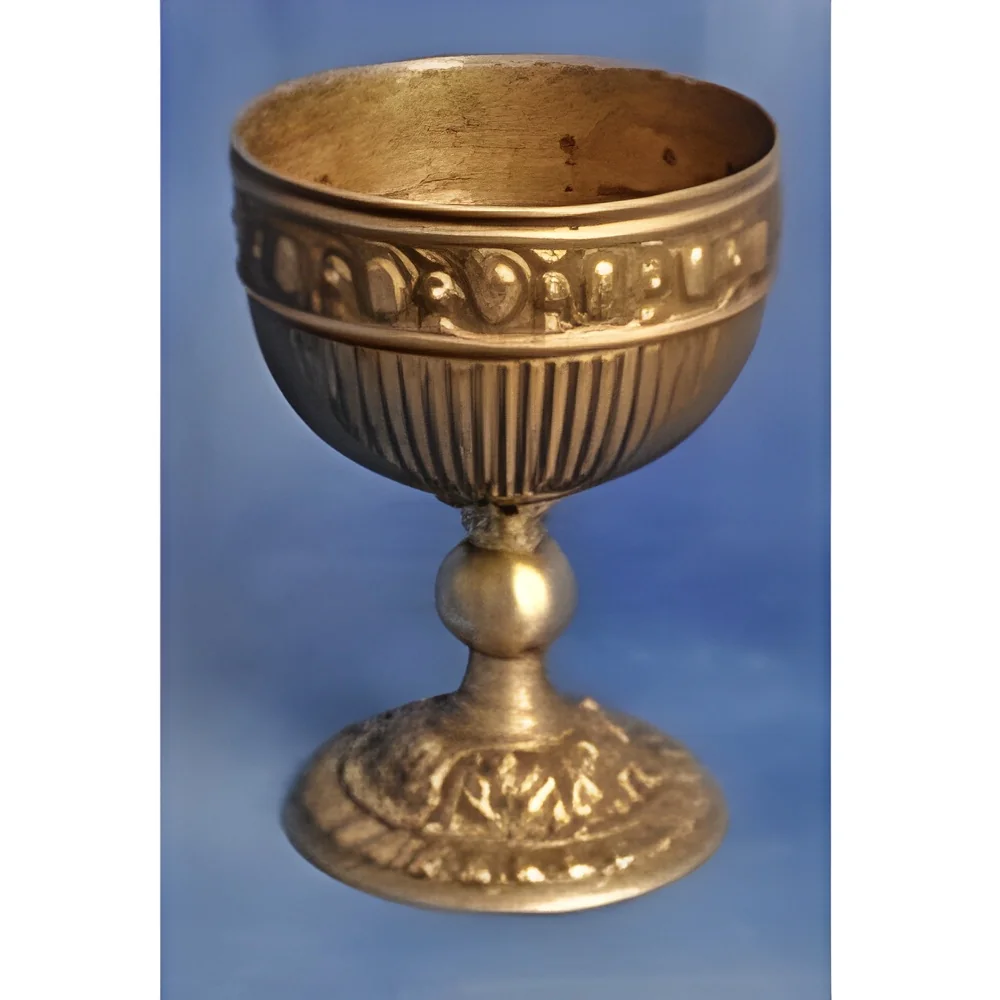
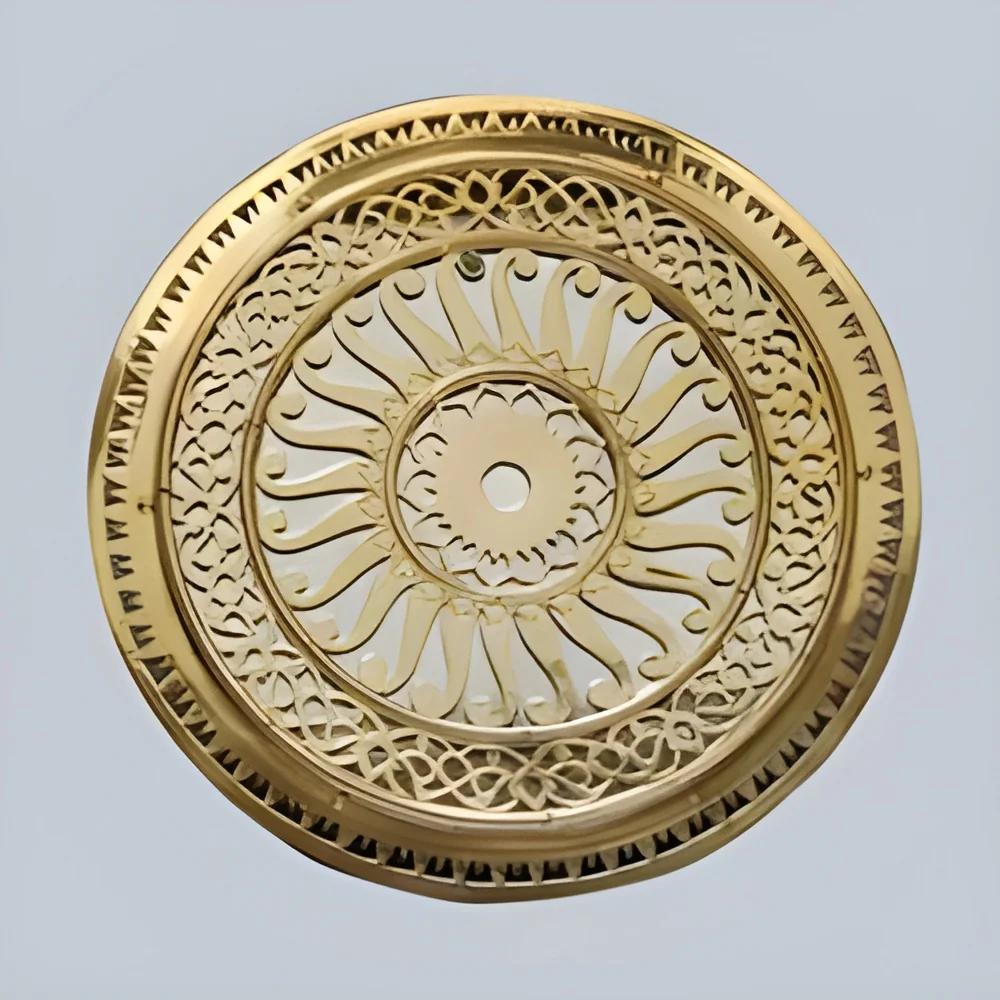
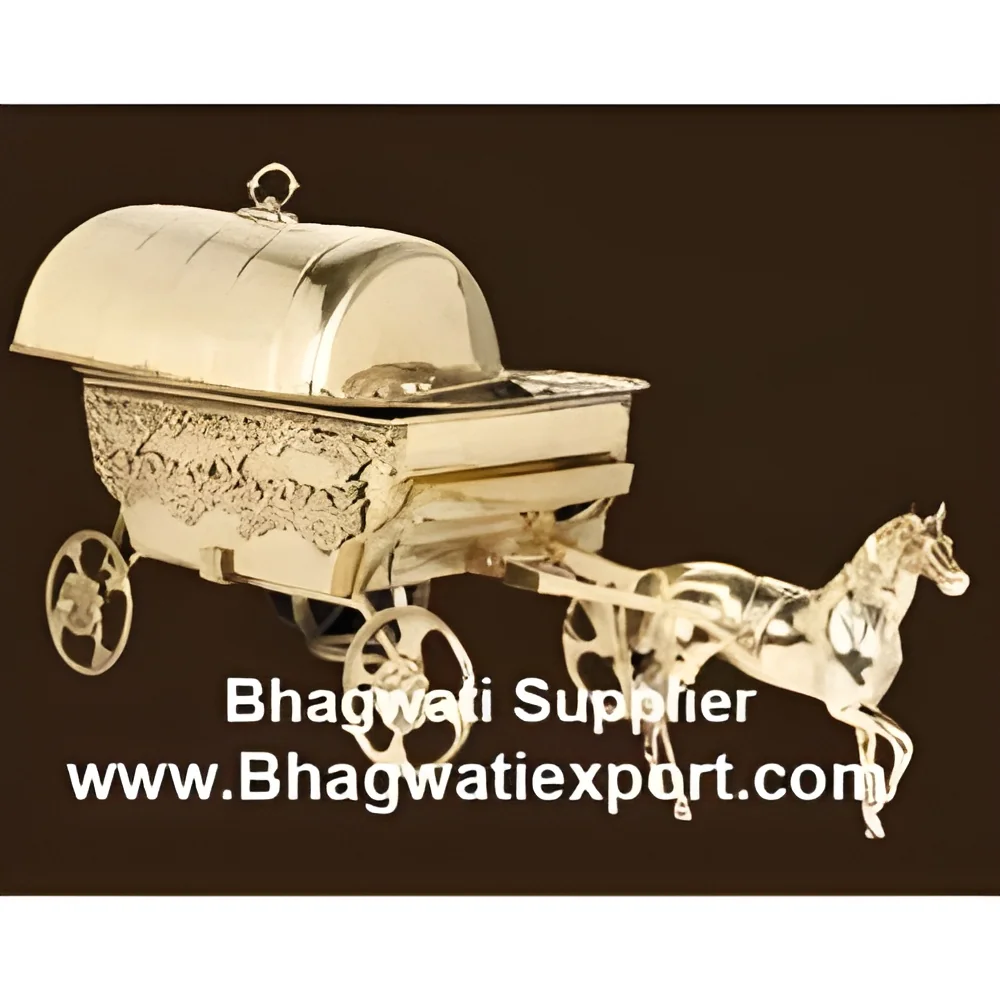
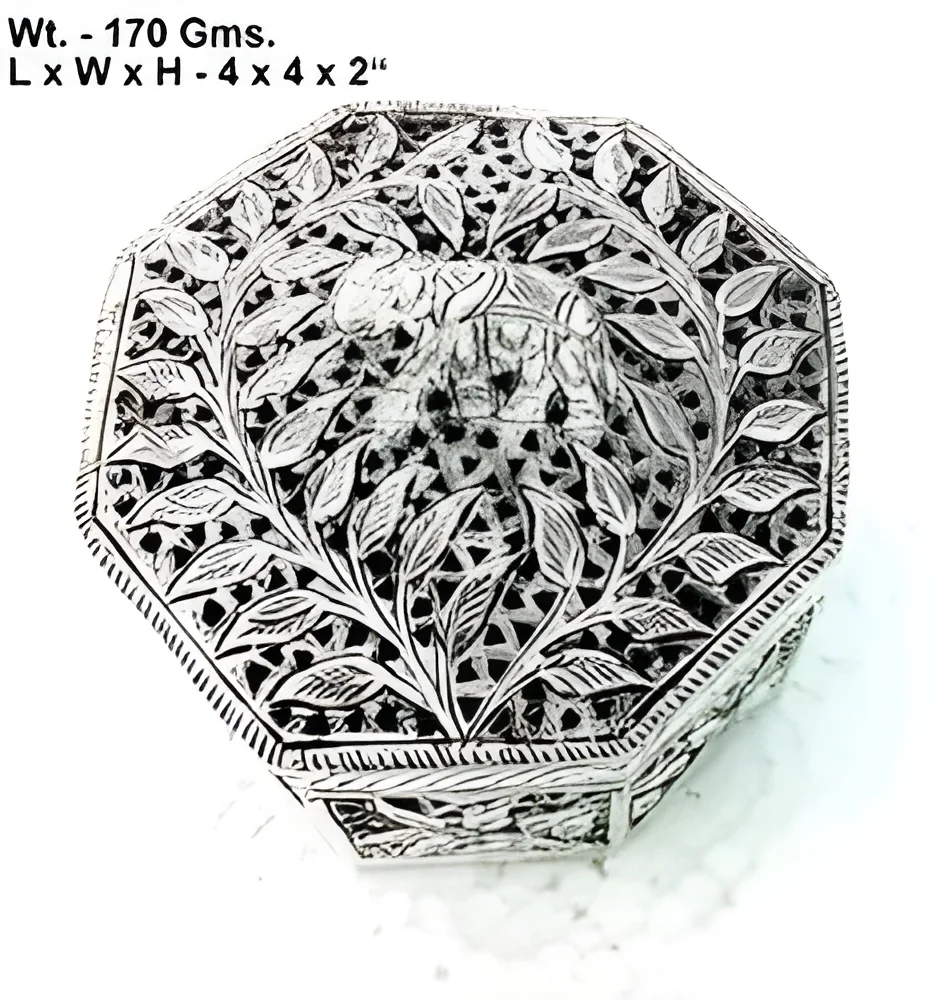
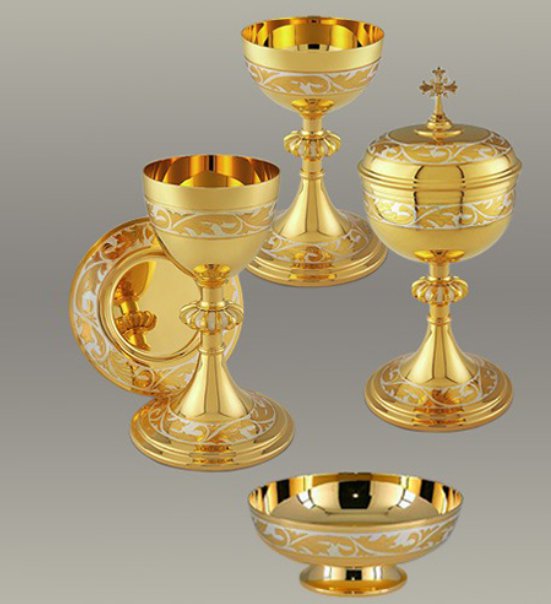
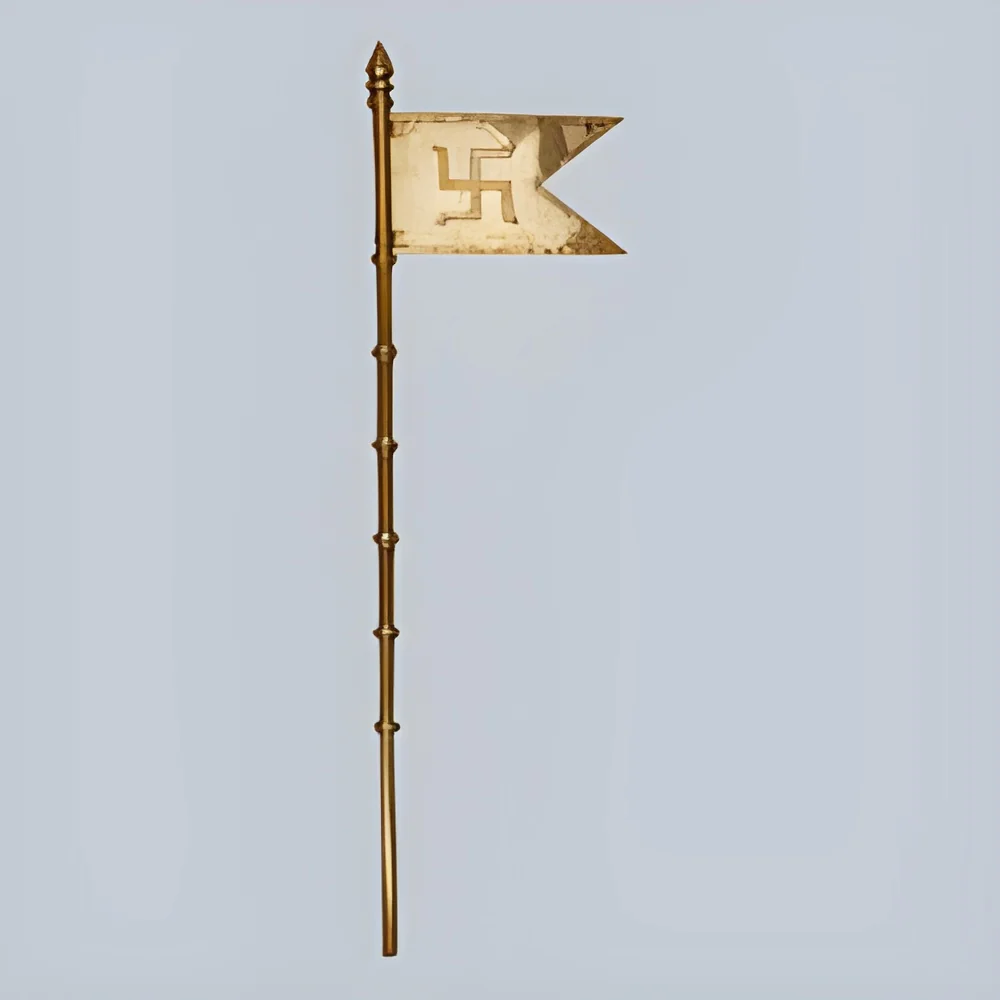
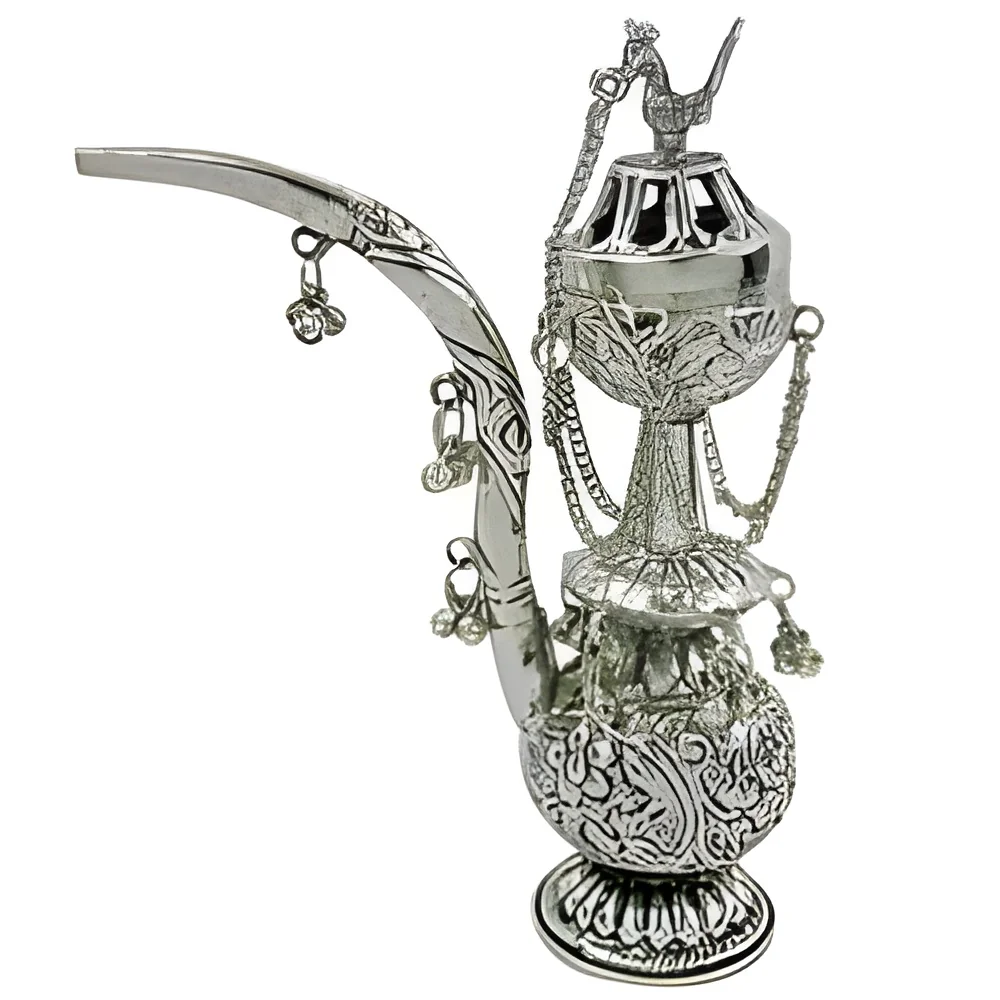
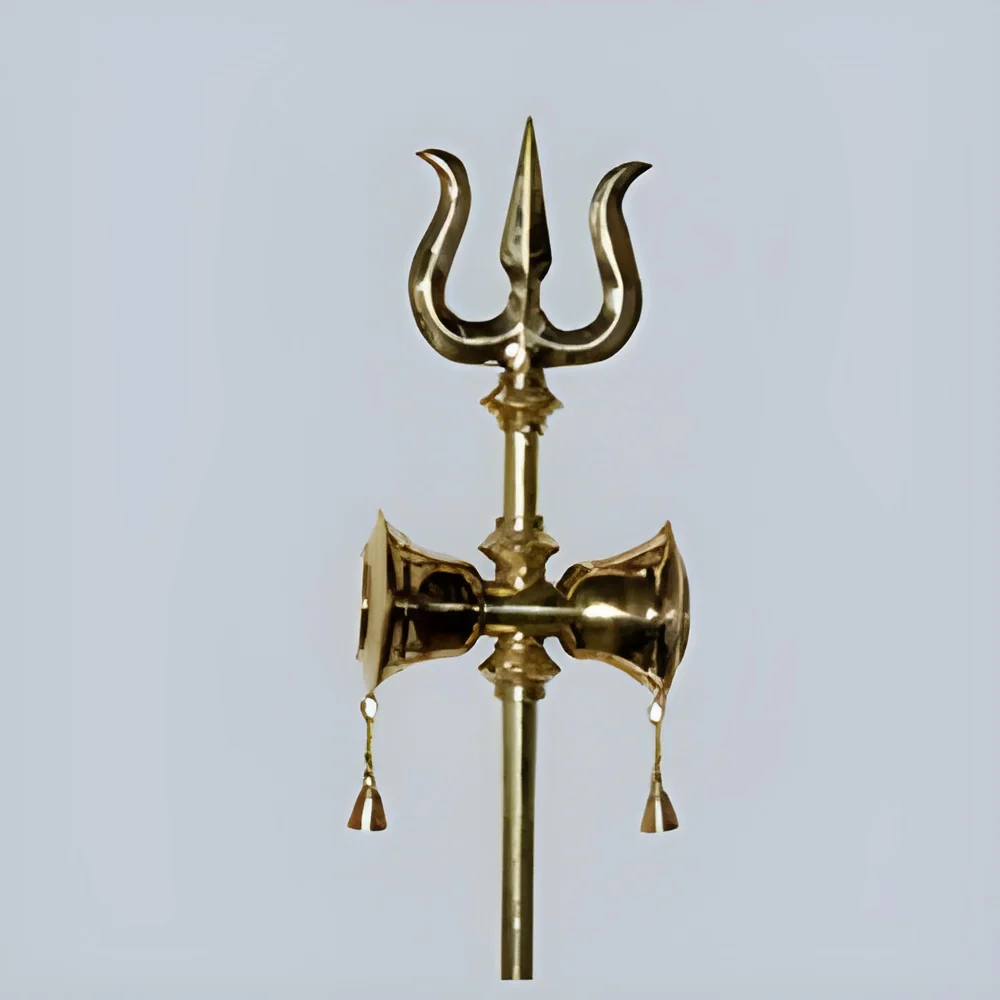
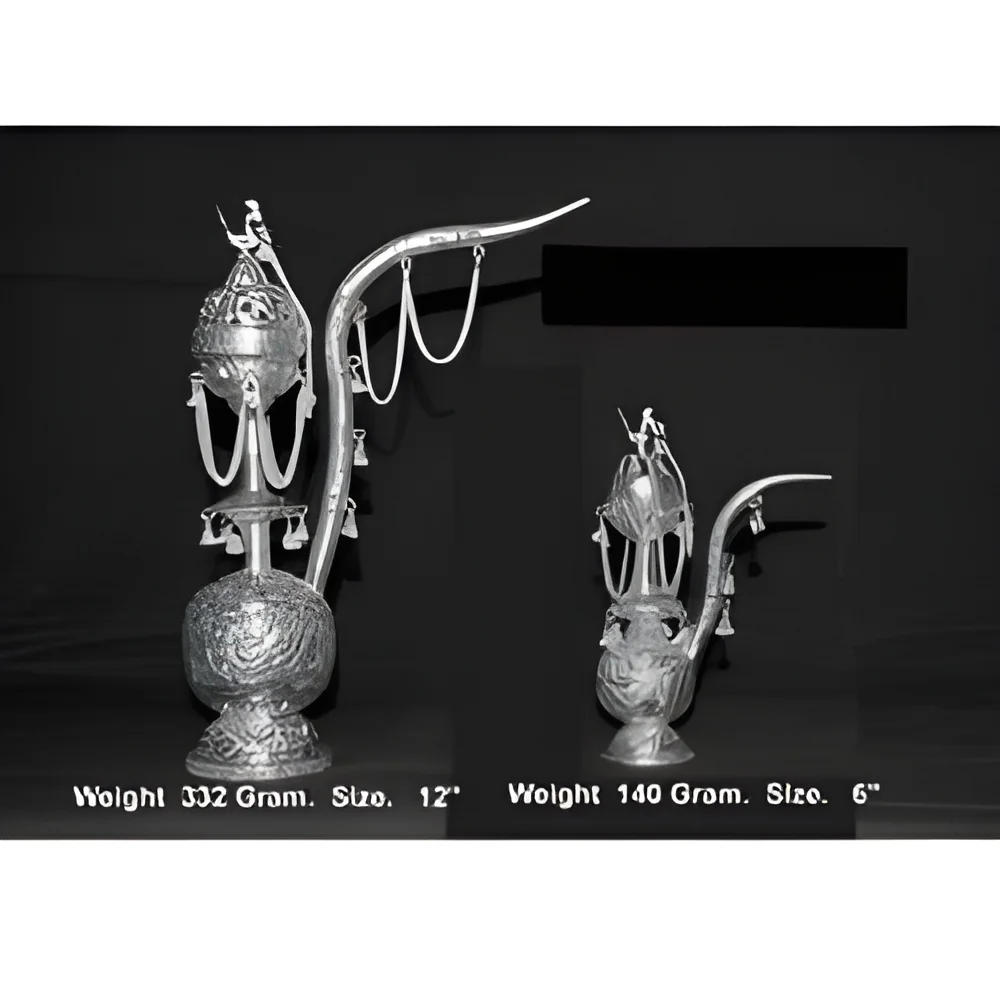
Brass and metal artifacts are decorative and functional items made primarily from brass, a copper-zinc alloy known for its durability and aesthetic appeal. These artifacts can range from intricate sculptures and wall hangings to practical items like hardware and fittings. The craftsmanship involved in creating these pieces often reflects a blend of traditional techniques and modern design principles, making them popular in both residential and commercial settings.
In the B2B context, brass and metal artifacts are widely used in various industries, including construction, interior design, and manufacturing. They serve as essential components in architectural projects, home décor, and even industrial applications. The versatility and charm of these artifacts enable businesses to enhance their product offerings and create unique selling propositions.
The market for brass and metal artifacts continues to expand, driven by growing consumer interest in artisanal and handcrafted items. As sustainability becomes a priority for many businesses, the use of metal artifacts, which can often be recycled, aligns with eco-friendly practices. This trend positions brass and metal artifacts as not only decorative but also as sustainable choices in various sectors.
Key Features and Specifications
Brass and metal artifacts come with several key features that enhance their appeal and functionality. These artifacts are designed with quality craftsmanship, ensuring durability and aesthetic value. When considering specifications, it is important to look at the following details that define the product's quality and usage.
Key specifications include:
1. Material Composition
- Typically made from brass, which offers corrosion resistance and durability.
- May include other metals for specific applications.
2. Finish Options
- Available in polished, brushed, or antique finishes to suit different design preferences.
- Finishes can impact the visual appeal and maintenance requirements.
3. Dimensions
- Custom sizes are available based on client specifications.
- Standard sizes may also be offered for common applications.
4. Weight
- Varies depending on the design and thickness of the material.
- Important for both aesthetic balance and functional use.
5. Design Complexity
- Can range from simple shapes to intricate designs, appealing to various markets.
- Custom designs can be created to meet specific customer needs.
6. Temperature Resistance
- Suitable for indoor and outdoor use, though specific temperature ranges are not defined.
- Heat resistance may vary based on the alloy used.
7. Compliance Standards
- Items may meet industry standards like CE for safety and quality.
- Compliance with regional regulations may vary.
In summary, understanding these specifications helps buyers make informed purchasing decisions that align with their project requirements.
Common Applications and Use Cases
Brass and metal artifacts find applications across a broad spectrum of industries due to their versatility and aesthetic appeal.
1. Interior Design: Brass artifacts are often used in interior design for decorative purposes. They can enhance the visual appeal of spaces, from residential homes to commercial establishments.
2. Construction: In the construction industry, brass fittings and hardware are commonly utilized. They offer durability and resistance to corrosion, making them ideal for long-lasting applications.
3. Hospitality: Hotels and restaurants often use brass and metal artifacts as part of their décor. These items contribute to a sophisticated atmosphere and can serve functional purposes as well.
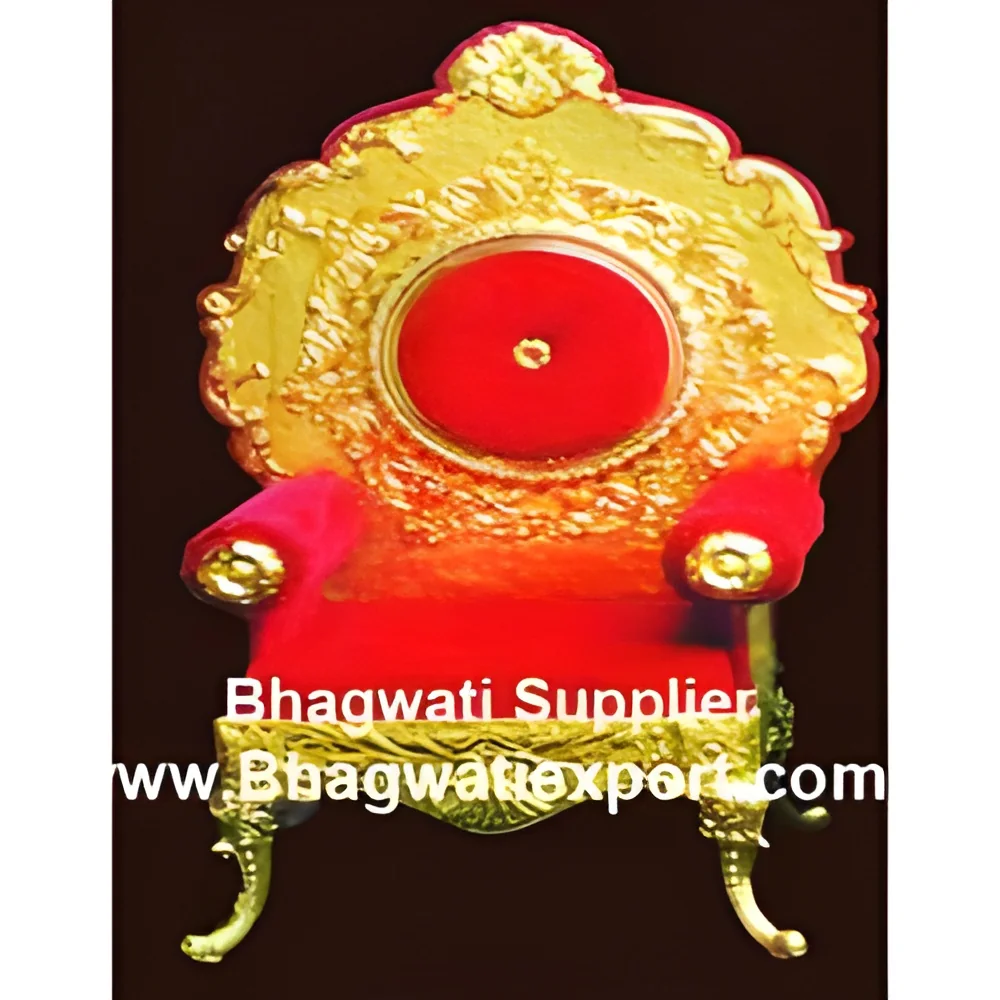
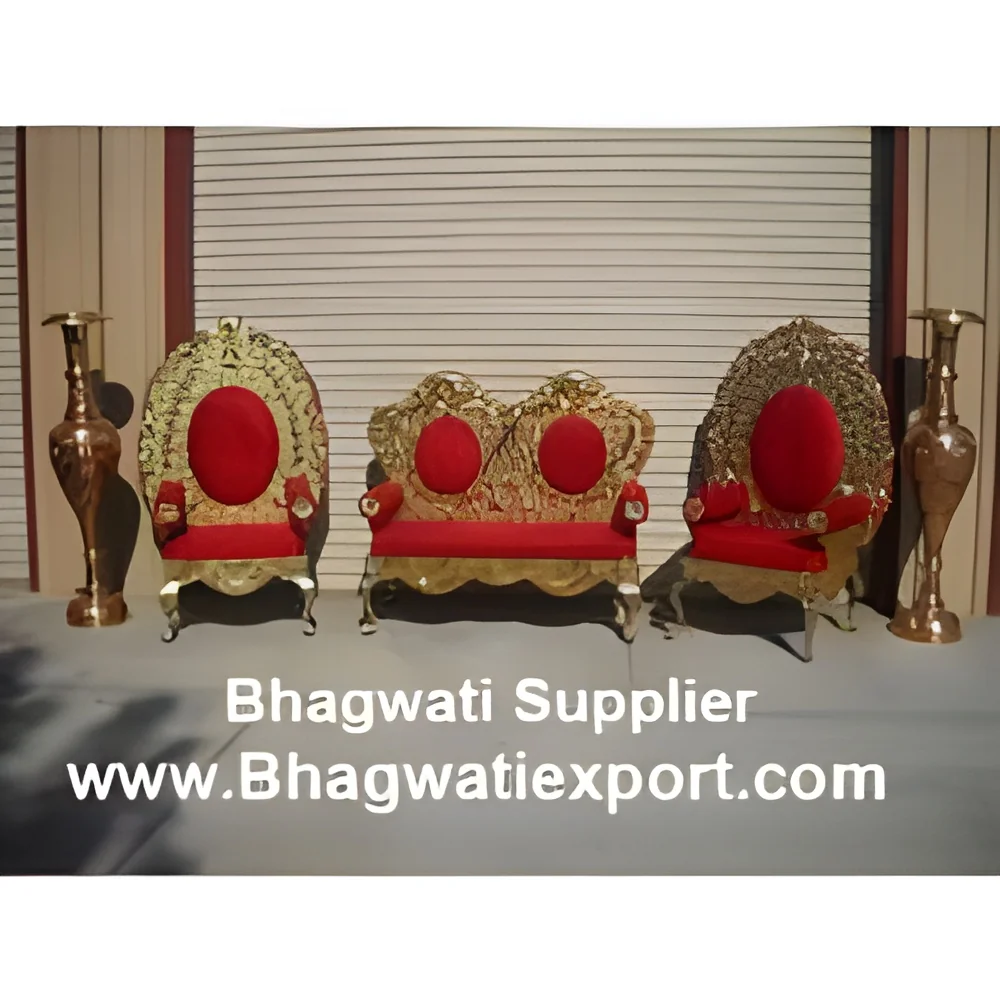
4. Furniture Manufacturing: Brass accents in furniture design add elegance and style. They are used in both traditional and contemporary furniture pieces.
5. Art and Collectibles: Many artists and artisans create unique brass sculptures and collectibles. These items are sought after by collectors and can serve as investment pieces.
6. Automotive: Brass components are used in automotive applications for their strength and resistance to wear, contributing to the longevity of parts.
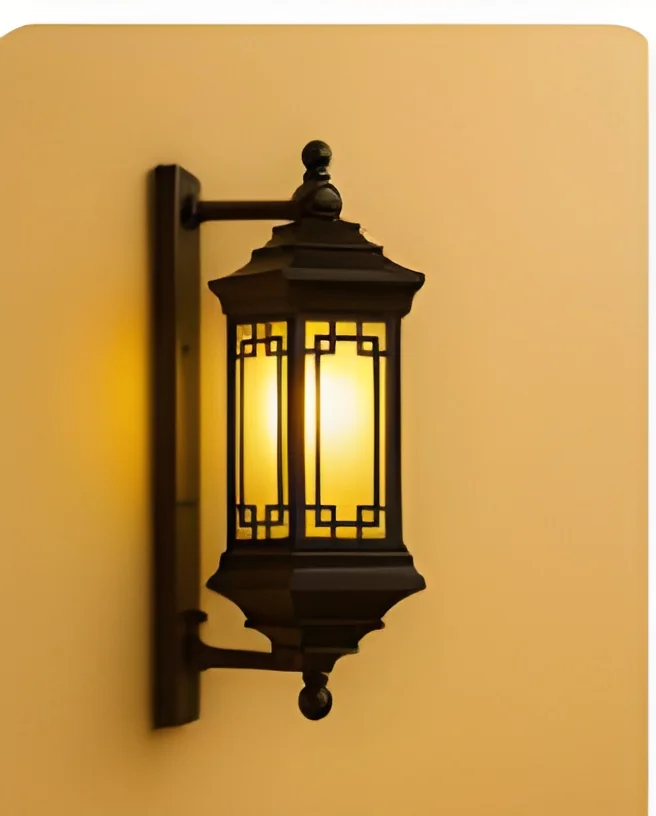
7. Lighting Fixtures: Brass is commonly used in lighting design, providing a classic look that complements various interior styles.
Product Variants and Subcategories
Brass and metal artifacts offer diversity in design and function, catering to different needs and preferences in the market.
Decorative Sculptures: These artifacts are often hand-crafted and designed for aesthetic appeal. They may depict various themes, from nature to abstract forms, making them perfect for art collectors or interior decorators.
Architectural Elements: Brass fittings, railings, and moldings serve both functional and decorative purposes in architecture. They add a touch of elegance while ensuring structural integrity.
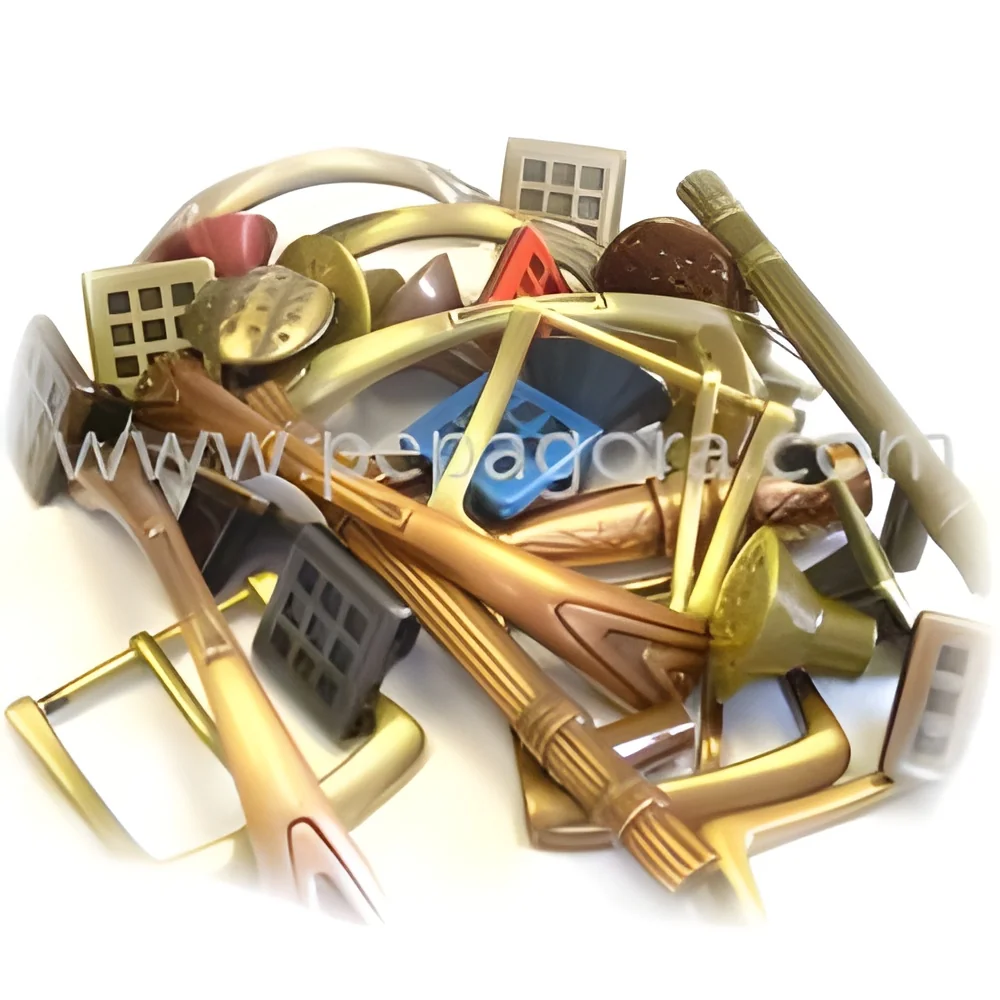
Custom Hardware: Tailored brass hardware solutions can be designed for specific applications, such as door knobs, hinges, and handles. These custom pieces enhance both functionality and style in various settings.
Wall Art: Brass wall hangings and decorations can serve as focal points in a room. They can be designed to match specific themes or color schemes, adding personality to the space.
Furniture Accessories: Brass elements such as handles and legs are used in furniture design to enhance the overall aesthetic. These accessories can transform ordinary furniture pieces into statement items.
Benefits and Advantages
Sourcing brass and metal artifacts offers several advantages for businesses looking to enhance their product offerings.
1. Durability: Brass is known for its strength and resistance to corrosion, making it a long-lasting choice for various applications.
2. Aesthetic Appeal: The warm tones and intricate designs of brass artifacts add elegance to any space, enhancing the overall look of products.
3. Customization: Many manufacturers offer customization options, allowing businesses to create unique products that meet specific client needs.
4. Sustainability: Brass is recyclable, making it an environmentally friendly option that aligns with sustainable business practices.
5. Versatility: Brass and metal artifacts can be used in a variety of industries, making them a flexible choice for many applications.
6. Low Maintenance: Brass artifacts generally require minimal maintenance, allowing businesses to provide hassle-free products to their customers.
Buying Guide for B2B Buyers
When sourcing brass and metal artifacts, B2B buyers should consider several important factors to ensure they make informed purchasing decisions.
1. Quality Assessment: Evaluate the craftsmanship and material quality of the artifacts. Look for items that meet established industry standards to ensure durability and reliability.
2. Supplier Verification: Vet suppliers by checking their reputation and past client reviews. A reliable supplier can provide consistent quality and timely delivery.
3. Pricing and MOQ: Understand the pricing structure and minimum order quantities. Compare quotes from multiple suppliers to find the best deal without compromising on quality.
4. Delivery and Lead Times: Consider logistics and shipping times when placing orders. Ensure that suppliers can meet your project timelines.
5. Compliance Requirements: Be aware of any regulatory standards related to the artifacts. Ensure that products comply with safety and quality certifications relevant to your industry.
Compliance and Certifications
Brass and metal artifacts must adhere to various compliance standards to ensure safety and quality. Relevant quality standards such as ISO 9001 help guarantee that products meet customer expectations and regulatory requirements.
Industry certifications, like CE marking, indicate that products comply with European health, safety, and environmental protection standards. This certification is important for businesses looking to sell in the European market.
In addition to these certifications, manufacturers may need to meet safety and testing requirements based on their specific applications. This could include mechanical strength tests or corrosion resistance assessments.
Regional compliance considerations may vary, depending on the market where the artifacts will be sold. Buyers should ensure that the products they source meet the necessary regulations in their target regions to avoid legal issues.
Why Source Brass & Metal Artifacts from Pepagora?
Pepagora offers a trusted platform for sourcing brass and metal artifacts, providing several key advantages for B2B buyers.
Verified Supplier Network: Our platform includes a network of verified suppliers who meet stringent quality standards. This ensures that buyers can source high-quality products with confidence.
Streamlined RFQ Process: The request for quotation (RFQ) process on Pepagora is designed to be efficient, allowing buyers to receive multiple quotes quickly. This competitive pricing helps businesses maximize their budgets.
Trade Assurance and Support: Pepagora offers trade assurance, providing buyers with protection against order discrepancies. Our dedicated support team is available to assist with any inquiries throughout the purchasing process.
Regional Coverage: With a strong presence in regions such as India, the GCC, and Southeast Asia, Pepagora connects buyers with local suppliers, facilitating smoother transactions and shorter lead times. This broad geographic reach enhances accessibility for businesses looking to source brass and metal artifacts globally.

 IN
IN