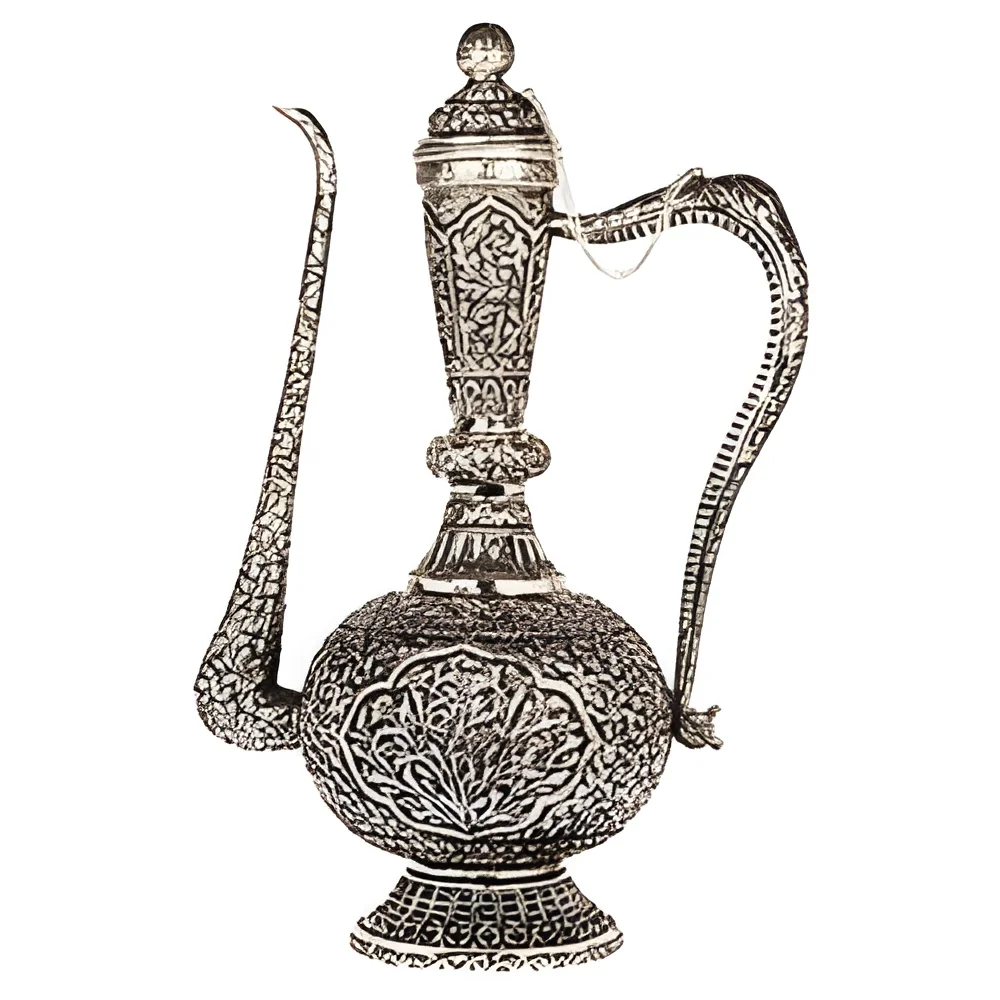
What are Upcycled Craft Items?
Upcycled craft items are products created from discarded materials that have been transformed into new, functional, or decorative items. This process not only reduces waste but also contributes to sustainability efforts by giving a second life to materials that would otherwise end up in landfills. Upcycled craft items can include a wide range of products, such as home decor, fashion accessories, and art supplies, all made from previously used materials.
These items are primarily used in industries focused on sustainability, craft supplies, and gift products. Businesses often utilize upcycled craft items to appeal to environmentally conscious consumers. They are also popular in educational settings, where they can be used for creative projects that promote recycling and environmental awareness. In recent years, the market for upcycled products has grown significantly, driven by increasing consumer demand for sustainable goods and a greater emphasis on corporate social responsibility.
As the market evolves, upcycled craft items have gained relevance across various sectors, including retail, education, and home goods. The ongoing push for sustainability and reduced environmental impact makes upcycled products an attractive option for businesses looking to enhance their brand image and meet consumer expectations.
Key Features and Specifications
Upcycled craft items come with several key features that distinguish them from traditional craft supplies. These features often highlight their sustainability, uniqueness, and versatility.
Key specifications include:
1. Material Composition
- Composed of previously used materials
- Varied types, including fabric, paper, plastic, and metal
2. Design Flexibility
- Available in various designs and styles
- Customization options may be available
3. Environmental Impact
- Reduces landfill waste and promotes recycling
- Lowers carbon footprint compared to new materials
4. Durability
- Varies by material but generally designed for longevity
- Often treated for enhanced resilience
5. Aesthetic Appeal
- Unique designs due to the nature of upcycling
- Often features a rustic or artistic look
6. Safety Standards
- Compliance with relevant safety standards
- Typically non-toxic materials used
7. Production Processes
- Often handcrafted or produced in small batches
- May involve community-based production methods
8. Pricing Range
- Typically affordable with variations based on complexity
- Price may reflect craftsmanship and uniqueness
These specifications make upcycled craft items an attractive choice for businesses looking to incorporate sustainable practices into their operations.
Common Applications and Use Cases
Upcycled craft items serve various industries and applications, making them versatile for multiple business needs.
1. Retail: Many retailers incorporate upcycled craft items into their product lines to attract eco-conscious consumers. These items can include jewelry, bags, and home decor.
2. Education: Schools and educational organizations use upcycled materials for art projects and workshops. This promotes creativity while teaching students about sustainability.
3. Event Planning: Upcycled craft items are popular in event planning for decorations and favors. They provide a unique touch while aligning with environmentally friendly practices.
4. Home Improvement: Interior designers use upcycled materials to create one-of-a-kind furnishings and decor, appealing to clients looking for sustainable options.
5. Gift and Novelty Items: Upcycled craft items are often marketed as unique gift options. Their distinctiveness makes them ideal for special occasions.
6. Fashion: The fashion industry increasingly embraces upcycled materials for clothing and accessories, promoting a sustainable approach to style.
7. Art and Craft: Artists utilize upcycled materials for various creative projects, enhancing their work’s narrative around sustainability.
Product Variants and Subcategories
Upcycled craft items encompass a diverse range of products that cater to different consumer preferences and business needs.
Upcycled Fabric Products
These items include bags, quilts, and clothing made from repurposed textiles. They often feature unique patterns and designs, appealing to fashion-forward consumers.
Upcycled Home Decor
This category includes wall art, furniture, and decorative pieces made from discarded materials. These products offer a rustic charm and are popular in boutique stores.
Upcycled Stationery
Comprising notebooks, greeting cards, and other paper products, these items are made from recycled paper and materials, making them ideal for eco-conscious consumers.
Upcycled Jewelry
Crafted from materials like old electronics or discarded metals, these pieces offer a unique aesthetic while promoting sustainability in fashion.
Benefits and Advantages
Upcycled craft items provide numerous benefits for businesses and consumers alike.
1. Environmental Sustainability: By using discarded materials, these products contribute to reducing waste and promoting recycling efforts.
2. Unique Offerings: Each upcycled craft item is often one-of-a-kind, providing consumers with distinctive products that stand out in the market.
3. Cost-Effective: Sourcing materials for upcycling can be more affordable than purchasing new materials, resulting in potential cost savings for businesses.
4. Positive Brand Image: Companies that incorporate upcycled products can enhance their reputation by demonstrating a commitment to sustainability.
5. Creativity and Innovation: Upcycling encourages creative thinking and innovation, leading to unique designs and ideas that can attract consumer interest.
6. Community Support: Many upcycled products are produced by local artisans or community groups, supporting local economies and craftsmanship.
Buying Guide for B2B Buyers
When sourcing upcycled craft items, businesses should consider several important factors to ensure they make informed purchasing decisions.
1. Quality Assessment: It is crucial to evaluate the quality of upcycled craft items. Buyers should inspect materials and craftsmanship to ensure durability and aesthetic appeal.
2. Supplier Verification: Vetting suppliers is essential. Buyers should check for reviews, certifications, and previous work to ensure they are partnering with reputable manufacturers.
3. Pricing and MOQ: Understanding pricing structures and minimum order quantities (MOQ) is vital for budget management. Buyers should compare prices across suppliers to find the best deals.
4. Delivery and Lead Times: Logistics play a significant role in sourcing. Buyers should clarify delivery timelines and ensure the supplier can meet their scheduling needs.
5. Compliance Requirements: It is important to be aware of any regulatory standards that apply to upcycled craft items, particularly in specific industries or regions.
Compliance and Certifications
Upcycled craft items must meet various compliance and certification standards to ensure safety and quality.
Relevant quality standards, such as ISO 9001, emphasize the importance of maintaining consistent quality in production processes. Compliance with HACCP guidelines is also crucial, particularly if the items are intended for use in environments where safety is paramount.
Industry certifications, such as CE marking, indicate that products meet European health, safety, and environmental protection requirements. This certification is essential for companies looking to export or sell products in European markets.
Safety and testing requirements are significant considerations for upcycled craft items, especially if they are intended for children's use or other sensitive applications.
Additionally, regional compliance considerations may vary, highlighting the importance of understanding local regulations that impact the manufacturing and sale of upcycled products.
Why Source Upcycled Craft Items from Pepagora?
Pepagora provides a trusted platform for sourcing upcycled craft items with several key advantages.
Verified Supplier Network: Pepagora features a robust network of verified suppliers, ensuring that buyers can confidently source high-quality upcycled products. Each supplier undergoes a thorough vetting process to guarantee reliability and quality.
Streamlined RFQ Process: The platform offers a streamlined Request for Quotation (RFQ) process, making it easy for buyers to request pricing and details from multiple suppliers quickly. This efficiency helps businesses save time and find the best options available.
Trade Assurance and Support: Pepagora provides trade assurance and buyer protection to ensure a secure purchasing experience. This support fosters trust between buyers and suppliers, encouraging long-term partnerships.
Regional Coverage: With a broad geographic reach encompassing India, the GCC, and Southeast Asia, Pepagora connects buyers with suppliers across diverse markets. This extensive coverage helps businesses find unique upcycled craft items tailored to their specific needs.

 IN
IN