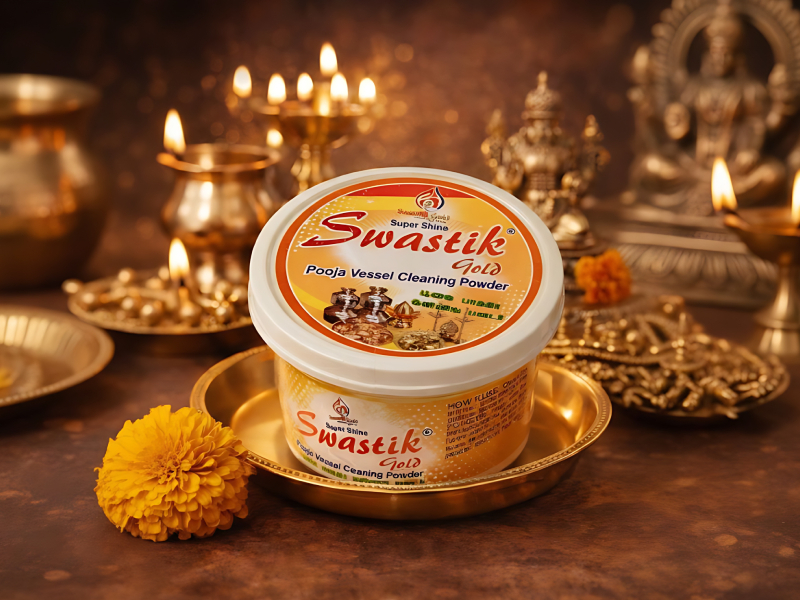
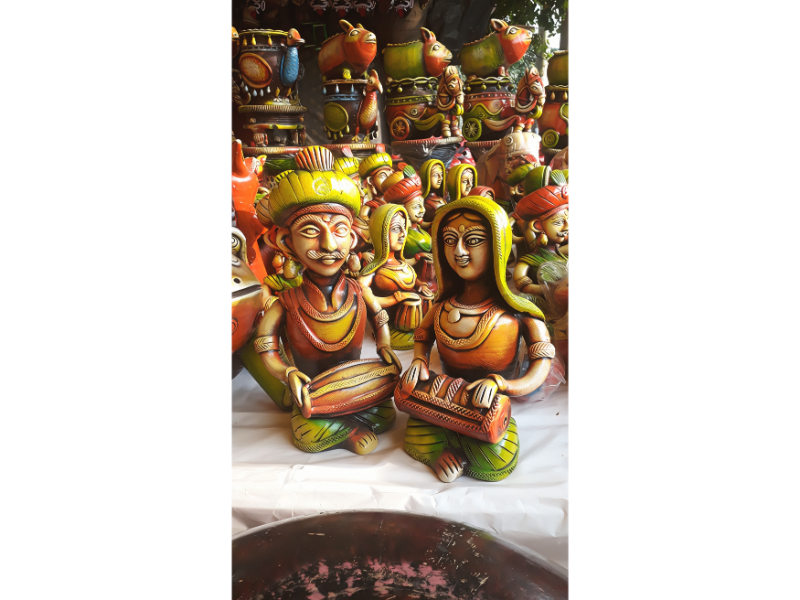
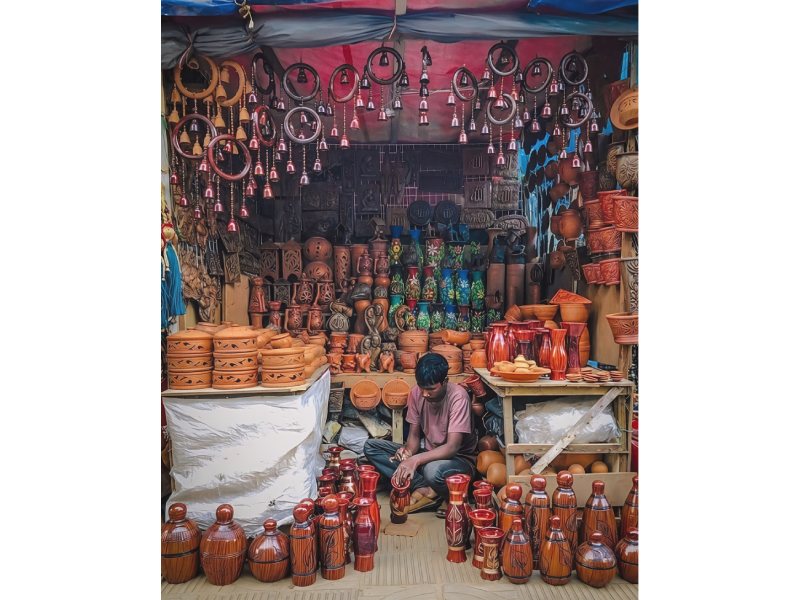
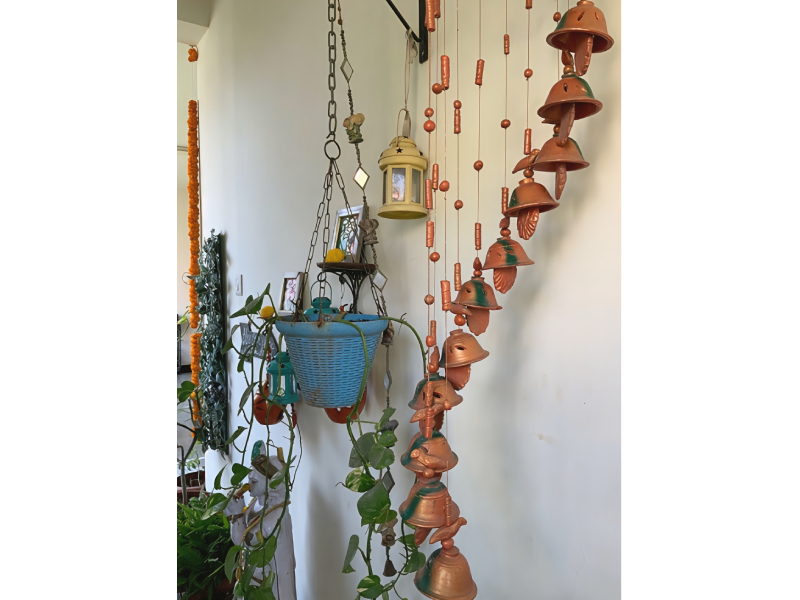
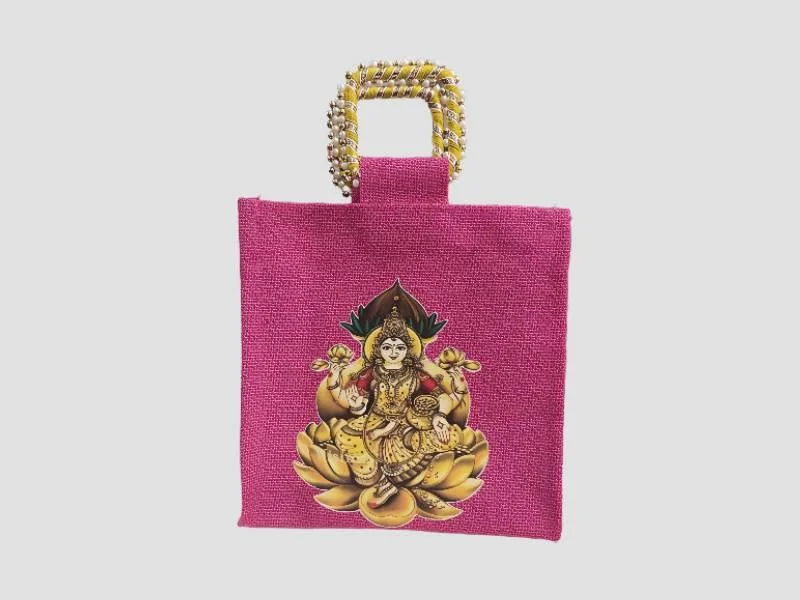
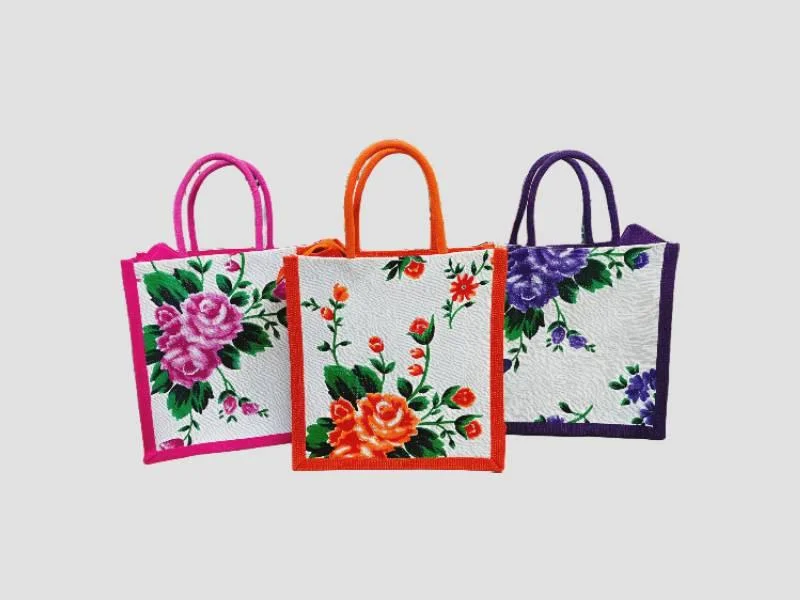
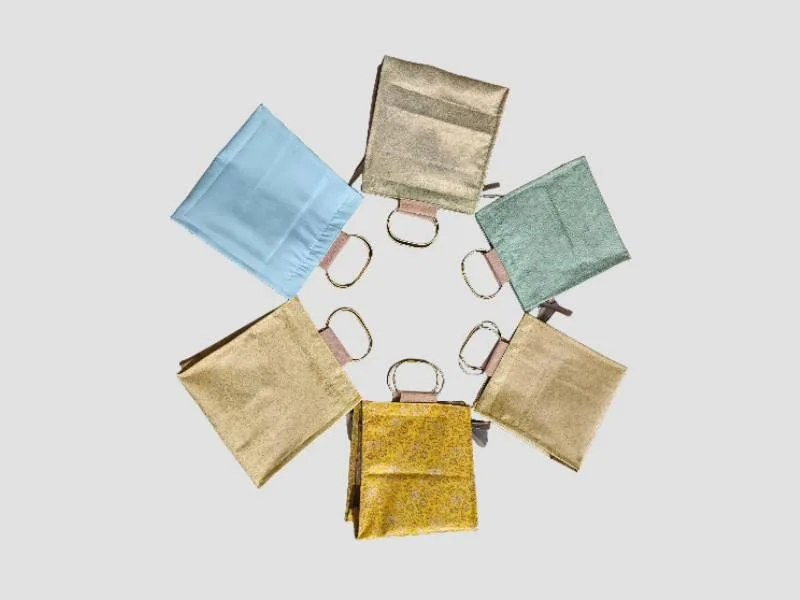
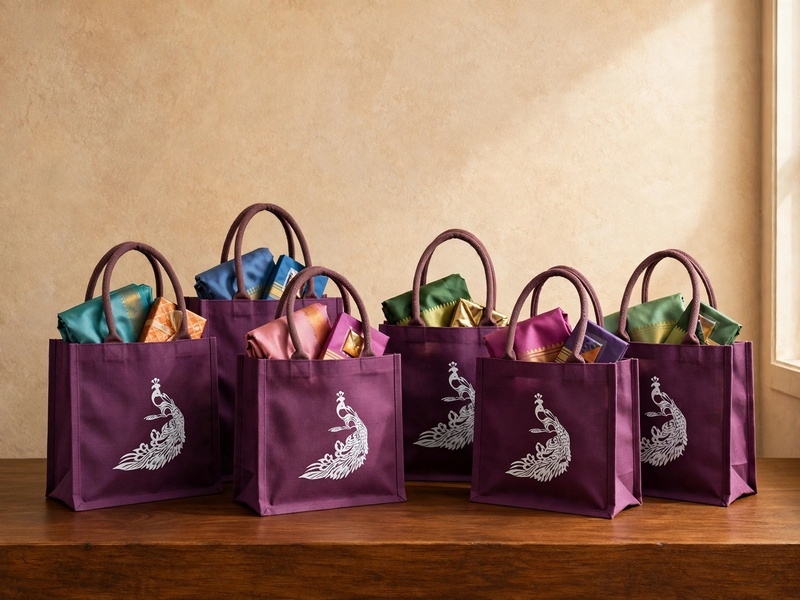
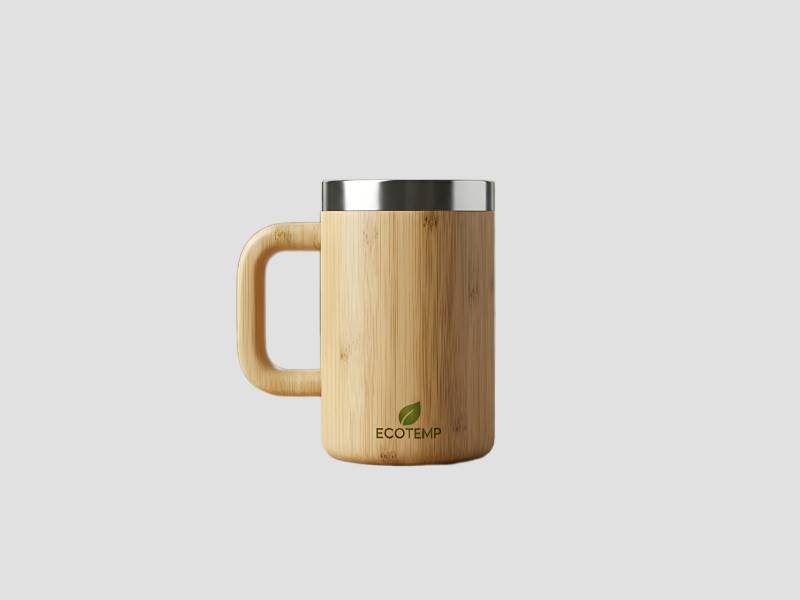
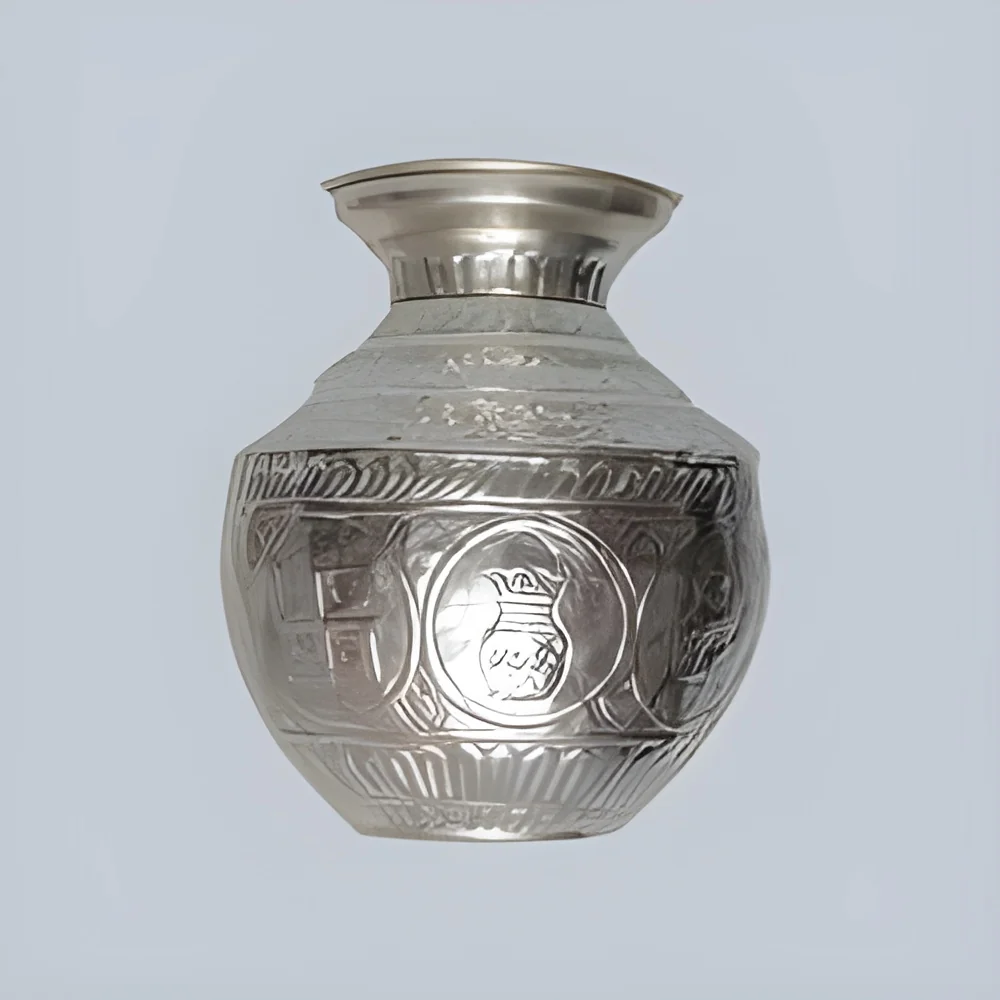
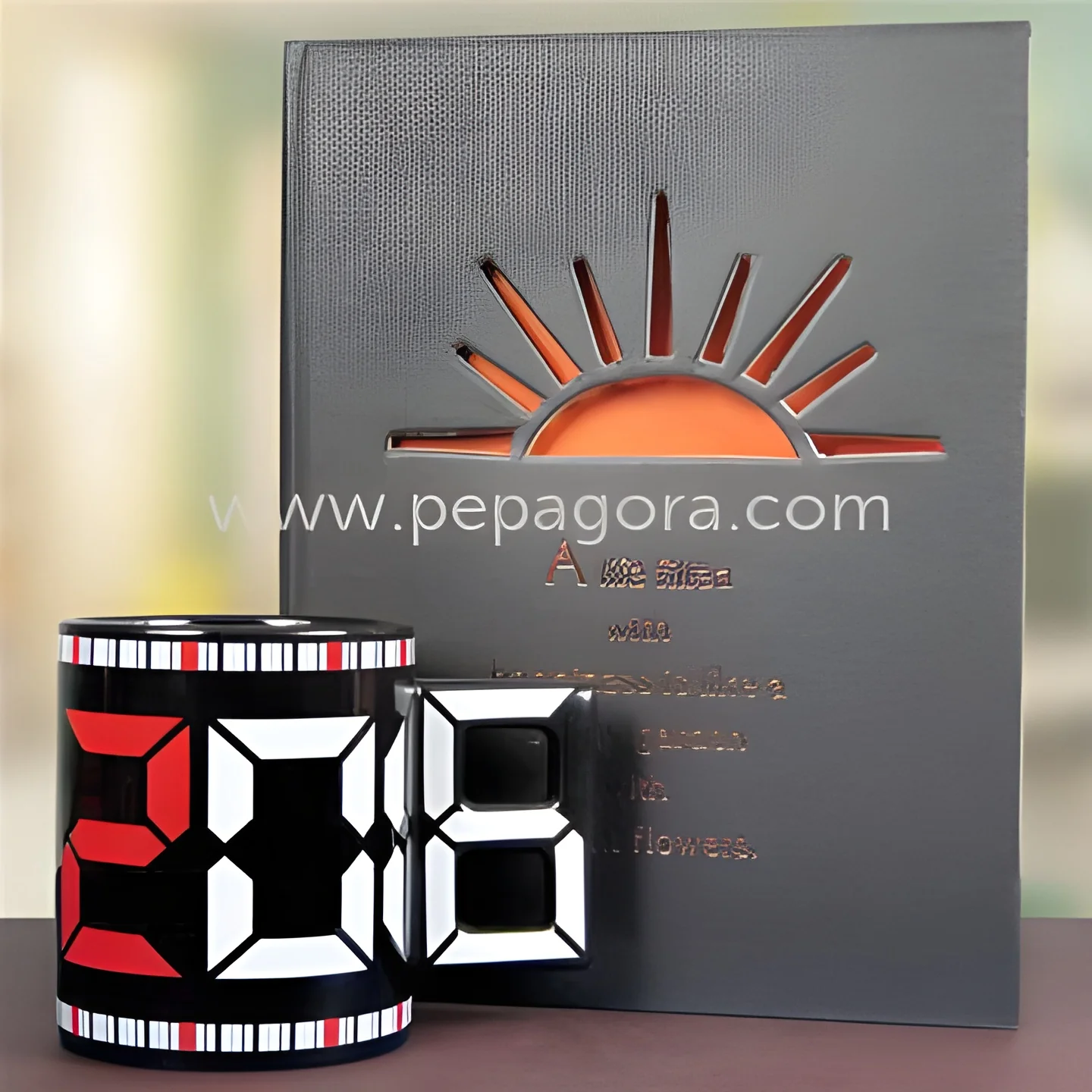
𝗪𝗵𝗮𝘁 𝗮𝗿𝗲 𝗚𝗶𝗳𝘁 𝗜𝘁𝗲𝗺𝘀 & 𝗛𝗮𝗻𝗱𝗶𝗰𝗿𝗮𝗳𝘁𝘀?
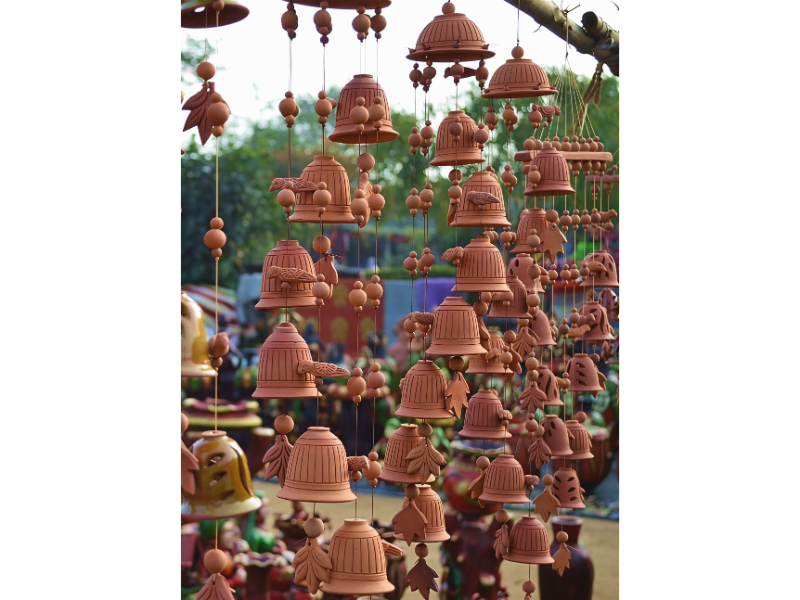
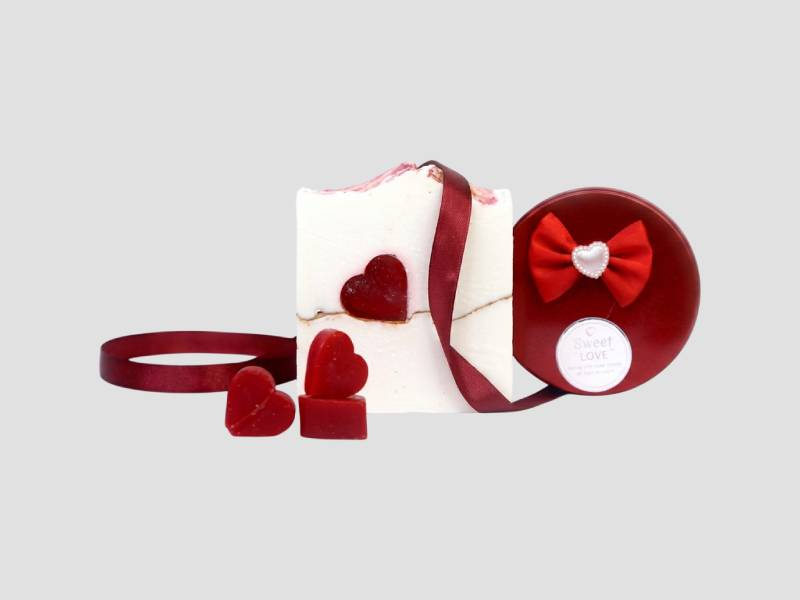
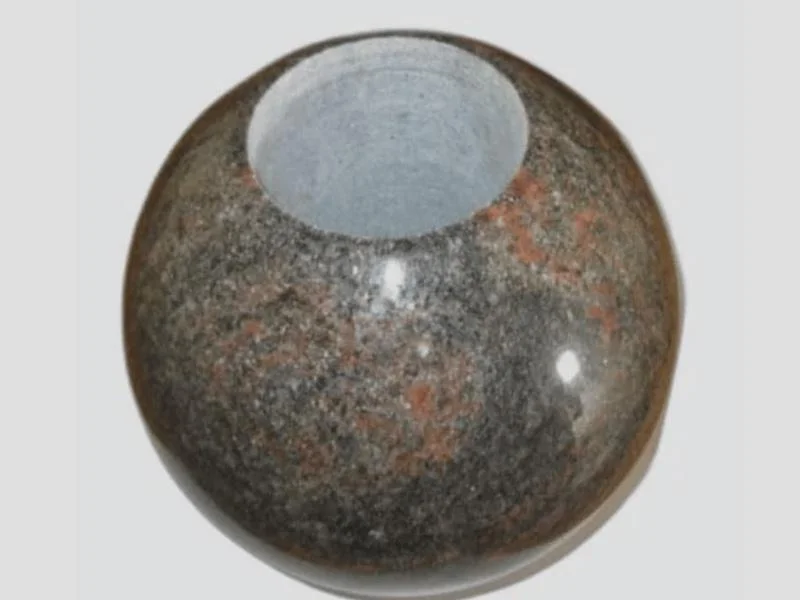
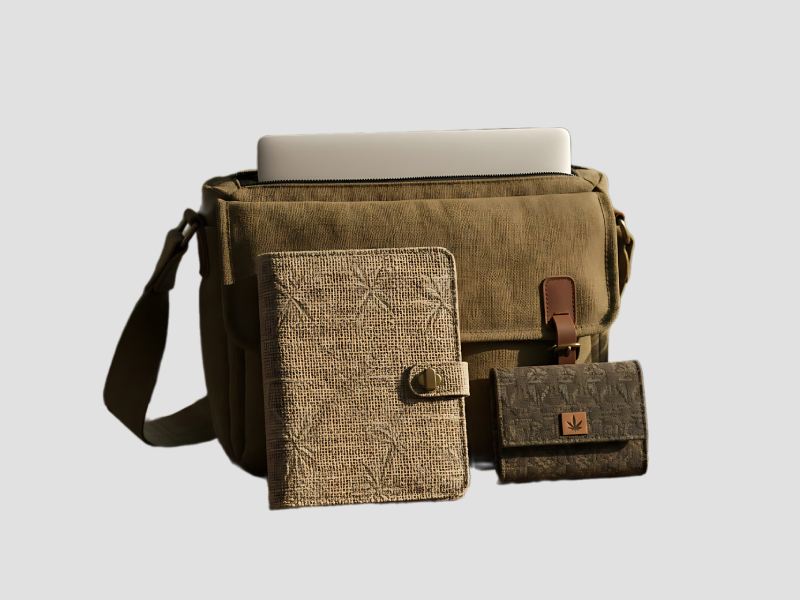
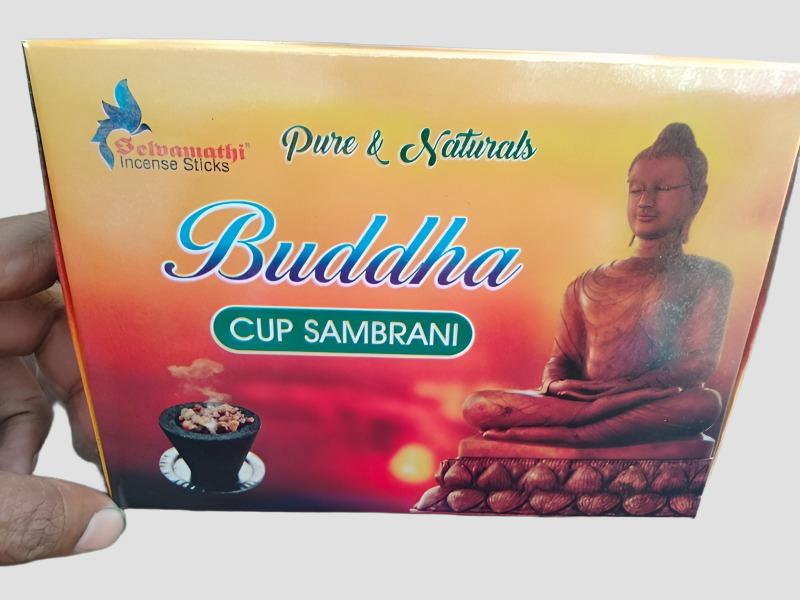
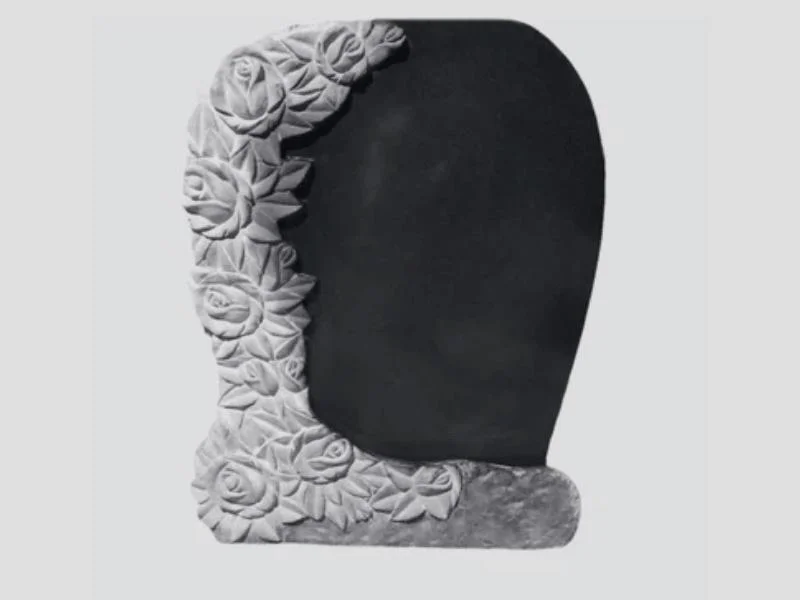
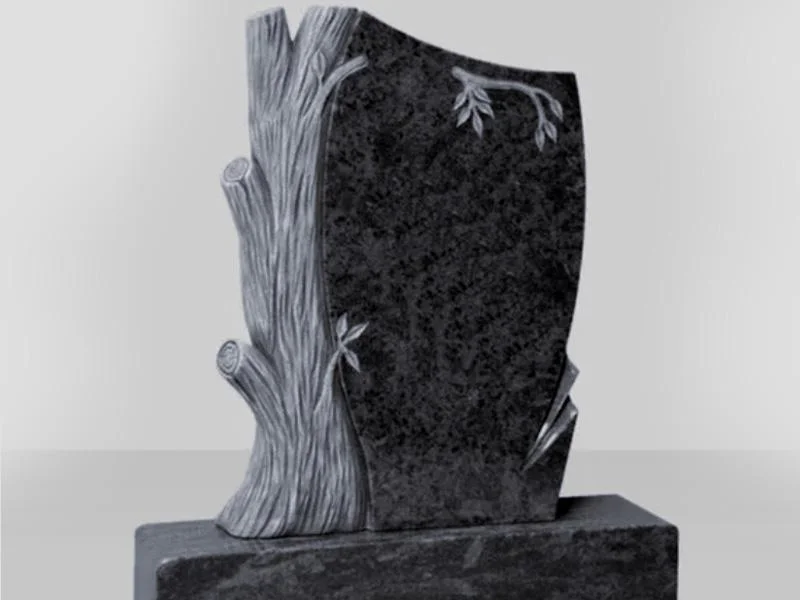
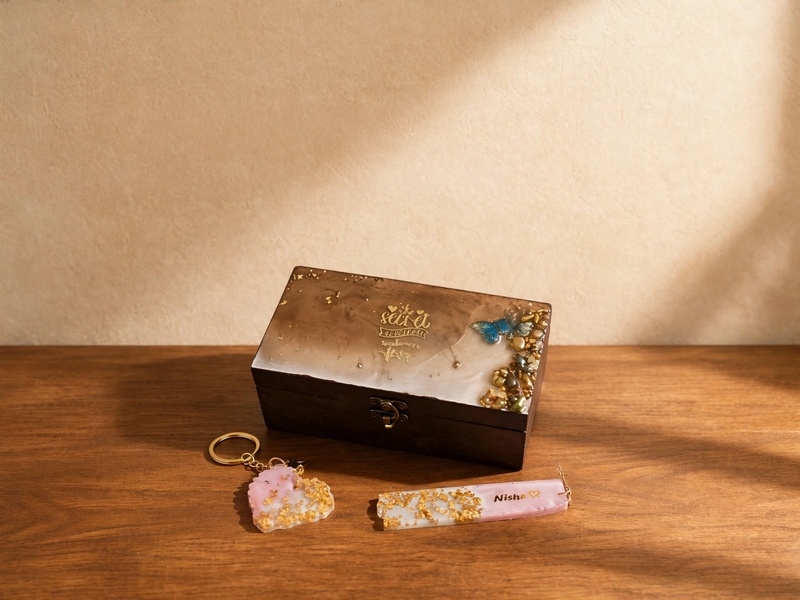
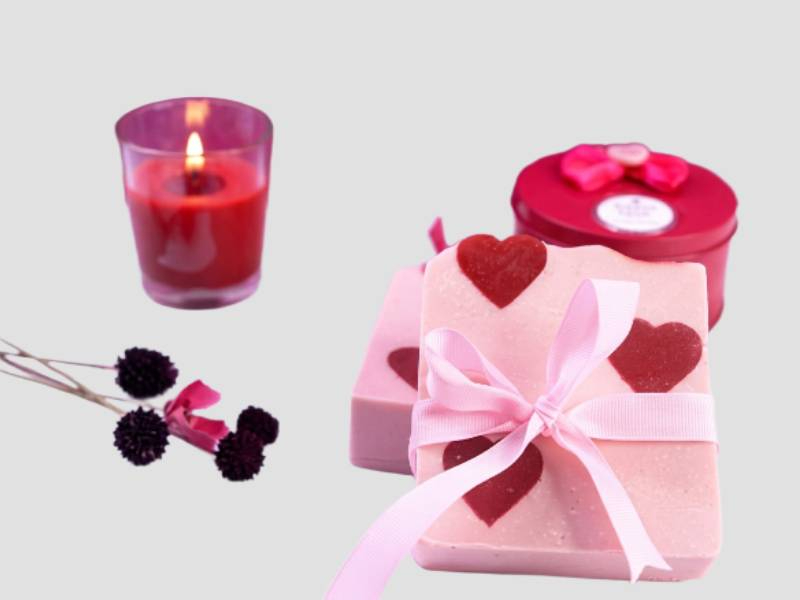
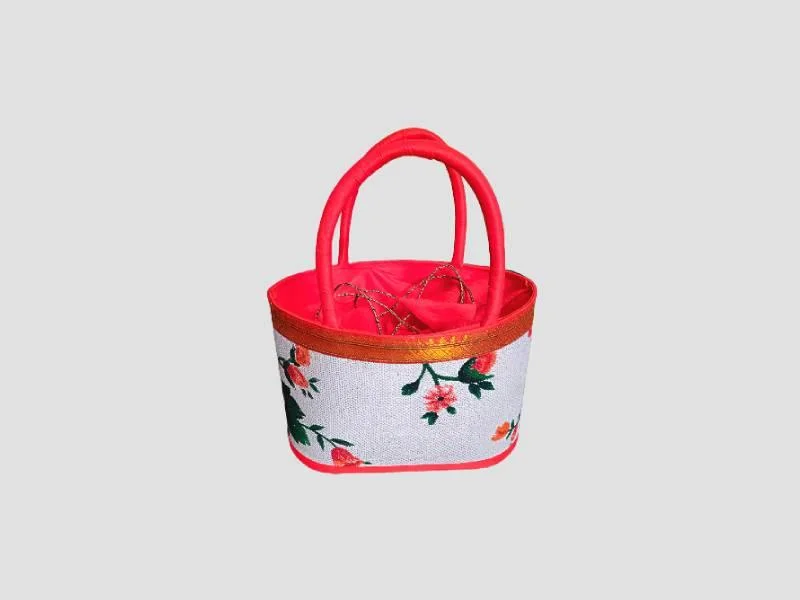
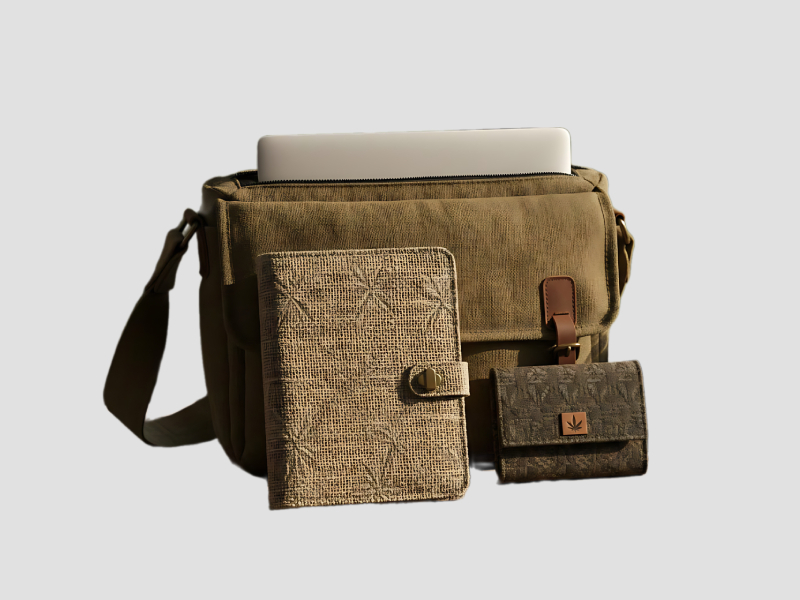
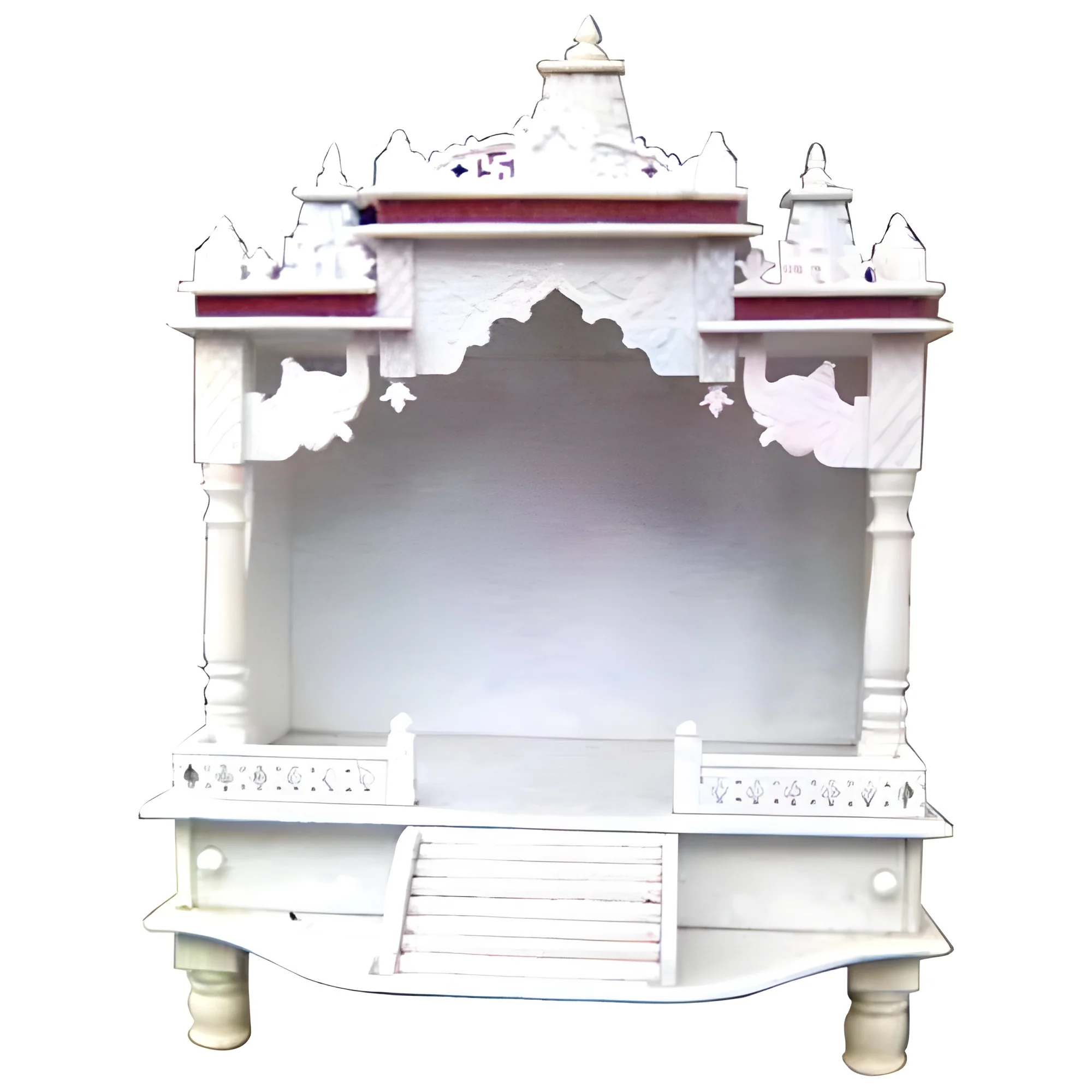
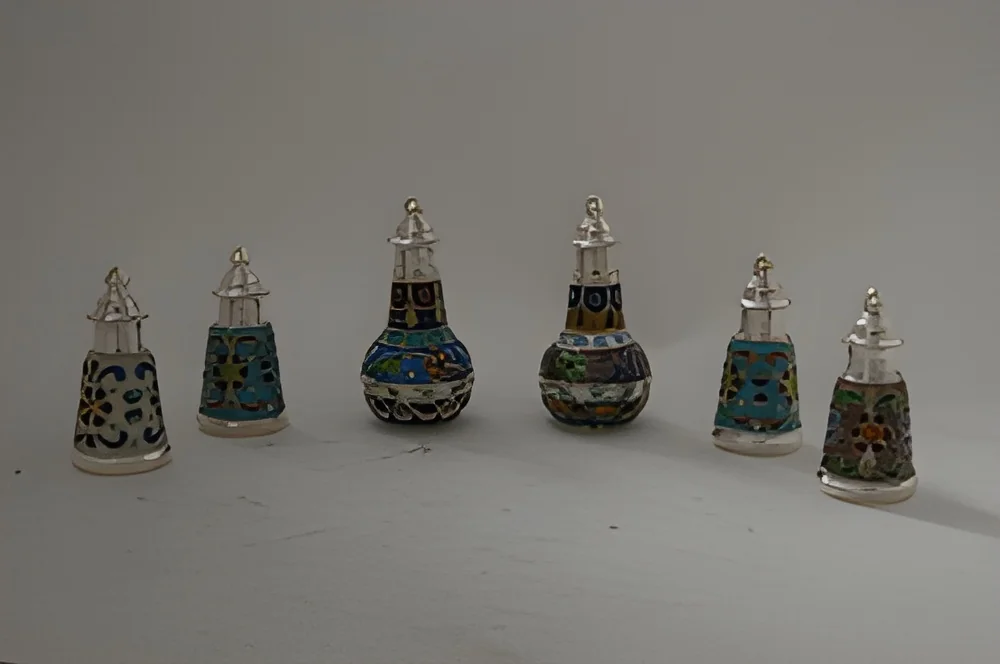
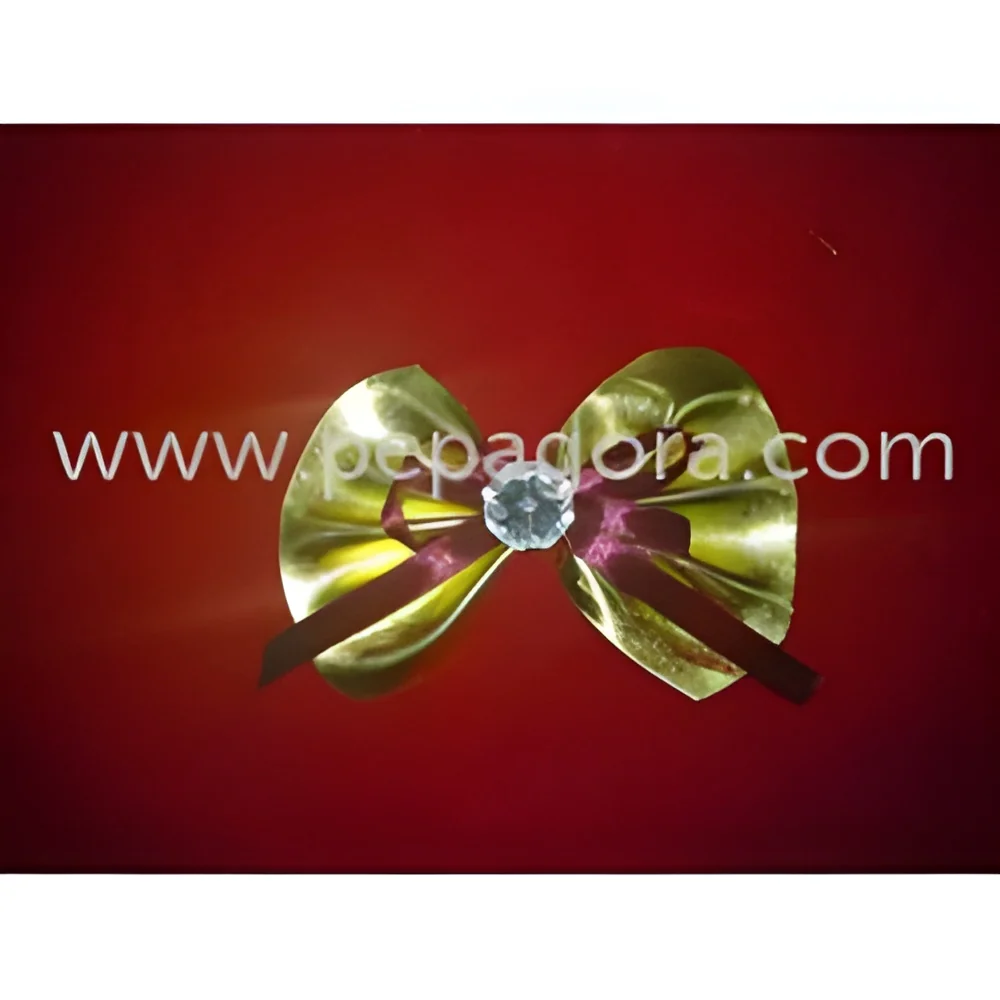
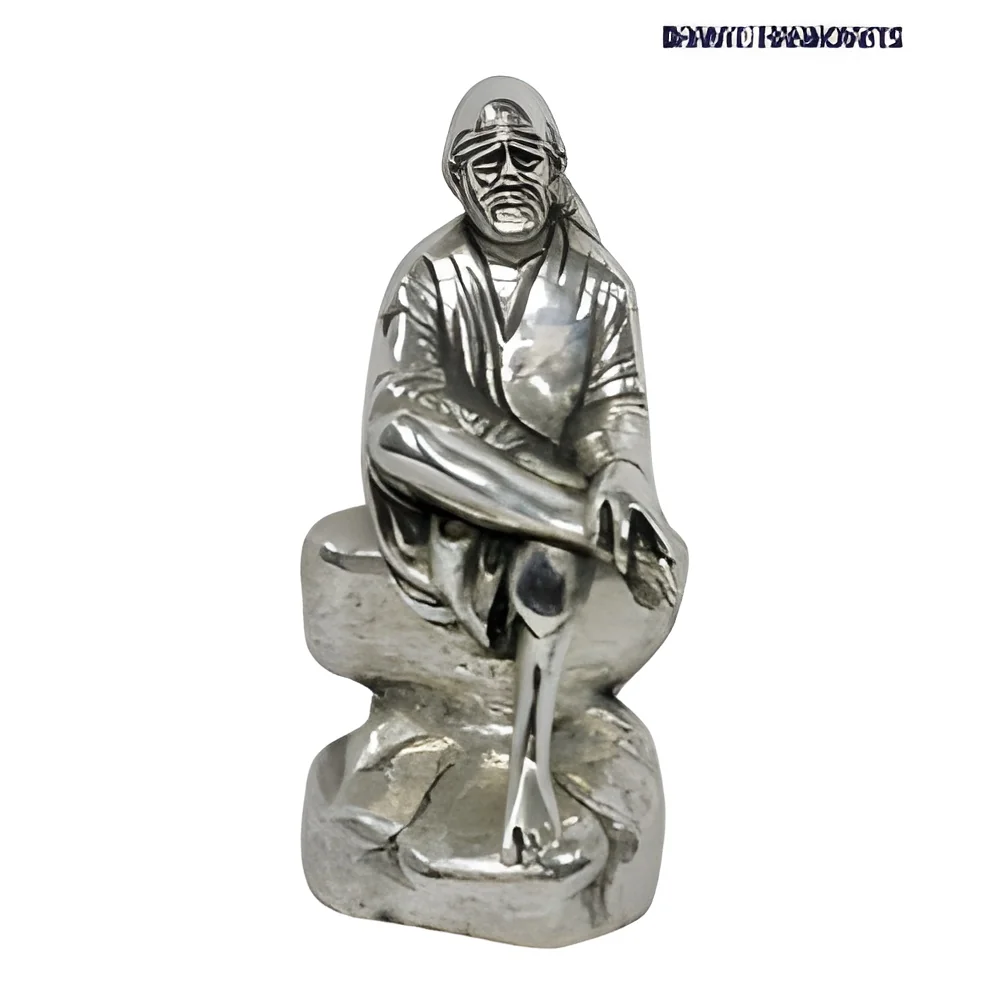
Gift items and handicrafts refer to a range of decorative or functional products that are often handcrafted. These items are created using various materials, including wood, metal, clay, fabric, and more. Handicrafts are typically characterized by their unique craftsmanship, artistic designs, and cultural significance. They can vary widely in style, purpose, and intended audience, making them versatile products in the global marketplace.
In business applications, gift items and handicrafts are commonly used for promotional purposes, corporate gifting, and personal celebrations. They serve as memorable tokens that can enhance brand visibility and foster relationships. Industries such as retail, hospitality, and event management frequently utilize these products to create a lasting impression on clients and customers. As the demand for unique and personalized products continues to grow, the handicraft industry remains relevant and vital, contributing significantly to local economies and cultural preservation.
𝗞𝗲𝘆 𝗙𝗲𝗮𝘁𝘂𝗿𝗲𝘀 𝗮𝗻𝗱 𝗦𝗽𝗲𝗰𝗶𝗳𝗶𝗰𝗮𝘁𝗶𝗼𝗻𝘀
Gift items and handicrafts come with a variety of features and specifications that appeal to businesses and consumers alike. Understanding these specifications helps in selecting the right products for specific needs.
Key specifications include:
1. Material Quality
- Handicrafts are often made from natural materials such as wood, metal, glass, and textiles.
- The quality of the material affects durability and aesthetic appeal.
2. Craftsmanship
- Each product reflects the skill and creativity of the artisan.
- Intricate designs and attention to detail are key indicators of quality.
3. Customization Options
- Many suppliers offer the ability to customize designs, colors, and sizes to meet specific requirements.
- Customization can enhance branding and personal touch.
4. Packaging
- Eco-friendly packaging is a growing trend among suppliers.
- Attractive packaging enhances the gift-giving experience.
5. Certifications
- Products may carry certifications such as CE to ensure compliance with safety standards.
- Certifications can enhance marketability and consumer confidence.
6. Size and Weight
- Various sizes and weights are available to suit different purposes and shipping needs.
- Smaller items may be more suitable for promotional giveaways, while larger items can serve as centerpiece gifts.
7. Aesthetic Appeal
- The visual design and craftsmanship play a crucial role in attracting buyers.
- Seasonal and thematic designs can cater to specific occasions.
8. Price Range
- Pricing can vary widely based on material, craftsmanship, and customization.
- Understanding market trends helps in strategic pricing decisions.
In summary, selecting gift items and handicrafts involves considering numerous specifications that reflect quality, appeal, and usability.
𝗖𝗼𝗺𝗺𝗼𝗻 𝗔𝗽𝗽𝗹𝗶𝗰𝗮𝘁𝗶𝗼𝗻𝘀 𝗮𝗻𝗱 𝗨𝘀𝗲 𝗖𝗮𝘀𝗲𝘀
Gift items and handicrafts are utilized across various industries, showcasing their versatility and appeal.
1. Retail: Retailers often stock gift items and handicrafts to attract customers looking for unique gifts. These products can enhance the shopping experience and increase sales.
2. Corporate Gifts: Businesses use handicrafts as promotional items or corporate gifts to strengthen client relationships. Customized gifts can effectively convey appreciation and brand loyalty.
3. Event Management: Handicrafts are popular for events such as weddings and parties. They can serve as decorations, favors, or unique gifts for attendees.
4. Hospitality: Hotels and restaurants may offer locally crafted items to enhance the guest experience, promoting local culture and craftsmanship.
5. Ecommerce: Online platforms increasingly feature handicrafts, allowing artisans to reach wider audiences. This provides opportunities for global sales and brand exposure.
6. Education: Educational institutions may use handicrafts in workshops to teach students about art and culture. This fosters appreciation for traditional craftsmanship.
7. Home Decor: Many consumers seek handicrafts for home decoration. Unique pieces can enhance interior design while supporting local artisans.
𝗣𝗿𝗼𝗱𝘂𝗰𝘁 𝗩𝗮𝗿𝗶𝗮𝗻𝘁𝘀 𝗮𝗻𝗱 𝗦𝘂𝗯𝗰𝗮𝘁𝗲𝗴𝗼𝗿𝗶𝗲𝘀
Gift items and handicrafts come in numerous variants, each catering to different preferences and needs.
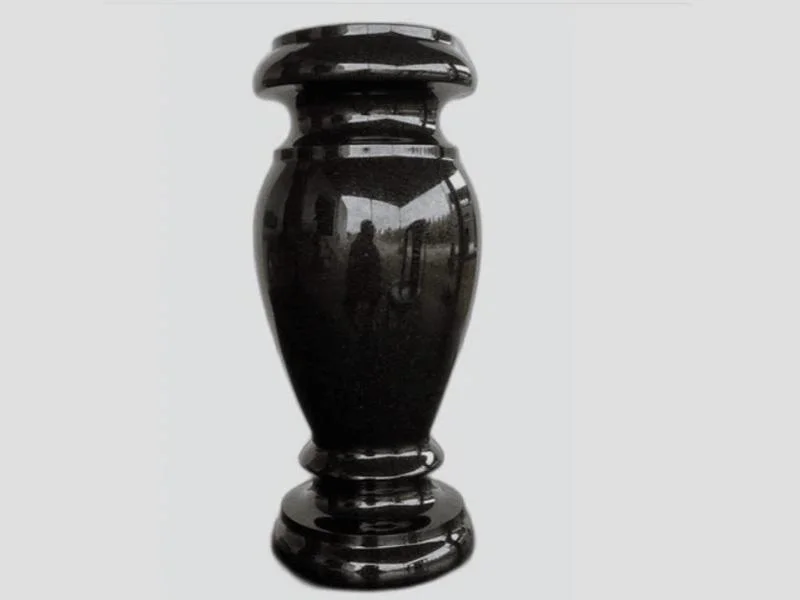
Decorative Crafts: These include items like wall hangings, sculptures, and vases. They are often used to enhance home decor and create a unique ambiance.
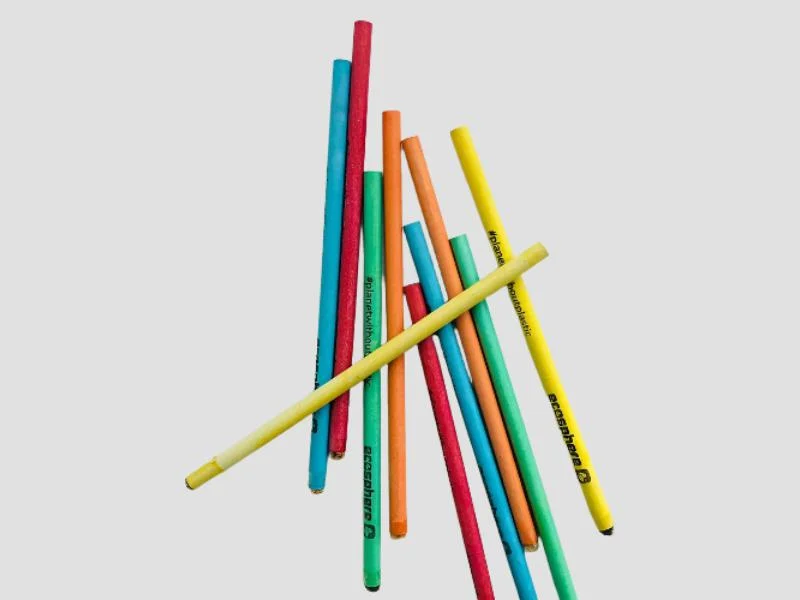
Functional Gifts: This category encompasses items such as kitchenware, stationery, and organizers. They serve practical purposes while showcasing artistic designs.
Cultural Artifacts: Handicrafts that reflect cultural heritage, such as traditional pottery or textiles, are popular among consumers seeking unique products.
Seasonal Items: These include gifts tailored for specific occasions, such as holidays or festivals. They often feature thematic designs and colors.
Eco-Friendly Products: With a growing emphasis on sustainability, many handicrafts are made from recycled or natural materials, appealing to environmentally conscious consumers.
𝗕𝗲𝗻𝗲𝗳𝗶𝘁𝘀 𝗮𝗻𝗱 𝗔𝗱𝘃𝗮𝗻𝘁𝗮𝗴𝗲𝘀
Selecting gift items and handicrafts offers numerous advantages for businesses.
1. Unique Appeal: Handcrafted items stand out due to their artistic designs and individuality, making them more memorable.
2. Cultural Connection: These products often reflect cultural heritage, enhancing their emotional value and relevance to consumers.
3. Customization: The ability to personalize items allows businesses to tailor gifts to specific audiences, enhancing their effectiveness.
4. Support for Artisans: Purchasing handicrafts promotes local economies and supports artisans, fostering community growth.
5. Versatile Applications: Gift items can be used across various industries, making them a flexible choice for businesses.
6. Eco-Friendly Options: Many handicrafts are made using sustainable practices, appealing to environmentally conscious consumers and enhancing brand image.
𝗕𝘂𝘆𝗶𝗻𝗴 𝗚𝘂𝗶𝗱𝗲 𝗳𝗼𝗿 𝗕𝟮𝗕 𝗕𝘂𝘆𝗲𝗿𝘀
When sourcing gift items and handicrafts, businesses should consider several key factors to ensure they make informed purchasing decisions.
1. Quality Assessment: Evaluate the quality of materials and craftsmanship. Request samples if possible to assess durability and aesthetic appeal.
2. Supplier Verification: Research suppliers to ensure they have a reliable reputation. Look for reviews and testimonials from other buyers.
3. Pricing and MOQ: Understand the price range and minimum order quantities (MOQ) for different items. Negotiate pricing based on bulk orders for better savings.
4. Delivery and Lead Times: Confirm delivery timelines and shipping options. Consider potential delays and plan accordingly to meet project deadlines.
5. Compliance Requirements: Ensure that products meet regional compliance standards, including safety and quality certifications. This minimizes risks associated with non-compliance.
𝗖𝗼𝗺𝗽𝗹𝗶𝗮𝗻𝗰𝗲 𝗮𝗻𝗱 𝗖𝗲𝗿𝘁𝗶𝗳𝗶𝗰𝗮𝘁𝗶𝗼𝗻𝘀
Gift items and handicrafts must adhere to various compliance and certification standards to ensure quality and safety. ISO 9001 is a relevant quality standard that emphasizes the importance of effective quality management systems across organizations. This standard helps ensure that products meet customer and regulatory requirements consistently.
CE certification is another important aspect, especially for products sold in the European market. It signifies that the product complies with EU safety, health, and environmental protection standards. This certification can enhance marketability and consumer confidence.
Safety and testing requirements may vary by region and product type, necessitating thorough research to ensure compliance. Regional considerations are also critical, as different markets may have specific regulations regarding materials used, labeling, and safety.
𝗪𝗵𝘆 𝗦𝗼𝘂𝗿𝗰𝗲 𝗚𝗶𝗳𝘁 𝗜𝘁𝗲𝗺𝘀 & 𝗛𝗮𝗻𝗱𝗶𝗰𝗿𝗮𝗳𝘁𝘀 𝗳𝗿𝗼𝗺 𝗣𝗲𝗽𝗮𝗴𝗼𝗿𝗮?
Pepagora provides a trusted platform for sourcing gift items and handicrafts, offering several key advantages to B2B buyers.
Verified Supplier Network: Pepagora has established a robust network of verified suppliers. This ensures that buyers can source high-quality products from reputable artisans and manufacturers.
Streamlined RFQ Process: The platform features a streamlined Request for Quotation (RFQ) process, enabling buyers to receive quotes from multiple suppliers quickly. This simplifies the sourcing process and helps in comparing options effectively.
Trade Assurance and Support: Pepagora offers trade assurance, providing buyers with protection and support throughout the purchasing process. This builds confidence and helps mitigate risks.
Regional Coverage: With a strong presence in India, GCC, and Southeast Asia, Pepagora provides extensive regional coverage. This enables buyers to access a diverse range of products while supporting local craftsmanship.
In conclusion, Pepagora is an ideal choice for businesses seeking high-quality gift items and handicrafts while ensuring reliability and support throughout the sourcing process.

 IN
IN