
 IN
Terracotta Sculptures
1 products available
What are Terracotta Sculptures?
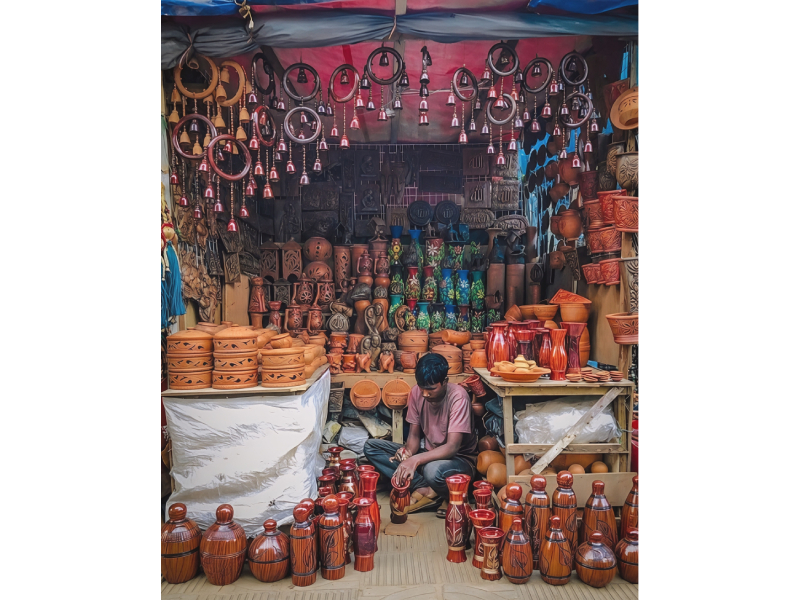
Terracotta sculptures are three-dimensional artworks crafted from clay that has been fired at a relatively low temperature. The term "terracotta" translates to "baked earth" in Italian, reflecting the material's natural, earthy qualities. These sculptures can vary in size, shape, and design, ranging from simple figurines to intricate architectural elements. The unique properties of terracotta make it an ideal medium for artists, as it is malleable when wet and durable once fired.
In the business context, terracotta sculptures find applications across various sectors, including art, home decor, landscaping, and cultural preservation. Many businesses utilize terracotta for decorative purposes, creating appealing focal points in gardens, public spaces, and indoor environments. Their rich history and aesthetic appeal also make them valuable in educational settings, museums, and galleries, where they can be used to showcase artistic heritage and craftsmanship. As the demand for sustainable and natural materials increases, the market for terracotta sculptures continues to expand.
Key Features and Specifications
Terracotta sculptures are characterized by their unique properties and versatility. These features contribute to their widespread use across different applications. Understanding the specifications of terracotta sculptures is essential for buyers seeking quality products.
Key specifications include:
1. Material Composition
- Made from natural clay
- Environmentally friendly and biodegradable
2. Firing Temperature
- Typically fired at low temperatures
- Ranges between 600 to 1,000 degrees Celsius
3. Surface Treatment
- Options for glazing or unglazed finishes
- Various textures and colors available
4. Durability
- Weather-resistant when properly sealed
- Suitable for both indoor and outdoor use
5. Customization Options
- Ability to create custom designs and sizes
- Tailored to client specifications
6. Weight
- Varies based on size and design
- Generally lightweight for easy handling
7. Artistry
- Handcrafted by skilled artisans
- Unique designs reflecting cultural significance
8. Size Variability
- Available in a range of sizes from small figurines to large installations
- Variety accommodates different project needs
Terracotta sculptures stand out due to their aesthetic appeal and versatility, making them a preferred choice for various applications.
Common Applications and Use Cases
Terracotta sculptures serve numerous industries and applications, showcasing their versatility and appeal.
1. Interior Design: Used as decorative elements in homes, offices, and commercial spaces, terracotta sculptures enhance aesthetic value and create inviting atmospheres.
2. Landscaping: Often used in gardens and public parks, these sculptures serve as focal points, adding character and artistic flair to outdoor environments.
3. Cultural Heritage: Terracotta sculptures play a vital role in preserving cultural heritage, often featured in museums and exhibitions to educate the public about historical art forms.
4. Art Installations: Artists utilize terracotta for large-scale installations, exploring themes of nature, identity, and cultural expression in contemporary art.
5. Gift Items: Many businesses offer terracotta sculptures as unique gift items, appealing to consumers seeking distinctive and handcrafted products.
6. Educational Purposes: Schools and educational institutions use terracotta sculptures to introduce students to art history and the importance of traditional craftsmanship.
7. Event Decorations: Terracotta sculptures are popular for weddings and special events, providing elegant decor that aligns with nature-inspired themes.
Product Variants and Subcategories
The diversity of terracotta sculptures allows for various product variants that cater to different aesthetic preferences and functional needs.
Garden Statues
These sculptures are designed specifically for outdoor use, often depicting animals, mythical figures, or abstract forms. They enhance garden aesthetics and create a serene environment.
Wall Hangings
Terracotta wall hangings offer a unique way to add texture and character to interior spaces. They often feature intricate designs and can be customized to fit specific decor styles.
Figurines
Small terracotta figurines are popular for both decorative and collectible purposes. They can represent cultural symbols, deities, or everyday life, making them versatile gifts or decor items.
Planters
Terracotta planters combine functionality and artistry. They are ideal for housing plants while adding an artistic element to gardens or indoor spaces.
Benefits and Advantages
Terracotta sculptures offer several key benefits that make them an attractive option for businesses and consumers alike.
1. Aesthetic Appeal: The natural earthy colors and textures of terracotta create visually stunning pieces that enhance any space.
2. Durability: When properly fired and sealed, terracotta sculptures are weather-resistant and can withstand outdoor conditions, ensuring long-lasting beauty.
3. Eco-Friendly: Made from natural materials, terracotta sculptures are environmentally friendly and biodegradable, appealing to sustainability-conscious consumers.
4. Versatility: Terracotta sculptures can be customized in size, shape, and design, making them suitable for various applications, from decorative to functional.
5. Handcrafted Quality: Many terracotta sculptures are handcrafted by skilled artisans, ensuring each piece is unique and of high quality.
6. Cultural Significance: These sculptures often reflect cultural heritage and artistic traditions, adding historical value to their aesthetic appeal.
Buying Guide for B2B Buyers
When sourcing terracotta sculptures, B2B buyers should consider several important factors to ensure they secure quality products that meet their needs.
1. Quality Assessment: Examine the craftsmanship and materials used in the sculptures. Look for signs of good firing and finishing to ensure durability and aesthetic appeal.
2. Supplier Verification: Vet suppliers to ensure they have a reputable history of delivering quality terracotta products. Check reviews and seek recommendations from other businesses.
3. Pricing and MOQ: Understand the pricing structure and minimum order quantities (MOQ) to ensure that the investment aligns with your budget and project requirements.
4. Delivery and Lead Times: Discuss logistics with suppliers to establish realistic delivery timelines, ensuring that products arrive when needed for projects or events.
5. Compliance Requirements: Be aware of any regulatory standards or certifications that may apply to terracotta sculptures in your region, ensuring that the products meet necessary guidelines.
Compliance and Certifications
Terracotta sculptures are subject to various compliance and certification standards that ensure quality and safety for consumers and businesses.
Relevant quality standards include ISO 9001, which focuses on maintaining consistent quality management systems. Adherence to such standards ensures that manufacturers follow best practices in production, leading to reliable products.
Industry certifications such as CE and UL indicate that terracotta sculptures meet specific safety and performance criteria. These certifications provide assurance to buyers that the products have been tested and approved for use in various applications.
Safety and testing requirements often involve assessing the materials used in production to ensure they are non-toxic and suitable for indoor and outdoor environments. Buyers should also consider regional compliance, as regulations may vary based on location and market demands.
Why Source Terracotta Sculptures from Pepagora?
Pepagora is a trusted platform for sourcing terracotta sculptures, offering several key advantages for businesses.
Verified Supplier Network: Pepagora collaborates with a network of verified suppliers, ensuring that buyers have access to high-quality terracotta sculptures from reputable manufacturers.
Streamlined RFQ Process: The platform provides a user-friendly request for quotation (RFQ) system, allowing buyers to easily communicate their needs and receive competitive quotes from multiple suppliers.
Trade Assurance and Support: Pepagora offers trade assurance, providing buyers with protection against potential issues during transactions. This support helps build confidence in sourcing decisions.
Regional Coverage: With a strong presence in India, the GCC, and Southeast Asia, Pepagora connects buyers with local suppliers, facilitating efficient sourcing and distribution across diverse markets.

Frequently Asked Questions
What are Terracotta Sculptures?
Terracotta sculptures are artworks created from clay that is fired at a low temperature. This material is known for its reddish-brown color and is often used to create decorative and functional pieces. The process of crafting terracotta sculptures involves molding the clay into desired shapes and then baking it to harden.
What are the different types of Terracotta Sculptures?
There are several types of terracotta sculptures, including figurines, reliefs, pots, and tiles. Some are designed for decorative purposes, while others may serve functional roles, such as planters or architectural elements. Each type varies in complexity and artistic expression.
How do I choose the right Terracotta Sculptures?
When selecting terracotta sculptures, consider the purpose, size, and style that best fit your needs. Evaluate the craftsmanship and detailing of each piece, as well as the finish and color. Additionally, ensure that the sculpture complements the overall aesthetic of your space.
What are the standard specifications for Terracotta Sculptures?
Standard specifications for terracotta sculptures may include dimensions, weight, and firing temperature. Most sculptures are crafted from high-quality clay and should be fired to achieve durability. It's also important to check for any additional features, like weather resistance for outdoor use.
What is the price range for Terracotta Sculptures?
The price range for terracotta sculptures can vary significantly based on size, complexity, and craftsmanship. Smaller, simpler pieces may start from a few hundred rupees, while larger or more intricate sculptures can cost several thousand rupees. It's advisable to compare prices from different suppliers to find the best options.
What quality standards apply to Terracotta Sculptures?
Quality standards for terracotta sculptures typically involve assessing the material, craftsmanship, and durability. Sculptures should be free from cracks and imperfections, and the clay used should be of high quality to ensure longevity. Many suppliers adhere to specific industry standards to maintain consistency.
Where can I find Terracotta Sculptures suppliers in India?
You can find terracotta sculptures suppliers in India through various online B2B marketplaces, art galleries, and local craft fairs. Websites like Pepagora offer a comprehensive list of manufacturers and suppliers specializing in terracotta products. It's beneficial to check reviews and ratings before making a purchase.
Can Terracotta Sculptures be customized?
Yes, many suppliers offer customization options for terracotta sculptures. This can include changes in size, design, or finish to meet specific requirements. Be sure to communicate your needs clearly with the supplier to ensure the final product aligns with your vision.
What is the typical minimum order quantity for Terracotta Sculptures?
The typical minimum order quantity (MOQ) for terracotta sculptures can vary by supplier. It often ranges from a single piece for custom orders to larger quantities for wholesale purchases. Always confirm the MOQ with the supplier before placing an order.
What is the typical lead time for Terracotta Sculptures?
The typical lead time for terracotta sculptures varies based on the complexity of the order and the supplier's production schedule. Generally, it can take anywhere from a few days to several weeks. It's advisable to discuss the expected lead time with the supplier to ensure timely delivery.
Why Businesses Trust Pepagora
Thousands of companies trust Pepagora to source smarter and sell faster
Expand Your Sales Globally

Source Smarter,Grow Faster
