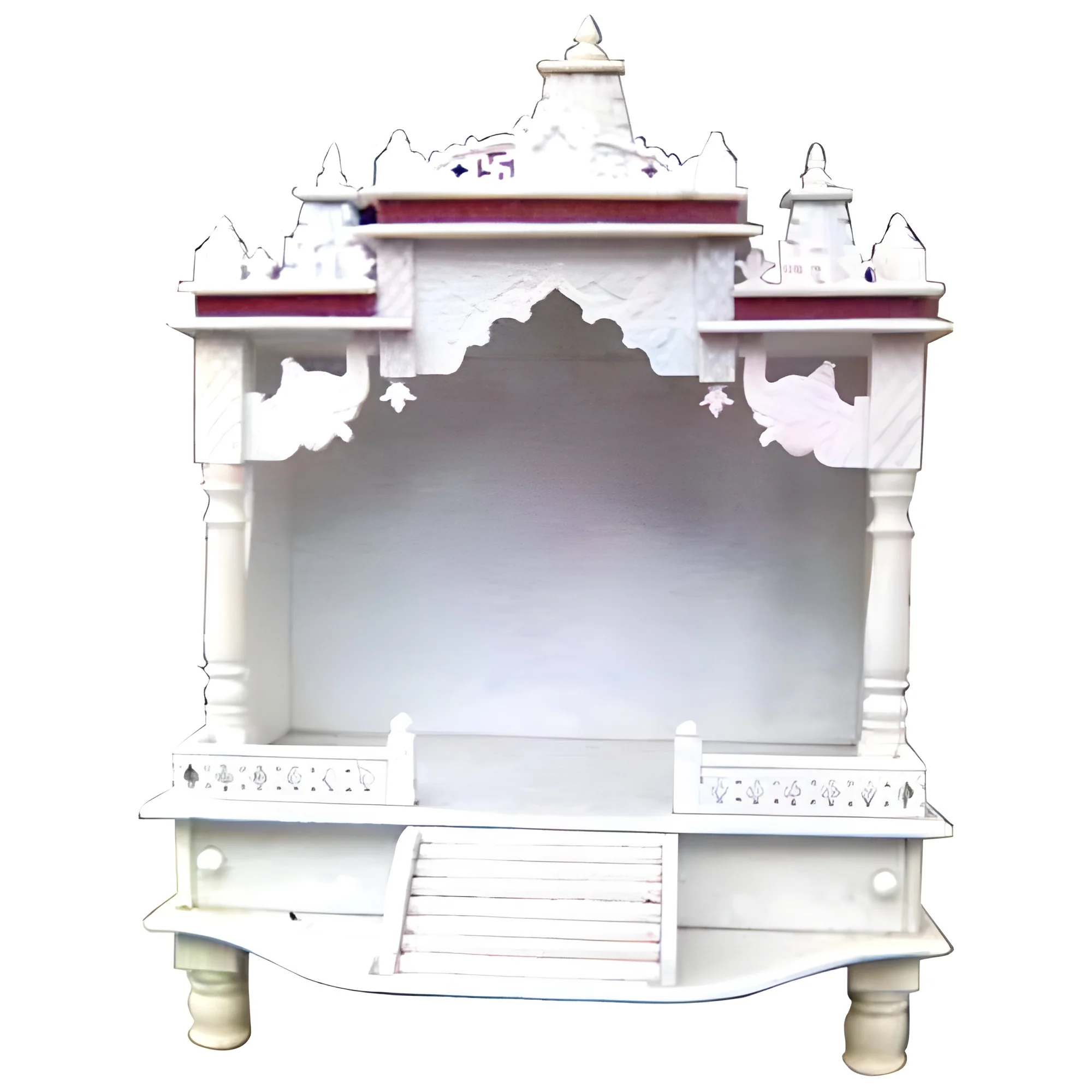
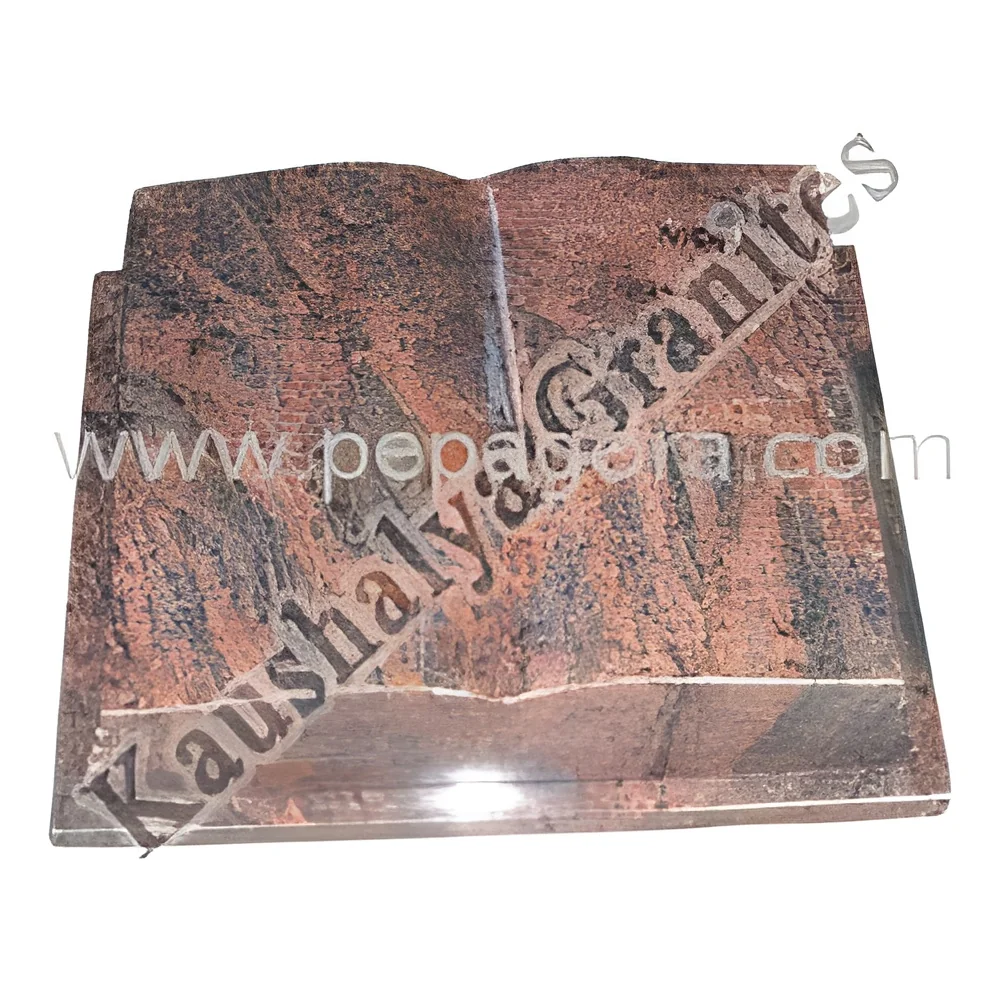
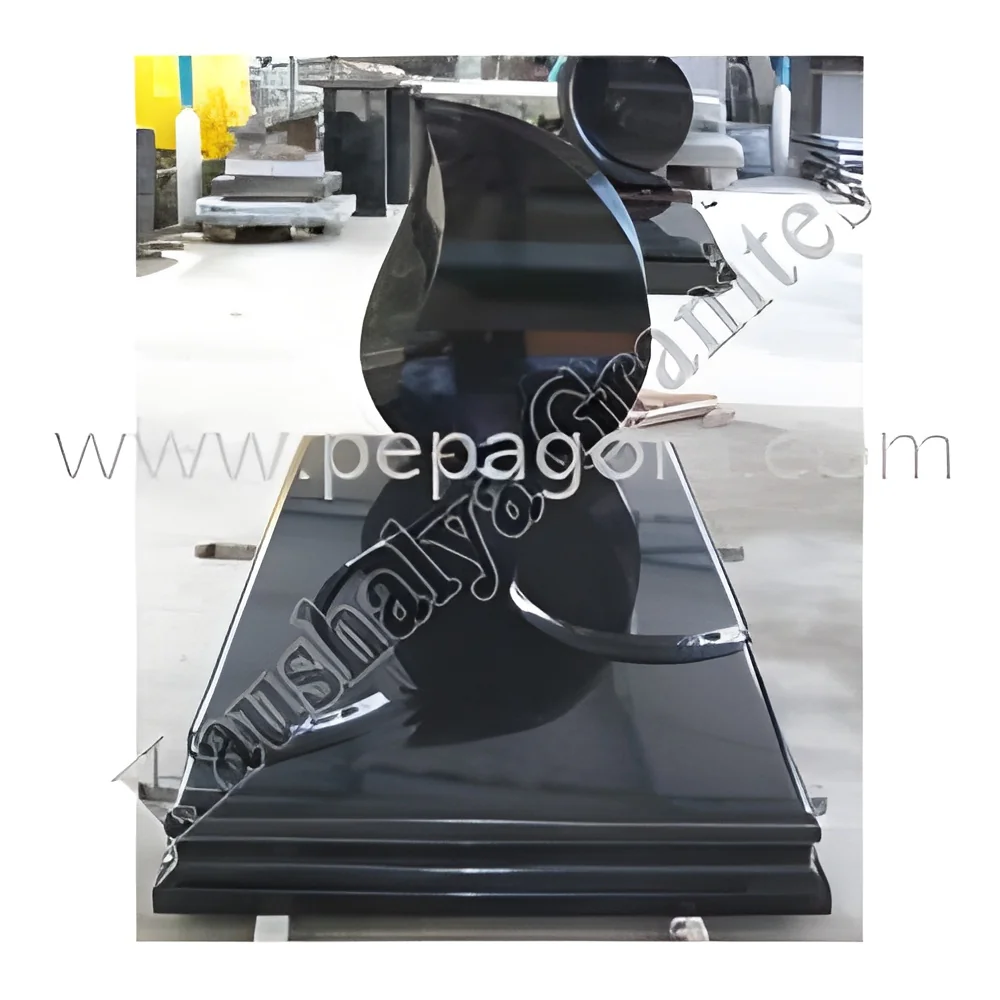
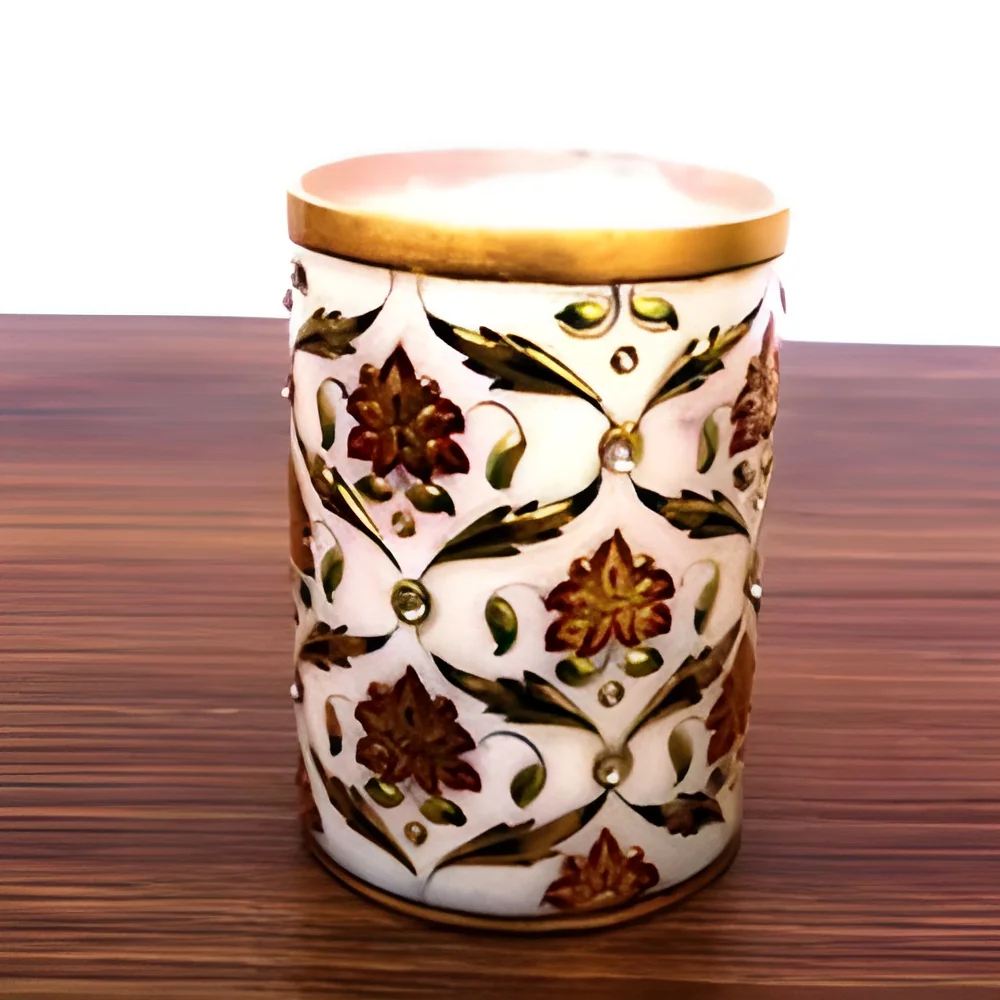
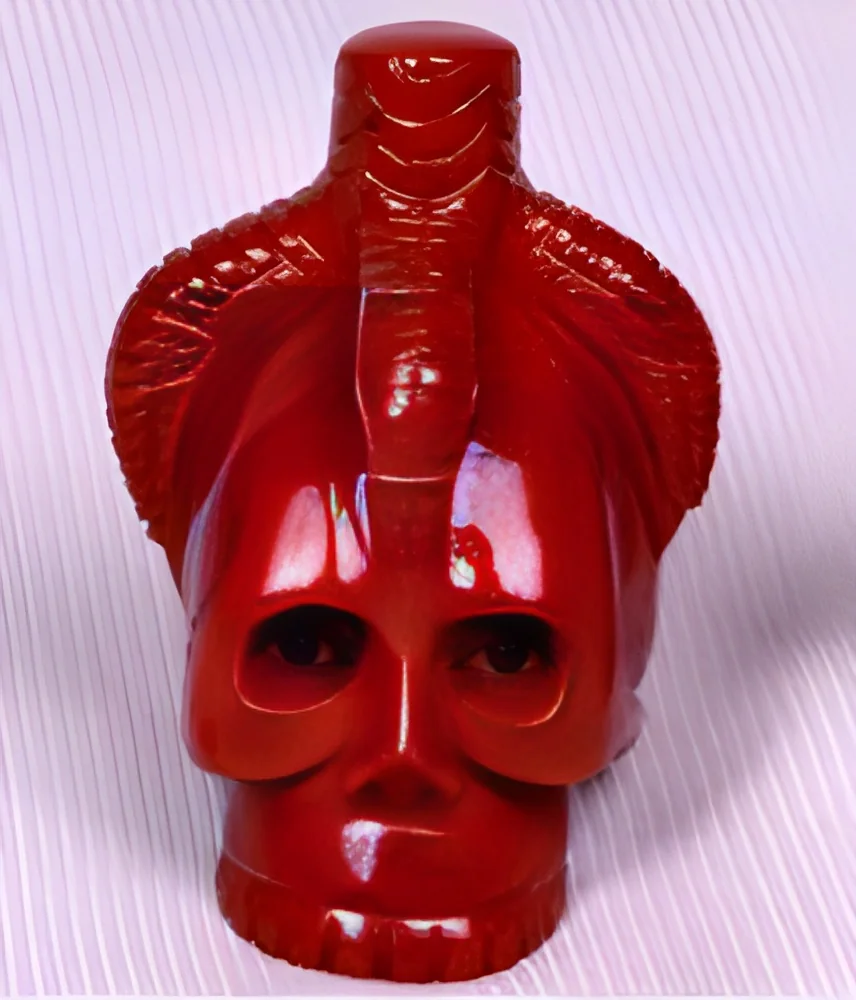
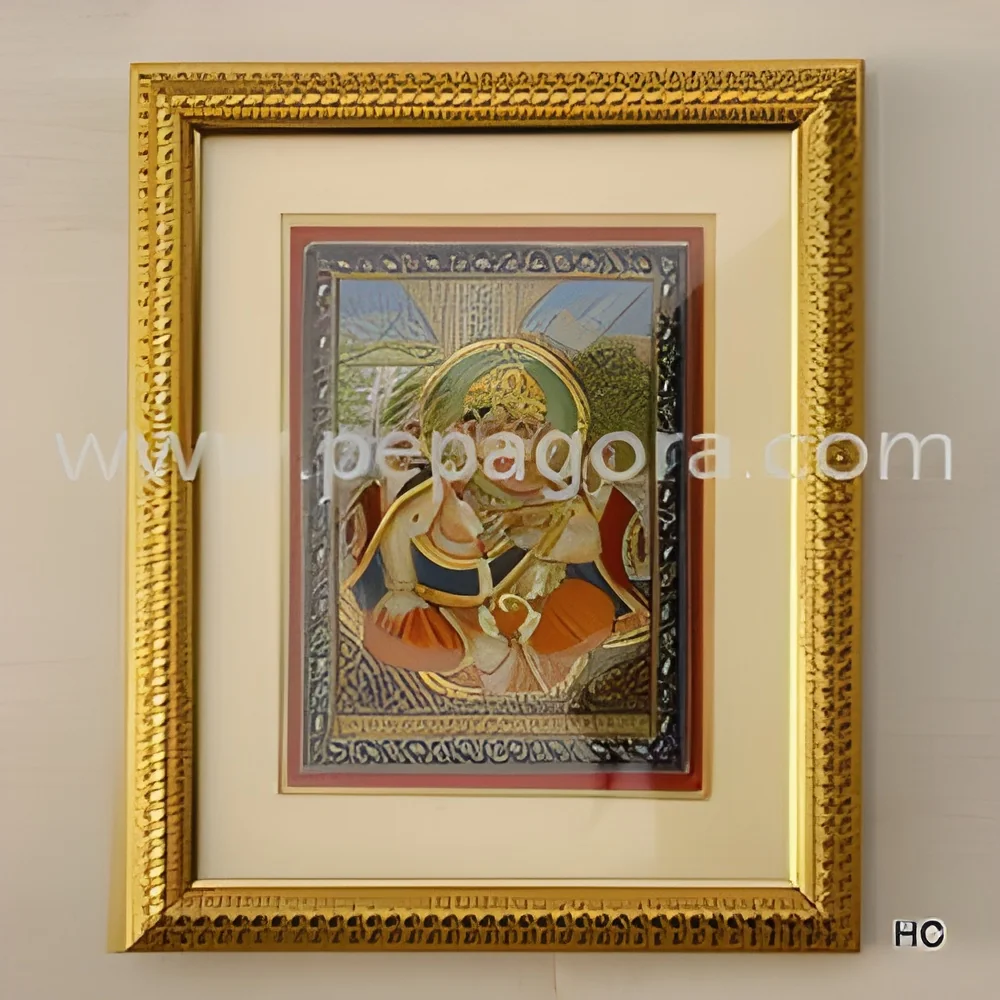
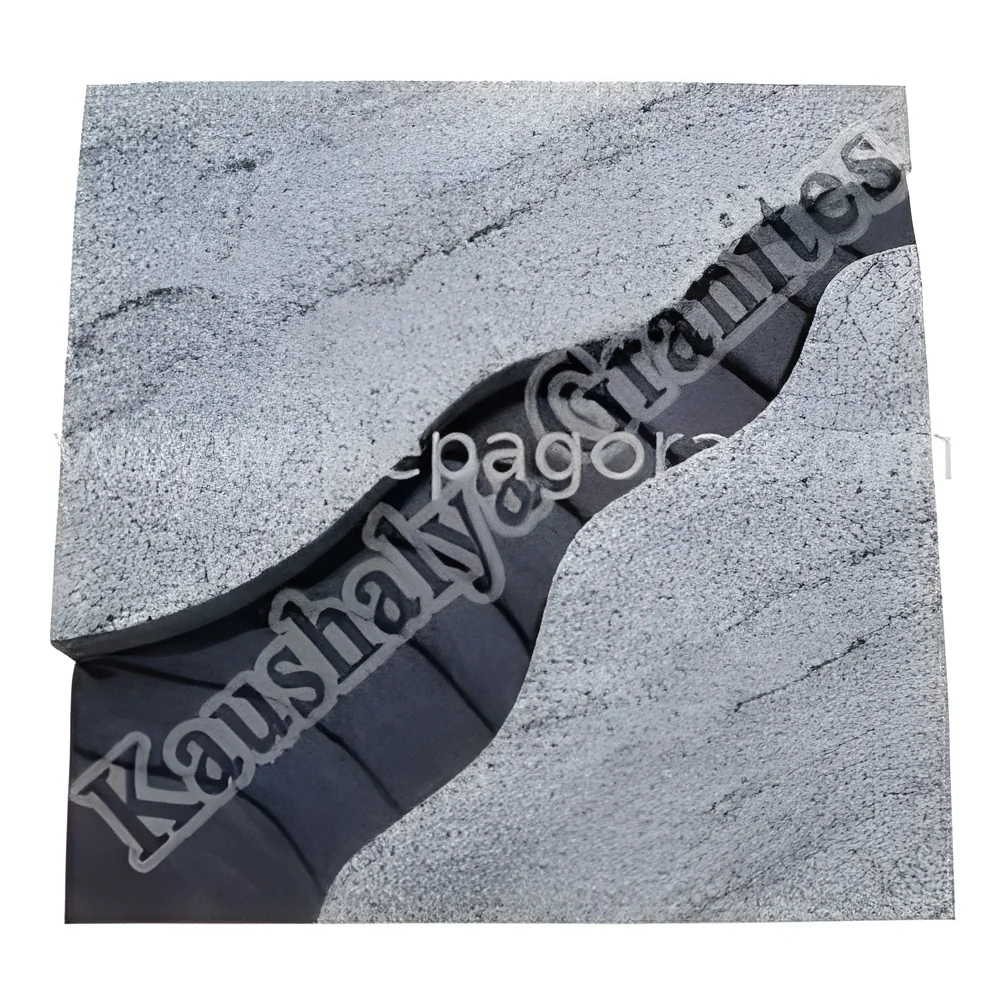
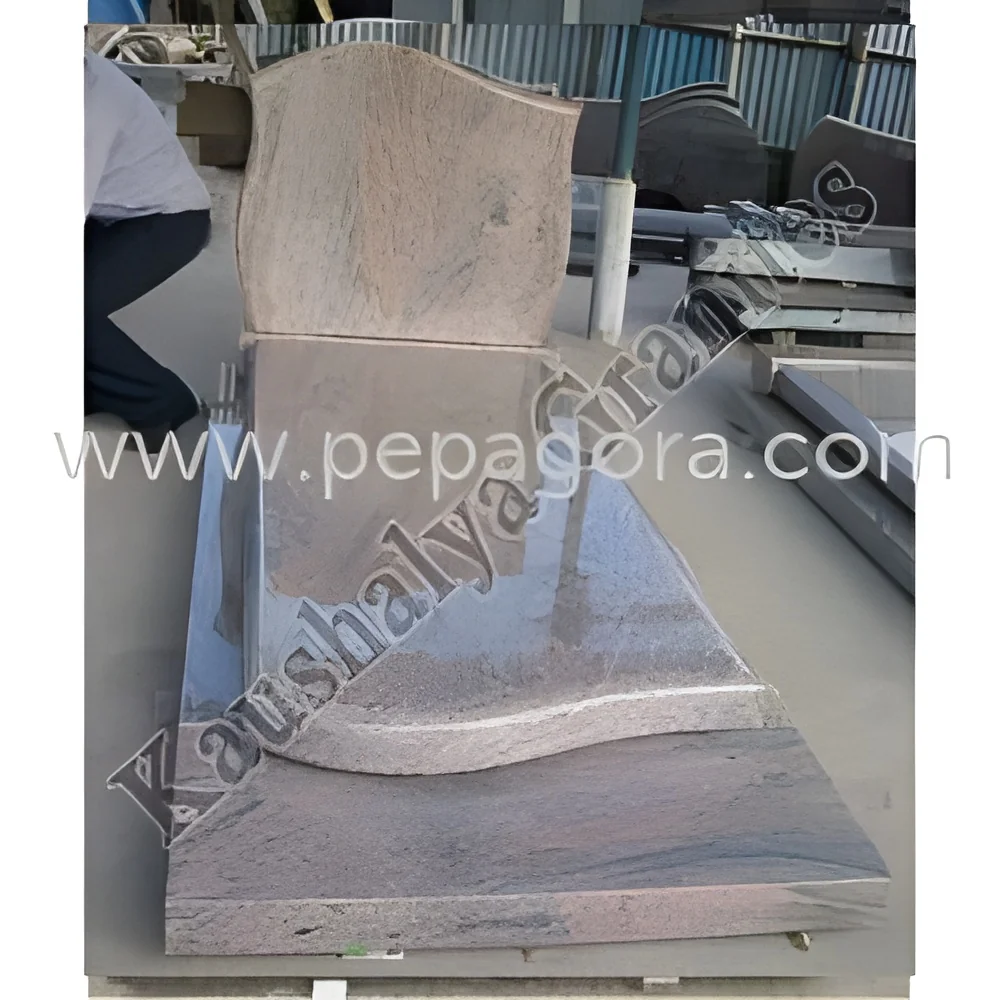
What are Stone & Marble Carvings?
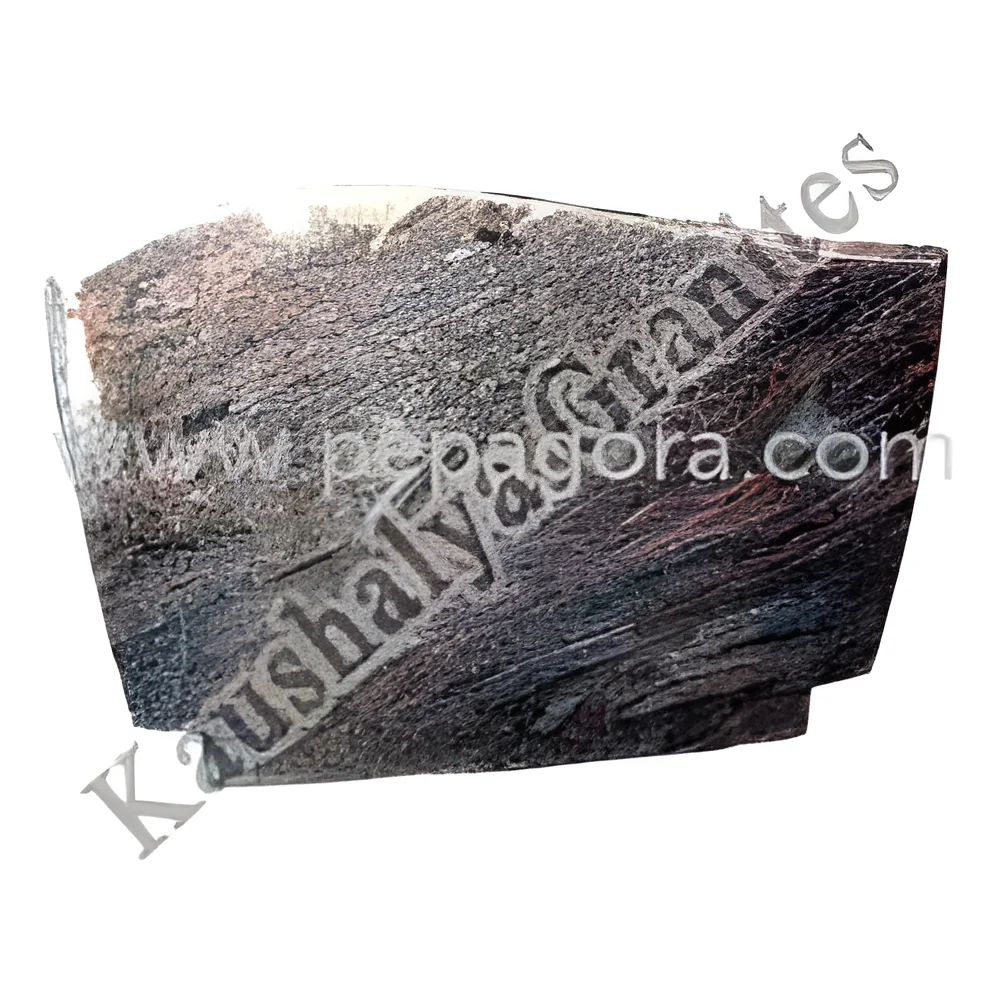
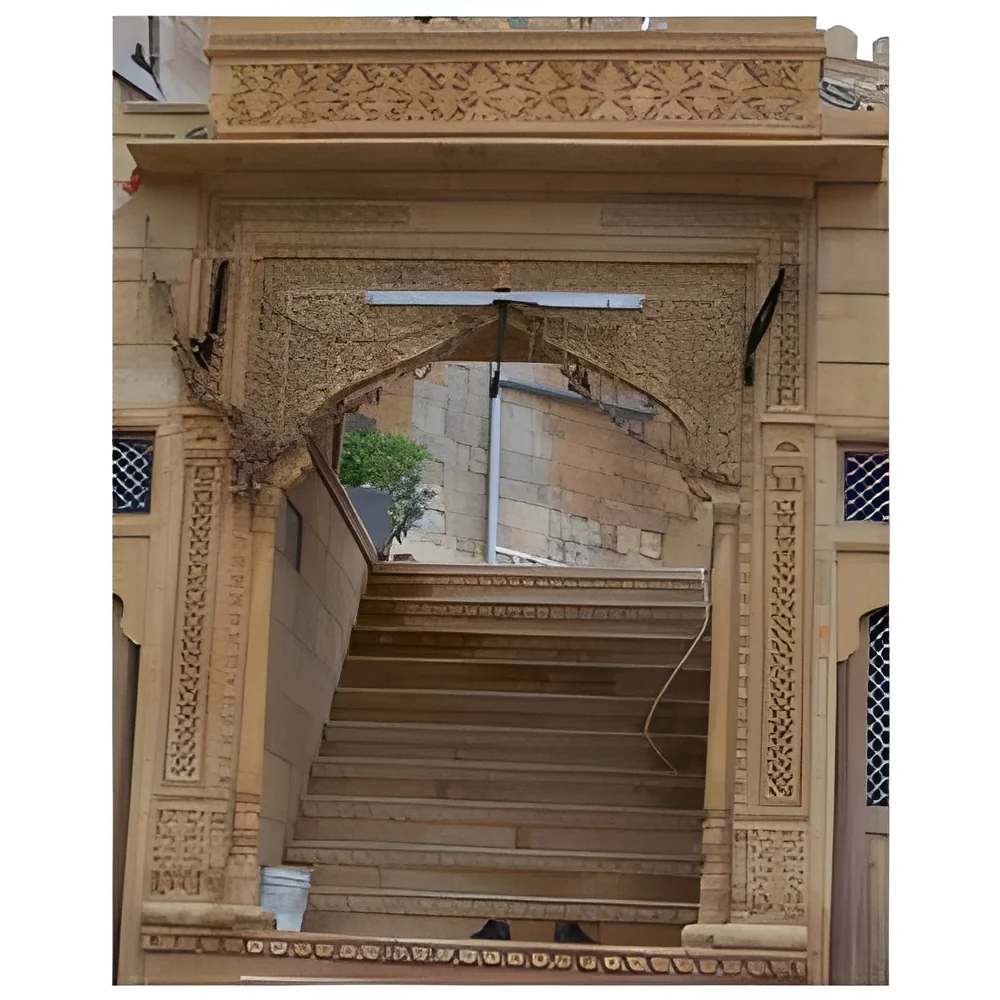
Stone and marble carvings are intricate designs and sculptures crafted from natural stones, primarily marble and other durable materials. These carvings showcase a blend of artistry and craftsmanship, transforming raw stone into detailed works of art. The process involves skilled artisans who use various tools to shape and refine the stone, allowing for a wide range of designs from simple engravings to complex sculptures.
These carvings are widely used in various sectors, including architecture, interior design, and landscaping. They serve as decorative elements in residential and commercial spaces, enhancing aesthetic appeal and conveying a sense of luxury. Additionally, stone and marble carvings are used in memorials, monuments, and religious structures, symbolizing permanence and beauty. The demand for these products reflects their importance in design and cultural heritage across various markets.
In the current market, stone and marble carvings are gaining traction due to the growing interest in sustainable and timeless materials. As businesses prioritize quality and uniqueness, these carvings are becoming increasingly relevant in both domestic and international markets. This trend is supported by the rise of bespoke design services that cater to individual preferences and project requirements.
Key Features and Specifications
Stone and marble carvings are characterized by several key features that highlight their quality and versatility. Understanding these specifications is crucial for businesses seeking to incorporate them into their projects.
Key specifications include:
1. Material Type
- Commonly used materials include marble, limestone, and granite.
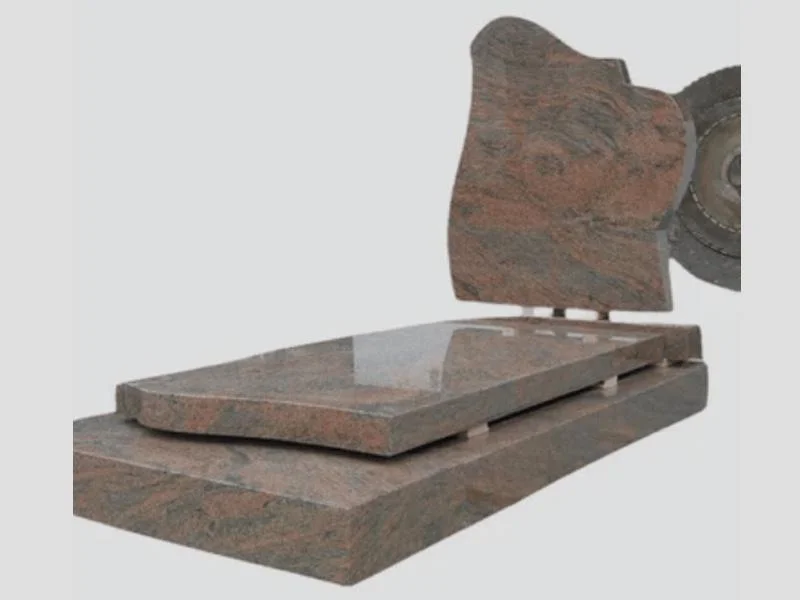
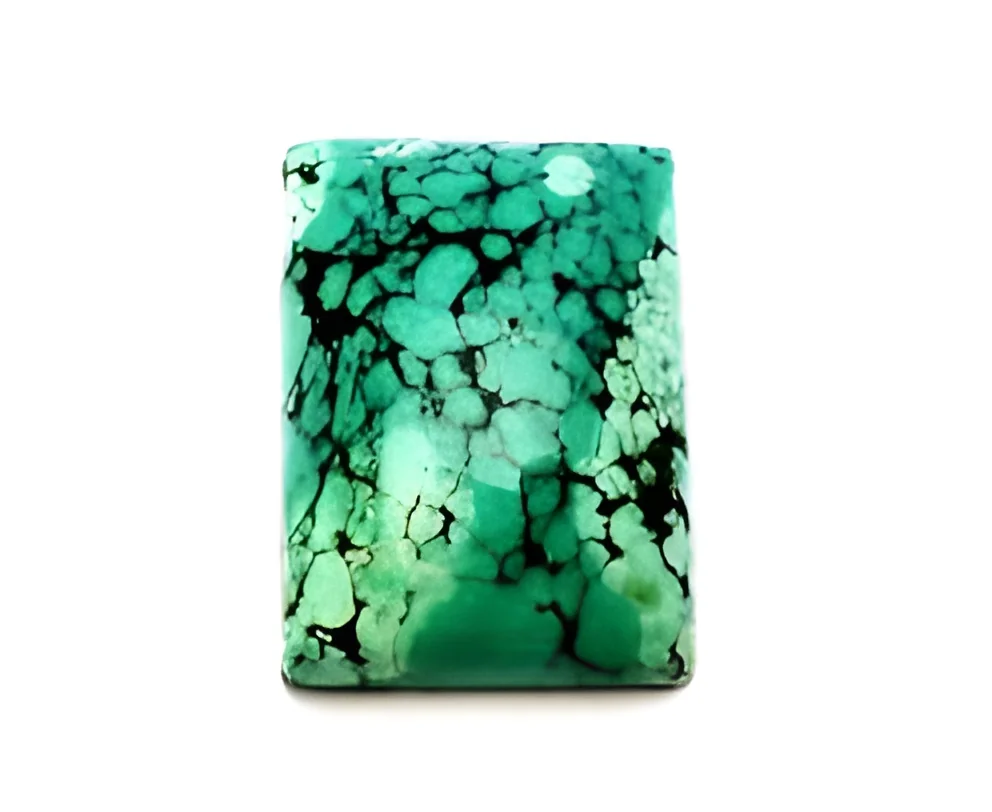
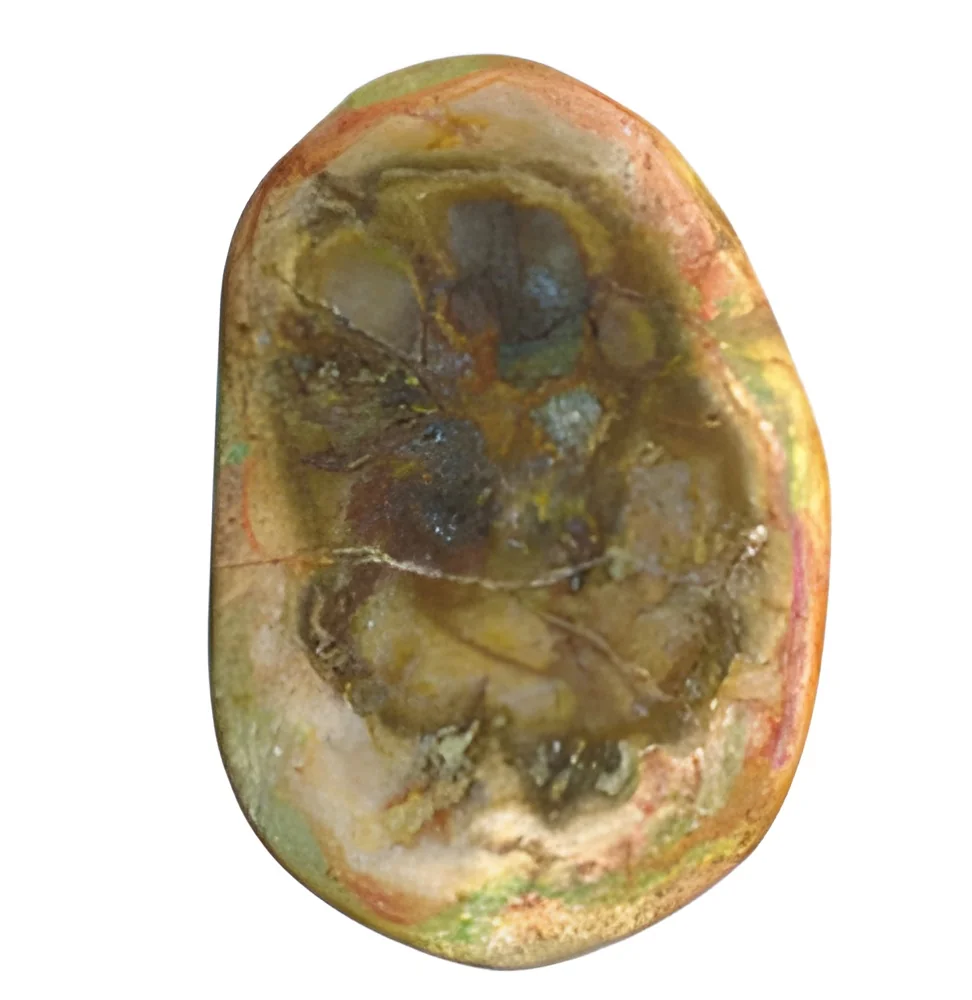
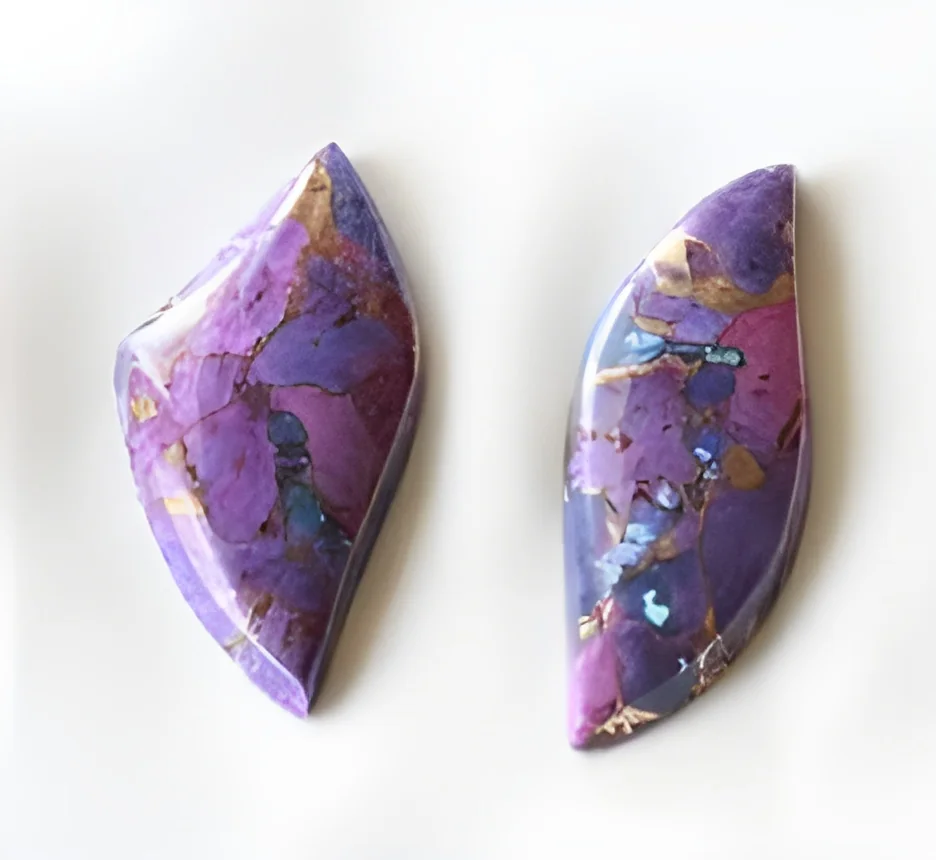
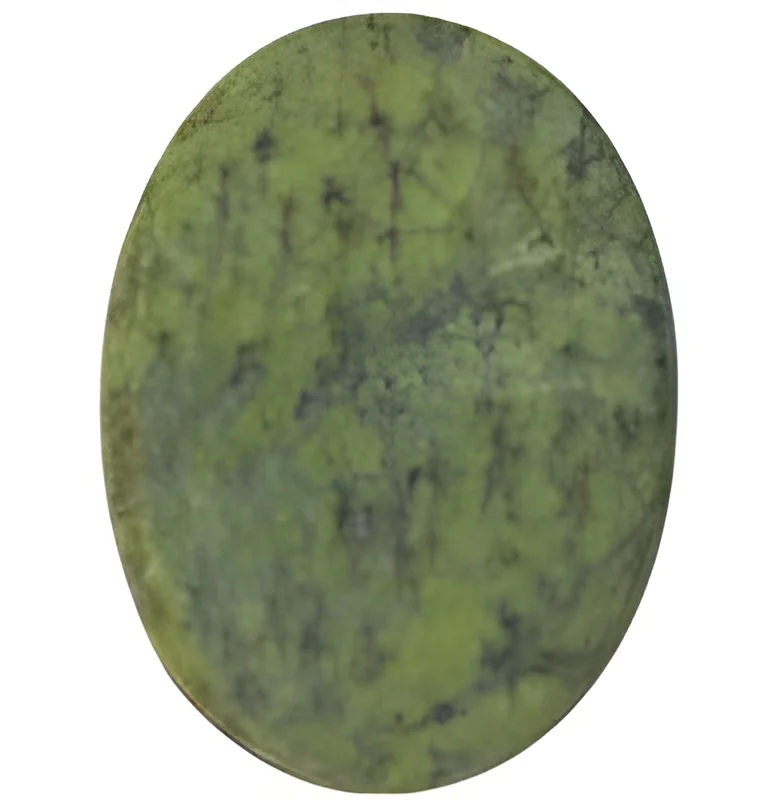
- Each type offers different colors, textures, and durability levels.
2. Finish Options
- Available finishes include polished, honed, and sandblasted.
- The finish affects the appearance and usability of the carving.
3. Size and Dimensions
- Custom dimensions are available, making it suitable for various applications.
- Standard sizes can also be provided based on market needs.
4. Design Complexity
- Carvings can range from simple reliefs to intricate sculptures.
- Complexity affects production time and cost.
5. Weight
- The weight varies significantly depending on the size and type of stone.
- Heavier carvings may require special handling during installation.
6. Color Variability
- Color options depend on the stone type, with natural variations expected.
- Custom color matching may be available for specific projects.
7. Durability
- Stone carvings are designed for long-lasting performance.
- Resistance to weathering and UV damage is essential for outdoor applications.
8. Customization Options
- Many manufacturers offer customization based on client specifications.
- This includes personalized designs and inscriptions.
In summary, understanding these features and specifications helps businesses select the right stone and marble carvings for their specific needs, ensuring quality and aesthetic suitability.
Common Applications and Use Cases
Stone and marble carvings have diverse applications across multiple industries, showcasing their versatility and appeal.
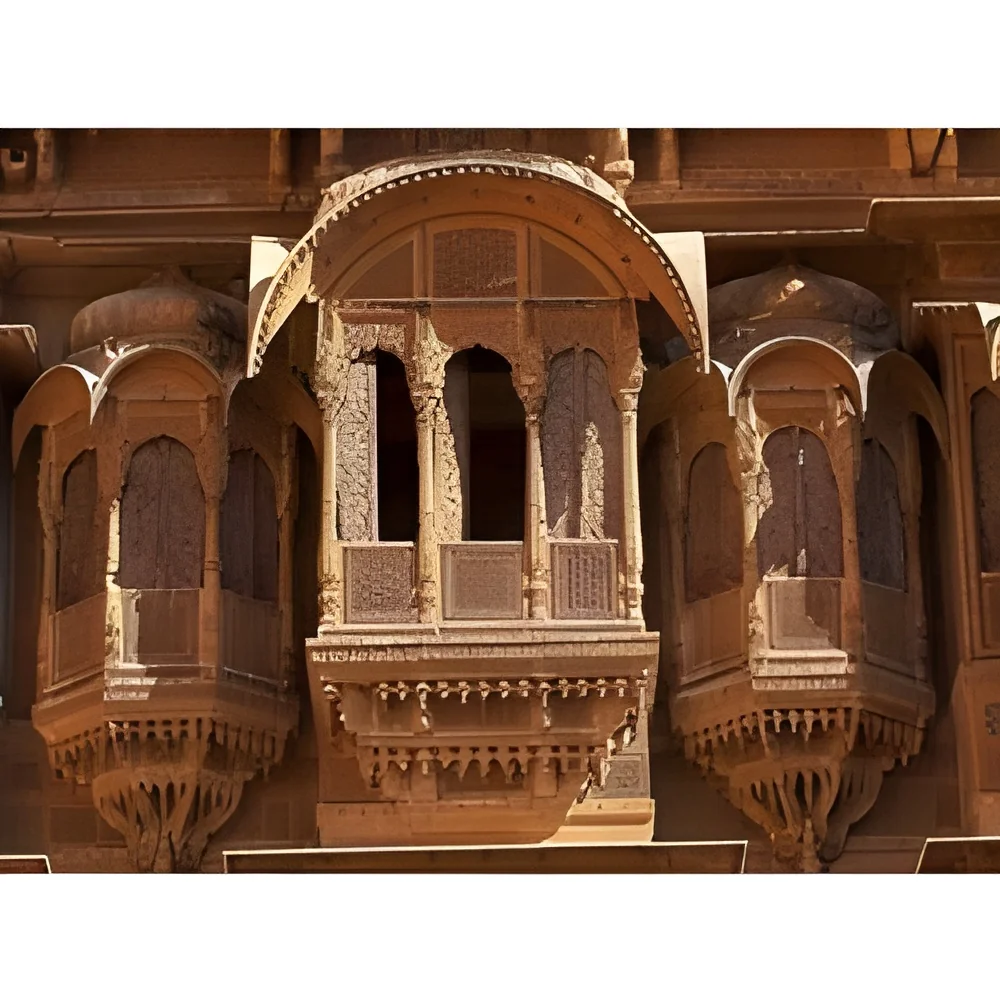
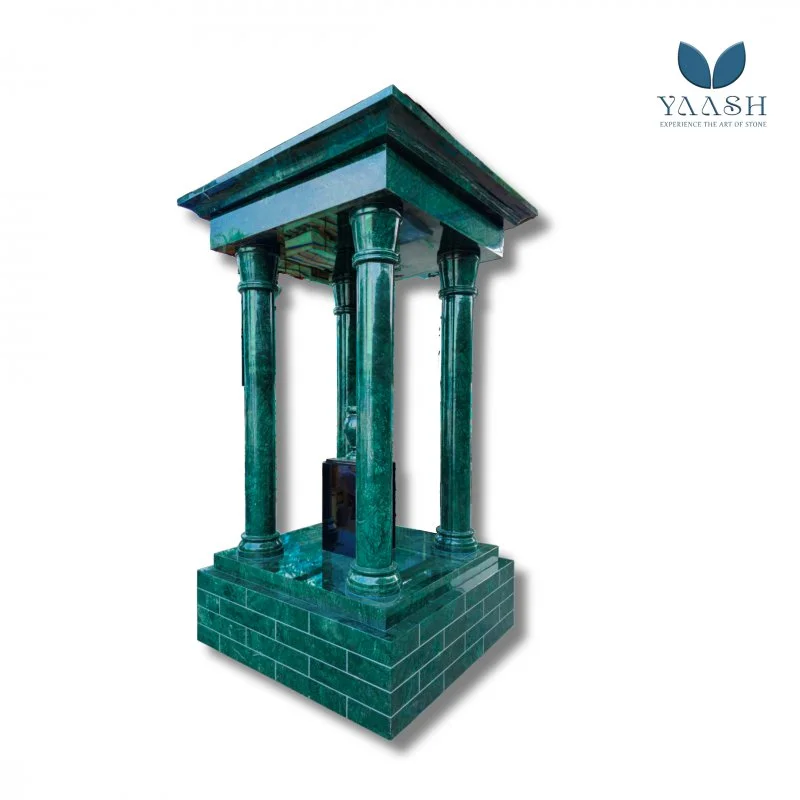
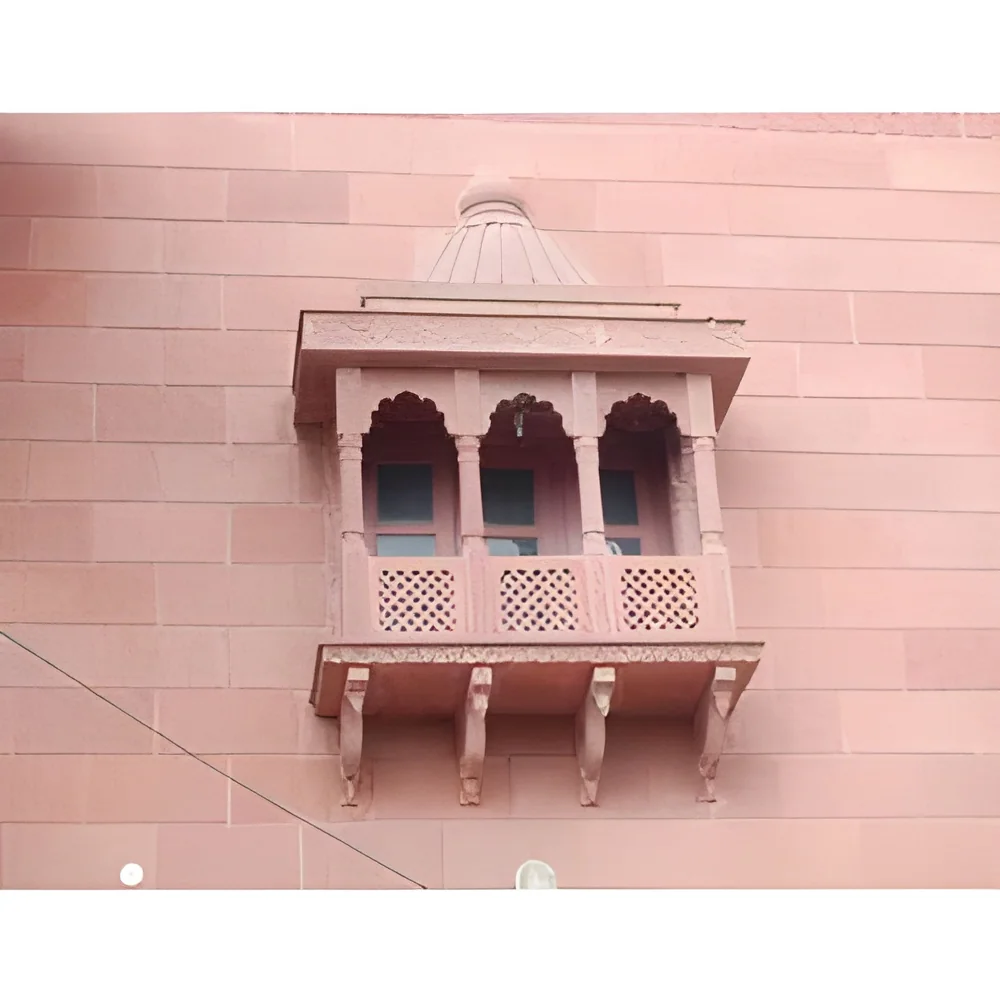
1. Architecture: Stone carvings are often used in building facades, columns, and entryways, adding elegance and character to structures.
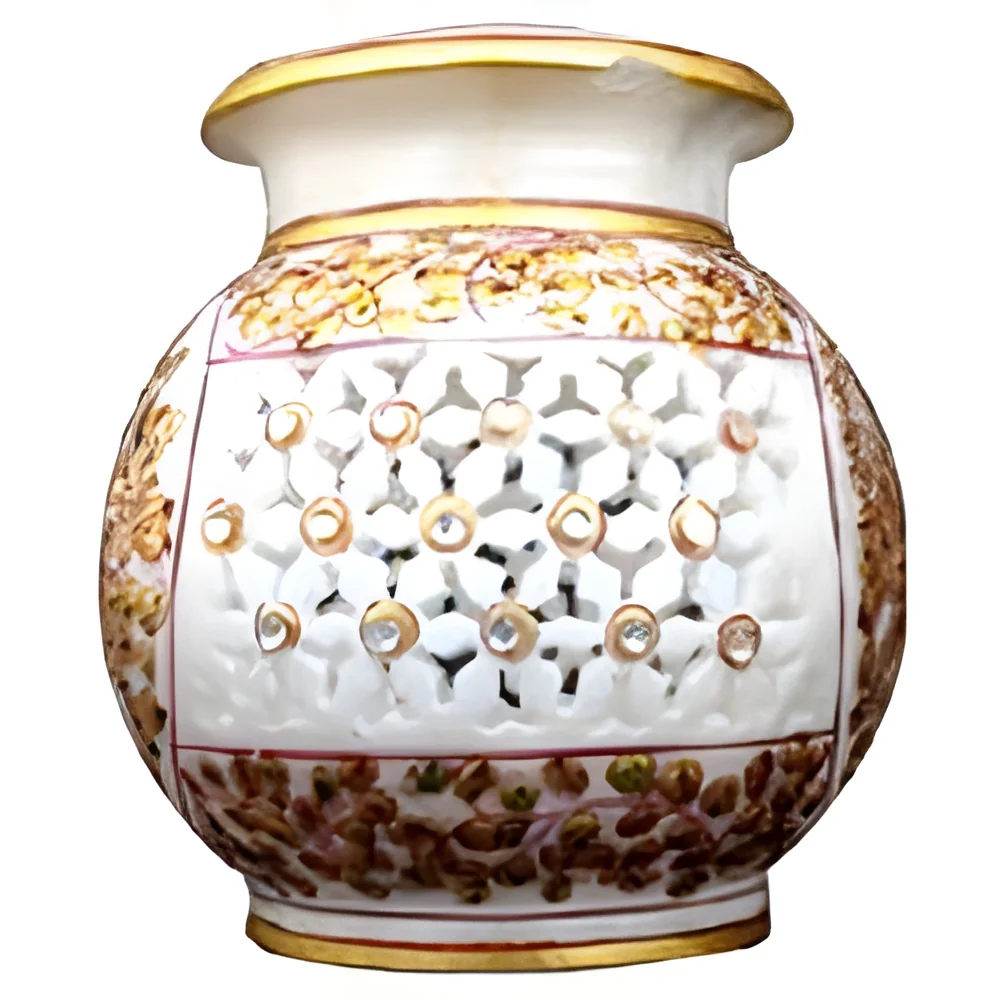
2. Interior Design: These carvings serve as focal points in interior spaces, such as fireplace mantels and wall art, enhancing the overall decor.
3. Landscaping: Outdoor sculptures and decorative elements made from stone create visually appealing gardens and public spaces.
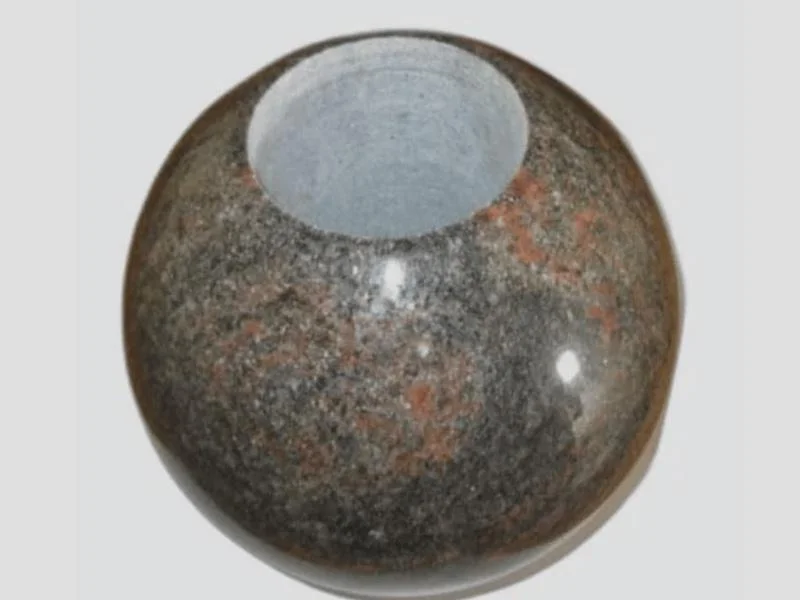
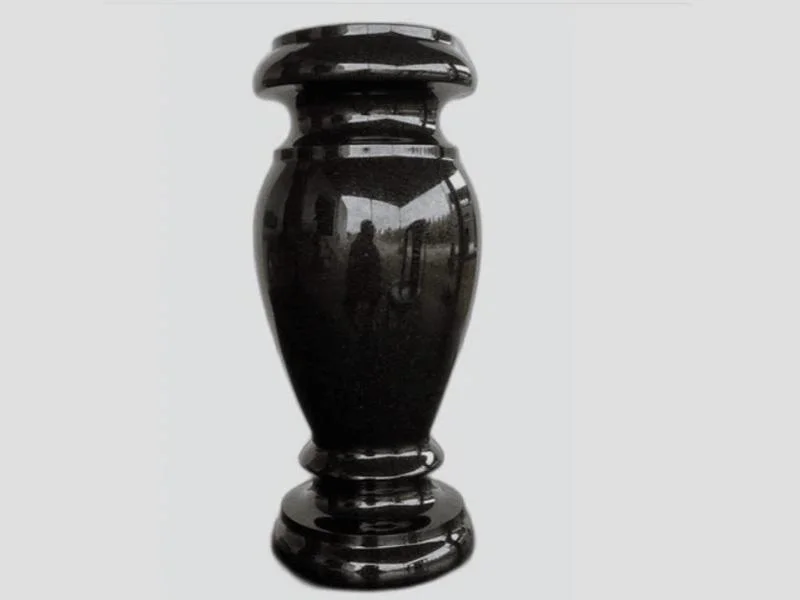
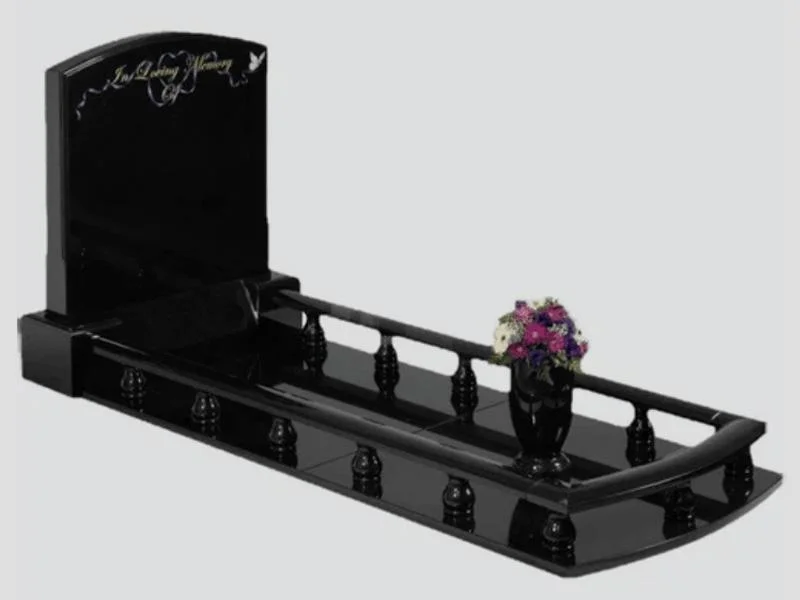
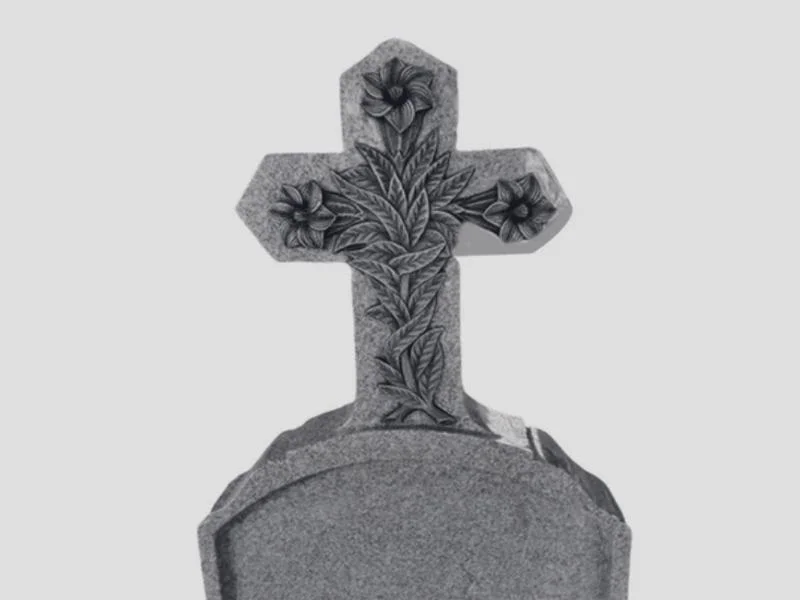
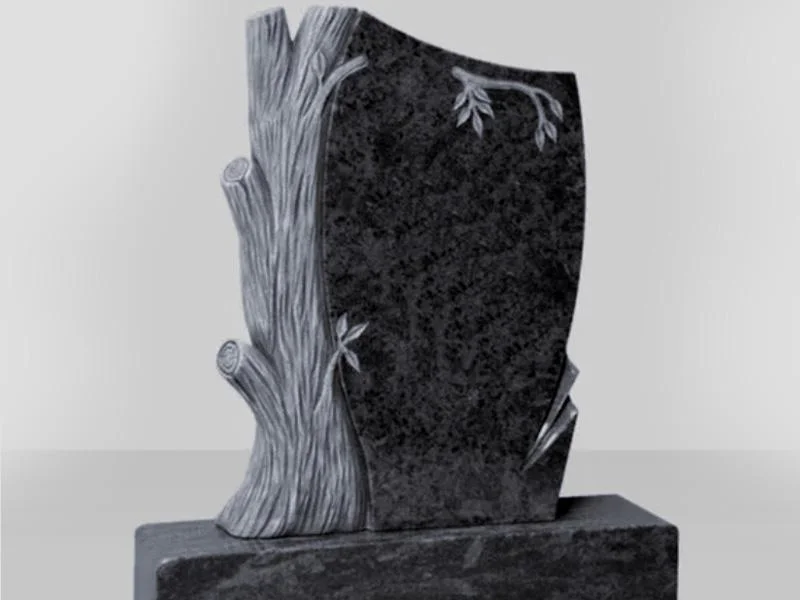
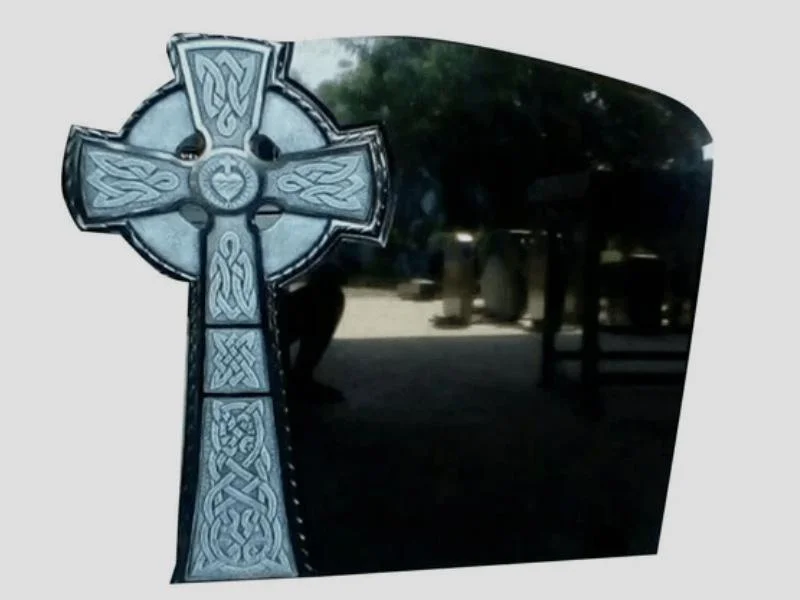
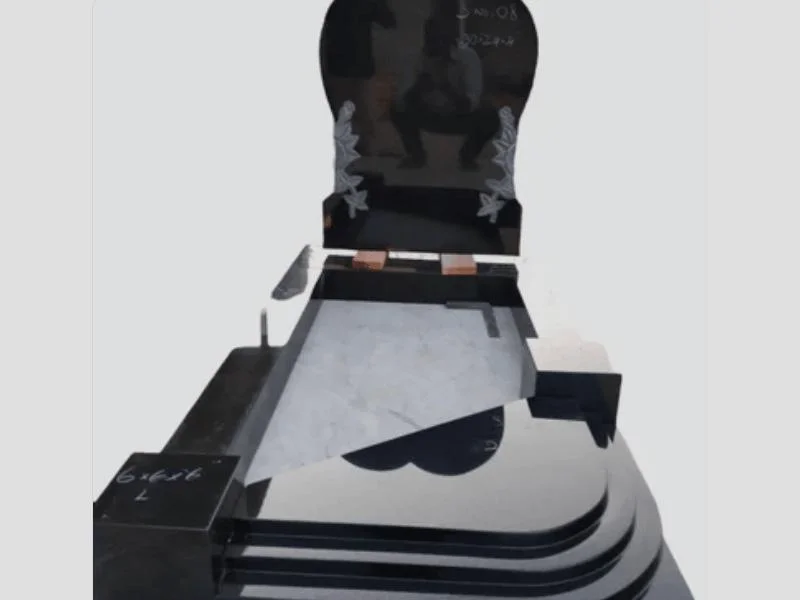
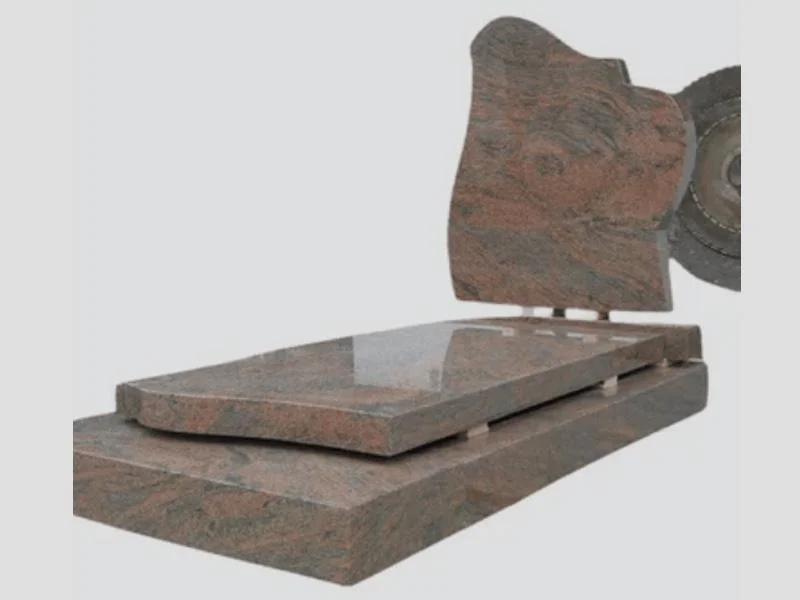
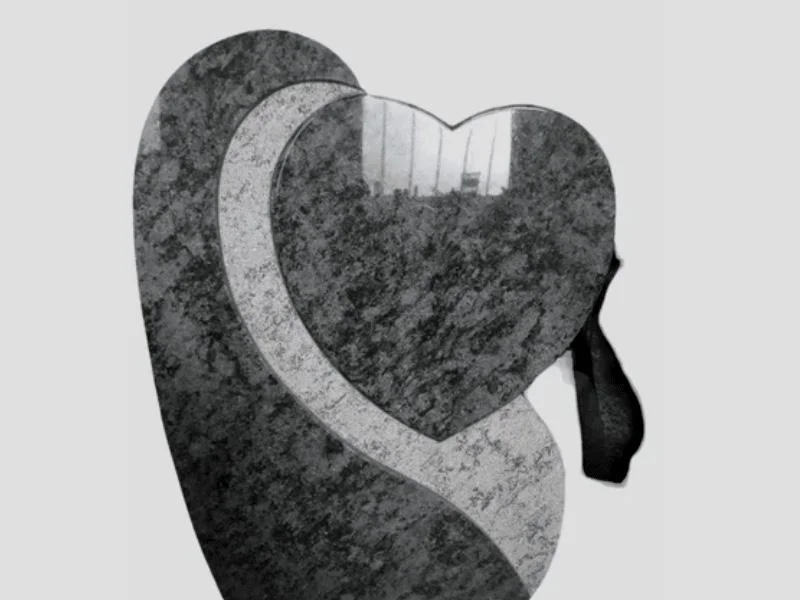
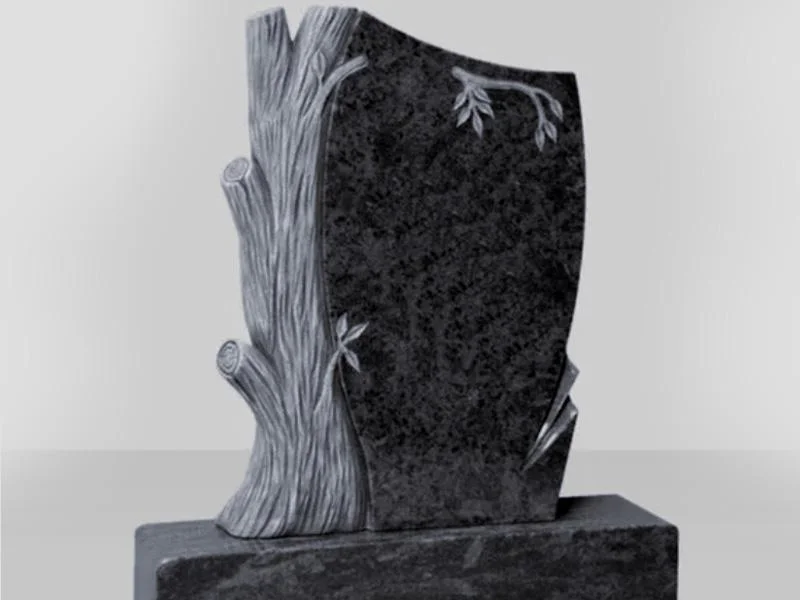
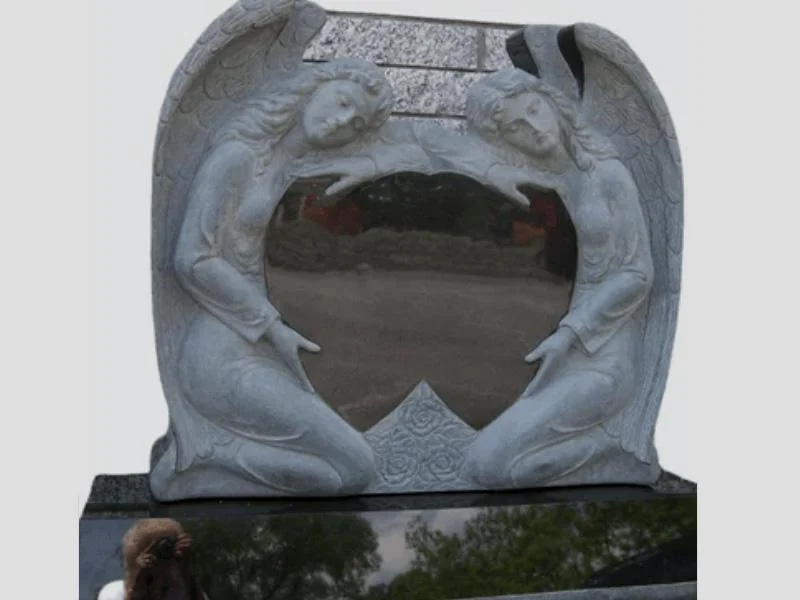
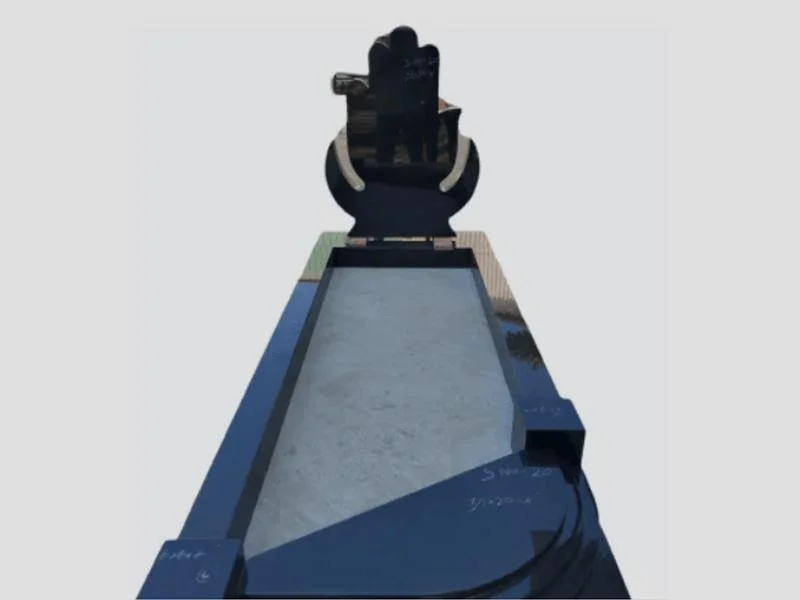
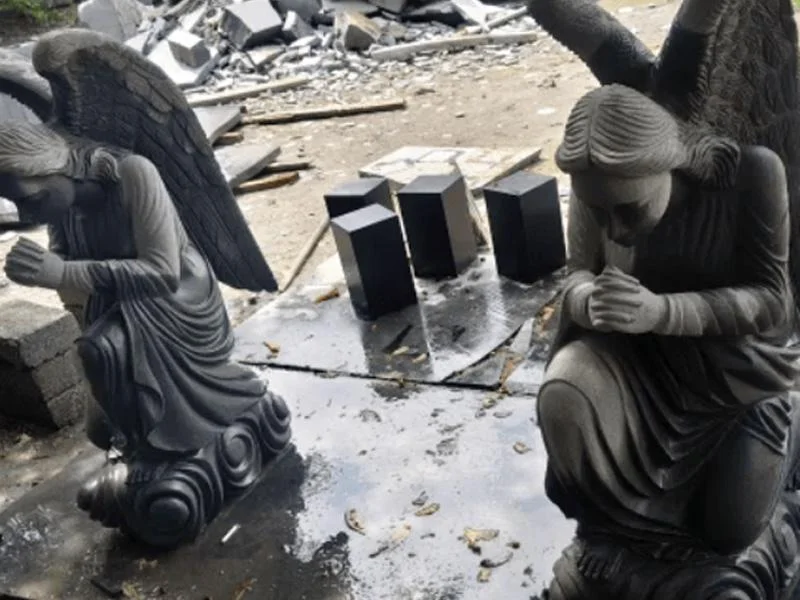
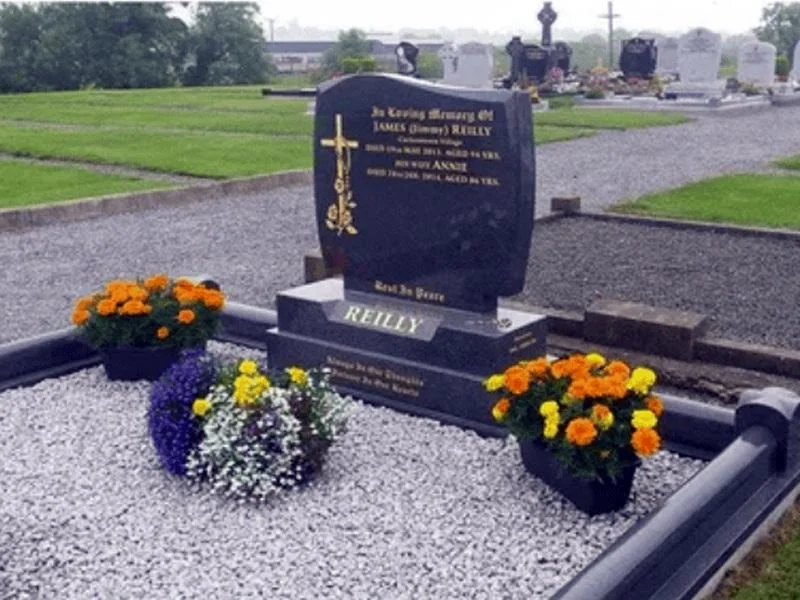
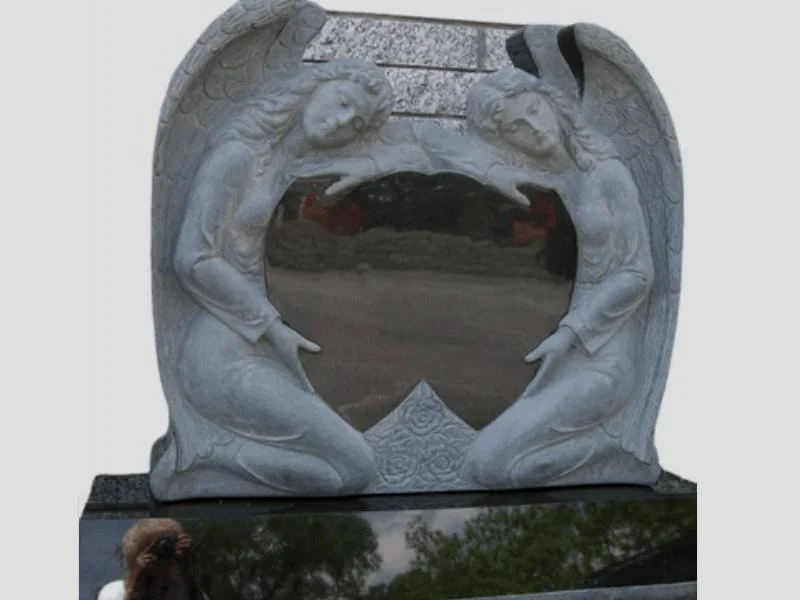
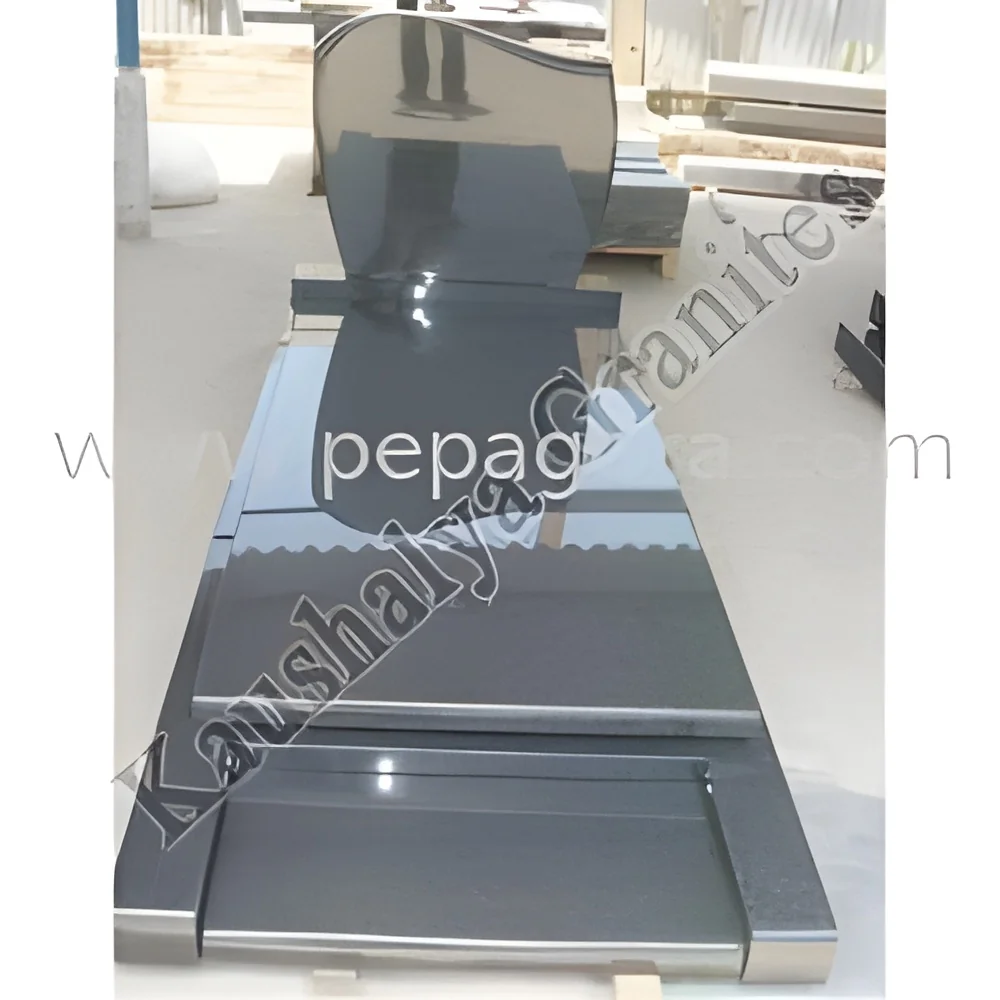
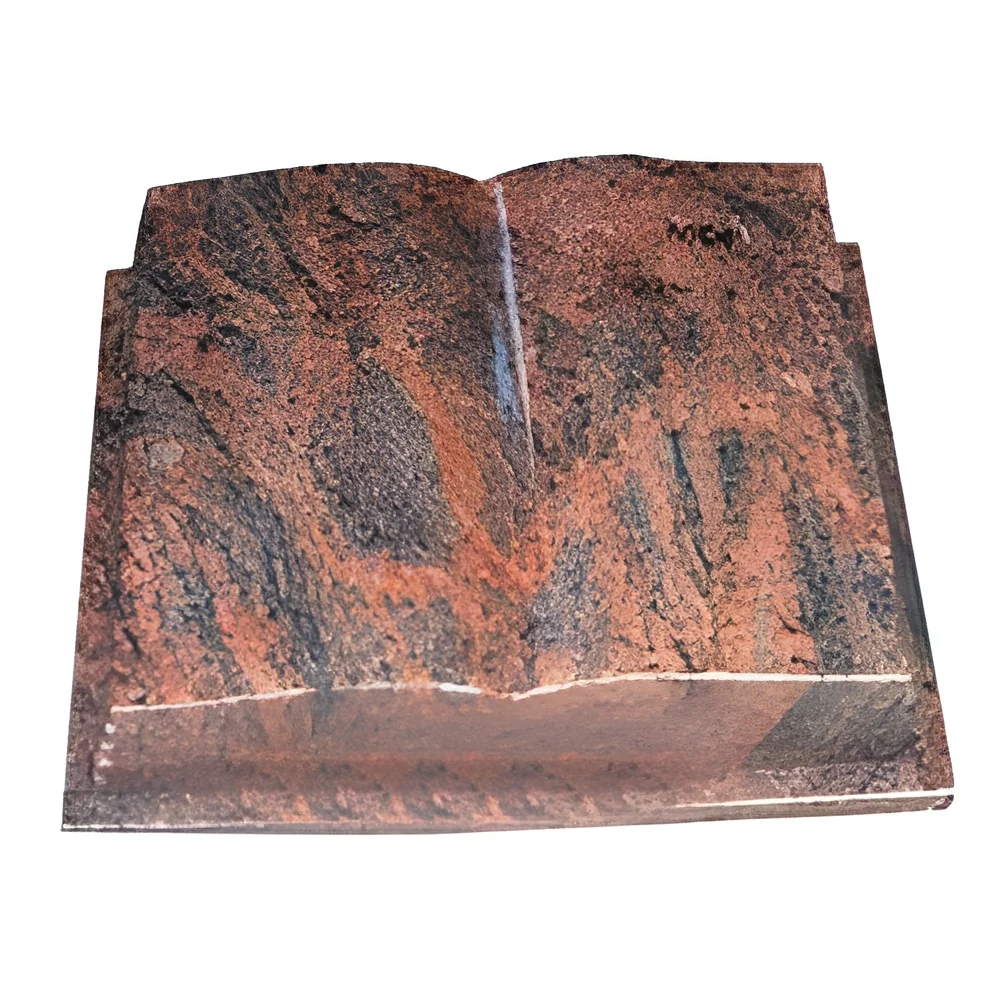
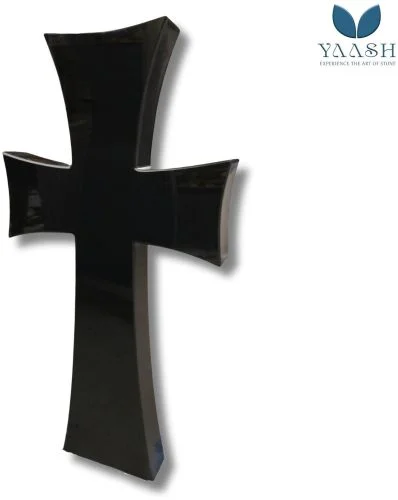
4. Memorials and Monuments: Stone carvings are widely used for tombstones, memorial plaques, and monuments, providing lasting tributes.
5. Religious Installations: Churches, temples, and other places of worship utilize stone carvings to depict religious figures and symbols, enriching spiritual environments.
6. Furniture: Stone is increasingly being used in unique furniture designs, such as tables and benches, combining functionality with artistry.
7. Retail Displays: High-end retail environments use stone carvings to create luxurious displays that attract customers.
In each of these applications, stone and marble carvings provide not only aesthetic value but also durability and a sense of heritage.
Product Variants and Subcategories
Stone and marble carvings come in a variety of forms, each with unique features that cater to different preferences and uses.
Sculptural Carvings
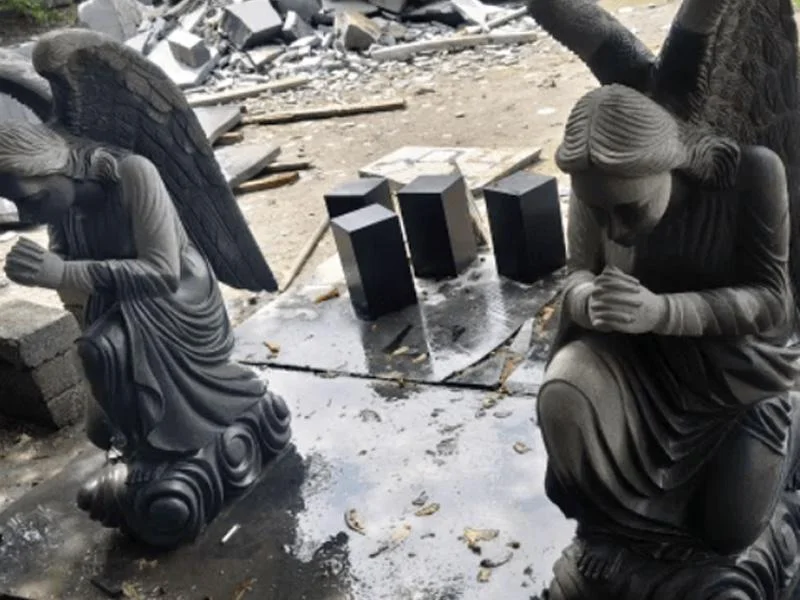
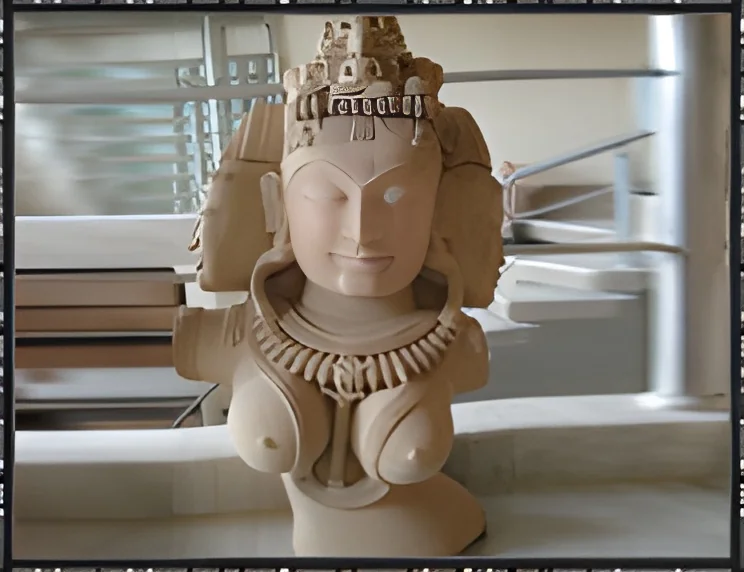
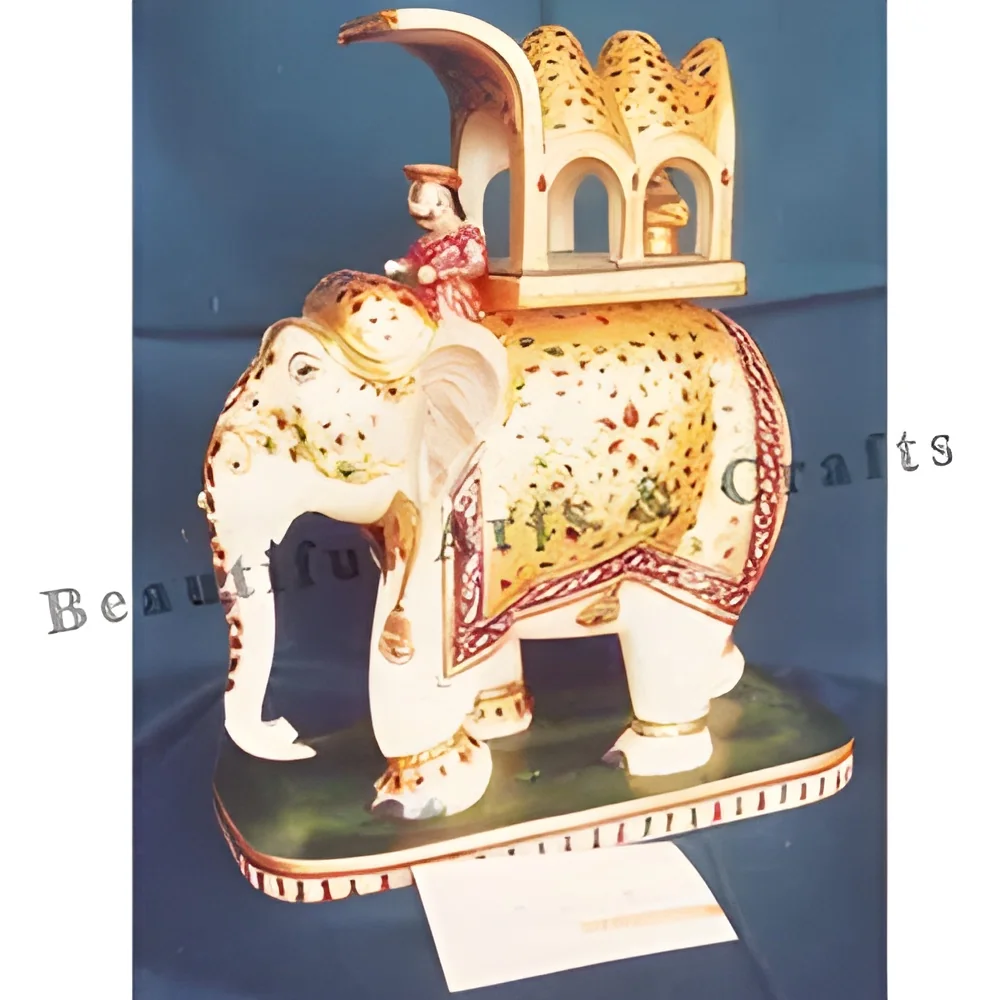
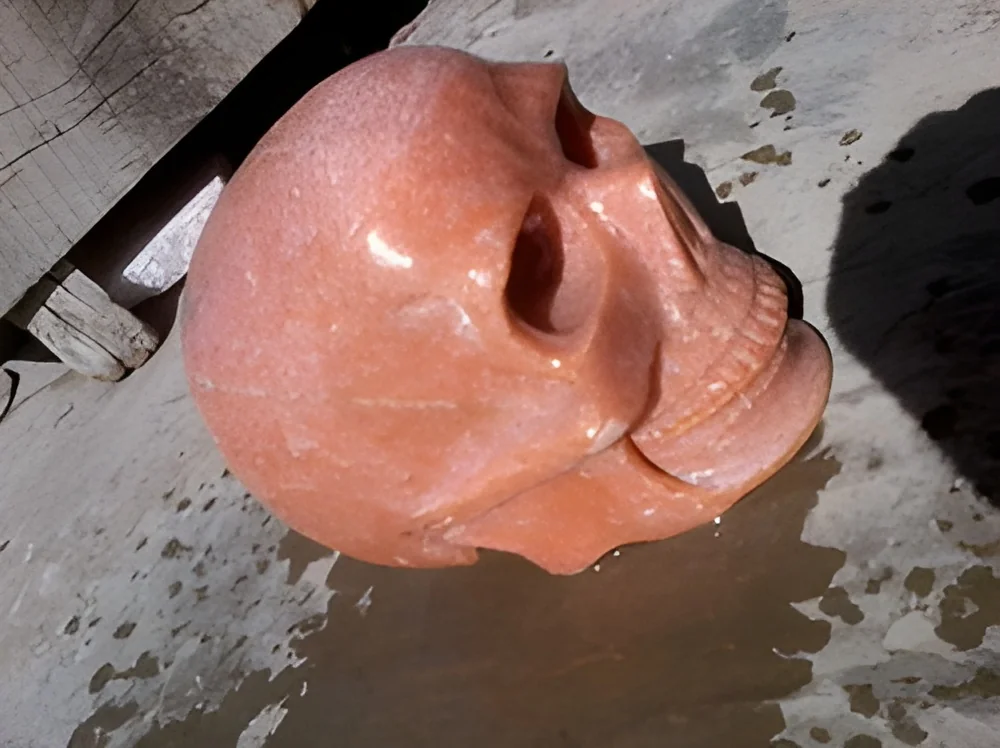
These are three-dimensional representations that can depict figures, animals, or abstract forms. Sculptural carvings are often used as standalone art pieces or incorporated into larger architectural designs.
Relief Carvings
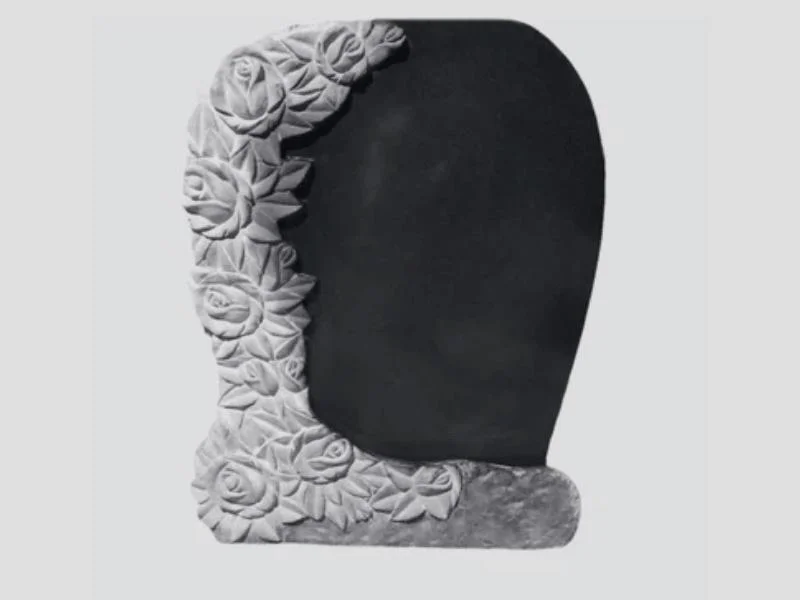
Relief carvings are flat and typically attached to walls or surfaces. They feature designs that are raised from the background, making them ideal for decorative wall art and signage.
Column Capitals
These ornate tops of columns are intricately carved and serve both functional and aesthetic purposes in architecture. They often feature floral or geometric designs.
Bespoke Carvings
Custom carvings can be designed based on specific client requirements. This option allows businesses to create unique pieces that reflect personal or brand identity.
Benefits and Advantages
Stone and marble carvings offer numerous benefits that make them a valuable addition to any project.
Key benefits include:
1. Aesthetic Appeal: The natural beauty of stone enhances the visual appeal of any space, making it a popular choice for high-end designs.
2. Durability: Stone carvings are resistant to wear and tear, making them suitable for both indoor and outdoor applications.
3. Customization: The ability to create bespoke designs allows clients to express their individuality and meet specific project requirements.
4. Low Maintenance: Stone is generally easy to maintain, requiring minimal care to preserve its appearance over time.
5. Timelessness: The classic look of stone carvings ensures they remain in style, adding long-term value to properties.
6. Increased Property Value: Incorporating quality stone and marble carvings can elevate property value through enhanced design and appeal.
Buying Guide for B2B Buyers
When sourcing stone and marble carvings, businesses should consider several factors to ensure they make the best choices.
1. Quality Assessment: Evaluate the quality of materials and craftsmanship. Look for samples and client references to gauge the supplier’s reliability.
2. Supplier Verification: It is essential to vet suppliers for their reputation and experience in the industry. Check for certifications and customer reviews.
3. Pricing and MOQ: Understand the pricing structure and minimum order quantities. Compare quotes from different suppliers to ensure competitive pricing.
4. Delivery and Lead Times: Discuss logistics and expected delivery times to align with project schedules. Efficient supply chain management is critical.
5. Compliance Requirements: Ensure that the carvings meet local regulations and industry standards, particularly for safety and environmental considerations.
Compliance and Certifications
Stone and marble carvings must adhere to relevant quality standards to ensure safety and performance. Common standards include ISO 9001, which focuses on quality management systems, and CE marking, which indicates compliance with European safety standards.
Safety and testing requirements are crucial, particularly for outdoor applications where weather resistance and durability are essential. Manufacturers should provide documentation proving their products meet these standards.
Regional compliance considerations may vary, so it is important for businesses to be aware of local regulations regarding stone and marble products. This ensures that sourced items not only meet quality expectations but also legal requirements.
Why Source Stone & Marble Carvings from Pepagora?
Pepagora offers a reliable platform for sourcing stone and marble carvings, providing several key advantages for businesses.
Verified Supplier Network: Pepagora connects buyers with a network of verified suppliers who have been vetted for quality and reliability. This ensures that businesses can source products with confidence.
Streamlined RFQ Process: The request for quotation (RFQ) process is designed to be efficient, allowing buyers to receive competitive quotes quickly and easily. This saves time and facilitates better decision-making.
Trade Assurance and Support: Pepagora offers trade assurance and buyer protection, ensuring that clients are safeguarded during transactions. This includes support for resolving disputes and ensuring satisfaction.
Regional Coverage: With a broad geographic reach that includes India, GCC, and Southeast Asia, Pepagora helps businesses access a diverse range of stone and marble carvings tailored to their specific needs.

 IN
IN