What are Wall Hangings & Tapestries?
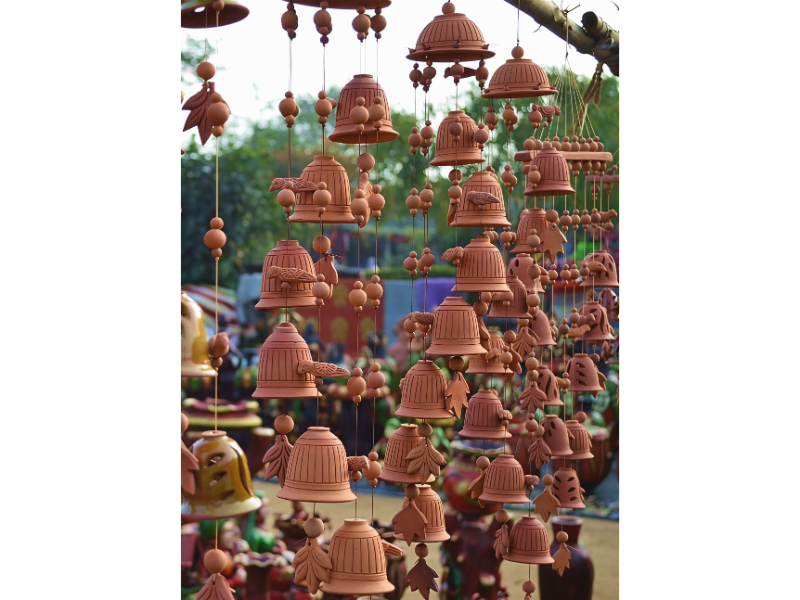
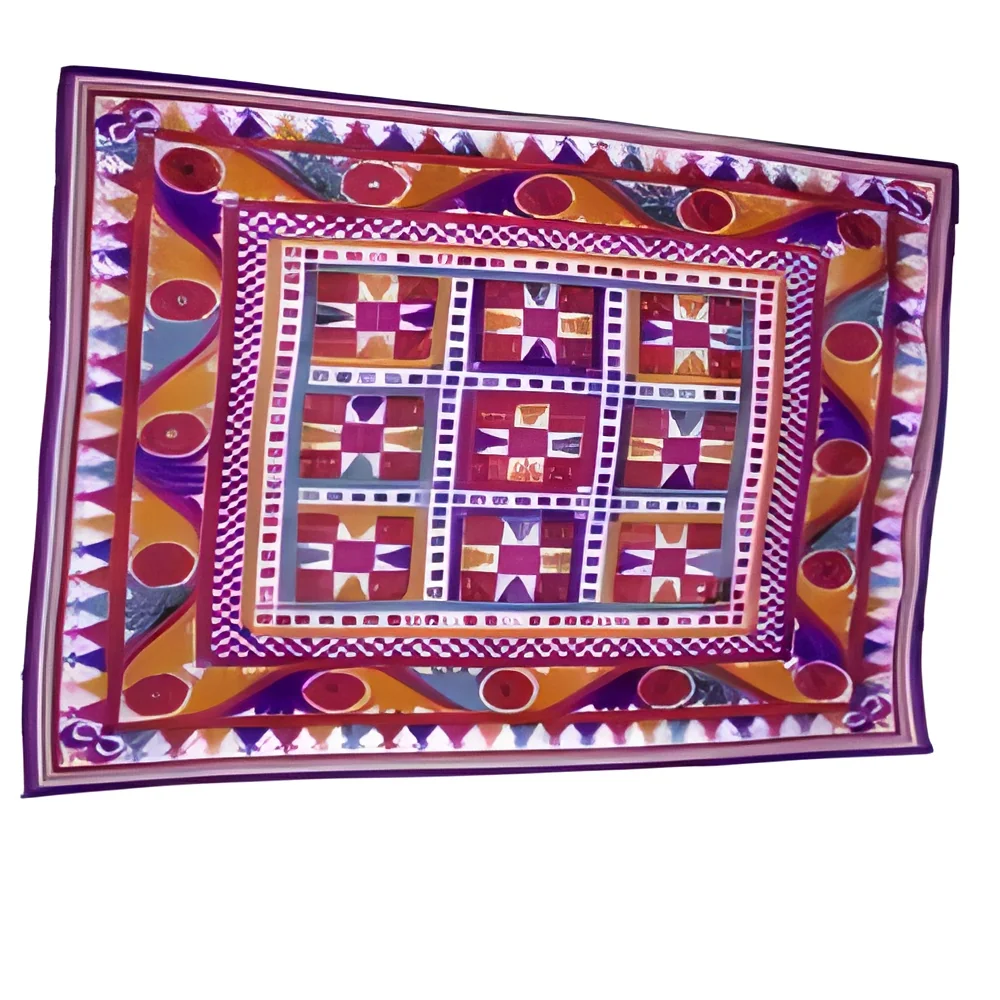
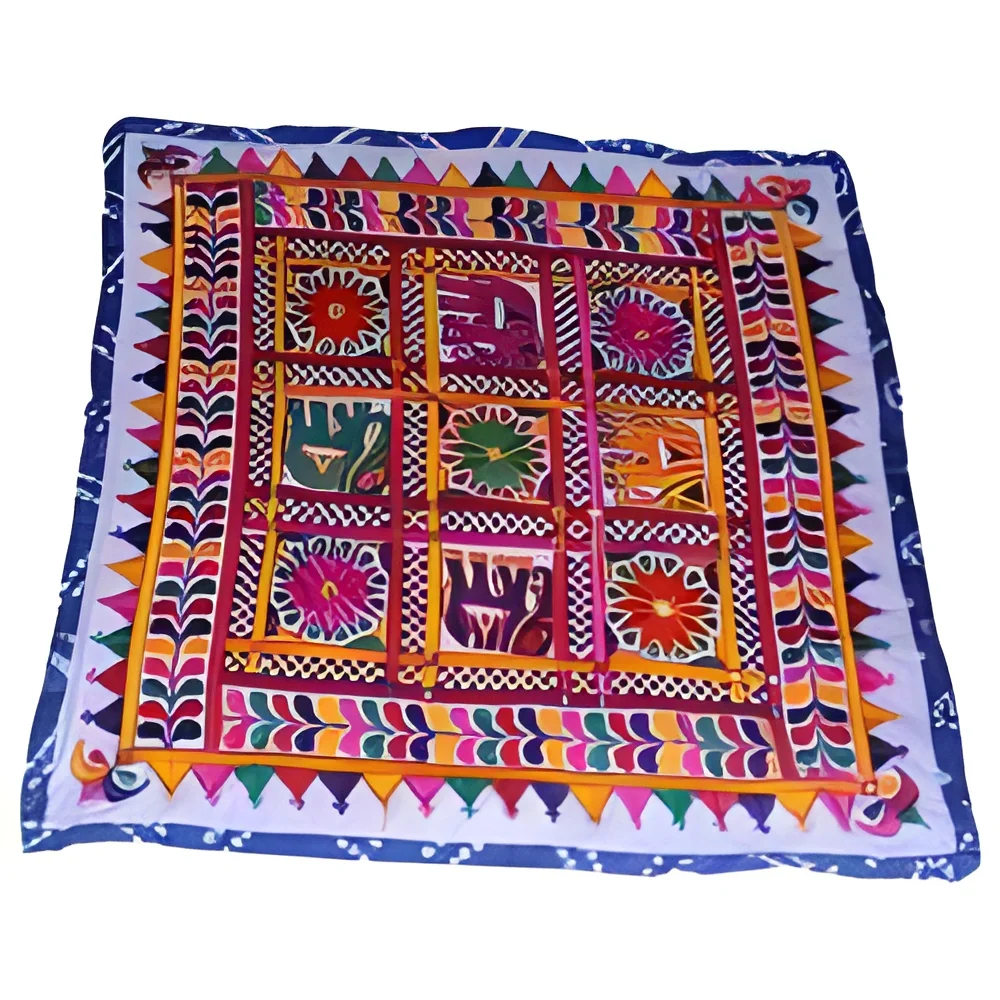
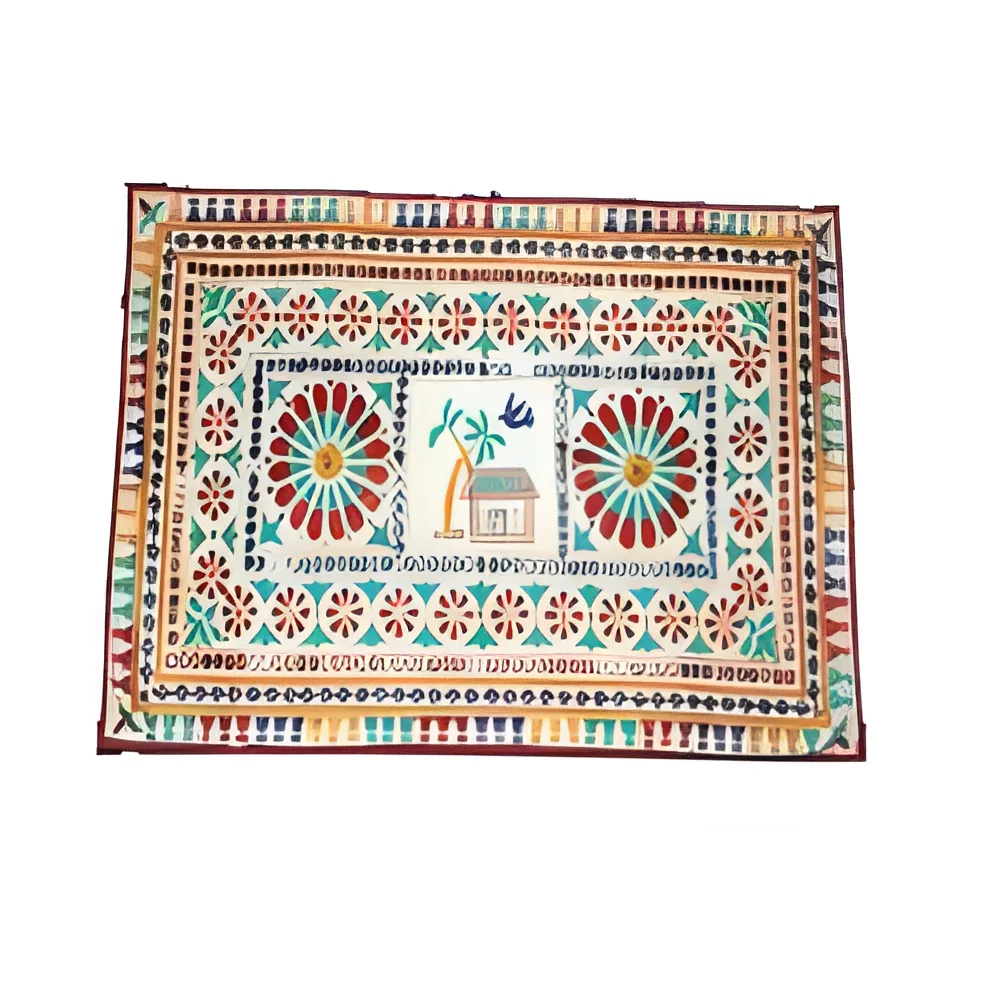
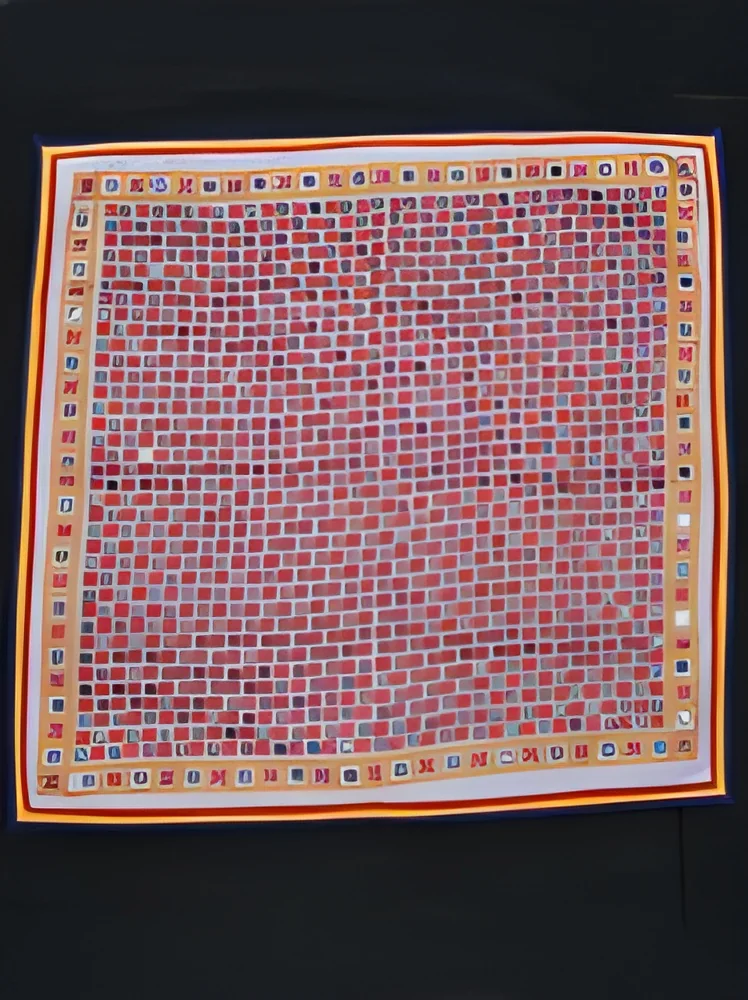
Wall hangings and tapestries are decorative textile pieces that are typically used to adorn walls in various settings. They can be made from a variety of materials, including cotton, wool, silk, and synthetic fibers. These products often feature intricate designs, patterns, or images that can range from traditional to contemporary styles. Tapestries are usually woven and can be quite large, while wall hangings may come in various sizes and can be crafted through different methods, such as embroidery or printing.
The primary uses of wall hangings and tapestries extend beyond mere decoration. They are commonly employed in residential interiors, commercial spaces, and even public venues to enhance aesthetic appeal and convey certain themes or moods. Businesses often utilize these products for branding purposes or to create a welcoming environment. In the hospitality industry, for example, tapestries can help set the tone of a hotel or restaurant, making it feel cozy and inviting.
In terms of industry relevance, the market for wall hangings and tapestries has been steadily growing. This trend is fueled by increasing consumer interest in home decor and the desire for personalized living spaces. Additionally, the rise of online retail has made these products more accessible to a broader audience, further driving demand.
Key Features and Specifications
Wall hangings and tapestries come with a range of features and specifications that cater to different needs and preferences. Understanding these specifications can help buyers make informed decisions when sourcing these products.
Key specifications include:
1. Material Composition
- Various materials such as cotton, wool, silk, and synthetic fibers are used.
- The choice of material affects durability, texture, and visual appeal.
2. Size Variations
- Available in multiple sizes to fit different wall spaces.
- Custom sizes can often be requested based on client needs.
3. Design Options
- Wide range of designs, from abstract to traditional patterns.
- Custom designs may also be available depending on the supplier.
4. Hanging Mechanism
- Various methods for hanging including rods, hooks, or adhesive strips.
- Ensures that the tapestry or wall hanging is secure and easy to install.
5. Care Instructions
- Specific cleaning and maintenance guidelines depending on material.
- Some may be machine washable while others require dry cleaning.
6. Weight Specifications
- Weight varies based on size and material, affecting installation methods.
- Lighter options may be suitable for temporary displays.
7. Color Fastness
- Resistance to fading when exposed to light and washing.
- Important for maintaining the vibrancy of designs over time.
8. Eco-Friendly Options
- Availability of sustainably sourced materials.
- Certifications may indicate environmentally friendly practices.
In summary, understanding the features and specifications of wall hangings and tapestries is crucial for businesses looking to enhance their spaces with quality decorative items.
Common Applications and Use Cases
Wall hangings and tapestries find applications across a variety of industries, showcasing their versatility and functionality.
1. Hospitality Industry: Hotels, restaurants, and cafes use wall hangings to create inviting atmospheres. These products can reflect the establishment's theme or brand identity, enhancing the overall customer experience.
2. Retail Spaces: Shops and boutiques often incorporate tapestries as part of their visual merchandising strategies. They can be used to draw attention to specific products or areas within the store.
3. Corporate Offices: Many businesses decorate their office spaces with wall hangings to promote a creative environment. These pieces can also communicate company values and culture to clients and employees alike.
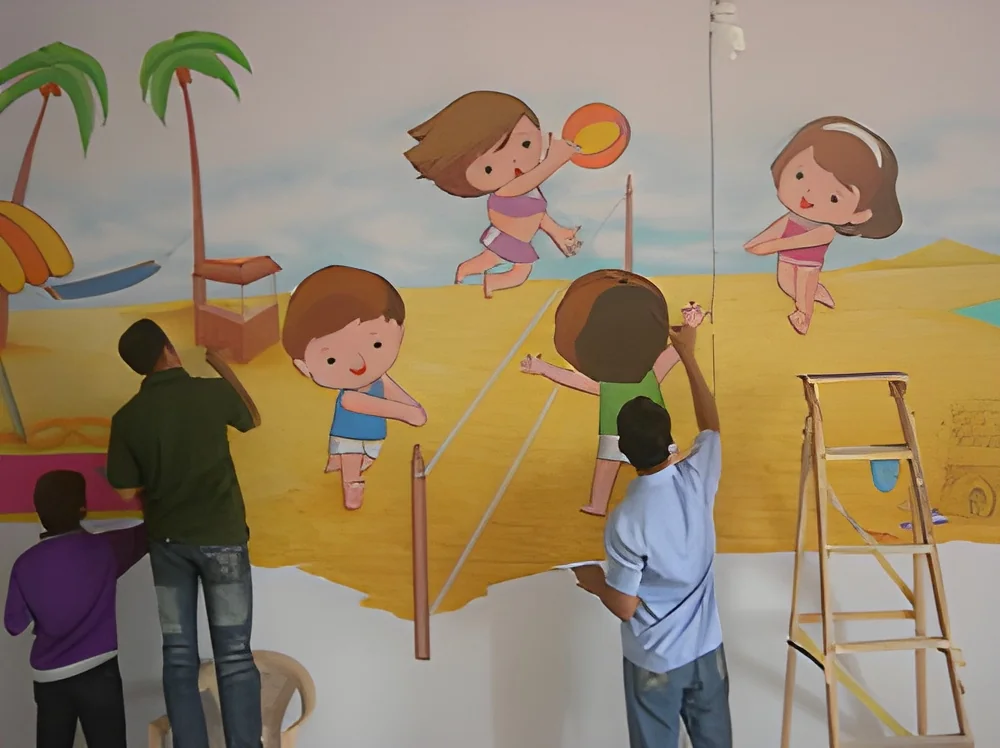
4. Educational Institutions: Schools and universities utilize tapestries to adorn hallways and classrooms. They can serve educational purposes or celebrate school spirit and history.
5. Art Galleries: Tapestries can be featured in exhibitions as both art pieces and decorative elements. They can complement the overall aesthetic of the gallery.
6. Healthcare Facilities: Hospitals and clinics often use calming wall hangings to create soothing environments for patients and visitors. The right artwork can enhance the healing atmosphere.
7. Residential Spaces: Homeowners frequently use wall hangings to personalize their living spaces. They can serve as focal points in rooms or complement existing decor.
Product Variants and Subcategories
Wall hangings and tapestries offer a diverse range of variants that cater to different styles and preferences. This diversity allows businesses to select products that best suit their needs.
Artistic Tapestries
These are often created by artists and feature unique designs. They can serve as statement pieces in any space, showcasing creativity and craftsmanship.
Textured Wall Hangings
These products emphasize texture and tactile appeal. They can be made from layered materials, providing a three-dimensional effect that adds depth to an interior.
Customizable Tapestries
Some suppliers offer customization options, allowing businesses to incorporate their branding or specific designs. This is particularly useful for commercial applications.
Seasonal Wall Hangings
These products are designed for specific seasons or holidays. They allow businesses to refresh their decor throughout the year, keeping the environment dynamic.
Benefits and Advantages
Investing in wall hangings and tapestries comes with several notable advantages for businesses.
1. Aesthetic Enhancement: Wall hangings add visual interest to any space, enhancing the overall decor and ambiance.
2. Branding Opportunities: Custom tapestries can effectively communicate brand identity and values, making a lasting impression on clients and visitors.
3. Versatility: Suitable for various environments, these products can be adapted to fit different themes and styles.
4. Sound Absorption: Tapestries can help dampen sound in large spaces, contributing to a more comfortable atmosphere.
5. Easy Maintenance: Many wall hangings are designed for easy cleaning, ensuring longevity and sustained appearance.
6. Cost-Effective Decor: Compared to other forms of art, tapestries can offer a more budget-friendly option for enhancing spaces.
Buying Guide for B2B Buyers
When sourcing wall hangings and tapestries, it is essential for buyers to consider several factors to ensure they make informed choices.
1. Quality Assessment: Evaluate the quality of materials and craftsmanship. Look for products that are durable and well-made to ensure longevity.
2. Supplier Verification: Vet suppliers to ensure they are reliable and have a positive track record. Check for reviews and ratings from previous customers.
3. Pricing and MOQ: Understand the pricing structure and minimum order quantities. This helps in budgeting and ensuring that the purchase aligns with business needs.
4. Delivery and Lead Times: Consider logistics and delivery times. Ensure that the supplier can meet your schedule for timely installation.
5. Compliance Requirements: Be aware of any regulatory standards that apply to wall hangings and tapestries, especially if sourcing for commercial use.
Compliance and Certifications
Wall hangings and tapestries must adhere to certain compliance standards to ensure quality and safety.
Relevant quality standards include ISO 9001, which focuses on quality management systems. This certification indicates that a supplier has established processes for delivering high-quality products consistently.
In addition to ISO, CE certification is essential in certain markets, particularly in the European Union. This certification ensures that products meet health, safety, and environmental protection standards.
Safety and testing requirements may vary based on the materials used. It is crucial for suppliers to conduct testing to verify that their products do not pose health risks.
Regional compliance considerations also play a significant role. Different regions may have specific regulations regarding textile products, which buyers need to be aware of when sourcing.
Why Source Wall Hangings & Tapestries from Pepagora?
Pepagora provides a trusted platform for sourcing wall hangings and tapestries, offering several key advantages for B2B buyers.
Verified Supplier Network: Pepagora's rigorous verification process ensures that all suppliers meet high standards of quality and reliability. This gives buyers confidence in their procurement decisions.
Streamlined RFQ Process: The request for quotation (RFQ) system simplifies the sourcing process. Buyers can easily compare offers from multiple suppliers to find the best fit for their needs.
Trade Assurance and Support: Pepagora offers trade assurance, providing protection for buyers against potential risks. This includes support throughout the purchasing process, ensuring a smooth experience.
Regional Coverage: With a strong presence in India, the GCC, and Southeast Asia, Pepagora is well-positioned to serve a diverse range of businesses. Buyers can benefit from regional expertise and localized support.

 IN
IN