
 IN
Sandwich Panels for Walls & Roofs
20 products available
What are Sandwich Panels for Walls & Roofs?
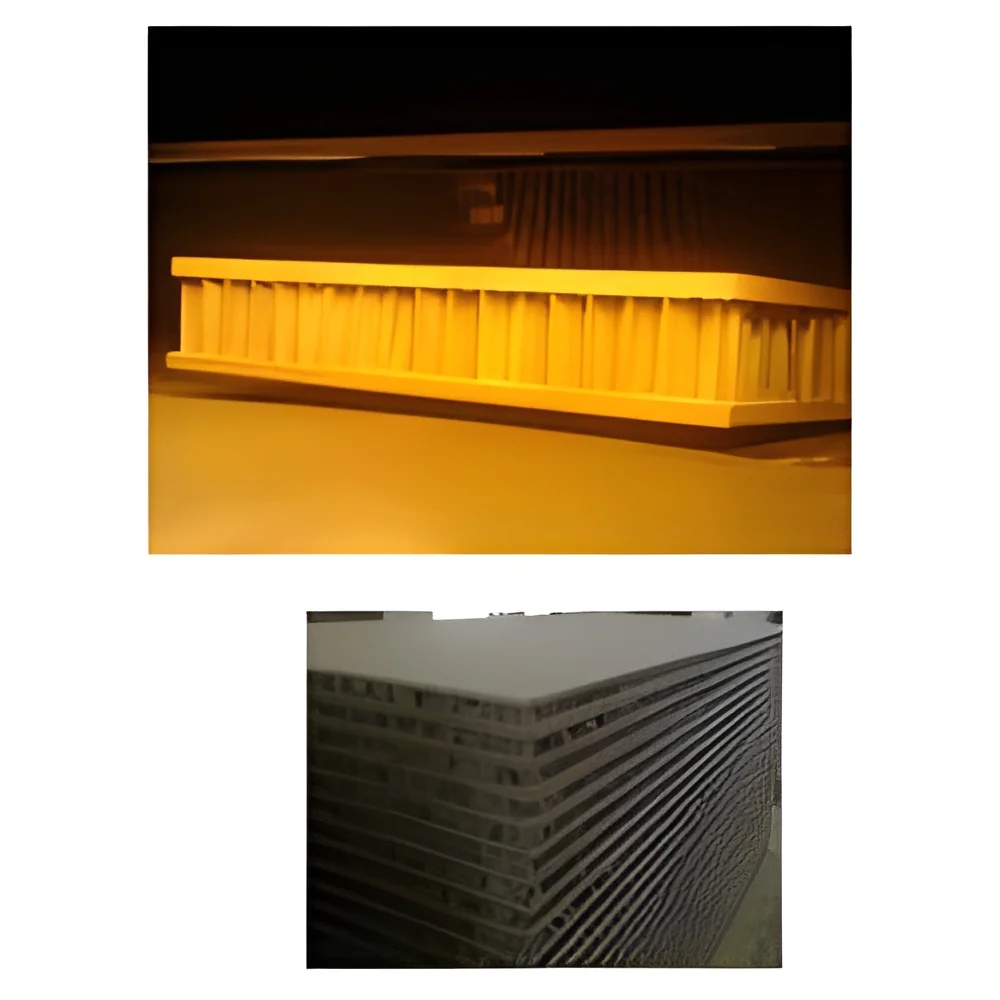
Sandwich panels for walls and roofs are composite building materials made up of two outer layers and an insulating core. These panels are designed to provide excellent thermal insulation, structural integrity, and durability. The outer layers are typically made of metal, such as steel or aluminum, while the core can be made from materials like polystyrene, polyurethane, or mineral wool. The combination of these materials allows sandwich panels to meet various performance requirements in construction.
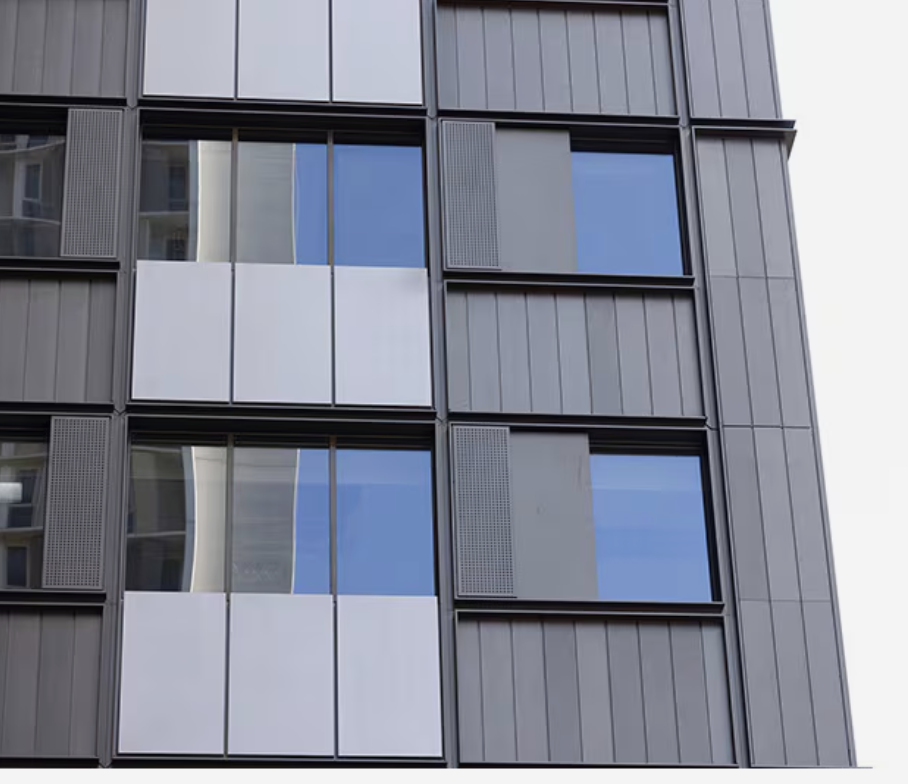
These panels are primarily used in industrial buildings, commercial facilities, and residential structures. They offer a lightweight yet robust solution for creating walls and roofs that require insulation and protection against environmental factors. Businesses in sectors such as manufacturing, warehousing, and logistics often utilize sandwich panels to enhance energy efficiency and reduce construction time. As sustainable building practices gain traction, the demand for these panels is on the rise, making them a relevant choice in today's market.
Key Features and Specifications
Sandwich panels for walls and roofs boast a range of features that make them a popular choice for various applications. Their design and construction ensure they meet industry demands for energy efficiency and durability.
Key specifications include:
1. Insulation Value
- R-value measures thermal resistance.
- Common ranges: 2.5 to 6.0 per inch.
2. Panel Thickness
- Varies depending on application needs.
- Typical thickness: 40mm to 150mm.
3. Fire Rating
- Complies with fire safety standards.
- Ratings may vary based on core material.
4. Wind Load Resistance
- Ability to withstand high wind pressures.
- Rated based on location and building design.
5. Acoustic Performance
- Reduces sound transmission.
- Sound reduction values typically range from 20 to 30 decibels.
6. Surface Finish Options
- Available in various coatings for aesthetic appeal.
- Options include painted, galvanized, or stainless steel finishes.
7. Custom Lengths
- Panels can be manufactured to specific dimensions.
- Standard lengths range from 2m to 12m.
8. Ease of Installation
- Designed for quick assembly and reduced labor costs.
- Typically features interlocking edges for seamless connections.
These specifications help ensure that sandwich panels meet the unique needs of different construction projects.
Common Applications and Use Cases
Sandwich panels are versatile and find applications across various industries.
1. Manufacturing: Used in factory buildings for walls and roofs, providing insulation and energy efficiency.
2. Warehousing: Ideal for large storage facilities, where thermal control and quick assembly are crucial.
3. Agriculture: Commonly employed in agricultural buildings like barns and greenhouses due to their durability and insulating properties.
4. Cold Storage: Essential for refrigerated warehouses, helping maintain temperature control and reduce energy costs.
5. Commercial Spaces: Utilized in shopping centers and office buildings for their aesthetic appeal and energy efficiency.
6. Healthcare: Used in hospitals and clinics for cleanroom applications, where hygiene and insulation are vital.
7. Transportation: Employed in truck bodies and trailers, ensuring thermal regulation during transport.
Product Variants and Subcategories
Sandwich panels are available in various configurations to meet specific needs.
Insulated Metal Panels
These panels feature a metal exterior and a foam core, providing excellent insulation and structural strength. They are widely used in commercial and industrial buildings.
Fire-Resistant Panels
Designed with specialized cores to enhance fire safety, these panels are ideal for applications requiring stringent fire regulations.
Acoustic Panels
These panels are engineered to minimize sound transmission, making them suitable for environments where noise control is essential, such as auditoriums and conference rooms.
Customizable Panels
Manufacturers often offer customizable options to meet unique project specifications, including varying thicknesses and finishes.
Benefits and Advantages
Sandwich panels offer numerous benefits that enhance their appeal in the construction industry.
1. Energy Efficiency: Their insulating properties help reduce energy consumption and lower heating and cooling costs.
2. Quick Installation: Designed for easy assembly, they minimize labor time and project timelines.
3. Durability: The composite construction provides long-lasting performance and resistance to environmental factors.
4. Cost-Effectiveness: Reduced energy costs and fast installation contribute to overall savings.
5. Versatility: Suitable for a wide range of applications across various industries.
6. Aesthetic Options: Available in multiple finishes and colors to match architectural designs.
Buying Guide for B2B Buyers
When sourcing sandwich panels for walls and roofs, businesses should consider several crucial factors.
1. Quality Assessment: Evaluate the quality of materials and construction to ensure long-term performance. Look for panels that meet industry standards.
2. Supplier Verification: Vet suppliers to confirm their credibility and experience in producing sandwich panels. Request references and review previous projects.
3. Pricing and MOQ: Understand the pricing structure and minimum order quantities. Compare quotes from multiple suppliers to find the best deal.
4. Delivery and Lead Times: Confirm lead times for production and delivery to plan project timelines effectively.
5. Compliance Requirements: Ensure that the panels meet relevant local and international standards for safety and performance.
Compliance and Certifications
Sandwich panels must adhere to various quality standards to ensure safety and reliability. Relevant certifications include ISO 9001 for quality management systems, which guarantees consistent product quality. Additionally, CE marking indicates compliance with European health, safety, and environmental protection standards.
Safety testing is essential, particularly for fire-resistant panels. These tests ensure that the materials used can withstand specific fire conditions, providing peace of mind to end-users. Regional compliance considerations may vary, so it is crucial to understand local regulations and standards applicable to sandwich panels.
Why Source Sandwich Panels for Walls & Roofs from Pepagora?
Pepagora provides a trusted platform for sourcing sandwich panels for walls and roofs, offering several key advantages.
Verified Supplier Network: The platform connects buyers with verified suppliers, ensuring quality products and reliable service. Each supplier undergoes a thorough vetting process to maintain high standards.
Streamlined RFQ Process: Pepagora simplifies the request for quotation process, allowing buyers to easily compare offers and make informed decisions. This efficiency saves time and effort in sourcing.
Trade Assurance and Support: Buyers benefit from trade assurance programs that protect their investments. Dedicated support teams are available to assist with any inquiries and resolve issues promptly.
Regional Coverage: With a strong presence in India, GCC, and Southeast Asia, Pepagora ensures that customers receive timely deliveries and local support. This regional coverage enhances accessibility for businesses looking to source sandwich panels.

 India
 India
 India
 India
 India
 India

 India
 India
 India
 India
 India

Frequently Asked Questions
What are Sandwich Panels for Walls & Roofs?
Sandwich Panels for Walls & Roofs are prefabricated composite panels that consist of two outer layers and an insulating core. These panels are widely used in construction for building walls and roofs due to their lightweight nature, thermal insulation properties, and quick installation.
What are the different types of Sandwich Panels for Walls & Roofs?
The main types of Sandwich Panels include EPS (Expanded Polystyrene) panels, PUR (Polyurethane) panels, and Rockwool panels. Each type offers unique insulation properties and fire resistance levels, making them suitable for various applications in construction.
How do I choose the right Sandwich Panels for Walls & Roofs?
Selecting the right Sandwich Panels requires consideration of factors such as insulation needs, fire resistance, load-bearing capacity, and environmental conditions. It's essential to assess the specific requirements of your project to ensure optimal performance and durability.
What are the standard specifications for Sandwich Panels for Walls & Roofs?
Standard specifications for Sandwich Panels typically include panel thickness, insulation material, and fire rating. Common thicknesses range from 40mm to 200mm, while insulation materials can vary based on thermal conductivity and fire resistance ratings.
What is the price range for Sandwich Panels for Walls & Roofs?
The price of Sandwich Panels for Walls & Roofs can vary significantly based on material, thickness, and manufacturer. Generally, the cost can range from INR 700 to INR 1500 per square meter, depending on the specifications.
What quality standards apply to Sandwich Panels for Walls & Roofs?
Sandwich Panels are required to meet several quality standards, including IS (Indian Standards) for fire safety, thermal insulation, and structural integrity. It is important to check that the panels comply with relevant industry certifications before purchase.
Where can I find Sandwich Panels for Walls & Roofs suppliers in India?
You can find suppliers of Sandwich Panels for Walls & Roofs through online B2B marketplaces, construction trade shows, or industry directories. Websites like Pepagora.com can help connect you with verified manufacturers and suppliers in India.
Can Sandwich Panels for Walls & Roofs be customized?
Yes, Sandwich Panels can often be customized to meet specific design requirements, including size, color, and insulation properties. Many manufacturers offer tailored solutions to cater to the unique needs of construction projects.
What is the typical minimum order quantity for Sandwich Panels for Walls & Roofs?
The typical minimum order quantity (MOQ) for Sandwich Panels varies by supplier but generally ranges from 100 to 500 square meters. It's advisable to confirm the MOQ with suppliers before placing an order.
What is the typical lead time for Sandwich Panels for Walls & Roofs?
The typical lead time for Sandwich Panels for Walls & Roofs can range from 2 to 6 weeks, depending on the manufacturer and order specifications. Factors such as customization and production schedules may also affect delivery times.
Why Businesses Trust Pepagora
Thousands of companies trust Pepagora to source smarter and sell faster
Expand Your Sales Globally

Source Smarter,Grow Faster
