
 IN
Rubber-Based Adhesives
3 products available
What are Rubber-Based Adhesives?
Rubber-based adhesives are versatile bonding agents derived from natural or synthetic rubber. These adhesives are characterized by their excellent flexibility, strong adhesion to various substrates, and resistance to moisture and chemicals. They typically offer a fast-setting time and are suitable for applications requiring immediate handling strength. Rubber-based adhesives are known for their ability to form durable bonds on porous and non-porous surfaces alike.
These adhesives find primary use in industries such as automotive, construction, packaging, and electronics. In automotive applications, they are used for bonding components like trim and insulation. In construction, they serve as sealants and adhesives for flooring and roofing materials. Their high-performance characteristics make them invaluable in manufacturing processes where quick and reliable adhesion is critical.
As industries continue to evolve, the demand for rubber-based adhesives remains strong. The market for these products is driven by the need for efficient bonding solutions that can withstand various environmental factors. With advancements in formulations, manufacturers are developing specialized rubber-based adhesives that cater to specific industry needs, ensuring relevance in a competitive landscape.
Key Features and Specifications
Rubber-based adhesives offer several key features that enhance their performance and usability. Understanding these specifications is crucial for businesses looking to select the right adhesive for their applications.
Key specifications include:
1. Adhesion Strength
- High initial tack and bonding strength
- Effective on a variety of substrates
2. Temperature Resistance
- Functional in a wide temperature range
- Maintains bond integrity under thermal stress
3. Cure Time
- Fast curing capabilities
- Options for instant or extended working times
4. Flexibility
- Excellent elongation properties
- Adapts well to substrate movement
5. Chemical Resistance
- Resists degradation from oils, solvents, and moisture
- Suitable for harsh environmental conditions
6. Viscosity
- Available in various viscosities for different application methods
- Ensures ease of use in manufacturing processes
7. Drying Characteristics
- Quick drying for high productivity
- Options available for open time as needed
8. Non-Toxic Formulations
- Safe for applications in sensitive environments
- Compliance with health and safety regulations
In summary, rubber-based adhesives are engineered with a range of features that make them suitable for diverse industrial applications. Their specifications cater to the unique requirements of various sectors.
Common Applications and Use Cases
Rubber-based adhesives are utilized across multiple industries due to their versatility and performance characteristics.
1. Automotive: In the automotive sector, rubber-based adhesives are used for bonding interior and exterior components, such as weather stripping and trim. Their moisture resistance helps maintain bond quality under various conditions.
2. Construction: These adhesives serve as effective bonding agents for flooring materials, roofing membranes, and insulation products, ensuring durability and longevity in structural applications.
3. Packaging: In the packaging industry, rubber-based adhesives are used in the production of cartons, labels, and flexible packaging, providing strong seals that protect products during shipping.
4. Electronics: Rubber-based adhesives are essential in electronics for bonding components, as they provide good insulation and adhere well to plastics and metals.
5. Furniture: In the furniture industry, these adhesives are used for laminating surfaces and assembling components, providing a lasting hold that withstands daily use.
6. Aerospace: Rubber-based adhesives are employed in aerospace applications for bonding parts that require lightweight and high-strength adhesion.
7. Textiles: These adhesives are also utilized in the textile industry for securing fabrics in upholstery and garment manufacturing, where flexibility is vital.
Product Variants and Subcategories
Rubber-based adhesives come in various forms to meet specific application needs.
Liquid Rubber Adhesives
These adhesives are easy to apply and are suitable for bonding a variety of surfaces. They provide fast setting times and strong initial tack, making them ideal for quick repairs and assembly.
Pressure-Sensitive Adhesives
These are designed to bond on contact without the need for heat or solvent activation, making them perfect for applications like labels and tapes where immediate adhesion is required.
Solvent-Based Rubber Adhesives
These adhesives dissolve in solvents, allowing for easy application and strong bonding. They are commonly used in industrial applications for their durability and resistance to environmental factors.
Benefits and Advantages
Rubber-based adhesives offer numerous advantages that make them a preferred choice in various industries.
Key benefits include:
1. Versatility: Rubber-based adhesives can bond a wide range of materials, making them suitable for diverse applications across industries.
2. Fast Bonding: Their quick curing time allows for rapid production processes, reducing downtime and increasing efficiency.
3. Environmental Resistance: These adhesives exhibit strong resistance to moisture, chemicals, and temperature fluctuations, ensuring long-lasting bonds.
4. Flexibility: The inherent flexibility of rubber-based adhesives allows them to accommodate movement and stress in bonded materials without failure.
5. Ease of Application: Available in various forms such as liquid and tape, these adhesives are user-friendly and adaptable to different manufacturing processes.
6. Cost-Effectiveness: With competitive pricing and high performance, rubber-based adhesives provide excellent value, reducing the need for frequent replacements.
Buying Guide for B2B Buyers
When sourcing rubber-based adhesives, it is essential to consider several factors to ensure the right fit for your needs.
1. Quality Assessment: Evaluate the adhesive's performance characteristics, including adhesion strength, flexibility, and durability. Look for products that meet industry standards to ensure reliability.
2. Supplier Verification: Research and verify suppliers to ensure they have a reputation for quality and reliability. It's beneficial to check for customer reviews and case studies.
3. Pricing and MOQ: Compare pricing across different suppliers and be aware of minimum order quantities. Ensure that the pricing aligns with your budget without compromising quality.
4. Delivery and Lead Times: Confirm the supplier's delivery capabilities and lead times to ensure timely availability of products for your operations.
5. Compliance Requirements: Understand any regulatory needs pertinent to your industry, including safety and environmental standards, to ensure the adhesives meet necessary compliance.
Compliance and Certifications
Rubber-based adhesives must adhere to various quality and safety standards to ensure their suitability for industrial applications.
Relevant quality standards include ISO 9001, which establishes criteria for quality management systems, ensuring that products meet customer and regulatory requirements. Additionally, HACCP (Hazard Analysis Critical Control Point) is essential in industries like food packaging, where safety is paramount.
Industry certifications, such as CE marking, indicate compliance with European health, safety, and environmental protection standards, ensuring that products are safe for use.
Safety and testing requirements are critical, particularly in sectors such as automotive and electronics where performance under stress is crucial.
Regional compliance considerations may vary, so businesses should ensure that their adhesive products meet local regulations and standards in the regions they operate.
Why Source Rubber-Based Adhesives from Pepagora?
Pepagora provides a trusted platform for sourcing rubber-based adhesives, presenting several key advantages for B2B buyers.
Verified Supplier Network: Pepagora connects buyers with a network of verified suppliers who have been thoroughly vetted for quality and reliability. This ensures that businesses can source adhesives with confidence.
Streamlined RFQ Process: The platform facilitates an efficient Request for Quotation (RFQ) process, allowing buyers to easily compare prices and specifications from multiple suppliers, saving time and streamlining procurement.
Trade Assurance and Support: Pepagora offers trade assurance to protect buyers, ensuring they receive the products as described. Dedicated customer support is available to address any concerns during the purchasing process.
Regional Coverage: With a strong presence in India, the GCC, and Southeast Asia, Pepagora offers extensive geographic reach, making it easier for businesses in these regions to access quality rubber-based adhesives tailored to their specific needs.


 India
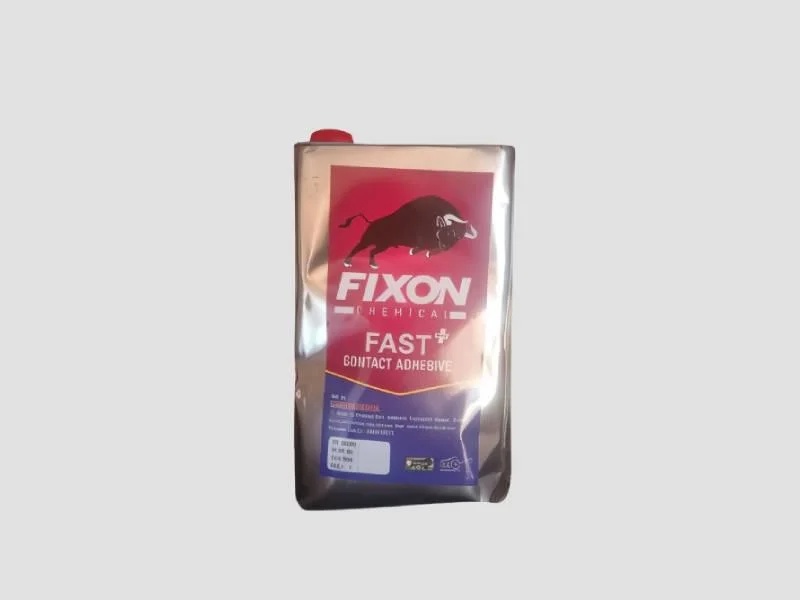
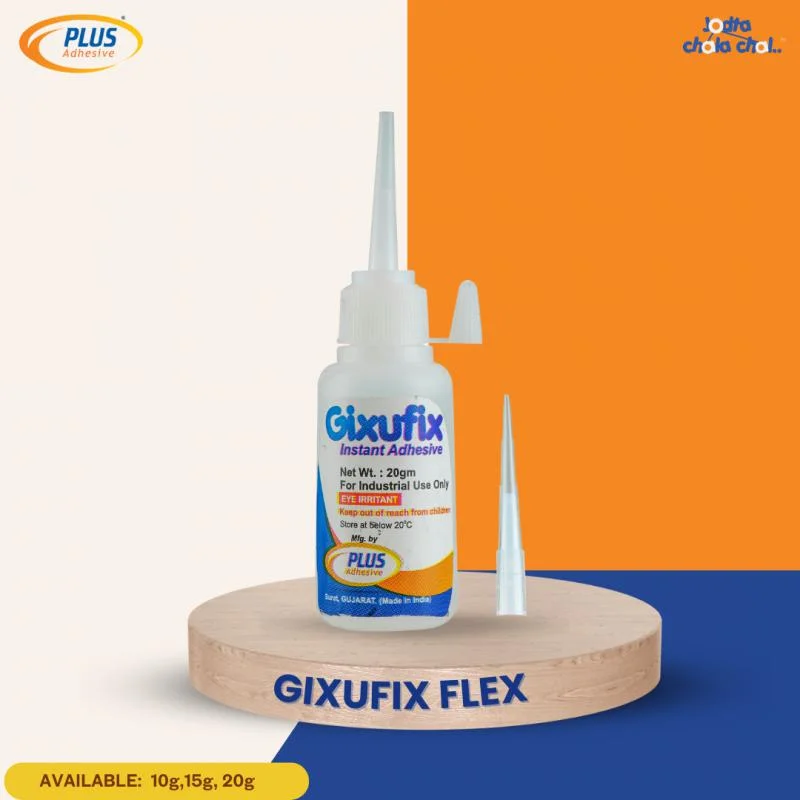
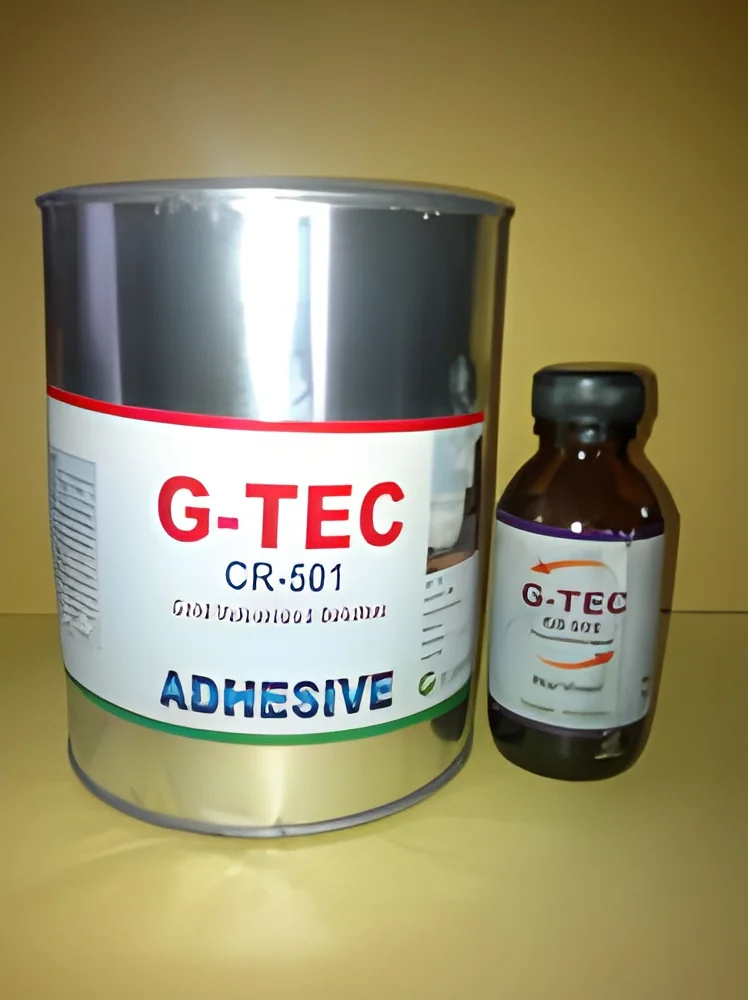
 India
Frequently Asked Questions
What are Rubber-Based Adhesives?
Rubber-based adhesives are adhesives formulated primarily from natural or synthetic rubber. They offer excellent bonding strength and flexibility, making them suitable for a variety of applications, including automotive, construction, and packaging.
What are the different types of Rubber-Based Adhesives?
There are several types of rubber-based adhesives, including pressure-sensitive adhesives, solvent-based adhesives, and water-based adhesives. Each type has unique properties and applications, catering to different bonding needs in various industries.
How do I choose the right Rubber-Based Adhesives?
Choosing the right rubber-based adhesive depends on factors such as substrate materials, environmental conditions, and the required bond strength. It is essential to consider the specific application and consult product specifications to ensure compatibility.
What are the standard specifications for Rubber-Based Adhesives?
Standard specifications for rubber-based adhesives typically include factors such as viscosity, curing time, bond strength, and temperature resistance. These specifications help determine the adhesive's performance in various applications.
What is the price range for Rubber-Based Adhesives?
The price range for rubber-based adhesives can vary significantly based on factors such as formulation, packaging, and supplier. Generally, prices can range from a few hundred to several thousand Indian Rupees per kilogram.
What quality standards apply to Rubber-Based Adhesives?
Rubber-based adhesives must comply with various quality standards, such as ISO 9001 for quality management systems and specific industry-related standards. Ensuring adherence to these standards helps maintain product reliability and performance.
Where can I find Rubber-Based Adhesives suppliers in India?
You can find rubber-based adhesives suppliers in India through online marketplaces, trade directories, and industry exhibitions. Platforms like Pepagora offer a comprehensive list of verified suppliers for easier sourcing.
Can Rubber-Based Adhesives be customized?
Yes, many manufacturers offer customization options for rubber-based adhesives to meet specific requirements, such as tailored viscosity, curing time, or bonding strength. It's advisable to discuss your needs directly with suppliers.
What is the typical minimum order quantity for Rubber-Based Adhesives?
The typical minimum order quantity (MOQ) for rubber-based adhesives varies by supplier but often ranges from 100 to 1000 kilograms. It is essential to check with individual suppliers for their specific MOQ policies.
What is the typical lead time for Rubber-Based Adhesives?
The typical lead time for rubber-based adhesives can range from a few days to several weeks, depending on the supplier, order size, and customization requirements. It is advisable to confirm the lead time with the supplier during the ordering process.
Why Businesses Trust Pepagora
Thousands of companies trust Pepagora to source smarter and sell faster
Expand Your Sales Globally

Source Smarter,Grow Faster
