What are Gasket Makers?
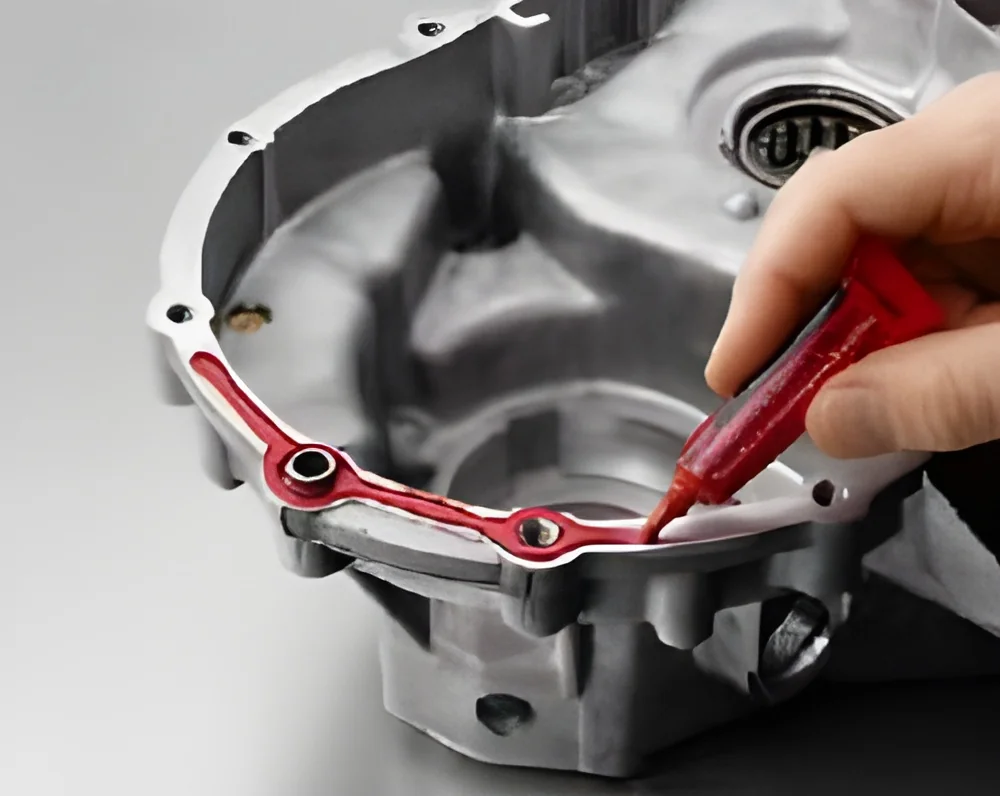
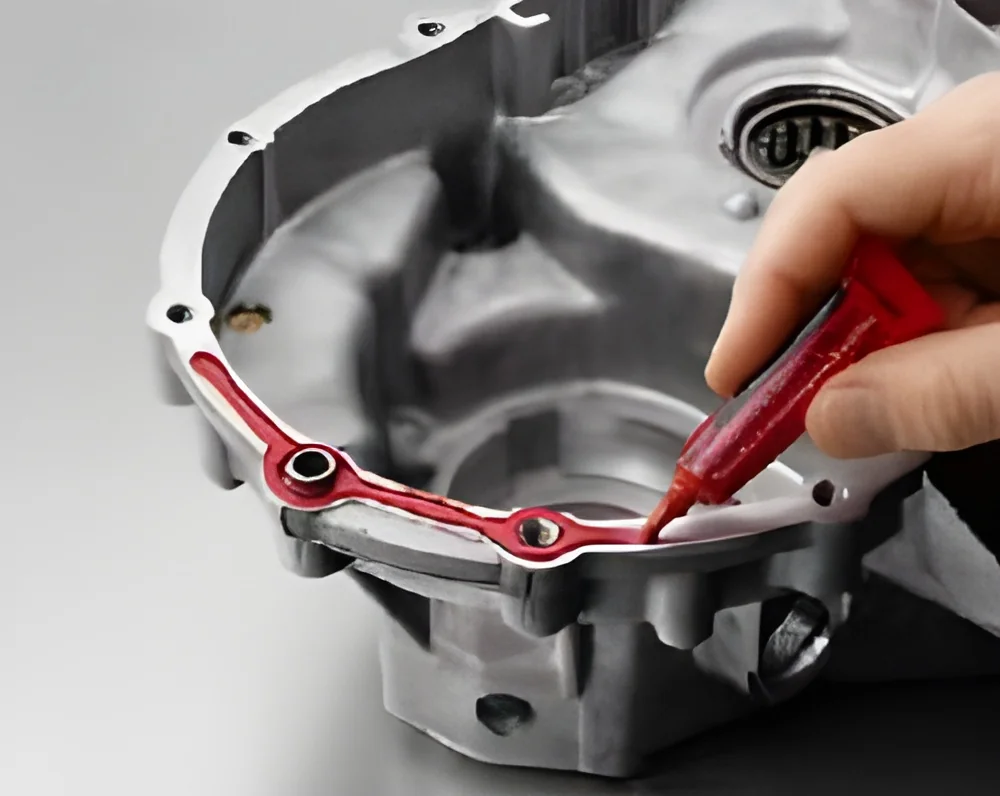
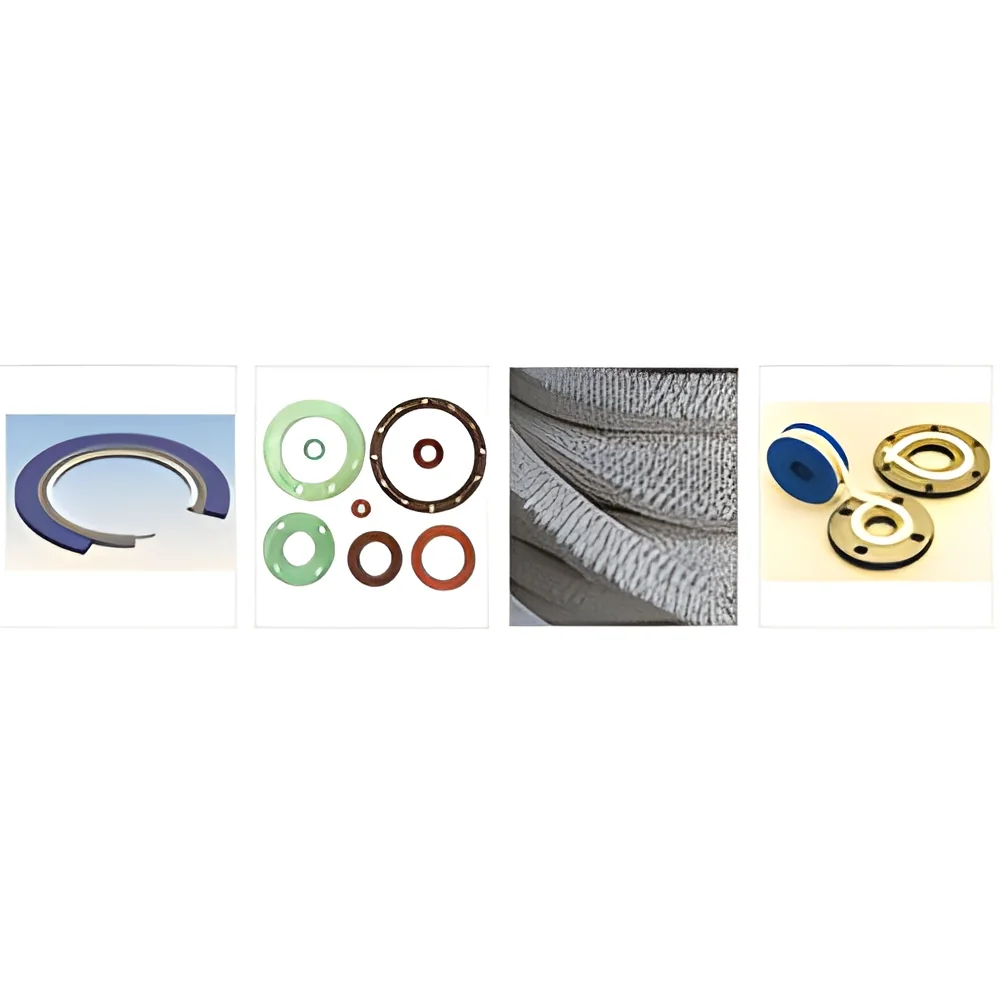
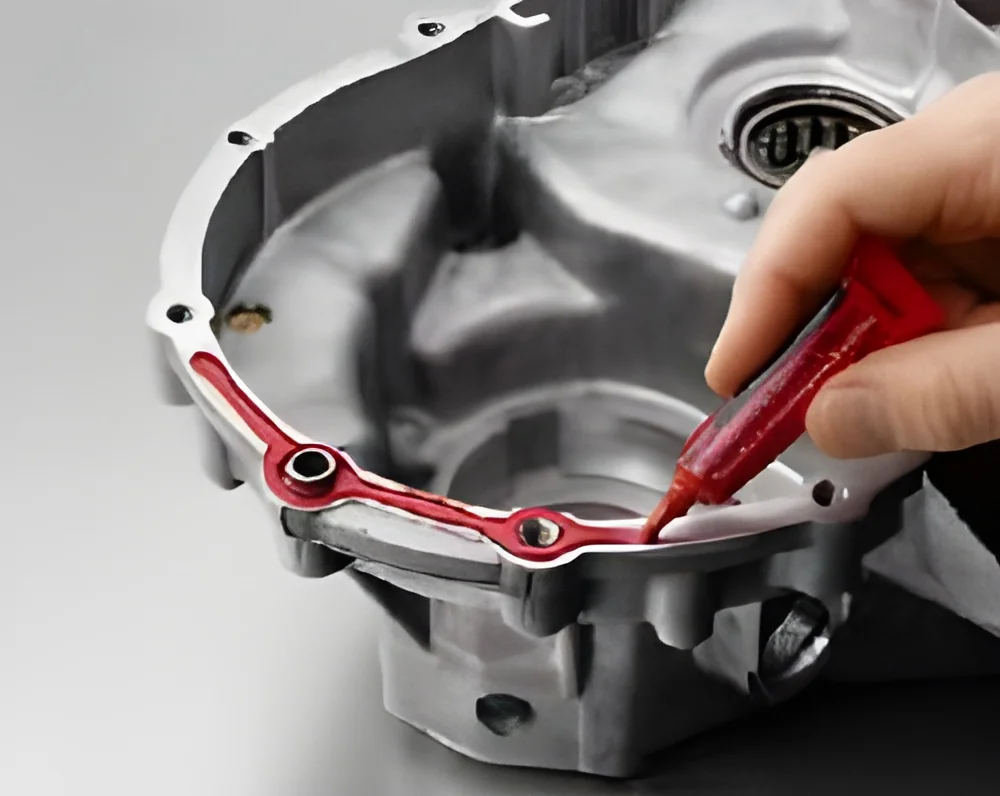
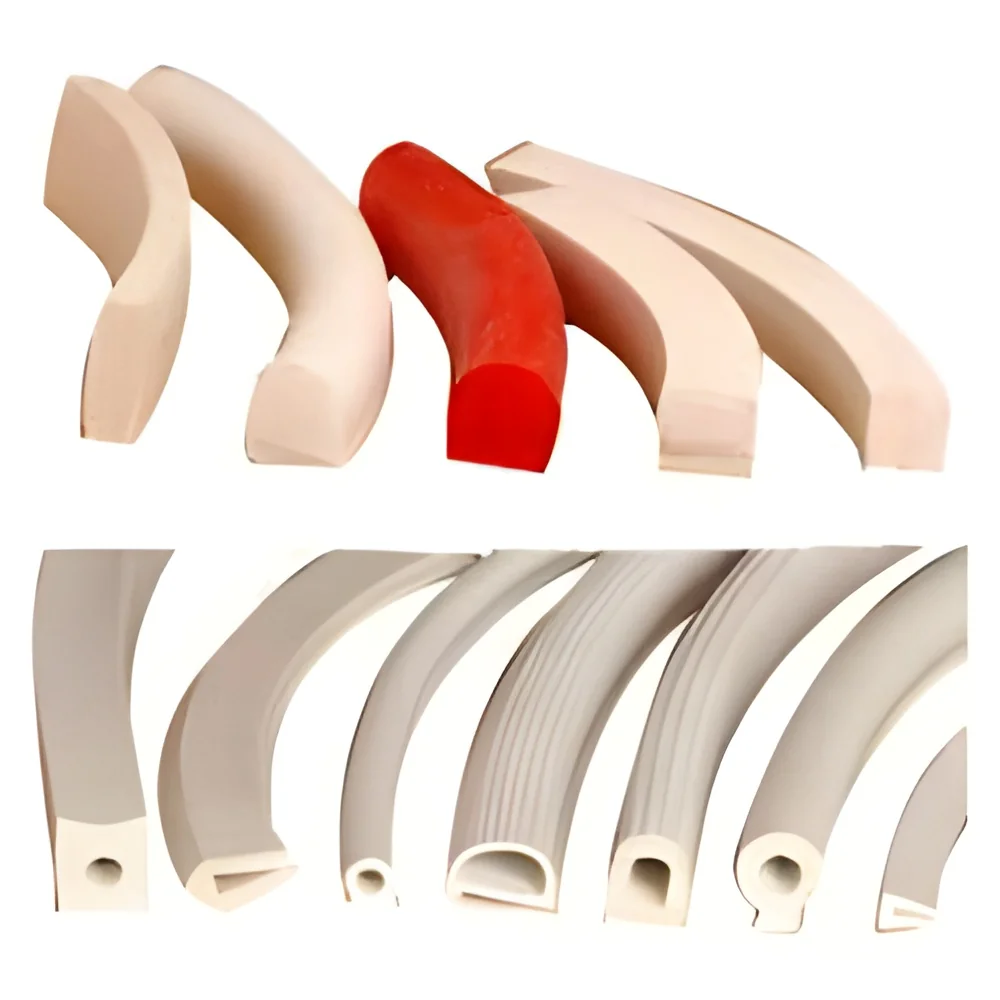
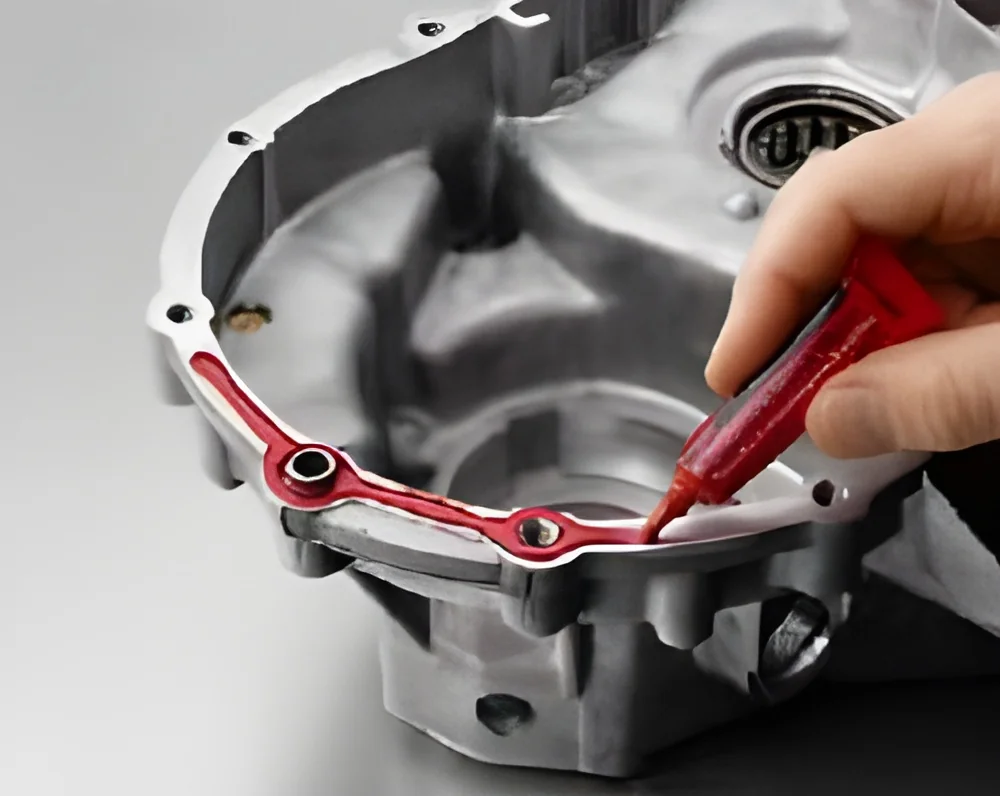
Gasket makers are specialized sealants used to create a tight seal between two surfaces, preventing leaks of fluids, gases, and other substances. They are often formulated from high-performance materials like silicone, polyurethane, or anaerobic compounds, which cure to form a durable, flexible, and resilient seal. Gasket makers can be applied in various forms, including tubes, cartridges, or spray cans, and are designed to fill gaps and irregularities in surfaces that may not accommodate traditional gaskets.
These products are widely used in many industries, including automotive, aerospace, manufacturing, and construction. In automotive applications, gasket makers play a critical role in sealing engine components, transmission cases, and other assemblies. In industrial settings, they are utilized in machinery, piping, and equipment assembly to ensure airtight and leak-proof connections. The market for gasket makers is robust, driven by advancements in material science and the increasing demand for reliable sealing solutions across various sectors.
Key Features and Specifications
Gasket makers come with a range of features and specifications designed to meet diverse industrial needs. Understanding these aspects is crucial for selecting the right product for specific applications.
Key specifications include:
1. Material Composition
- Gasket makers are available in various materials such as silicone, polyurethane, and anaerobic compounds.
- Each material offers distinct properties like temperature resistance and flexibility.
2. Cure Time
- The time required for the gasket maker to set and cure can vary significantly.
- Typical cure times range from a few minutes to several hours, depending on the formulation.
3. Temperature Resistance
- Many gasket makers are designed to withstand high temperatures, often exceeding 200 degrees Celsius.
- This feature is essential for applications in automotive engines and industrial machinery.
4. Chemical Resistance
- Gasket makers exhibit varying levels of resistance to oils, fuels, and solvents.
- This property is crucial for maintaining seal integrity in harsh environments.
5. Viscosity
- The viscosity of gasket makers can affect application ease and the ability to fill gaps.
- Options are available in both low and high viscosity formulations.
6. Adhesion Strength
- The bonding strength of the gasket maker to surfaces is an important consideration.
- High adhesion strength ensures long-lasting seals under pressure.
7. Flexibility
- Many gasket makers remain flexible after curing, allowing for thermal expansion and contraction.
- This characteristic is vital for applications that experience movement or vibration.
8. Shelf Life
- The shelf life of gasket makers can vary, affecting storage and usability.
- Most products have a shelf life ranging from one to two years when stored properly.
In summary, selecting the right gasket maker involves evaluating these specifications to ensure optimal performance for specific applications.
Common Applications and Use Cases
Gasket makers are versatile products that find applications across various industries.
1. Automotive: Gasket makers are commonly used to seal engine components, oil pans, and transmission housings. They provide a reliable seal that withstands high temperatures and pressures.
2. Aerospace: In aerospace applications, gasket makers are utilized to prevent leaks in fuel systems and hydraulic lines. Their resistance to extreme conditions is essential for safety and performance.
3. Manufacturing: Many manufacturing processes rely on gasket makers to seal machinery parts and piping systems. They ensure operational efficiency by preventing leaks and contamination.
4. Construction: Gasket makers are used in construction for sealing windows, doors, and roofing materials. They contribute to energy efficiency by preventing air and water infiltration.
5. Marine: In marine applications, gasket makers help seal engines, fuel tanks, and other critical components against water exposure and corrosion.
6. HVAC: Gasket makers are employed in heating, ventilation, and air conditioning systems to seal ductwork and prevent air leaks, enhancing system efficiency.
7. Oil and Gas: In the oil and gas industry, gasket makers are crucial for sealing pipelines and valves to prevent leaks and ensure safety in hazardous environments.
Product Variants and Subcategories
Gasket makers come in various formulations to cater to different industrial needs. Although specific subcategories are not available, several notable variants exist.
Silicone Gasket Makers: These are among the most popular types, known for their high-temperature resistance and flexibility. They are often used in automotive and industrial applications where a durable seal is required.
Anaerobic Gasket Makers: These products cure in the absence of air and are ideal for metal-to-metal sealing applications. They are commonly used in machinery and equipment assembly.
Polyurethane Gasket Makers: Known for their excellent adhesion and chemical resistance, these gasket makers are suitable for sealing in environments exposed to harsh chemicals.
Benefits and Advantages
Gasket makers provide numerous advantages that enhance their appeal in various applications.
1. Easy Application: Gasket makers can be easily applied without the need for specialized tools or equipment, making them user-friendly for both professionals and DIY enthusiasts.
2. Versatile Use: These products can be used on a wide range of materials, including metals, plastics, and composites, increasing their applicability across industries.
3. Cost-Effectiveness: Gasket makers can reduce the need for traditional gaskets, leading to lower material costs and simplified assembly processes.
4. Enhanced Sealing Performance: With their ability to fill gaps and irregularities, gasket makers provide superior sealing performance compared to traditional methods.
5. Resistance to Environmental Factors: Many gasket makers are designed to withstand extreme temperatures, chemicals, and mechanical stresses, ensuring long-lasting seals.
6. Customization Options: Gasket makers can be tailored to meet specific application requirements, including color, viscosity, and cure time.
Buying Guide for B2B Buyers
When sourcing gasket makers, it is essential to consider several factors to ensure the best selection for your business needs.
1. Quality Assessment: Evaluate the quality of gasket makers based on material properties, performance ratings, and manufacturer reputation. High-quality products offer better durability and reliability.
2. Supplier Verification: Conduct thorough research on potential suppliers, including checking credentials and customer reviews. A reputable supplier can provide assurance of product quality and consistency.
3. Pricing and MOQ: Analyze pricing structures and minimum order quantities to find options that fit your budget and operational needs. Competitive pricing can enhance overall project cost-effectiveness.
4. Delivery and Lead Times: Consider the logistics involved in sourcing gasket makers, including shipping times and availability. Timely delivery is crucial for maintaining project schedules.
5. Compliance Requirements: Ensure that the products meet relevant industry standards and regulations. Compliance with safety and quality standards is vital to avoid potential liabilities.
Compliance and Certifications
Gasket makers must adhere to various quality standards and regulations to ensure safety and performance in industrial applications.
ISO 9001 is a widely recognized standard that sets criteria for quality management systems. Manufacturers of gasket makers often seek ISO 9001 certification to demonstrate their commitment to quality and continuous improvement.
Additionally, many gasket makers are compliant with CE certification, signifying that the products meet EU safety, health, and environmental protection standards. This certification is especially important for products intended for use in the European market.
Safety and testing requirements are critical considerations for gasket makers, as improper sealing can lead to leaks and potential hazards. Manufacturers should conduct rigorous testing to ensure their products perform under specified conditions.
Regional compliance considerations may vary, so it is essential for buyers to verify that the gasket makers meet local regulations and standards pertinent to their industry.
Why Source Gasket Makers from Pepagora?
Pepagora offers a reliable platform for sourcing gasket makers, providing several key advantages for businesses.
Verified Supplier Network: Pepagora connects buyers with a network of verified suppliers, ensuring that all products meet stringent quality standards. This verification process helps mitigate risks associated with sourcing.
Streamlined RFQ Process: The request for quotation (RFQ) process on Pepagora is designed to be simple and efficient. Buyers can easily submit their requirements and receive competitive quotes from multiple suppliers, saving time and effort.
Trade Assurance and Support: Pepagora provides trade assurance and support services to protect buyers throughout the purchasing process. This includes assistance with negotiations and resolving disputes, enhancing buyer confidence.
Regional Coverage: Pepagora's geographic reach extends across India, the Gulf Cooperation Council (GCC) countries, and Southeast Asia. This wide coverage enables businesses to find local suppliers and access diverse product offerings tailored to regional needs.

 IN
IN