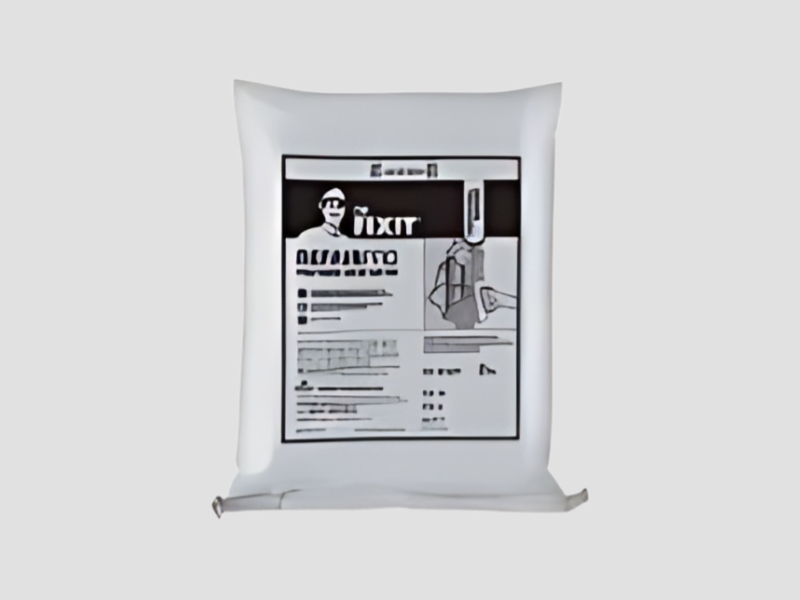
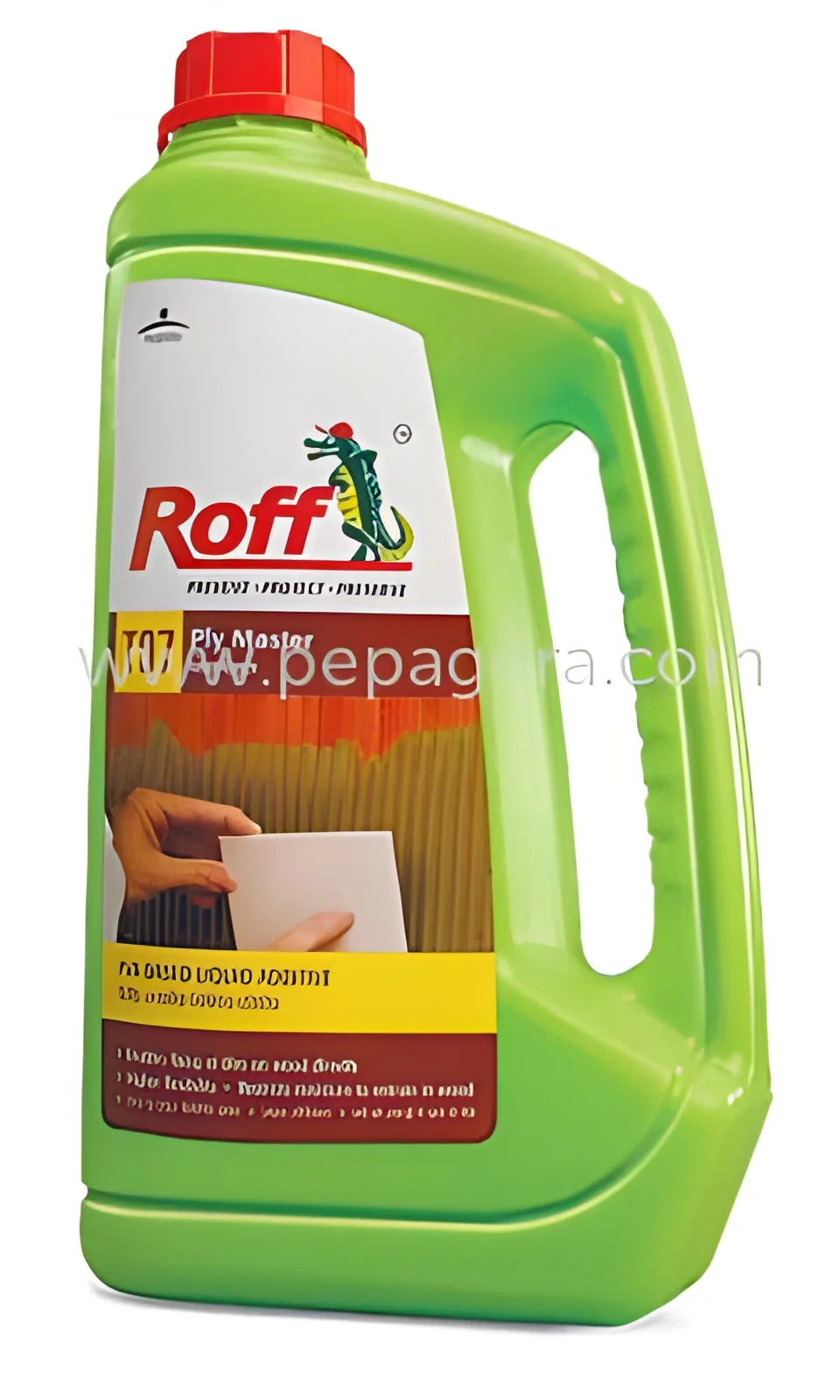
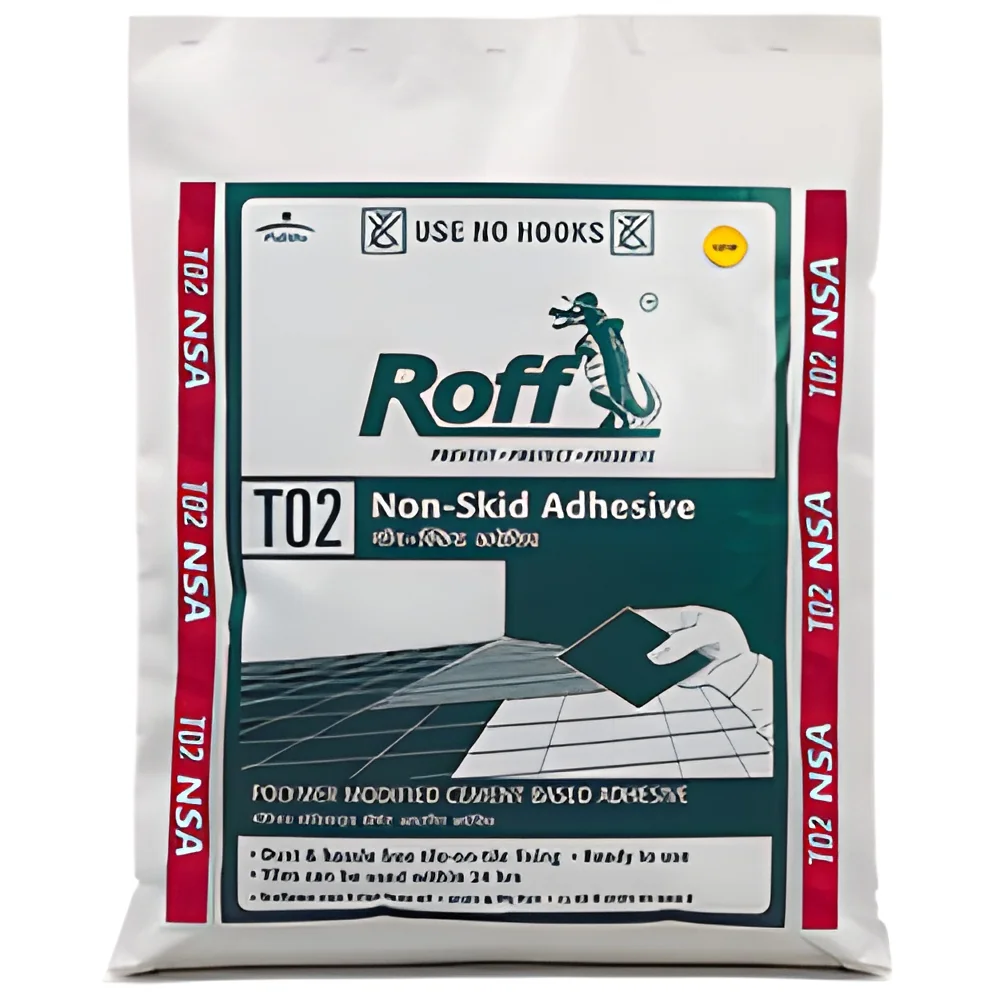
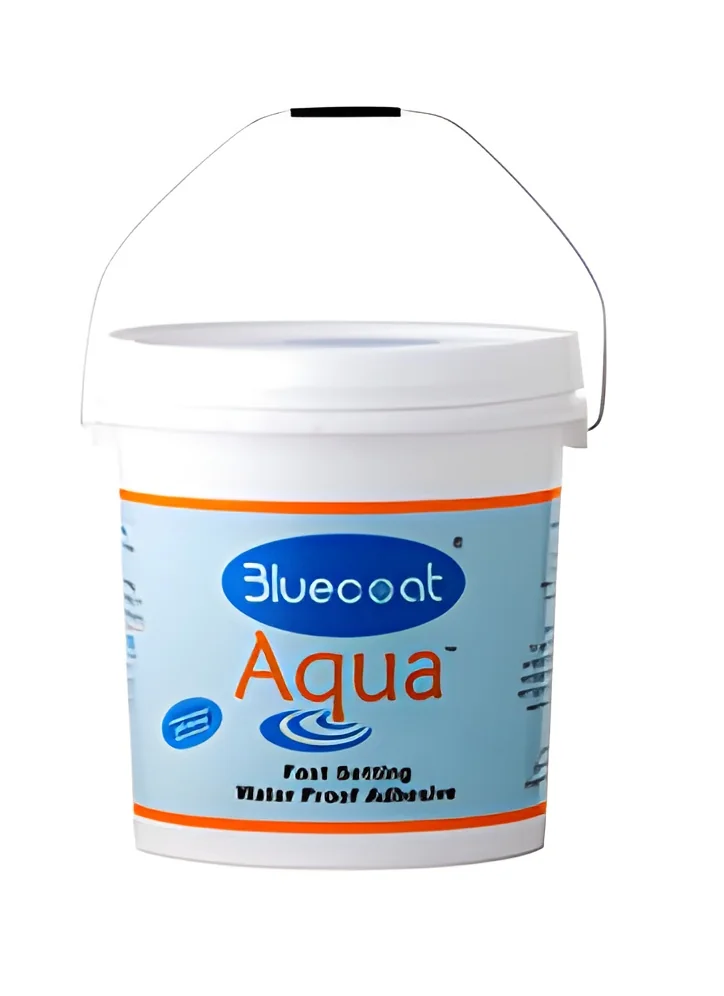
What are Construction Adhesives?
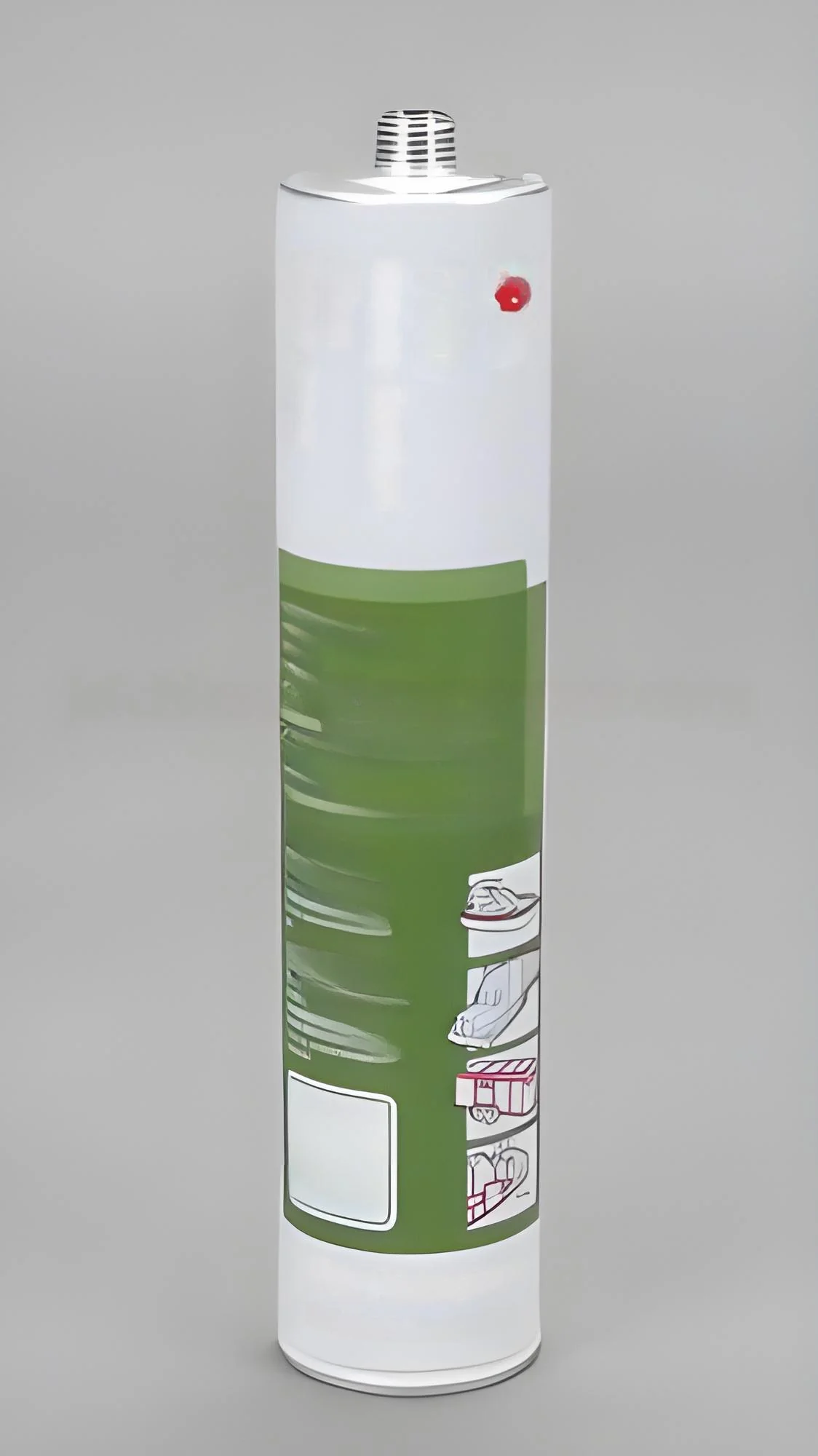
Construction adhesives are specialized bonding agents designed to create strong, durable connections between various construction materials. These adhesives can be used in a variety of applications, providing a robust alternative to traditional fastening methods such as nails and screws. Construction adhesives are formulated to withstand environmental stressors, making them suitable for both interior and exterior use.
Primarily, construction adhesives are utilized in applications such as flooring installation, wall paneling, and roofing projects. They are essential in the construction industry for their ability to bond materials like wood, metal, concrete, and plastic. Many businesses rely on these adhesives for their quick curing time and strong hold, which enhances overall project efficiency. The market for construction adhesives is expanding as builders increasingly favor adhesive solutions due to their versatility and strength.
Key Features and Specifications
Construction adhesives come with a variety of features that cater to different applications and industry needs. Understanding these specifications can help businesses select the right product for their projects.
Key specifications include:
1. Bond Strength
- High tensile and shear strength for reliable adhesion
- Typically ranges from 200 to 800 psi depending on the material
2. Curing Time
- Fast curing options available for quick project turnaround
- Curing time can range from 10 minutes to 24 hours based on formulation
3. Temperature Resistance
- Capable of withstanding extreme temperatures
- Usually effective from -20°F to 200°F
4. Viscosity
- Viscosity levels that accommodate different application methods
- Generally ranges from 500 to 10,000 centipoise
5. Chemical Resistance
- Resistant to various chemicals, making them ideal for industrial applications
- Effective against oils, solvents, and detergents
6. Moisture Resistance
- Formulated to resist water and humidity
- Suitable for both wet and dry environments
7. Environmental Compliance
- Many adhesives comply with low VOC standards
- Important for sustainable building practices
8. Shelf Life
- Extended shelf life for better inventory management
- Typically ranges from 12 to 24 months if stored properly
In summary, selecting the right construction adhesive involves understanding these key specifications to ensure optimal performance for specific applications.
Common Applications and Use Cases
Construction adhesives are critical in various industries and serve multiple applications.
1. Residential Construction: Used for flooring, cabinetry, and drywall installation, ensuring strong bonds for structural integrity.
2. Commercial Construction: Essential for bonding large panels, facades, and ceilings, contributing to aesthetic and functional designs.
3. Industrial Manufacturing: Utilized in the assembly of machinery and equipment, providing durable connections that endure operational stresses.
4. Automotive Industry: Employed for bonding components in vehicle assembly, enhancing structural performance and safety.
5. Furniture Manufacturing: Used to assemble wooden components for durability and aesthetic appeal, ensuring long-lasting products.
6. Marine Applications: Relevant for bonding materials in boat construction, where water resistance is critical.
7. HVAC Installation: Used for sealing ducts and pipes, ensuring energy efficiency and preventing leaks.
Product Variants and Subcategories
Construction adhesives come in various formulations tailored to meet specific application needs.
Polyurethane Adhesives
These adhesives offer exceptional strength and flexibility, making them ideal for bonding wood, metal, and concrete. They are resistant to water and chemicals, suitable for both indoor and outdoor applications.
Acrylic Adhesives
Fast-curing and versatile, acrylic adhesives are perfect for applications requiring quick assembly. They bond well with various substrates and are often used in commercial and industrial settings.
Silicone Adhesives
These provide excellent weather resistance and flexibility, making them ideal for sealing applications in construction. They are commonly used in glazing, roofing, and HVAC systems.
Contact Cement
This type of adhesive is perfect for bonding laminate and veneers. It is known for its instant bonding properties and is widely used in cabinetry and furniture making.
Benefits and Advantages
Construction adhesives offer several advantages that enhance their value in the industry.
1. Strong Bonding: They provide a superior bond that outperforms traditional fastening methods, ensuring structural integrity.
2. Versatility: Suitable for a wide range of materials and applications, these adhesives can be utilized across various construction sectors.
3. Time Efficiency: Fast curing options allow for quicker project completion, saving time and labor costs.
4. Reduced Noise: Using adhesives instead of mechanical fasteners minimizes noise during installation, creating a more pleasant working environment.
5. Aesthetic Finish: Adhesives eliminate the need for visible fasteners, providing a cleaner, more polished look to finished projects.
6. Environmental Sustainability: Many construction adhesives are formulated to be low in volatile organic compounds, aligning with green building practices.
Buying Guide for B2B Buyers
When sourcing construction adhesives, it is essential to consider several factors to ensure the right choice.
1. Quality Assessment: Look for adhesives that meet industry standards and have a proven track record of performance. Testing samples can help determine suitability for specific applications.
2. Supplier Verification: Vet suppliers thoroughly to ensure they provide high-quality products and reliable service. Check references and reviews from other businesses.
3. Pricing and MOQ: Understand the cost structure and minimum order quantities. This helps in budgeting and planning your inventory needs.
4. Delivery and Lead Times: Confirm logistics details to ensure timely delivery. Consider suppliers who can meet your project schedules.
5. Compliance Requirements: Ensure that the adhesives comply with relevant industry regulations and safety standards. This is crucial for maintaining quality and safety in construction projects.
Compliance and Certifications
Construction adhesives must adhere to various quality standards to ensure safety and performance. ISO 9001 is a prevalent standard indicating that products meet international quality management requirements. Certifications like CE demonstrate compliance with European health, safety, and environmental protection standards.
Safety and testing requirements are critical, especially for adhesives used in sensitive applications. Manufacturers should provide safety data sheets detailing handling and usage guidelines. Additionally, regional compliance considerations may vary, so it's essential for businesses to stay informed about local regulations to avoid potential pitfalls.
Why Source Construction Adhesives from Pepagora?
Pepagora offers a trusted platform for sourcing construction adhesives with several key advantages.
Verified Supplier Network: Pepagora connects buyers with a network of verified suppliers, ensuring confidence in product quality and supplier reliability.
Streamlined RFQ Process: The request for quotation system simplifies the sourcing process, allowing buyers to efficiently compare options and make informed decisions.
Trade Assurance and Support: Buyers benefit from trade assurance programs that protect their investments and ensure satisfactory transactions.
Regional Coverage: With a strong presence in India, the GCC, and Southeast Asia, Pepagora provides extensive geographic reach, making it easier for businesses to access high-quality construction adhesives in their regions.

 IN
IN