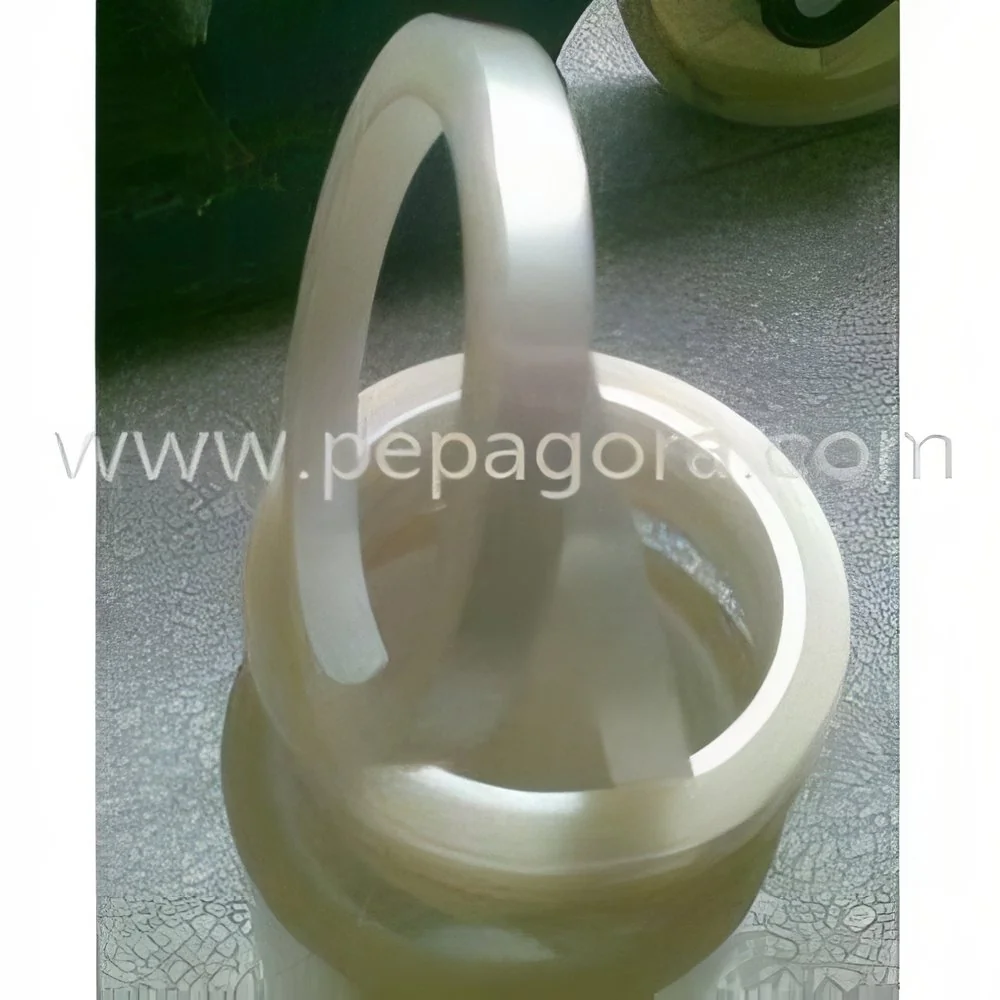
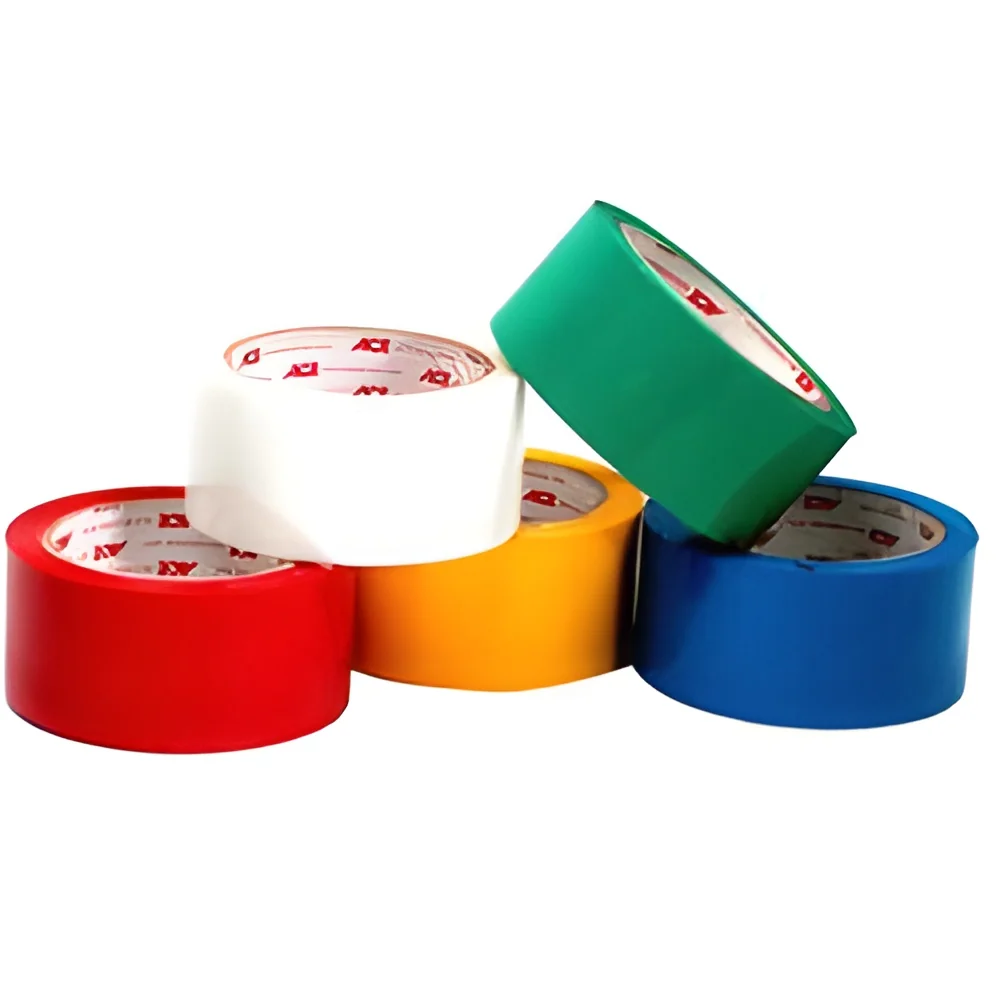
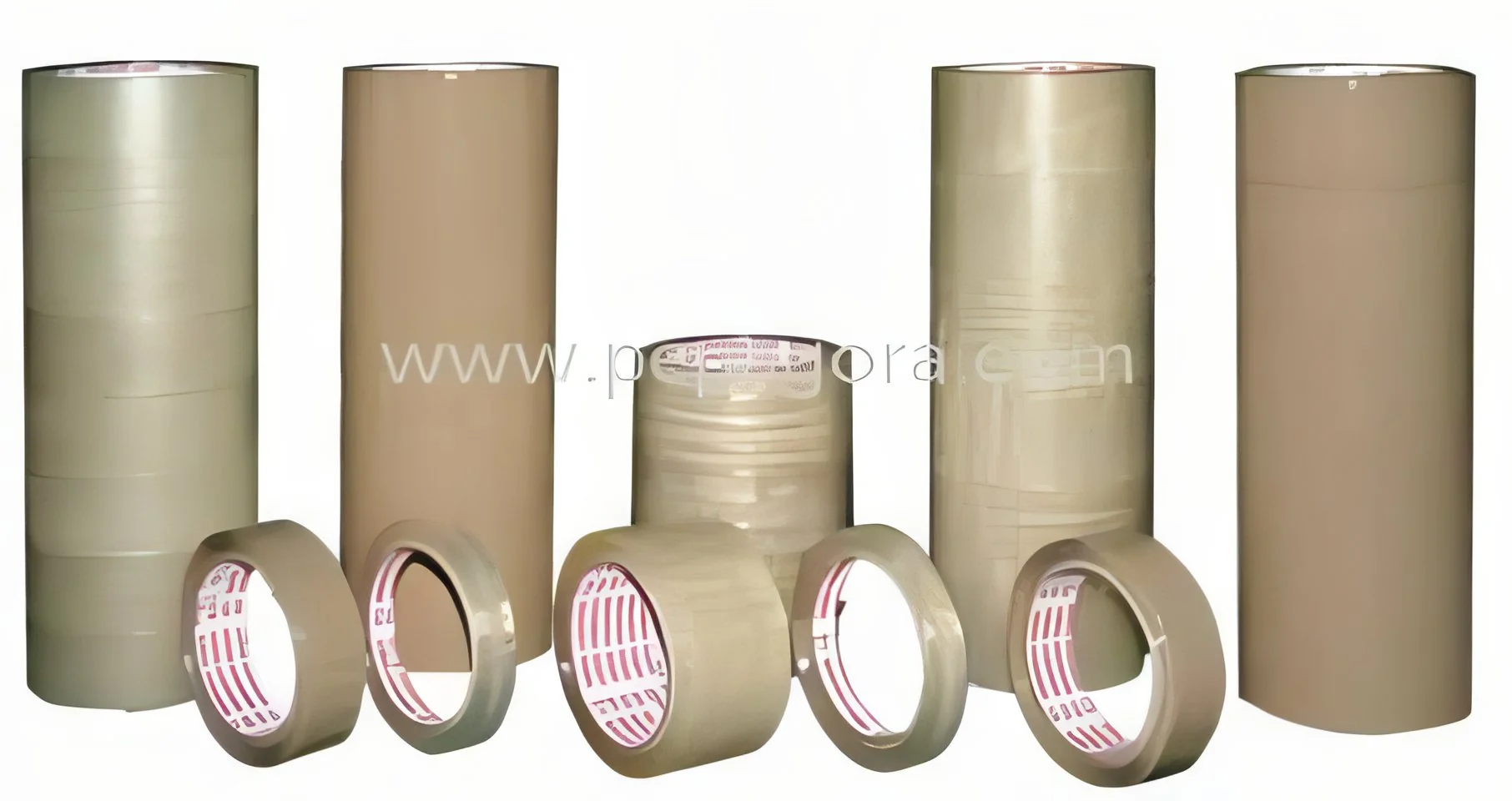
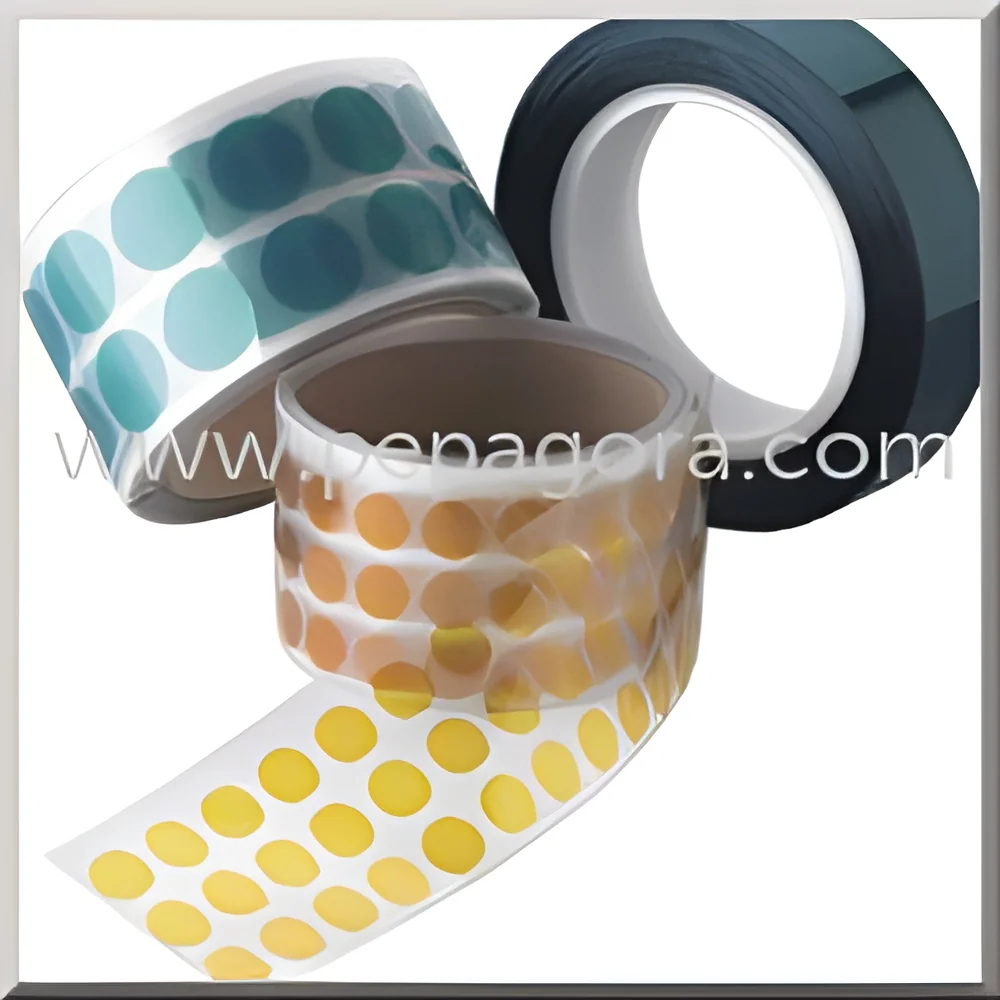
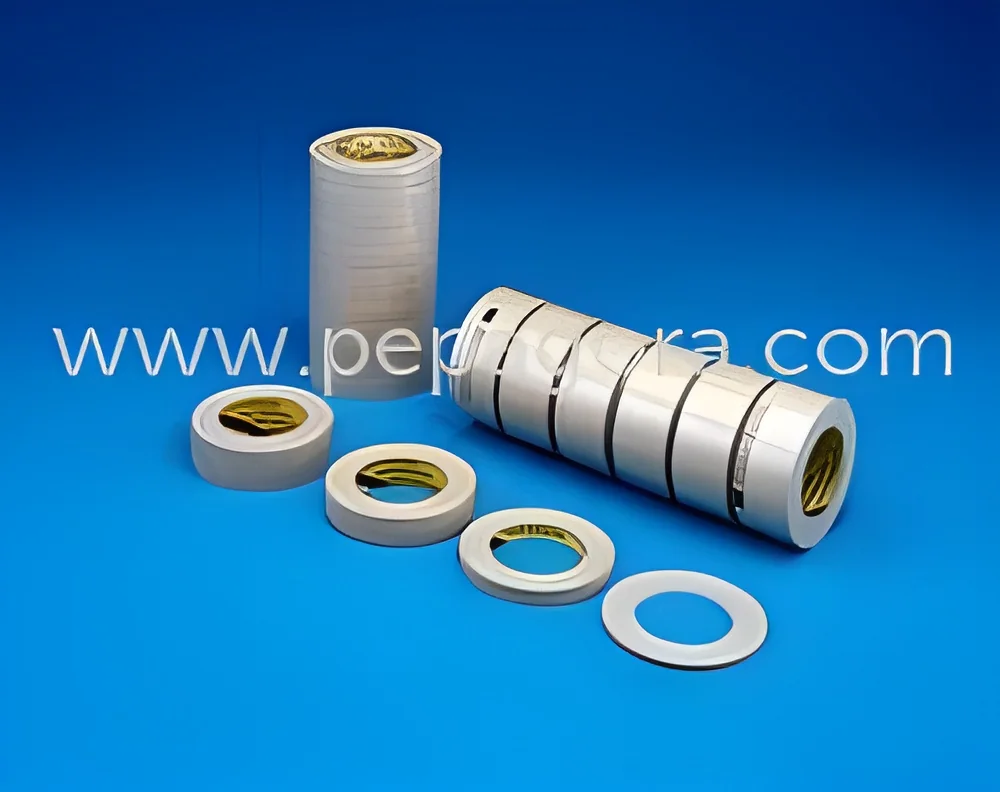
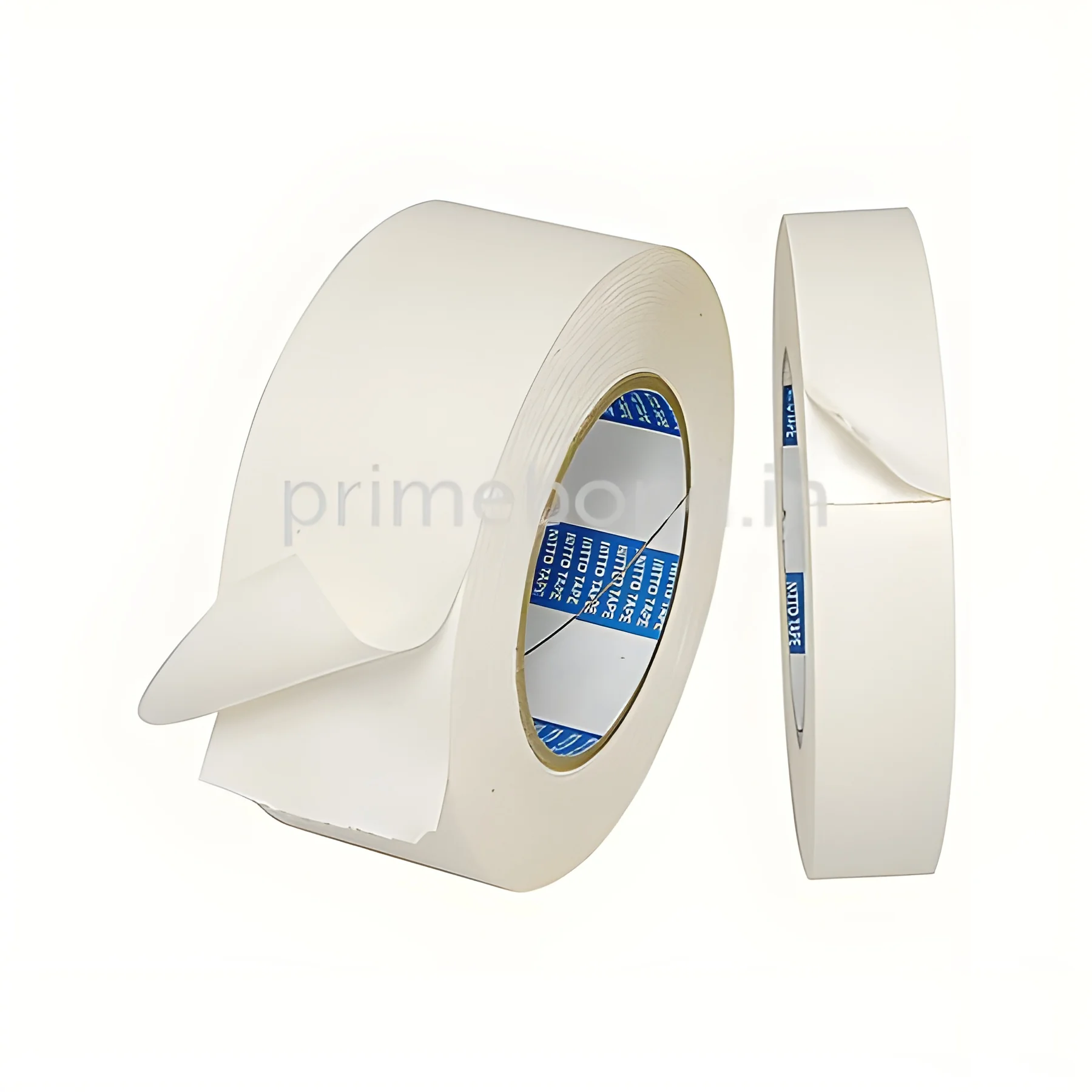
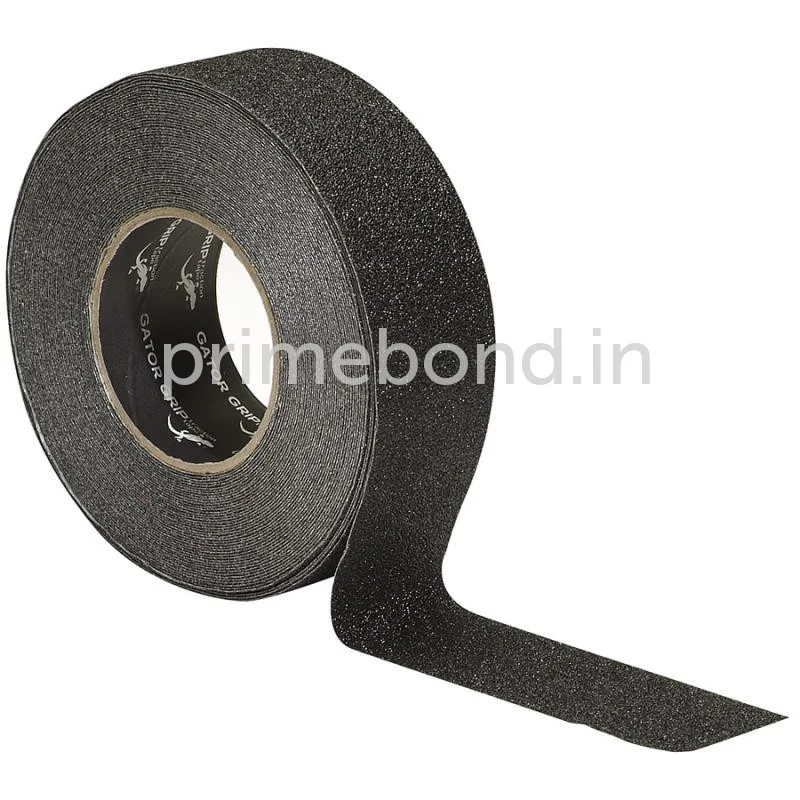
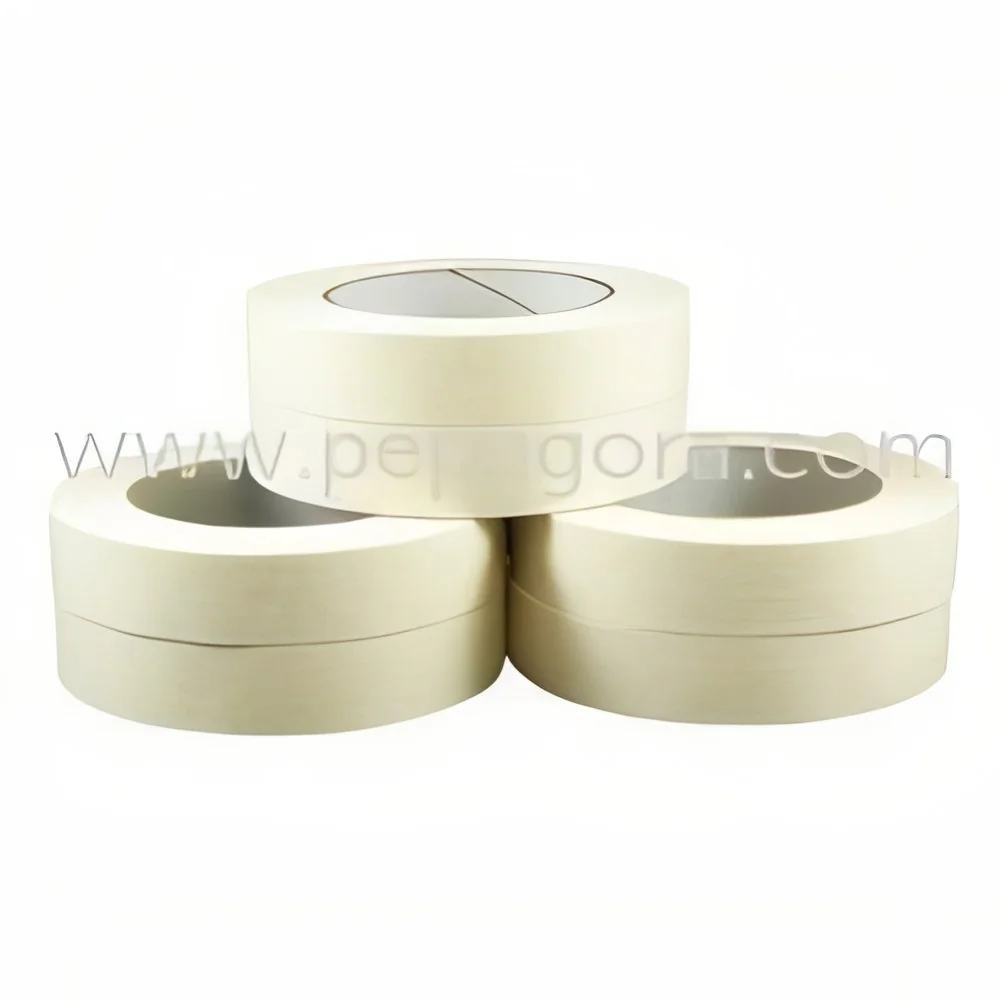
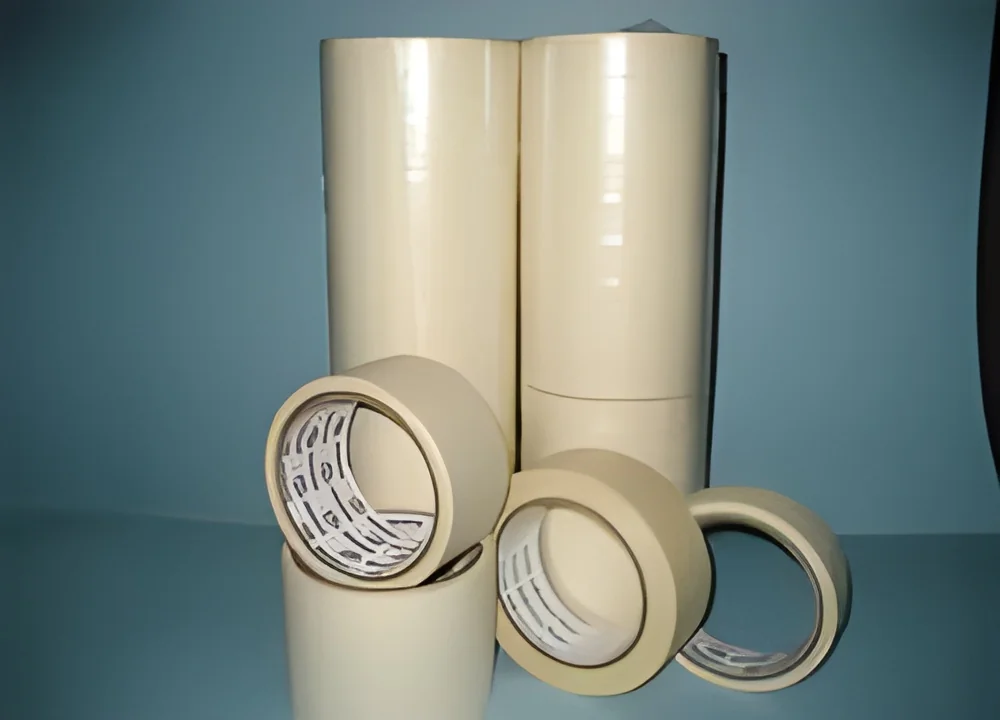
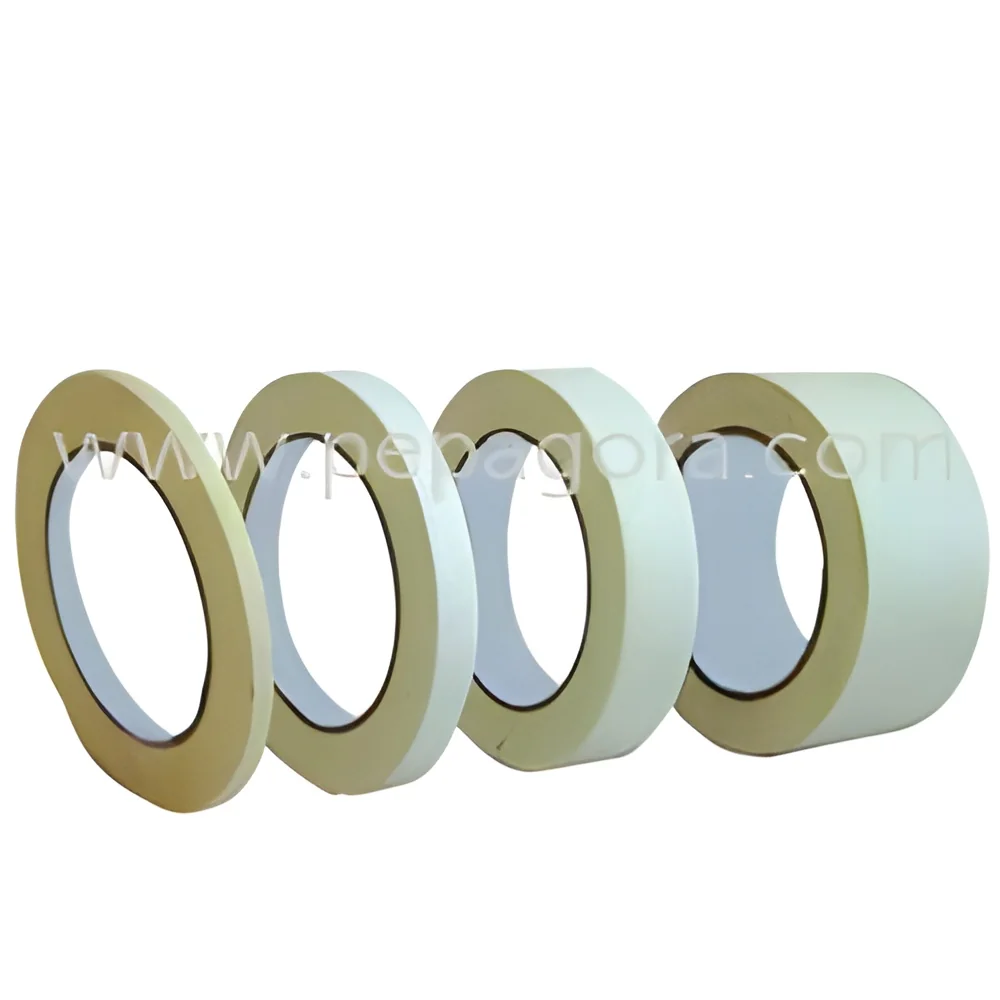
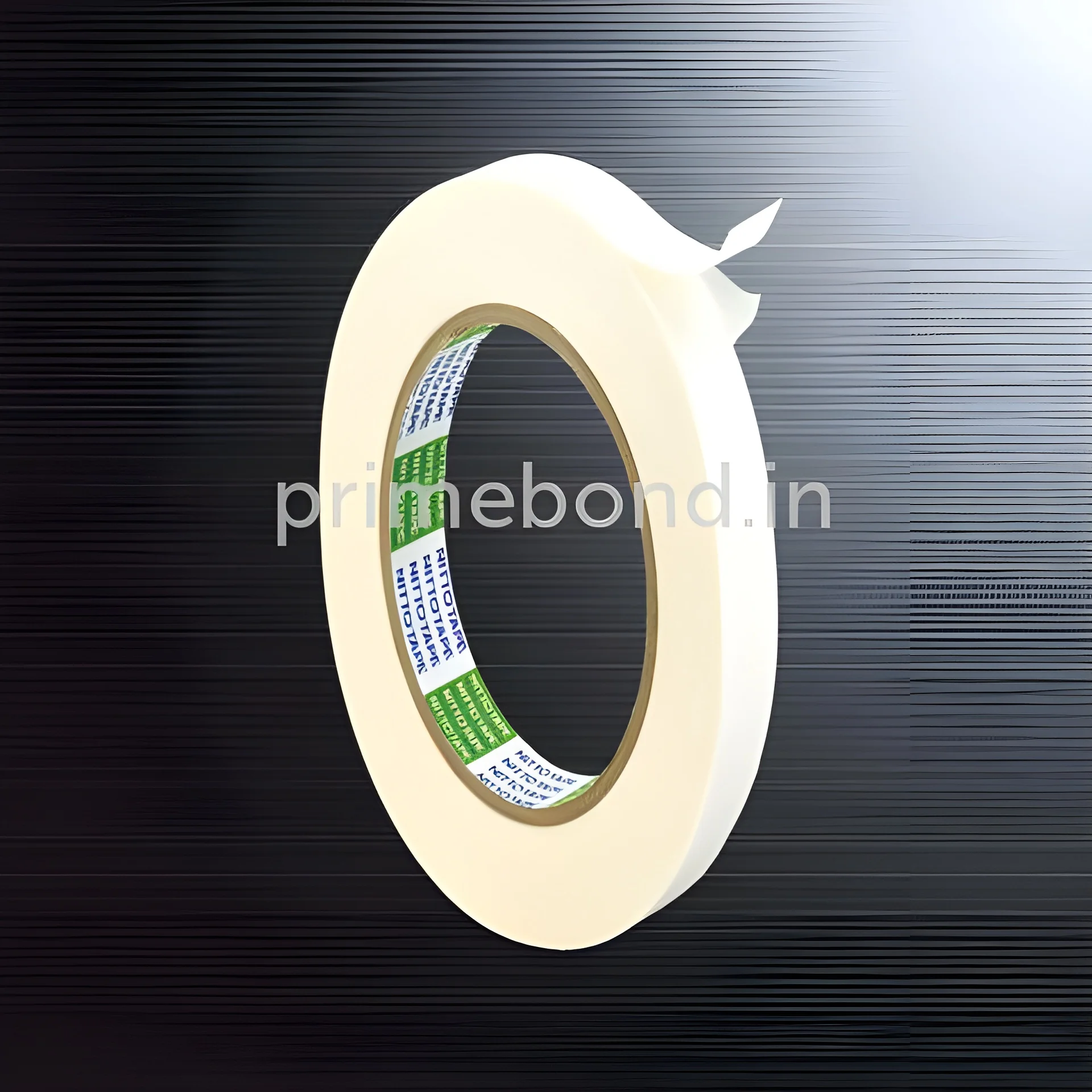
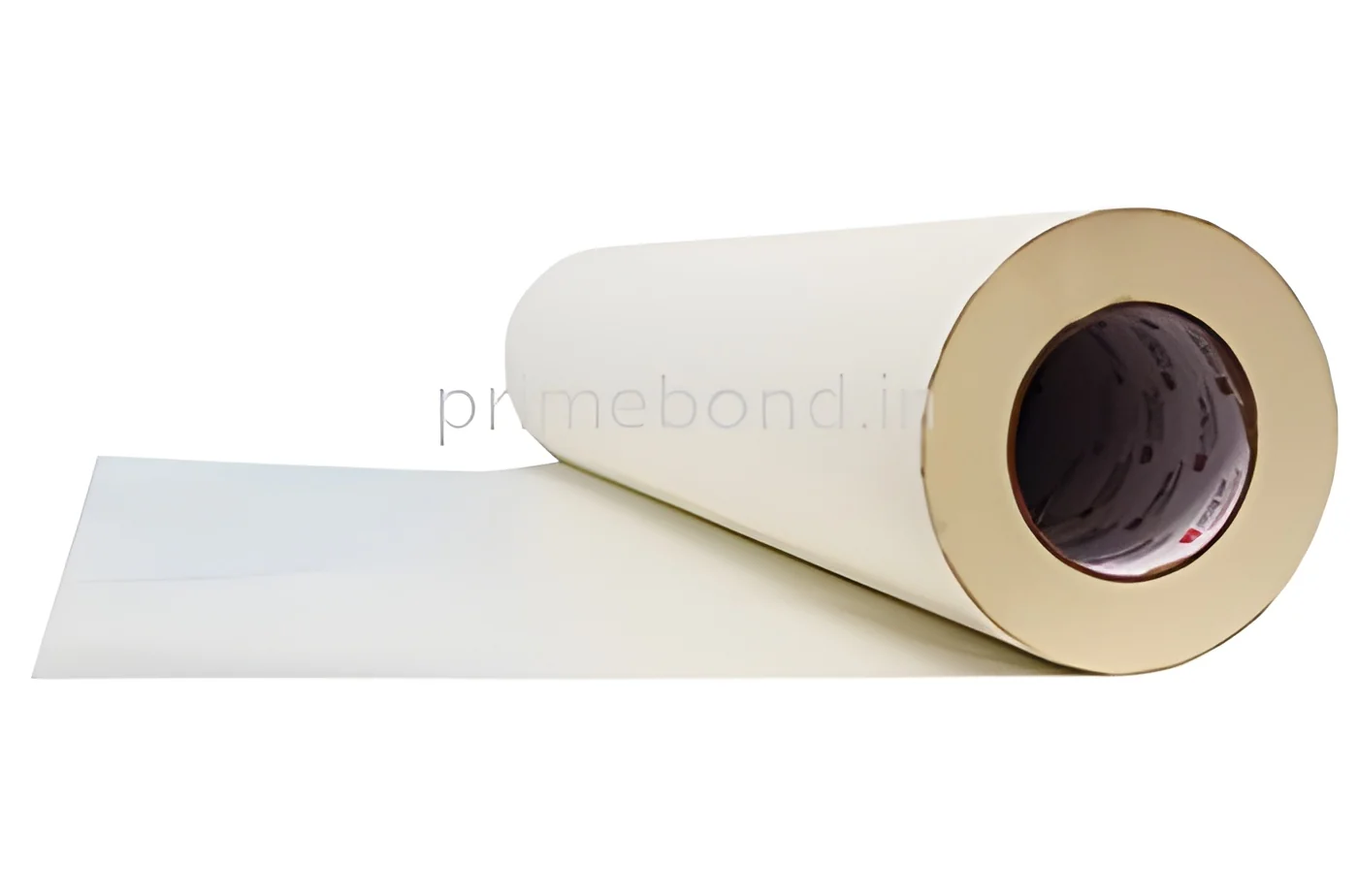
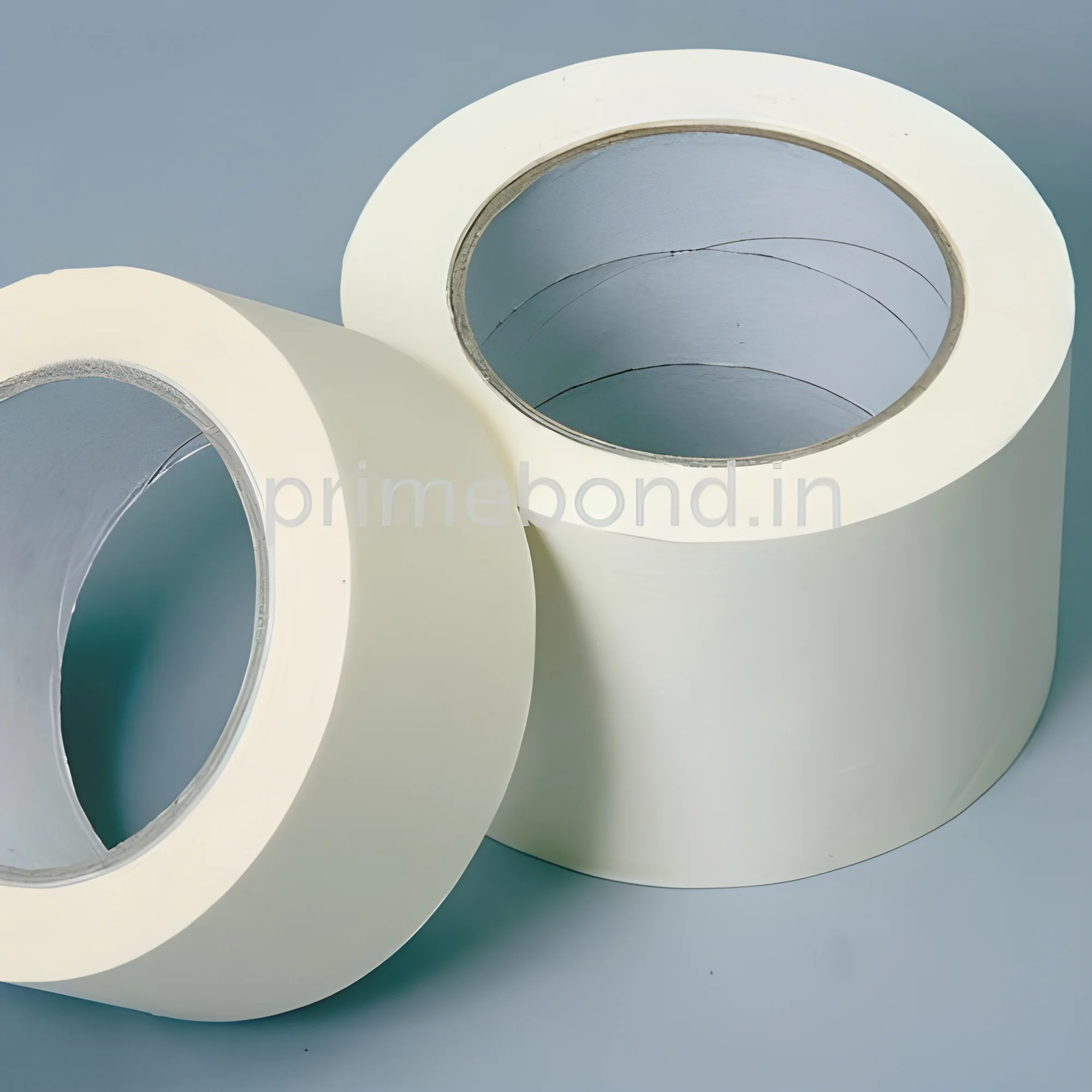
What are Masking Tapes?
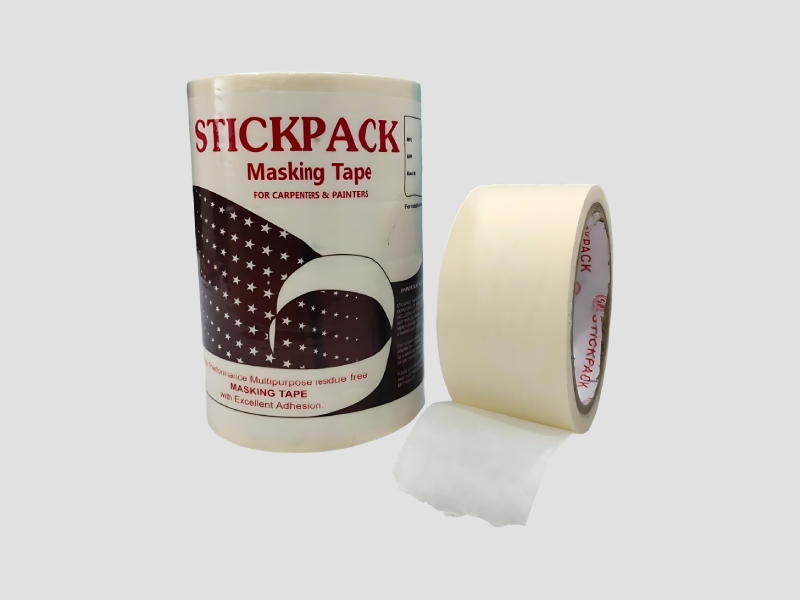
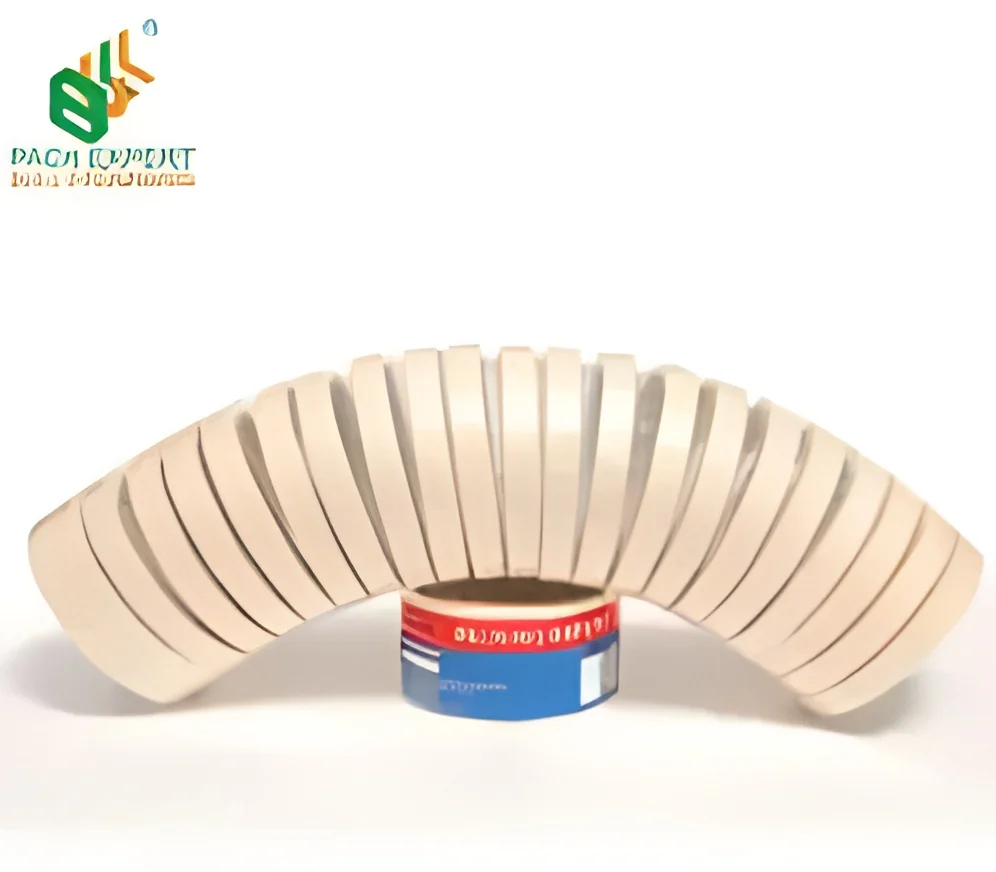
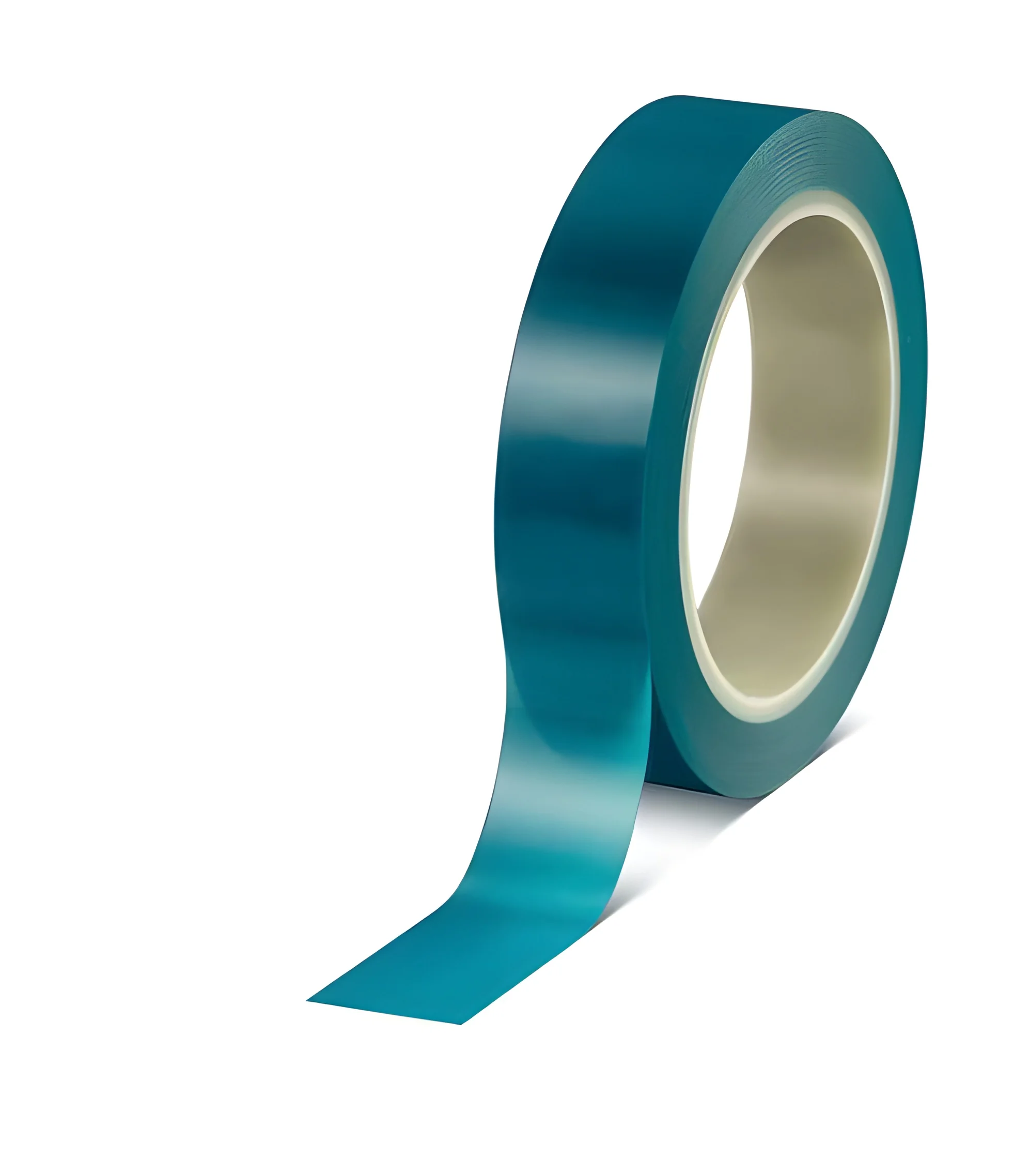
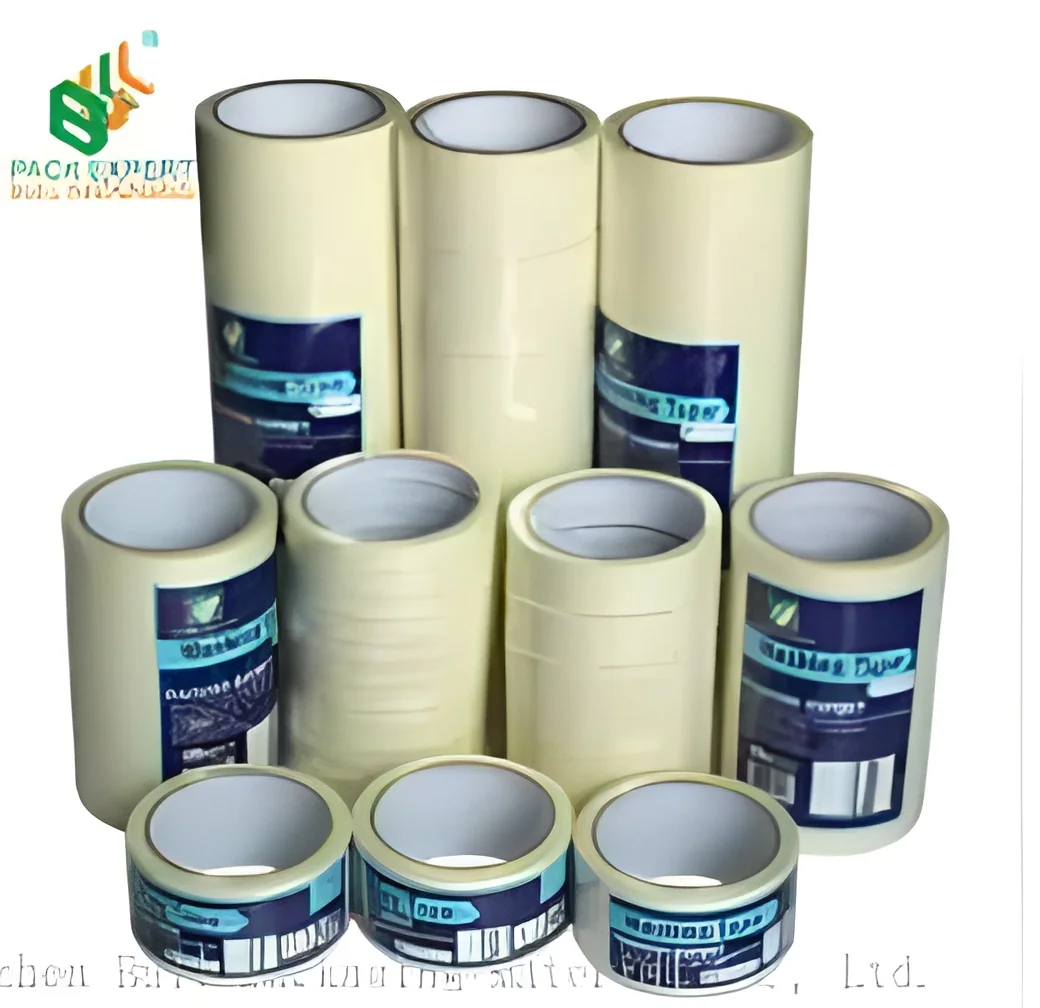
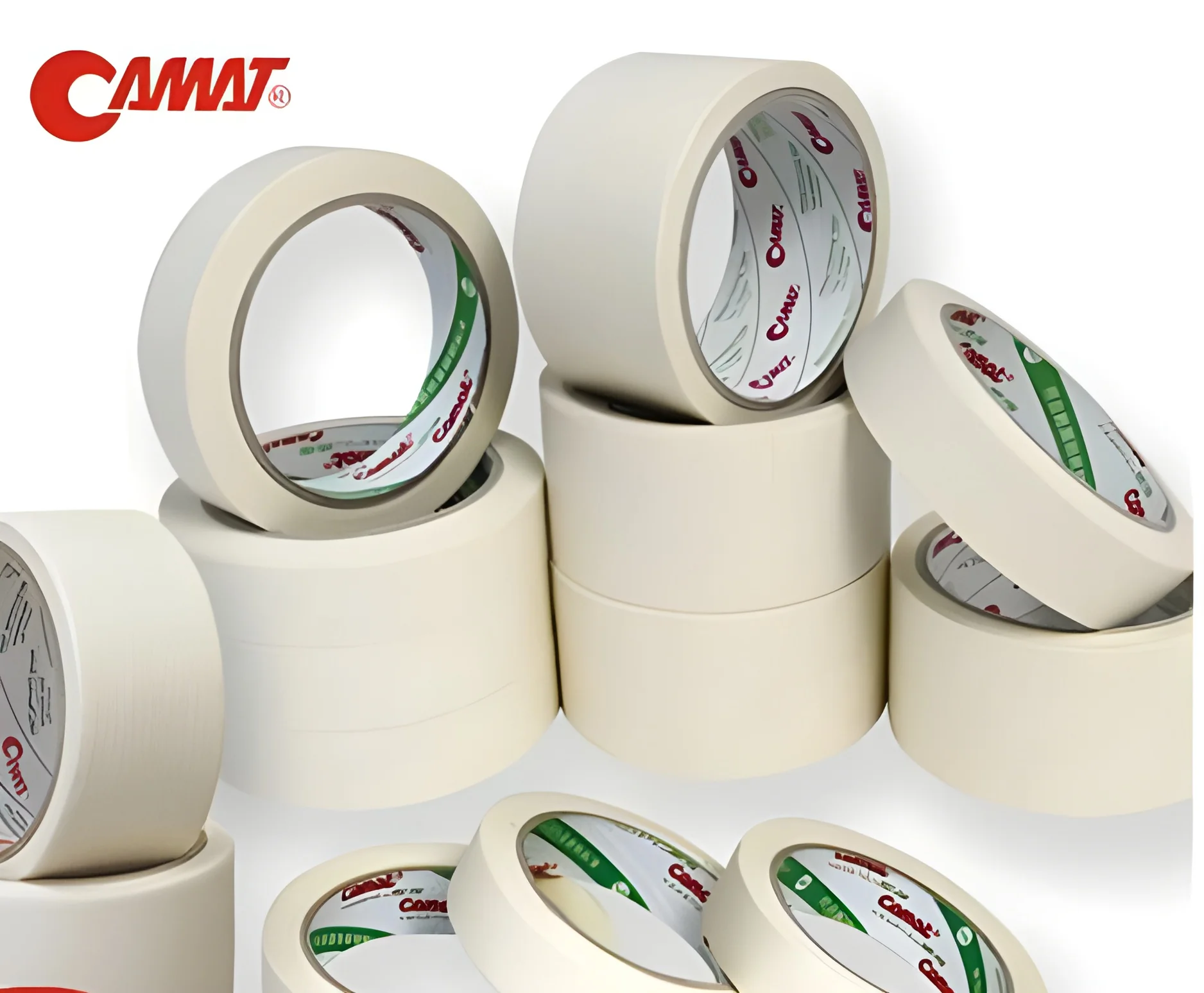
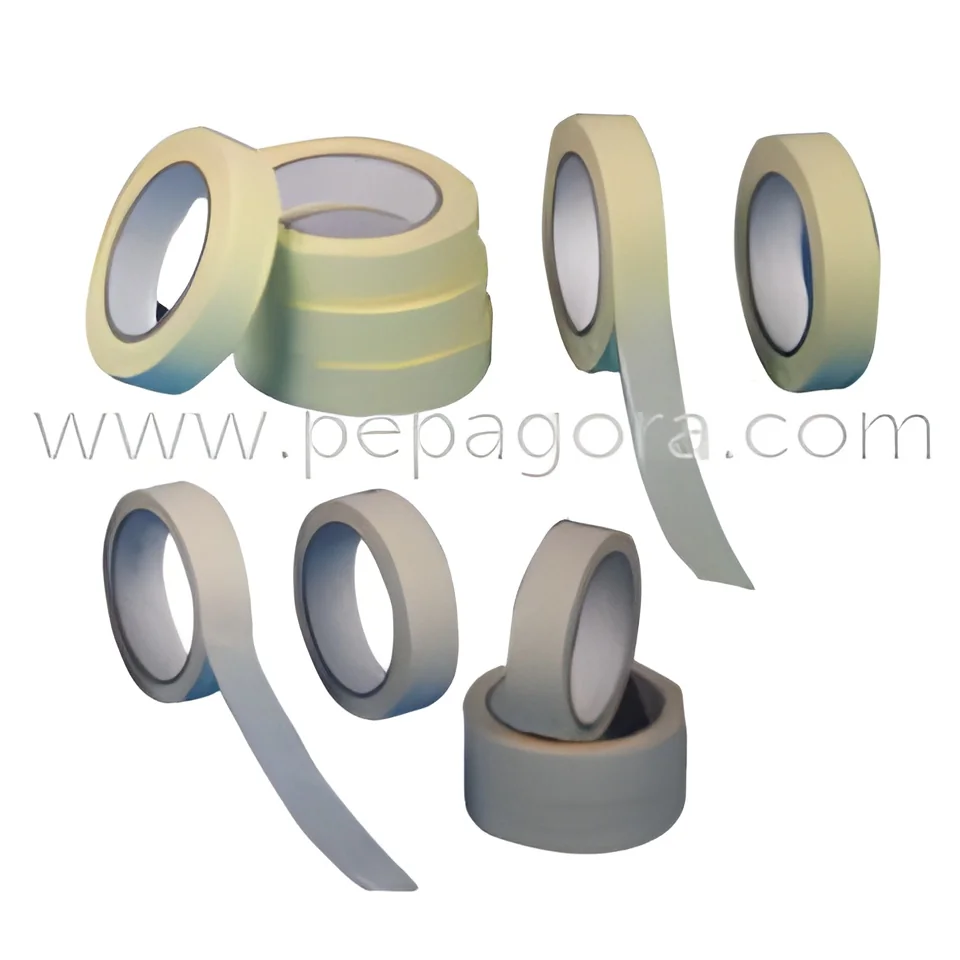
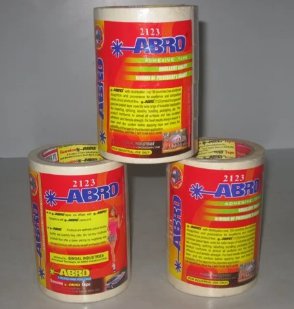
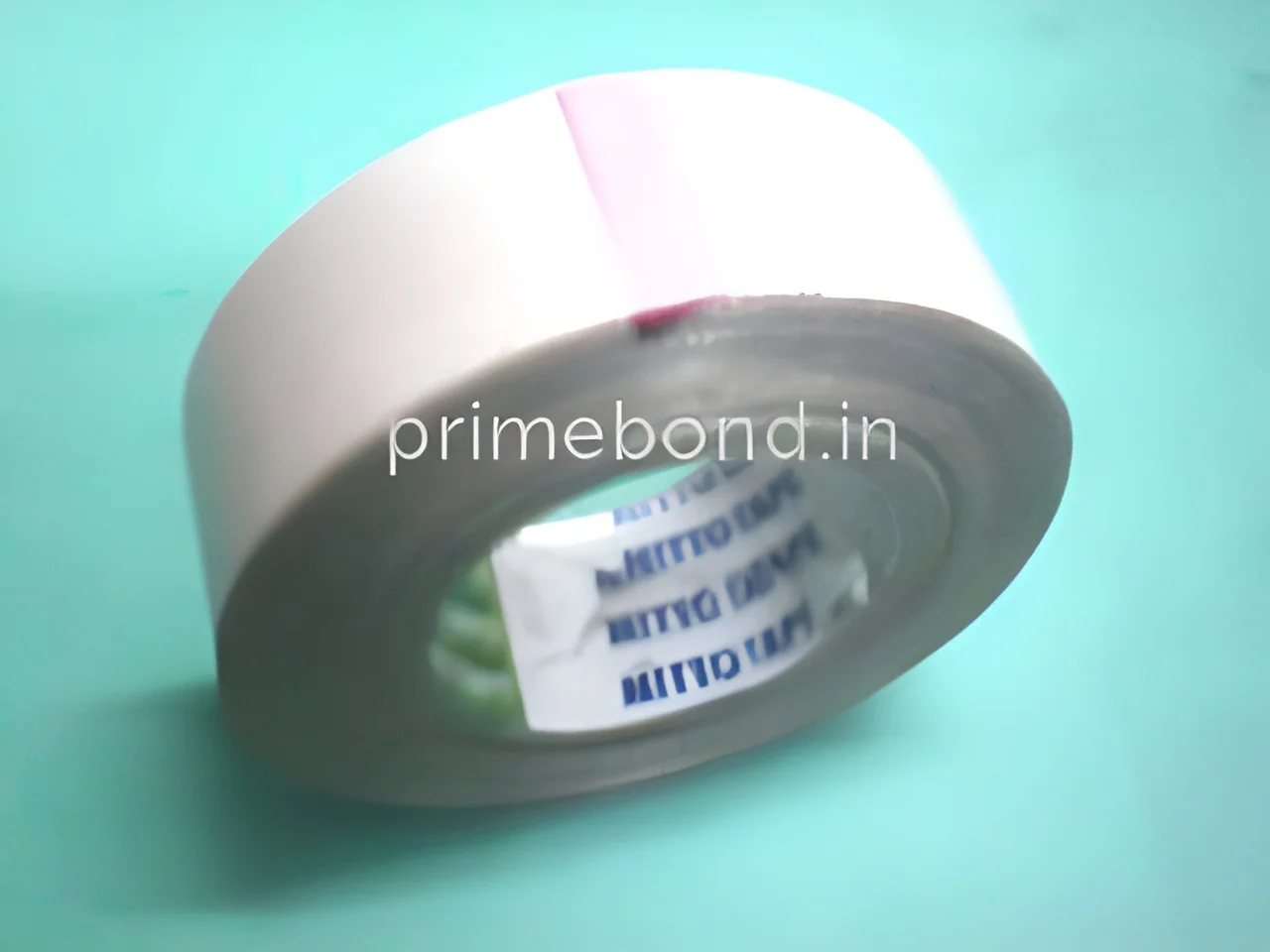
Masking tapes are pressure-sensitive adhesive tapes used primarily for creating clean paint lines and protecting surfaces during painting, spraying, and other finishing processes. Made from thin, easy-to-tear paper, these tapes allow for precise application while preventing paint bleed and ensuring a smooth finish. Their versatility makes them suitable for various applications in both industrial and commercial settings.
The primary uses of masking tapes extend beyond painting. They are commonly employed in construction, automotive, and manufacturing industries for temporary bonding, surface protection, and splicing. Masking tapes can also serve as labeling solutions, helping to organize workspaces and materials. As industries increasingly focus on efficiency and quality, the demand for reliable masking tapes continues to grow, establishing their importance in the broader market.
Key Features and Specifications
Masking tapes are designed with specific features to meet diverse industrial needs. Understanding these key specifications is crucial for businesses looking to make informed purchasing decisions.
Key specifications include:
1. Adhesive Type
- Can be rubber-based or acrylic-based
- Offers varying levels of tack and removability
2. Thickness
- Typically ranges from 0.1 mm to 0.3 mm
- Determines durability and ease of handling
3. Temperature Resistance
- Suitable for applications involving temperatures from -10°C to 80°C
- Important for high-heat environments
4. Width Options
- Available in various widths, typically from 1/4 inch to 3 inches
- Allows for adaptability to different project requirements
5. Length
- Common roll lengths range from 30 yards to 60 yards
- Influences the number of applications per roll
6. Surface Compatibility
- Designed to adhere to a variety of surfaces, including paper, metal, and plastic
- Ensures versatility across different projects
7. UV Resistance
- Some variants offer protection against UV degradation
- Essential for outdoor applications
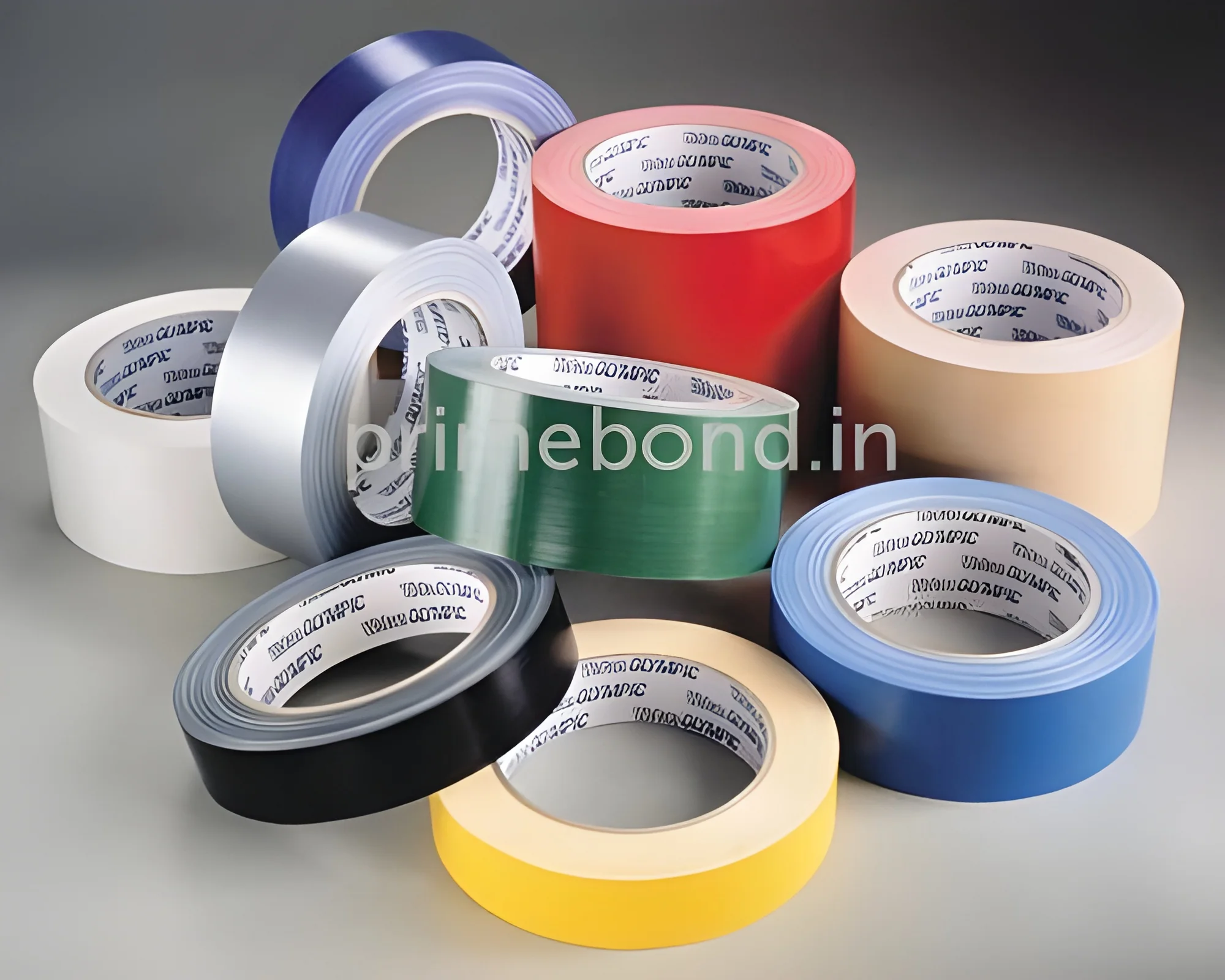
8. Color Options
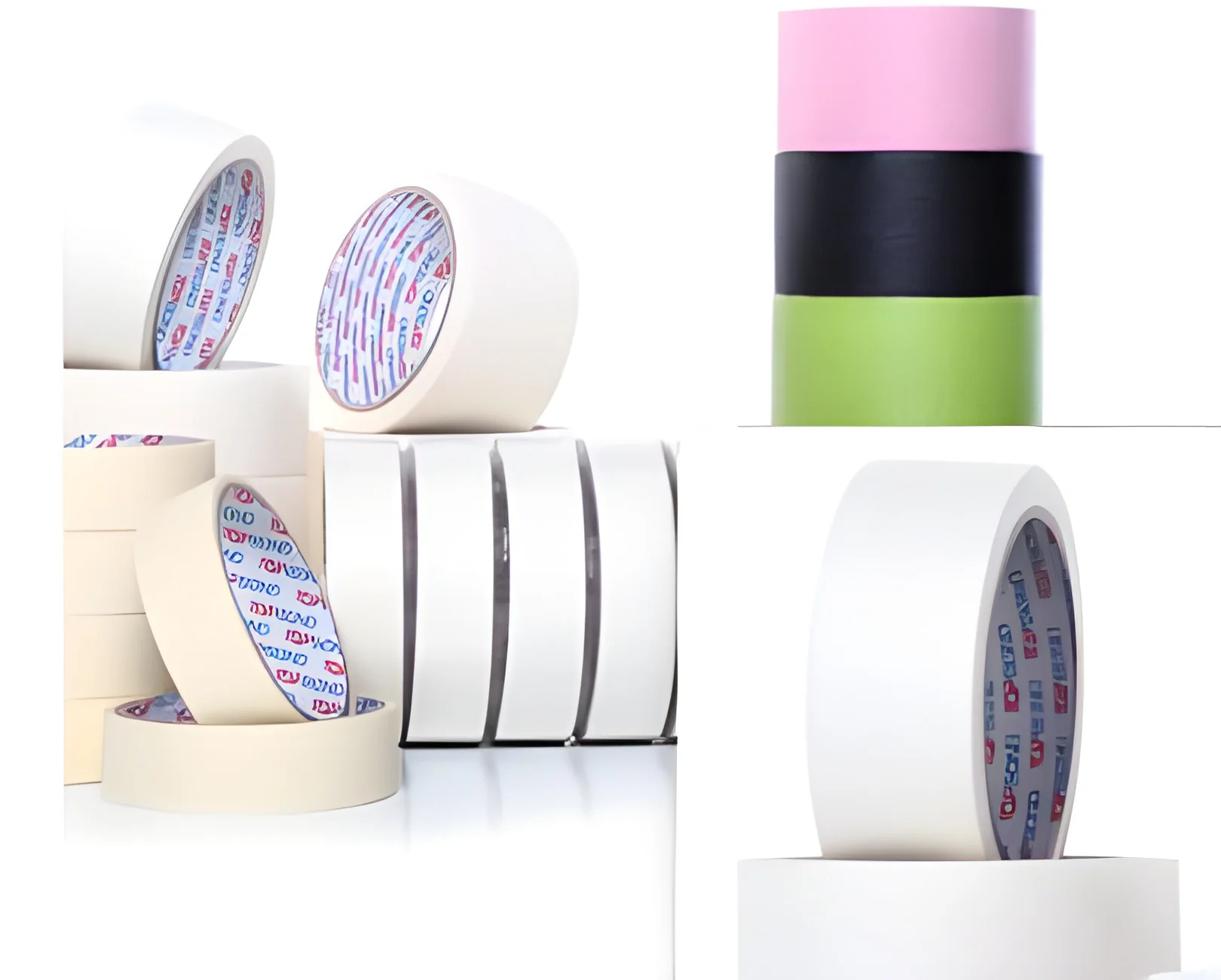
- Available in different colors for easy identification
- Helps in organizing and categorizing tasks
Masking tapes are crucial for ensuring quality results in various applications, making their specifications an important consideration for buyers.
Common Applications and Use Cases
Masking tapes find extensive applications across multiple industries due to their versatility and ease of use.
1. Automotive: In the automotive industry, masking tapes are used during painting and detailing processes to protect different vehicle parts and ensure clean lines.
2. Construction: Construction professionals utilize masking tapes for surface protection and marking areas that require specific treatments or finishes.
3. Electronics: In electronics manufacturing, masking tapes help protect sensitive components during assembly and testing phases.
4. Arts and Crafts: Artists and hobbyists use masking tapes for creating sharp paint edges and protecting surfaces during creative projects.
5. Manufacturing: In manufacturing, masking tapes are employed for labeling and bundling materials, enhancing organization and efficiency.
6. Printing: The printing industry uses masking tapes to secure substrates and ensure alignment during printing processes.
7. Aerospace: Aerospace applications involve using masking tapes for surface protection during manufacturing and maintenance of aircraft components.
Product Variants and Subcategories
Masking tapes come in various types catering to different needs and applications.
General Purpose Masking Tape: This variant is designed for a wide range of applications. It offers good adhesion to various surfaces and is easy to remove without leaving residue, making it ideal for painting and general use.
High-Temperature Masking Tape: Specifically designed for high-temperature applications, this tape can withstand elevated heat levels, making it suitable for automotive and industrial painting processes.
Low-Tack Masking Tape: This variant features a gentle adhesive that allows for easy repositioning without damaging surfaces. It is perfect for delicate surfaces or temporary applications.
Flame-Retardant Masking Tape: This specialized tape is designed for environments where fire safety is a concern. It provides reliable adhesion while meeting strict safety standards.
Benefits and Advantages
Using masking tapes offers numerous advantages that contribute to improved efficiency and quality in various applications.
1. Precision: Masking tapes help achieve clean lines and sharp edges, enhancing the overall appearance of finished projects.
2. Surface Protection: They protect surfaces from damage during painting or other processes, reducing the need for touch-ups.
3. Versatility: Masking tapes can be used across different industries, making them a valuable tool for various applications.
4. Easy Removal: Most masking tapes can be removed cleanly without leaving residue, simplifying post-project cleanup.
5. Cost-Effective: Masking tapes offer a budget-friendly solution for various applications, providing excellent value for businesses.
6. Ease of Use: Their lightweight and easy-to-tear design allows for quick application, saving time during projects.
Buying Guide for B2B Buyers
When sourcing masking tapes, several factors should be considered to ensure the best fit for your needs.
1. Quality Assessment: Look for tapes that meet industry standards. High-quality masking tapes provide better adhesion and clean removal, preventing damage to surfaces.
2. Supplier Verification: Vet suppliers thoroughly to ensure they provide reliable products. Check for certifications and customer reviews to gauge their reputation.
3. Pricing and MOQ: Understand pricing structures and minimum order quantities (MOQ). Compare quotes from multiple suppliers to find the best deal.
4. Delivery and Lead Times: Discuss logistics and lead times with suppliers to ensure timely delivery. This is critical for maintaining project schedules.
5. Compliance Requirements: Ensure that the masking tapes comply with relevant regulations and safety standards in your industry. This may vary by region.
Compliance and Certifications
Masking tapes must adhere to specific quality standards and certifications to ensure safety and performance in various applications.
ISO 9001 is a widely recognized standard that outlines quality management principles. Manufacturers of masking tapes often follow these guidelines to maintain consistent quality in their products.
CE certification indicates that a product meets European Union safety, health, and environmental protection requirements. It is essential for businesses sourcing masking tapes in markets that require compliance with EU regulations.
Safety and testing requirements are also critical. Masking tapes should undergo rigorous testing to ensure they perform under specified conditions, including temperature and humidity.
Regional compliance considerations may apply depending on the market. It is important for buyers to understand these requirements to avoid potential legal issues.
Why Source Masking Tapes from Pepagora?
Pepagora provides a trusted platform for sourcing masking tapes with several key advantages.
Verified Supplier Network: Pepagora connects buyers with a network of verified suppliers, ensuring access to high-quality products. This reduces the risk of dealing with unreliable vendors.
Streamlined RFQ Process: The Request for Quotation (RFQ) process is simplified, allowing buyers to quickly obtain quotes from multiple suppliers. This efficiency saves time and helps in making informed decisions.
Trade Assurance and Support: Pepagora offers trade assurance, giving buyers peace of mind. This includes buyer protection measures to ensure transactions are secure.
Regional Coverage: Pepagora has a strong presence in key markets such as India, the GCC, and Southeast Asia. This broad geographic reach allows buyers to find suitable suppliers that meet their specific needs.

 IN
IN