
 IN
Spray Adhesives
5 products available
What are Spray Adhesives?
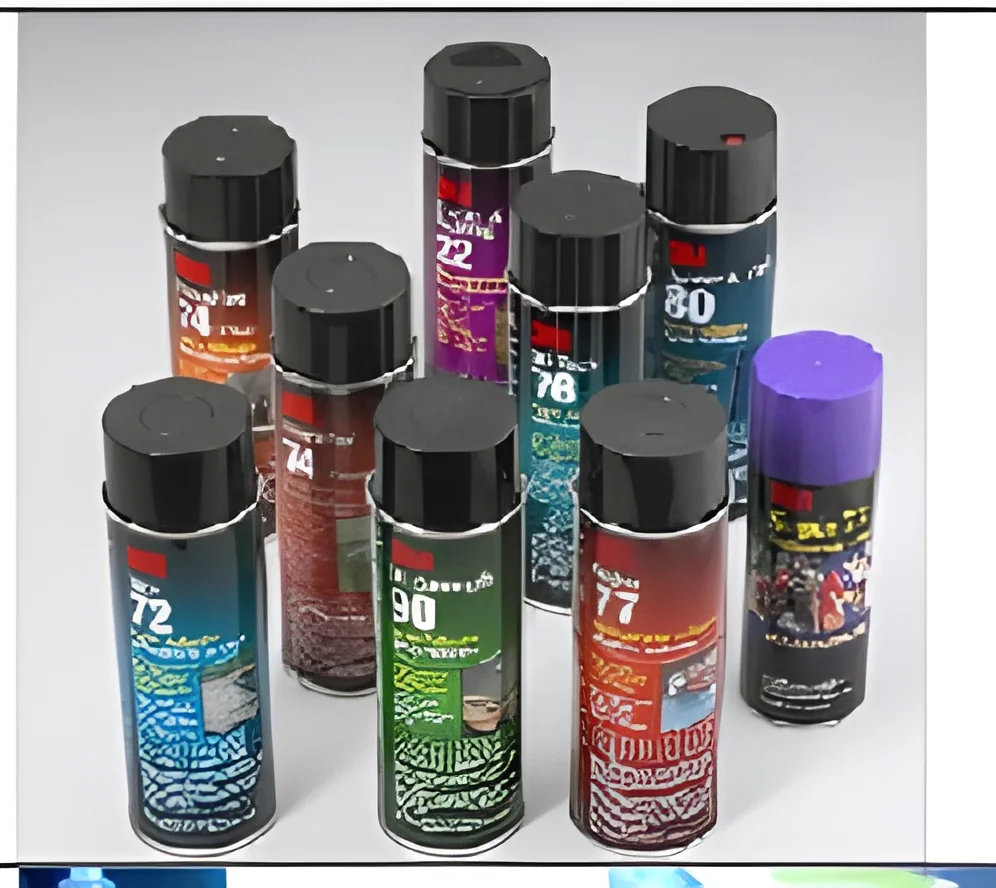
Spray adhesives are specialized bonding agents that are dispensed in an aerosol format. They provide a convenient method for applying adhesive to various surfaces, allowing for even coverage and quick application. These adhesives can bond a wide range of materials, including paper, fabric, plastic, metal, and wood. Their versatility makes them a popular choice across multiple industries.
The primary uses of spray adhesives include crafting, upholstery, automotive applications, and construction. They are widely utilized in manufacturing processes where strong, quick, and reliable bonding is essential. Businesses rely on spray adhesives to enhance production efficiency and improve product quality. This makes them significant in sectors such as packaging, textiles, and automotive manufacturing, where durability and performance are critical.
In the industrial market context, spray adhesives are becoming increasingly relevant as businesses seek innovative solutions that streamline operations. The demand for efficient bonding solutions continues to grow as industries focus on enhancing productivity and reducing labor costs. This trend underscores the importance of understanding the various types of spray adhesives available in the market.
Key Features and Specifications
Spray adhesives come with several essential features and specifications that cater to different business needs. Understanding these specifications can help buyers select the right adhesive for their applications.
Key specifications include:
1. Bonding Strength
- Determines the adhesive's ability to hold materials together
- Measured in pounds per square inch (PSI)
2. Drying Time
- The time it takes for the adhesive to set and cure
- Can range from a few seconds to several minutes
3. Temperature Resistance
- Indicates the adhesive's performance at varying temperatures
- Specifications may vary by product; data not available
4. Humidity Control
- Refers to the adhesive's ability to perform in high humidity conditions
- Varies by formulation; data not available
5. VOC Content
- Measures the volatile organic compounds present in the adhesive
- Compliance with environmental regulations may vary by product
6. Application Method
- Describes whether the adhesive is suitable for handheld or automatic sprayers
- Important for production line efficiency
7. Color and Finish
- Indicates whether the adhesive dries clear or remains visible
- Affects aesthetic considerations in finished products
8. Shelf Life
- The duration the adhesive remains effective before it degrades
- Varies by formulation and storage conditions
These specifications help businesses ensure they choose the correct spray adhesive for their specific applications and compliance needs.
Common Applications and Use Cases
Spray adhesives are used in a variety of industries, demonstrating their versatility and effectiveness.
1. Automotive: Spray adhesives are commonly used for attaching insulation and carpets in vehicles, providing a strong hold that withstands vibrations and temperature changes.
2. Textile: In the textile industry, spray adhesives are utilized for bonding fabrics, allowing for quick assembly and a smooth finish in garments and upholstery.
3. Packaging: Spray adhesives play a crucial role in packaging applications, securing labels, and creating multi-layer structures efficiently.
4. Furniture: In furniture manufacturing, spray adhesives are applied for assembling components and attaching veneers, ensuring durability and quality.
5. Construction: Spray adhesives are used in construction for bonding materials such as drywall and insulation, enhancing the structural integrity of buildings.
6. Crafting: In arts and crafts, spray adhesives are popular for their ease of use, providing a quick solution for bonding various materials such as paper and cardboard.
7. Signage: Spray adhesives are often used in the production of signs and displays, allowing for quick and reliable attachment of graphics to surfaces.
Product Variants and Subcategories
Spray adhesives come in various formulations to cater to different applications and industry needs.
General Purpose Spray Adhesive
This variant is designed for a wide range of materials and applications. It provides a strong bond for projects ranging from crafts to industrial uses, making it ideal for versatility.
High-Temperature Spray Adhesive
This variant is formulated to withstand high-temperature environments, making it suitable for automotive and industrial applications where heat resistance is crucial.
Permanent Spray Adhesive
This type provides a long-lasting bond for applications that require durability and stability, such as furniture assembly and outdoor signage.
Repositionable Spray Adhesive
Designed for temporary bonding, this variant allows for adjustments after application, making it perfect for crafts and projects that require flexibility.
Benefits and Advantages
Spray adhesives offer numerous benefits that cater to the needs of various industries.
Key benefits include:
1. Ease of Use: Spray adhesives are easy to apply, allowing for quick and efficient bonding without the need for specialized tools.
2. Versatility: They can bond a wide range of materials, making them suitable for multiple applications across different industries.
3. Fast Drying: Many spray adhesives dry quickly, reducing production times and helping businesses meet tight deadlines.
4. Even Coverage: The aerosol application ensures an even coat, which improves bond strength and reduces wastage.
5. Reduced Labor Costs: With quick application and set times, businesses can save on labor costs during production.
6. Customization: Some manufacturers offer formulations that can be tailored to specific needs, enhancing their effectiveness for unique applications.
Buying Guide for B2B Buyers
When sourcing spray adhesives, it is vital for B2B buyers to consider several factors to ensure they make the right choice.
1. Quality Assessment: Evaluate the adhesive's performance, including bond strength and drying time. Look for products that meet established quality standards.
2. Supplier Verification: Vet suppliers to ensure they provide reliable products and services. Consider their reputation, customer reviews, and compliance with industry standards.
3. Pricing and MOQ: Analyze the cost of spray adhesives and inquire about minimum order quantities (MOQ). Understanding pricing structures can help in budget planning.
4. Delivery and Lead Times: Assess the logistics of delivery and the lead times for receiving products. Timely delivery is critical for maintaining production schedules.
5. Compliance Requirements: Review any regulatory standards that apply to the adhesives, including safety and environmental considerations. Ensure the products meet necessary compliance criteria.
Compliance and Certifications
Spray adhesives must adhere to various quality and safety standards to ensure they are effective and safe for use. Relevant quality standards include ISO 9001, which outlines requirements for a quality management system, ensuring consistent quality in products.
Industry certifications such as CE are also crucial, indicating compliance with European health, safety, and environmental protection standards.
Safety and testing requirements are vital for ensuring that spray adhesives do not pose health risks to users. Proper labeling and safety data sheets should accompany these products to inform users of any hazards.
Additionally, regional compliance considerations may vary based on local regulations, making it essential for buyers to confirm that the products meet the specific requirements of their markets.
Why Source Spray Adhesives from Pepagora?
Pepagora provides a trusted platform for sourcing spray adhesives, offering several advantages that benefit B2B buyers.
Verified Supplier Network: Pepagora has established a network of verified suppliers, ensuring that buyers have access to high-quality products from reputable manufacturers. This verification process helps mitigate the risk of sourcing from unreliable suppliers.
Streamlined RFQ Process: The platform features a streamlined request-for-quotation (RFQ) process, allowing buyers to quickly obtain quotes from multiple suppliers. This efficiency aids in making informed purchasing decisions.
Trade Assurance and Support: Buyers can benefit from trade assurance programs that protect their orders and ensure satisfaction. Pepagora offers support throughout the purchasing process to address any concerns.
Regional Coverage: With a strong presence in India, the GCC, and Southeast Asia, Pepagora facilitates sourcing for businesses in these regions. This geographic reach ensures that buyers can find suitable spray adhesives tailored to their local markets.

Frequently Asked Questions
What are Spray Adhesives?
Spray adhesives are bonding agents that are dispensed in a fine mist from an aerosol can or a spray gun. They are commonly used for various applications, including fabric, paper, wood, and metal bonding, providing a quick and even application.
What are the different types of Spray Adhesives?
There are several types of spray adhesives, including permanent, repositionable, and removable adhesives. Each type serves different purposes, such as providing strong, long-lasting bonds or allowing for adjustments before setting.
How do I choose the right Spray Adhesives?
To choose the right spray adhesive, consider the materials you are bonding, the intended use, and the desired bond strength. Additionally, look for adhesives that specify compatibility with your particular surfaces and environmental conditions.
What are the standard specifications for Spray Adhesives?
Standard specifications for spray adhesives typically include factors such as bond strength, drying time, and temperature resistance. It's important to refer to the product data sheets for specific details regarding each adhesive's performance characteristics.
What is the price range for Spray Adhesives?
The price range for spray adhesives can vary widely based on brand, type, and quantity purchased. Generally, you can expect prices to range from a few hundred to several thousand Indian Rupees per can or bulk order.
What quality standards apply to Spray Adhesives?
Spray adhesives are subject to various quality standards, including those set by organizations such as ASTM and ISO. These standards ensure that the adhesives meet specific performance criteria for safety, effectiveness, and environmental compliance.
Where can I find Spray Adhesives suppliers in India?
You can find spray adhesives suppliers in India through online B2B marketplaces like Pepagora, industry trade shows, and local distributors. It's advisable to compare multiple suppliers to find the best products and prices.
Can Spray Adhesives be customized?
Many manufacturers offer customization options for spray adhesives, allowing you to specify formulations, packaging sizes, and labeling. Contacting suppliers directly can help you understand the available customization options.
What is the typical minimum order quantity for Spray Adhesives?
The typical minimum order quantity (MOQ) for spray adhesives varies by supplier and product type, often ranging from 10 to 100 cans or more. It's important to check with individual suppliers for their specific MOQ requirements.
What is the typical lead time for Spray Adhesives?
The typical lead time for spray adhesives can range from a few days to several weeks, depending on the supplier's inventory and production schedules. It's advisable to confirm lead times during the ordering process to ensure timely delivery.
Why Businesses Trust Pepagora
Thousands of companies trust Pepagora to source smarter and sell faster
Expand Your Sales Globally

Source Smarter,Grow Faster
