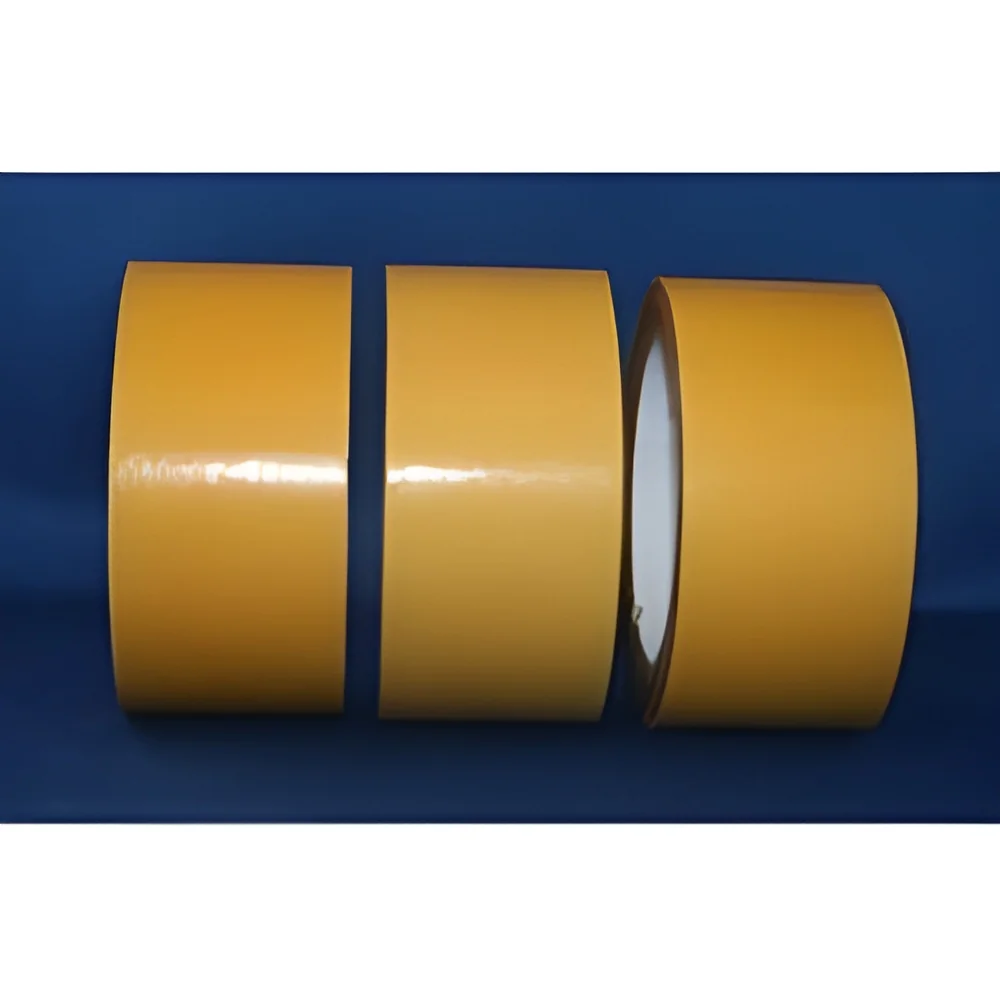
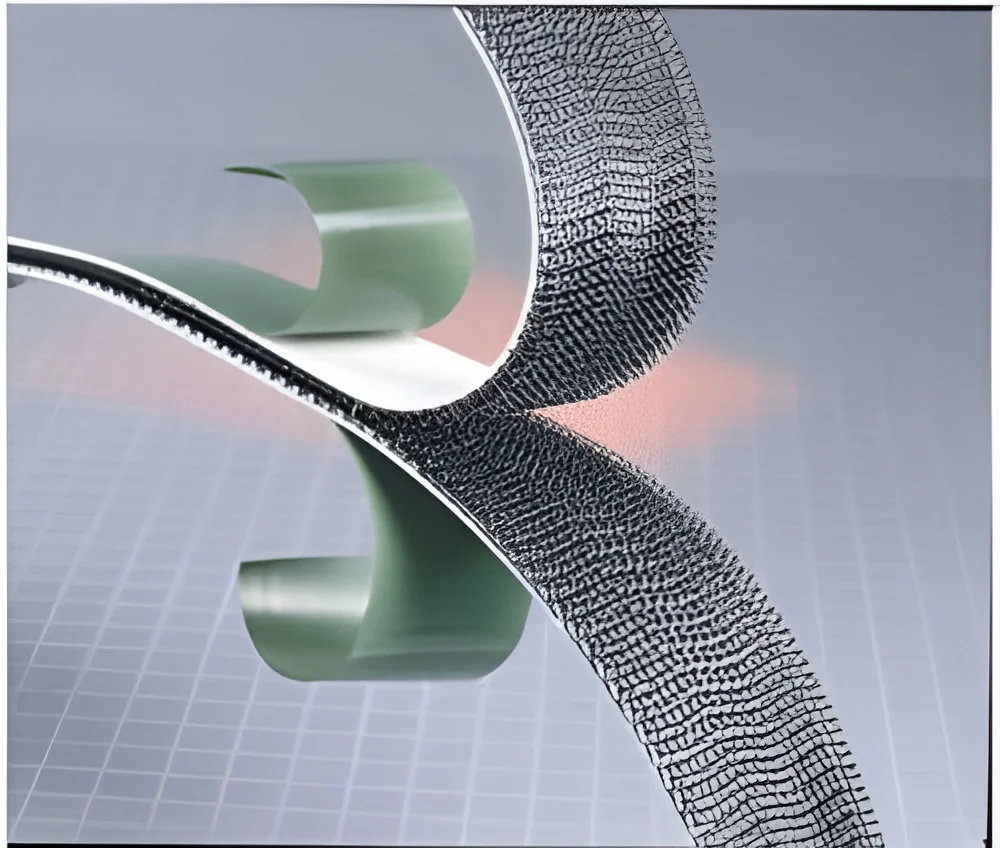
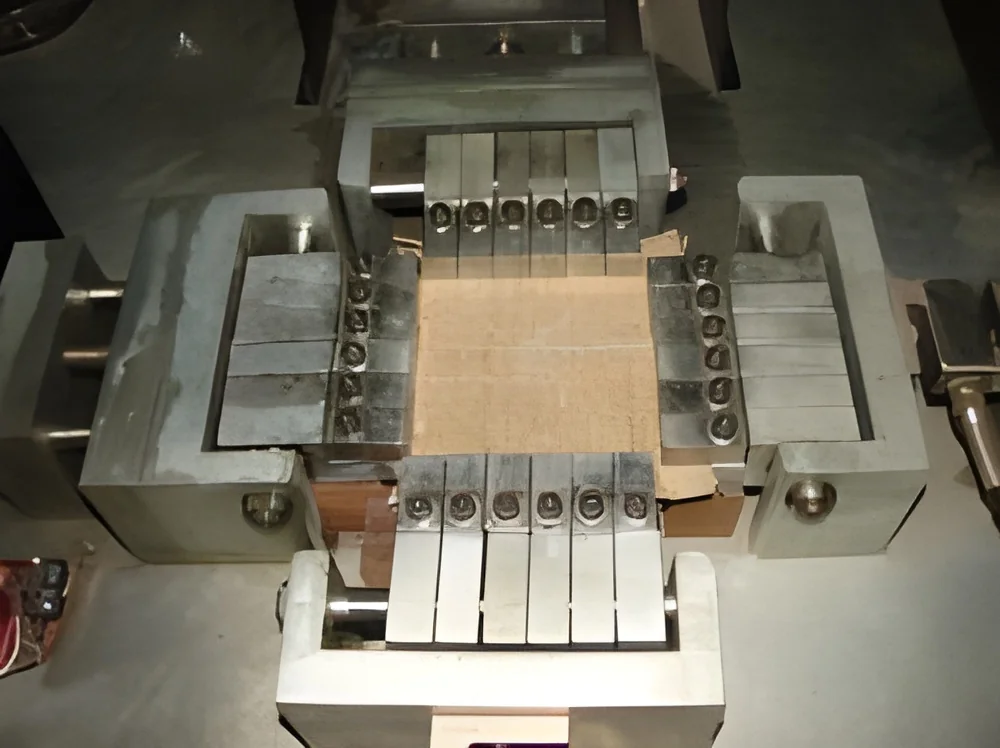
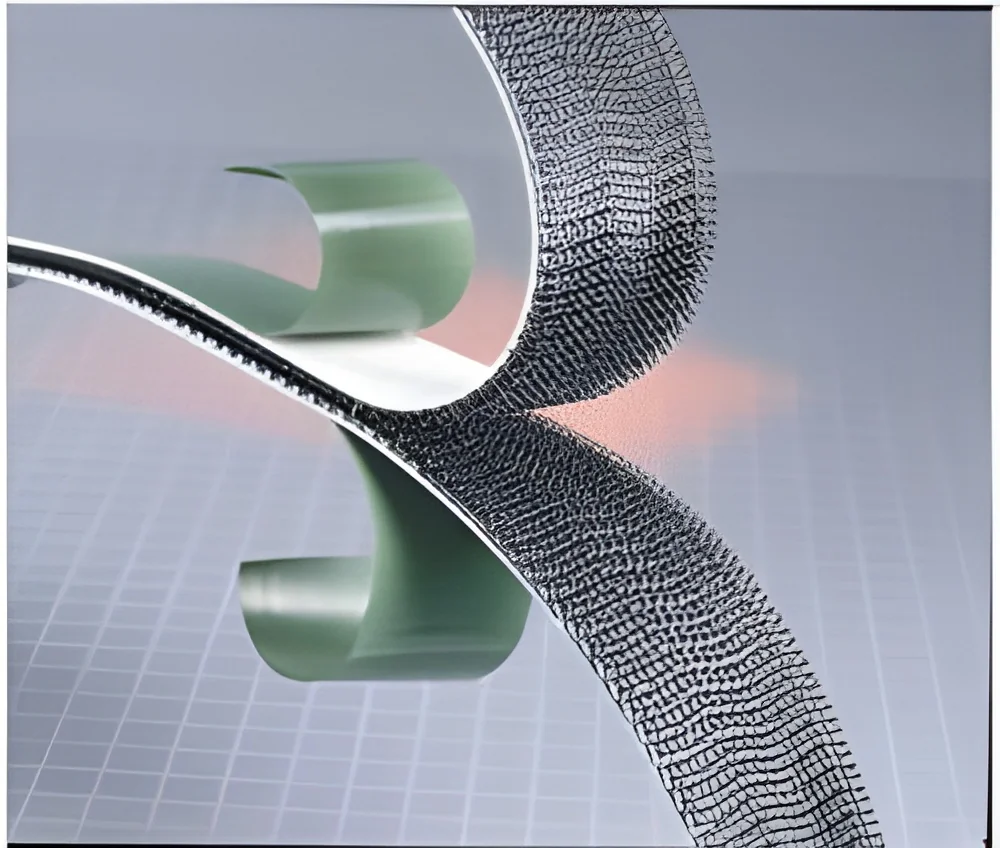
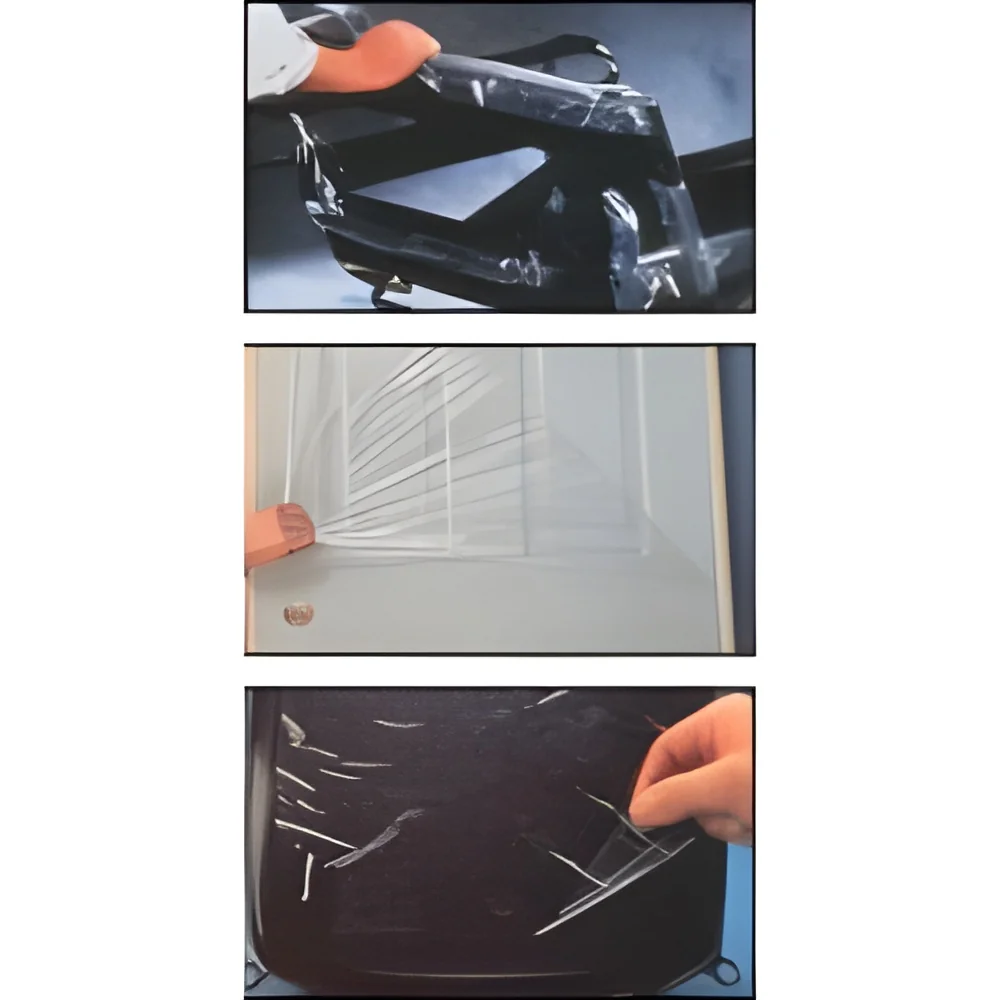
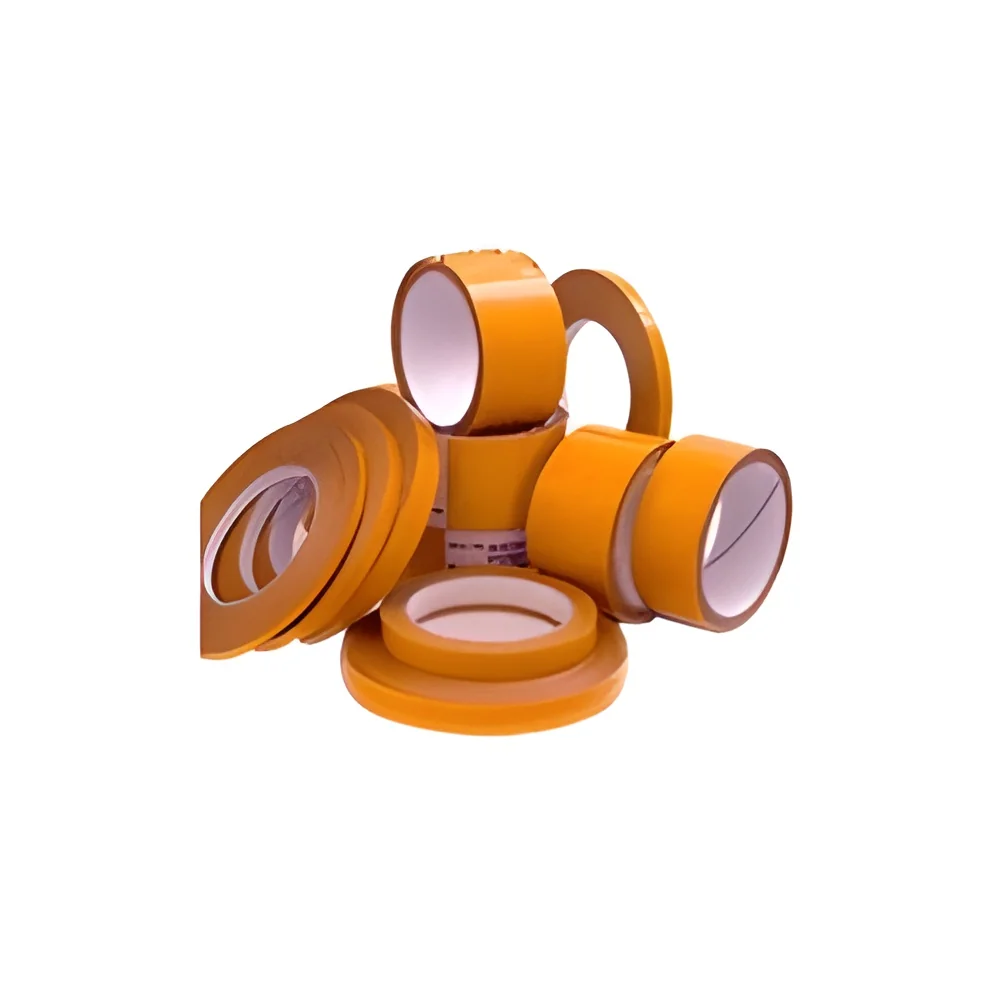
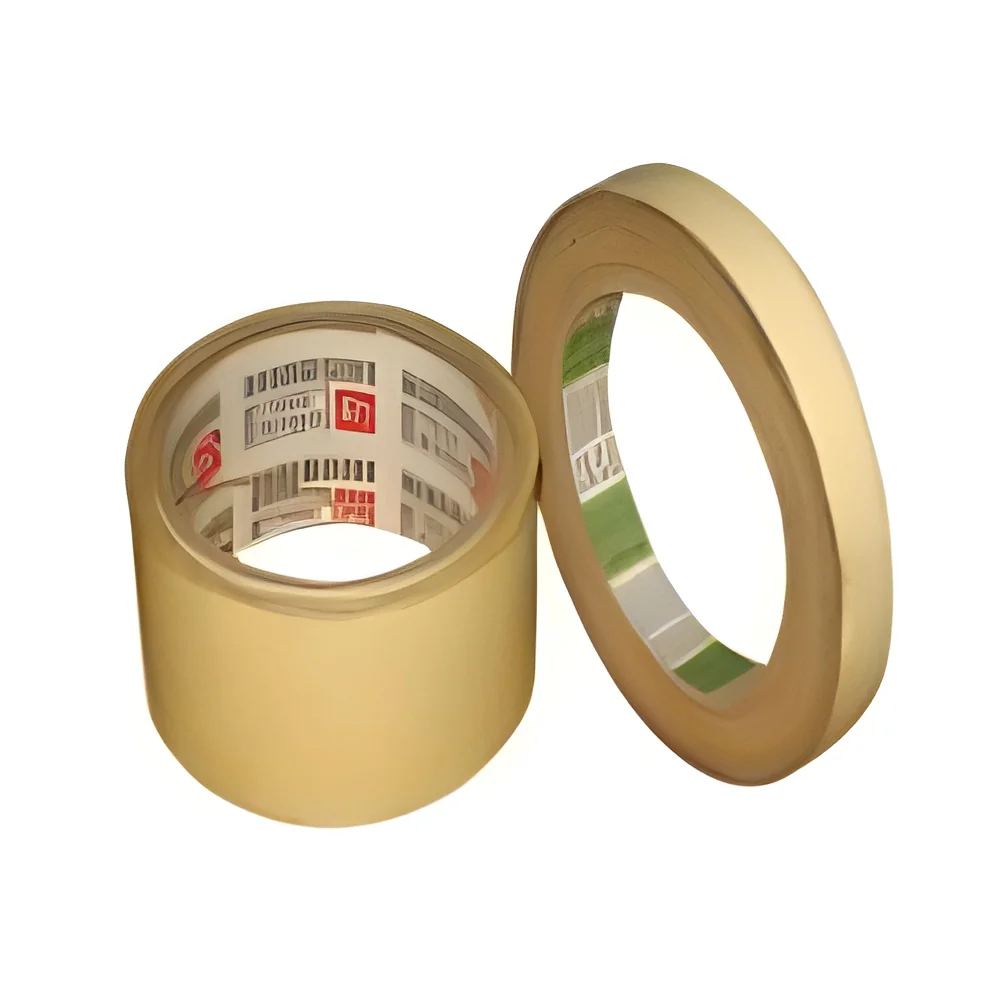
Key Features and Specifications
Pressure Sensitive Adhesives are characterized by several important features that define their performance and suitability for various applications. Understanding these specifications is crucial for selecting the right PSA for specific needs.
Key specifications include:
1. Adhesion Strength
- Determines the force required to remove the adhesive from a surface.
- Measured in grams per inch (g/in) or Newtons per meter (N/m).
2. Thickness
- Refers to the physical thickness of the adhesive layer.
- Typically ranges from 0.5 mils to 10 mils depending on application needs.
3. Temperature Resistance
- Indicates how well the adhesive can withstand varying temperatures.
- Commonly ranges from -20°C to 80°C, depending on the formulation.
4. Humidity Resistance
- Assesses the adhesive's performance in high-humidity environments.
- Essential for applications in climates with high moisture levels.
5. Peel Strength
- Measures the adhesive's resistance to being pulled away from a surface.
- Usually tested at a specific angle and speed.
6. Cure Time
- Although PSAs do not require curing, some formulations may have a set time before achieving full bond strength.
- Generally immediate, but may vary based on environmental conditions.
7. Chemical Resistance
- Evaluates how well the adhesive can resist degradation from various chemicals.
- Important for applications exposed to solvents or oils.
8. Compatibility
- Refers to how well the adhesive adheres to different substrates.
- Compatibility varies by formulation and can include plastics, metals, and paper.
These specifications help B2B buyers make informed decisions based on the specific requirements of their applications.
Common Applications and Use Cases
Pressure Sensitive Adhesives are utilized in a variety of applications across different industries.
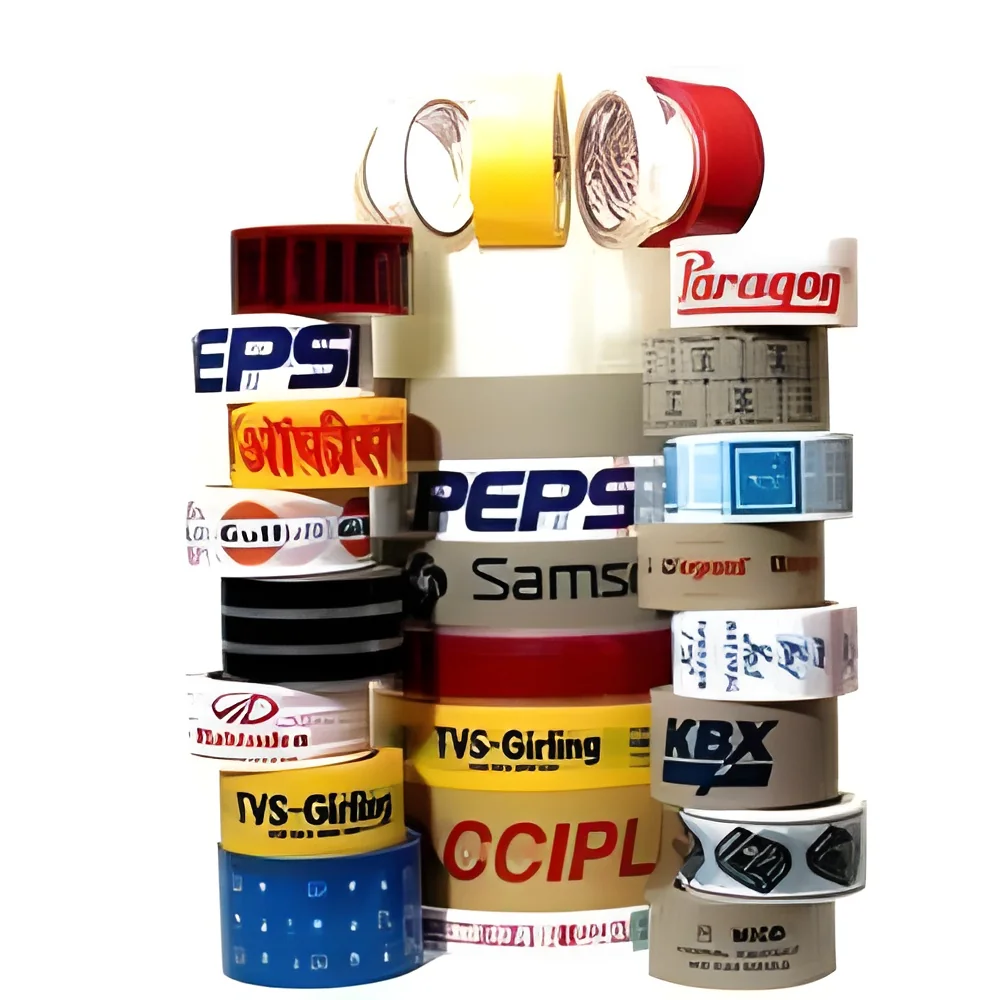
1. Packaging Industry: PSAs are widely used in labels, tape, and packaging materials due to their quick adhesion and versatility.
2. Automotive Industry: These adhesives play a crucial role in bonding components, such as trims and weather stripping, offering durability and resistance to environmental factors.
3. Electronics Industry: PSAs are essential in the assembly of electronic devices, providing reliable bonds for screens, circuit boards, and insulation materials.
4. Healthcare Industry: Medical-grade PSAs are used in adhesive bandages, wound dressings, and other medical applications due to their skin compatibility and gentle adhesion.
5. Construction Industry: PSAs are used for mounting, sealing, and insulation applications, offering high performance in demanding environments.
6. Signage and Graphics: In the signage industry, PSAs are crucial for mounting graphics and signs on various surfaces, providing long-lasting adhesion.
7. Textile Industry: PSAs are used in fabric bonding applications, allowing for the creation of layered textile products without sewing.
Product Variants and Subcategories
Pressure Sensitive Adhesives come in various formulations to meet specific application needs. Each variant is designed with unique properties to enhance performance.
Standard PSA
This is the most common type, offering general-purpose adhesion for a wide range of applications, including labels and tapes.
High-Temperature PSA
Designed to withstand elevated temperatures, this variant is ideal for automotive and aerospace applications where heat resistance is critical.
Low-Temperature PSA
Ideal for applications in cold environments, this variant maintains adhesion in low-temperature conditions without losing performance.
Acrylic PSA
Known for its clarity and UV stability, acrylic PSAs are widely used in outdoor applications, such as signage and graphics.
Rubber PSA
This variant provides strong initial tack and is often used in packaging and labeling applications.
Benefits and Advantages
Pressure Sensitive Adhesives offer numerous benefits that make them a preferred choice in many applications.
1. Immediate Bonding: PSAs provide instant adhesion upon application, eliminating the need for curing time and increasing efficiency in production processes.
2. Versatility: They can bond a variety of substrates, including plastics, metals, and papers, making them suitable for diverse applications.
3. Ease of Use: PSAs are easy to apply, often requiring no special equipment or surface preparation, which simplifies the manufacturing process.
4. Reduced Waste: The ability to reposition PSAs before final application minimizes material waste, making them an environmentally friendly option.
5. Customization Options: Many manufacturers offer tailored formulations to meet specific performance requirements, allowing for flexibility in design.
6. Cost-Effectiveness: With reduced need for additional bonding processes, PSAs can lower overall production costs.
Buying Guide for B2B Buyers
When sourcing Pressure Sensitive Adhesives, it is essential to consider several key factors to ensure the right choice for your business needs.
1. Quality Assessment: Evaluate the adhesive's performance based on adhesion strength, durability, and compatibility with substrates. Testing samples may help ascertain quality.
2. Supplier Verification: Ensure that you source from reputable suppliers who follow industry standards and have a history of reliable product delivery and support.
3. Pricing and MOQ: Consider the pricing structure and the minimum order quantity (MOQ) that fits your budget and operational needs. Compare quotes from different suppliers for the best deal.
4. Delivery and Lead Times: Assess the logistics of delivery to ensure timely availability of products. Understanding lead times can help in planning production schedules effectively.
5. Compliance Requirements: Be aware of any industry-specific regulations and safety requirements that the PSAs must meet, ensuring that the products comply with relevant standards.
Compliance and Certifications
Pressure Sensitive Adhesives must adhere to various quality standards and certifications to ensure safety and reliability in their applications.
ISO 9001 is a widely recognized standard for quality management systems, ensuring that manufacturers consistently provide products that meet customer and regulatory requirements.
CE marking indicates compliance with European health, safety, and environmental protection legislation, which is essential for products sold in the European market.
Adherence to safety and testing requirements is crucial for ensuring that PSAs do not pose any risk during use or application. Manufacturers often conduct rigorous testing to validate their products.
Regional compliance considerations may vary, so it is essential to understand the specific regulations governing the use of PSAs in different regions to ensure full compliance.
Why Source Pressure Sensitive Adhesives (PSA) from Pepagora?
Pepagora offers a trusted platform for sourcing Pressure Sensitive Adhesives with several key advantages that cater to B2B buyers.
Verified Supplier Network: Pepagora collaborates with a network of verified suppliers who meet stringent quality standards, ensuring that buyers receive reliable products.
Streamlined RFQ Process: The request for quotation (RFQ) system simplifies the procurement process, allowing buyers to obtain competitive quotes efficiently and make informed purchasing decisions.
Trade Assurance and Support: Buyers benefit from trade assurance programs that protect their investments, along with dedicated support for any inquiries or issues that may arise.
Regional Coverage: With a presence in India, the Gulf Cooperation Council (GCC), and Southeast Asia, Pepagora provides extensive geographic reach, making it easier for businesses across these regions to access quality PSAs.

 IN
IN