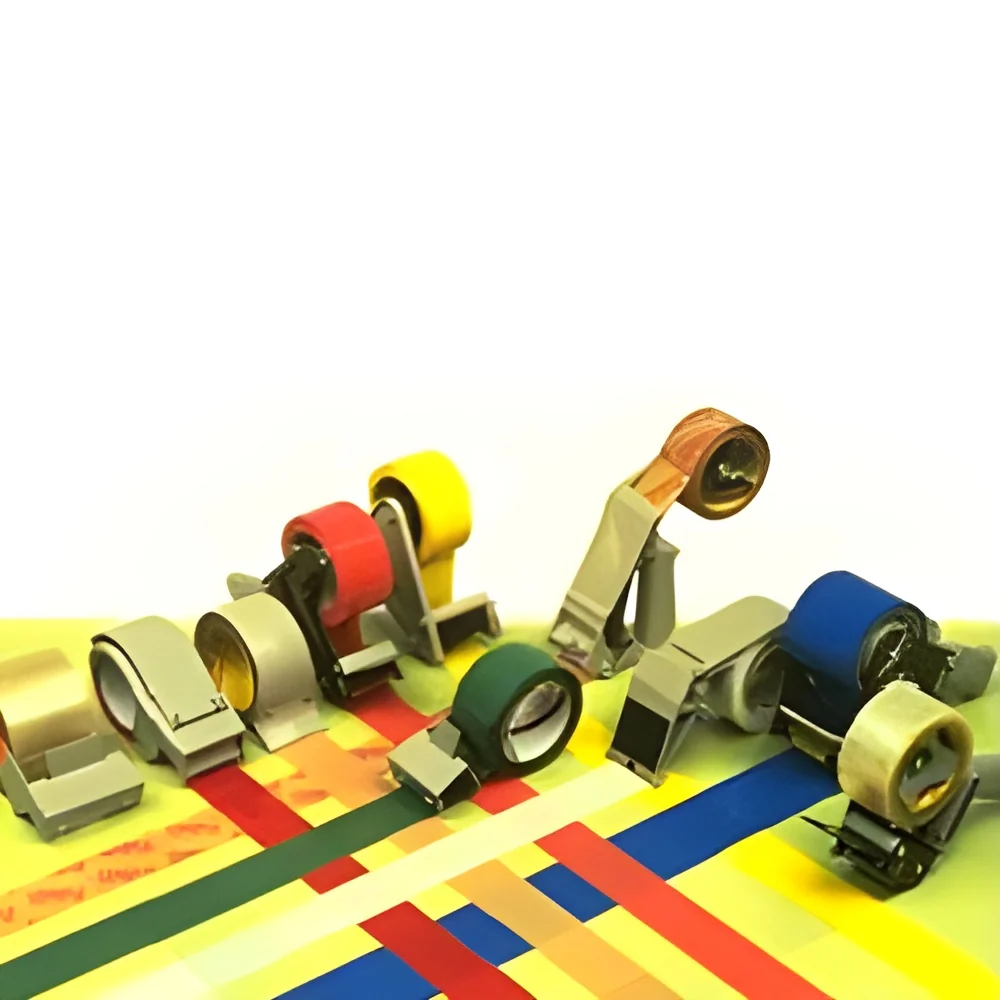
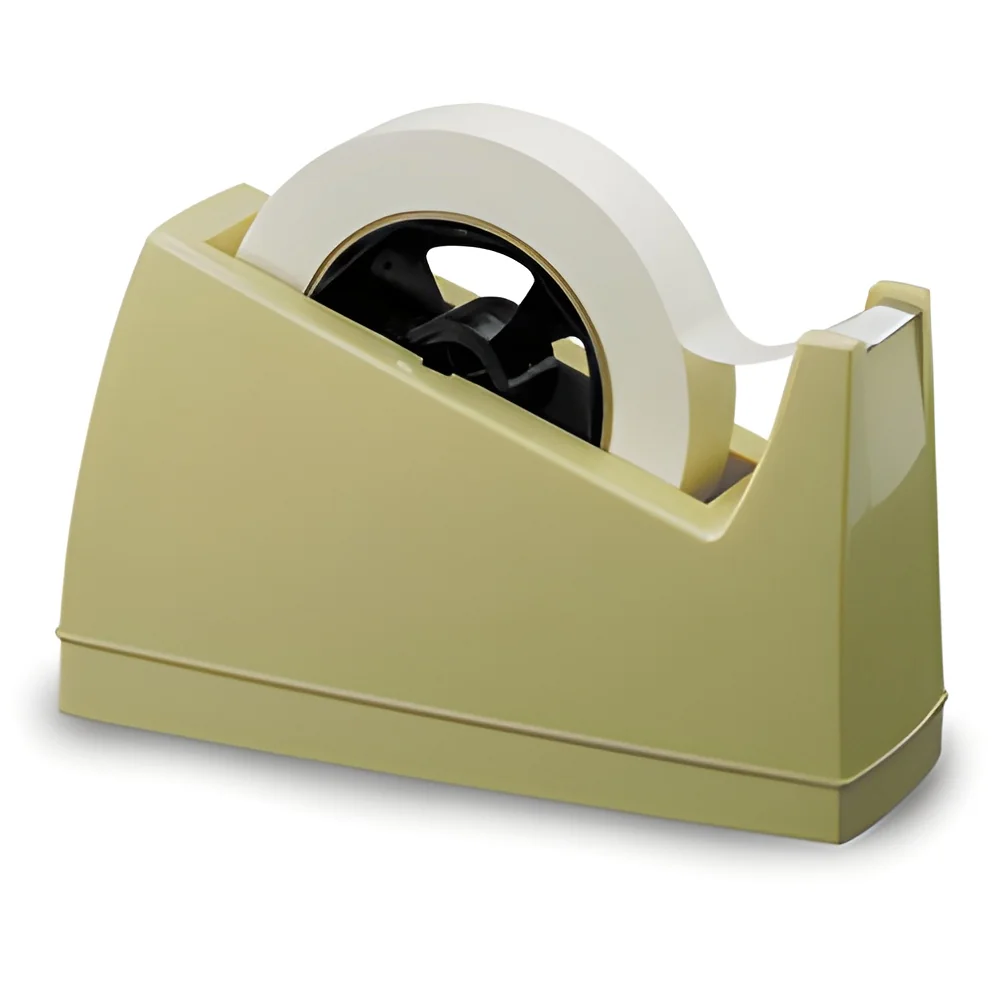
What are Tape Dispensers?
Tape dispensers are essential tools designed to streamline the application of tape in various industrial and commercial settings. These devices provide a convenient way to hold, cut, and dispense tape, making the process more efficient and less time-consuming. They come in various designs, from handheld models to larger, automated systems, catering to different operational needs. By facilitating easy access to tape, dispensers help enhance productivity and maintain organization within the workspace.
Tape dispensers are widely used across several business sectors, including manufacturing, packaging, and office environments. In manufacturing, they assist in securing components, while in packaging, they are vital for sealing boxes and securing materials for shipment. Office environments often use them for crafting, labeling, and general tape applications. The relevance of tape dispensers in these industries underscores their importance in maintaining workflow efficiency and product integrity, positioning them as a staple in both small and large businesses.
Key Features and Specifications
Tape dispensers offer a range of features tailored to enhance usability and efficiency. These specifications ensure that businesses can select the right model based on their specific needs and operational requirements.
Key specifications include:
1. Design Type
- Variants include handheld, table-mounted, and automatic dispensers.
- Each type caters to different applications and user preferences.
2. Tape Width Compatibility
- Most dispensers accommodate various tape widths, typically ranging from 0.5 inches to 3 inches.
- This versatility allows for the use of different tape types in one device.
3. Cutting Mechanism
- Options include manual cutters, serrated edges, or automatic cutting functions.
- The choice of cutting mechanism affects speed and ease of use.
4. Material Construction
- Common materials include plastic, metal, or a combination of both.
- Durability and weight can vary significantly based on material choice.
5. Weight Capacity
- Dispensers are designed to handle different tape rolls, generally up to 5 kilograms.
- This specification ensures that the dispenser can accommodate industrial-grade tape.
6. Portability Features
- Some models come equipped with handles or light designs for easy transport.
- Portability is crucial for operations that require mobility.
7. Safety Features
- Certain dispensers include safety guards to prevent accidental cuts.
- These features enhance user safety, especially in high-volume environments.
8. Additional Features
- Some models may offer integrated storage for tape rolls or tools.
- These add-ons can improve organization and efficiency.
In summary, understanding the features and specifications of tape dispensers is crucial for selecting the right product to meet business needs. With various types available, companies can choose dispensers that align with their operational workflows.
Common Applications and Use Cases
Tape dispensers are versatile tools that find applications across numerous industries. Their design and functionality cater to specific needs in each sector.
1. Manufacturing: In manufacturing settings, tape dispensers are used for securing components and bundling materials for shipping. They help optimize production lines by providing quick access to tape.
2. Packaging: The packaging industry relies heavily on tape dispensers for sealing boxes and ensuring that products remain secure during transit. Efficient tape application is critical for maintaining product quality.
3. Warehousing: Warehouses utilize tape dispensers for labeling and organizing inventory. They assist in quick identification and accessibility of goods.
4. Retail: Retail environments use tape dispensers for promotional displays and packaging. Efficient tape application enhances customer experience and operational efficiency.
5. Office Supplies: In office settings, tape dispensers are vital for everyday tasks such as crafting, document sealing, and labeling. They support a variety of administrative functions.
6. Shipping and Logistics: Companies in shipping and logistics depend on tape dispensers to secure packages and ensure compliance with shipping regulations. Quick application is essential in high-volume operations.
7. Construction: The construction industry uses tape dispensers for various applications, including securing materials and marking areas. Their robustness is beneficial in demanding environments.
Product Variants and Subcategories
Tape dispensers come in various forms, each designed to meet different operational needs. Their diversity allows businesses to select the most suitable option for their specific applications.
Handheld Tape Dispenser
Handheld tape dispensers are portable and easy to use, making them ideal for tasks that require mobility. They allow users to quickly dispense tape with one hand, enhancing efficiency in applications such as packaging and labeling.
Tabletop Tape Dispenser
Tabletop models are designed for stationary use, providing a stable base for easy tape application. They are commonly used in offices and packaging environments where speed and accessibility are paramount.
Automatic Tape Dispenser
Automatic tape dispensers streamline the process by cutting tape automatically, allowing for continuous operation. These models are particularly beneficial in high-volume settings where speed is a priority.
Electric Tape Dispenser
Electric tape dispensers offer advanced features such as adjustable tape length and automated functions. They enhance productivity in industrial environments by reducing manual effort.
Benefits and Advantages
Tape dispensers provide significant advantages that contribute to operational efficiency in various settings. Their design and functionality enhance productivity and user experience.
Key benefits include:
1. Improved Efficiency: Tape dispensers reduce the time spent on manual tape application, allowing employees to focus on more critical tasks.
2. Consistent Application: They ensure uniform tape application, which is vital for maintaining product quality and integrity.
3. Reduced Waste: By providing precise cutting, tape dispensers minimize tape waste, leading to cost savings over time.
4. Enhanced Safety: Many dispensers feature safety mechanisms that protect users from accidental cuts, promoting a safer work environment.
5. Versatility: Tape dispensers can accommodate different tape types and widths, making them suitable for a wide range of applications across industries.
6. Increased Organization: With integrated storage options, tape dispensers help keep workspaces tidy and organized, enhancing overall efficiency.
Buying Guide for B2B Buyers
When sourcing tape dispensers, it is essential for B2B buyers to consider several critical factors to ensure they make informed decisions.
1. Quality Assessment: Evaluate the build quality and durability of tape dispensers. Look for models with robust materials that can withstand daily use in various environments.
2. Supplier Verification: Conduct thorough research on potential suppliers. Check for reviews, certifications, and their reputation in the market to ensure reliability.
3. Pricing and MOQ: Understand the price range for different models and the minimum order quantity (MOQ). This will help you budget effectively and avoid unexpected costs.
4. Delivery and Lead Times: Inquire about the delivery timelines and logistics. Ensure that the supplier can meet your deadlines to maintain operational continuity.
5. Compliance Requirements: Be aware of any regulatory standards that your tape dispensers must meet. Compliance with safety and industry standards is crucial for operational credibility.
Compliance and Certifications
Tape dispensers are subject to various quality standards and certifications that ensure their reliability and safety in industrial applications. Compliance with these standards is essential for businesses that rely on these products.
ISO 9001 is a widely recognized standard that focuses on quality management systems. Manufacturers of tape dispensers that comply with this standard demonstrate their commitment to quality and continuous improvement.
CE marking indicates that a product meets European safety, health, and environmental protection standards. This certification is crucial for businesses operating in or exporting to European markets.
Safety and testing requirements are also vital for tape dispensers, especially in environments where user safety is a priority. Manufacturers should provide documentation that verifies these standards are met.
Regional compliance considerations may vary based on local regulations. B2B buyers should ensure that their chosen tape dispensers comply with applicable regional laws to avoid potential legal issues.
Why Source Tape Dispensers from Pepagora?
Pepagora provides a trusted platform for sourcing tape dispensers, offering several advantages that make the procurement process efficient and reliable.
Verified Supplier Network: Pepagora ensures that all suppliers on its platform are thoroughly vetted. This process guarantees that buyers have access to reliable and high-quality products.
Streamlined RFQ Process: The platform features an efficient request for quotation (RFQ) system, allowing buyers to easily compare offers from multiple suppliers. This transparency helps in making informed purchasing decisions.
Trade Assurance and Support: Pepagora offers trade assurance, providing buyers with protection against potential issues in transactions. This support gives buyers peace of mind when sourcing products.
Regional Coverage: With a focus on markets in India, the Gulf Cooperation Council (GCC), and Southeast Asia, Pepagora boasts a broad geographic reach. This ensures that businesses in these regions can easily access quality tape dispensers tailored to their needs.

 IN
IN