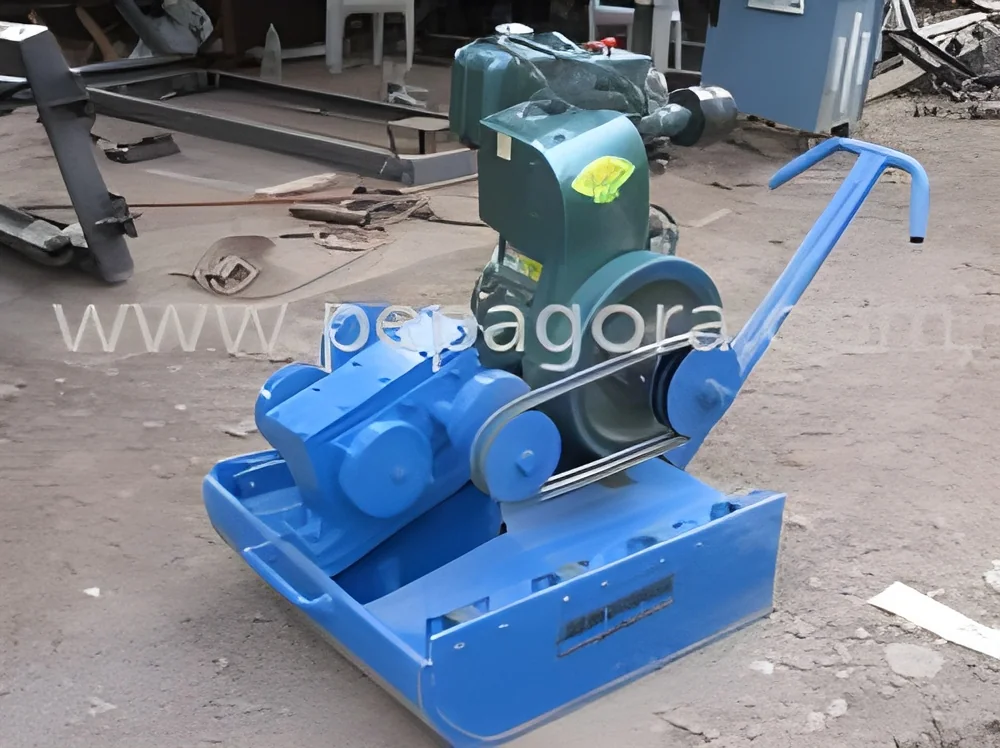
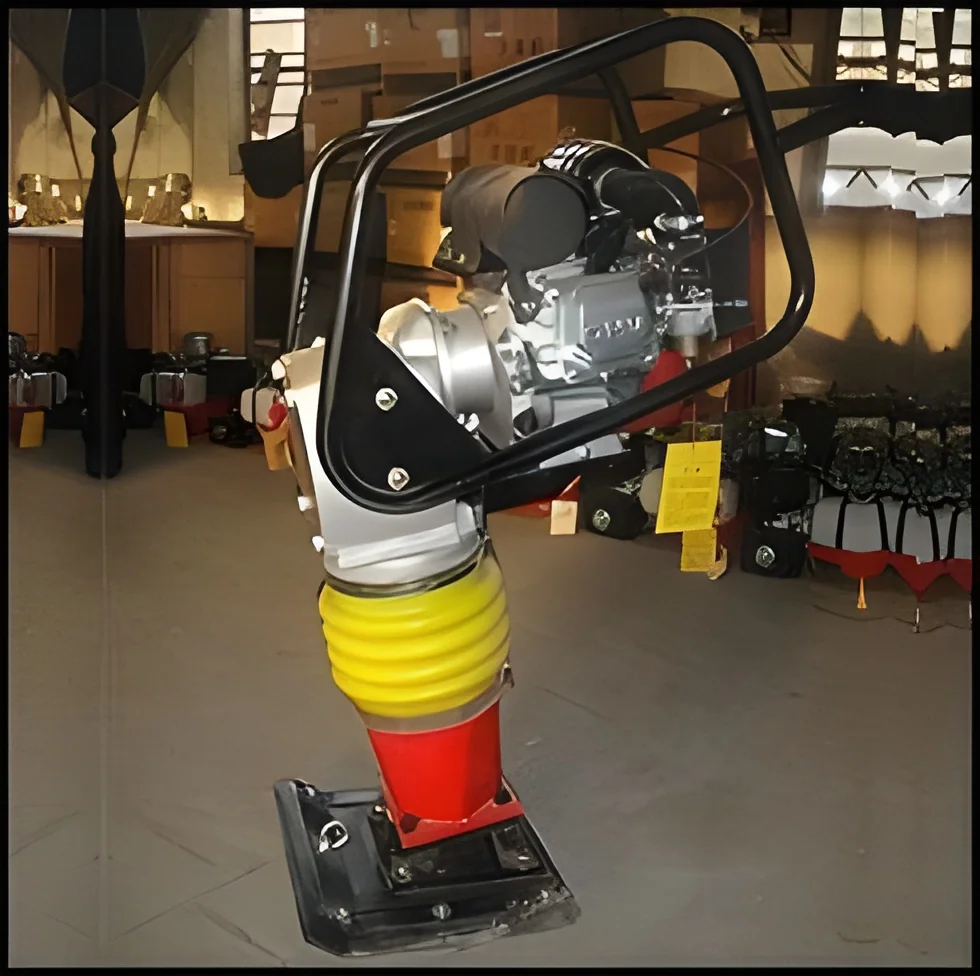
What are Rammers & Jumping Jacks?
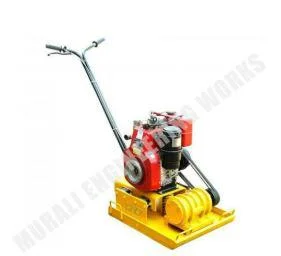
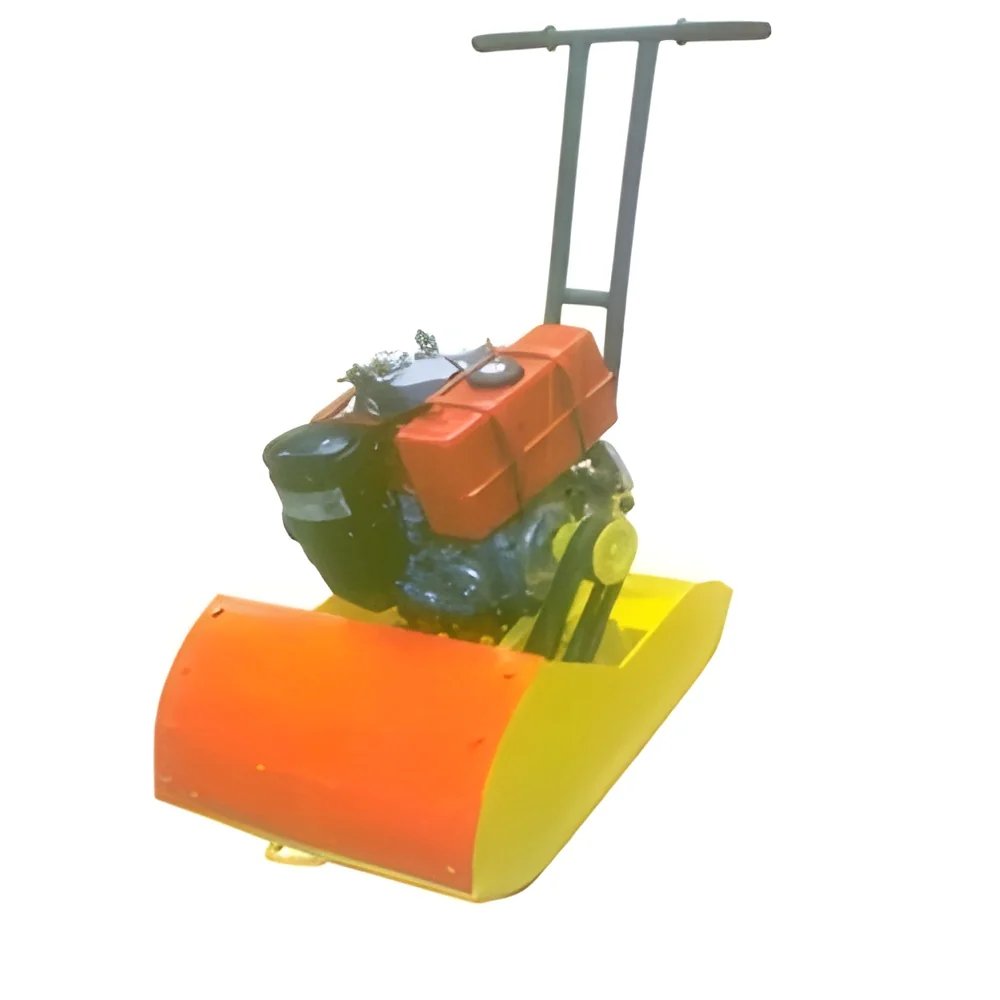
Rammers and jumping jacks are essential compaction tools used in construction and civil engineering. These machines are designed to compact soil, gravel, and asphalt, ensuring a stable foundation for various structures. Their operation involves vertical movement, which delivers powerful blows to the ground, thereby increasing the density of the material being processed. This compaction is vital for preventing future settling and other structural issues.
These tools find primary applications in construction sites, roadworks, and landscaping. They are commonly employed for compacting backfill around foundations, trenches, and utility installations. In addition, rammers and jumping jacks are valuable for preparing surfaces for paving and other construction tasks. Their significance in the industry is underscored by the increasing demand for reliable and efficient compaction equipment, driven by ongoing infrastructure development.
The relevance of rammers and jumping jacks in the market is profound, as they contribute to the overall quality and longevity of construction projects. With advancing technology, manufacturers are enhancing the efficiency and effectiveness of these devices, keeping pace with industry standards and client expectations. As infrastructure projects continue to grow globally, the demand for rammers and jumping jacks is expected to rise, making them a key component in the construction sector.
Key Features and Specifications
Rammers and jumping jacks are characterized by several key features that enhance their performance and usability. Understanding these specifications is crucial for businesses looking to invest in this equipment.
Key specifications include:
1. Engine Power
- Typically ranges from 3 to 7 horsepower
- Provides adequate force for effective compaction
2. Operating Weight
- Commonly varies between 60 to 120 pounds
- Affects maneuverability and compaction efficiency
3. Impact Force
- Generally ranges from 2,000 to 3,500 pounds
- Determines the depth of compaction achievable
4. Stamping Plate Size
- Sizes often range from 12 to 16 inches
- Influences the area covered during compaction
5. Fuel Type
- Commonly powered by gasoline or diesel
- Affects operational costs and emissions
6. Vibration Frequency
- Typically between 60 to 100 Hz
- Impacts the compaction speed and effectiveness
7. Mobility Features
- May include wheels or handles for easier transport
- Enhances user convenience on job sites
8. Noise Level
- Generally around 90 dB
- Important for compliance with local regulations
These specifications play a vital role in determining the right rammer or jumping jack for specific applications, ensuring optimal performance and efficiency.
Common Applications and Use Cases
Rammers and jumping jacks serve a wide range of industries, each with specific applications that benefit from their unique capabilities.
1. Construction: Used extensively for compacting soil in foundation work, ensuring stability for buildings and structures.
2. Roadwork: Essential in compacting asphalt and gravel during road construction and repair projects.
3. Landscaping: Utilized for compacting soil in preparation for planting and installation of features like patios and walkways.
4. Utility Installation: Helpful in compacting backfill around pipes and conduits to prevent future settling.
5. Earthworks: Applied in various earthmoving activities to increase soil density and stability.
6. Agricultural Projects: Used for land preparation, ensuring a firm base for planting and crop management.
7. Demolition: Useful in preparing sites for new construction by compacting debris and soil.
These applications illustrate the versatility and importance of rammers and jumping jacks in diverse industrial contexts.
Product Variants and Subcategories
Rammers and jumping jacks come in various configurations to meet different operational needs. Understanding the available variants helps buyers make informed choices.
Standard Rammer
This variant is designed for general use, featuring a compact design ideal for tight spaces. It typically has a robust engine and is suited for various soil types.
Heavy-Duty Jumping Jack
Built for intense construction environments, this model offers higher impact force and weight for deeper compaction. It is ideal for large-scale projects where efficiency is critical.
Electric Rammer
An environmentally friendly option, the electric rammer operates quietly and is suitable for indoor applications. Its compact design makes it easy to maneuver in confined spaces.
Compact Jumping Jack
Designed for small-scale projects, this variant is lightweight and features a smaller stamping plate, making it ideal for fine compaction tasks in residential landscaping.
Benefits and Advantages
Investing in rammers and jumping jacks presents several advantages that enhance operational efficiency and project quality.
Key benefits include:
1. Enhanced Compaction: These tools provide superior soil density, reducing the risk of settling and structural issues.
2. Increased Efficiency: Their powerful operation allows for quick compaction, reducing overall project timelines.
3. Versatile Applications: Suitable for various tasks, from landscaping to heavy construction, making them a valuable addition to any equipment fleet.
4. User-Friendly Design: Many models feature ergonomic handles and mobility features, improving ease of use for operators.
5. Cost-Effective Operation: Efficient fuel consumption and durability lead to lower long-term operational costs.
6. Compliance with Standards: Many rammers and jumping jacks adhere to industry standards, ensuring safety and reliability on job sites.
These benefits make rammers and jumping jacks a strategic investment for businesses aiming to enhance productivity and project quality.
Buying Guide for B2B Buyers
When sourcing rammers and jumping jacks, buyers should consider several critical factors to ensure they make informed decisions.
1. Quality Assessment: Look for machines that meet recognized industry standards. Evaluate build quality, durability, and manufacturer reputation to ensure long-term reliability.
2. Supplier Verification: Vet potential suppliers carefully. Assess their experience in the industry, customer reviews, and after-sales support to ensure a trustworthy partnership.
3. Pricing and MOQ: Consider the cost of units and minimum order quantities. Compare options to find the best value while ensuring quality is not compromised.
4. Delivery and Lead Times: Inquire about logistics and delivery schedules. Timely delivery is essential to maintain project timelines and avoid costly delays.
5. Compliance Requirements: Ensure the equipment meets local regulatory standards. This includes safety certifications and environmental regulations relevant to the intended application.
Compliance and Certifications
Rammers and jumping jacks must adhere to specific quality standards and certifications to ensure safety and effectiveness in their operation. ISO 9001 is a leading quality management standard that many manufacturers strive to meet, ensuring consistent quality and reliability in production processes.
In addition, CE certification is crucial for products sold in Europe, indicating compliance with health, safety, and environmental protection standards. This certification assures buyers of the equipment's adherence to rigorous quality controls.
Safety and testing requirements are also essential, as these machines can present hazards if not manufactured or used correctly. Regular testing for performance and safety helps prevent accidents and ensures that equipment operates as intended.
Lastly, regional compliance considerations should be taken into account. Different regions may have specific regulations governing noise levels, emissions, and safety standards that manufacturers must follow. Being aware of these requirements is critical for businesses looking to source rammers and jumping jacks.
Why Source Rammers & Jumping Jacks from Pepagora?
Pepagora provides a trusted platform for sourcing rammers and jumping jacks, offering several key advantages for B2B buyers.
Verified Supplier Network: Pepagora ensures that all suppliers in its network have been thoroughly vetted. This verification process helps buyers find reliable suppliers who meet industry standards and can provide high-quality equipment.
Streamlined RFQ Process: The request for quotation (RFQ) process on Pepagora is designed to be user-friendly. Buyers can easily submit their requirements and receive competitive quotes from multiple suppliers, simplifying the procurement process.
Trade Assurance and Support: Pepagora offers trade assurance to protect buyers throughout the purchasing process. This includes support for any issues that may arise after the sale, ensuring peace of mind when making significant investments.
Regional Coverage: With a broad geographic reach, Pepagora connects buyers with suppliers across India, the GCC, and Southeast Asia. This extensive network allows for easier sourcing and more options for businesses looking to acquire rammers and jumping jacks.
By choosing Pepagora as a sourcing platform, businesses can streamline their procurement process while ensuring they obtain quality equipment tailored to their specific needs.

 IN
IN
 India
India