
 IN
Quilted & Embroidered Fabrics
13 products available
What are Quilted & Embroidered Fabrics?
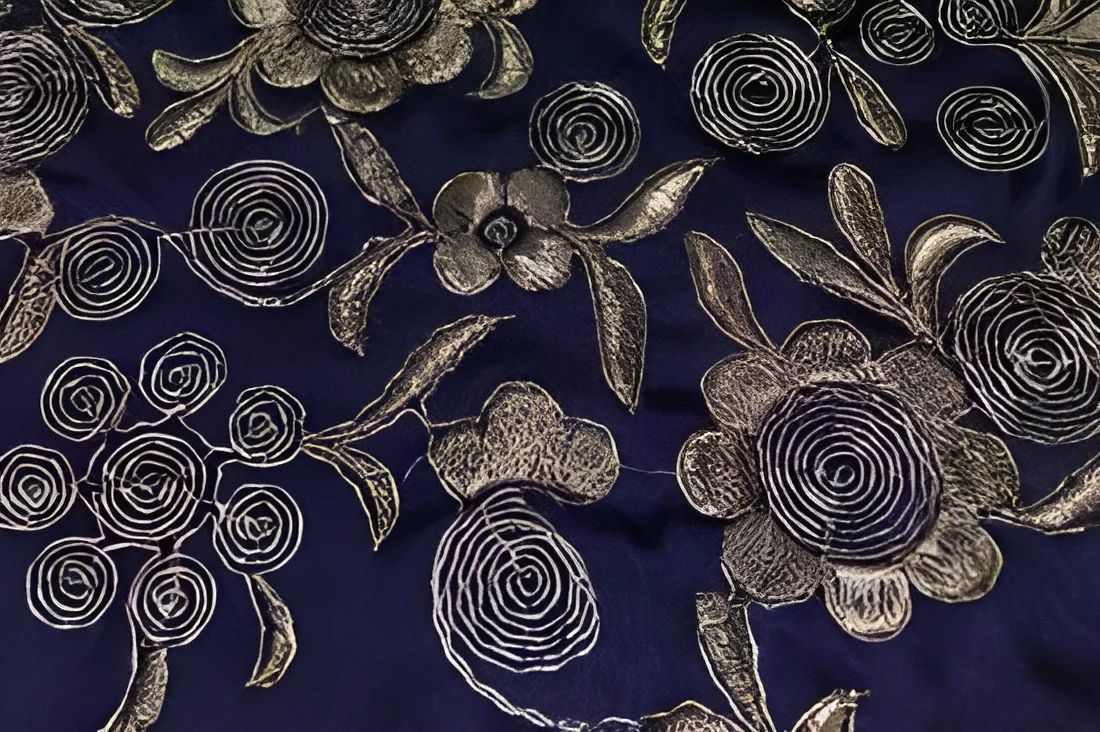
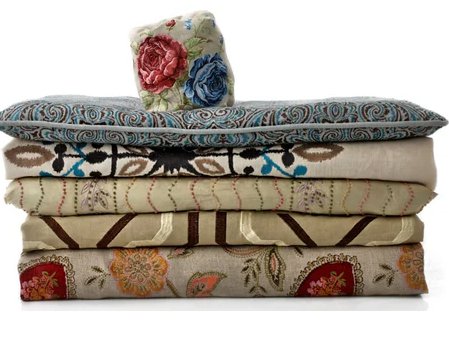
Quilted and embroidered fabrics are specialized textiles that combine two distinct techniques to enhance both functionality and aesthetics. Quilting involves stitching two or more layers of fabric together, often with padding in between, to create a padded, textured surface. This process not only provides insulation but also adds durability and visual appeal. Embroidery, on the other hand, is the art of decorating fabric using needle and thread, which can include intricate designs and patterns that elevate the fabric's look.
These fabrics are widely used across various industries for applications ranging from upholstery to fashion and home decor. In the automotive sector, quilted fabrics are often used for seat covers due to their durability and comfort. In the fashion industry, embroidered fabrics can create unique garments that stand out in the market. Additionally, home textiles such as quilts, bedspreads, and decorative pillows also benefit from these techniques. The market for quilted and embroidered fabrics continues to grow as consumers seek high-quality, aesthetically pleasing products.
Key Features and Specifications
Quilted and embroidered fabrics offer a variety of features that cater to different needs in the industrial and commercial sectors. Their specifications can vary based on the intended application, but certain key characteristics remain consistent across products.
Key specifications include:
1. Fabric Composition
- Typically made from cotton, polyester, or blends
- Varies based on desired durability and texture
2. Weight
- Commonly ranges from lightweight (150 grams per square meter) to heavyweight (400 grams per square meter)
- Heavier fabrics provide more durability and insulation
3. Stitch Density
- Refers to the number of stitches per square inch
- Higher density can enhance durability and design intricacy
4. Color Fastness
- The ability of the fabric to retain color after washing or exposure to light
- Important for maintaining aesthetic quality over time
5. Breathability
- Indicates how well the fabric allows air circulation
- Essential for applications requiring comfort, such as clothing and bedding
6. Water Resistance
- Some quilted fabrics come with water-repellent finishes
- Useful for outdoor applications and upholstery
7. Thickness
- Varies based on the number of layers and padding used
- Affects both insulation and flexibility
8. Customization Options
- Many suppliers offer custom designs and sizes
- Tailored to meet specific project requirements
Quilted and embroidered fabrics are versatile and can be tailored to meet various industrial specifications, ensuring that they meet the demands of different applications.
Common Applications and Use Cases
Quilted and embroidered fabrics find applications in numerous industries, each benefiting from their unique properties.
1. Automotive: Quilted fabrics are commonly used in car interiors, particularly for seat covers and headliners, providing comfort and enhancing aesthetics.
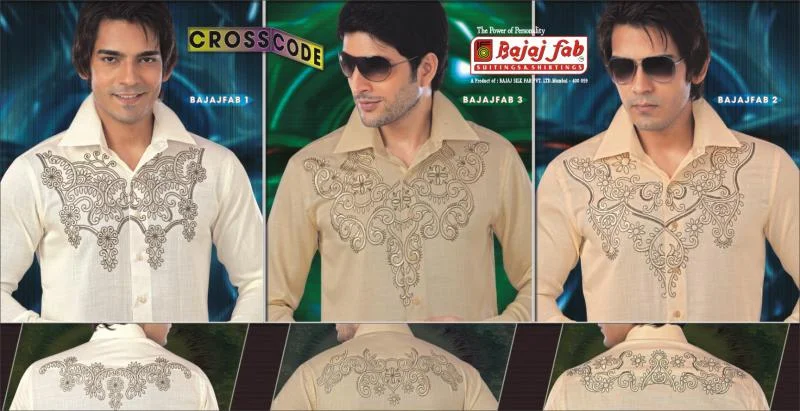
2. Fashion: Designers often utilize embroidered fabrics to create unique apparel that stands out in the marketplace, adding a touch of elegance and personalization.
3. Home Textiles: These fabrics are popular in bedding and decorative pillows, offering both warmth and style to living spaces.
4. Hospitality: Quilted and embroidered textiles are utilized in hotels for bed linens and upholstery, contributing to a luxurious guest experience.
5. Healthcare: Quilted fabrics are used in medical uniforms and hospital bedding, providing comfort and ease of cleaning.
6. Outdoor Gear: Some quilted fabrics are water-resistant and used in jackets and outdoor equipment, ensuring protection against the elements.
7. Crafts: Quilted and embroidered textiles are favored in crafting projects, from quilts to home decor items, allowing for creativity and customization.
Product Variants and Subcategories
Quilted and embroidered fabrics come in various options to meet diverse market needs. While specific subcategories may not be available, the range within the product type offers flexibility.
Cotton Quilted Fabric
This variant is known for its breathability and softness, making it ideal for home textiles and clothing. It offers comfort and is easy to care for, suitable for everyday use.
Polyester Embroidered Fabric
Durable and resistant to wrinkles, this variant is perfect for fashion apparel and accessories. The vibrant colors and intricate embroidery patterns make it a favorite among designers.
Water-Resistant Quilted Fabric
This type is treated to repel water, making it suitable for outdoor applications. It is often used in jackets and outdoor gear, providing protection while maintaining comfort.
Benefits and Advantages
Choosing quilted and embroidered fabrics presents several advantages for businesses in various industries.
1. Enhanced Durability: These fabrics are constructed to withstand wear and tear, making them suitable for high-use environments.
2. Aesthetic Appeal: The combination of quilting and embroidery adds visual interest, allowing products to stand out in a competitive market.
3. Versatility: These fabrics can be used in numerous applications, from fashion to upholstery, increasing their utility.
4. Comfort: Quilted fabrics provide insulation and softness, enhancing user experience in products such as clothing and bedding.
5. Customization: Many suppliers offer options for tailored designs, enabling businesses to create unique products that meet their specific needs.
6. Easy Maintenance: Many quilted and embroidered fabrics are designed to be machine washable, simplifying care and upkeep for end-users.
Buying Guide for B2B Buyers
When sourcing quilted and embroidered fabrics for business needs, several key factors should be taken into account.
1. Quality Assessment: Evaluate the fabric's composition, weight, and finish to ensure it meets your quality standards. Look for samples to assess feel and durability.
2. Supplier Verification: Vet suppliers carefully to ensure reliability and quality of materials. Consider their reputation in the industry and ask for references.
3. Pricing and MOQ: Understand the pricing structure and minimum order quantities. This information will help in budgeting and planning inventory.
4. Delivery and Lead Times: Confirm lead times for production and shipping to align with your project schedules. Timely delivery is crucial for meeting deadlines.
5. Compliance Requirements: Ensure that the fabrics meet industry standards and regulations. This may include safety certifications and material compliance, especially in sectors like healthcare.
Compliance and Certifications
Quilted and embroidered fabrics must adhere to various quality standards and certifications that ensure safety and performance.
ISO 9001 is a widely recognized standard that outlines criteria for a quality management system. Fabrics that comply with this standard demonstrate a commitment to quality in manufacturing processes.
CE certification is relevant for products sold within the European market, indicating that the fabric meets specific health, safety, and environmental protection standards.
Safety and testing requirements for quilted and embroidered fabrics can vary based on applications. It is essential to verify that the fabrics pass relevant tests for durability and performance.
Regional compliance considerations are also important, as different regions may have specific regulations regarding textile production and safety. Businesses must ensure their products comply with local laws to avoid potential issues.
Why Source Quilted & Embroidered Fabrics from Pepagora?
Pepagora offers a trusted platform for sourcing quilted and embroidered fabrics, providing several key advantages to B2B buyers.
Verified Supplier Network: Pepagora connects buyers with a network of verified suppliers, ensuring quality and reliability. Each supplier undergoes a thorough vetting process to guarantee that they meet industry standards.
Streamlined RFQ Process: The platform simplifies the request for quotation process, allowing buyers to easily submit their requirements and receive competitive pricing from multiple suppliers. This efficiency helps businesses make informed purchasing decisions quickly.
Trade Assurance and Support: Pepagora provides trade assurance, offering buyers protection throughout the sourcing process. Their customer support team is available to assist with inquiries and resolve any issues that may arise.
Regional Coverage: With a presence in key markets such as India, the GCC region, and Southeast Asia, Pepagora facilitates access to local suppliers, helping buyers find the right products while supporting regional economies.

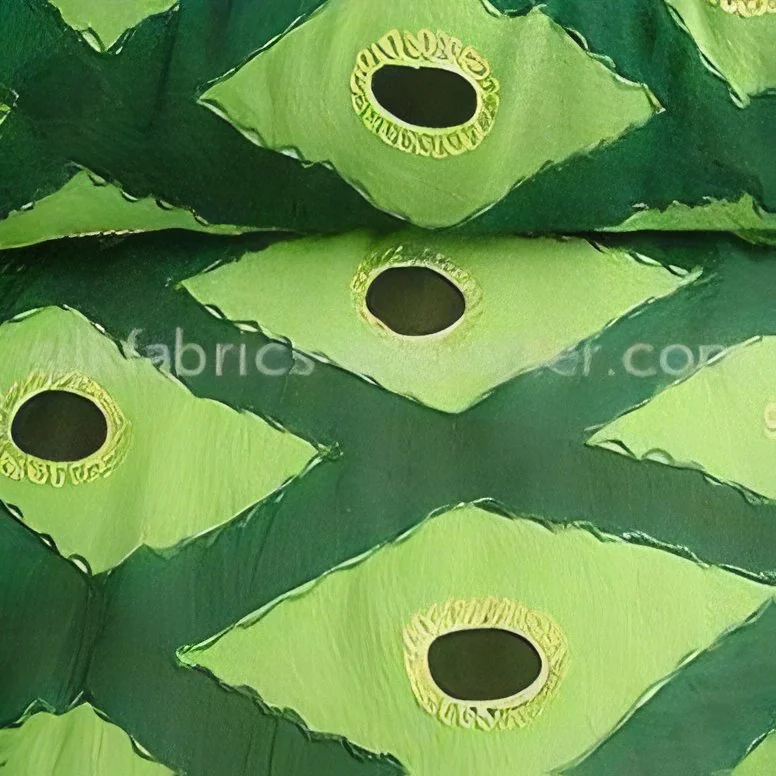
 India
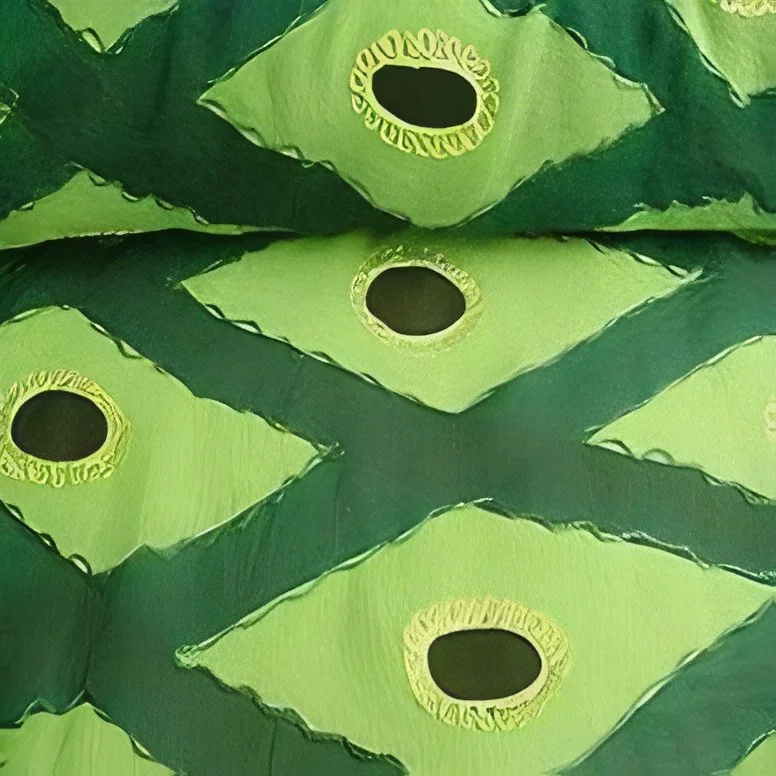
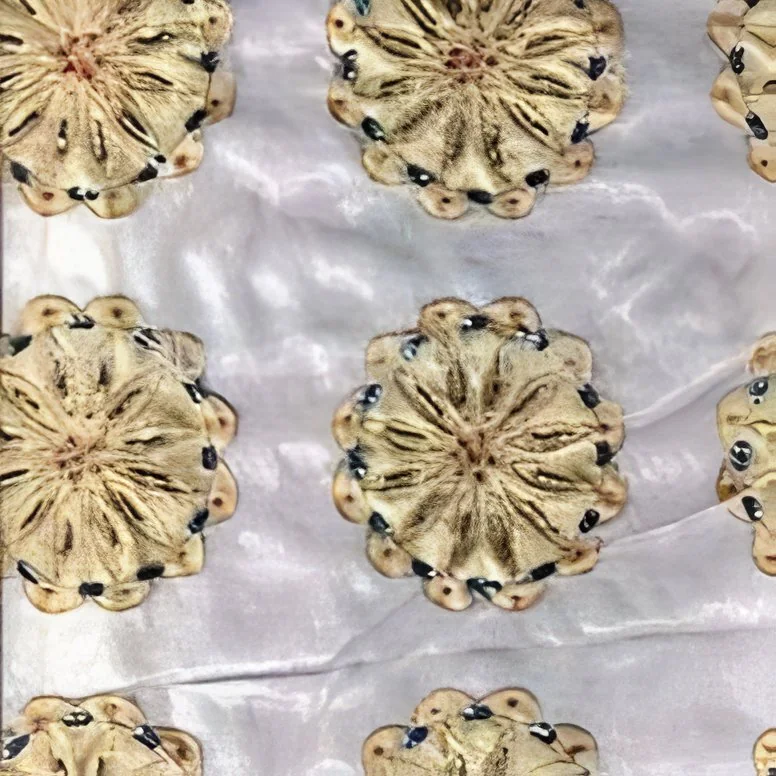
 India
 India
 India
 India
 India
Frequently Asked Questions
What are Quilted & Embroidered Fabrics?
Quilted & Embroidered Fabrics are textiles that combine the techniques of quilting and embroidery. Quilting involves sewing two or more layers of fabric together to create a padded effect, while embroidery involves decorative stitching on the fabric's surface.
What are the different types of Quilted & Embroidered Fabrics?
There are various types of Quilted & Embroidered Fabrics, including cotton quilted fabrics, polyester blends, and silk embroidered fabrics. Each type offers distinct textures, patterns, and uses, catering to different applications in fashion and home decor.
How do I choose the right Quilted & Embroidered Fabrics?
Choosing the right Quilted & Embroidered Fabrics depends on the intended use, desired texture, and aesthetic preferences. Consider factors such as fabric weight, pattern complexity, and durability to ensure it meets your project requirements.
What are the standard specifications for Quilted & Embroidered Fabrics?
Standard specifications for Quilted & Embroidered Fabrics typically include fabric weight, thread count, and stitch density. Additionally, the type of batting used in quilting and the quality of embroidery threads can also determine the fabric's overall quality.
What is the price range for Quilted & Embroidered Fabrics?
The price range for Quilted & Embroidered Fabrics varies widely based on factors such as material, complexity of designs, and supplier. Generally, prices can range from affordable options at around INR 100 per meter to premium fabrics exceeding INR 1000 per meter.
What quality standards apply to Quilted & Embroidered Fabrics?
Quality standards for Quilted & Embroidered Fabrics focus on durability, colorfastness, and stitching precision. Fabrics should comply with industry standards such as ISO and be free from defects to ensure they meet customer expectations.
Where can I find Quilted & Embroidered Fabrics suppliers in India?
You can find Quilted & Embroidered Fabrics suppliers in India through online B2B marketplaces like Pepagora.com. Additionally, local textile fairs and trade shows can also provide opportunities to connect with reputable manufacturers and suppliers.
Can Quilted & Embroidered Fabrics be customized?
Yes, many suppliers offer customization options for Quilted & Embroidered Fabrics. Customization can include selecting specific patterns, colors, and sizes to meet individual project needs.
What is the typical minimum order quantity for Quilted & Embroidered Fabrics?
The typical minimum order quantity (MOQ) for Quilted & Embroidered Fabrics can vary depending on the supplier. Generally, MOQs can range from 10 to 50 meters, but it's advisable to check with individual suppliers for their specific requirements.
What is the typical lead time for Quilted & Embroidered Fabrics?
The typical lead time for Quilted & Embroidered Fabrics varies based on the supplier and the complexity of the order. Generally, lead times can range from 1 to 4 weeks, depending on whether the fabrics are in stock or require customization.
Why Businesses Trust Pepagora
Thousands of companies trust Pepagora to source smarter and sell faster
Expand Your Sales Globally

Source Smarter,Grow Faster
