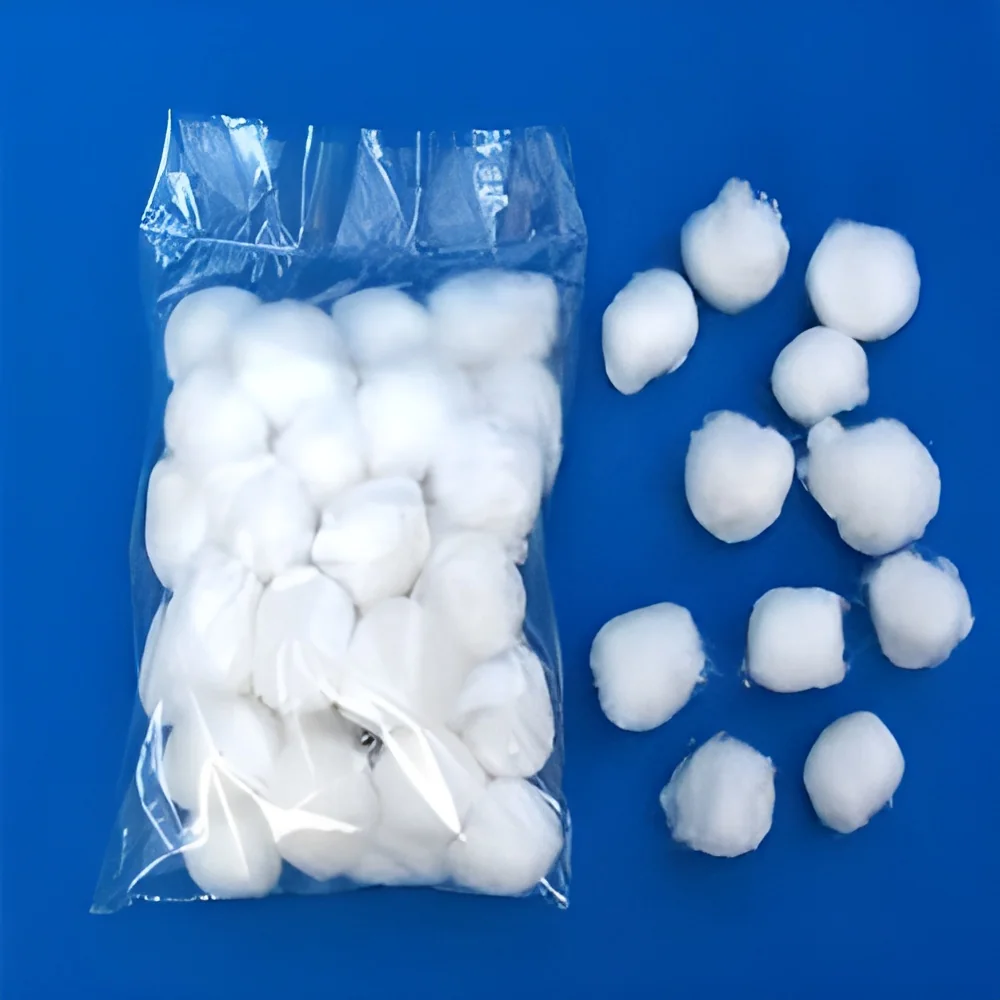
What are Cotton & Organic Cotton?
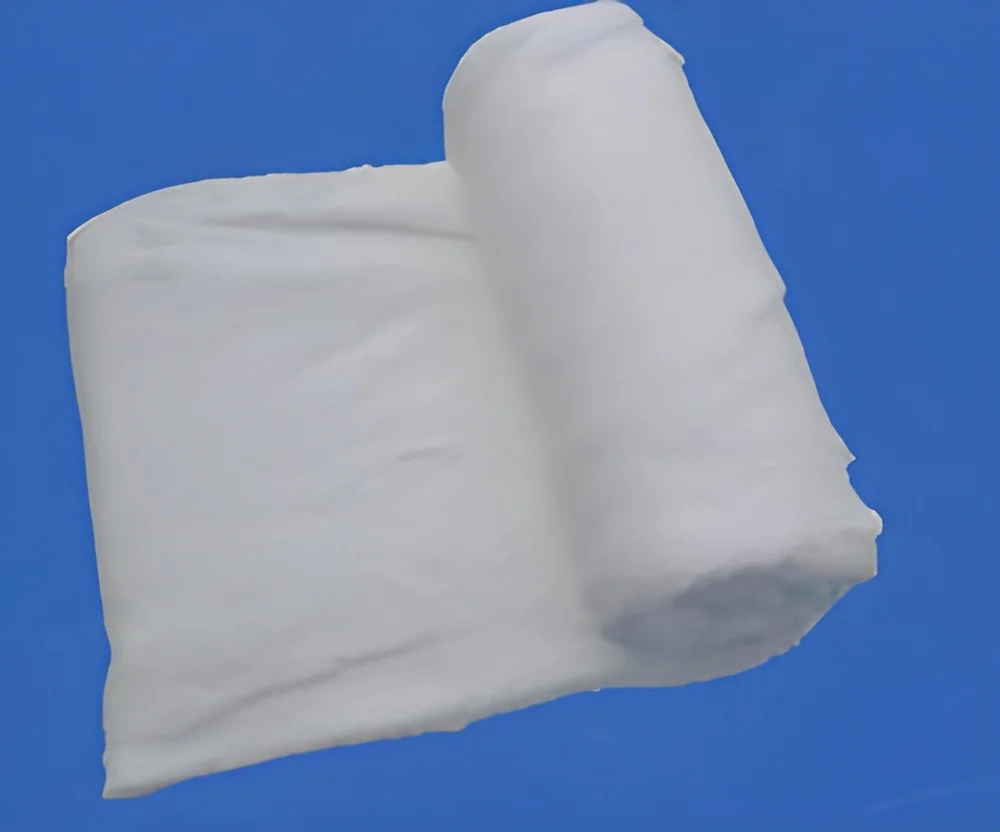
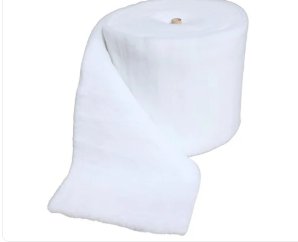
Cotton is a natural fiber that is harvested from the cotton plant. It is widely recognized for its softness, breathability, and versatility. Organic cotton, on the other hand, is grown without the use of synthetic pesticides or fertilizers, making it an environmentally friendly alternative. The cultivation of organic cotton also focuses on sustainable farming practices, which promote biodiversity and soil health.
These materials are primarily used in the textile industry for a range of products including clothing, home textiles, and industrial applications. Cotton is favored for its comfort and durability, while organic cotton appeals to consumers looking for eco-friendly options. Businesses across various sectors utilize these fibers to meet the demand for both conventional and sustainable textiles, reflecting a significant trend towards environmentally responsible sourcing.
In the current market, the relevance of cotton and organic cotton is increasing due to a growing awareness of sustainability issues. Brands and manufacturers are striving to incorporate sustainable materials into their products to align with consumer preferences. This shift has led to a notable rise in the demand for organic cotton, as businesses aim to reduce their ecological footprint.
Key Features and Specifications
Cotton and organic cotton possess several key features that make them suitable for various applications. Understanding these specifications can help businesses select the right product for their needs.
Key specifications include:
1. Fiber Length
- Determines the quality and strength of the cotton
- Ranges from short staple (less than 1 inch) to long staple (over 1.5 inches)
2. Fiber Diameter
- Affects the softness and feel of the fabric
- Typically measured in microns, with a standard range of 15-20 microns for cotton
3. Color Fastness
- Refers to the resistance of fabric to fading or running
- Important for dyed fabrics, typically rated on a scale from 1 to 5
4. Organic Certification
- Indicates compliance with organic farming standards
- Must be certified by recognized organizations, such as the Global Organic Textile Standard (GOTS)
5. Moisture Absorption
- Cotton fibers can absorb moisture, making them suitable for various climates
- Organic cotton often exhibits similar moisture-wicking properties
6. Environmental Impact
- Organic cotton has a lower ecological footprint due to sustainable farming practices
- Reduces the use of harmful chemicals in agriculture
Overall, these specifications are essential in determining the performance and suitability of cotton and organic cotton for different applications.
Common Applications and Use Cases
Cotton and organic cotton are utilized across diverse industries due to their versatile properties.
1. Apparel Industry: Cotton is widely used in clothing, including casual wear, undergarments, and activewear. Organic cotton is increasingly popular for eco-conscious fashion brands.
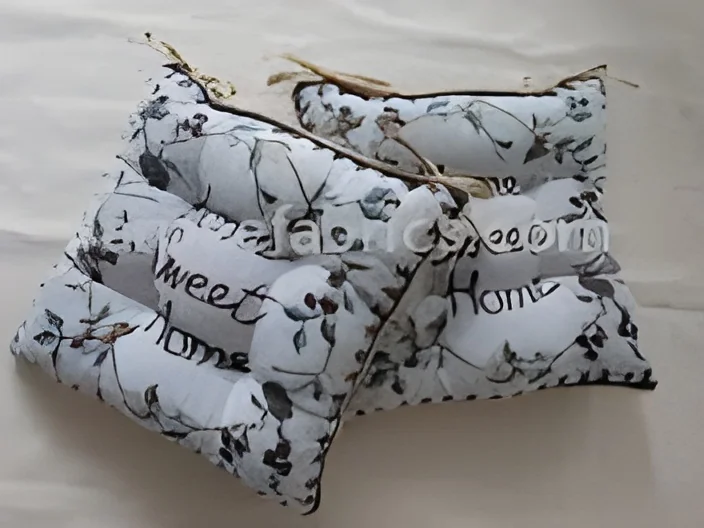
2. Home Textiles: These materials are commonly found in bed linens, towels, and curtains. Organic cotton options are sought after for their hypoallergenic qualities.
3. Industrial Applications: Cotton fibers are used in various industrial products such as medical supplies, insulation materials, and cleaning cloths.
4. Baby Products: Softness and breathability make cotton ideal for baby clothing and bedding. Organic cotton is favored for products like diapers and toys.
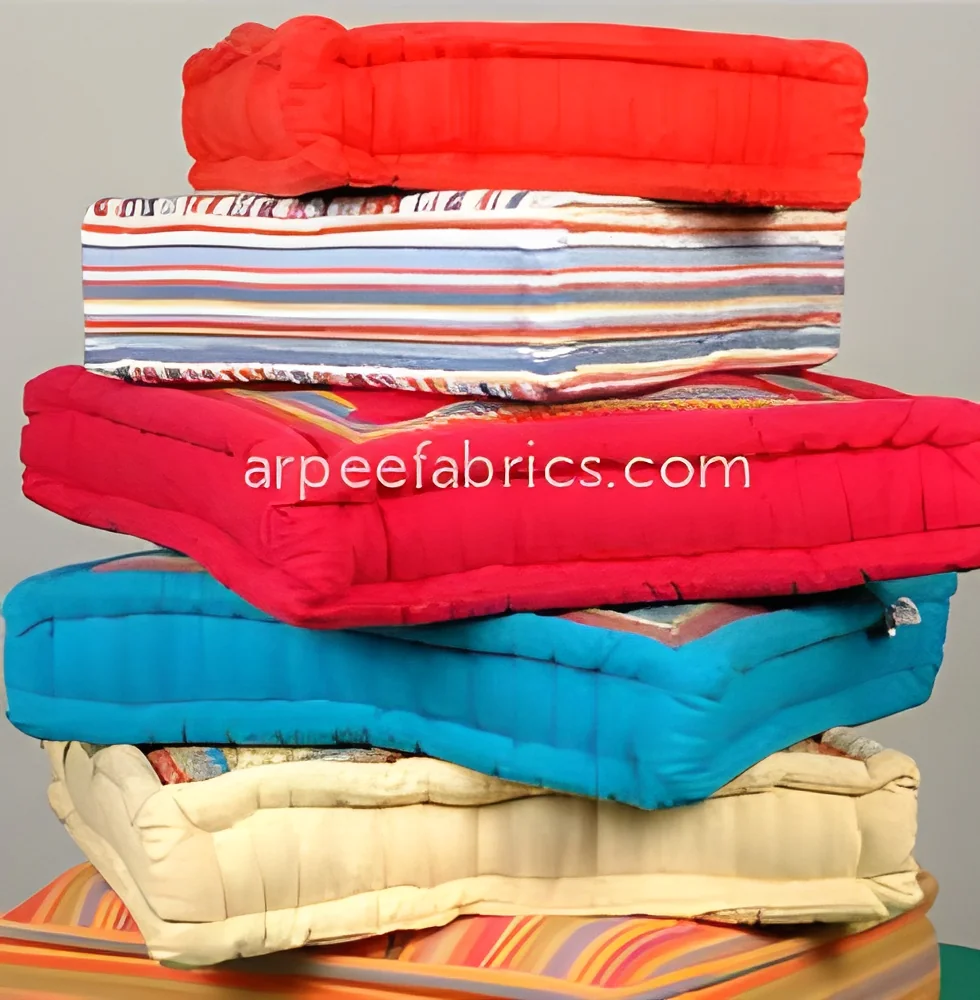
5. Upholstery: Cotton fabrics are used in furniture and automotive upholstery due to their durability and comfort.
6. Eco-Friendly Products: The rise in demand for sustainable goods has led to the use of organic cotton in reusable bags, packaging, and more.
Product Variants and Subcategories
Cotton and organic cotton offer a variety of product variants to cater to different market needs.
Cotton Fabric
This standard variant is known for its softness and durability. It is commonly used in a variety of clothing and home textiles. Depending on the weave, cotton fabric can range from lightweight to heavy-duty applications.
Organic Cotton Fabric
This variant is produced using environmentally friendly farming methods. It is popular among brands aiming for sustainable product lines, particularly in the apparel and home goods sectors.
Cotton Blends
Cotton is often blended with other fibers, such as polyester or spandex. This variant enhances the fabric's strength and stretch, making it suitable for activewear and performance textiles.
Organic Cotton Blends
Similar to cotton blends, these fabrics combine organic cotton with other sustainable fibers. This variant is ideal for eco-friendly fashion, providing both comfort and environmental benefits.
Benefits and Advantages
Cotton and organic cotton come with numerous benefits that make them appealing to businesses and consumers alike.
Key benefits include:
1. Versatility: Cotton can be used in a wide range of products, making it suitable for various industries.
2. Comfort: The natural softness of cotton provides comfort against the skin, making it ideal for clothing and home textiles.
3. Sustainability: Organic cotton supports sustainable farming practices, reducing environmental impact and promoting biodiversity.
4. Durability: Cotton fibers are strong, leading to long-lasting products that withstand repeated use and washing.
5. Breathability: Cotton allows air circulation, making it suitable for warm climates and activewear.
6. Eco-Friendly Options: Organic cotton presents a less harmful alternative to conventional cotton, catering to the growing demand for sustainable materials.
Buying Guide for B2B Buyers
When sourcing cotton and organic cotton, it is crucial for buyers to consider several factors to ensure they make informed decisions.
1. Quality Assessment: Evaluate the quality of the cotton or organic cotton based on fiber length, diameter, and color fastness. Ensure the materials meet your specifications for durability and comfort.
2. Supplier Verification: Vet suppliers by checking their certifications, production processes, and customer reviews. Establish a reliable partnership to ensure consistent quality and service.
3. Pricing and MOQ: Understand pricing structures and minimum order quantities. Compare quotes from different suppliers to find the best value while considering quality and service.
4. Delivery and Lead Times: Discuss logistics and delivery times with suppliers. Ensure they can meet your production schedules and inventory needs.
5. Compliance Requirements: Be aware of any industry regulations and standards that may apply to your products. Ensure that your suppliers comply with necessary certifications, particularly for organic materials.
Compliance and Certifications
Cotton and organic cotton products must adhere to certain quality standards and certifications to ensure safety and environmental responsibility.
Relevant quality standards include ISO 9001, which focuses on maintaining effective quality management systems. This certification is crucial for manufacturers aiming to deliver consistent quality in their products.
Additionally, certifications such as CE indicate compliance with European health and safety regulations. Such certifications are essential for products being sold in the European market.
Safety and testing requirements are also important, especially for products used in sensitive applications like baby items and medical supplies. Regular testing for harmful substances ensures consumer safety.
Finally, regional compliance considerations must be taken into account. Different regions may have specific regulations regarding the production and labeling of cotton and organic cotton products. Understanding these requirements is essential for businesses looking to operate in international markets.
Why Source Cotton & Organic Cotton from Pepagora?
Pepagora provides a trusted platform for sourcing cotton and organic cotton, offering several key advantages that make it a preferred choice for B2B buyers.
Verified Supplier Network: Pepagora ensures that all suppliers are thoroughly vetted, providing buyers with confidence in the quality and reliability of their sourcing options. This verification process helps businesses avoid potential pitfalls associated with unverified suppliers.
Streamlined RFQ Process: The request for quotation (RFQ) process on Pepagora is designed to be efficient and user-friendly. Buyers can easily submit their requirements and receive competitive quotes from multiple suppliers, facilitating informed purchasing decisions.
Trade Assurance and Support: Pepagora offers trade assurance programs that protect buyers' investments. This support includes assistance with negotiations and dispute resolution, ensuring a secure purchasing experience.
Regional Coverage: With a strong presence in India, the Gulf Cooperation Council (GCC), and Southeast Asia, Pepagora connects buyers to a broad network of suppliers. This geographic reach enhances sourcing opportunities, allowing businesses to find the right products for their specific needs.

 IN
IN