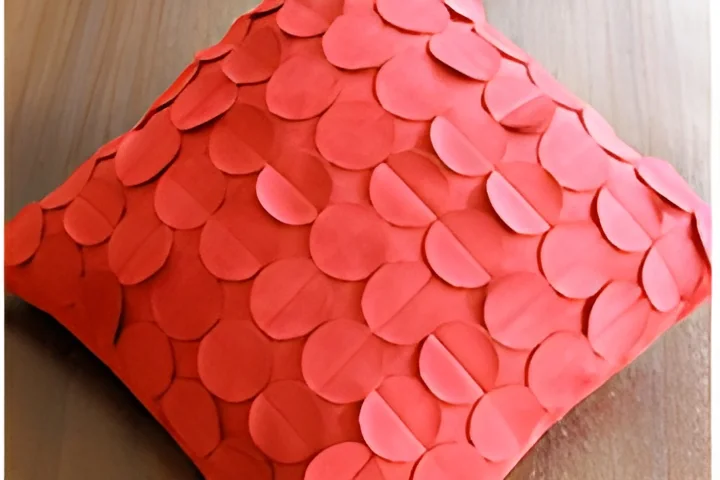
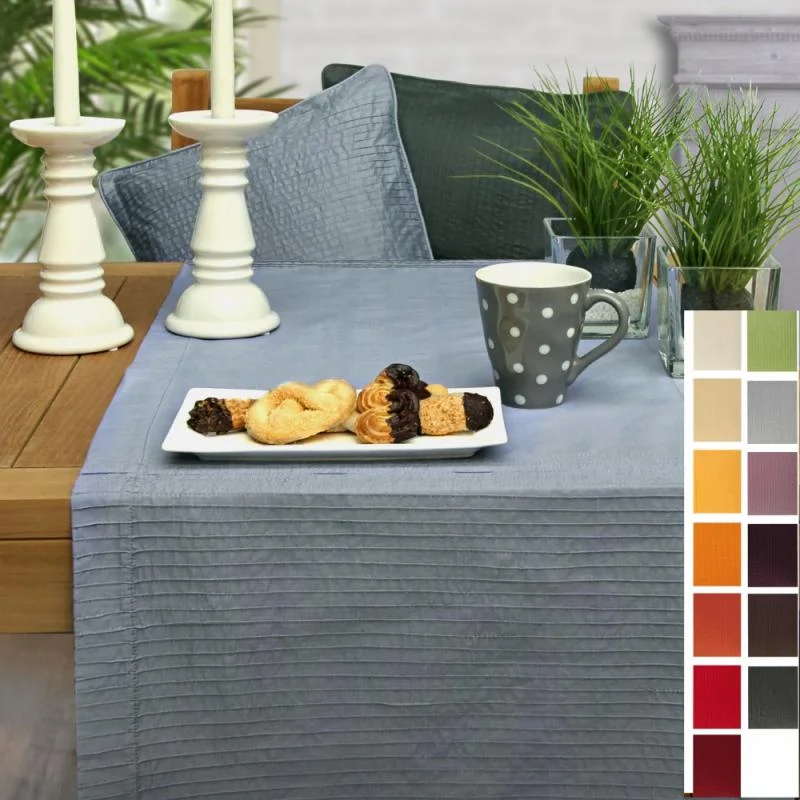
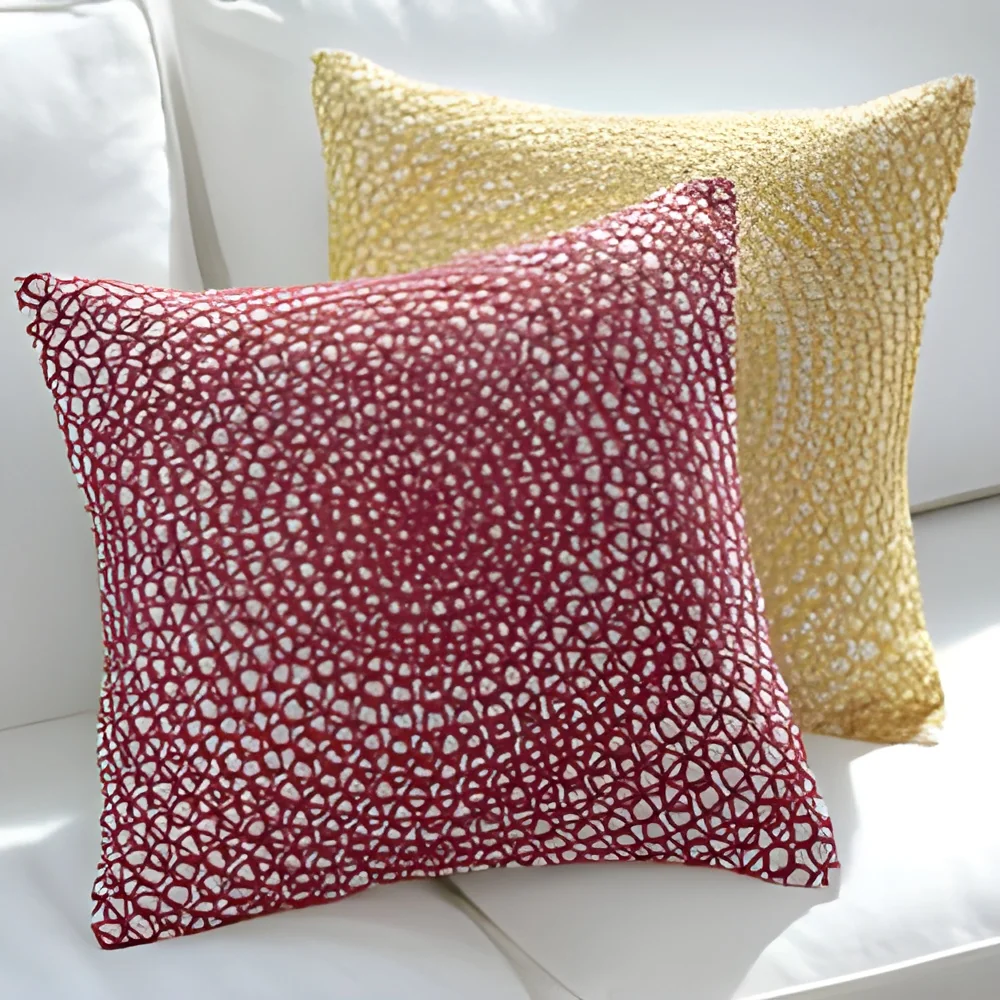
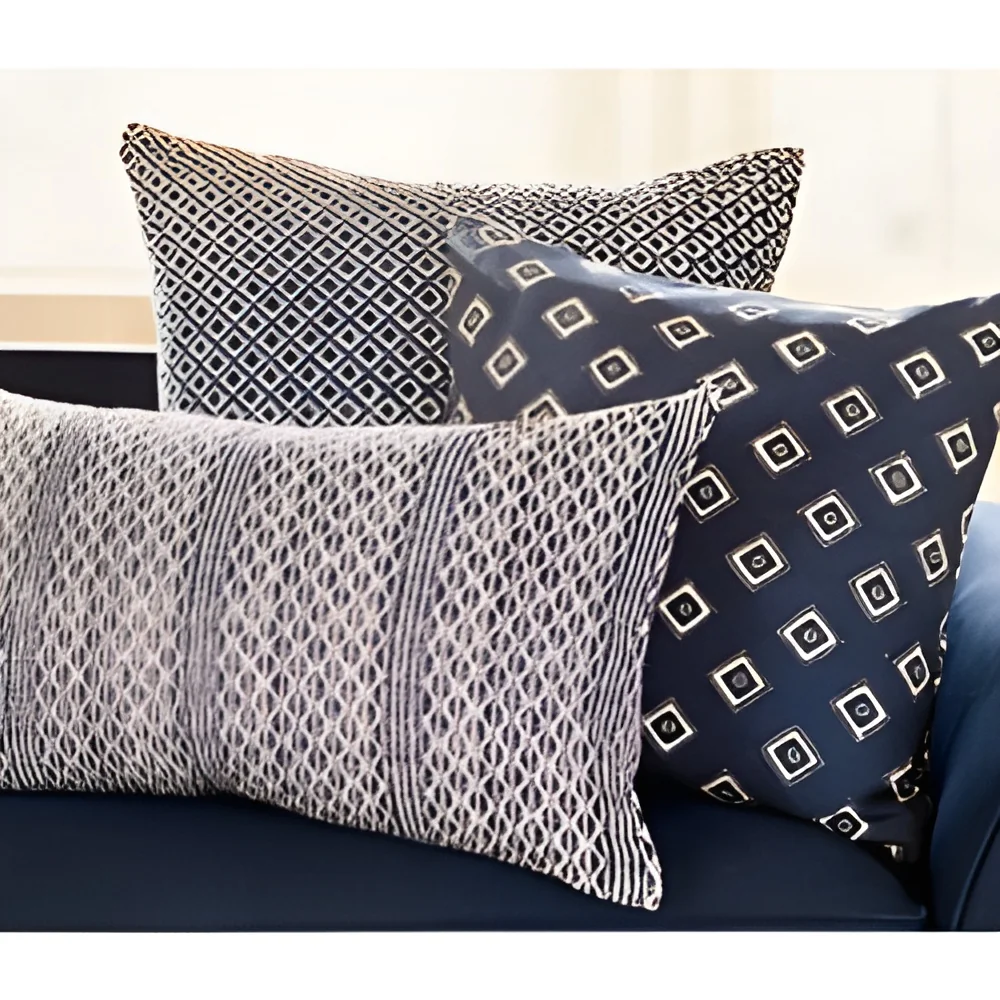
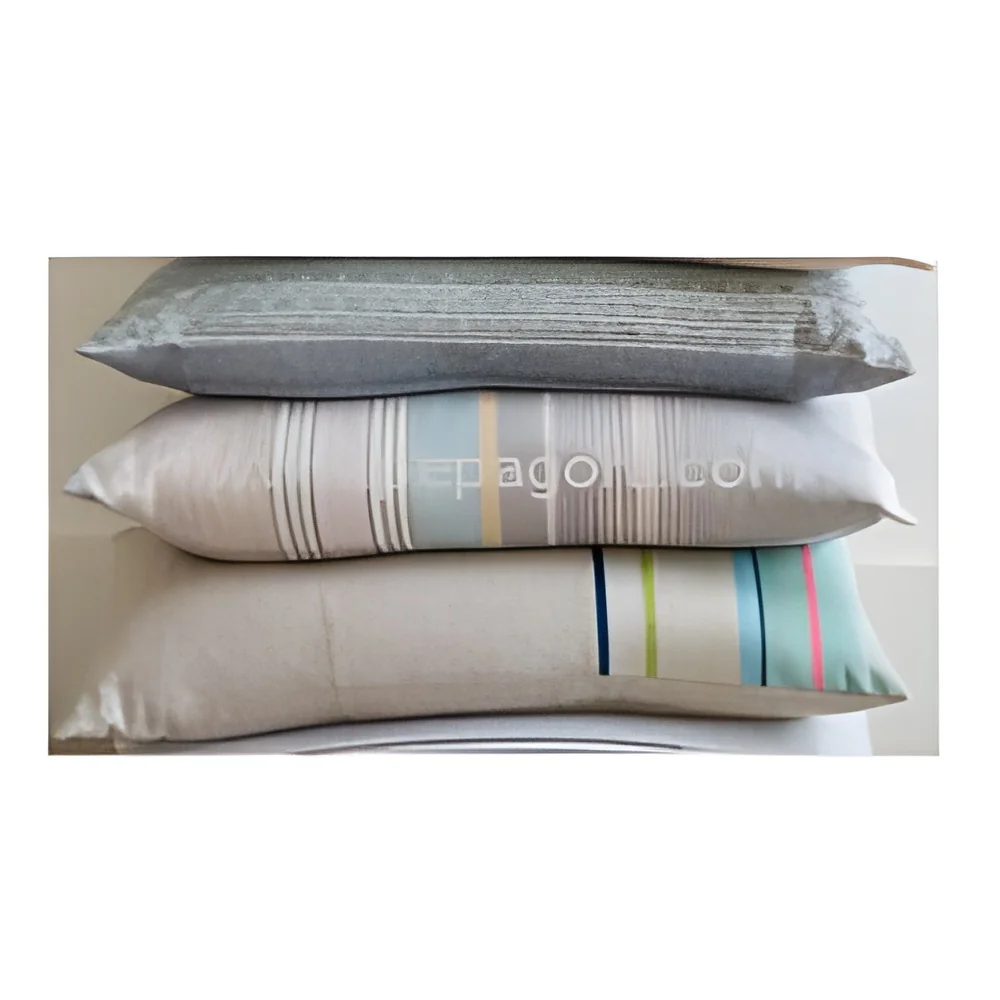
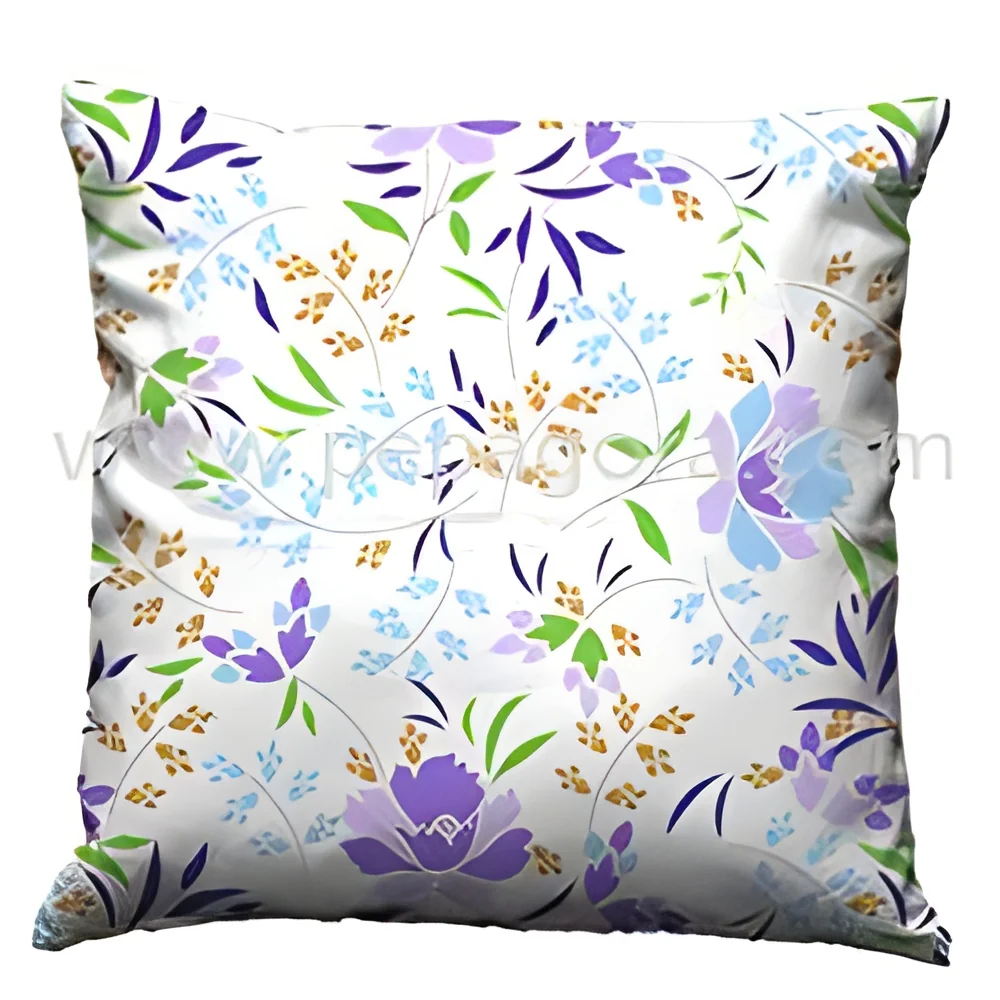
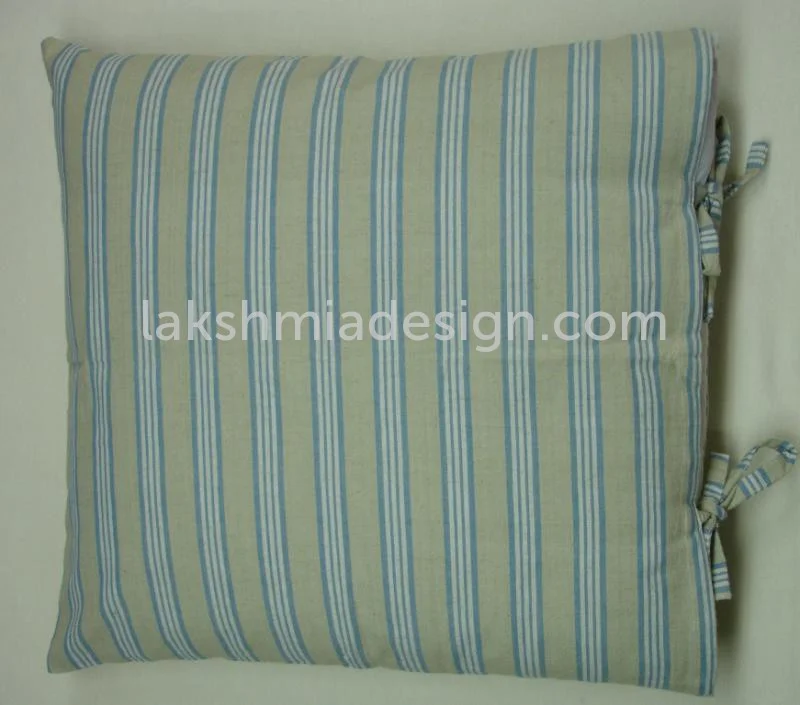
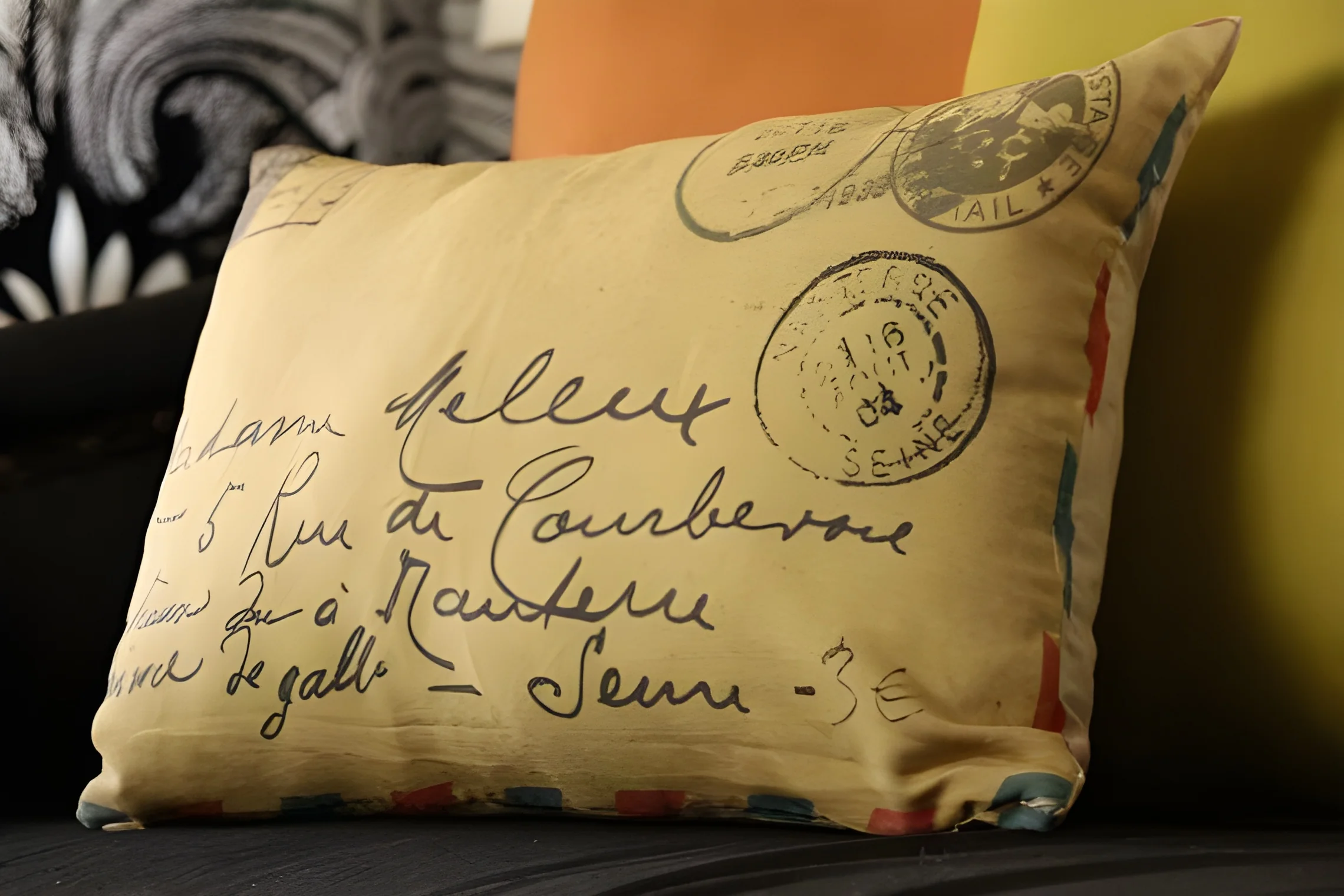
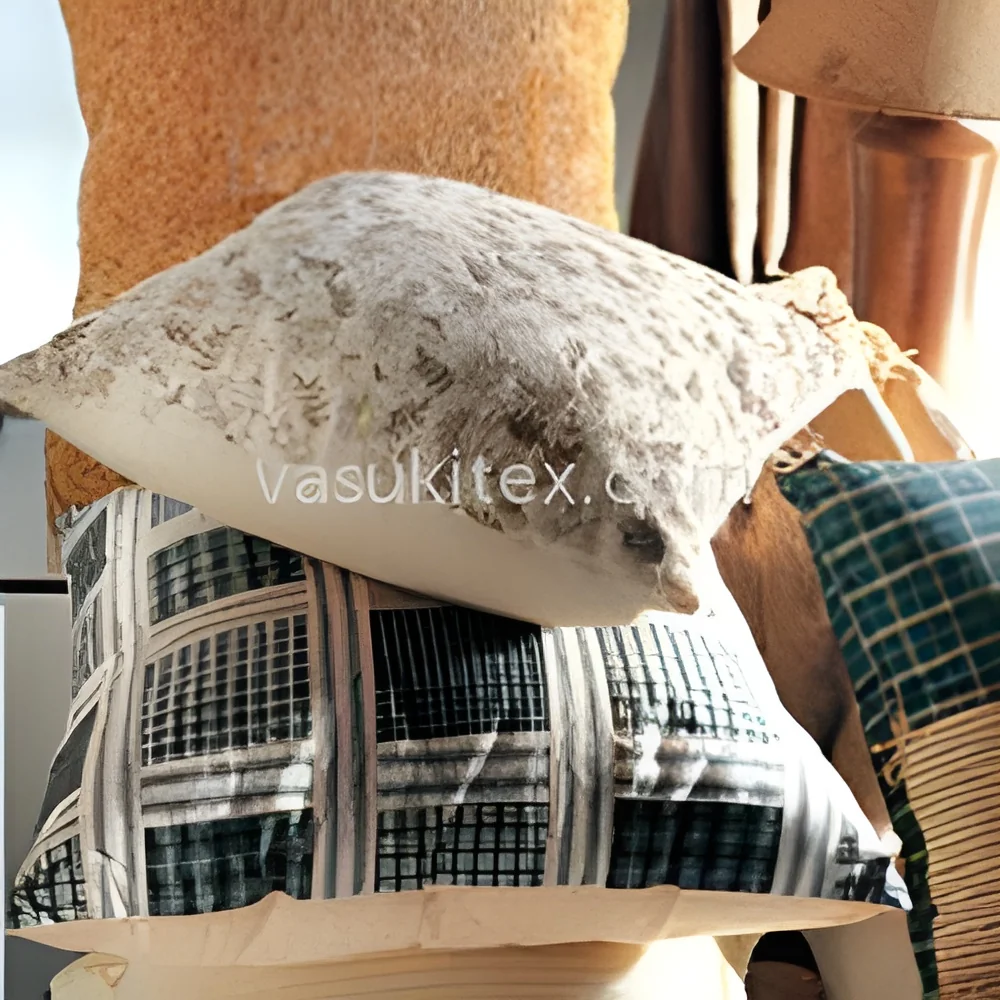
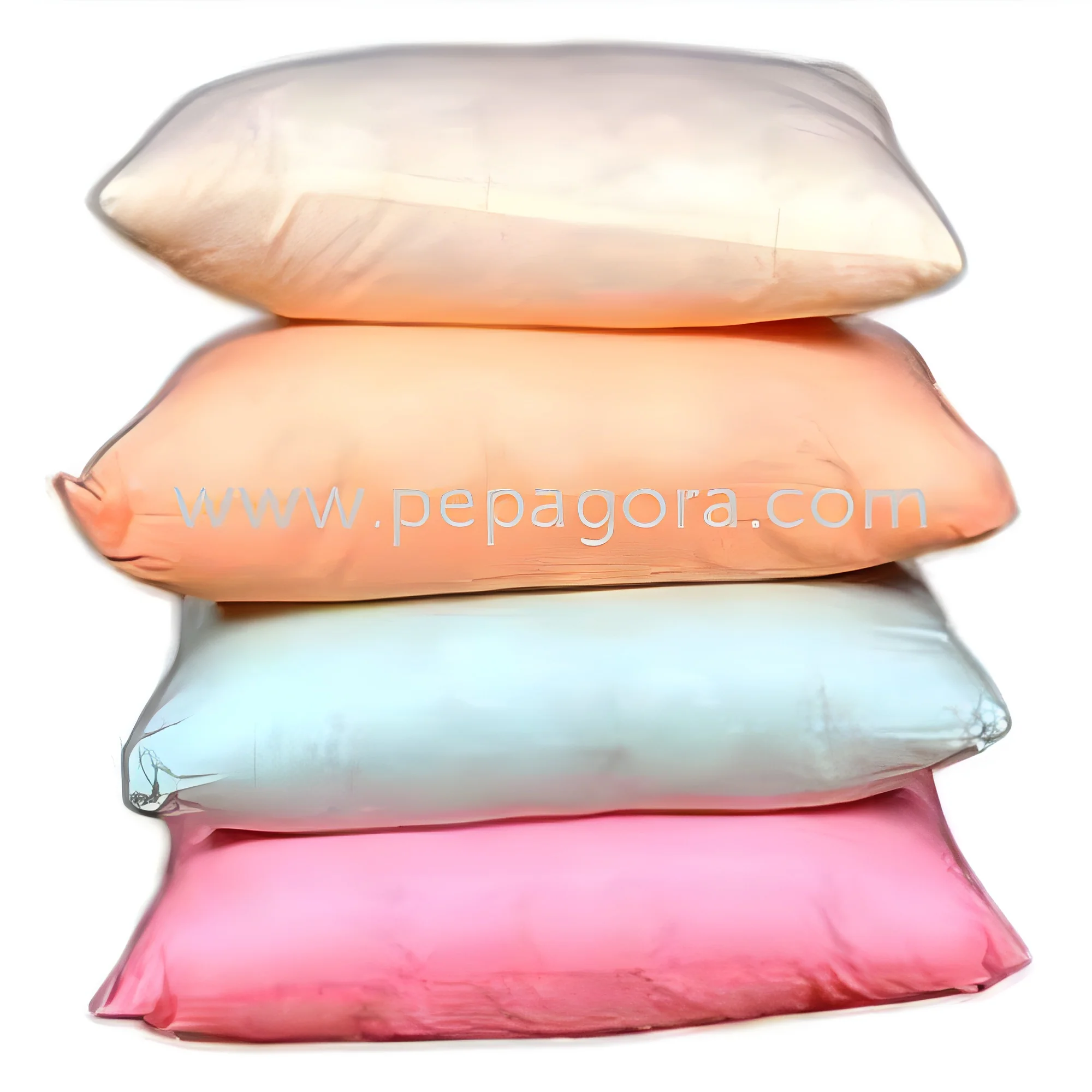
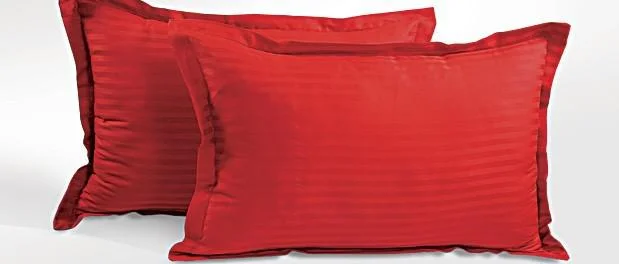
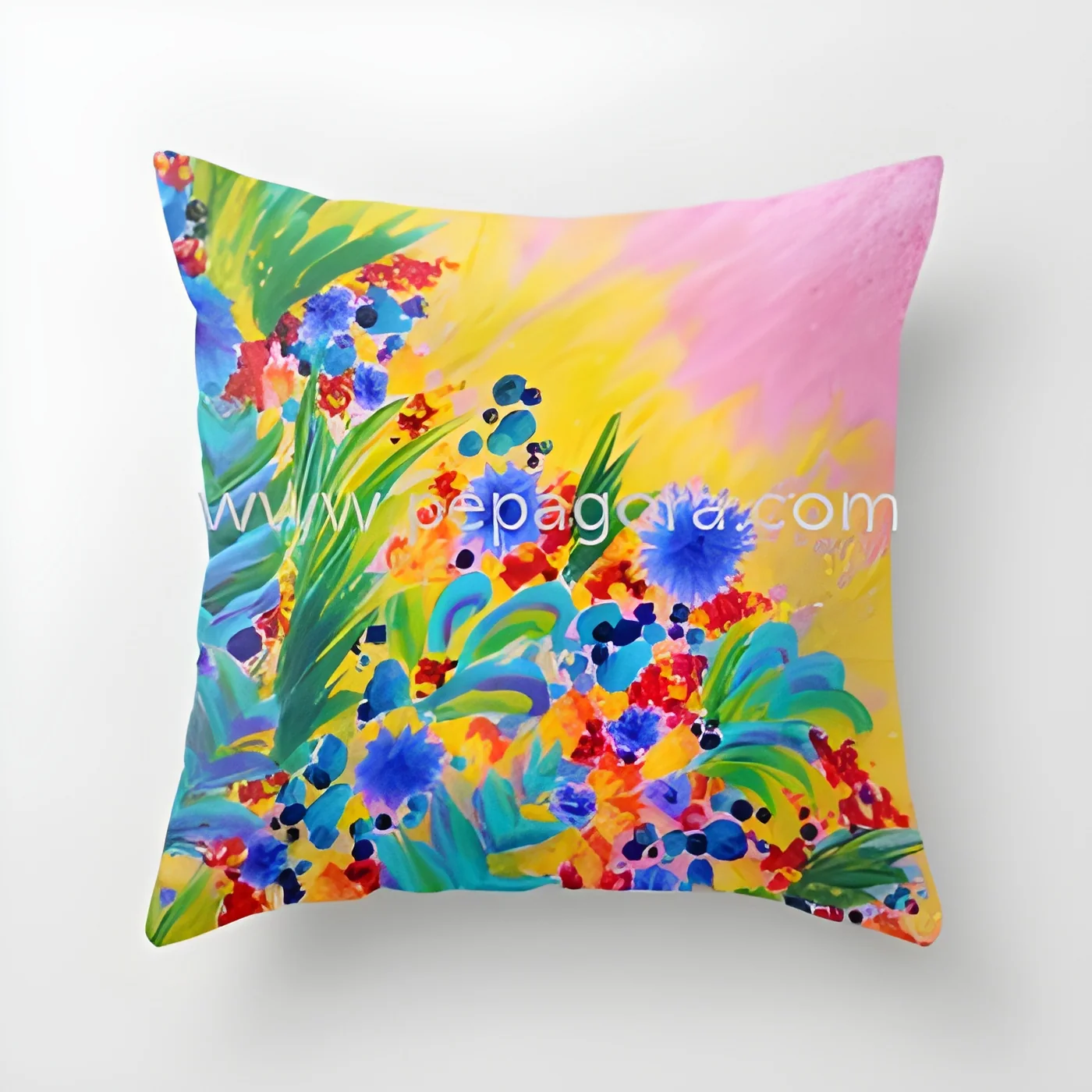
What are Pillow Covers & Cushion Covers?
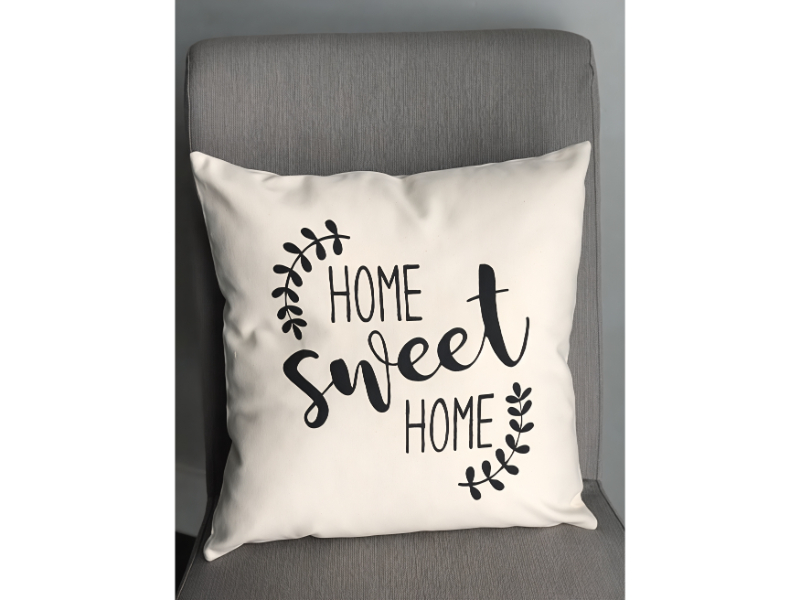
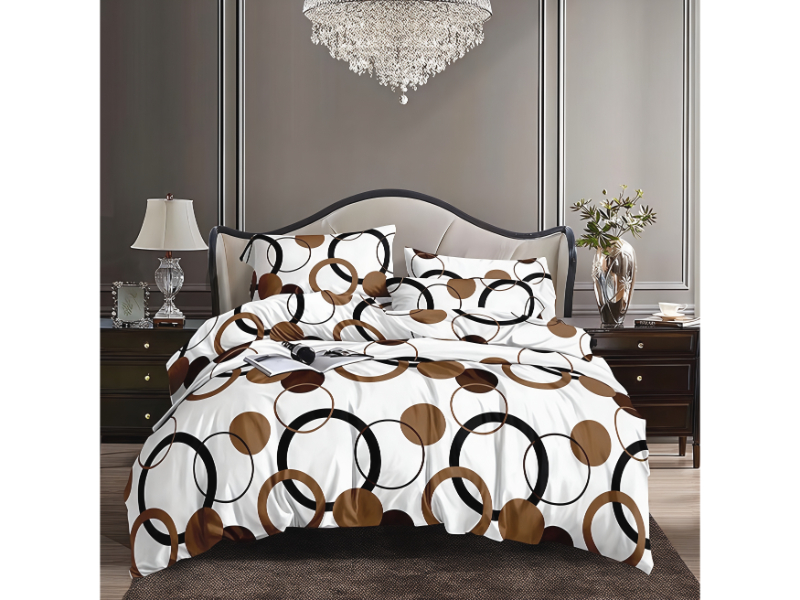
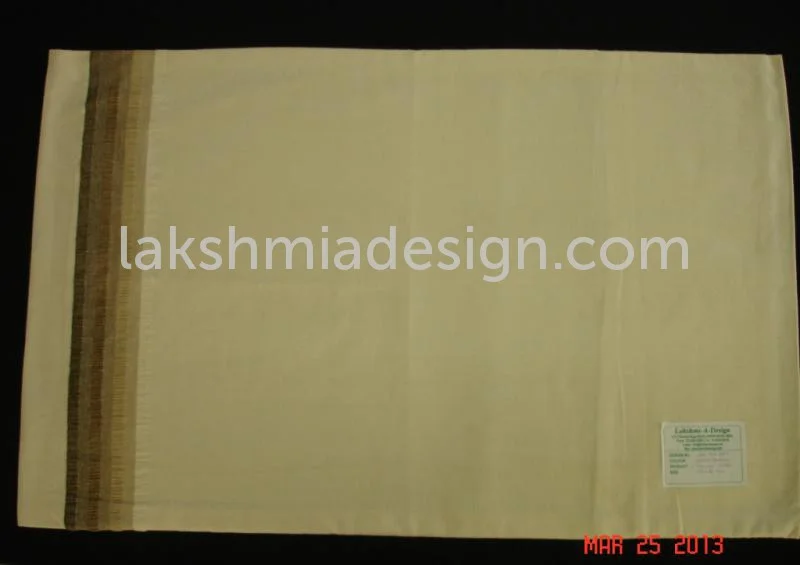
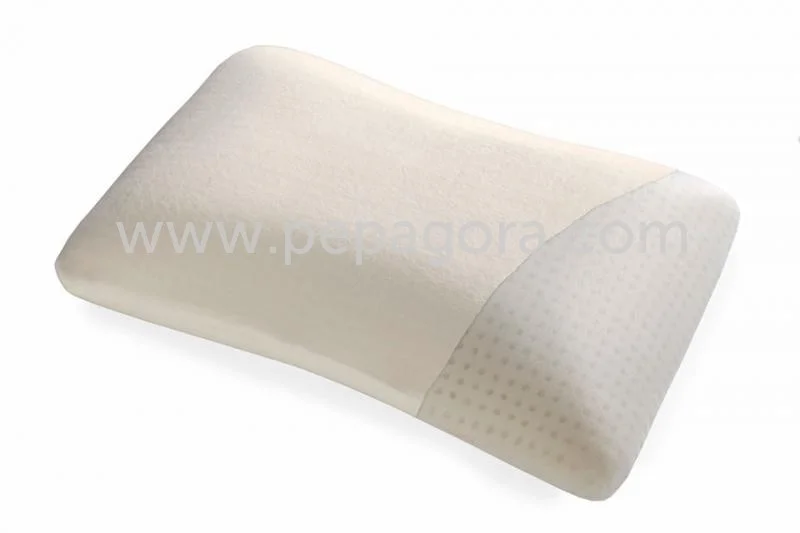
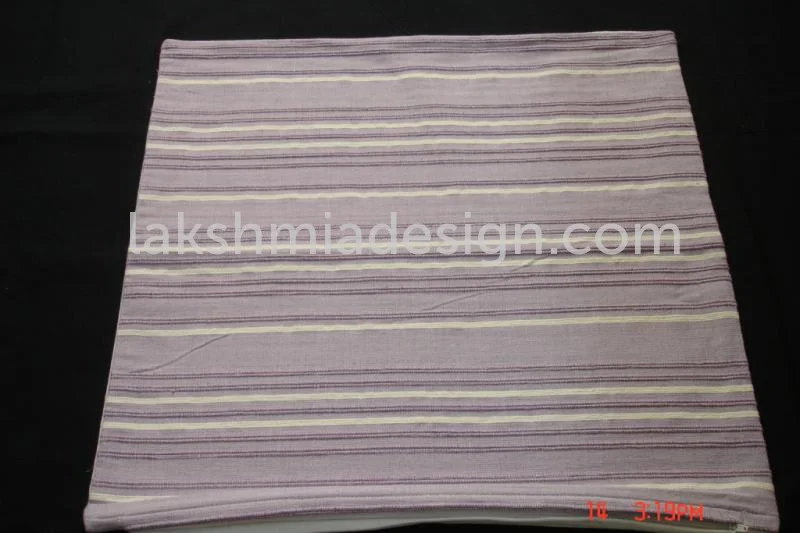
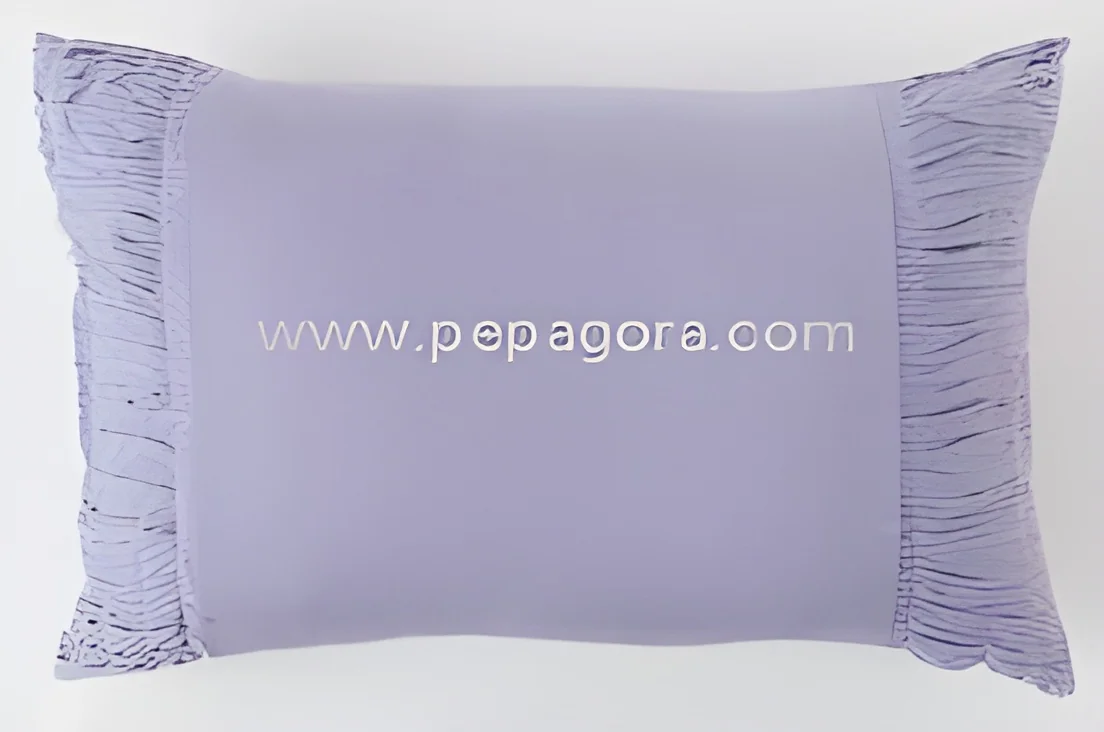
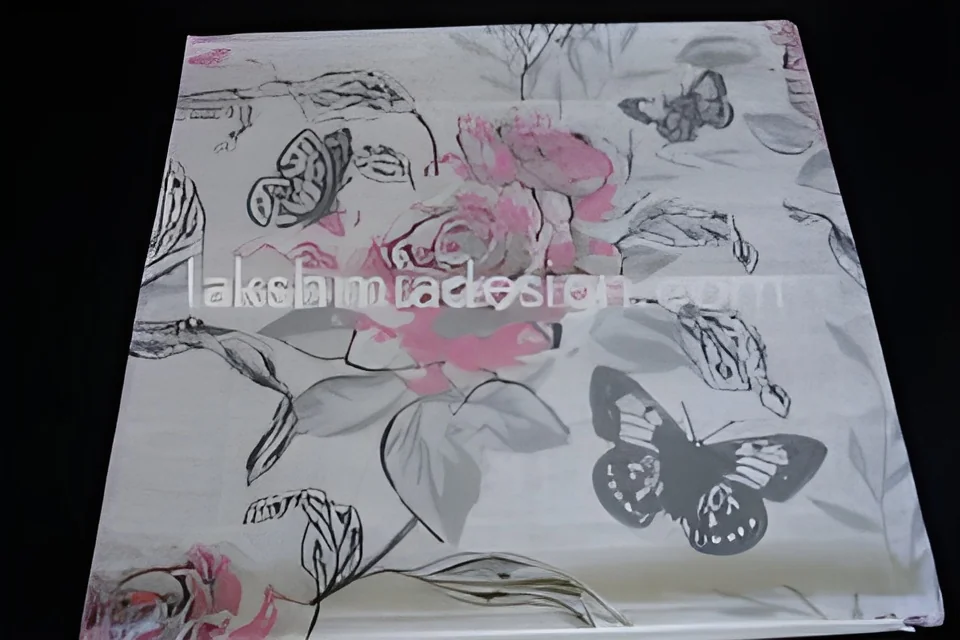
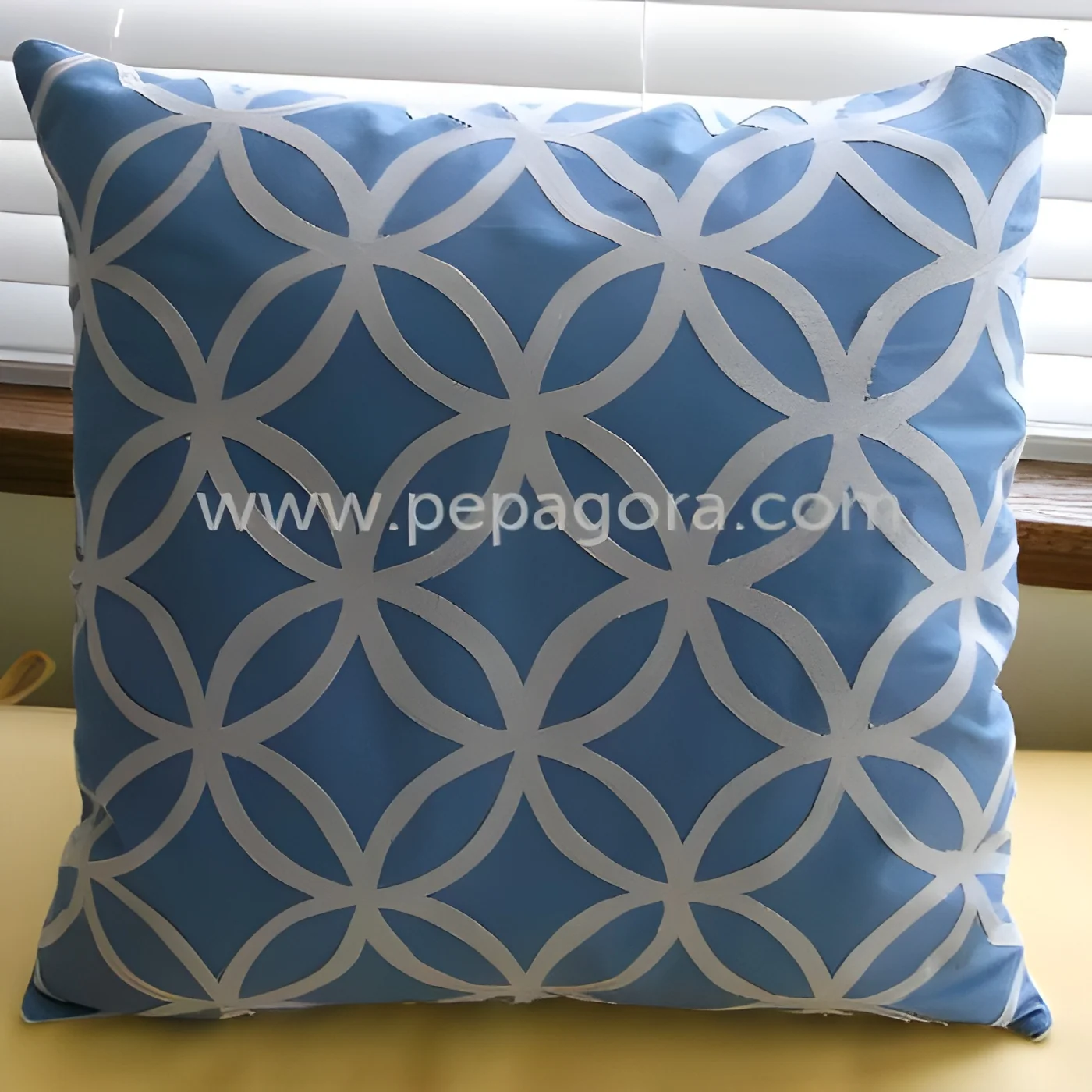
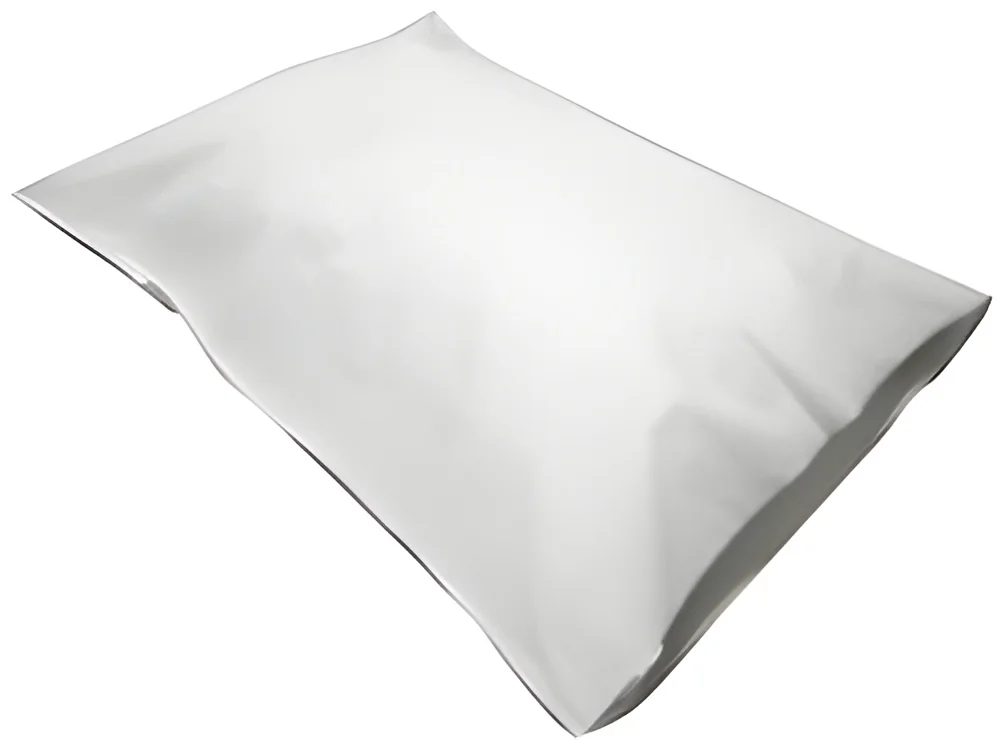
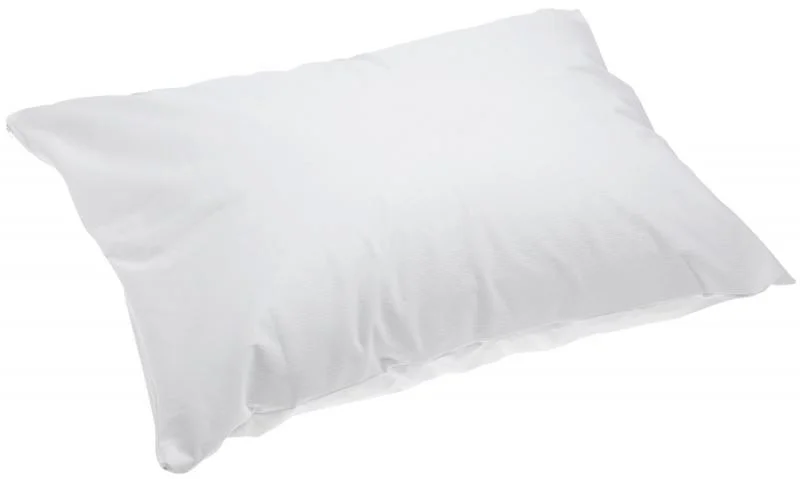
Pillow covers and cushion covers are essential textile products designed to encase pillows and cushions, providing protection and enhancing aesthetics. These covers serve a dual purpose: they shield the inner materials from dust and wear while also contributing to the overall decor of a space. They come in various sizes, designs, and materials, catering to different tastes and functional requirements.
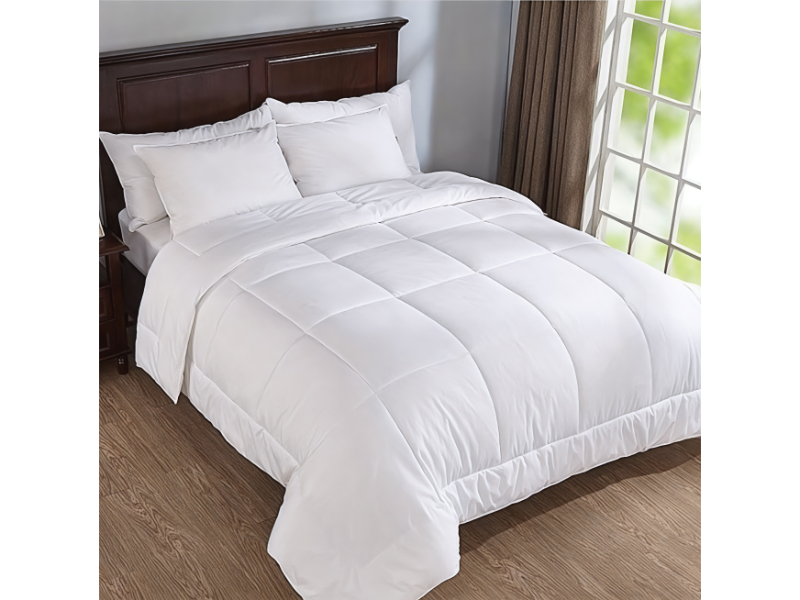
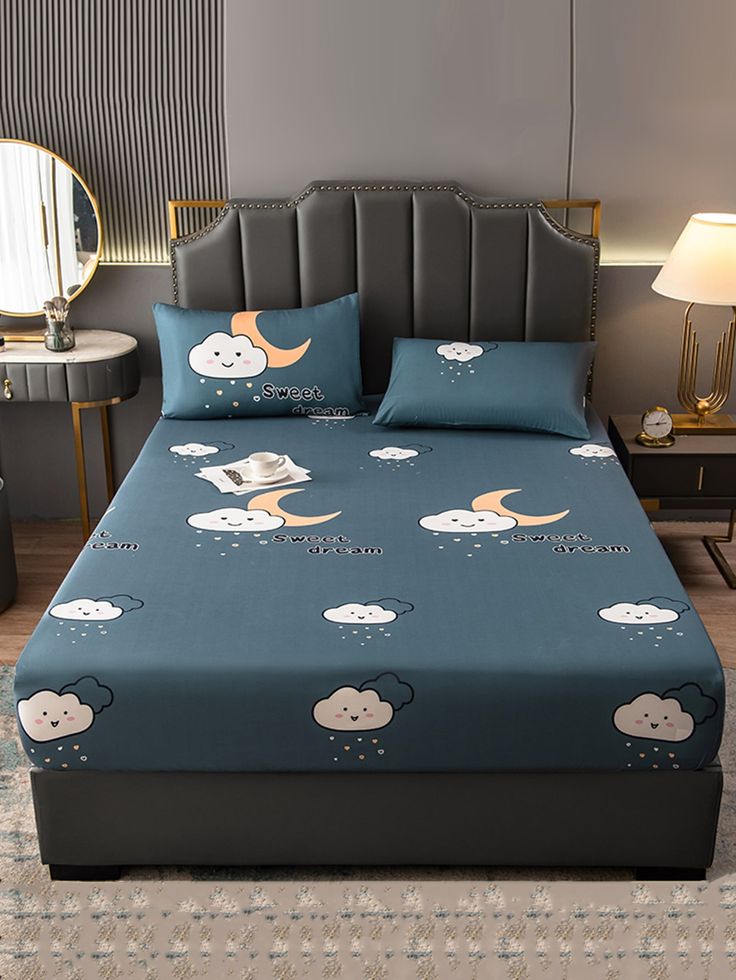
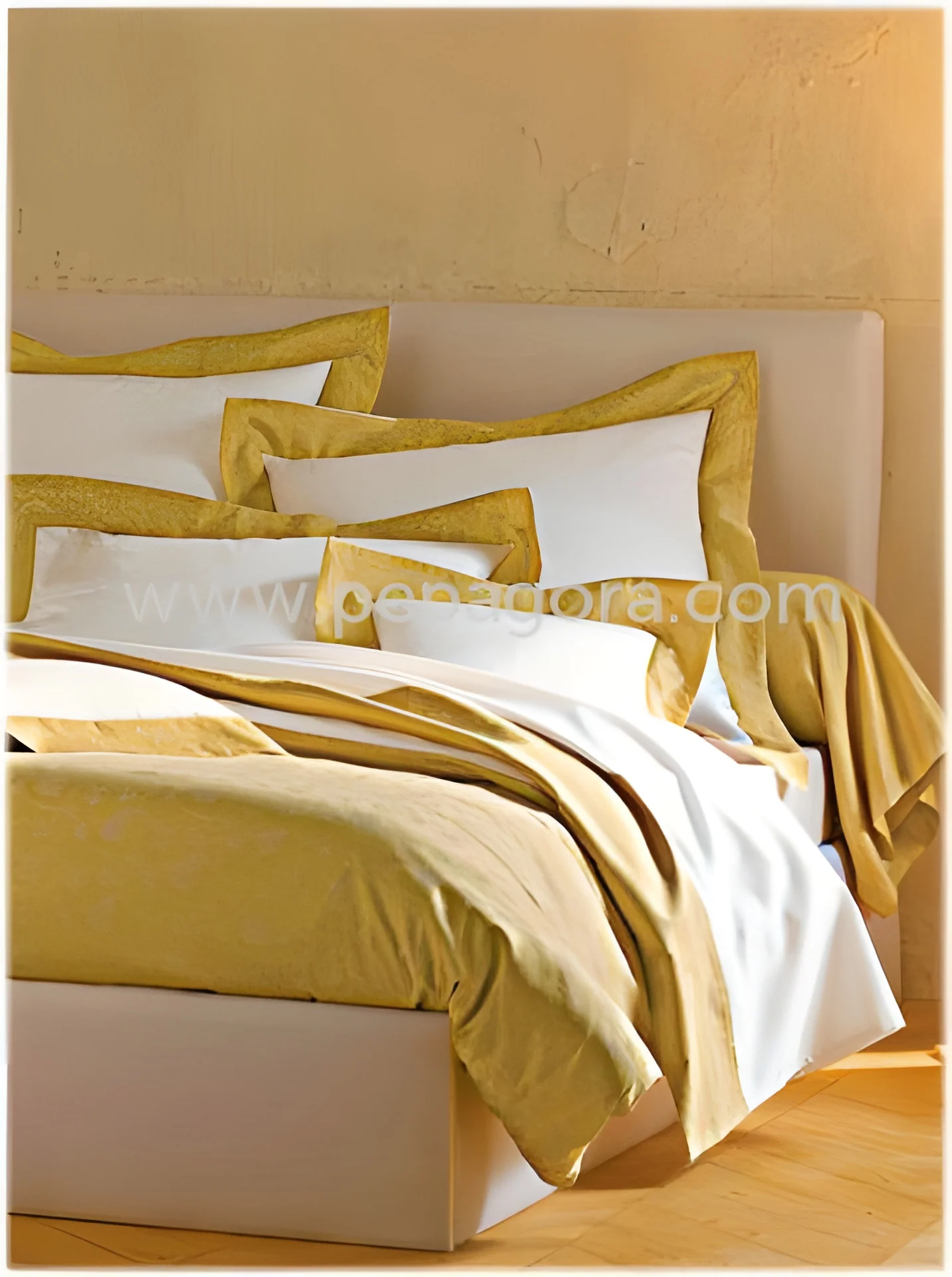
In business applications, pillow covers and cushion covers are widely used in the hospitality industry, residential furnishing, and commercial spaces. Hotels and resorts often utilize decorative covers to create inviting atmospheres in guest rooms and lounges. Furniture manufacturers use these covers to provide customizable options for consumers, allowing them to match their furniture to their interior designs. The market for these products is significant, driven by the demand for functional yet stylish home and office furnishings.
Key Features and Specifications
Pillow covers and cushion covers come with a variety of features that make them suitable for diverse applications. Their specifications can significantly influence their performance and suitability for specific environments.
Key specifications include:
1. Material Composition
- Common materials include cotton, polyester, and linen.
- Each material has unique properties, such as breathability, durability, and stain resistance.
2. Size Dimensions
- Standard sizes range from 16x16 inches to 26x26 inches.
- Custom sizes can be manufactured to meet specific client needs.
3. Closure Type
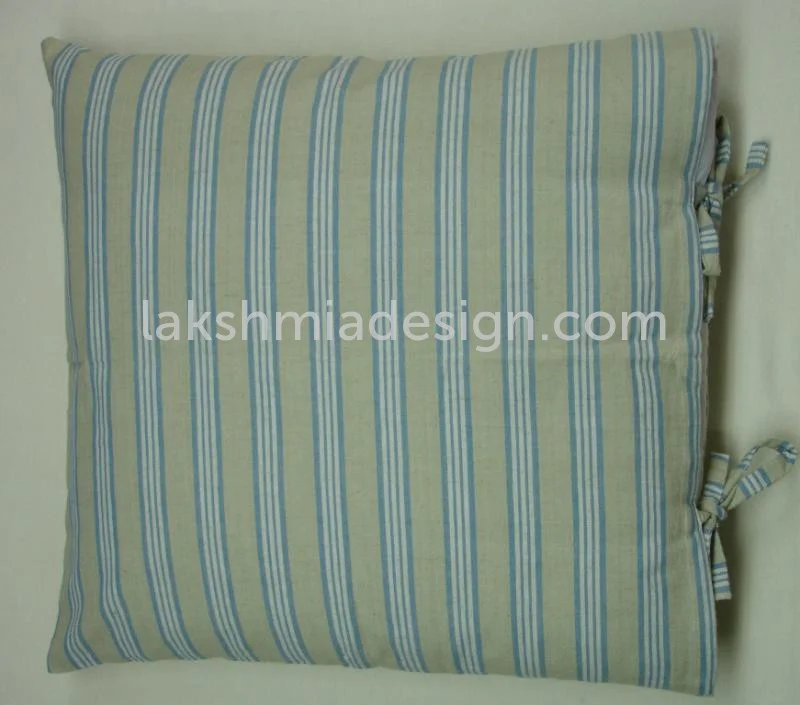
- Options include zipper, envelope, and button closures.
- Each type offers different levels of convenience and style.
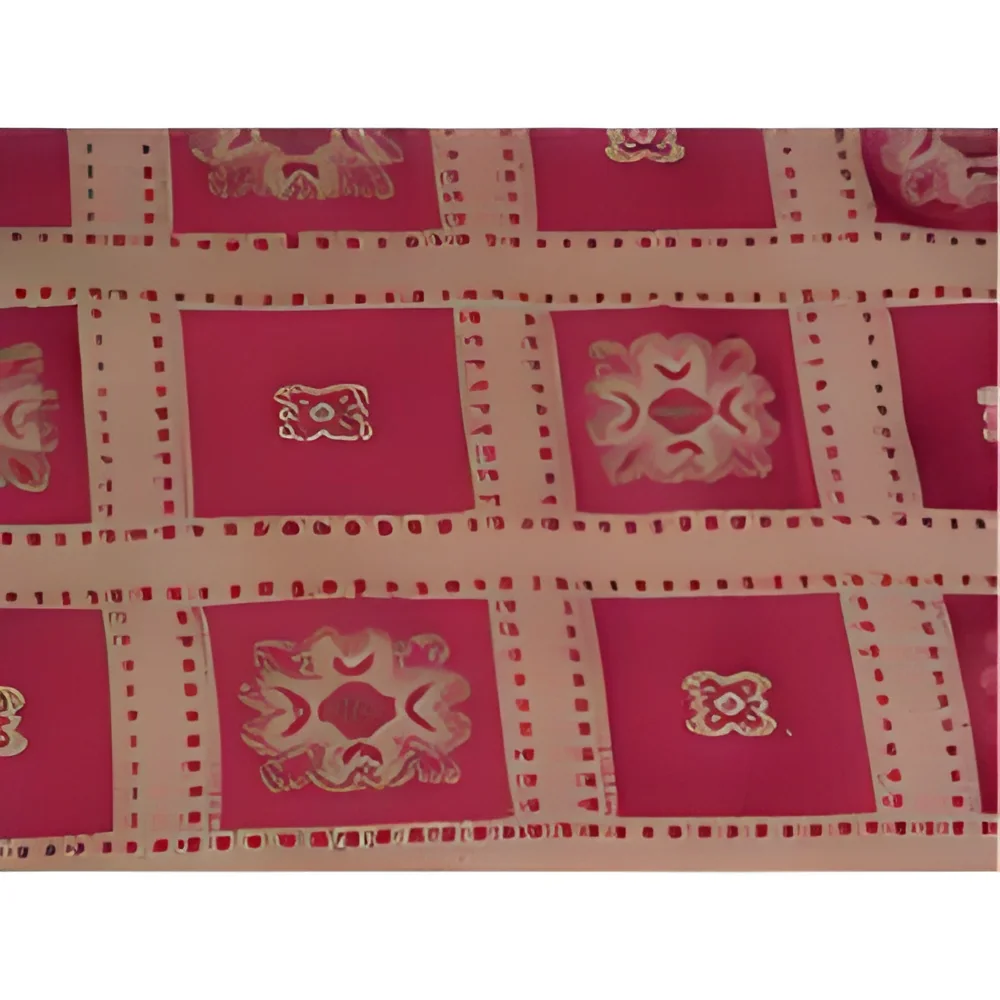
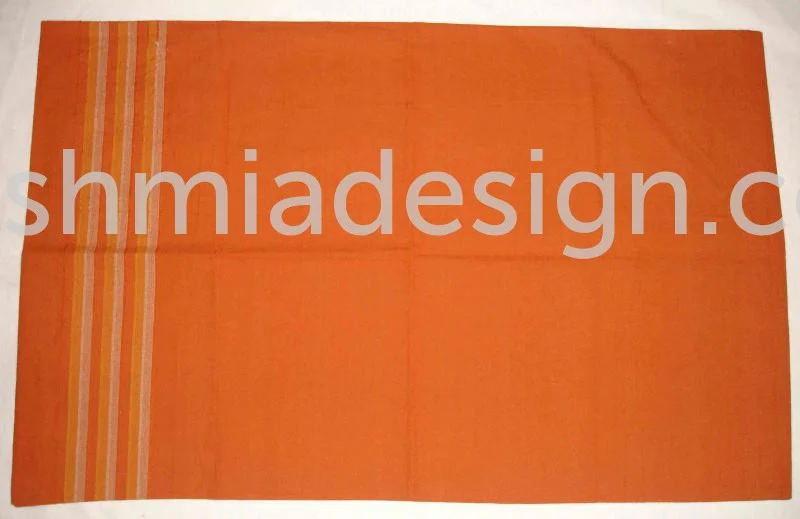
4. Design and Pattern
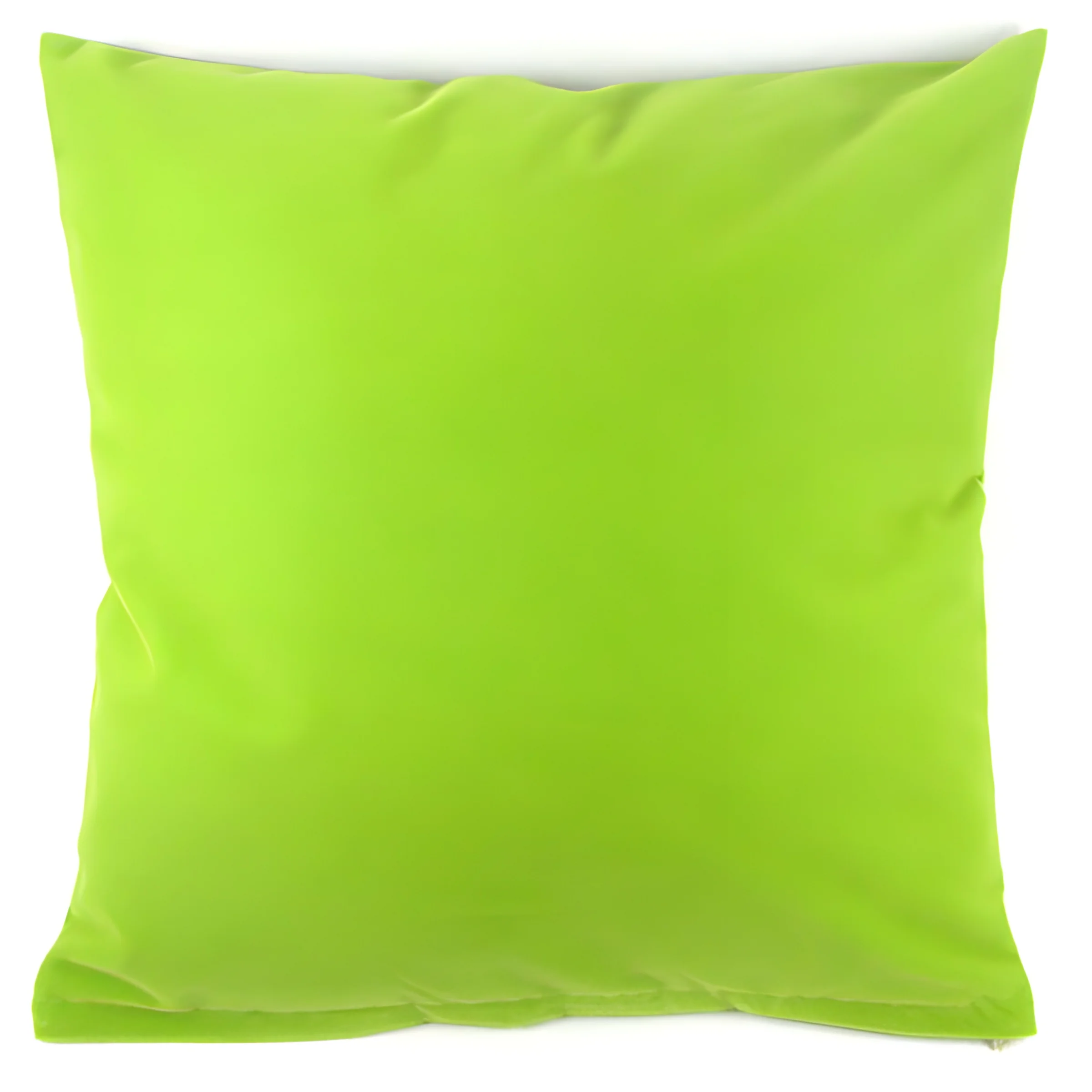
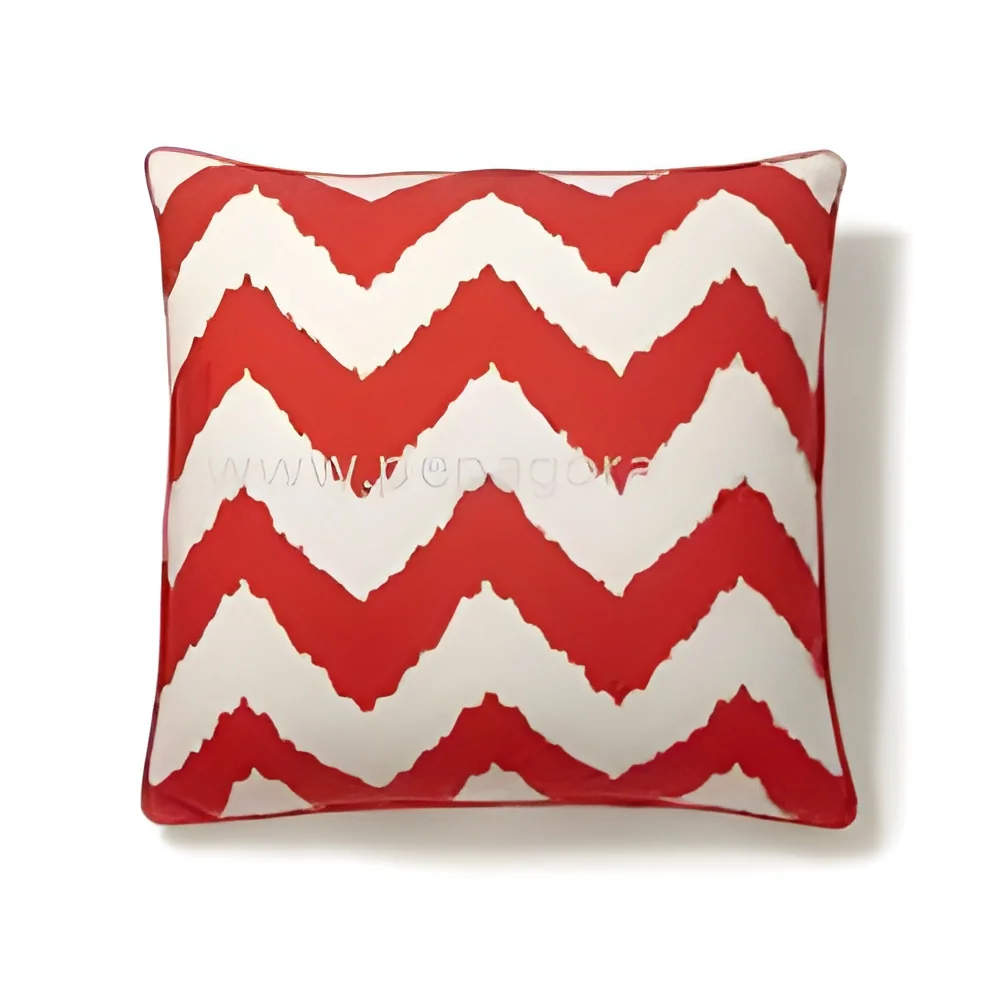
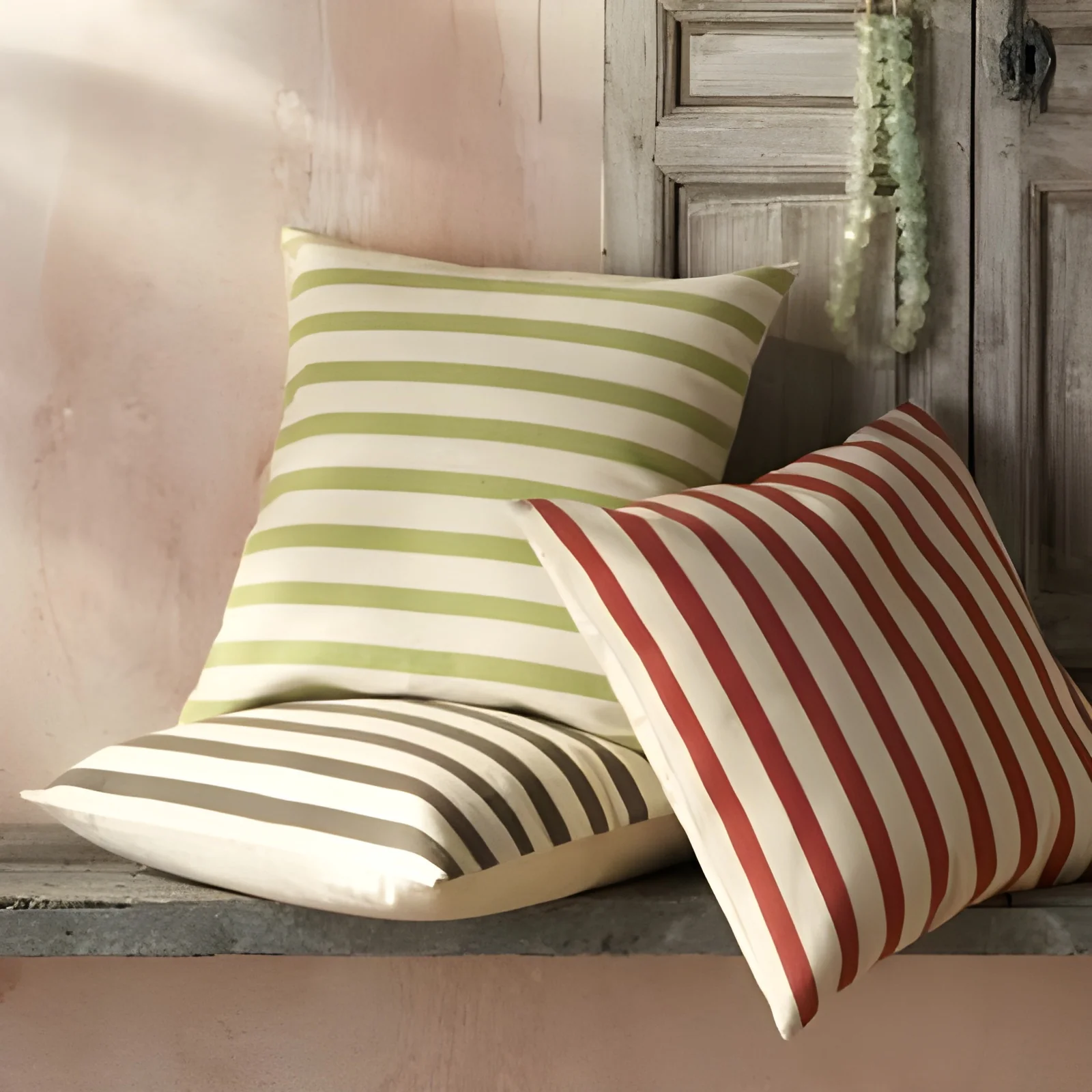
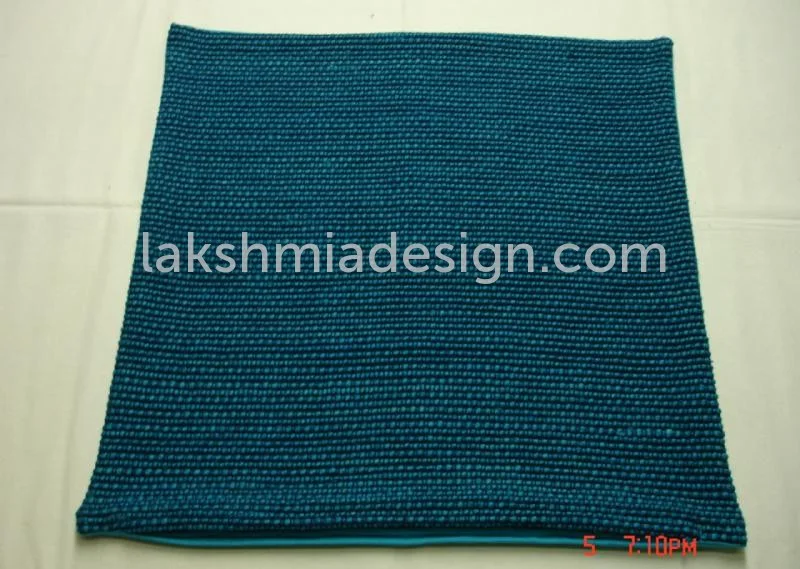
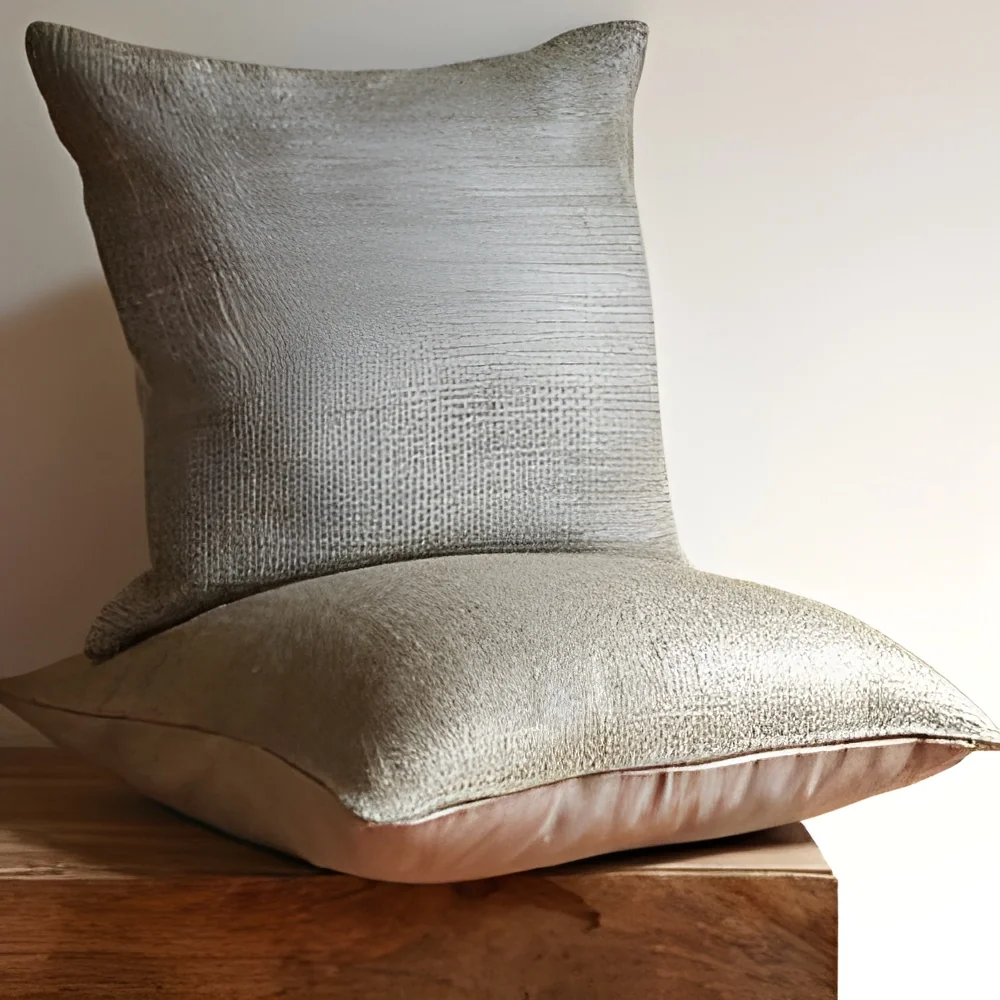
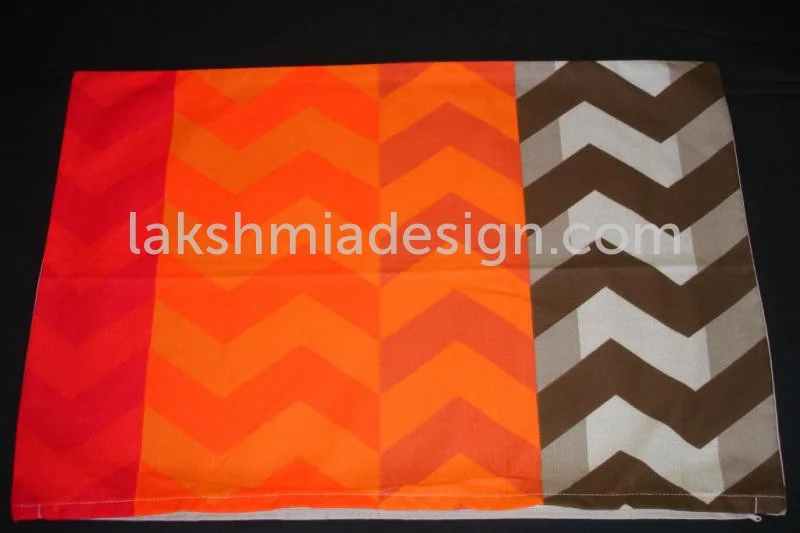
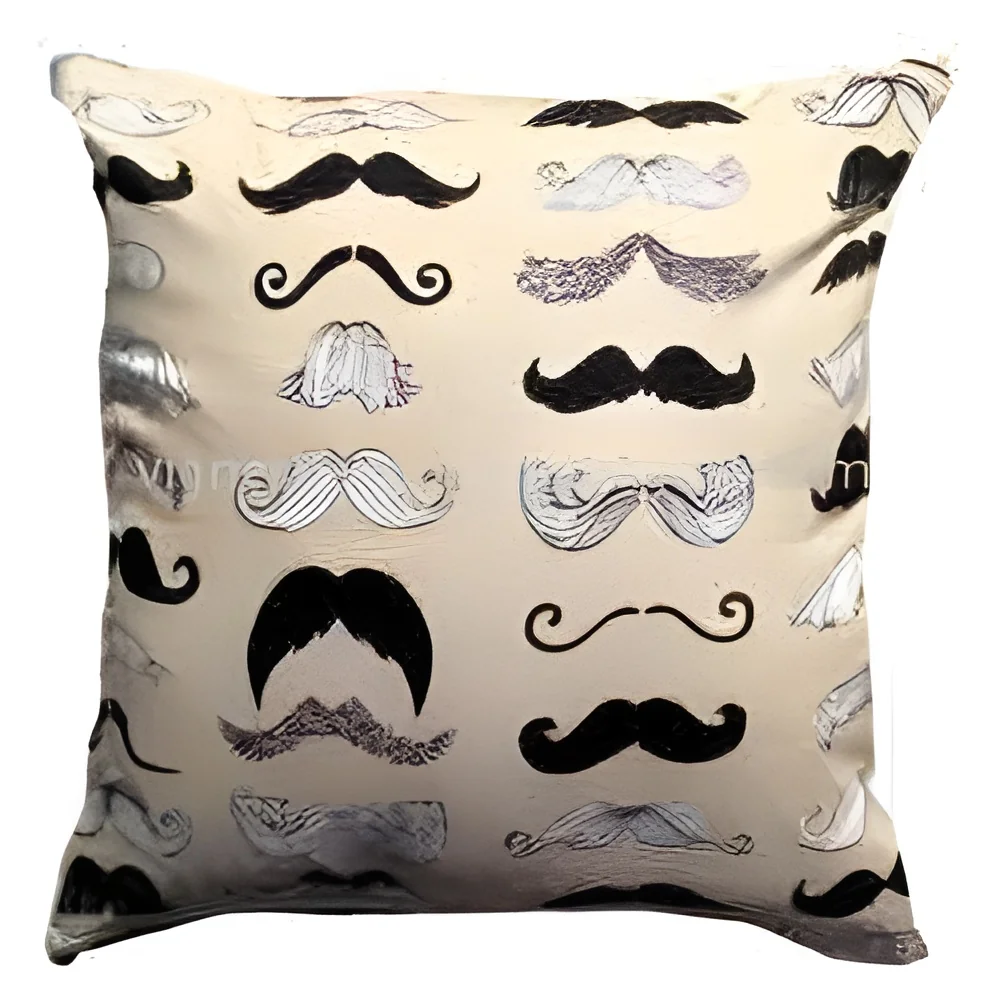
- Available in a wide array of designs, including solid colors, prints, and textures.
- Custom printing options are often available for branding purposes.
5. Care Instructions
- Many covers are machine washable, while others may require dry cleaning.
- Care instructions can affect product longevity and ease of maintenance.
6. Stain Resistance
- Some covers come with water-repellent or stain-resistant treatments.
- This feature is particularly beneficial in high-traffic or commercial environments.
7. Eco-Friendliness
- Many manufacturers offer covers made from sustainable materials.
- Certifications for eco-friendly practices may be available.
In summary, understanding these key features and specifications helps businesses select the appropriate pillow and cushion covers for their specific needs.
Common Applications and Use Cases
Pillow covers and cushion covers find utility in various industries, enhancing both functionality and aesthetic appeal.
1. Hospitality: Hotels and resorts utilize decorative covers to elevate guest experience and match thematic decor styles.
2. Furniture Manufacturing: Customizable cushion and pillow covers allow manufacturers to offer tailored solutions to consumers, enhancing product appeal.
3. Interior Design: Designers employ these covers to add texture and color to living spaces, creating inviting environments.
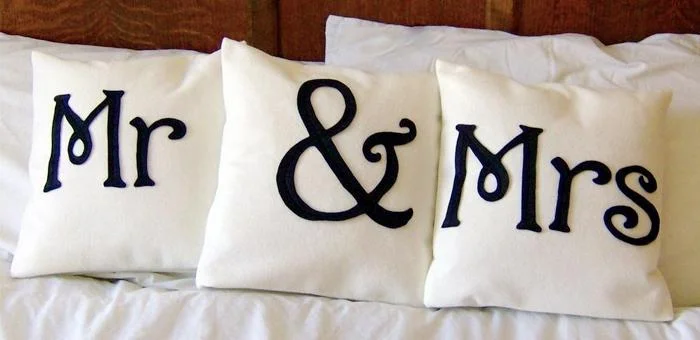
4. Event Planning: For weddings and corporate events, decorative covers are used to enhance seating arrangements and overall decor.
5. Retail: Home goods stores sell a variety of covers to cater to consumer preferences, allowing for frequent style updates.
6. Healthcare: In medical settings, specific covers are used for hygiene and comfort, often featuring easy-to-clean materials.
7. Education: Schools and universities use cushion covers in common areas to create comfortable seating arrangements for students.
Product Variants and Subcategories
Pillow covers and cushion covers are available in various types, catering to different consumer needs and preferences.
Classic Pillow Covers
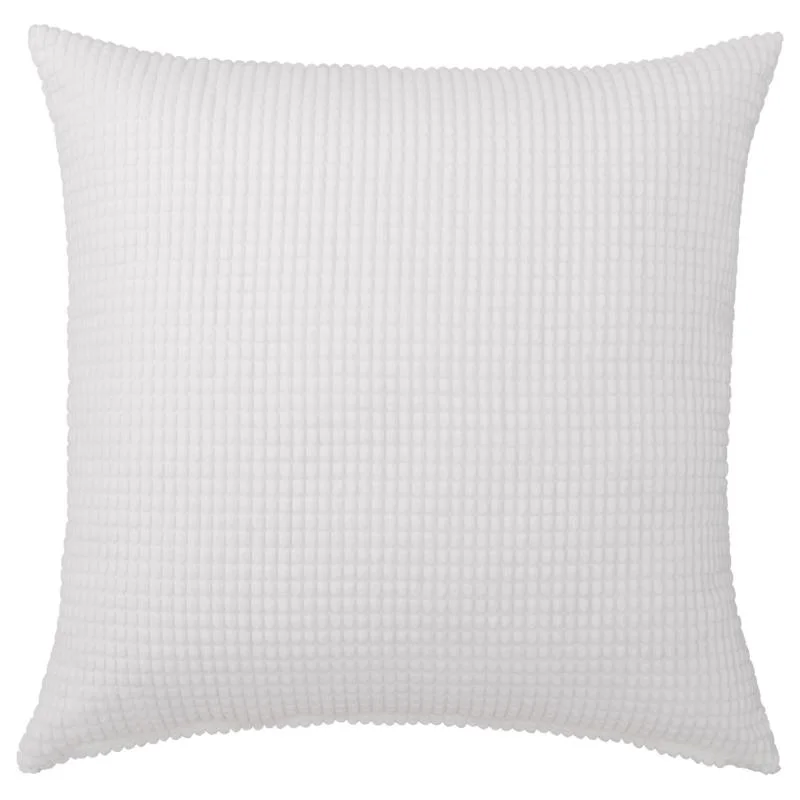
These covers offer a simple yet elegant design, often made from cotton or polyester. They are versatile, suitable for both casual and formal settings.
Decorative Cushion Covers
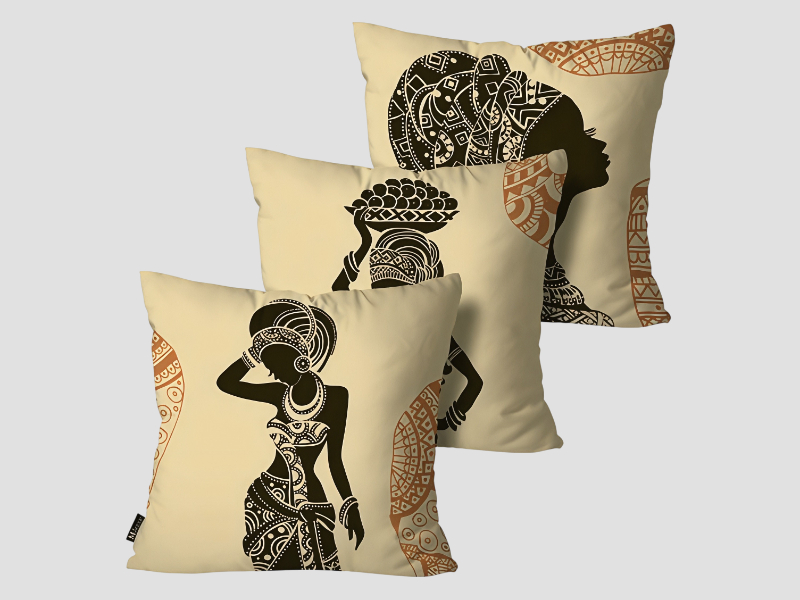
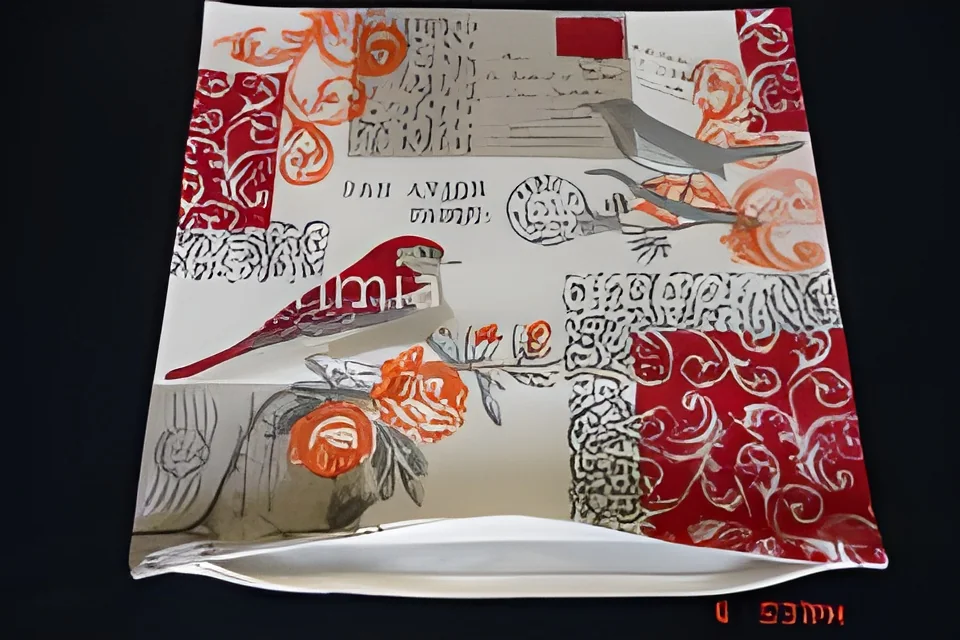
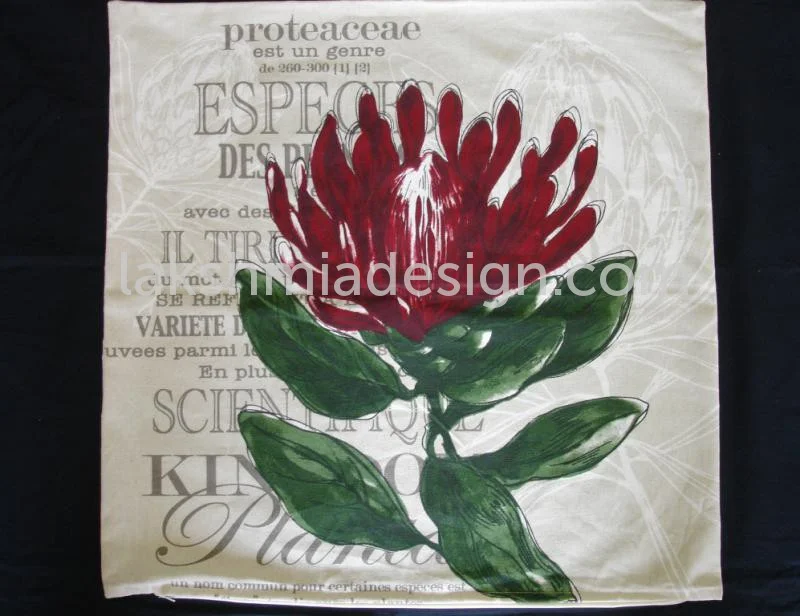
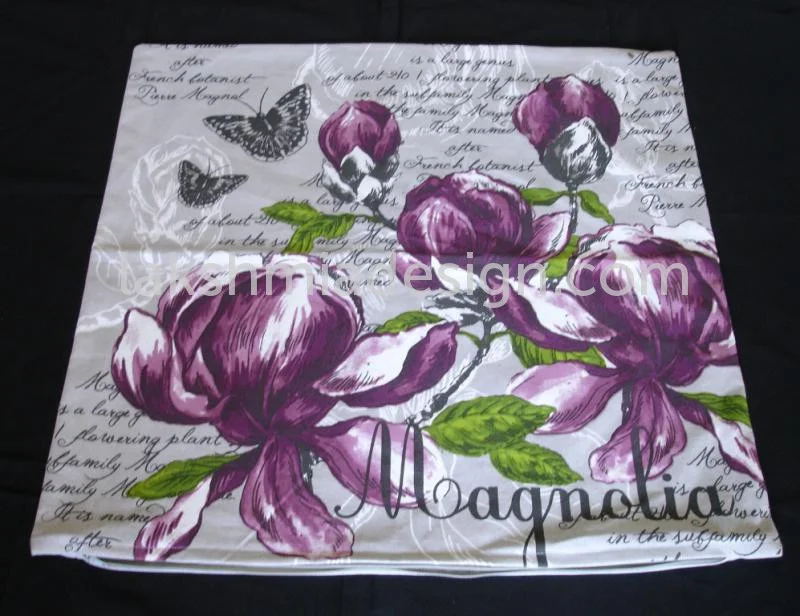
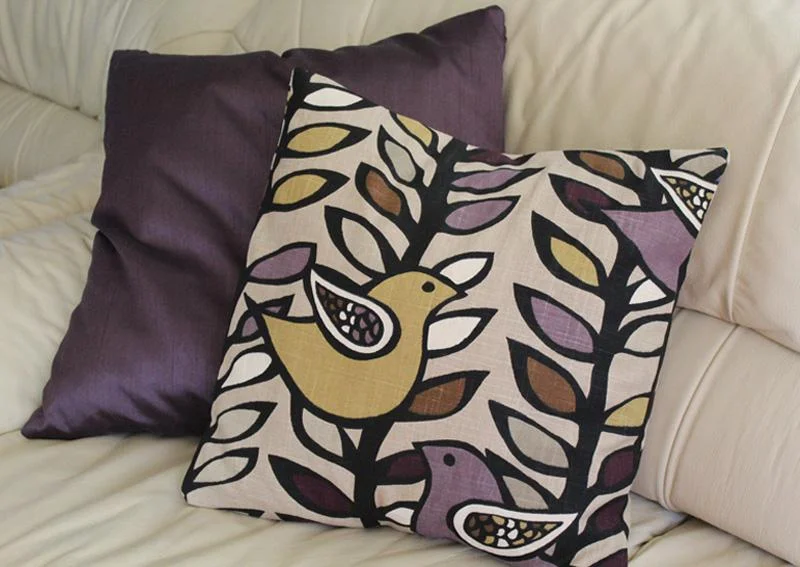
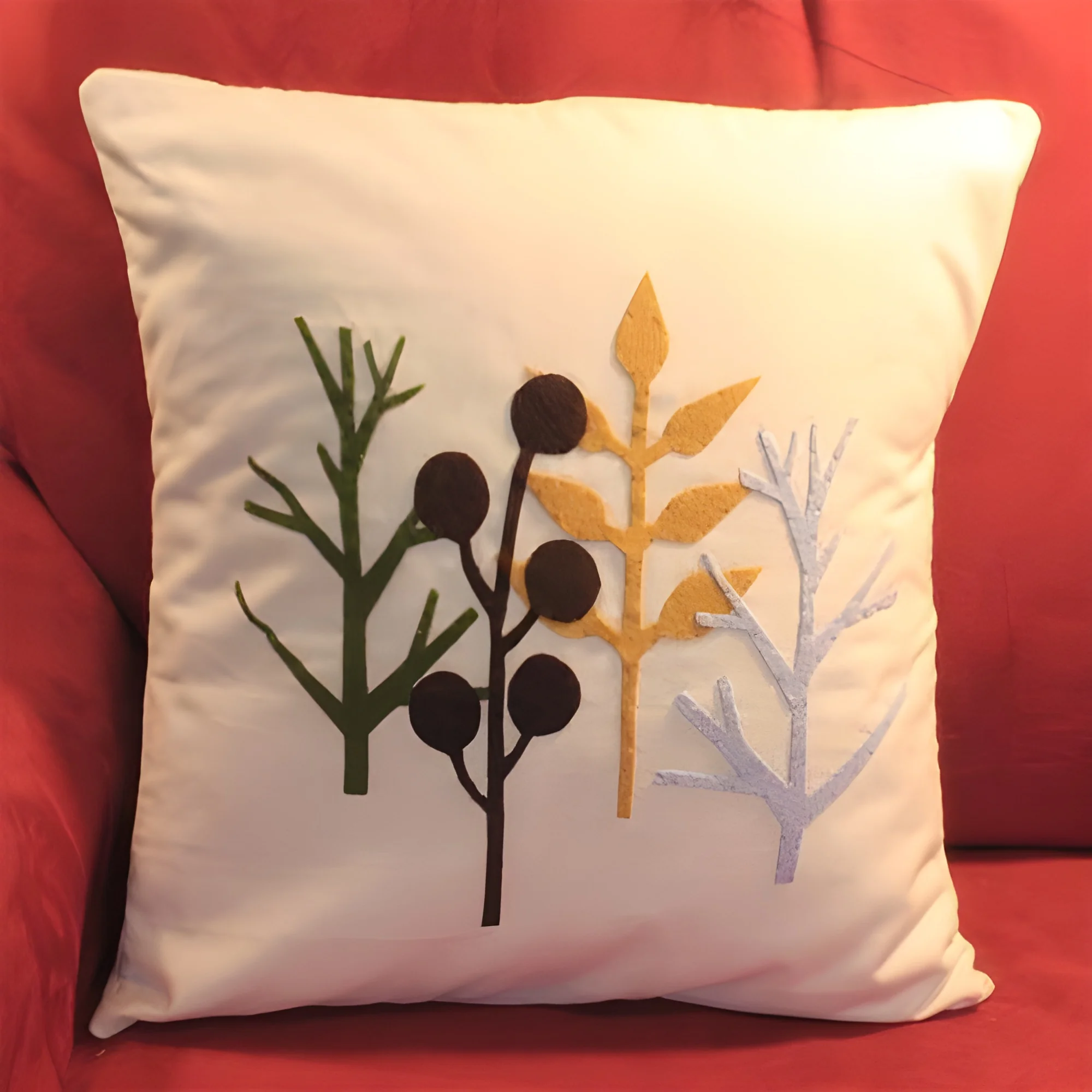
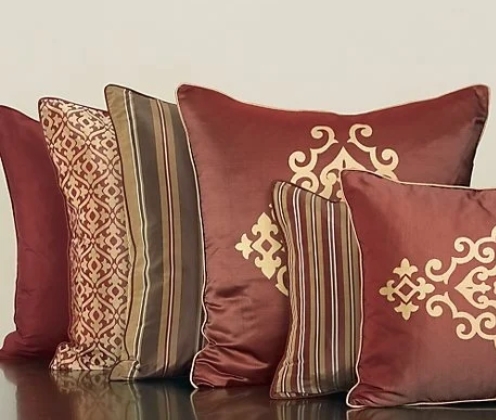
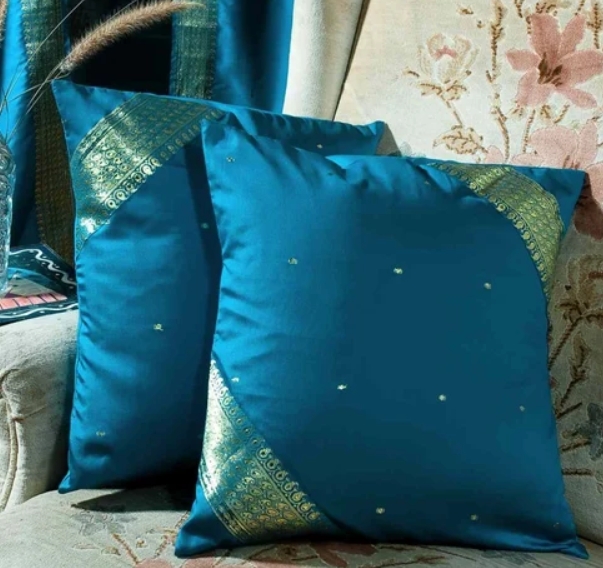
These covers feature intricate patterns and textures, designed to enhance the visual appeal of living spaces. They are often used in interior design to create focal points.
Outdoor Cushion Covers
Specifically designed for outdoor use, these covers are made from weather-resistant materials. They are ideal for patio furniture and provide durability against elements.
Customizable Covers
Many suppliers offer options for custom designs and sizes, allowing businesses to create unique products for branding or specific decor themes.
Benefits and Advantages
Pillow covers and cushion covers provide numerous benefits that make them essential for various applications.
1. Protection: They protect pillows and cushions from dust, stains, and wear, extending the life of the underlying products.
2. Aesthetic Appeal: Available in numerous designs and colors, they enhance the decor of any space, allowing for seasonal or thematic updates.
3. Easy Maintenance: Most covers are machine washable or easy to clean, simplifying upkeep in high-traffic areas.
4. Versatility: Suitable for a range of environments from homes to commercial spaces, they adapt to different styles and needs.
5. Customization: Businesses can offer personalized options, meeting specific customer preferences and enhancing brand identity.
6. Cost-effective: Investing in covers can prolong the life of expensive pillows and cushions, providing savings in the long run.
Buying Guide for B2B Buyers
When sourcing pillow covers and cushion covers, several key factors should be considered to ensure a successful purchase.
1. Quality Assessment: Evaluate the material and construction quality to ensure durability and comfort. Consider the specific needs of your target market.
2. Supplier Verification: Vet potential suppliers for reliability and reputation. Look for industry certifications and customer reviews to gauge their credibility.
3. Pricing and MOQ: Understand the cost structure, including pricing tiers based on volume. Minimum order quantities can vary, so clarify this with suppliers.
4. Delivery and Lead Times: Establish expected delivery schedules to ensure timely availability of products. Consider logistics capabilities of the supplier.
5. Compliance Requirements: Ensure that the products meet any relevant industry standards and regulations that may apply to your specific market or application.
Compliance and Certifications
Pillow covers and cushion covers must adhere to several quality standards to ensure safety and performance. Relevant standards include ISO 9001 for quality management, ensuring consistent quality in manufacturing processes.
Additionally, industry certifications such as CE indicate compliance with European health and safety regulations, enhancing product credibility in international markets.
Safety and testing requirements often apply, particularly for products intended for commercial use, where durability and hygiene are critical.
Regional compliance considerations may vary, so it is important for businesses to understand local regulations related to textile products.
Why Source Pillow Covers & Cushion Covers from Pepagora?
Pepagora provides a trusted platform for sourcing pillow covers and cushion covers with several key advantages.
The verified supplier network ensures that businesses can connect with reputable manufacturers and distributors. This reduces the risk of sourcing from unreliable sources, ensuring product quality and consistency.
The streamlined RFQ process simplifies procurement, allowing buyers to request quotes efficiently and compare options from multiple suppliers. This transparency aids in making informed purchasing decisions.
Trade assurance and support further enhance buyer confidence. Pepagora offers protection for transactions, ensuring that businesses can source products without fear of loss.
Lastly, Pepagora's regional coverage extends across India, the GCC, and Southeast Asia, providing access to a diverse range of suppliers and products tailored to various market needs.

 IN
IN