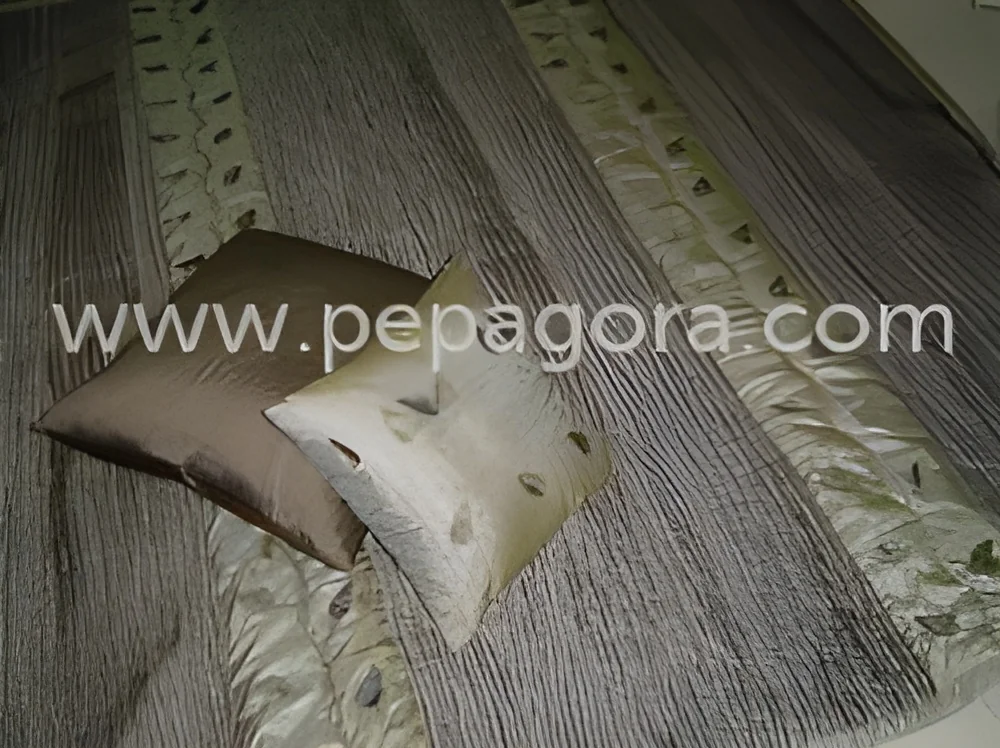
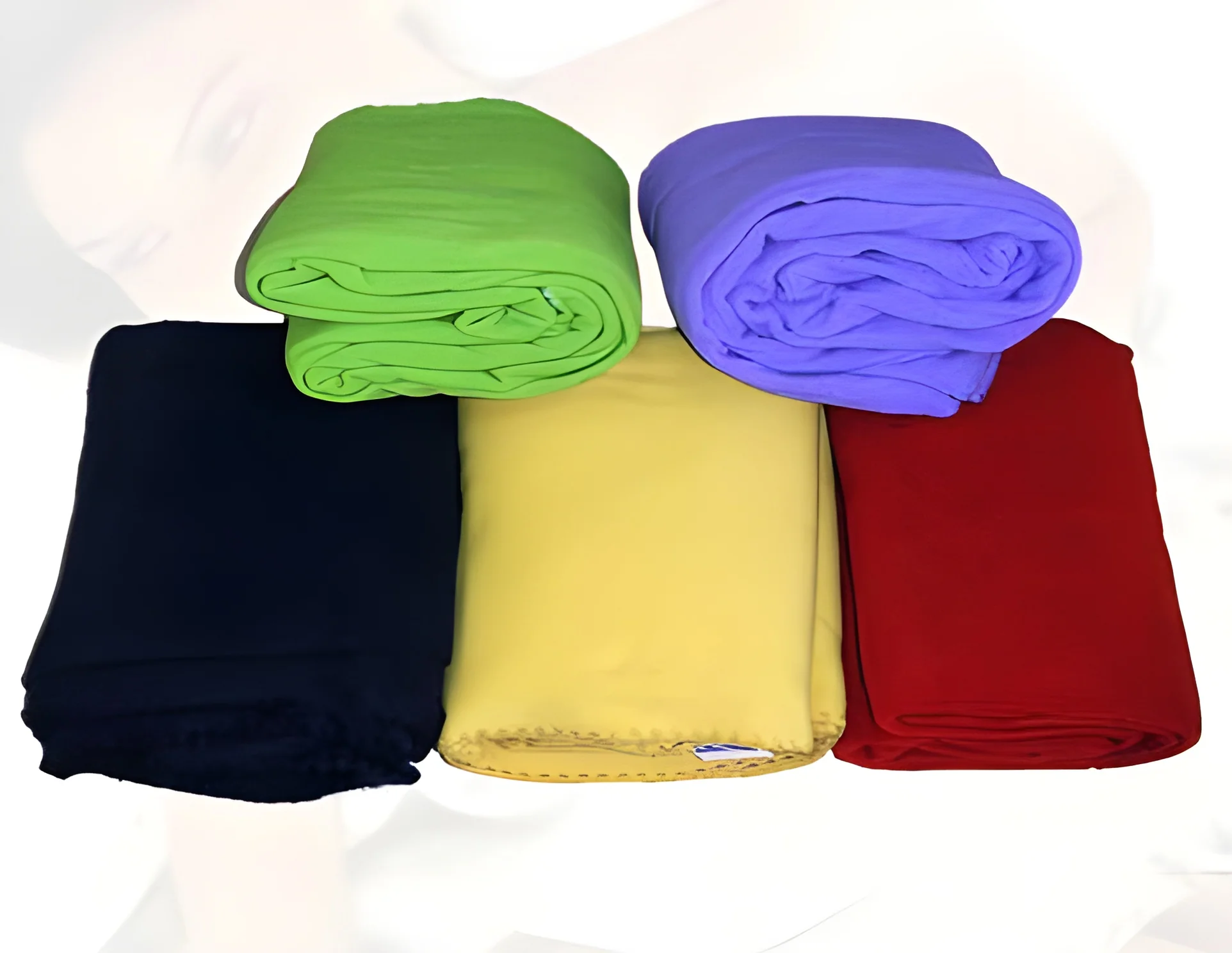
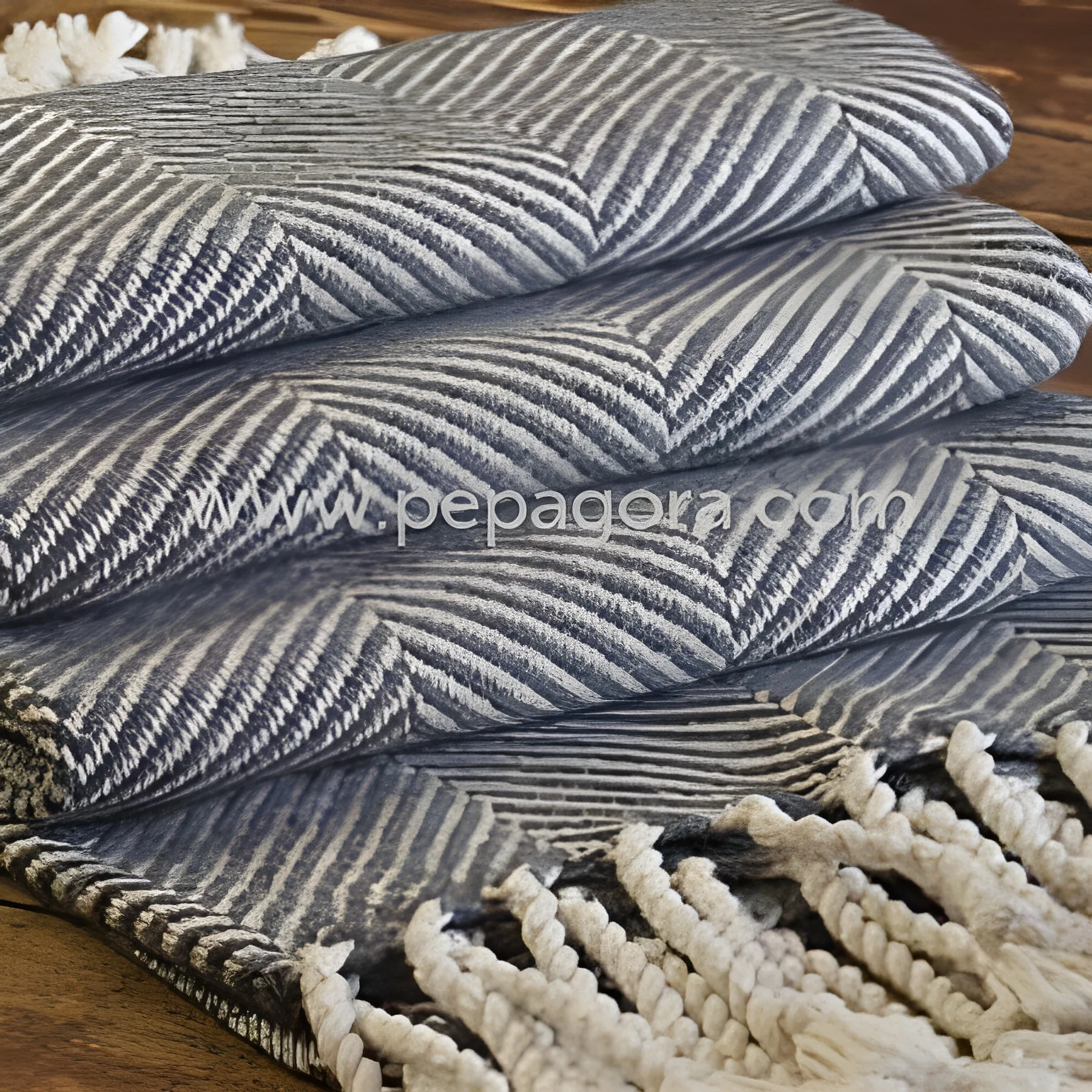
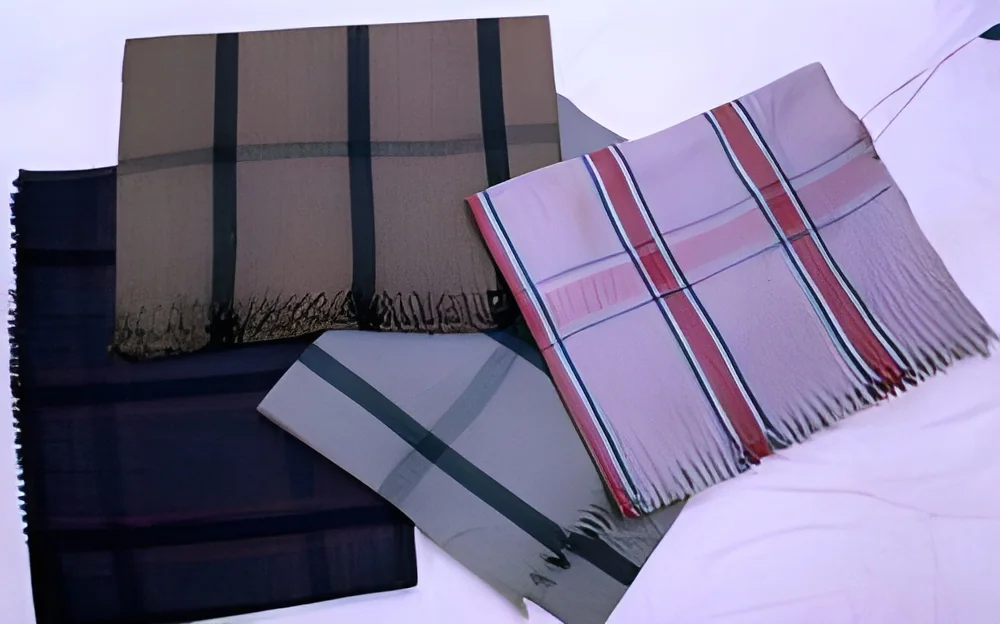
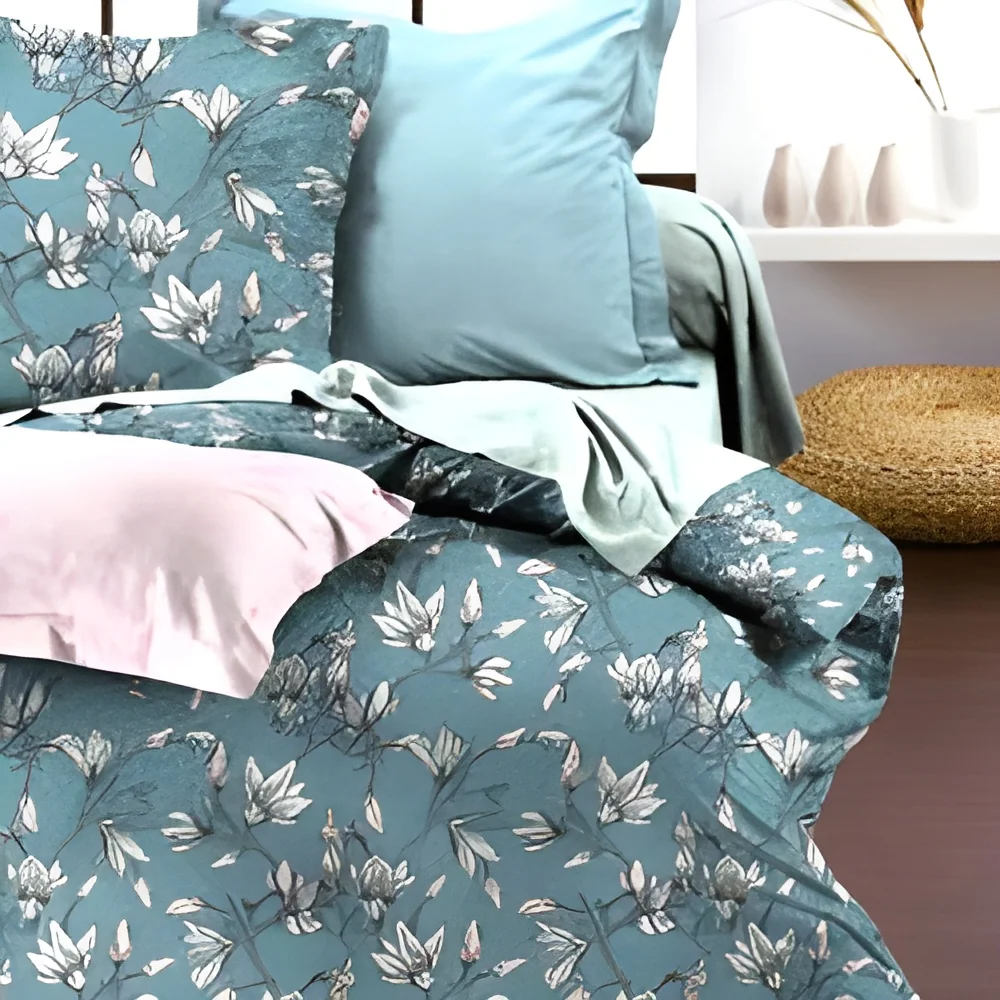
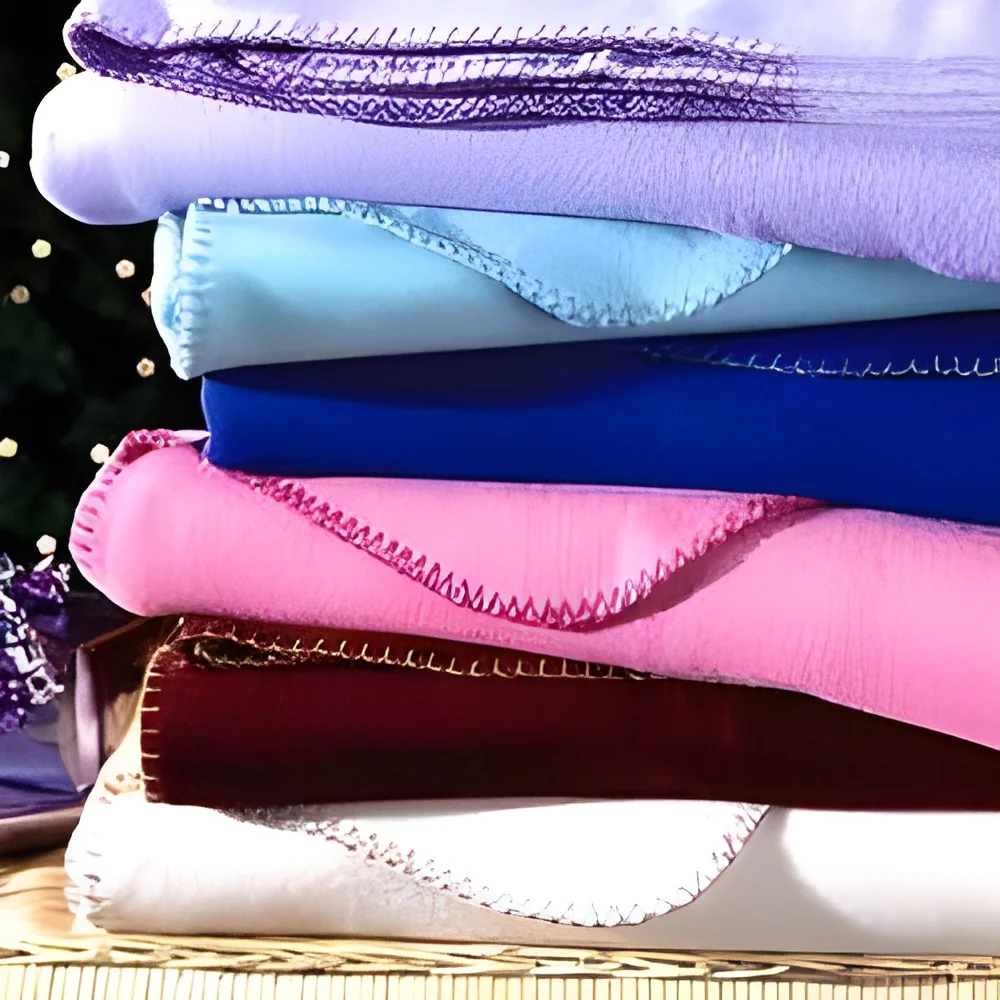
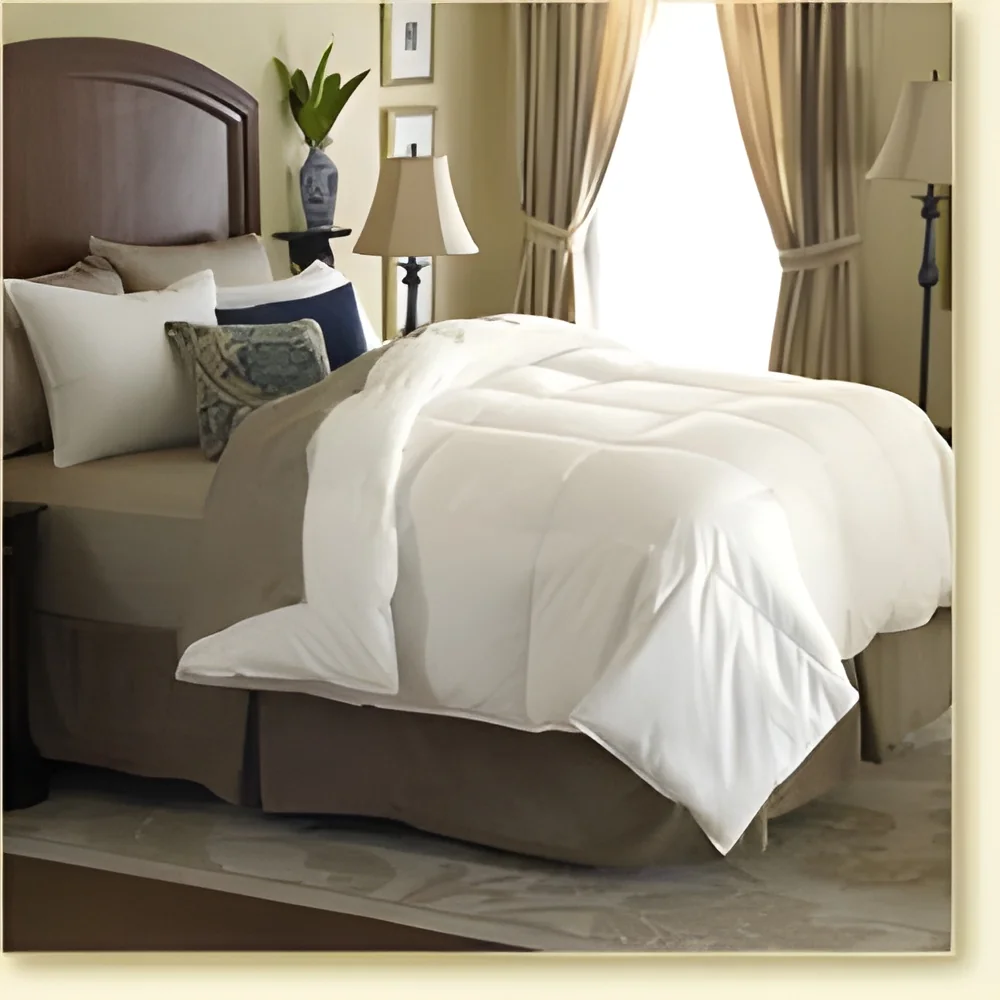
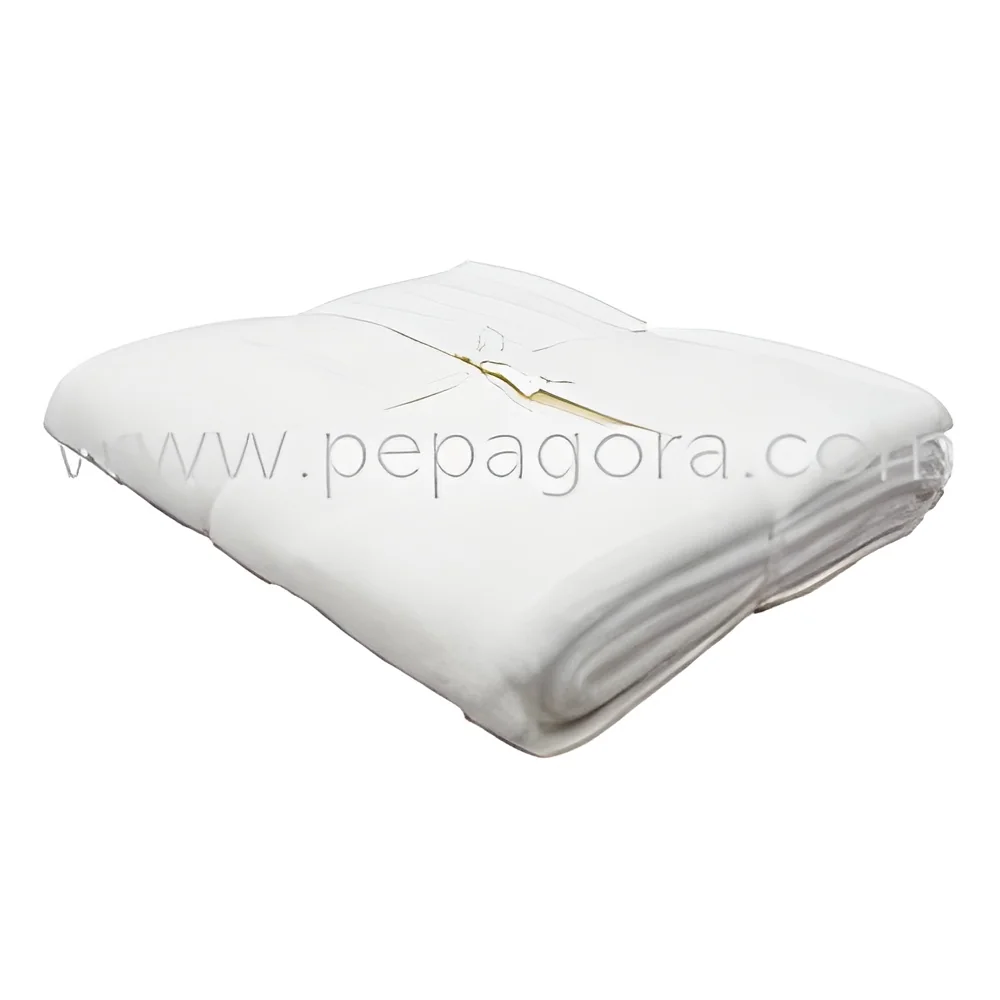
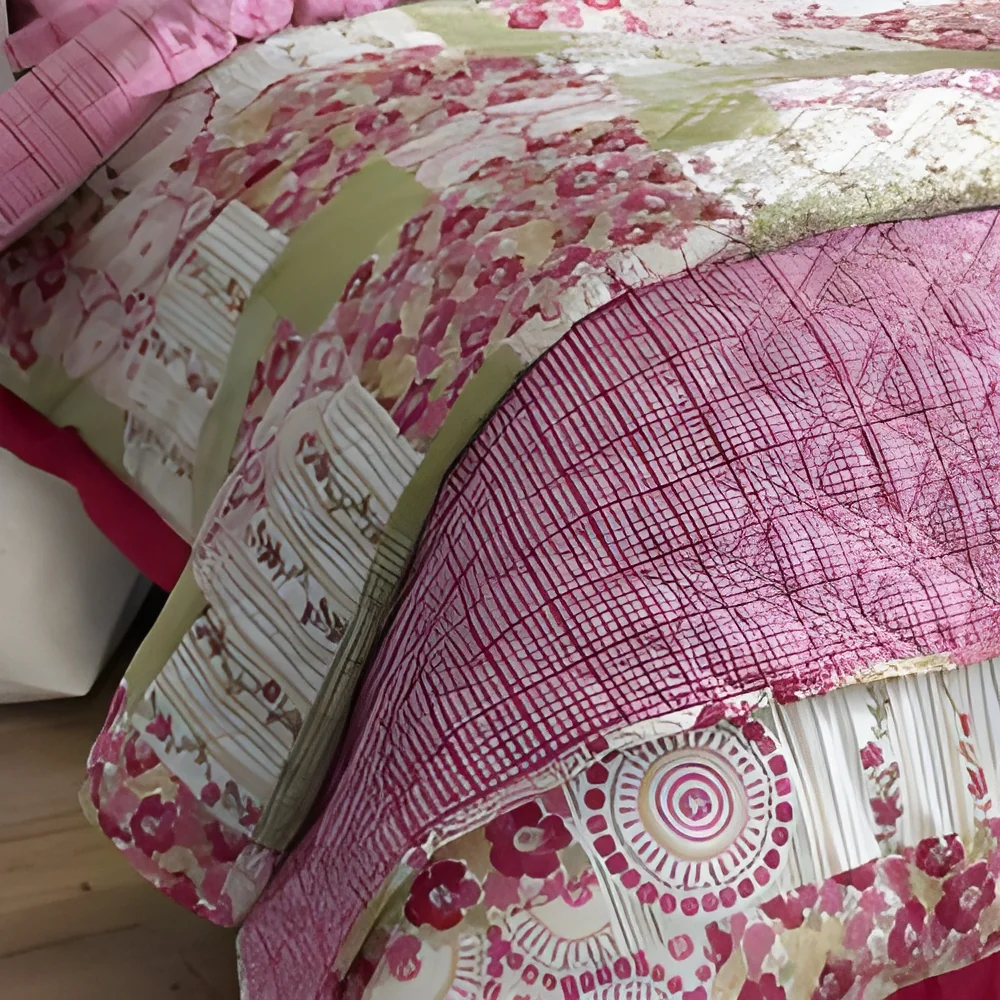
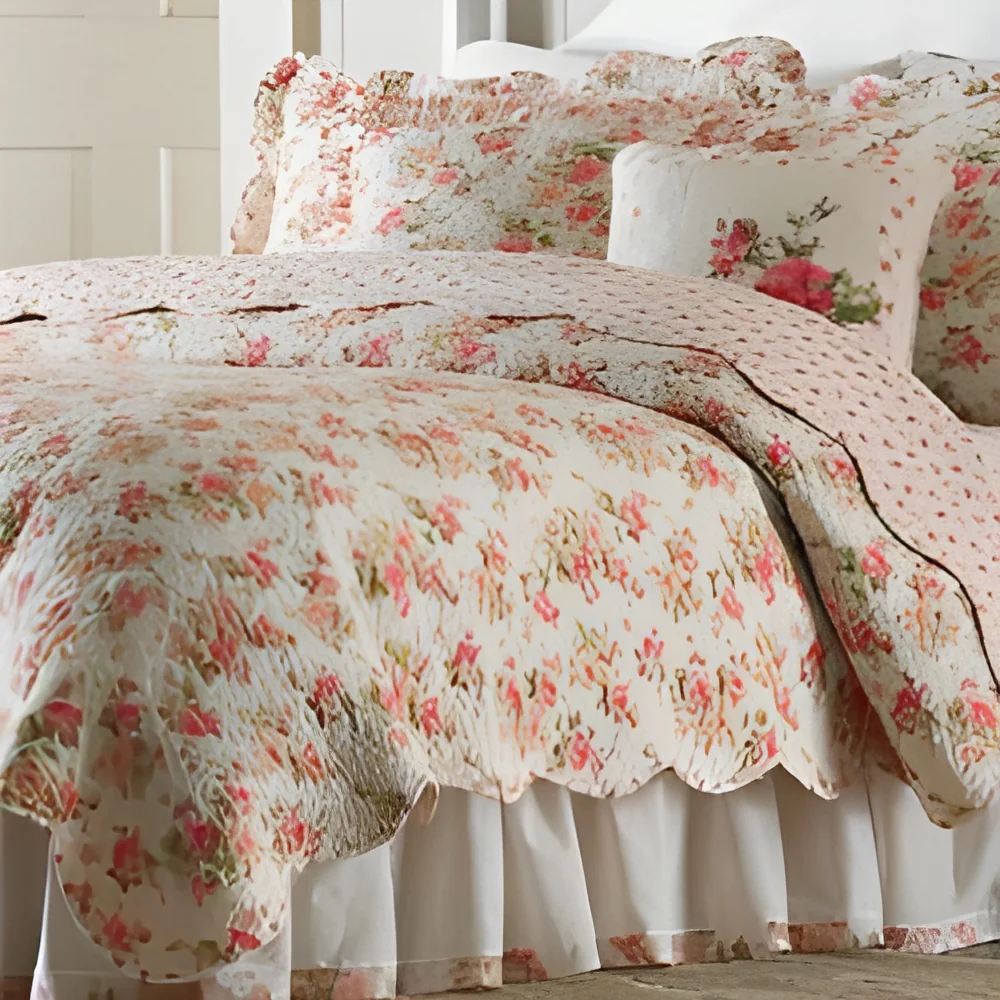
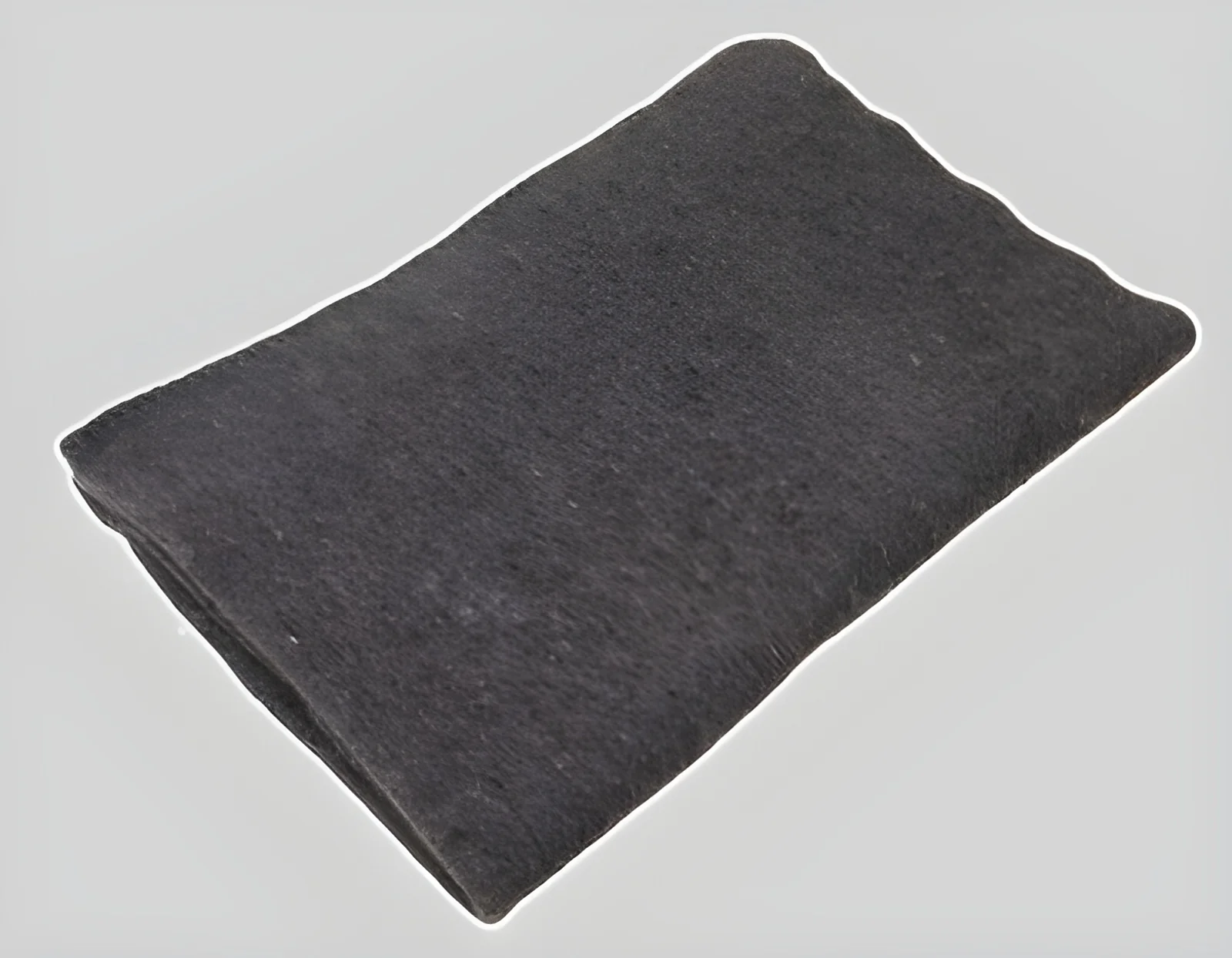
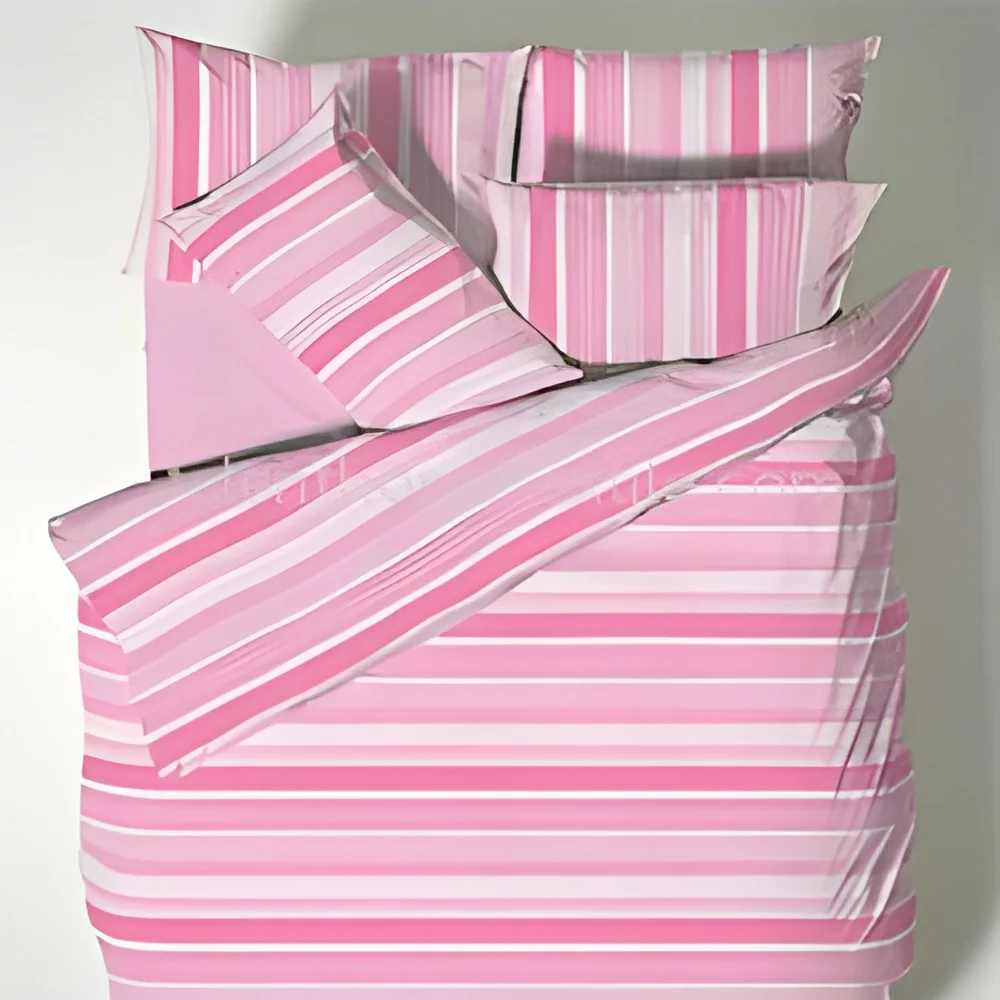
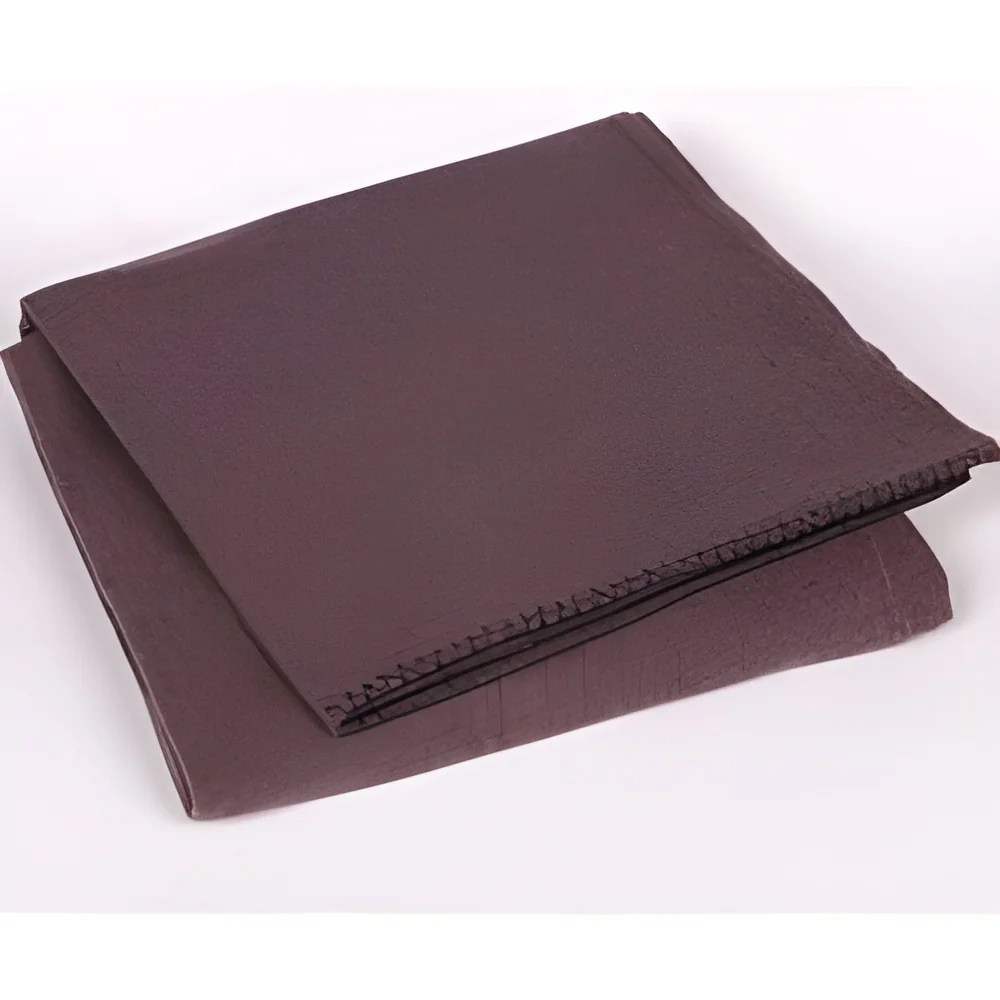
What are Blankets & Quilts?
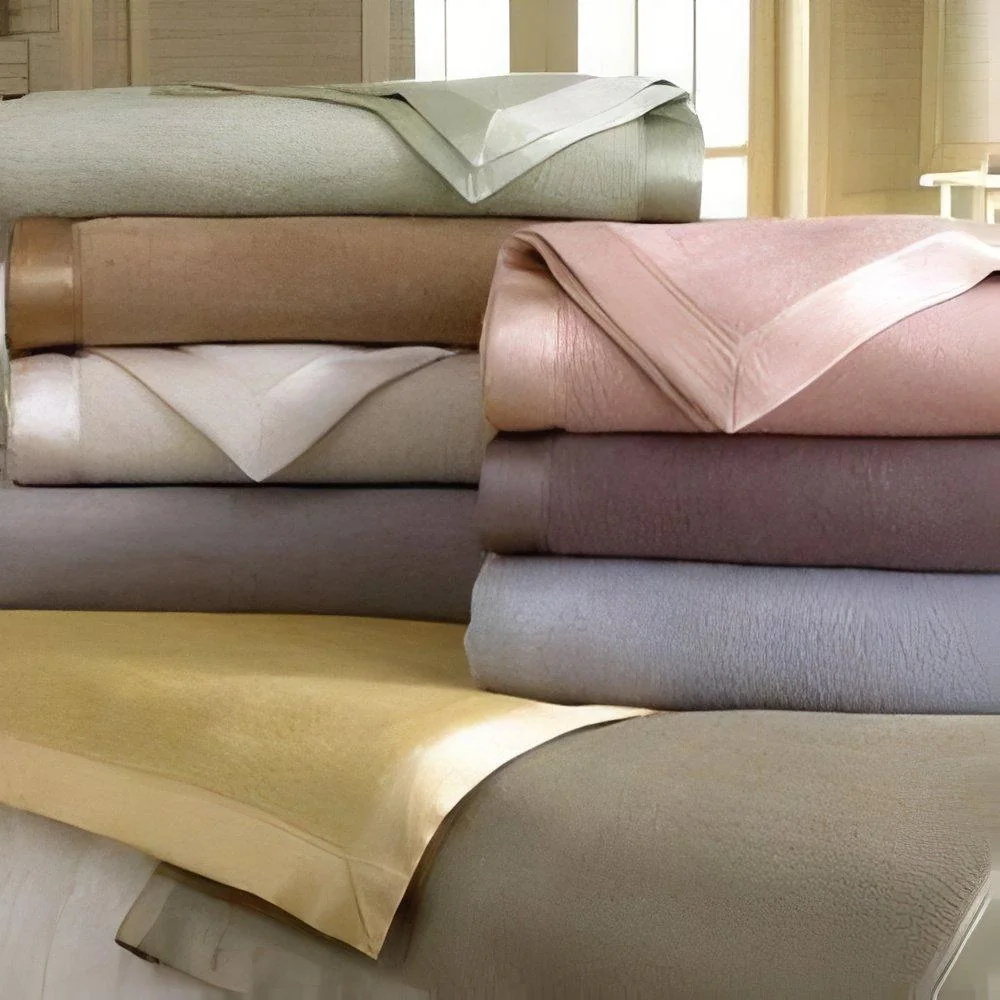
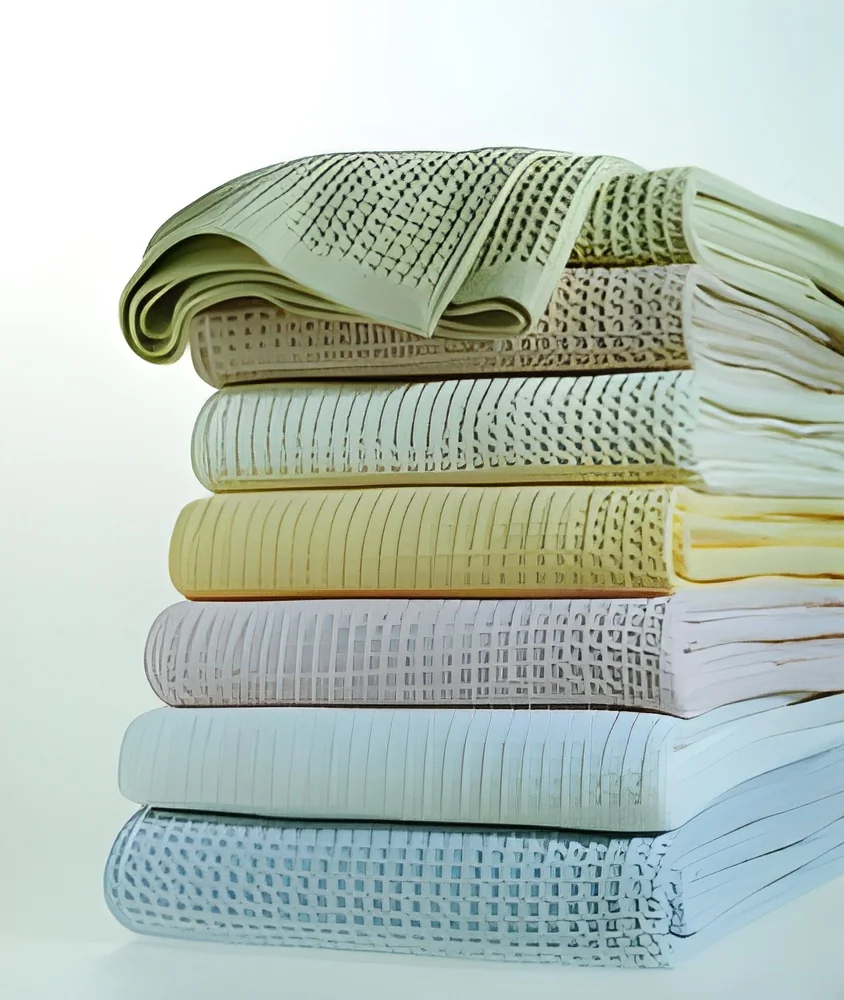
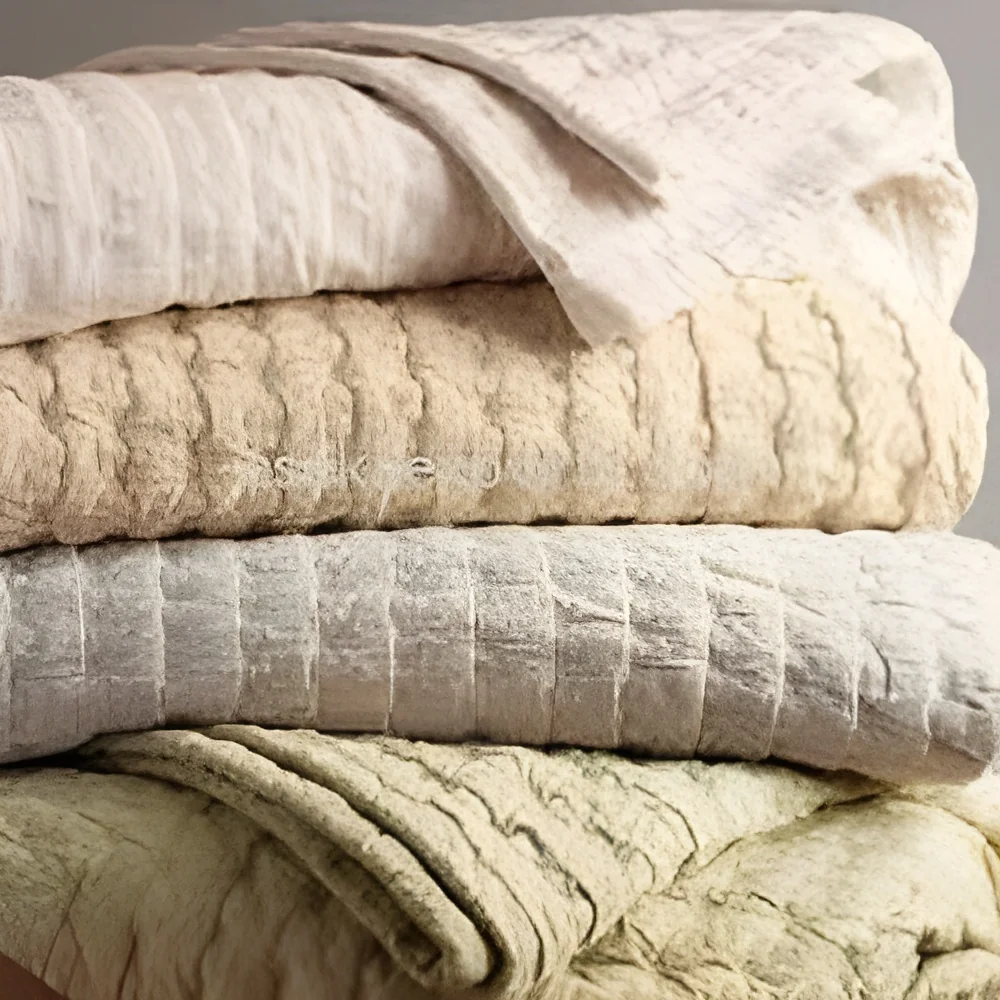
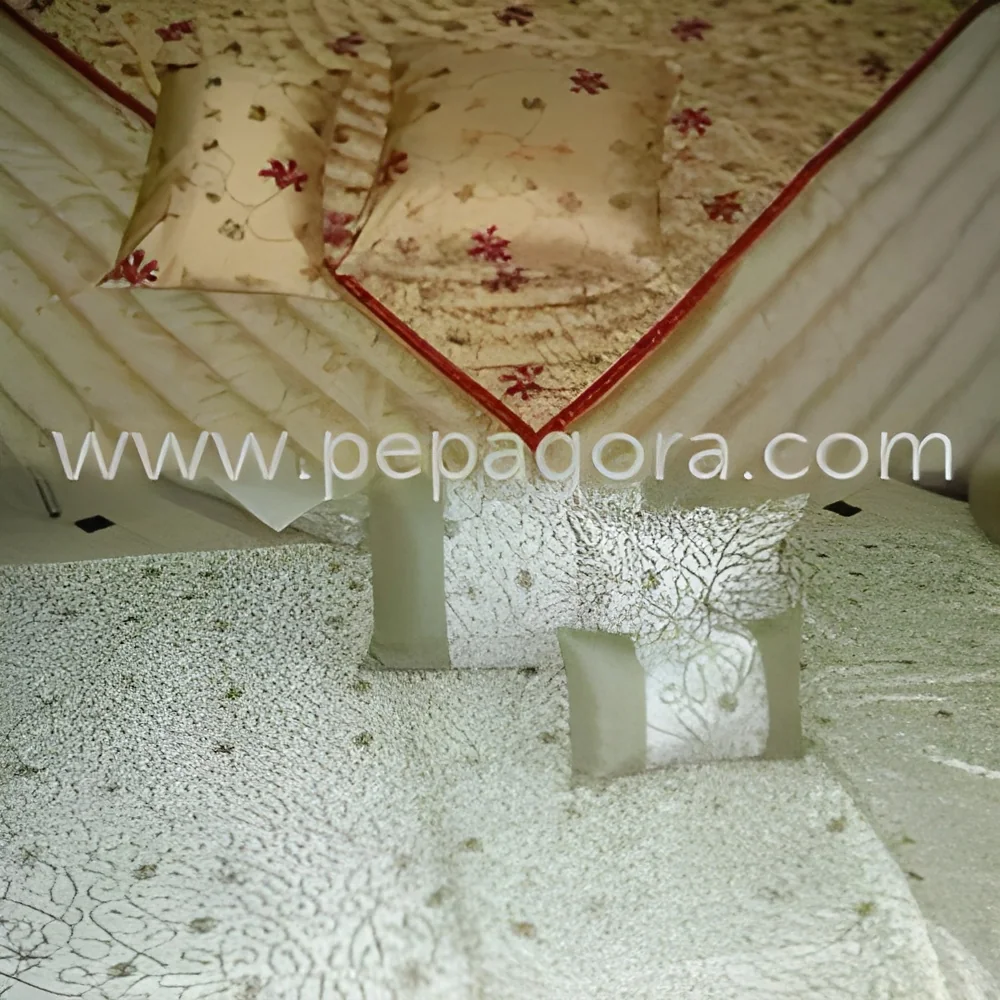
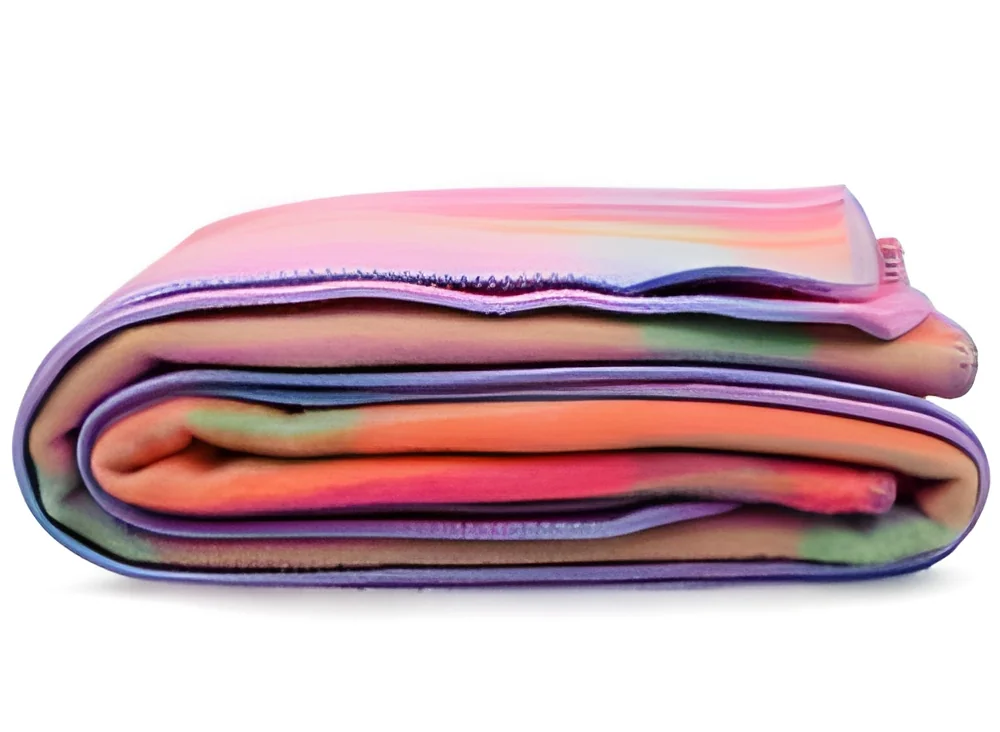
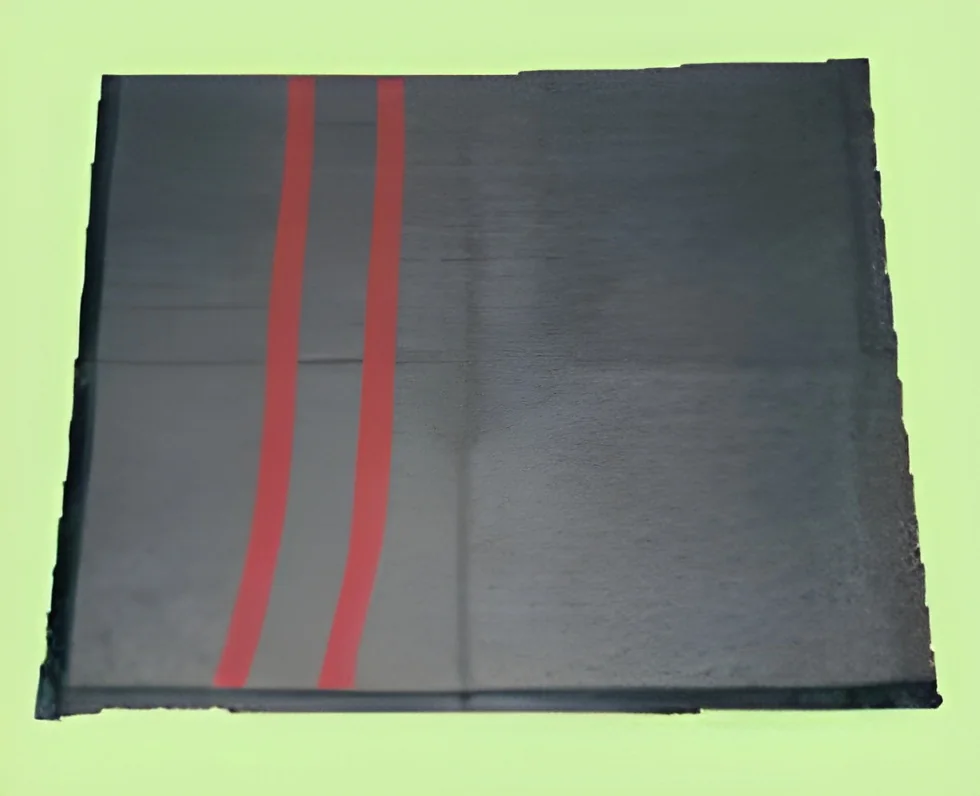
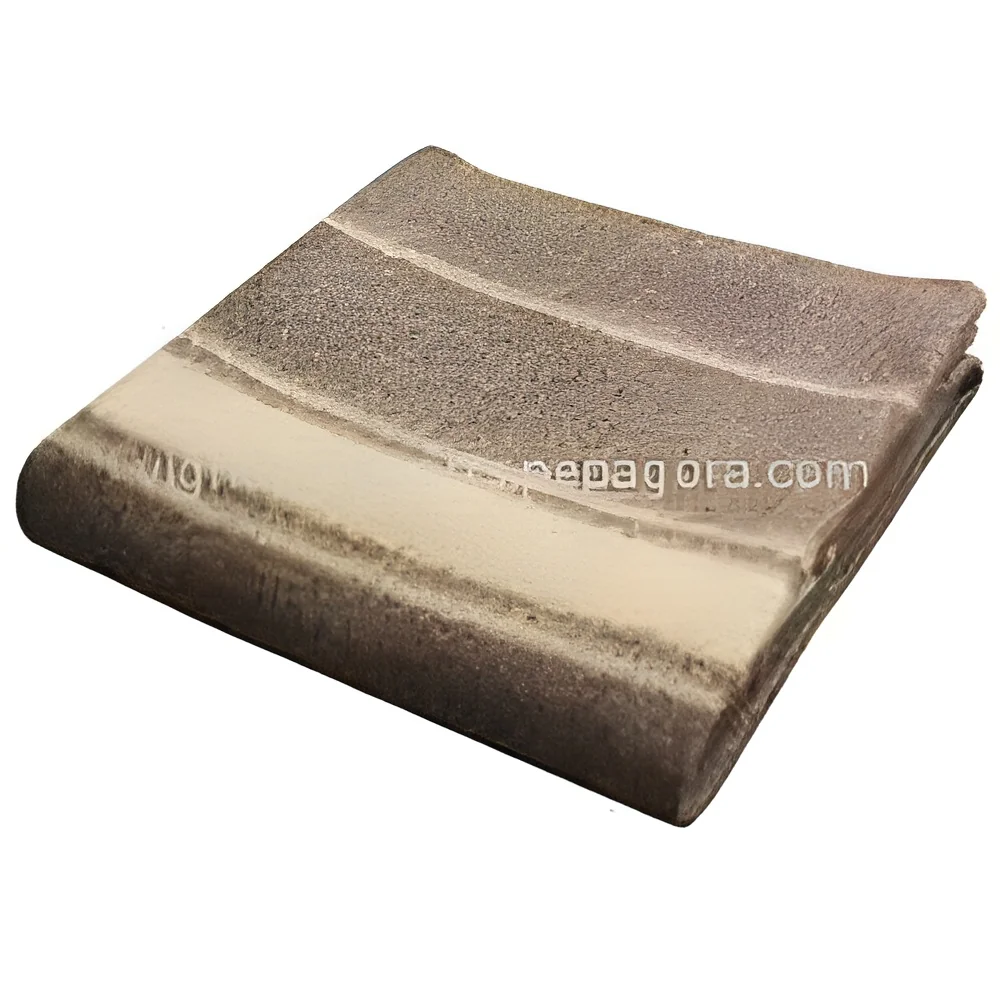
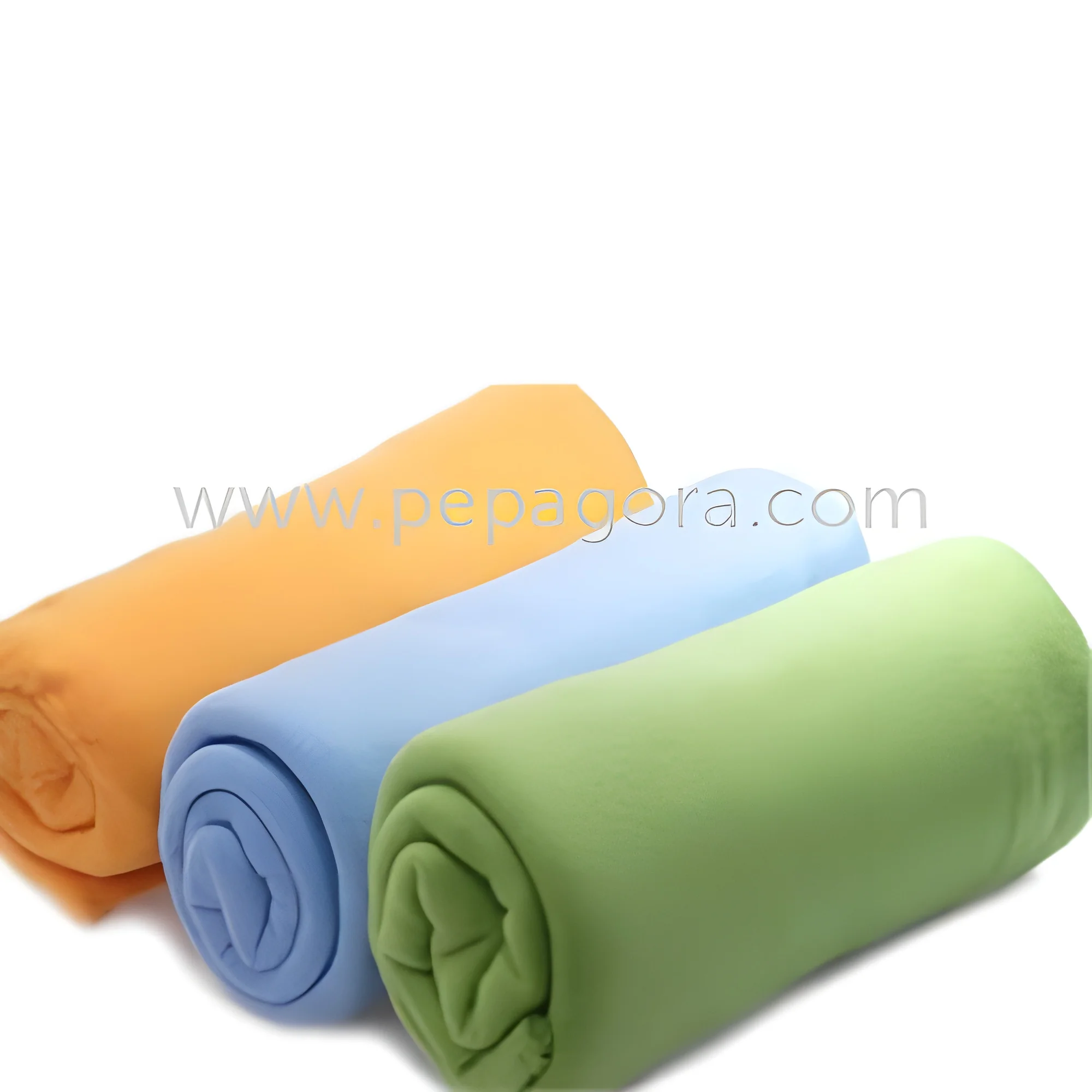
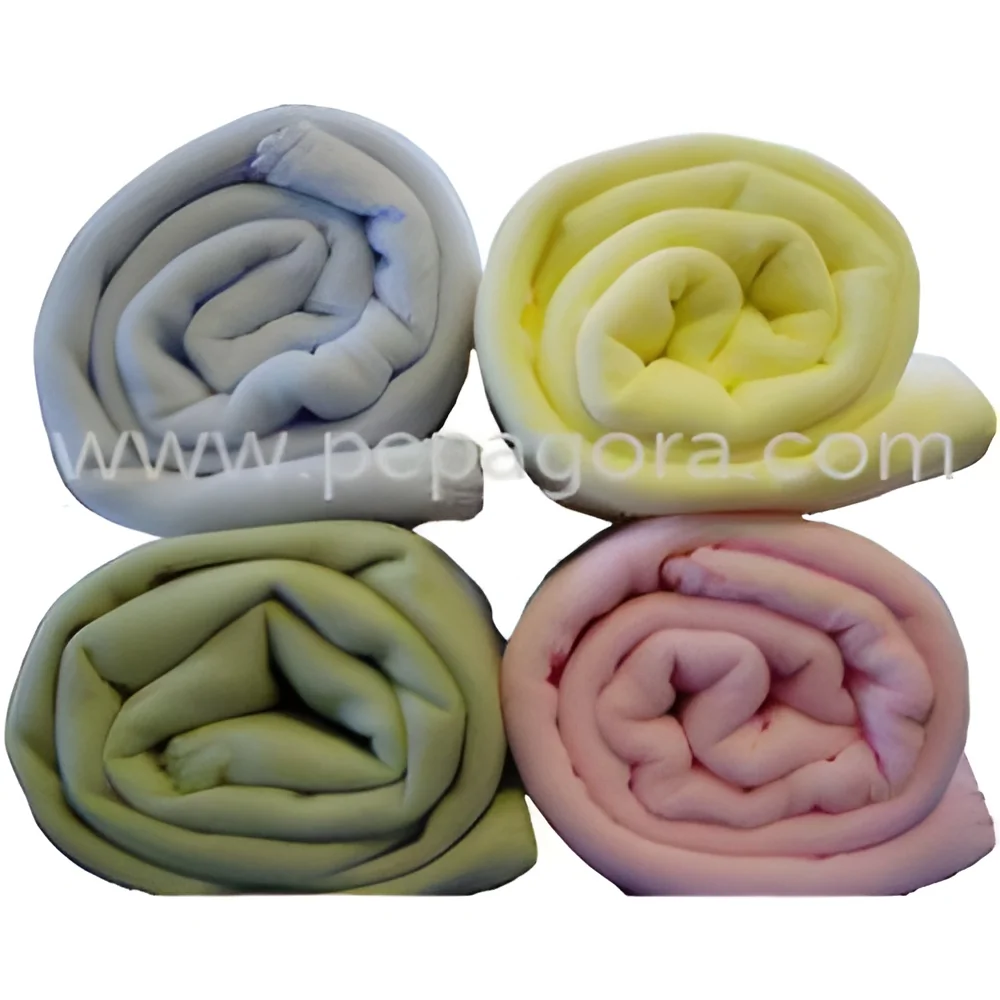
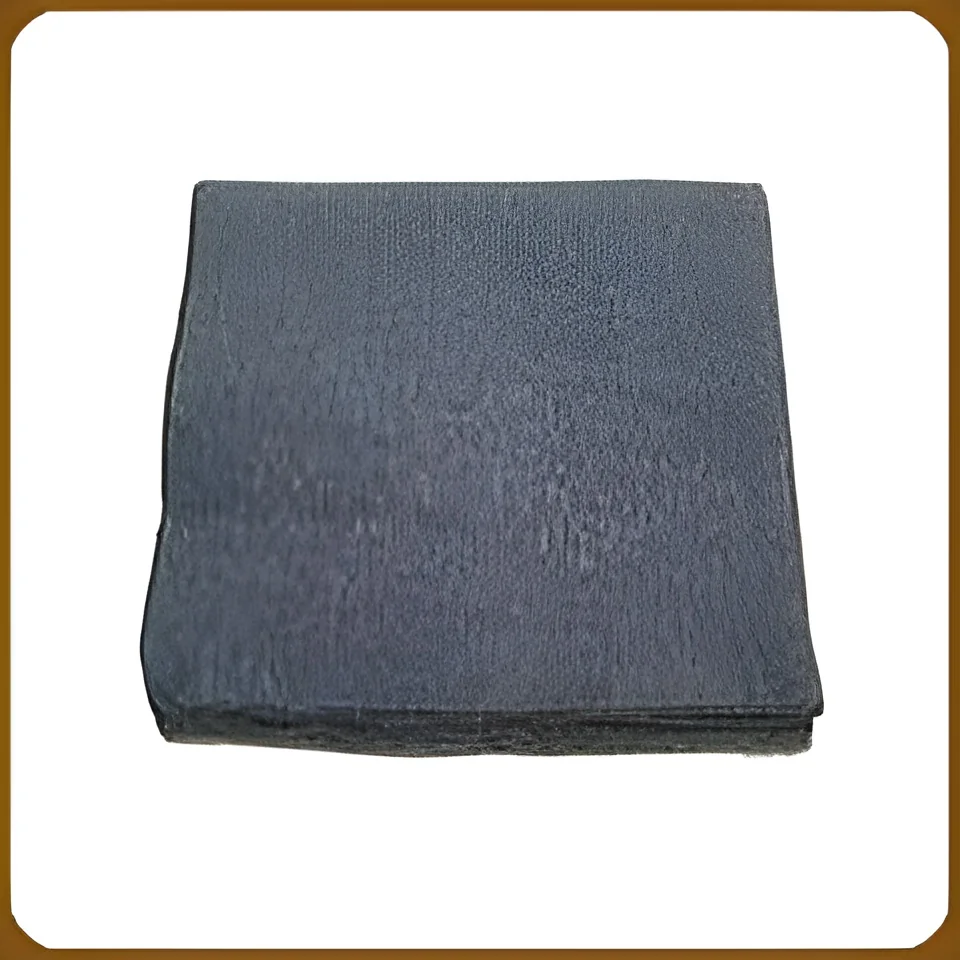
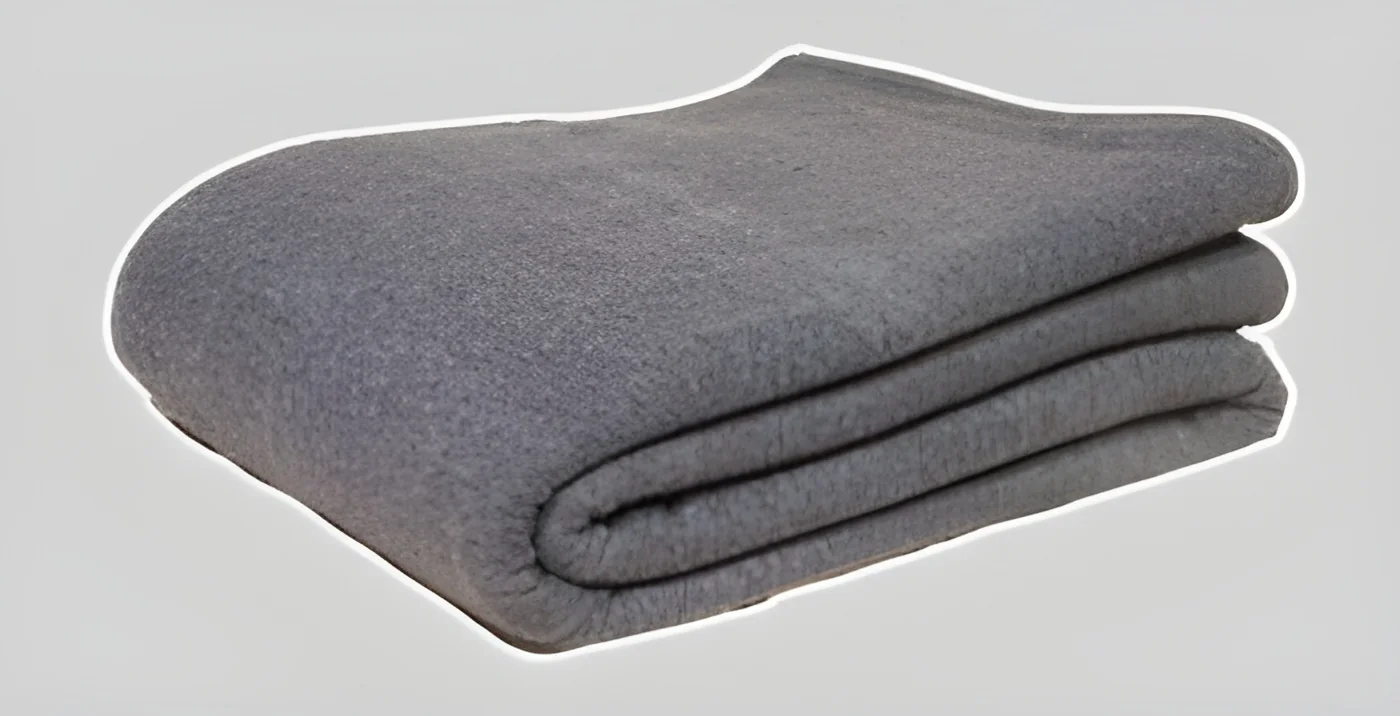
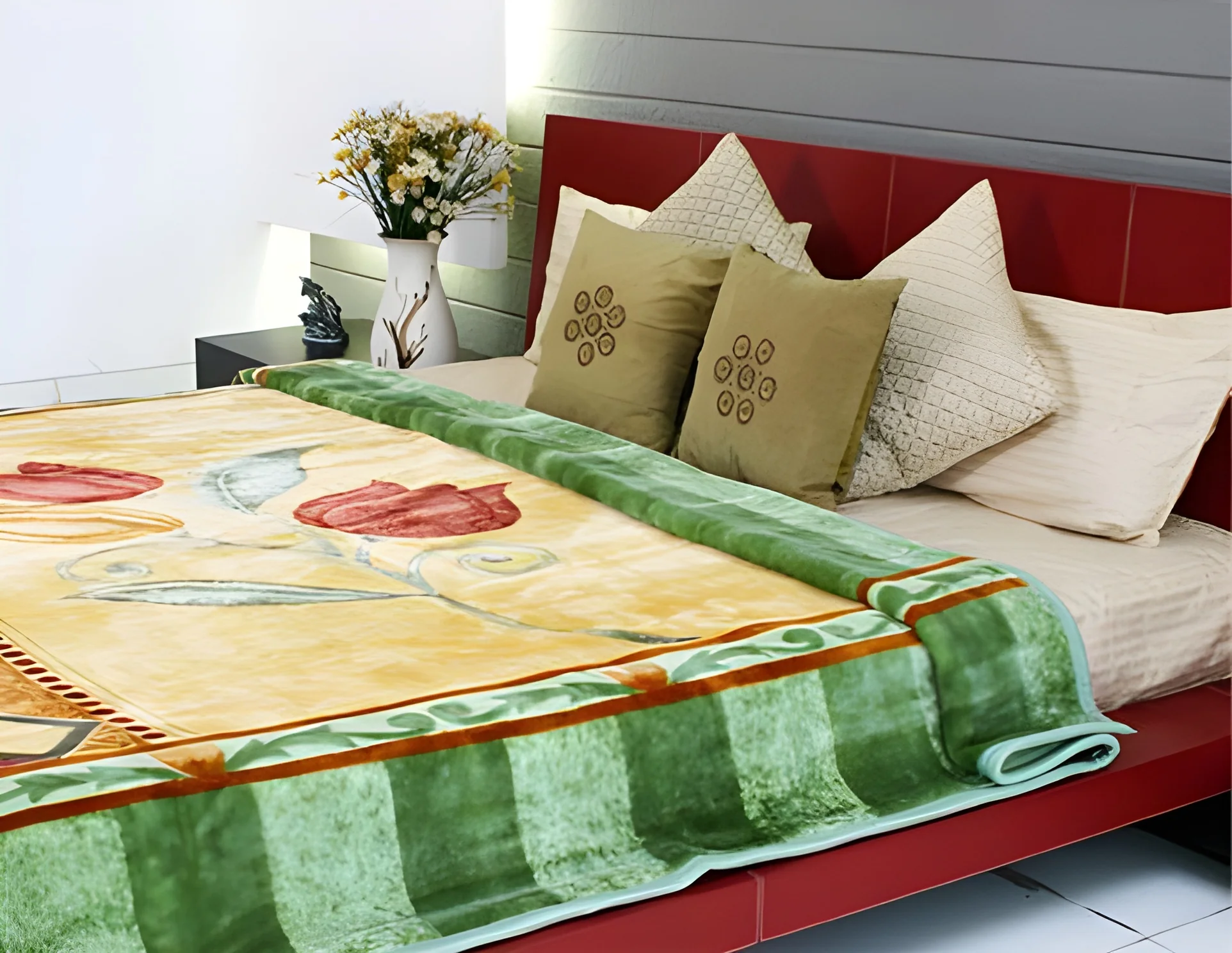
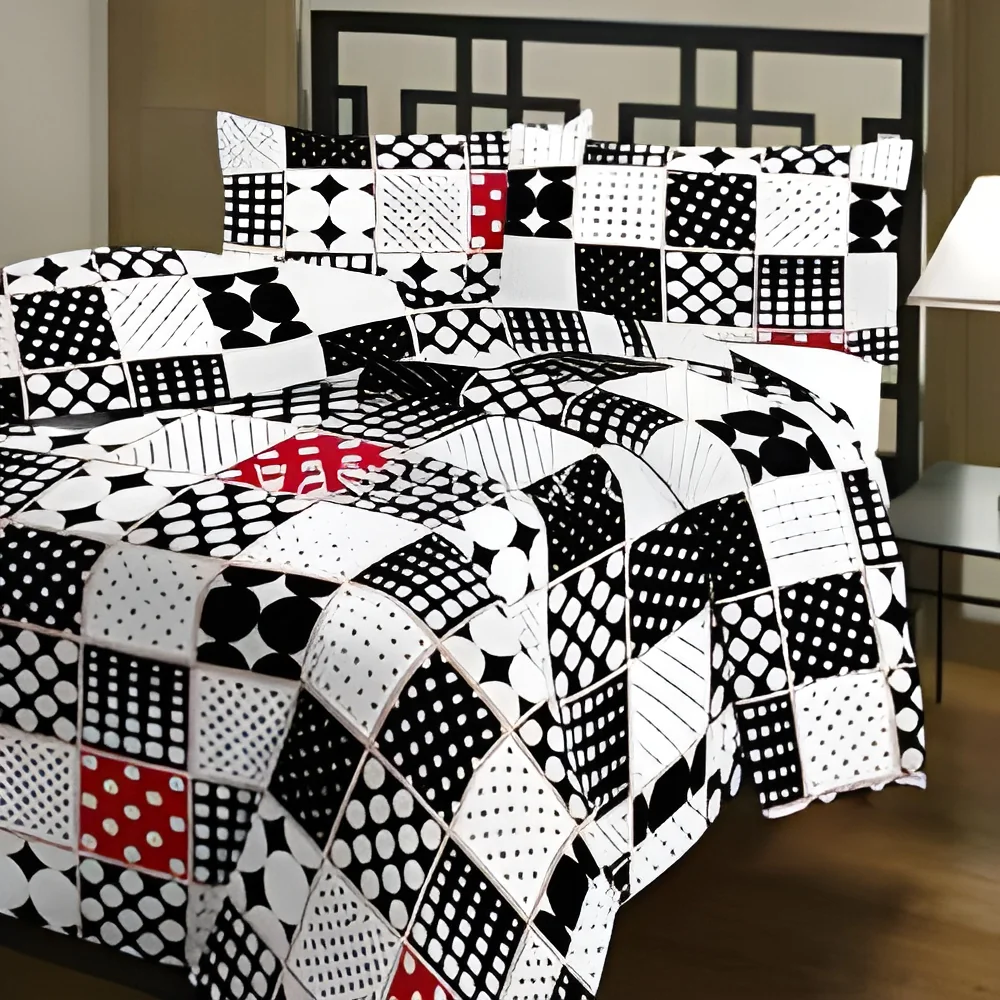
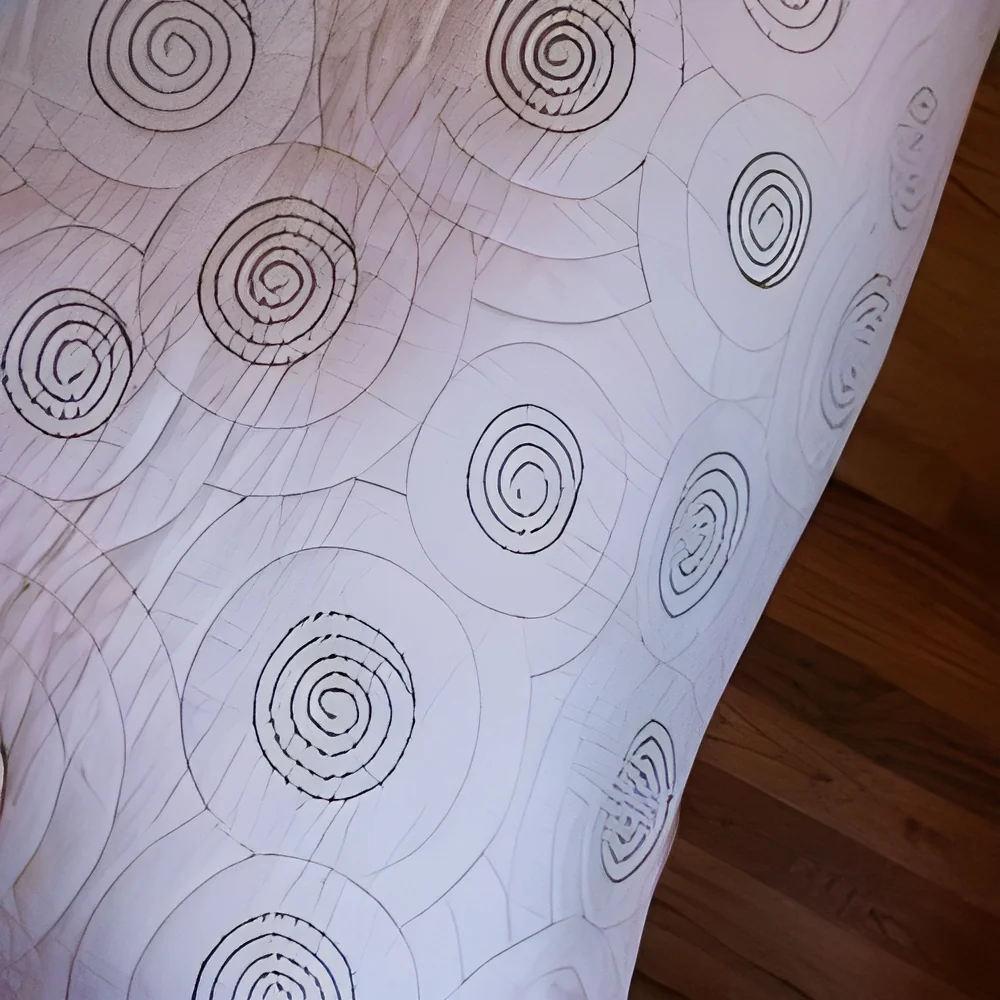
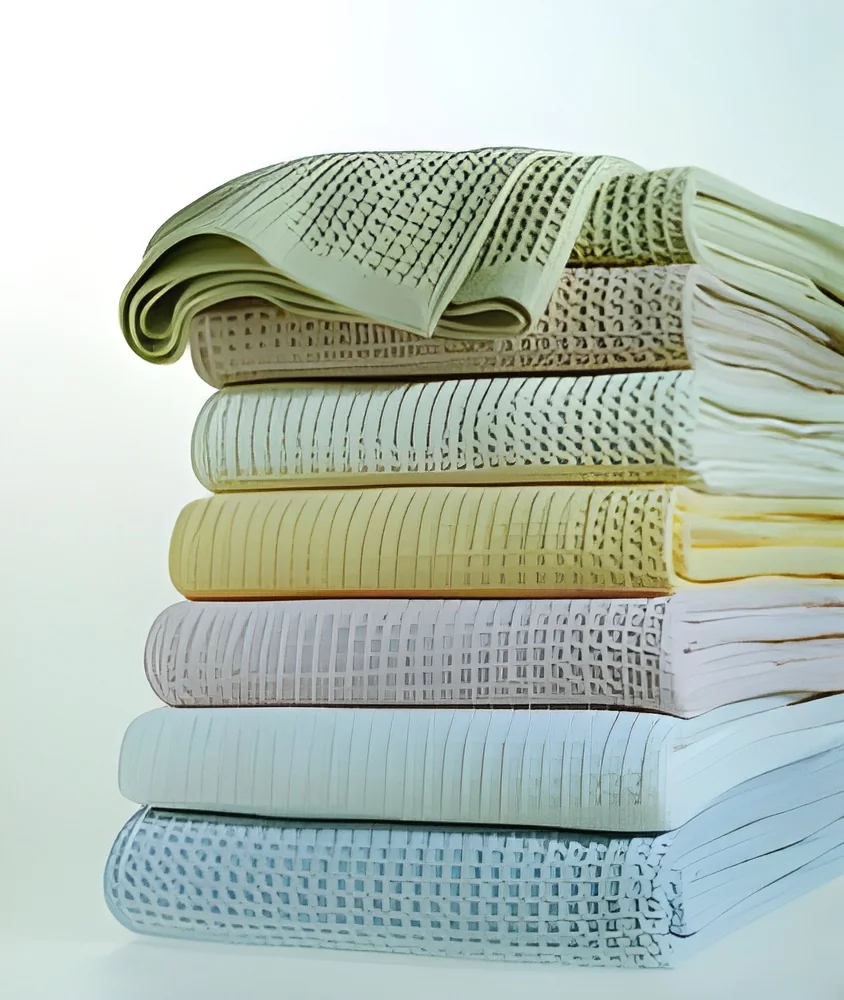
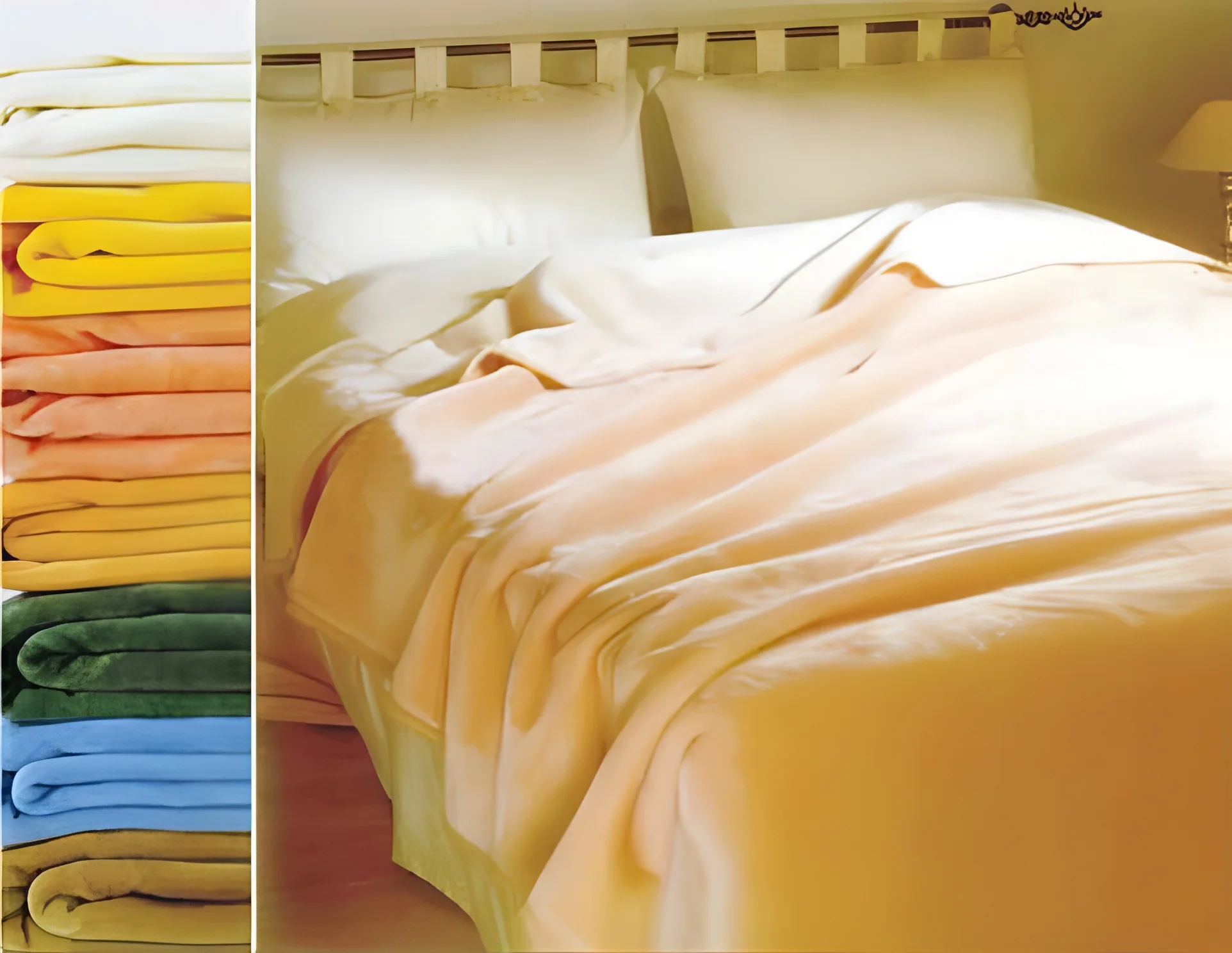
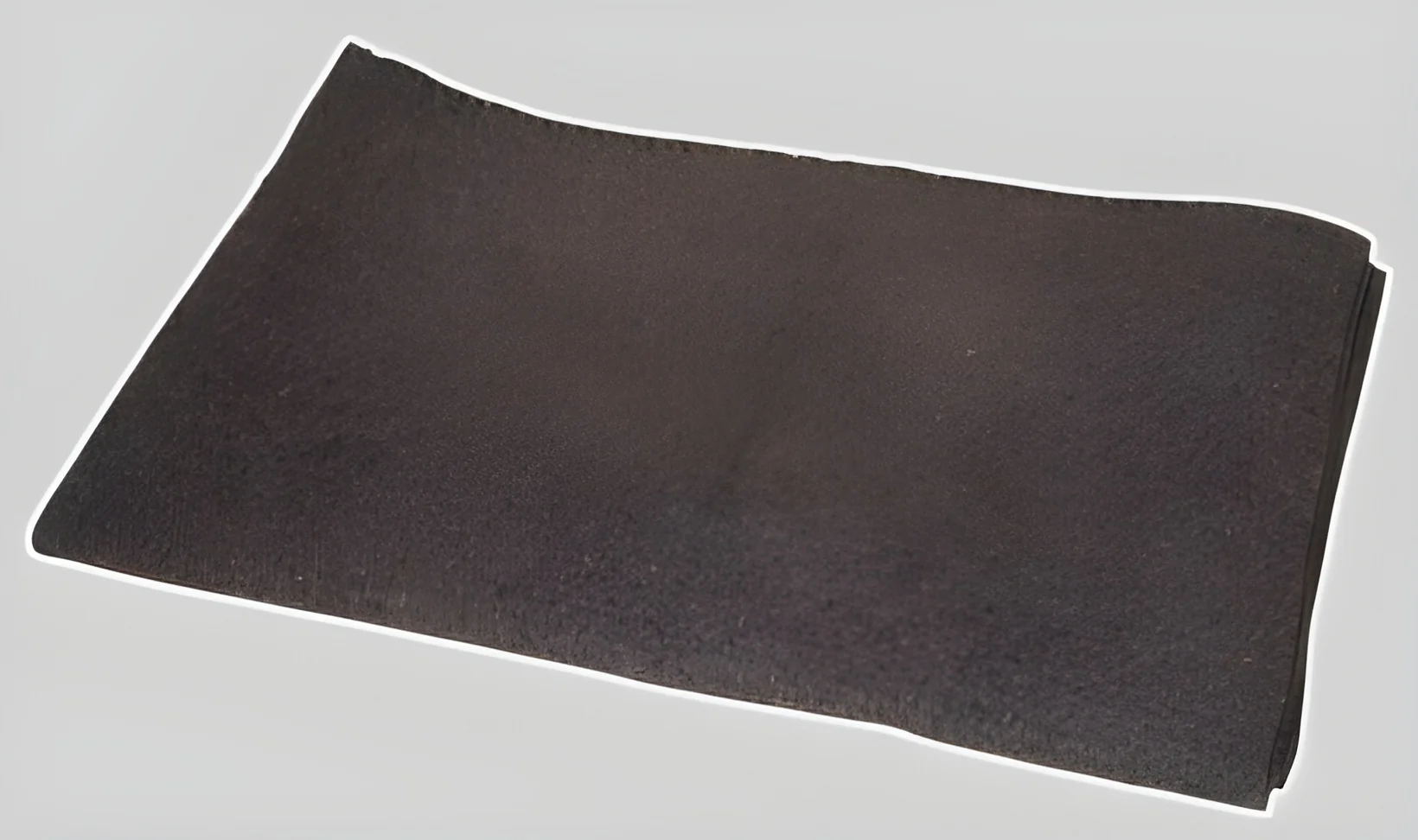
Blankets and quilts are essential textile products designed for warmth and comfort. Blankets are typically single-layered and can be made from various materials including wool, cotton, and synthetic fibers. They are often used as bed coverings or for extra warmth while lounging. Quilts, on the other hand, consist of three layers: a top fabric, a layer of insulating material in the middle, and a backing fabric. This construction not only provides warmth but also allows for intricate designs and patterns, making quilts popular for both functional and decorative purposes.
In business applications, blankets and quilts are frequently utilized in industries such as hospitality, healthcare, and retail. Hotels use blankets and quilts to enhance guest comfort, while hospitals often require them for patient care. Retailers offer these products as part of home textile collections. The demand for these items remains steady, driven by consumer needs for quality bedding solutions and the ongoing trend of home improvement.
The market for blankets and quilts is influenced by seasonal changes and consumer preferences for sustainable and high-quality materials. As consumers become more eco-conscious, there is a growing preference for organic and ethically sourced textiles. This trend is reflected in the offerings from manufacturers and suppliers in the industry, indicating a shift towards more sustainable product lines.
Key Features and Specifications
Blankets and quilts come with various features tailored to meet customer needs. When selecting these products, it is essential to consider their specifications to ensure they meet industry standards and customer expectations.
Key specifications include:
1. Material Composition
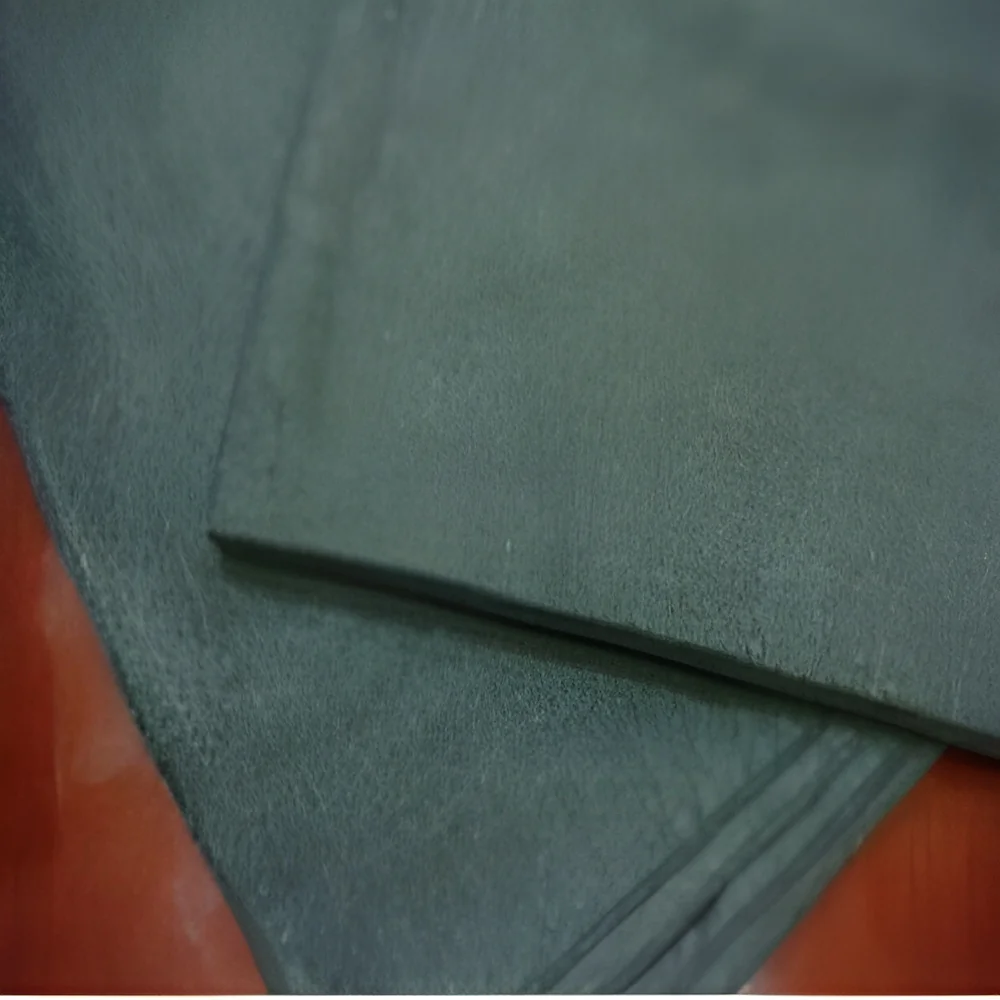
- Common materials include cotton, polyester, wool, and blends
- Each material offers different levels of warmth, breathability, and softness
2. Size Options
- Available in various sizes such as twin, full, queen, and king
- Ensures compatibility with standard bedding dimensions
3. Weight
- Generally ranges from lightweight to heavy
- Heavier options provide more warmth, while lighter options are ideal for warmer climates
4. Care Instructions
- Machine washable or dry clean only options
- Durability and ease of maintenance are vital for commercial use
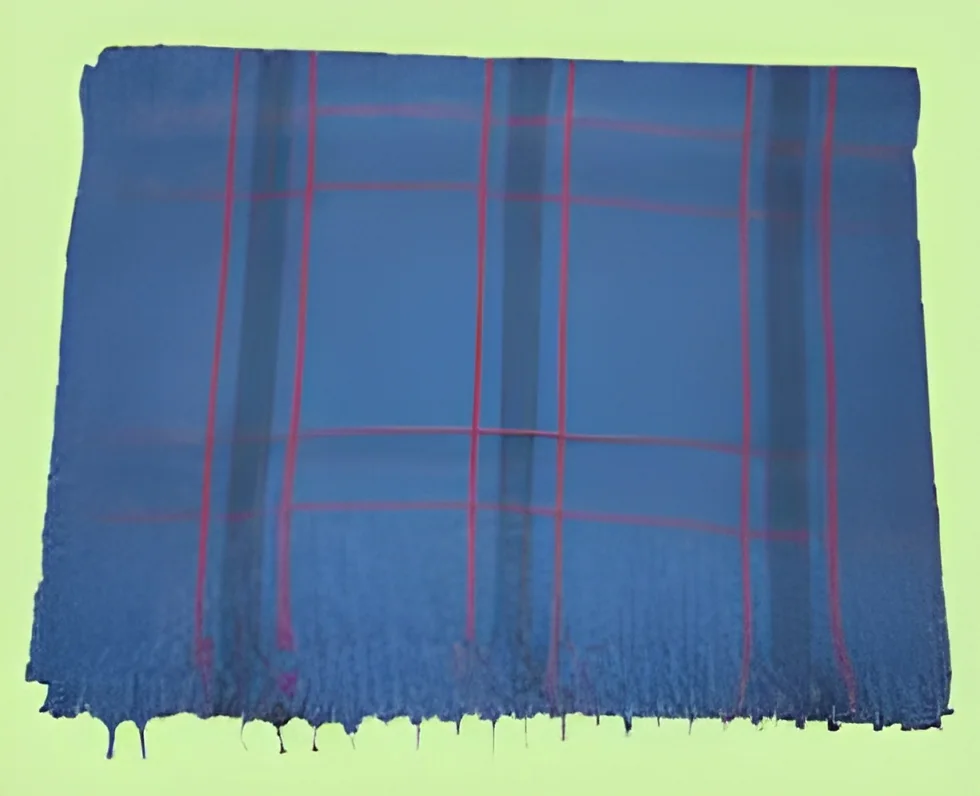
5. Design and Patterns
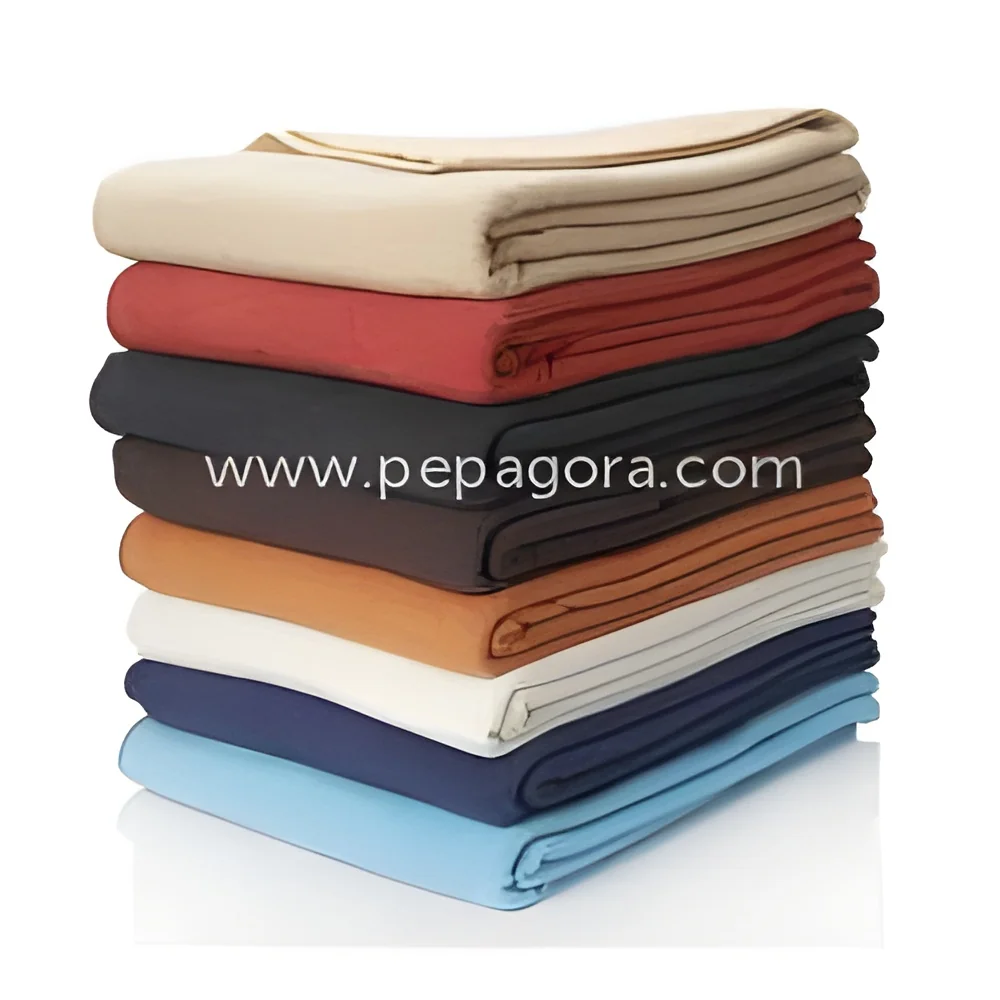
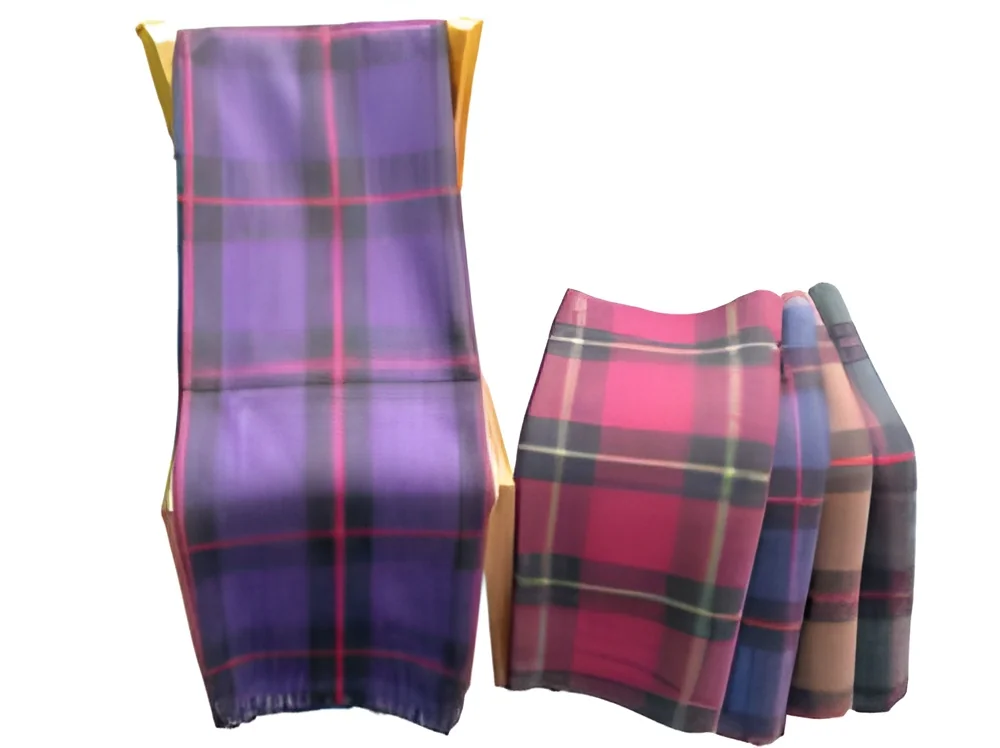
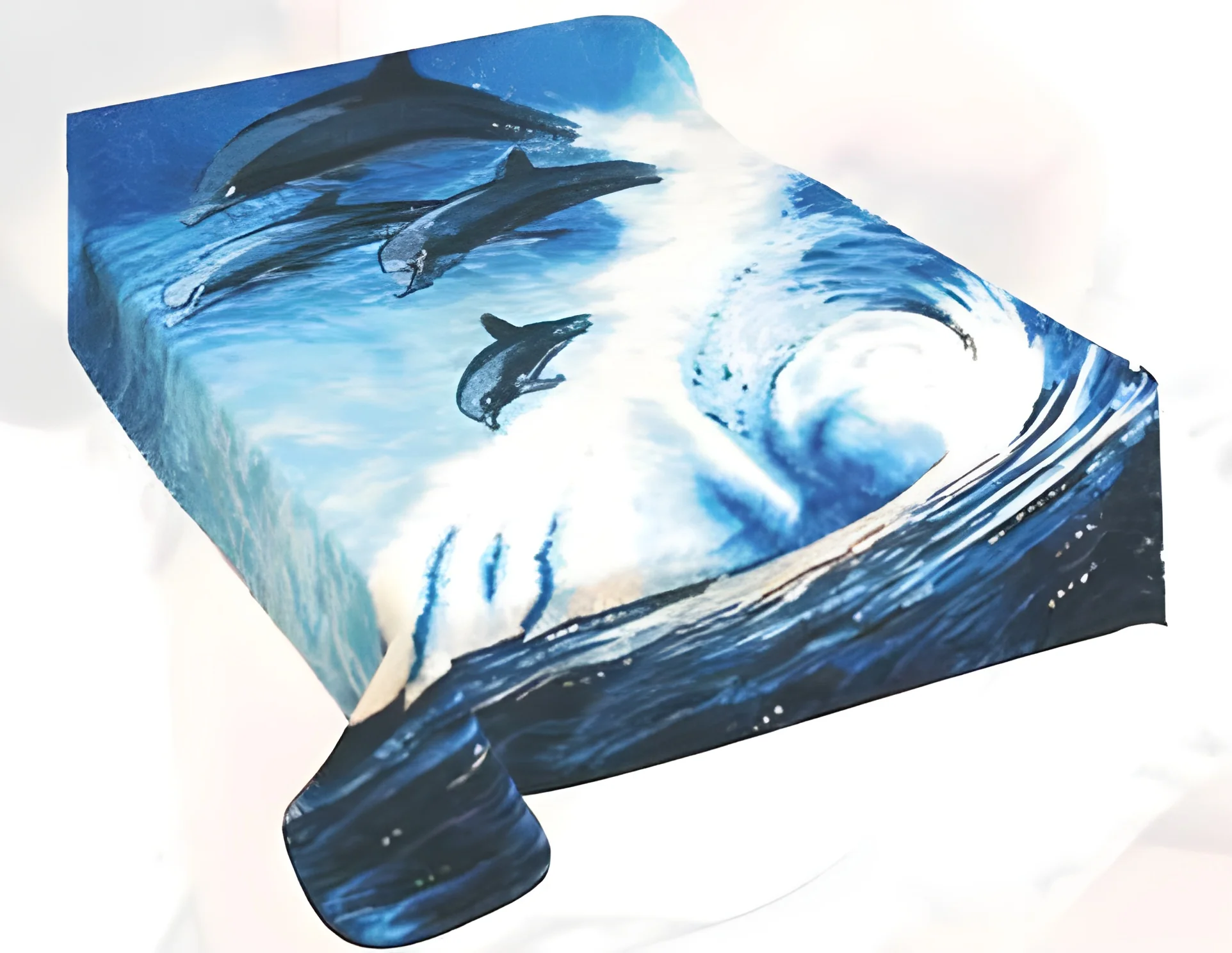
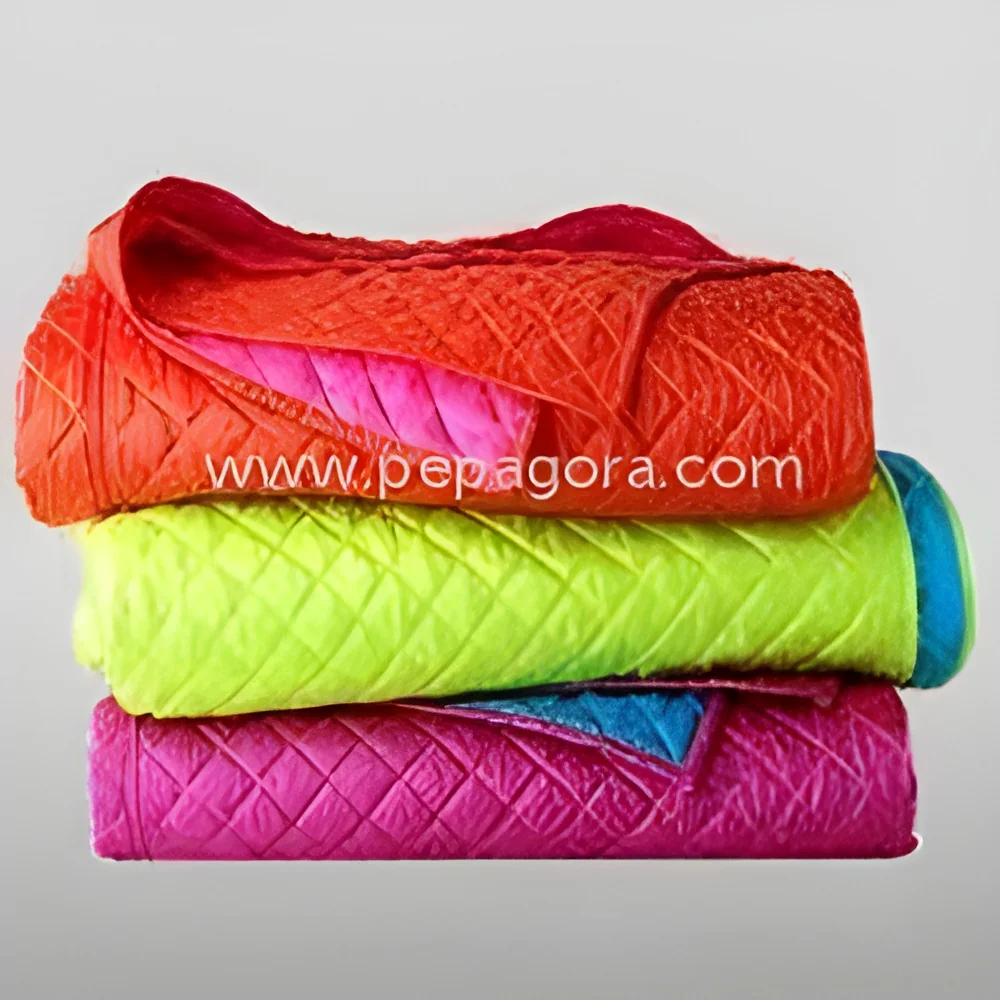
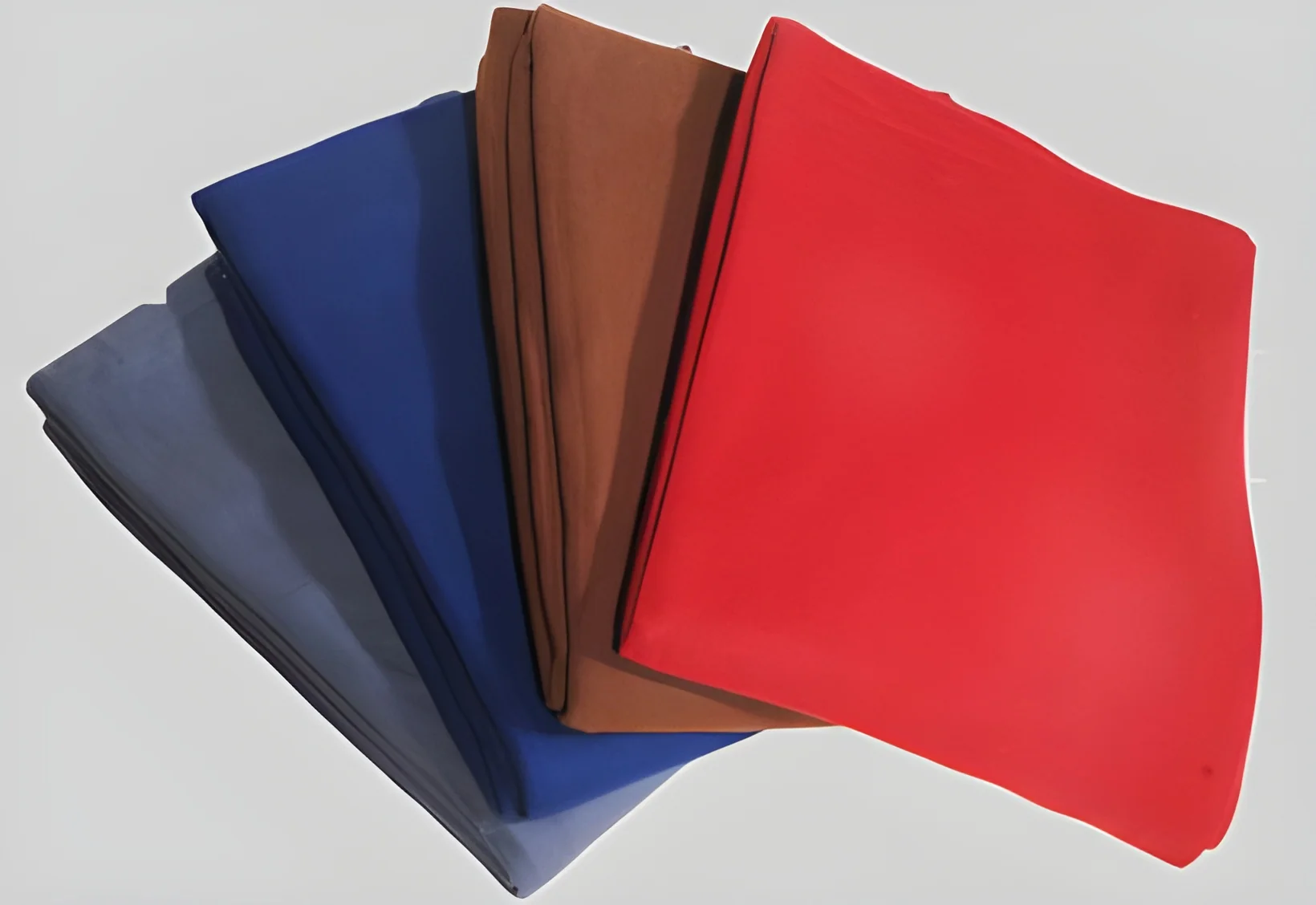
- Available in a wide range of colors and patterns
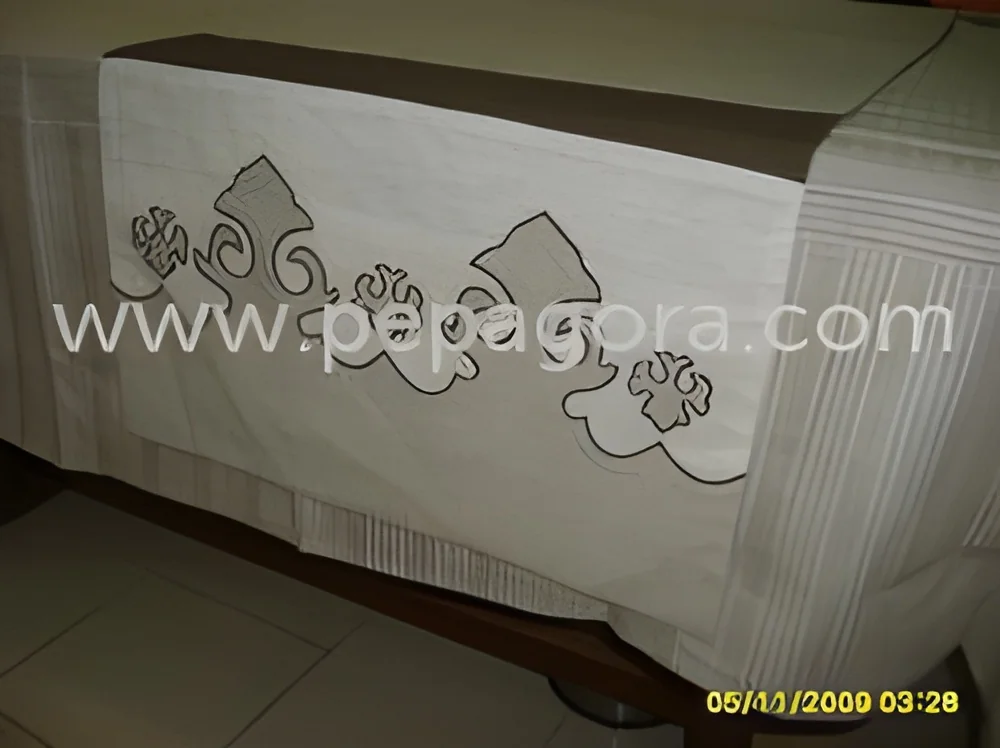
- Custom designs may be offered for branding purposes
6. Insulation Type
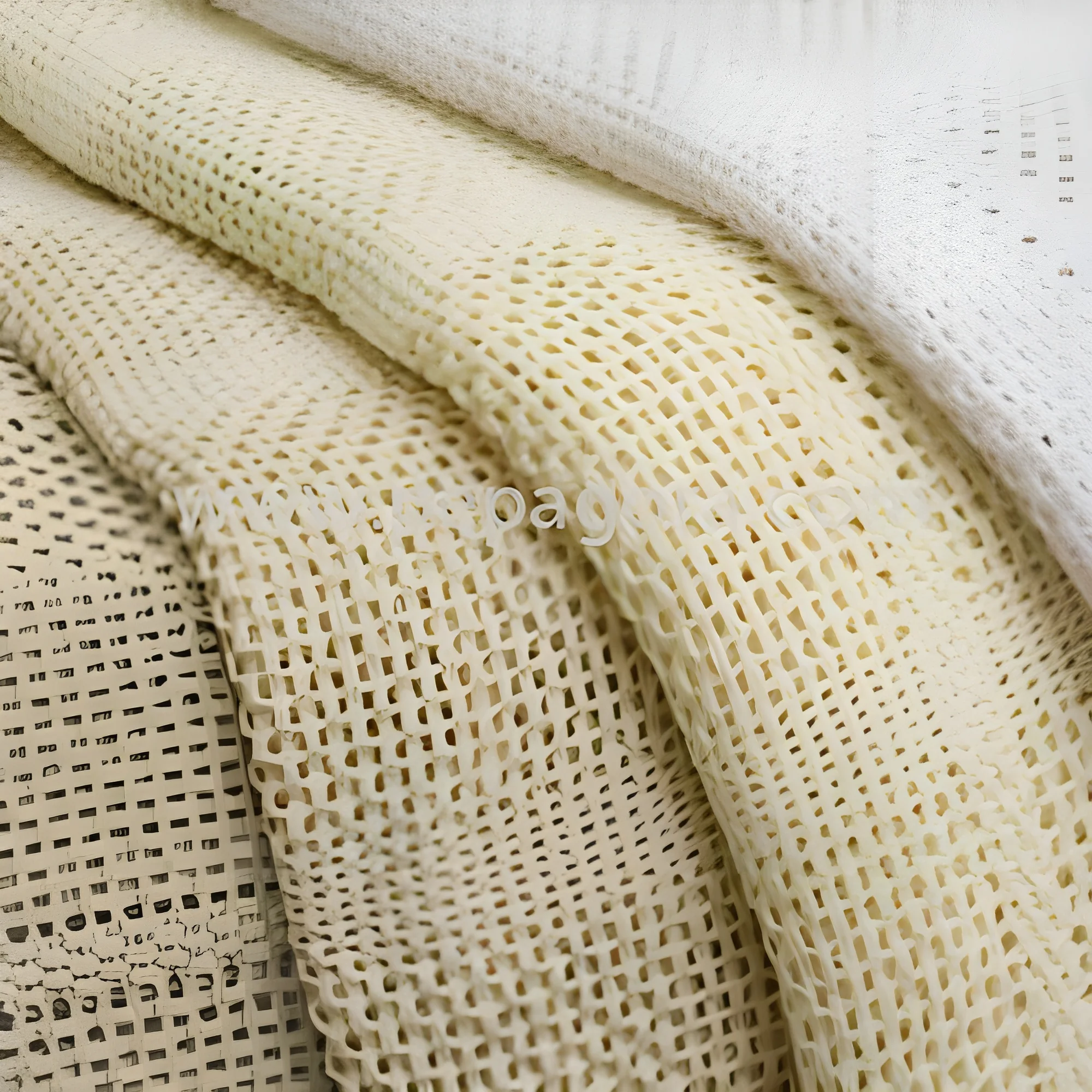
- Different insulation materials like polyester fill, down feathers, or cotton batting
- Impacts warmth retention and weight of the product
7. Durability
- Resistance to wear and tear, especially in commercial settings
- Higher durability ratings are preferred for frequent use
8. Compliance and Certifications
- Certifications such as CE indicate adherence to safety standards
- Compliance with industry regulations is essential for market acceptance
These specifications highlight the variety and versatility of blankets and quilts, making them suitable for different applications across various industries.
Common Applications and Use Cases
Blankets and quilts serve a multitude of industries, each with specific applications that enhance functionality and comfort.
1. Hospitality: Hotels and resorts utilize blankets and quilts to provide guests with a cozy and inviting experience. They are essential for bedding ensembles in guest rooms and are often selected for their aesthetic appeal.
2. Healthcare: Hospitals and care facilities require high-quality blankets and quilts for patient care. These products must be easy to clean and maintain while providing comfort to patients.
3. Retail: Home textile retailers offer a wide range of blankets and quilts to consumers. Seasonal collections often feature new designs and materials to attract buyers looking to refresh their home decor.
4. Education: Schools and universities use blankets for dormitory bedding and common areas, ensuring a comfortable environment for students.
5. Outdoor Recreation: Camping and outdoor enthusiasts rely on specialized blankets for warmth during colder nights. These products often feature waterproof or durable materials.
6. Corporate Gifting: Companies may use customized blankets and quilts as promotional items, offering them as gifts to clients or employees for branding purposes.
7. Emergency Services: Blankets are crucial in emergency response situations. They provide warmth and comfort to individuals in distress or disaster situations.
Product Variants and Subcategories
The diversity within the blankets and quilts market caters to varying consumer preferences and needs.
Lightweight Blankets
Lightweight blankets are ideal for warmer climates or as layering options. They offer breathability and comfort without excessive warmth, making them suitable for summer use or for those who prefer lighter bedding.
Thermal Blankets
These blankets are designed to provide maximum warmth. Often made from heavier materials, thermal blankets are perfect for colder environments and are commonly used in both residential and commercial settings.
Decorative Quilts
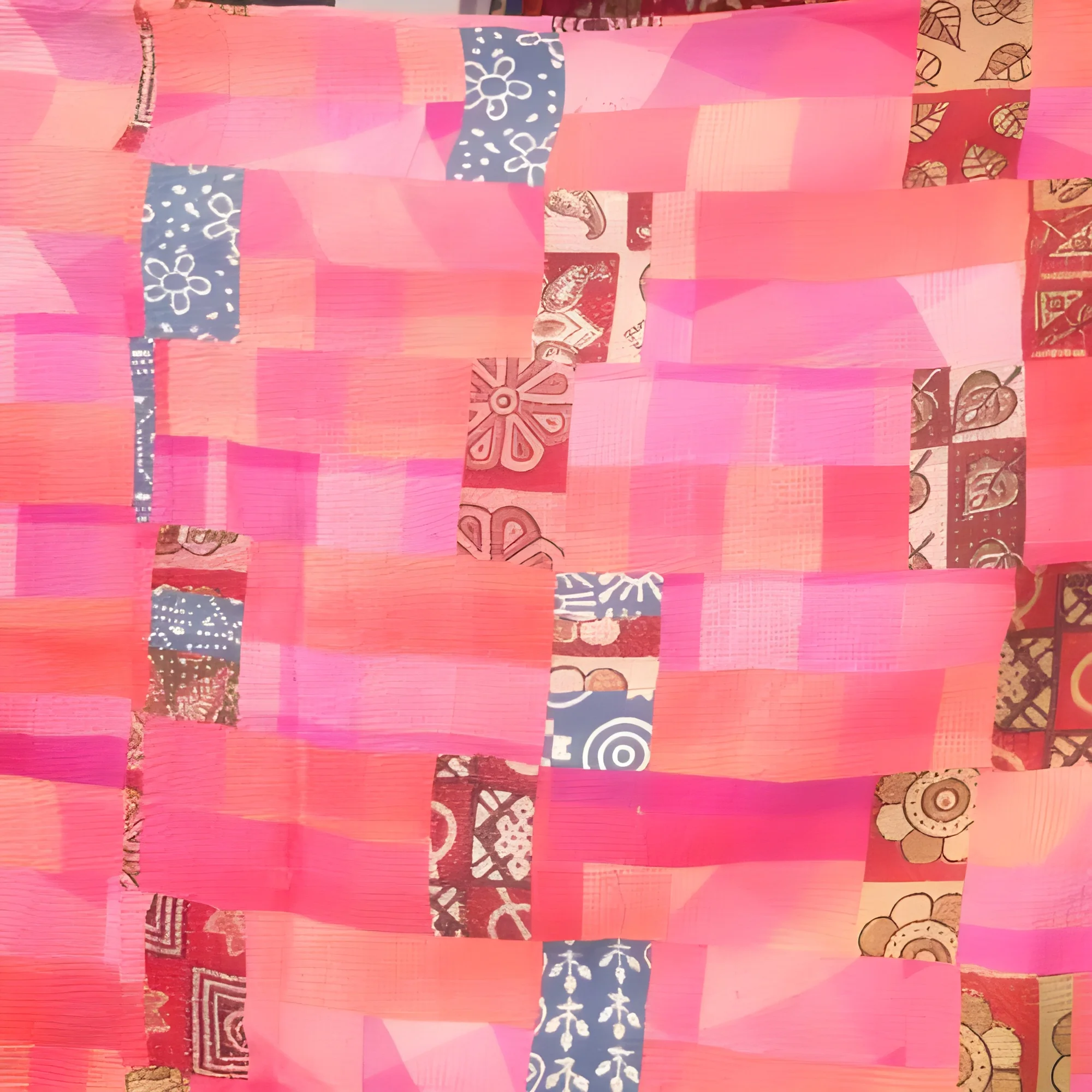
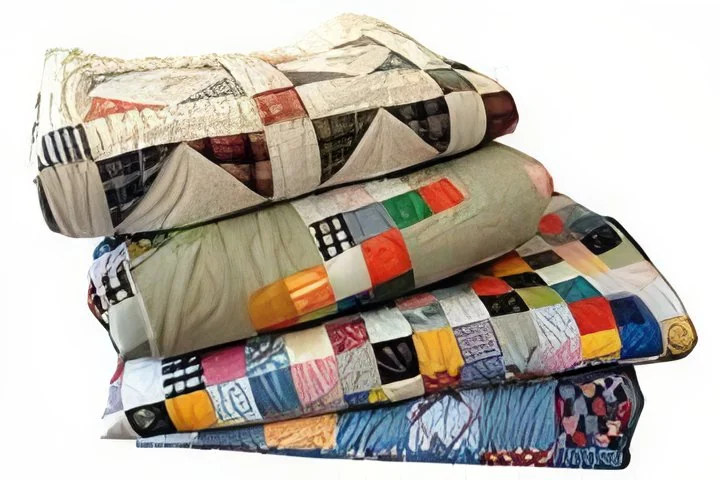
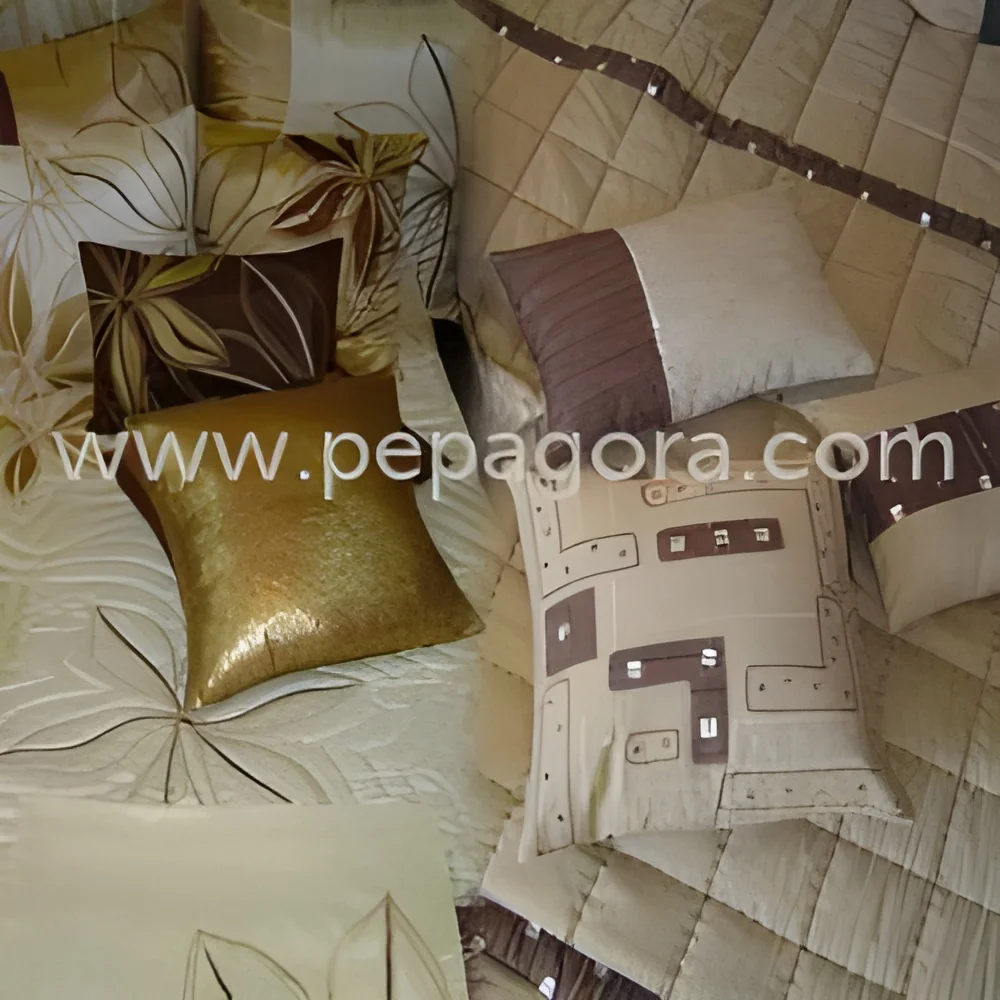
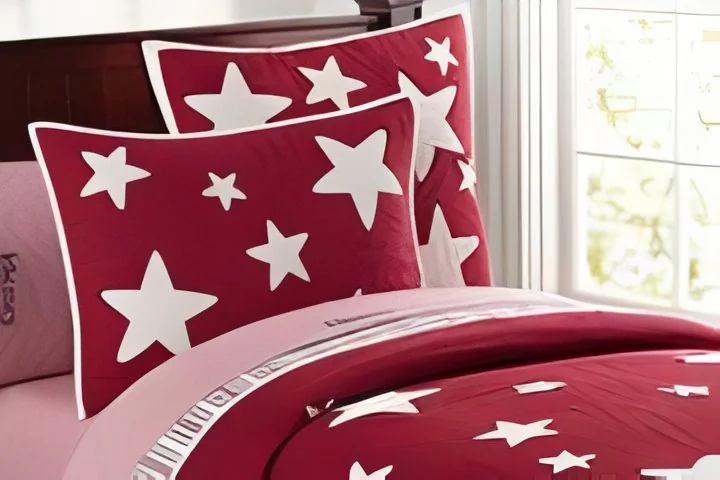
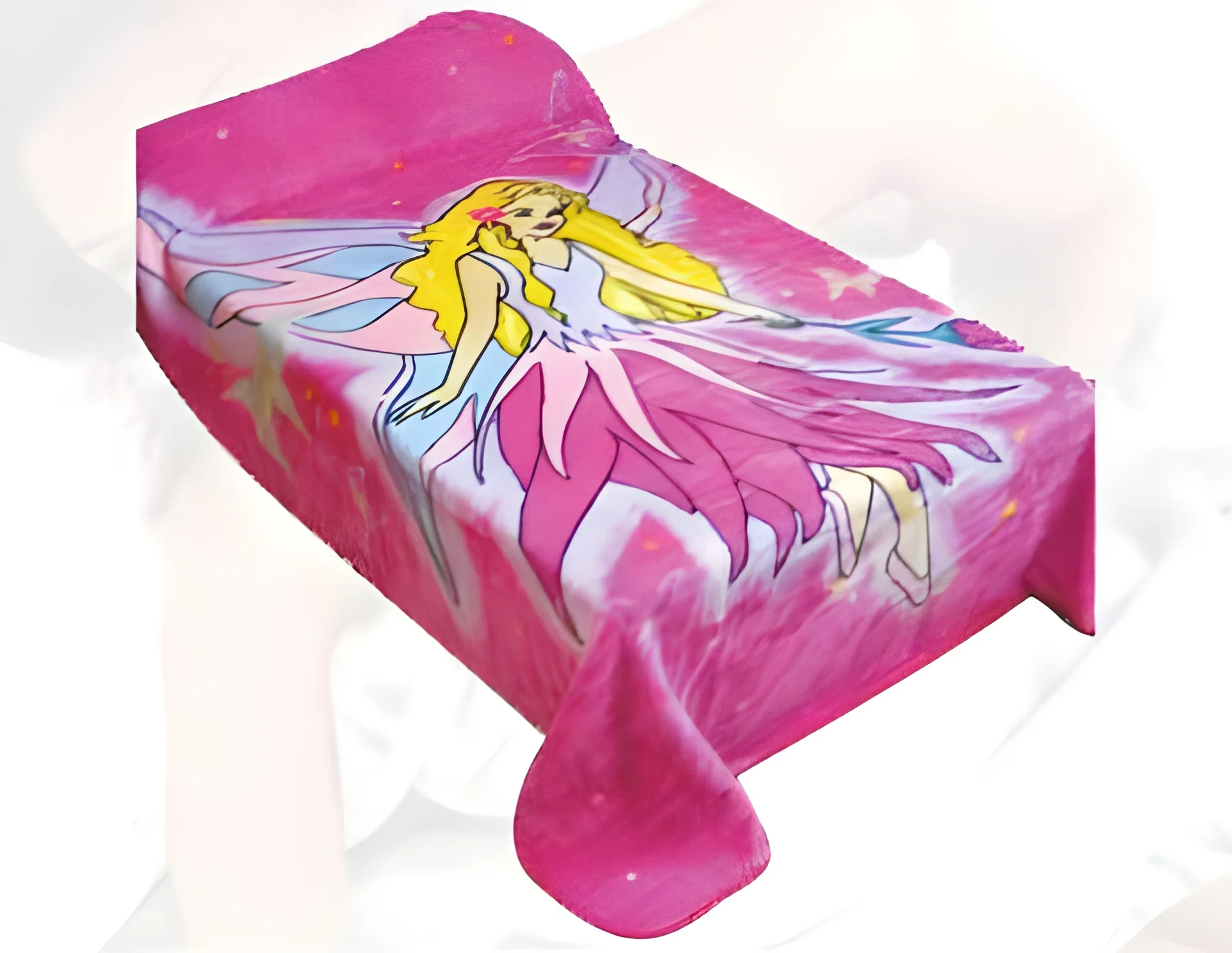
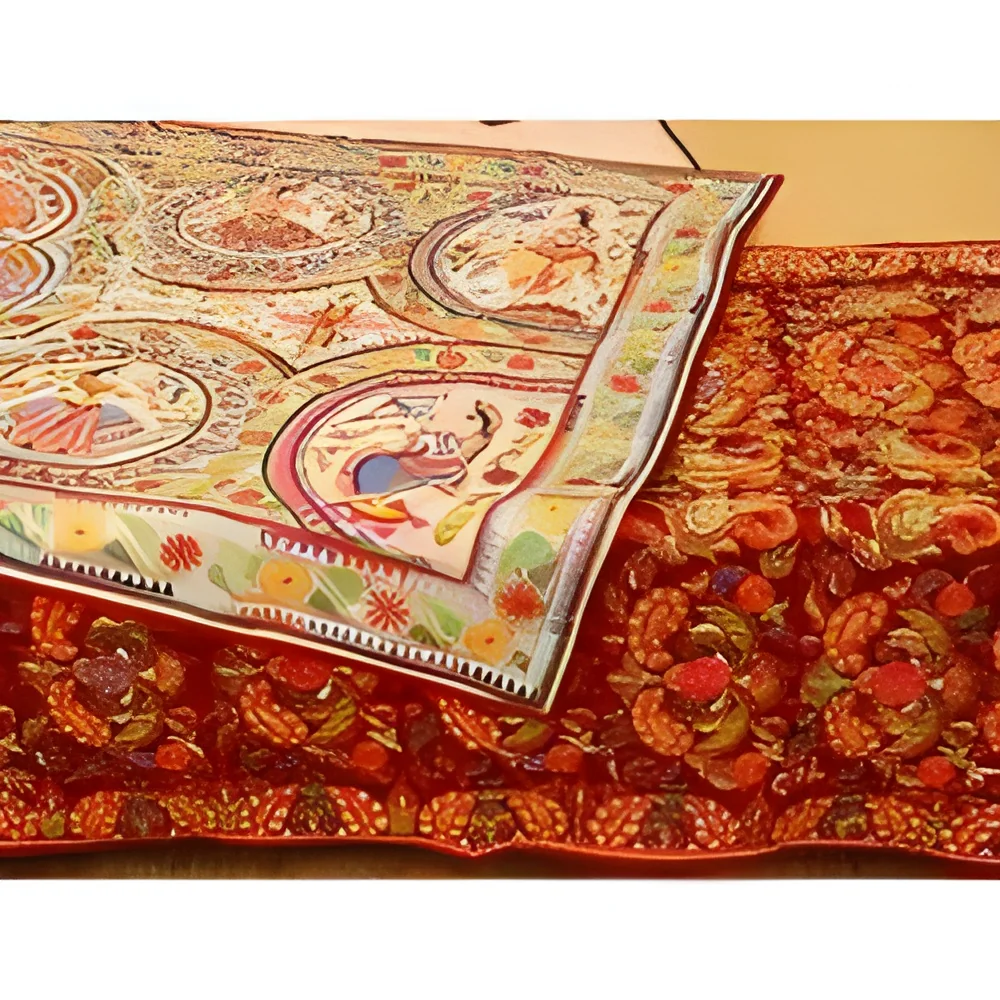
Decorative quilts serve both functional and aesthetic purposes. They can enhance the visual appeal of a room while providing warmth. Often used as bedspreads or wall hangings, these quilts come in a variety of artistic designs.
Electric Blankets
Electric blankets have built-in heating elements, allowing users to adjust warmth levels. These are popular in colder climates and provide an added layer of comfort during winter months.
Benefits and Advantages
Choosing the right blankets and quilts offers numerous benefits that extend beyond mere warmth and comfort.
1. Enhanced Comfort: High-quality blankets and quilts provide superior comfort, ensuring restful sleep and relaxation.
2. Versatility: These products can be used in various settings, from homes to hotels, making them a versatile choice for different industries.
3. Aesthetic Appeal: With numerous designs and colors available, blankets and quilts can enhance the decor of any space, making them a favored choice for interior design.
4. Insulation Properties: Many blankets and quilts are designed to provide excellent insulation, keeping users warm in colder conditions while remaining breathable.
5. Easy Maintenance: Many modern blankets and quilts are machine washable, simplifying care and maintenance and making them suitable for busy environments.
6. Customization Options: Businesses can often customize blankets and quilts with logos or specific designs, allowing for branding opportunities and personalized gifts.
Buying Guide for B2B Buyers
When sourcing blankets and quilts for business purposes, several factors should be considered to ensure quality and compliance.
1. Quality Assessment: Evaluate the materials and construction of the blankets and quilts. Look for products that meet industry standards for durability and comfort.
2. Supplier Verification: Vet potential suppliers by checking their reputation, certifications, and customer reviews. Ensure they have a reliable track record in the industry.
3. Pricing and MOQ: Understand the pricing structure and minimum order quantities (MOQ) required by suppliers. Compare prices from different sources to find the best value.
4. Delivery and Lead Times: Confirm delivery schedules and lead times to ensure timely availability of products. Consider logistics and shipping options for efficient procurement.
5. Compliance Requirements: Ensure that the blankets and quilts meet local regulatory standards and certifications, such as CE. This is particularly important in industries like healthcare.
Compliance and Certifications
Quality standards for blankets and quilts are crucial in ensuring safety and reliability. Compliance with ISO 9001 standards is often sought, which focuses on effective quality management systems. This certification helps manufacturers provide consistent quality in their products.
CE certification is also important, particularly for products sold in European markets. It indicates that the products meet health, safety, and environmental protection standards.
In addition to these certifications, blankets and quilts may need to undergo safety and testing requirements to ensure they are free from harmful substances. This is especially critical in industries such as healthcare and hospitality, where product safety is paramount.
Regional compliance considerations may vary, and businesses should be aware of local regulations that apply to textiles. Ensuring compliance minimizes risks associated with product recalls and enhances consumer trust.
Why Source Blankets & Quilts from Pepagora?
Pepagora provides a trusted platform for sourcing blankets and quilts with several key advantages that benefit B2B buyers.
Verified Supplier Network: Pepagora connects buyers with verified suppliers who have undergone rigorous vetting. This ensures reliability and quality in sourcing products.
Streamlined RFQ Process: The Request for Quotation (RFQ) system simplifies the procurement process. Buyers can easily request quotes from multiple suppliers, facilitating comparison and informed decision-making.
Trade Assurance and Support: Pepagora offers trade assurance, providing buyers with protection throughout the purchasing process. This includes support for any disputes or issues that may arise.
Regional Coverage: With a strong presence in India, the GCC, and Southeast Asia, Pepagora ensures that buyers have access to a wide range of products and suppliers, catering to various market needs.
By choosing Pepagora, businesses can streamline their sourcing process and ensure they receive high-quality blankets and quilts that meet their specific requirements.

 IN
IN