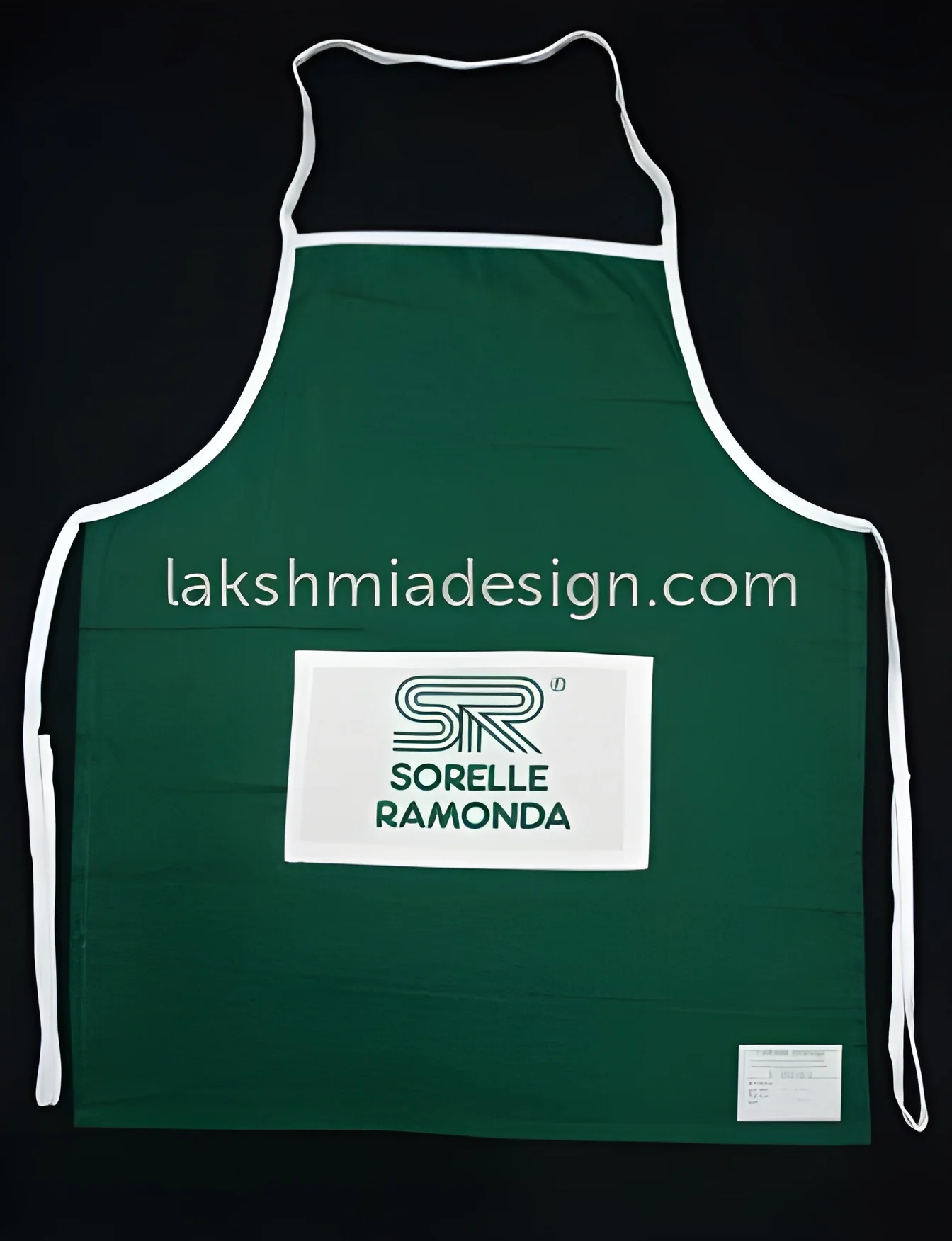
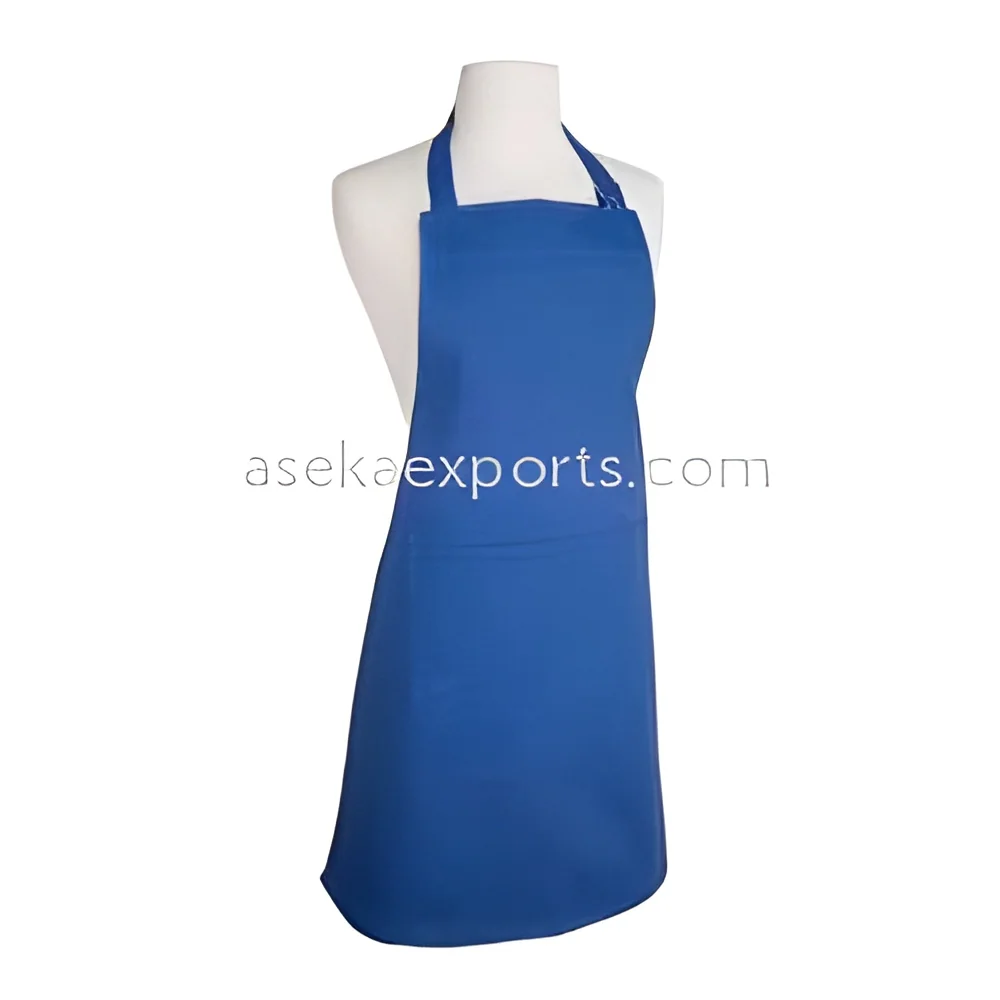
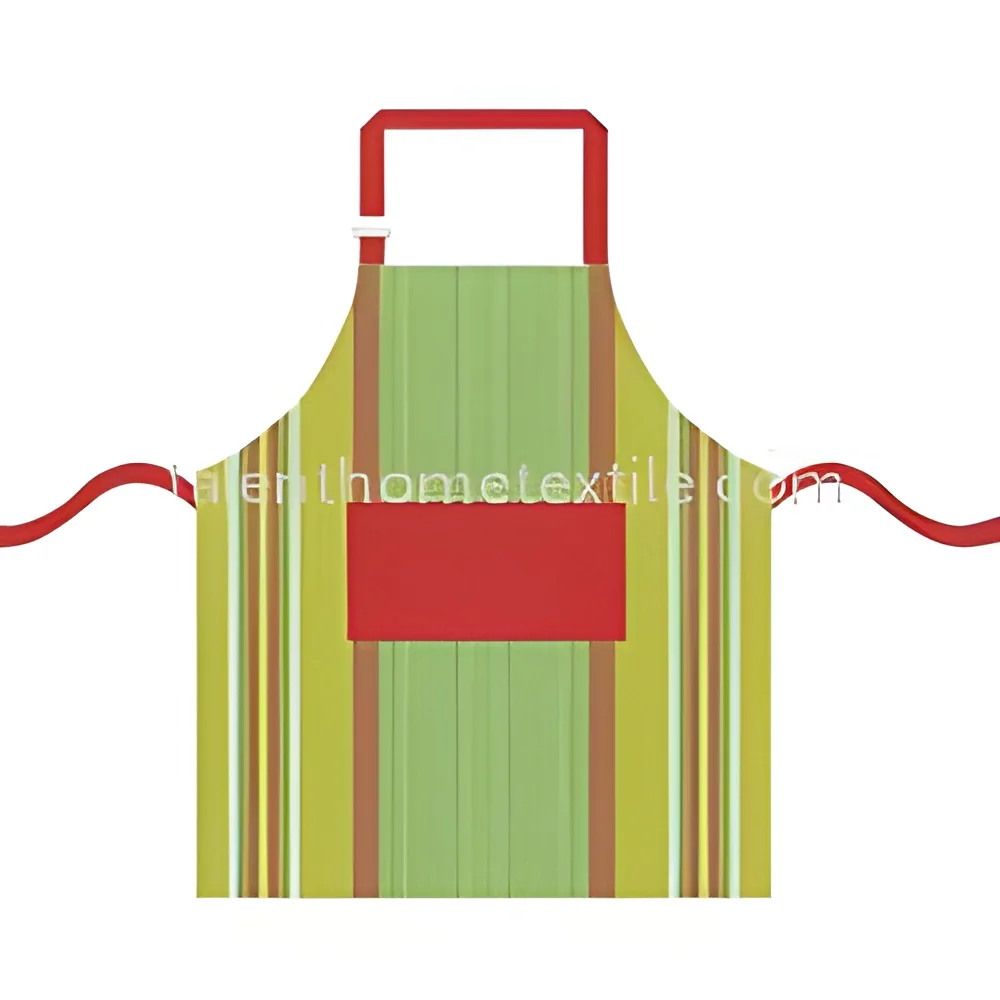
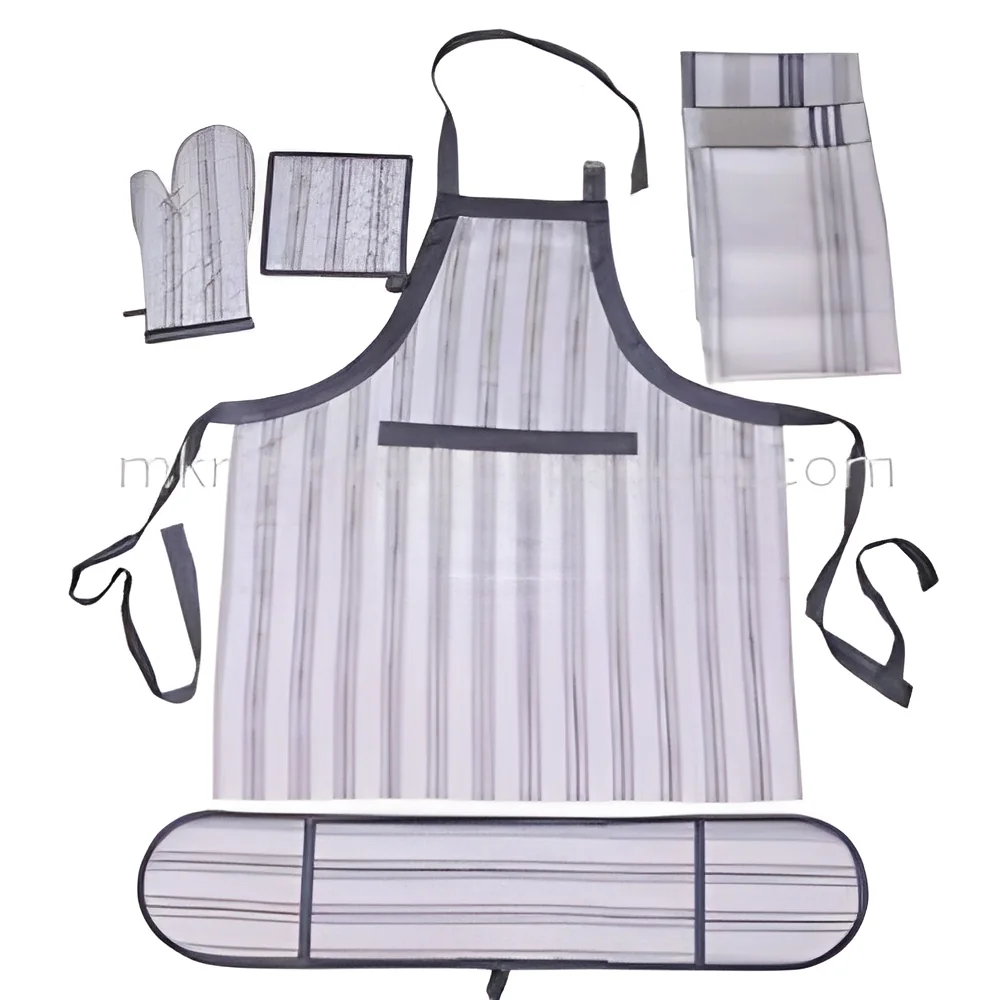
What are Aprons & Kitchen Towels?
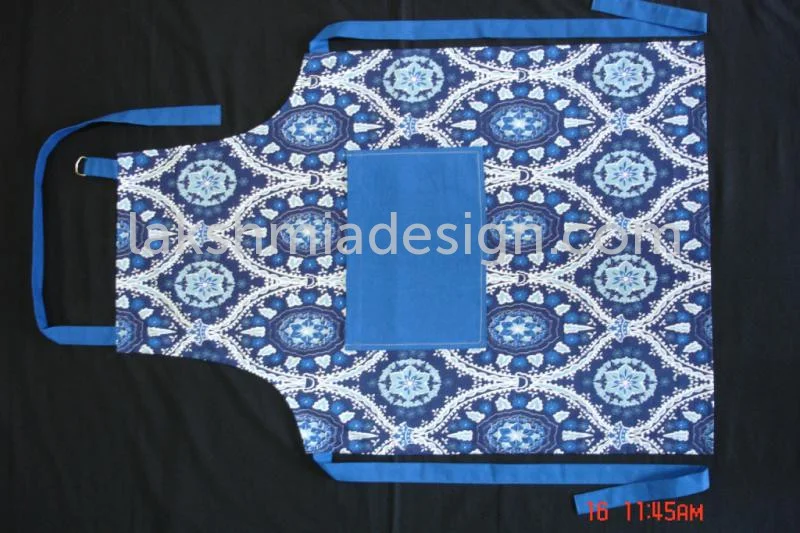
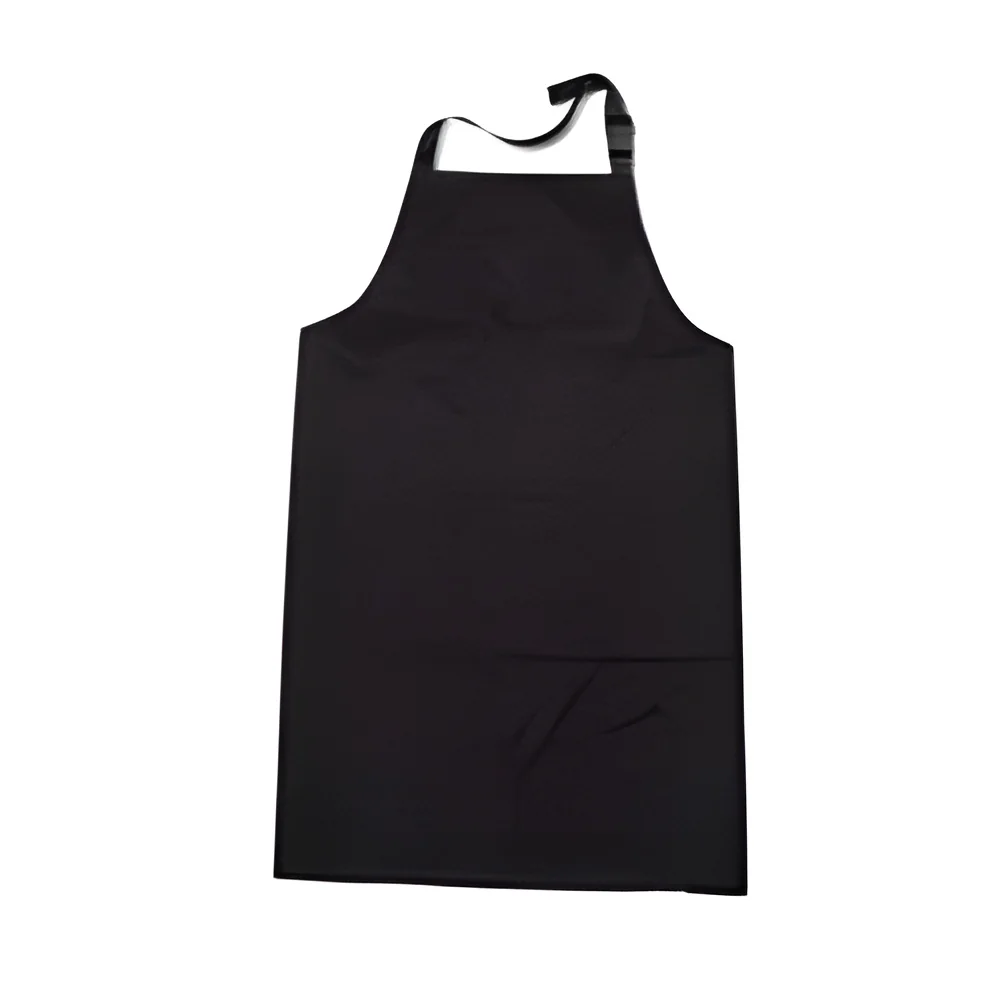
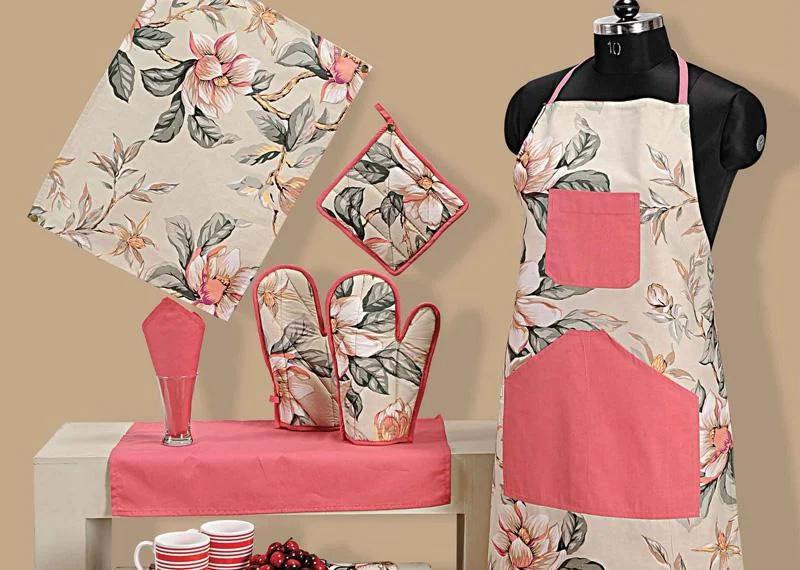
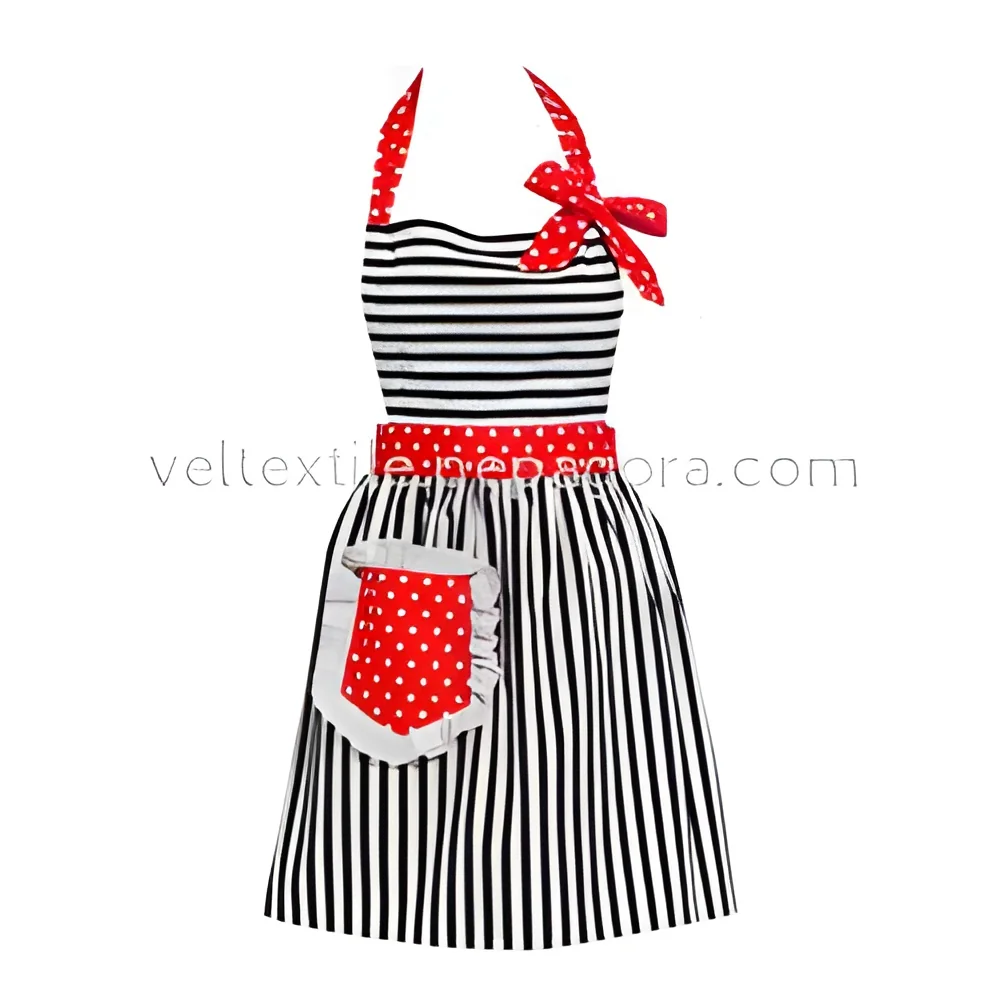
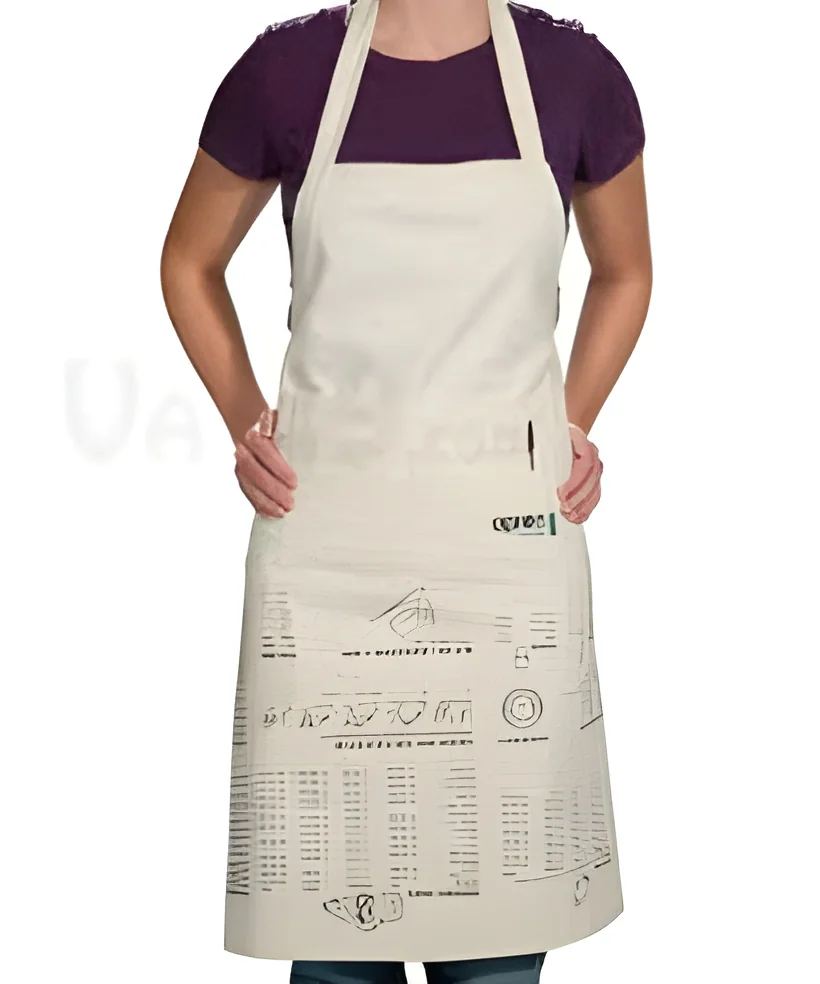
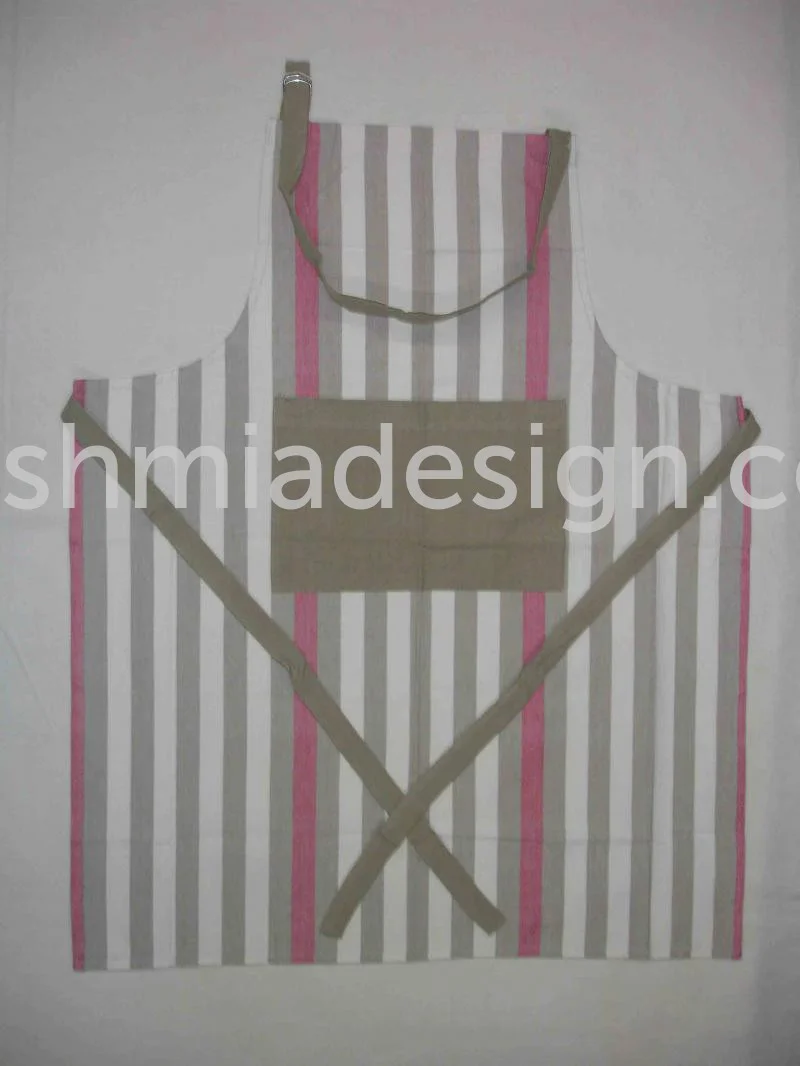
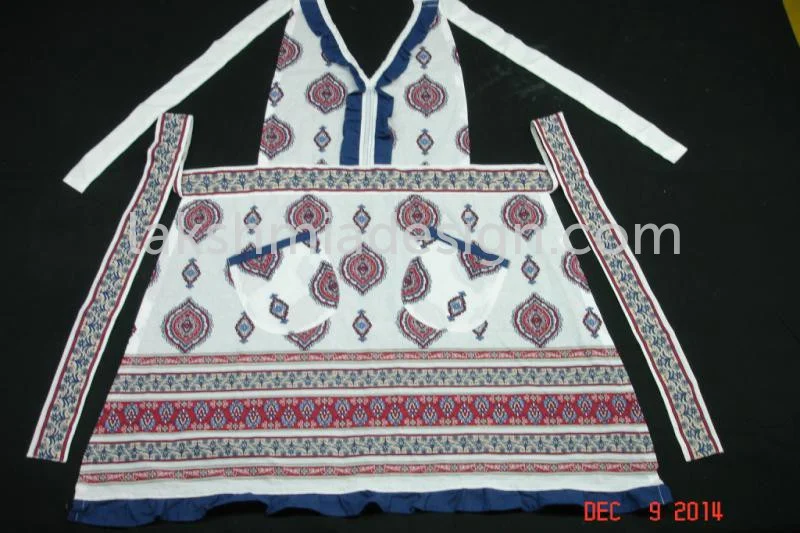
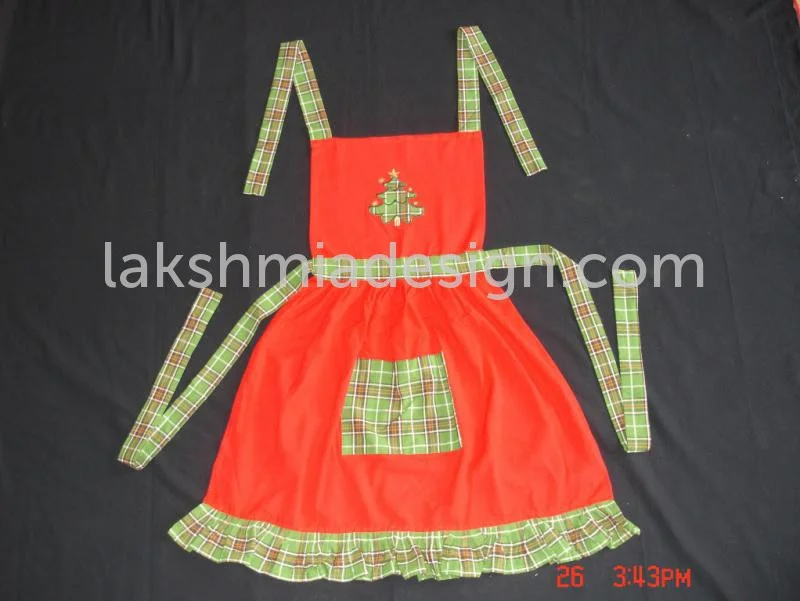
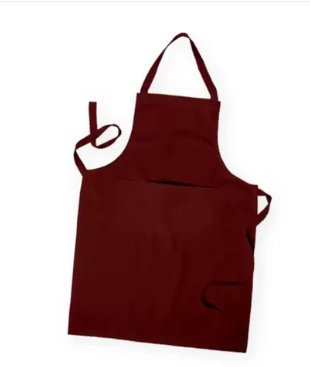
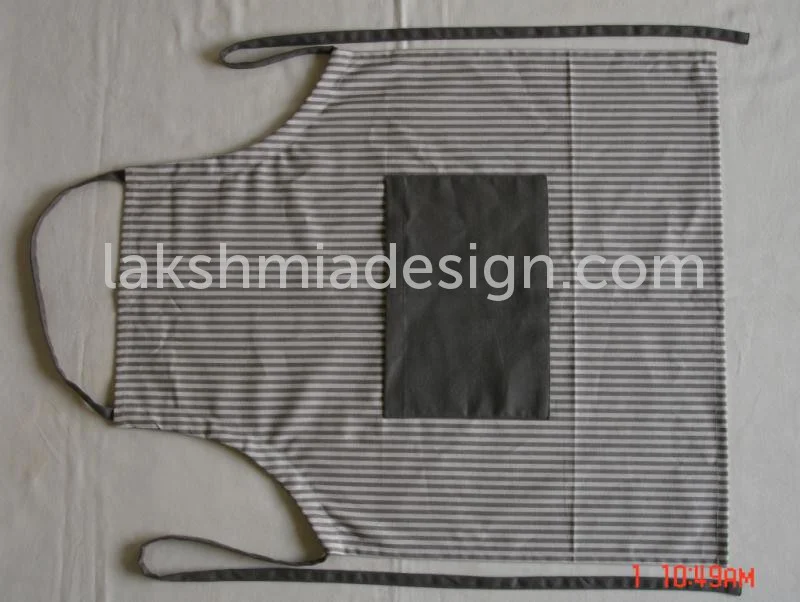
Aprons and kitchen towels are essential textile products commonly used in various culinary and industrial applications. An apron is a protective garment worn over the front of the body, designed to shield clothing from spills, stains, and hot surfaces. Kitchen towels, on the other hand, are absorbent cloths used for drying dishes, wiping surfaces, and handling hot cookware. Both items play a crucial role in maintaining hygiene and efficiency in food preparation and service environments.
These products find primary use in commercial kitchens, catering services, and food processing facilities. They are designed to withstand frequent washing and heavy use while providing comfort and functionality. In addition to traditional culinary settings, aprons and kitchen towels are also employed in laboratories, healthcare, and industrial environments where cleanliness and protection are paramount. The growing focus on food safety and hygiene across industries has heightened the demand for high-quality aprons and kitchen towels, creating a competitive market landscape.
As businesses increasingly prioritize sustainability and eco-friendliness, manufacturers are responding with innovative materials and designs. This shift reflects broader trends within the textile industry, where functionality, durability, and environmental impact are key considerations. As a result, the market for aprons and kitchen towels continues to evolve, offering a range of options that cater to diverse business needs.
Key Features and Specifications
When considering aprons and kitchen towels, several key features and specifications are important for ensuring optimal performance and suitability for various applications. These specifications help buyers identify products that meet their operational requirements and industry standards.
Key specifications include:
1. Fabric Composition
- Typically made from cotton, polyester, or a blend
- Cotton offers high absorbency, while polyester provides durability
2. Size and Dimensions
- Various sizes available to accommodate different body types
- Standard dimensions for aprons usually range from 28 to 34 inches in length
3. Color Options
- Available in a wide range of colors for branding and aesthetic purposes
- Colorfastness is crucial to prevent fading after multiple washes
4. Weight and Thickness
- Fabric weight often ranges from 150 to 300 grams per square meter
- Heavier fabrics provide better protection against spills and heat
5. Care Instructions
- Machine washable and often require tumble drying or air drying
- Resistant to shrinking and fading for long-lasting use
6. Certifications
- Compliance with CE standards for safety and quality assurance
- Adherence to industry-specific regulations as needed
7. Customization Options
- Available for embroidery or print logos for branding
- Various styles, such as bib, waist, or chef aprons
8. Durability Features
- Reinforced stitching for added strength and longevity
- Stain-resistant treatments available for easier maintenance
In summary, understanding these key specifications helps businesses choose aprons and kitchen towels that align with their operational needs and quality standards.
Common Applications and Use Cases
Aprons and kitchen towels serve a wide range of industries, each with specific applications that highlight their versatility and importance.
1. Food Service Industry: In restaurants, cafes, and catering services, aprons protect staff clothing from spills while kitchen towels are used to dry dishes and clean surfaces.
2. Food Processing: In food manufacturing and processing plants, these textiles help maintain hygiene standards while providing protection against contaminants.
3. Healthcare: In hospitals and laboratories, aprons protect staff from spills and contaminants, while specialized towels are used to maintain cleanliness.
4. Hospitality: Hotels and resorts use aprons and kitchen towels in kitchens and dining areas to ensure staff present a professional image.
5. Educational Institutions: Culinary schools and training facilities utilize aprons and towels to provide students with practical experience in a safe environment.
6. Manufacturing: In various industrial settings, durable aprons protect workers from hazardous materials, while towels are used for equipment cleaning.
7. Home Use: Many households use aprons and kitchen towels to enhance cooking experiences and maintain cleanliness in kitchens.
Product Variants and Subcategories
The market for aprons and kitchen towels offers a variety of options to meet diverse customer needs. Understanding these variants can help businesses make informed purchasing decisions.
Chef Aprons: These aprons are designed for professional chefs, featuring adjustable neck straps and pockets for convenience. They are typically made from durable materials that withstand heavy use.
Bistro Aprons: Often used in casual dining settings, bistro aprons are shorter and simpler. They provide essential coverage while allowing for ease of movement.
Bar Aprons: Designed for bartenders, these aprons usually have pockets for tools and are made from water-resistant materials to handle spills.
Kitchen Towels: Available in various sizes and absorbencies, these towels are essential for drying dishes and wiping surfaces. They can be made from cotton or microfiber for different uses.
Microfiber Towels: Ideal for quick drying and cleaning, microfiber towels are highly absorbent and can be used in both kitchen and industrial environments.
Benefits and Advantages
Investing in high-quality aprons and kitchen towels offers numerous benefits for businesses.
1. Enhanced Hygiene: Regular use of aprons and towels helps maintain cleanliness in food preparation areas, reducing the risk of contamination.
2. Professional Appearance: Uniforms, including aprons, contribute to a professional image, enhancing customer confidence in service quality.
3. Durability: Quality materials ensure that aprons and towels can withstand frequent washing and heavy use, providing long-term value.
4. Comfort: Many products are designed with ergonomic features to enhance comfort for staff during long shifts.
5. Versatility: These products can be used across multiple industries, making them a flexible investment for businesses.
6. Custom Branding: Customization options allow businesses to promote their brand while providing functional workwear for employees.
Buying Guide for B2B Buyers
When sourcing aprons and kitchen towels, it is essential for B2B buyers to consider several factors to ensure they make informed decisions.
1. Quality Assessment: Evaluate the fabric composition and durability to ensure products can withstand frequent use and washing. Look for features such as stain resistance and colorfastness.
2. Supplier Verification: Research potential suppliers to ensure they have a proven track record of delivering quality products. Request samples to assess their offerings before making a commitment.
3. Pricing and MOQ: Understand the pricing structures and minimum order quantities (MOQ) to ensure they align with your budget and operational needs. Negotiate for better rates based on order size.
4. Delivery and Lead Times: Inquire about logistics and delivery schedules to ensure timely procurement. Consider suppliers with reliable shipping options to avoid disruptions.
5. Compliance Requirements: Ensure that the products meet relevant industry standards and certifications, such as CE, to maintain compliance and safety in your operations.
Compliance and Certifications
Compliance with industry standards and certifications is crucial when sourcing aprons and kitchen towels. Key quality standards include ISO 9001, which ensures a consistent level of quality in production processes. Additionally, HACCP (Hazard Analysis Critical Control Point) principles may be relevant in food-related industries, focusing on food safety and hygiene.
CE certification indicates that products meet European safety, health, and environmental protection standards. This certification can be particularly important for businesses operating within or exporting to the European market.
Safety and testing requirements should also be considered, especially in environments where workers may be exposed to hazardous materials. Regional compliance considerations may vary, so it is vital to understand local regulations that apply to your industry and ensure that your chosen products meet these requirements.
Why Source Aprons & Kitchen Towels from Pepagora?
Pepagora provides a trusted platform for sourcing aprons and kitchen towels, offering several key advantages to B2B buyers.
Verified Supplier Network: Pepagora connects buyers with a network of verified suppliers, ensuring that you can source high-quality products with confidence. Each supplier undergoes thorough vetting to guarantee reliability.
Streamlined RFQ Process: The platform features a simple request for quotation (RFQ) system that allows buyers to easily request quotes from multiple suppliers. This process saves time and facilitates comparison shopping.
Trade Assurance and Support: Pepagora offers trade assurance to protect buyers against potential issues, providing peace of mind during the procurement process. A dedicated support team is available to assist with any inquiries or challenges.
Regional Coverage: With a strong presence in India, the GCC, and Southeast Asia, Pepagora enables businesses to source products from a wide geographic area, ensuring access to diverse suppliers and competitive pricing.
By choosing Pepagora, businesses can confidently acquire the aprons and kitchen towels they need to enhance their operations while enjoying a seamless sourcing experience.

 IN
IN