What are Block Printed, Handloom, Ikat & Jacquard?
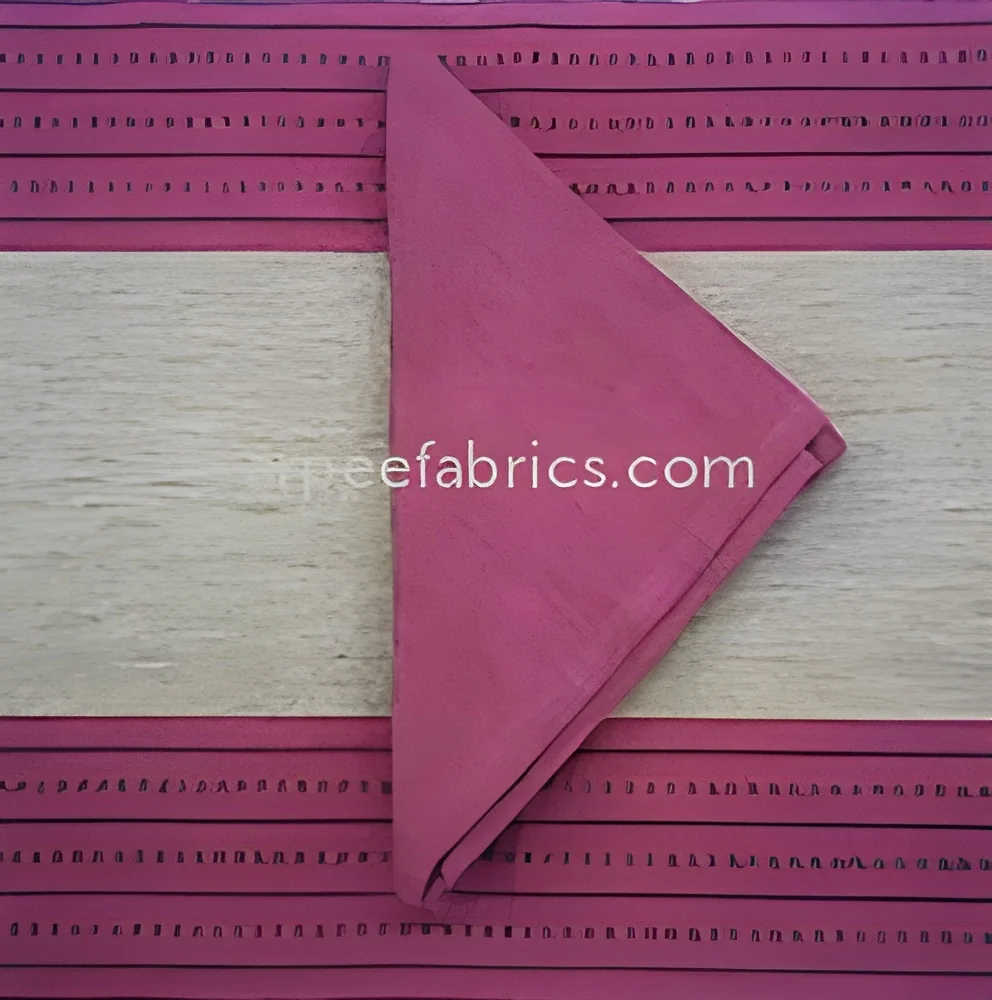
Block Printed, Handloom, Ikat, and Jacquard are traditional textile techniques that are highly valued in the textile industry for their unique designs and craftsmanship. Block printing involves applying color to fabric using carved wooden blocks, creating intricate patterns that are often vibrant and detailed. Handloom fabrics are woven on hand-operated looms, allowing for custom designs and high-quality textiles. Ikat is a dyeing technique used to create patterns by tying and dyeing threads before weaving, resulting in striking, blurred designs. Jacquard refers to a weaving method that uses a special loom to create intricate patterns and designs directly into the fabric.
These techniques are widely used in various applications, including fashion, home décor, and specialty textiles. Businesses in the apparel industry often seek out these fabrics for their unique aesthetic qualities. Additionally, interior design companies use these textiles to create distinctive products such as curtains, cushions, and upholstery. The growing consumer demand for sustainable and artisanal products has increased the relevance of these traditional techniques in today's market.
In a marketplace increasingly focused on sustainability and craftsmanship, Block Printed, Handloom, Ikat, and Jacquard textiles represent a bridge between cultural heritage and modern design. They are an important part of the textile supply chain, appealing to industries that prioritize quality, uniqueness, and ethical sourcing.
Key Features and Specifications
The key features and specifications of Block Printed, Handloom, Ikat, and Jacquard textiles play a crucial role in their applications and desirability. These specifications are essential for buyers looking for quality materials for their products.
Key specifications include:
1. Fabric Type
- Variety of fabrics available, such as cotton, silk, and linen.
- Each fabric type has distinct characteristics affecting texture and durability.
2. Weave Density
- Refers to the number of threads per square inch.
- Higher density often indicates better quality and durability.
3. Print Quality
- Assesses the clarity and vibrancy of colors in block printing and Ikat designs.
- Critical for aesthetic appeal in fashion and home textiles.
4. Design Complexity
- Range of intricate patterns available, from simple to highly detailed.
- Important for applications in high-end fashion and unique home décor.
5. Color Fastness
- Measures how well the colors withstand washing and exposure to light.
- Essential for maintaining the fabric's appearance over time.
6. Sustainability Practices
- Many manufacturers follow eco-friendly practices in dyeing and weaving.
- Increasingly important due to consumer demand for sustainable products.
7. Customization Options
- Ability to create bespoke designs for specific client needs.
- Valuable for businesses seeking unique products.
8. Compliance with Safety Standards
- Adherence to relevant textile safety regulations.
- Important for ensuring the safety of the end-users.
These specifications provide a framework for assessing the quality and suitability of textiles for various applications.
Common Applications and Use Cases
Block Printed, Handloom, Ikat, and Jacquard textiles find application across multiple industries due to their versatility and aesthetic appeal.
1. Fashion Industry: These textiles are used to create clothing lines that emphasize unique patterns and sustainable practices, appealing to eco-conscious consumers.
2. Home Décor: Designers utilize these fabrics for curtains, upholstery, and cushions, providing a touch of artistry and tradition to interior spaces.
3. Craft and Art: Artisans incorporate these textiles into handmade products, such as bags and accessories, showcasing traditional craftsmanship.
4. Hospitality Industry: Hotels and resorts use these fabrics for linens and decorative items, enhancing the aesthetic appeal of their establishments.
5. Retail Merchandise: Specialty shops often sell products made from these textiles, catering to niche markets that value craftsmanship.
6. Event Decorations: Event planners use these fabrics for backdrops and table settings, adding a unique flair to weddings and corporate events.
7. Educational Institutions: Schools and institutions may use these textiles for uniforms or cultural programs to promote heritage and craftsmanship.
Product Variants and Subcategories
Block Printed, Handloom, Ikat, and Jacquard textiles offer a range of variants that cater to different market needs and preferences.
Cotton Block Prints
These are lightweight and breathable, making them ideal for summer clothing and casual wear. The vibrant colors and patterns attract consumers looking for unique, everyday fashion.
Silk Ikat
This luxurious variant combines the unique Ikat dyeing technique with silk fabric, resulting in elegant garments perfect for formal occasions. The rich texture and intricate patterns make it a favorite for high-end fashion.
Wool Jacquard
Utilized primarily in home textiles, wool Jacquard is known for its durability and warmth. This variant is often used in throws, blankets, and upholstery, appealing to customers seeking comfort and style.
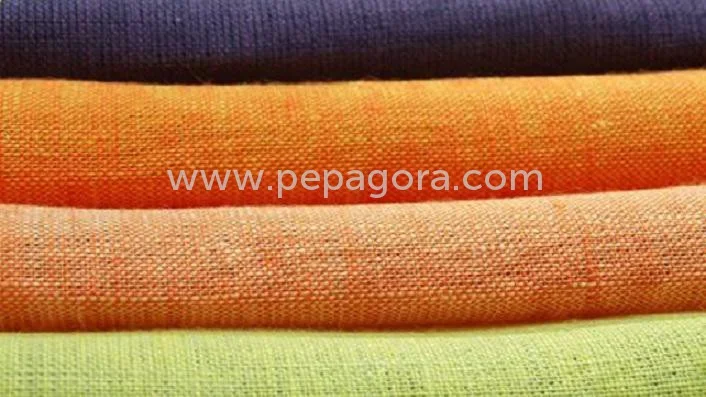
Linen Handloom
Linen handloom fabrics are appreciated for their softness and breathability, making them suitable for both clothing and home textiles. Their natural texture adds an organic feel to products.
Benefits and Advantages
Sourcing Block Printed, Handloom, Ikat, and Jacquard textiles offers numerous benefits for businesses looking to enhance their product offerings.
Key benefits include:
1. Unique Aesthetic: These fabrics provide distinctive patterns and designs that stand out in a crowded marketplace.
2. High Quality: Traditional techniques often result in superior fabric quality, ensuring durability and longevity.
3. Sustainable Sourcing: Many manufacturers adhere to eco-friendly practices, appealing to environmentally conscious consumers.
4. Customization: The ability to create bespoke designs allows businesses to meet specific customer needs and preferences.
5. Cultural Significance: These textiles embody rich cultural heritage, which can enhance brand storytelling and consumer engagement.
6. Versatile Applications: They can be used across various industries, from fashion to home décor, increasing market opportunities.
Buying Guide for B2B Buyers
When sourcing Block Printed, Handloom, Ikat, and Jacquard textiles, B2B buyers should consider several critical factors to ensure they make informed purchasing decisions.
1. Quality Assessment: Look for certifications or industry standards that validate the quality of the textiles. Test samples for durability and color fastness.
2. Supplier Verification: Vet suppliers to ensure they have a reliable track record and can provide proof of ethical sourcing and manufacturing practices.
3. Pricing and MOQ: Understand the pricing structure and minimum order quantities (MOQ) required by suppliers to align with your budget and inventory needs.
4. Delivery and Lead Times: Discuss logistics and expected delivery times to avoid disruptions in your supply chain.
5. Compliance Requirements: Be aware of any regulatory requirements relevant to textiles in your market, including safety standards and certifications.
Compliance and Certifications
Compliance and certification are essential aspects of sourcing Block Printed, Handloom, Ikat, and Jacquard textiles.
Relevant quality standards, such as ISO 9001, ensure that manufacturers maintain consistent quality in their products. This standard focuses on effective quality management systems, which are vital for customer satisfaction and operational efficiency.
Industry certifications, such as CE markings, indicate that products meet specific European health, safety, and environmental protection standards. This is particularly important for businesses exporting textiles to different regions.
Safety and testing requirements are crucial to ensure textiles are free from harmful substances. Buyers should verify that their suppliers conduct regular testing and adhere to safety regulations.
Regional compliance considerations may vary depending on the destination market. Buyers should understand local regulations regarding textile imports to ensure compliance and avoid potential legal issues.
Why Source Block Printed, Handloom, Ikat & Jacquard from Pepagora?
Pepagora provides a trusted platform for sourcing Block Printed, Handloom, Ikat, and Jacquard textiles, offering several key advantages that benefit B2B buyers.
Verified Supplier Network: Pepagora ensures that all suppliers undergo a thorough vetting process, providing buyers with confidence in their sourcing decisions. This network includes manufacturers known for quality and ethical practices.
Streamlined RFQ Process: The platform simplifies the request for quotation (RFQ) process, allowing buyers to easily compare offers and negotiate terms with multiple suppliers. This efficiency saves time and enhances decision-making.
Trade Assurance and Support: Pepagora offers buyer protection through trade assurance, ensuring that transactions are secure and that buyers receive the products as promised. Additionally, customer support is available to assist with any queries.
Regional Coverage: With an extensive network across India, the Gulf Cooperation Council (GCC), and Southeast Asia, Pepagora provides access to a diverse range of suppliers, catering to various market needs and preferences. This regional reach allows buyers to tap into local craftsmanship and expertise.

 IN
IN