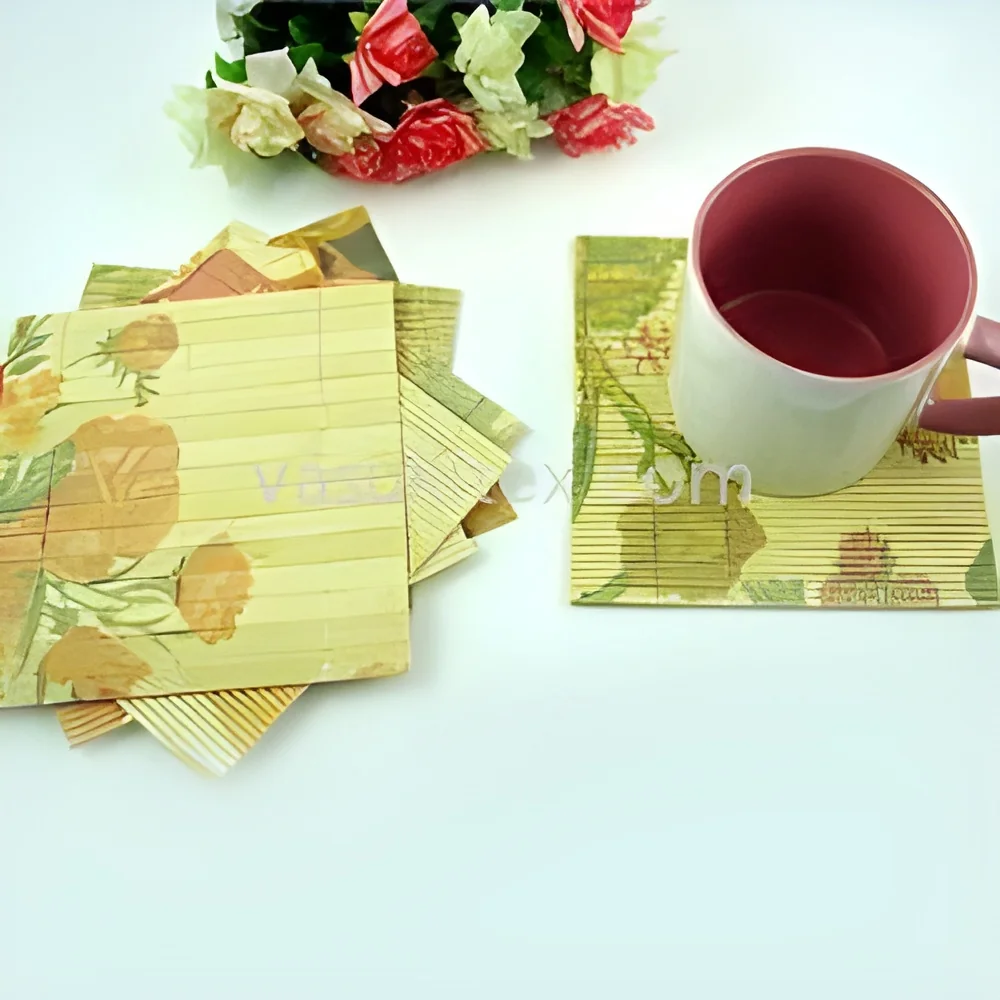
What are Other Home Textiles?
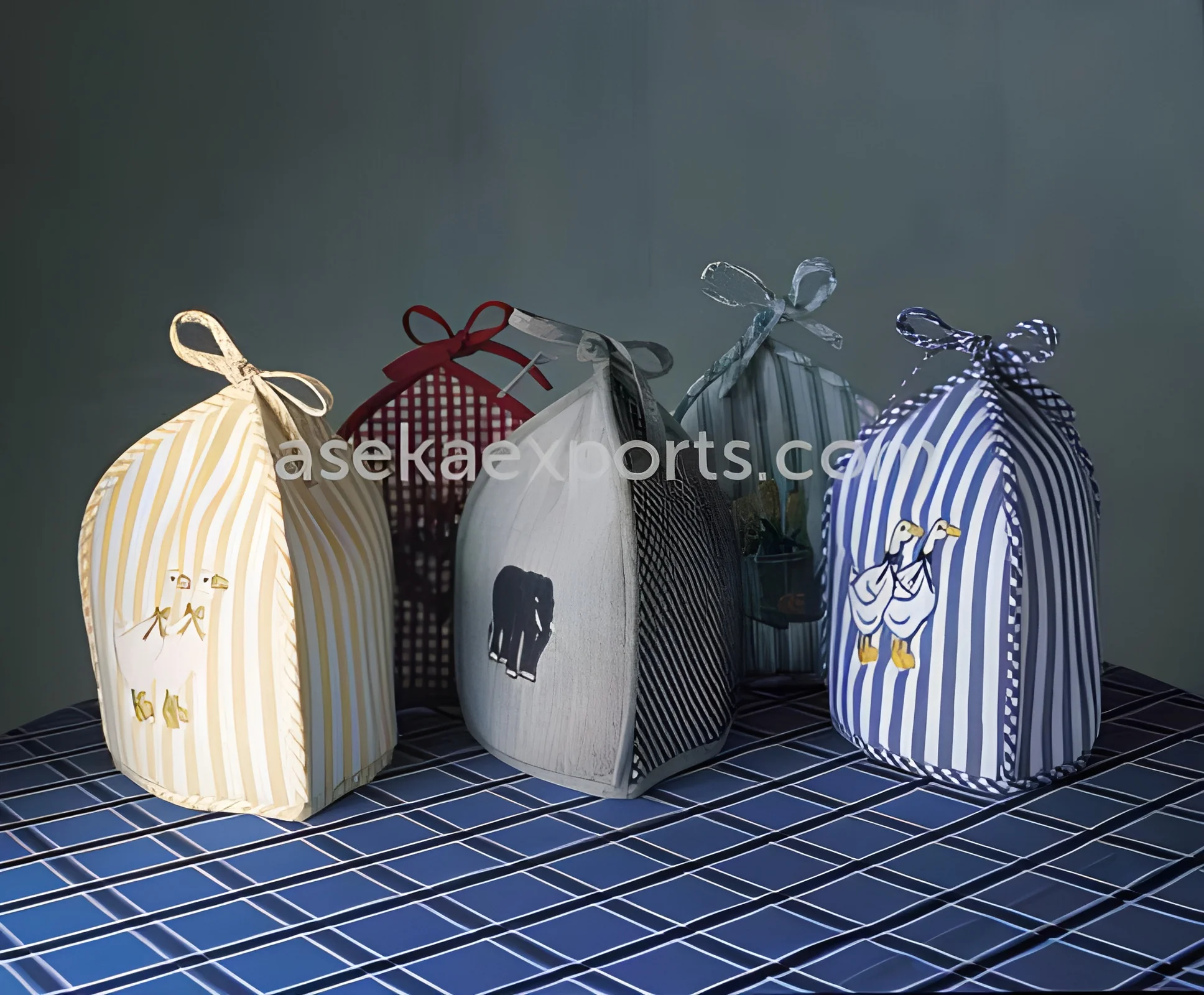
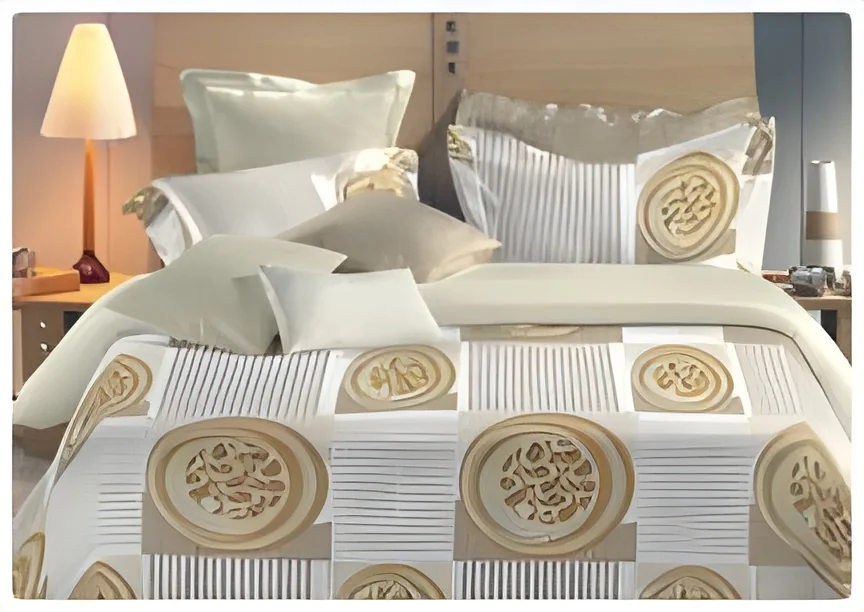
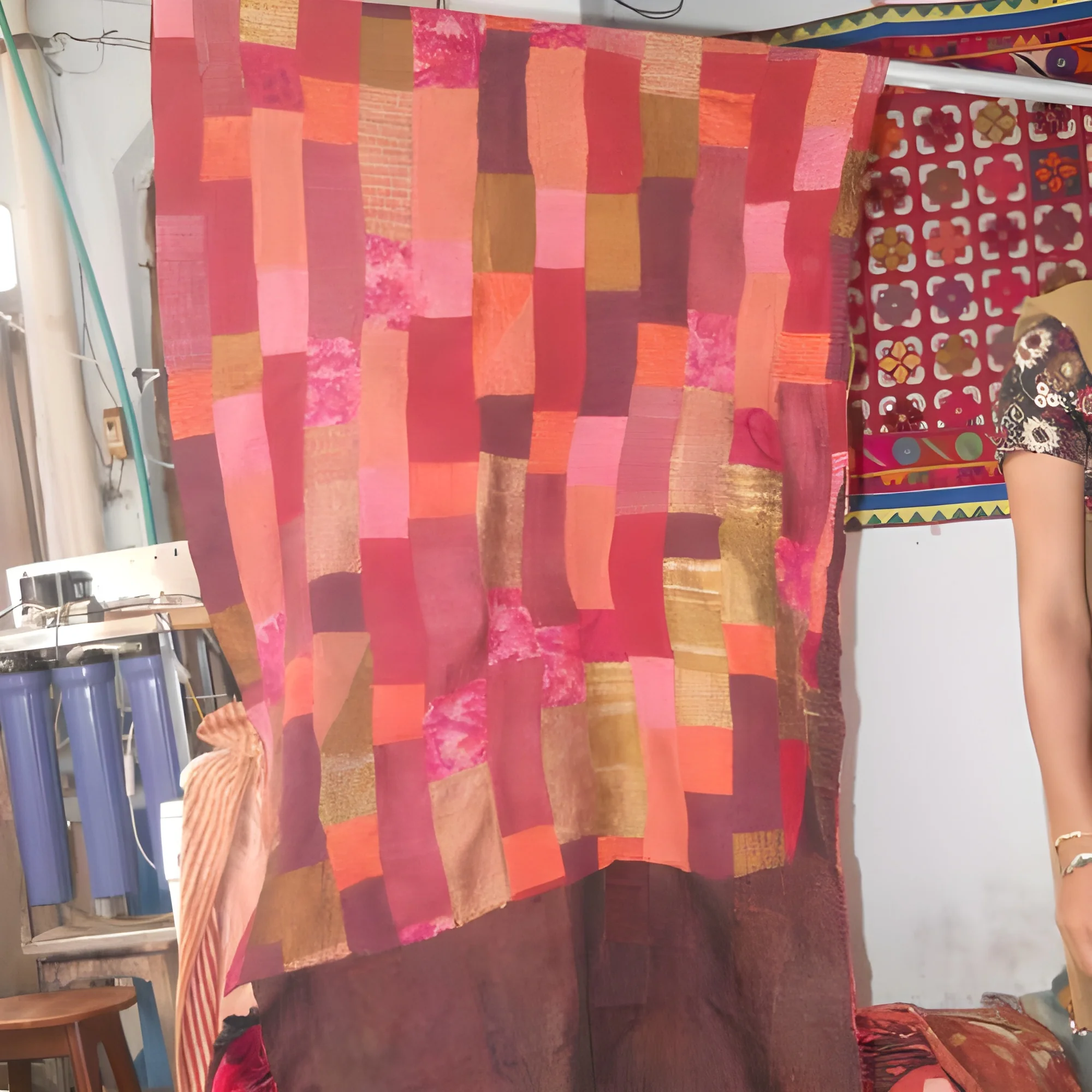
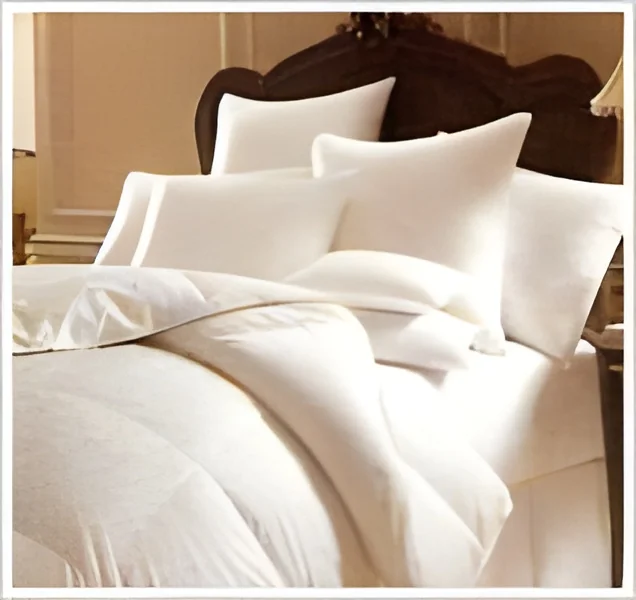
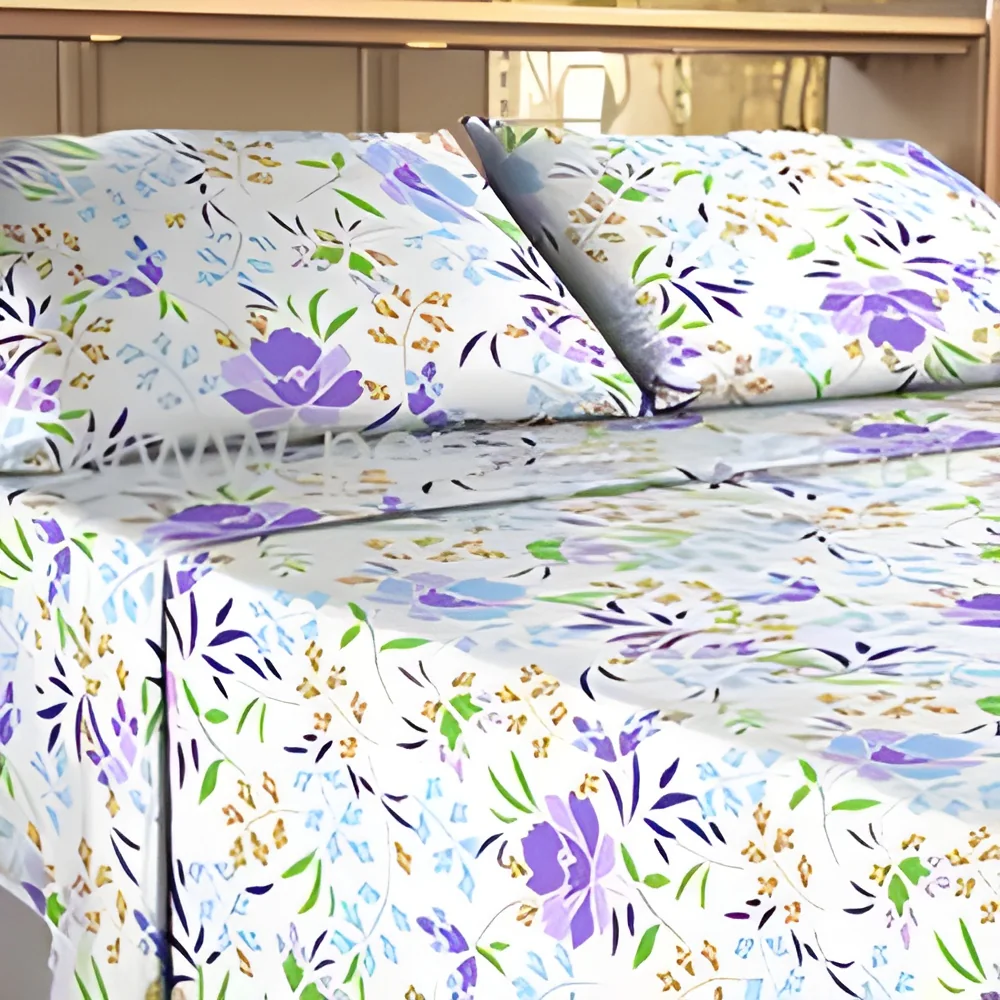
Other Home Textiles refer to a diverse range of fabric products designed for various household uses, which do not fall into traditional categories such as bedding or curtains. This category includes items like table linens, decorative cushions, throws, and other textile accessories that enhance home decor and functionality. These products are often made from various materials, including cotton, polyester, and blends, each offering unique characteristics suitable for different applications.
The primary uses of Other Home Textiles span across residential, commercial, and hospitality sectors. In homes, they contribute to aesthetic appeal and comfort, while in businesses such as restaurants and hotels, they serve practical purposes like protecting surfaces and improving ambiance. Manufacturers and suppliers of these textiles cater to a broad audience, providing customizable options to meet specific client needs.
As home improvement trends continue to evolve, the market for Other Home Textiles remains significant. The growing demand for home personalization and sustainable options drives innovation in design and manufacturing. Companies are increasingly focusing on eco-friendly materials and production processes, making this segment highly relevant in today's environmentally conscious market.
Key Features and Specifications
When considering Other Home Textiles, it is essential to understand their key features and specifications. These specifications play a critical role in determining the suitability of products for various applications and environments.
Key specifications include:
1. Material Composition
- Details the fabric used, such as cotton, polyester, or blends.
- Affects durability, comfort, and maintenance.
2. Dimensional Measurements
- Provides information on sizes available for different products.
- Ensures compatibility with existing home or business furnishings.
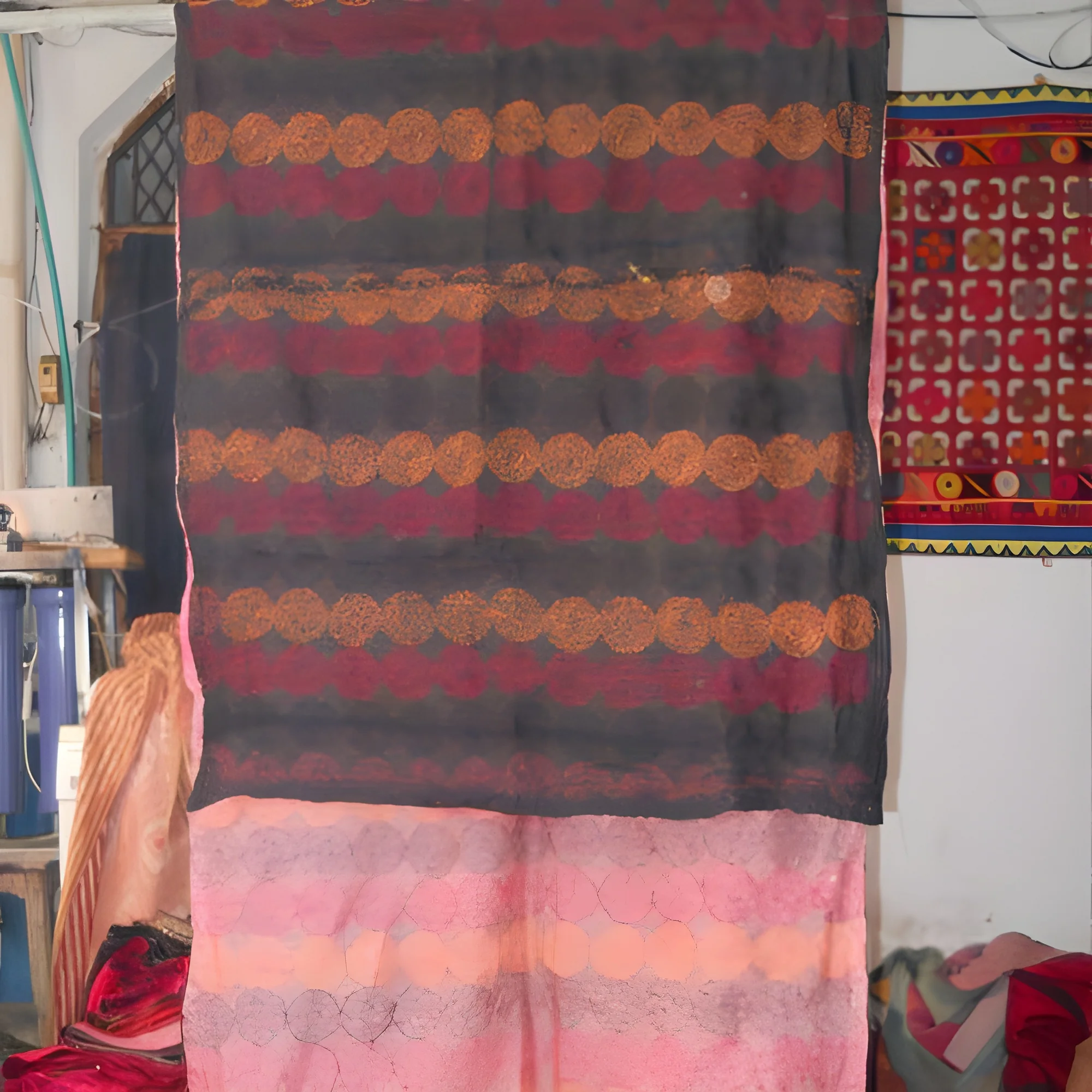
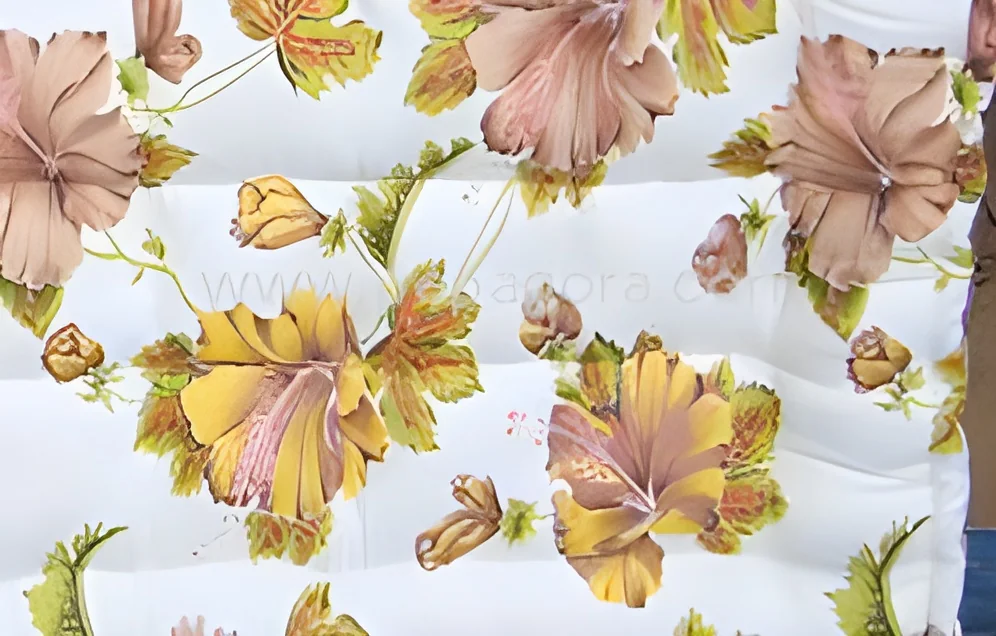
3. Color and Pattern Options
- Lists available colors and patterns, allowing customization.
- Influences aesthetic appeal and marketability.
4. Care Instructions
- Specifies washing methods and maintenance requirements.
- Essential for ensuring longevity and appearance retention.
5. Weight and Thickness
- Indicates the weight of the fabric, which affects drape and feel.
- Important for applications requiring specific material characteristics.
6. Flame Resistance
- Identifies whether products meet fire safety standards.
- Crucial for commercial applications in public spaces.
7. Environmental Compliance
- Details certifications related to sustainability and safety.
- Important for businesses looking to align with eco-friendly practices.
8. Customization Options
- Explores possibilities for bespoke orders based on client requirements.
- Enhances product flexibility for various market needs.
These specifications provide a foundational understanding for B2B buyers looking to procure Other Home Textiles effectively.
Common Applications and Use Cases
Other Home Textiles have a wide range of applications across various industries. Their versatility makes them suitable for numerous settings.
1. Hospitality Industry: Hotels and restaurants utilize table linens and decorative cushions to enhance comfort and style, creating inviting environments for guests.
2. Retail Sector: Home decor retailers incorporate these textiles into their product lines, offering customers choices that reflect personal style and current trends.
3. Event Planning: Event planners use customized tablecloths and decorative throws to align with themes and branding, ensuring memorable experiences for attendees.
4. Interior Design: Designers select these textiles for residential and commercial projects, focusing on aesthetics and functionality to meet client needs.
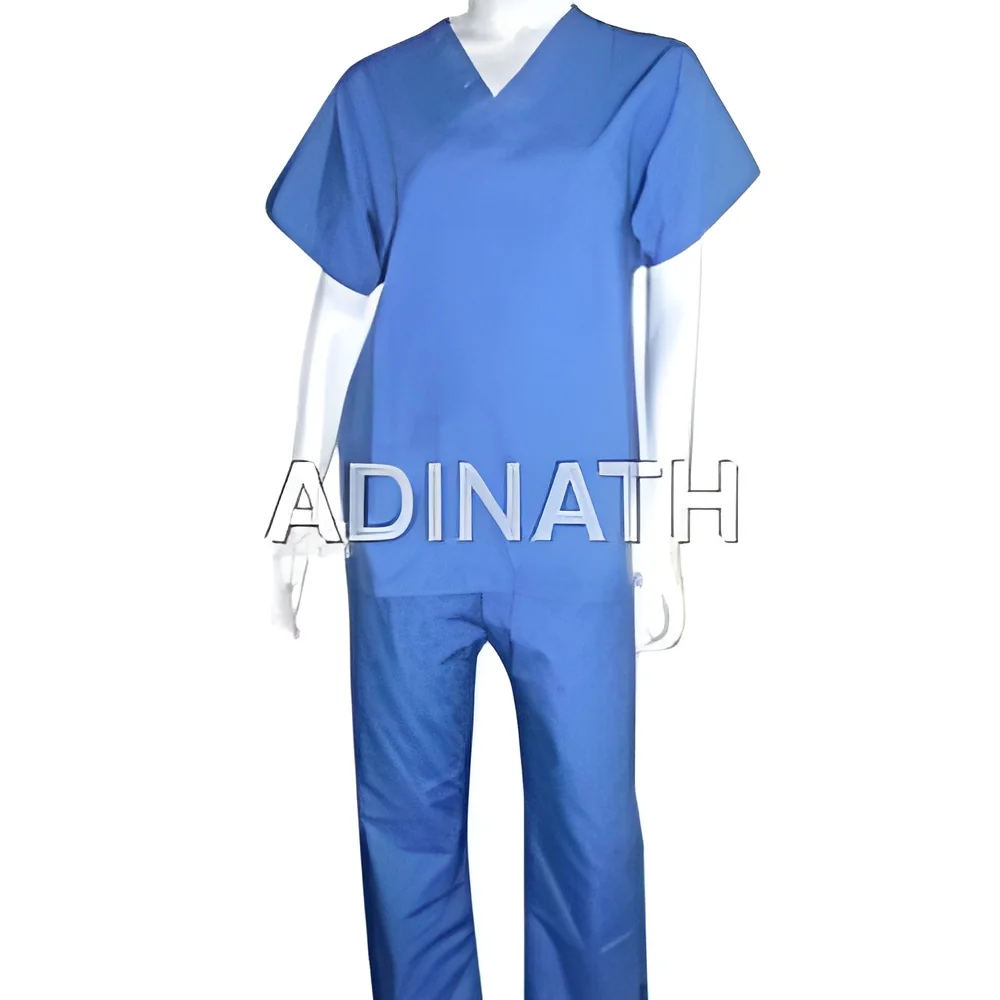
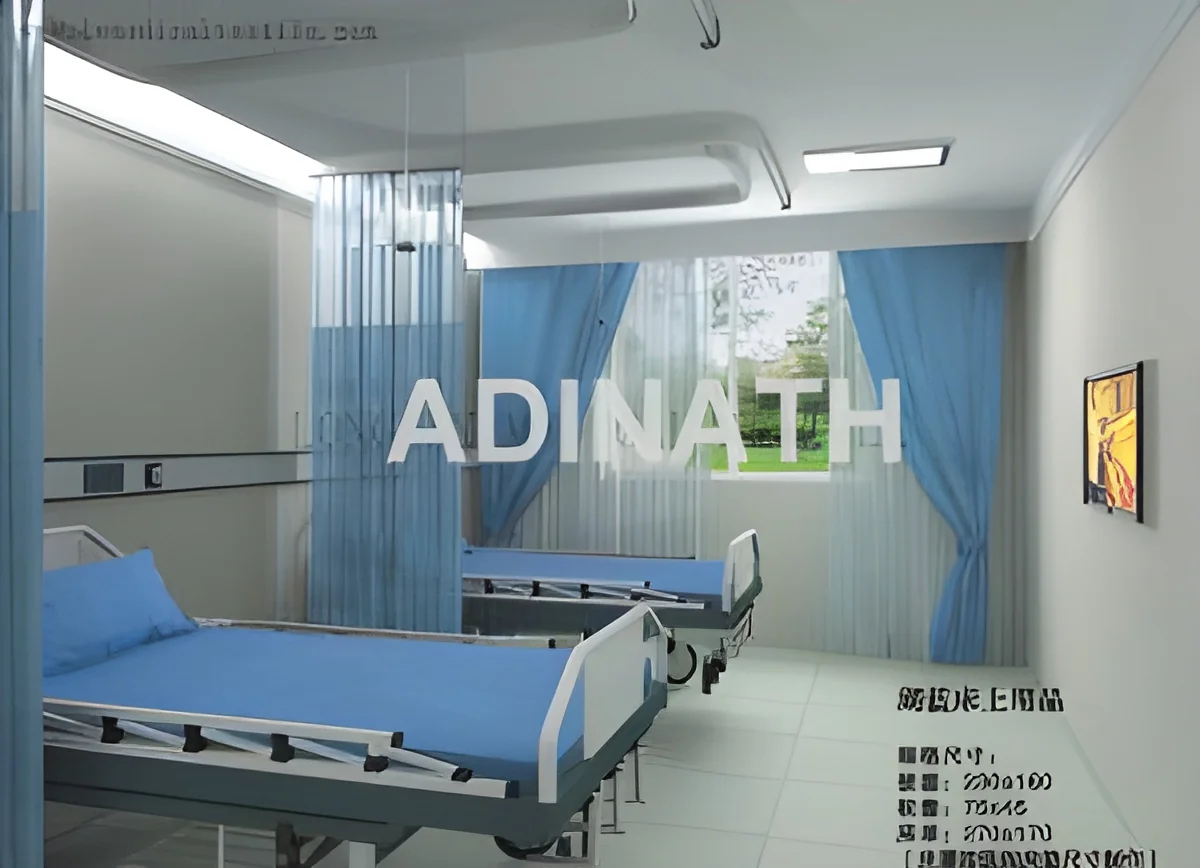
5. Healthcare Facilities: Hospitals and clinics use specialized textiles that offer infection control and comfort for patients and staff.
6. Educational Institutions: Schools and universities often employ these products in common areas and dormitories to enhance student living environments.
7. Corporate Offices: Businesses utilize items like decorative cushions and throws in lounge areas to create a welcoming atmosphere for employees and visitors.
Product Variants and Subcategories
The diversity of Other Home Textiles allows for various product variants, each catering to specific needs and preferences.
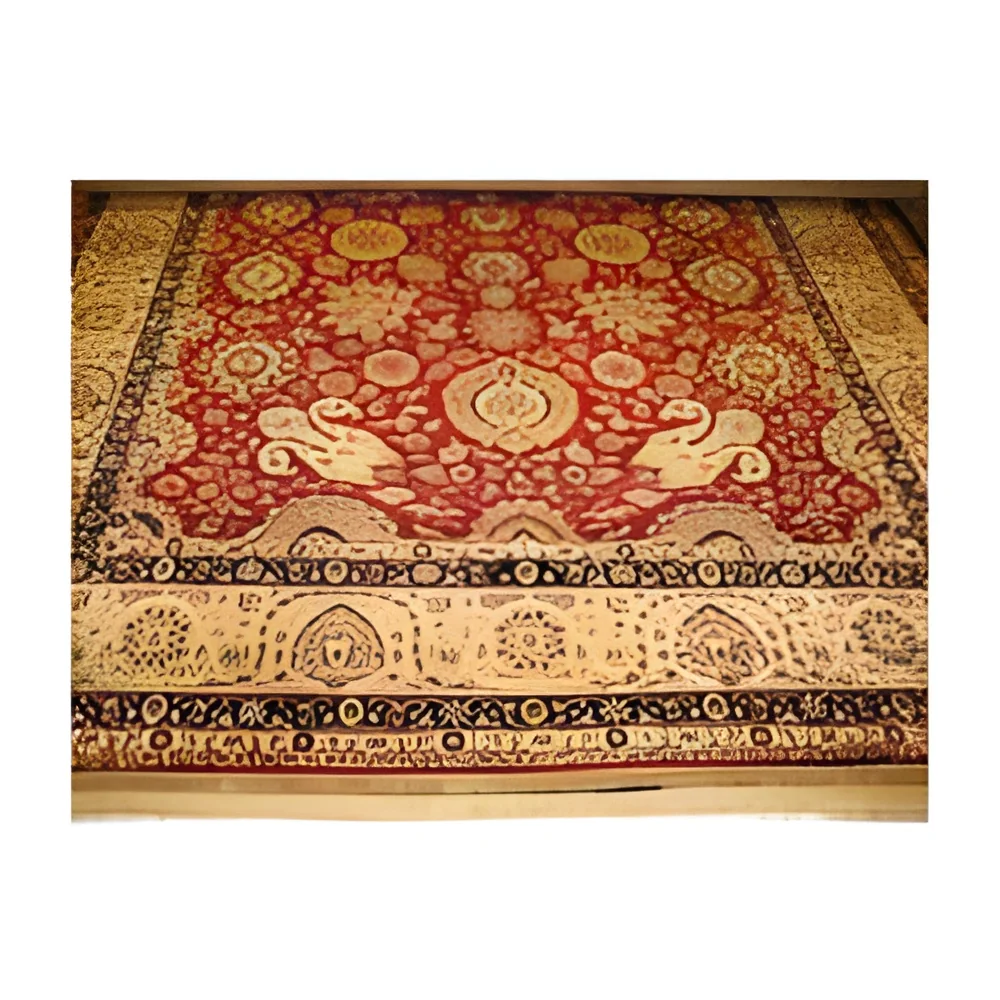
Table Linens
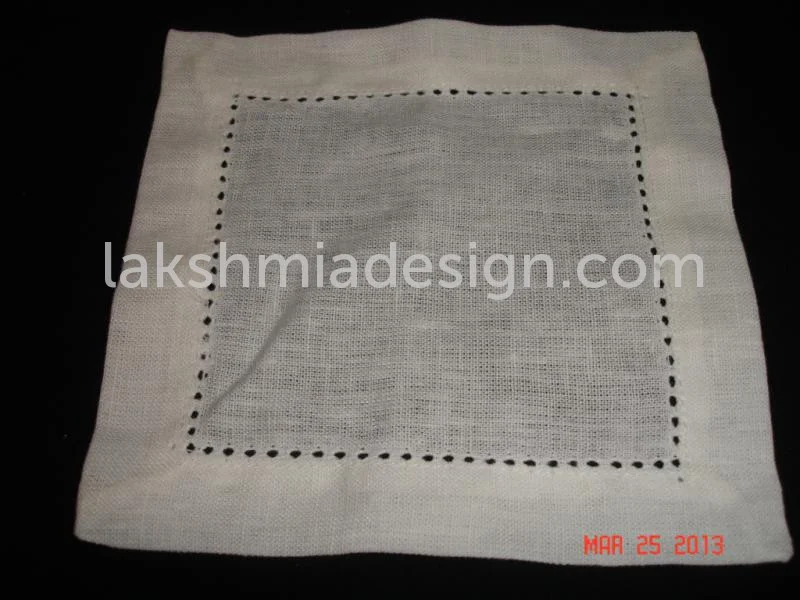
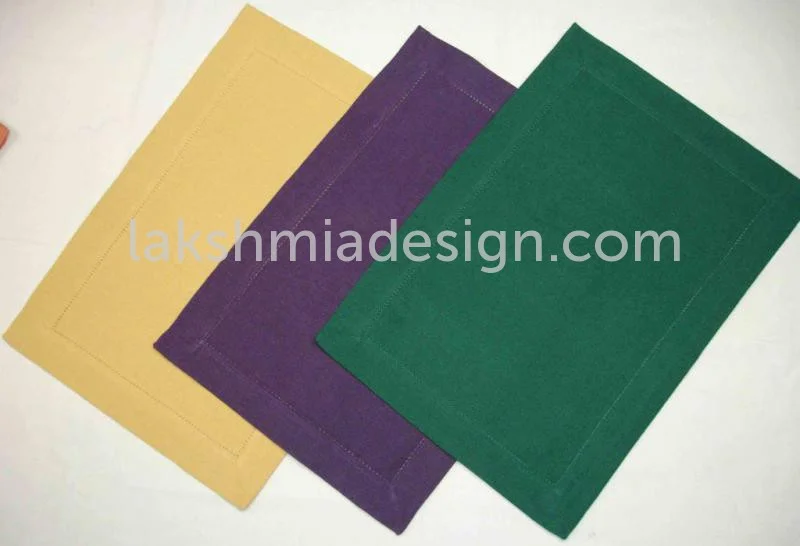
These products include tablecloths, napkins, and runners designed for both casual and formal settings. They come in various sizes, colors, and materials to suit different occasions.
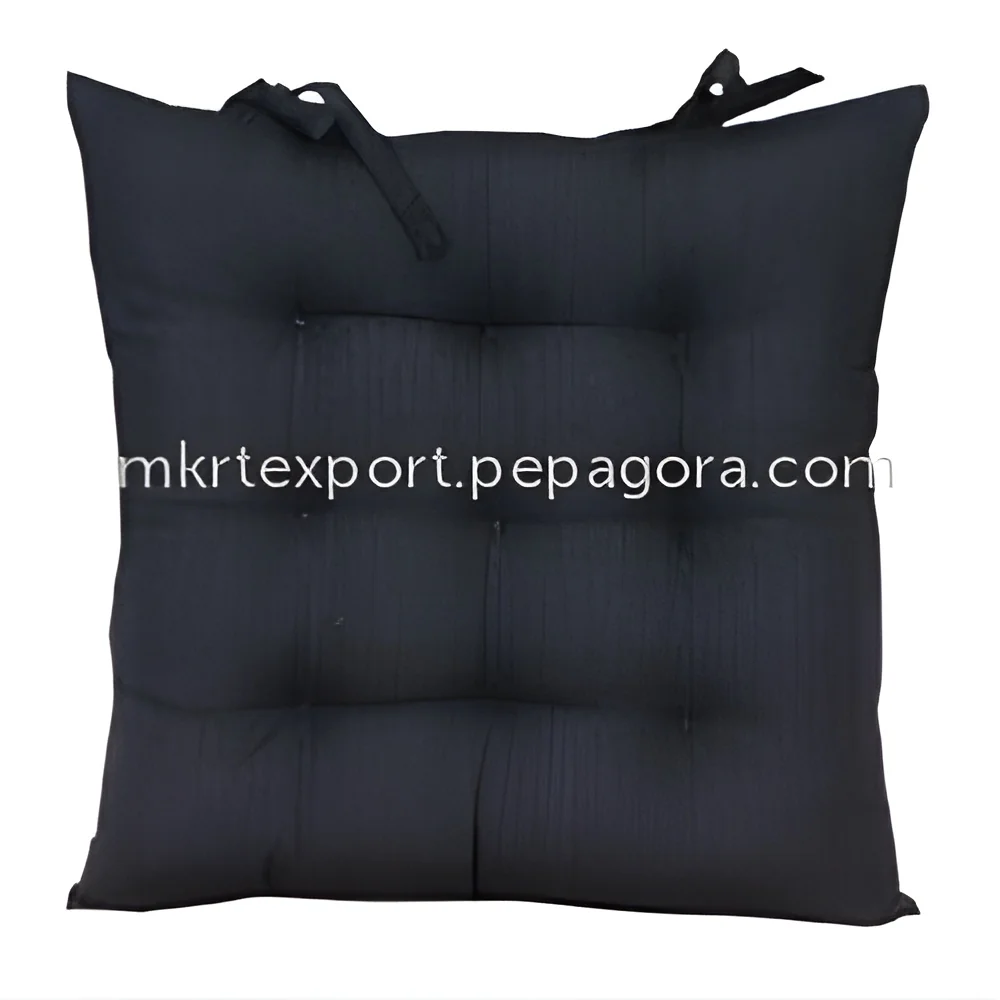
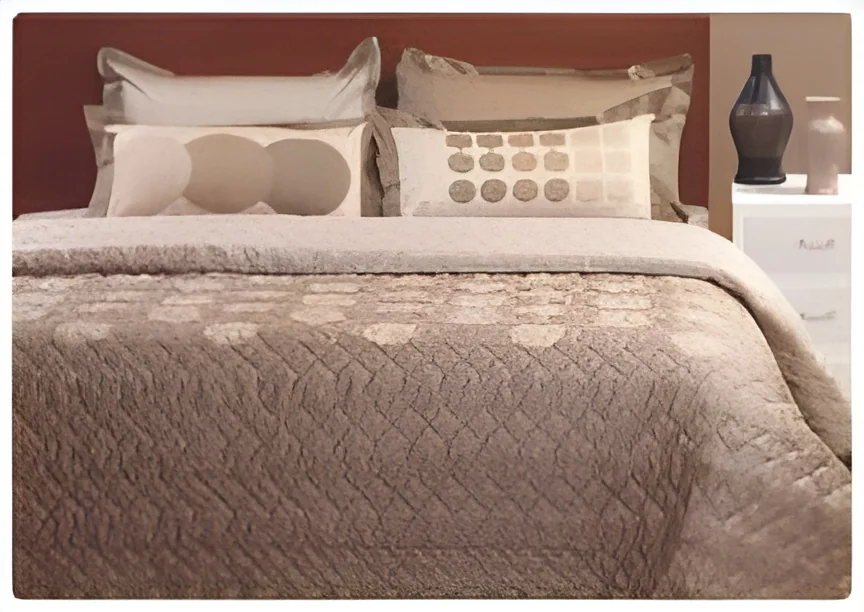
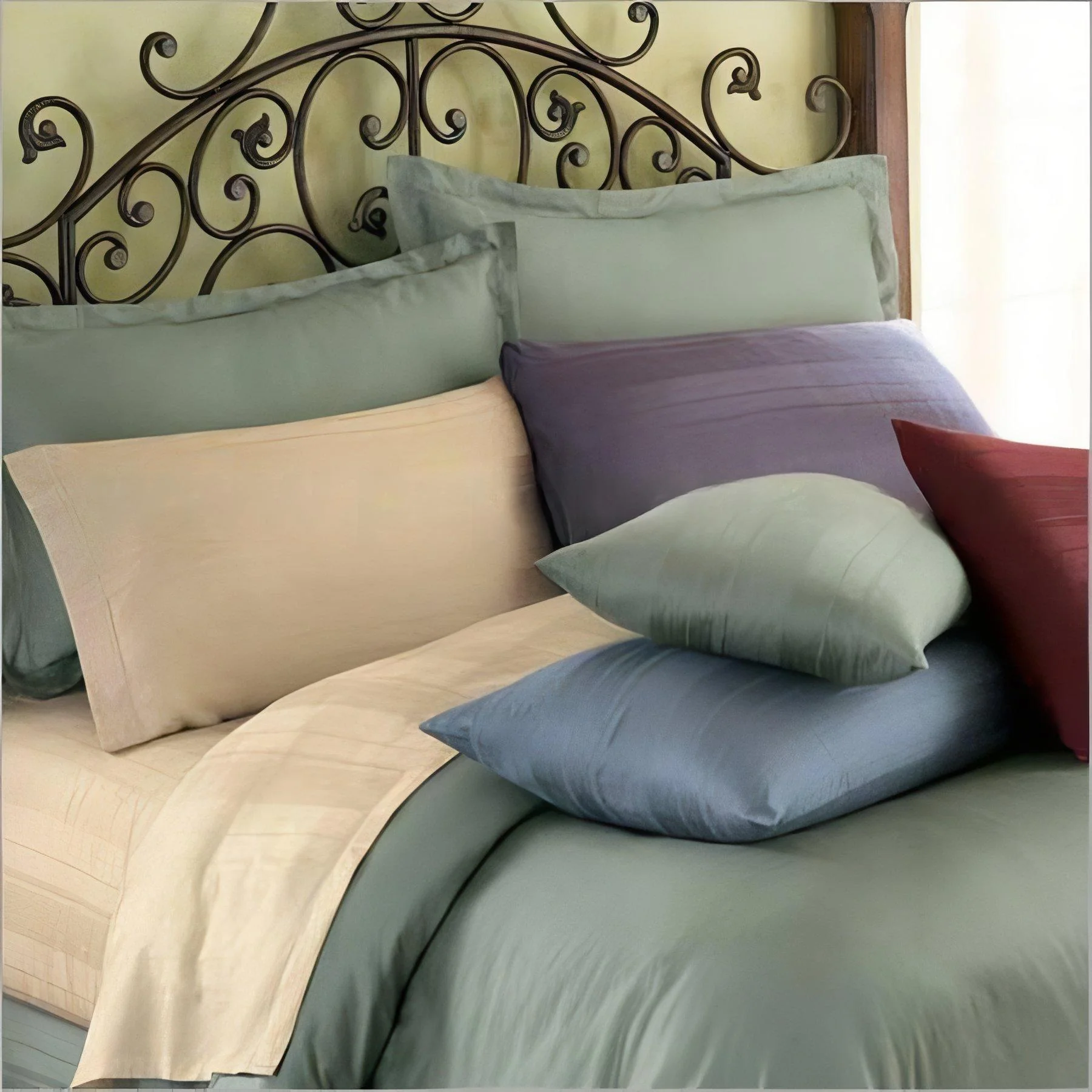
Cushions and Throws
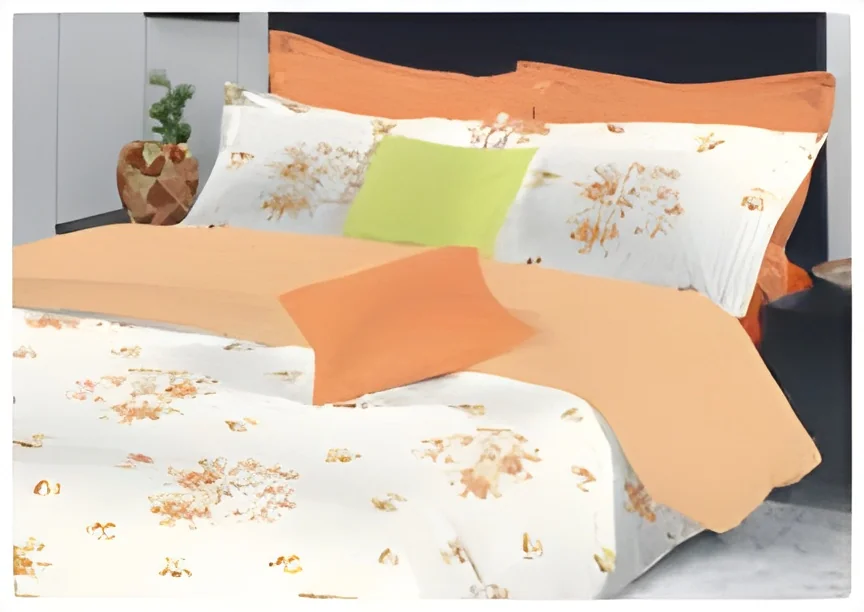
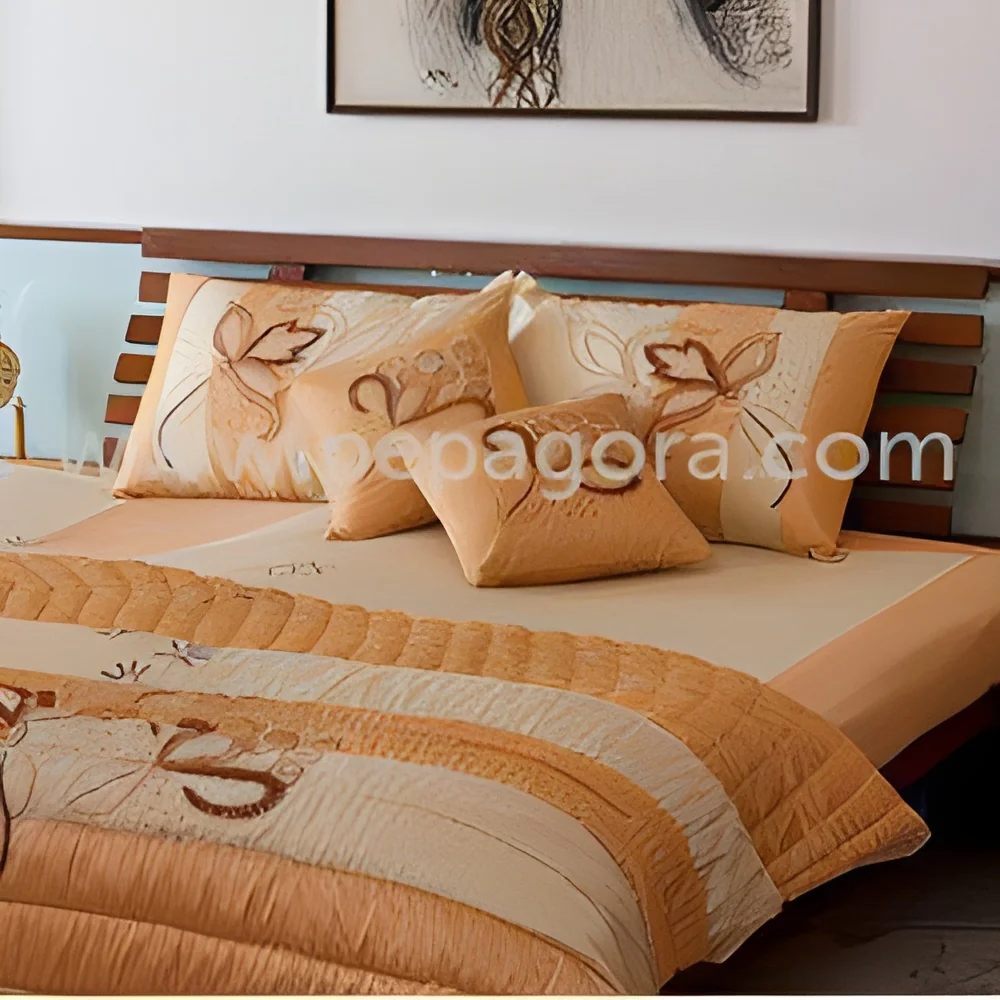
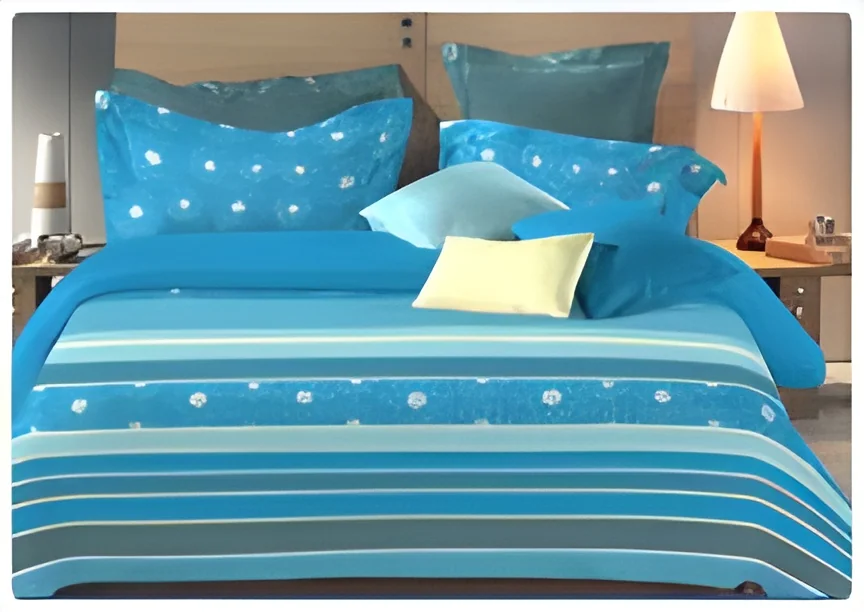
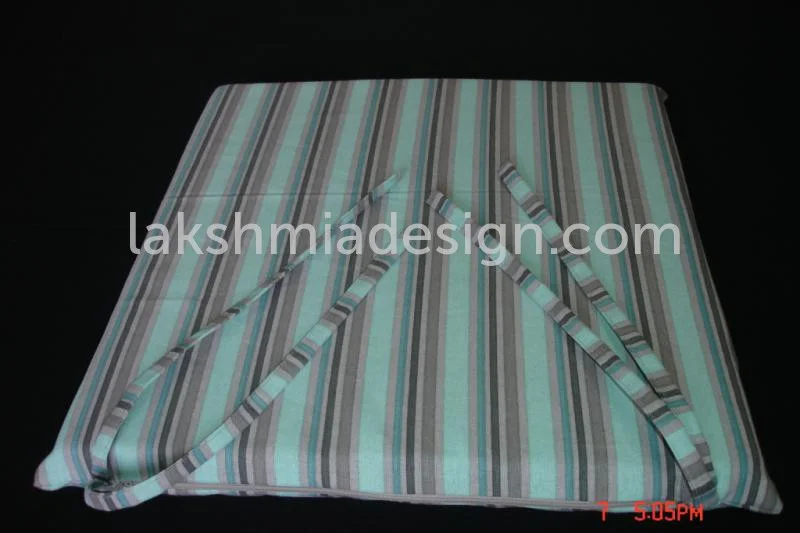
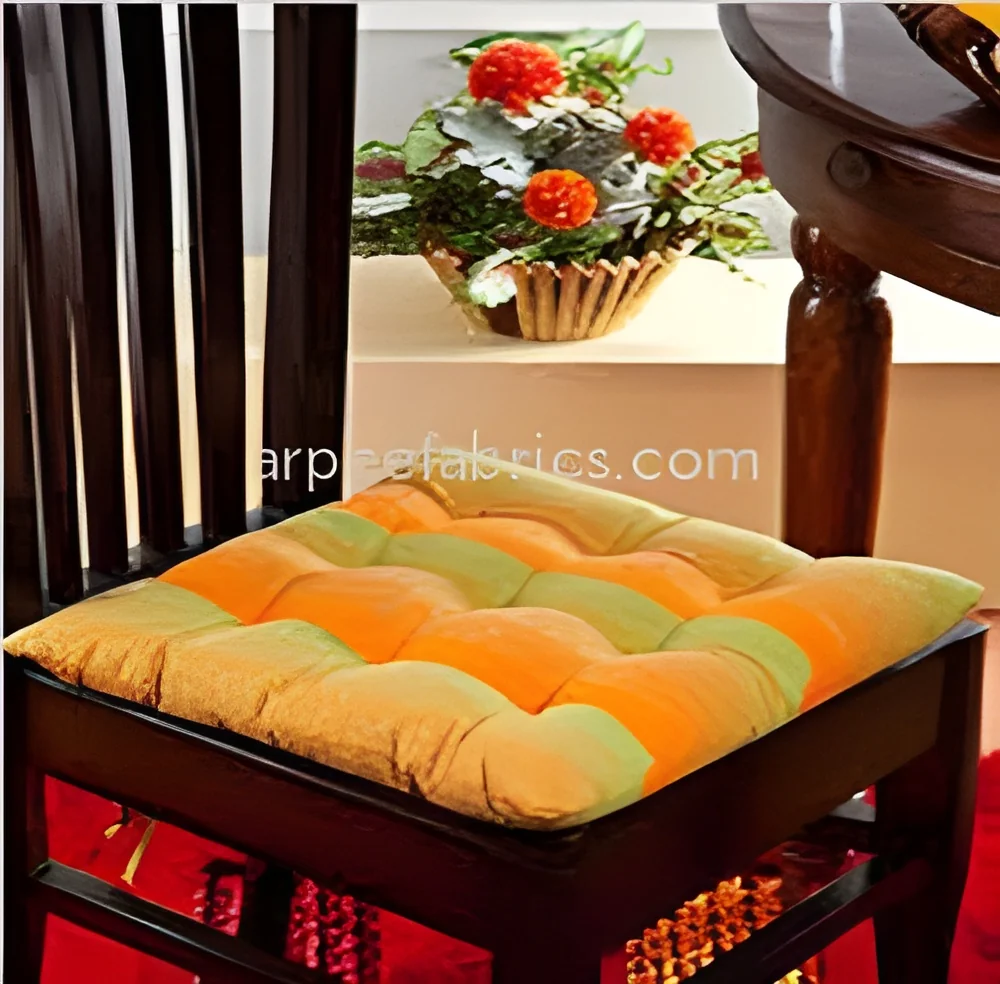
Offering comfort and style, these textiles enhance seating areas and beds. They are available in numerous designs, making them ideal for personalizing spaces.
Decorative Fabrics
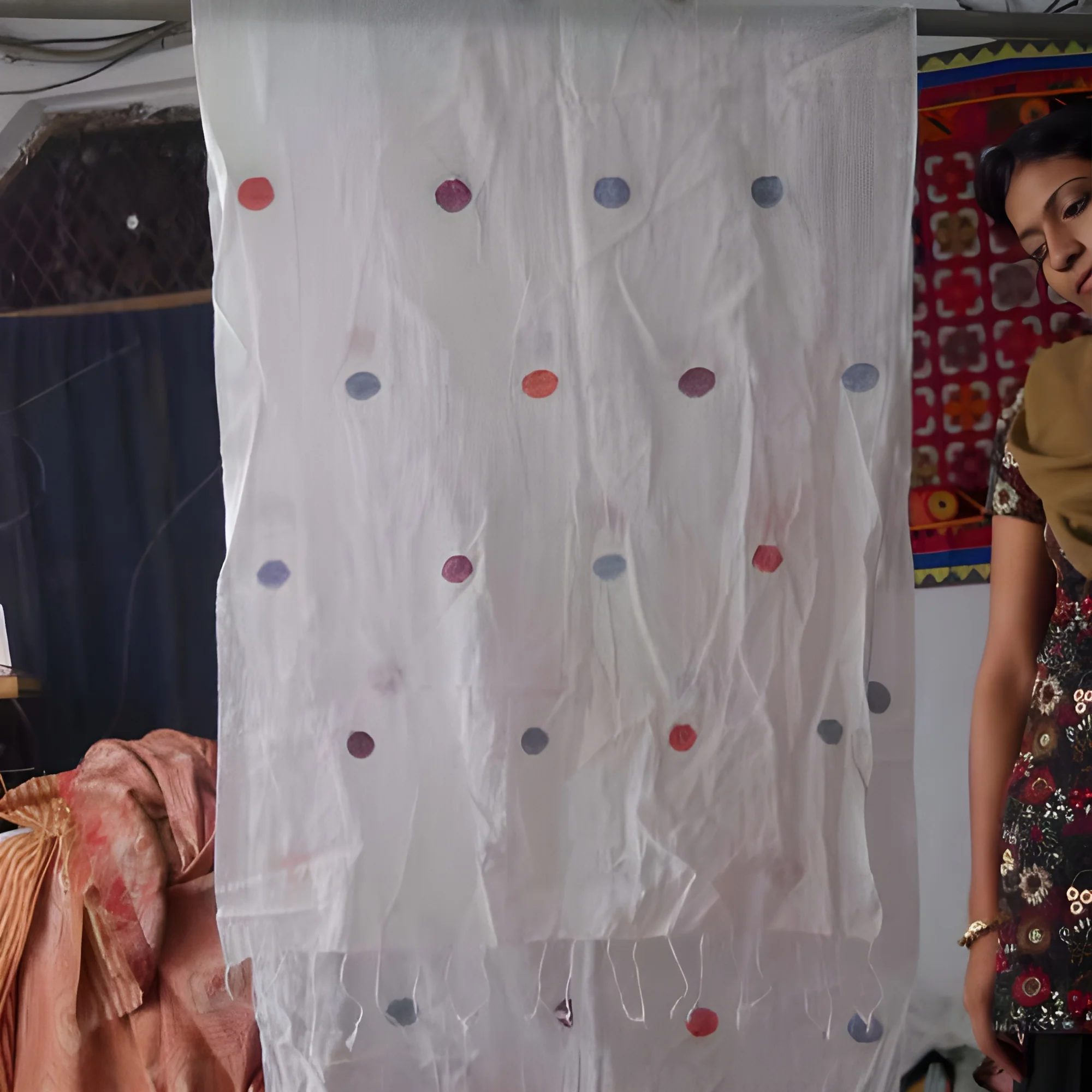
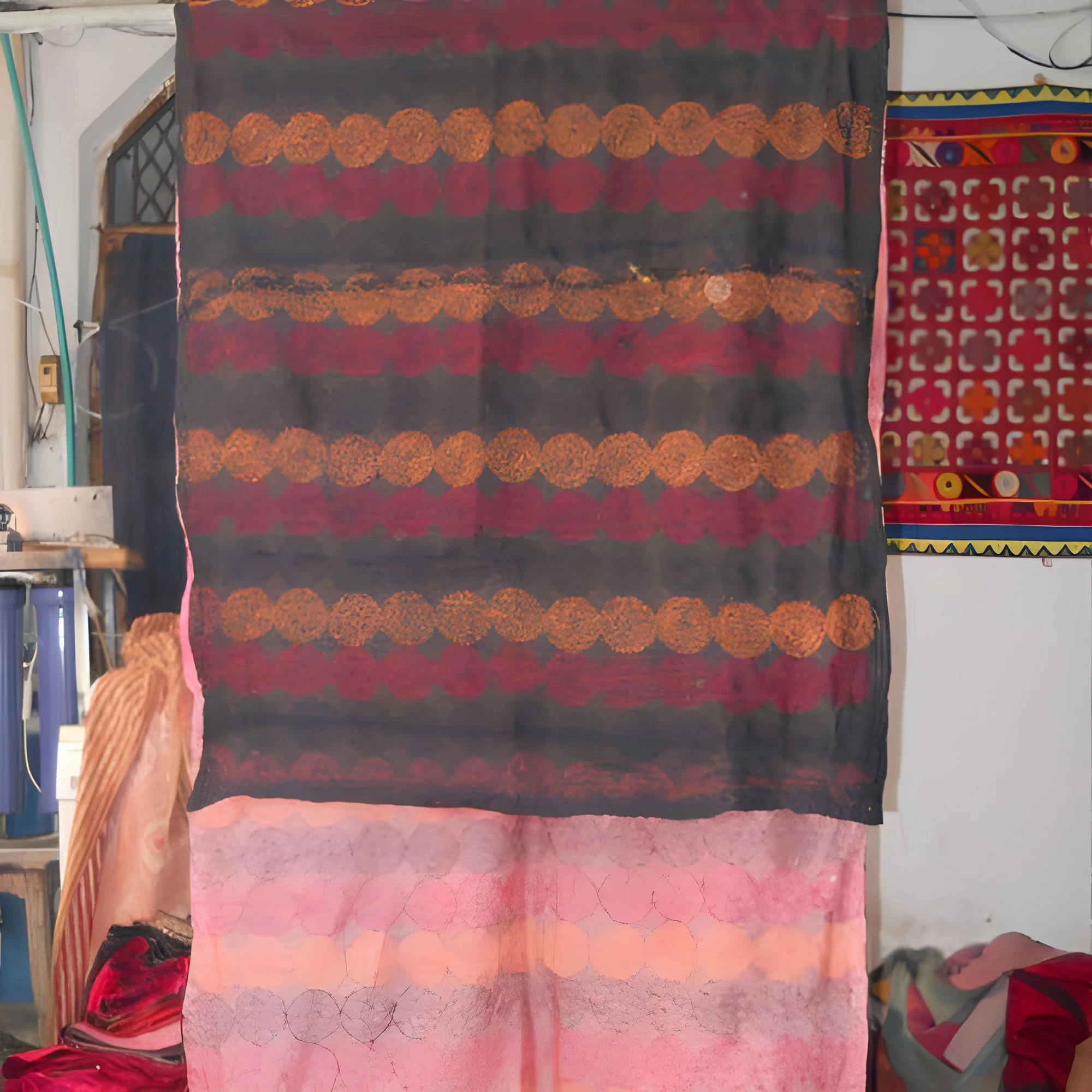
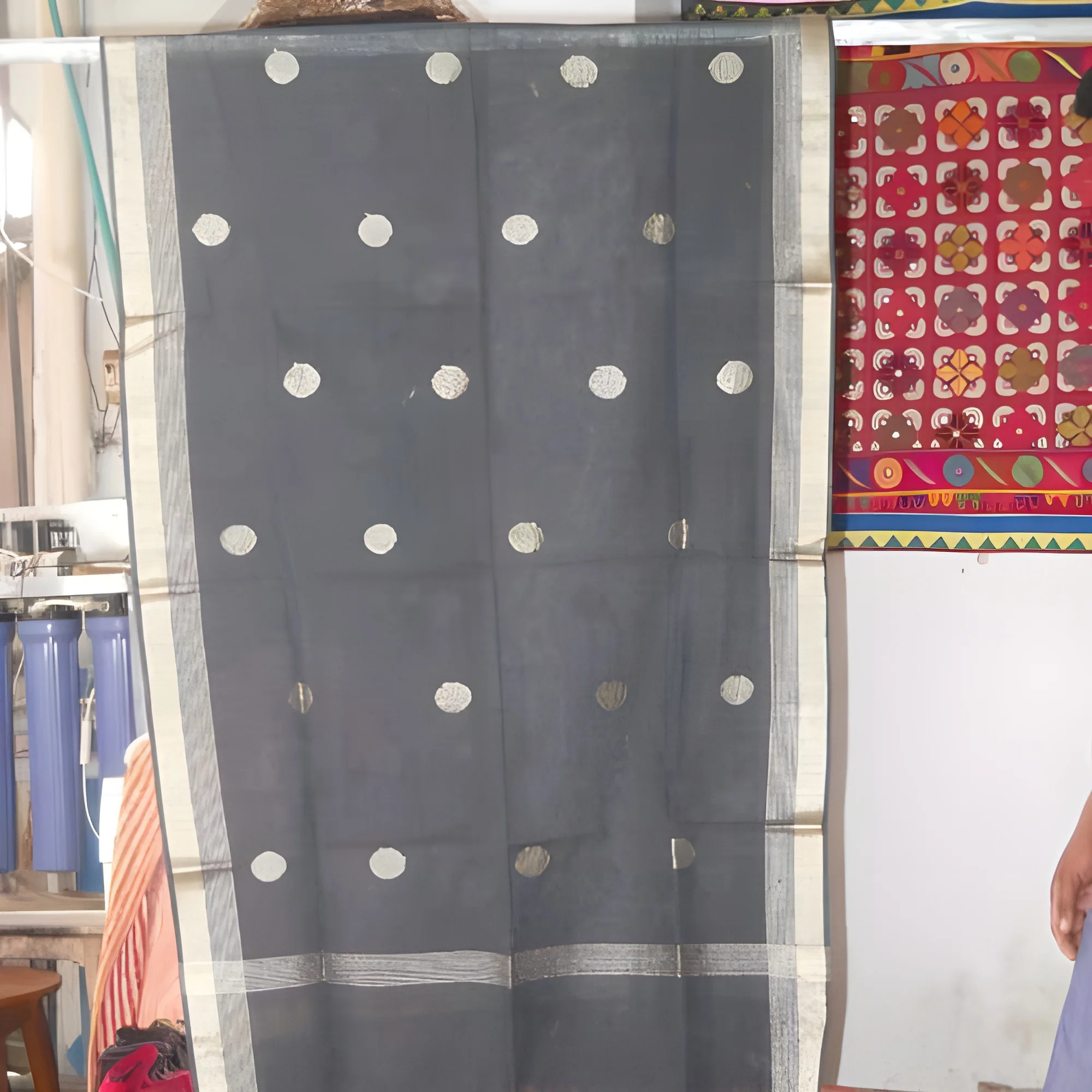
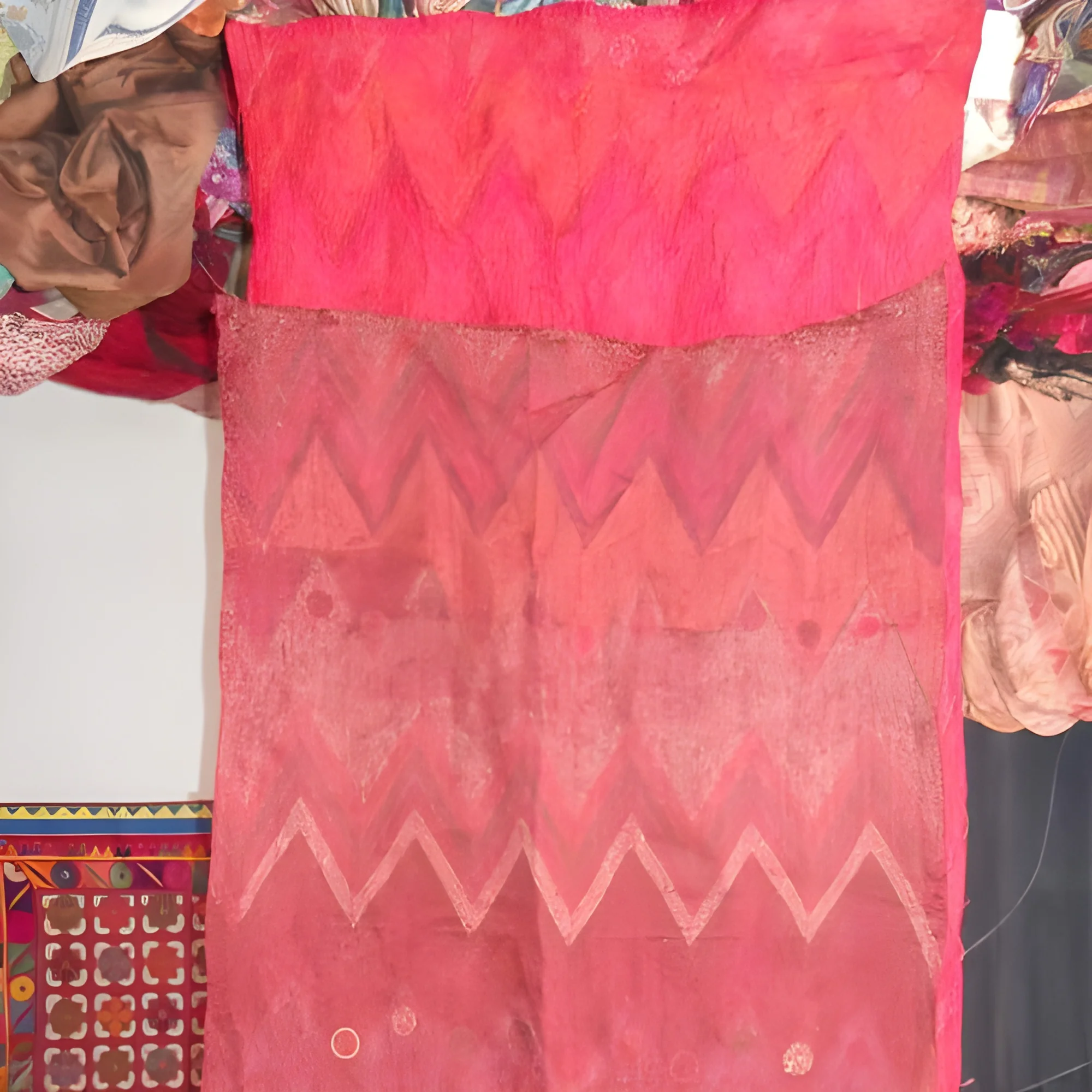
Used for curtains, wall hangings, and upholstery, these fabrics provide both functional and aesthetic benefits. Their variety allows for creative interior design solutions.
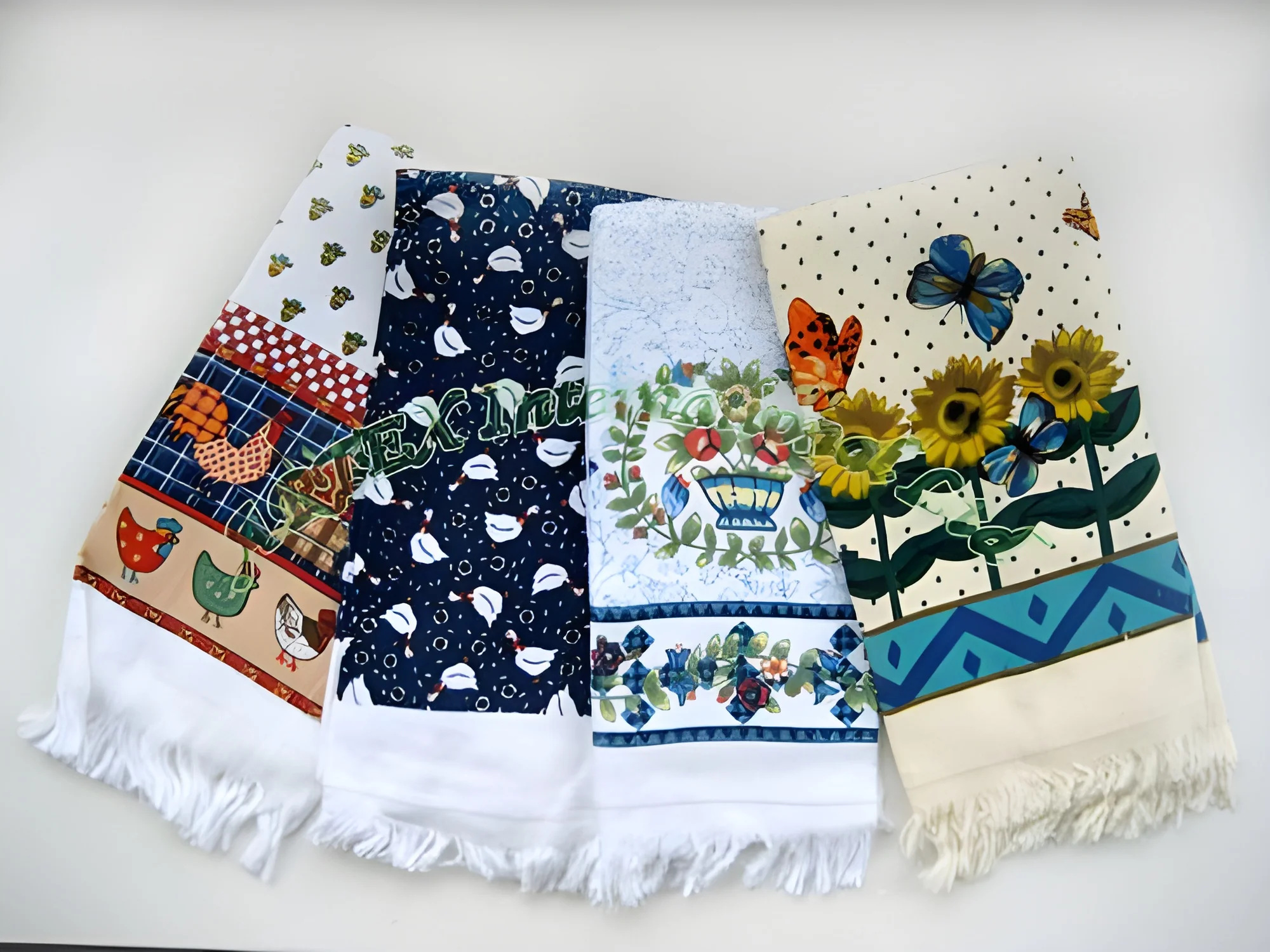
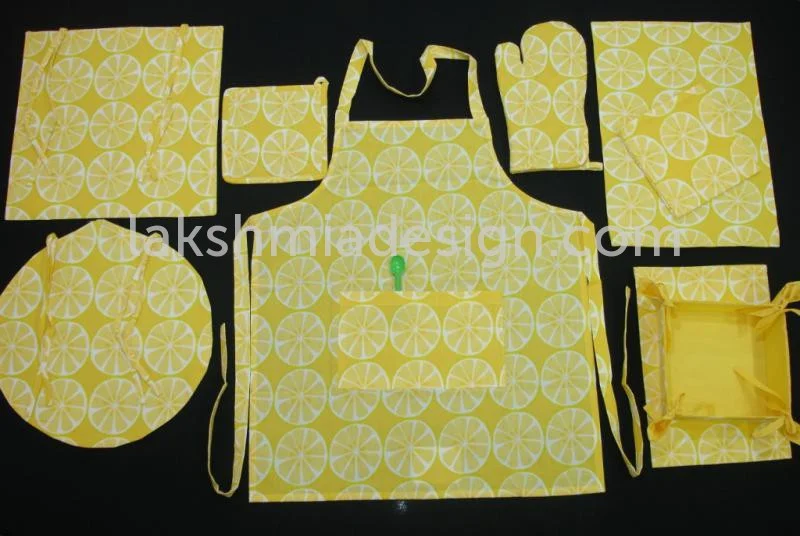
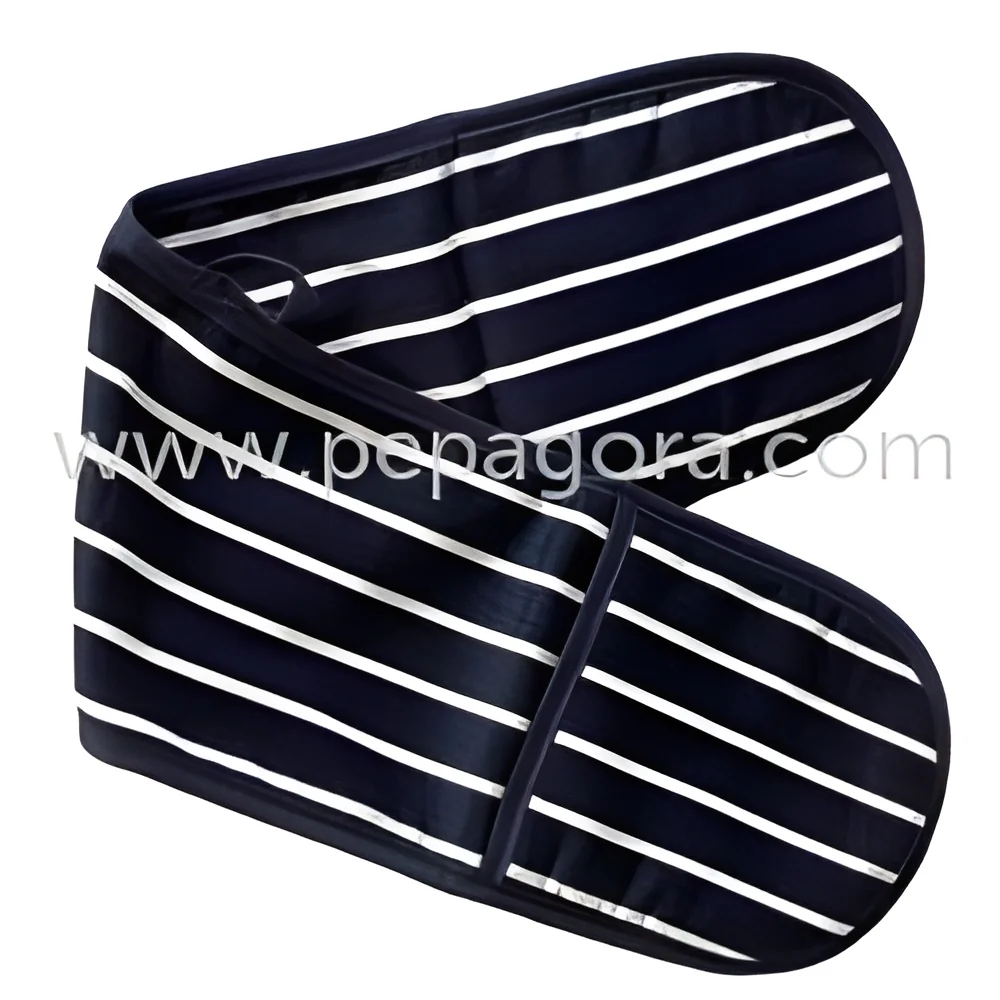
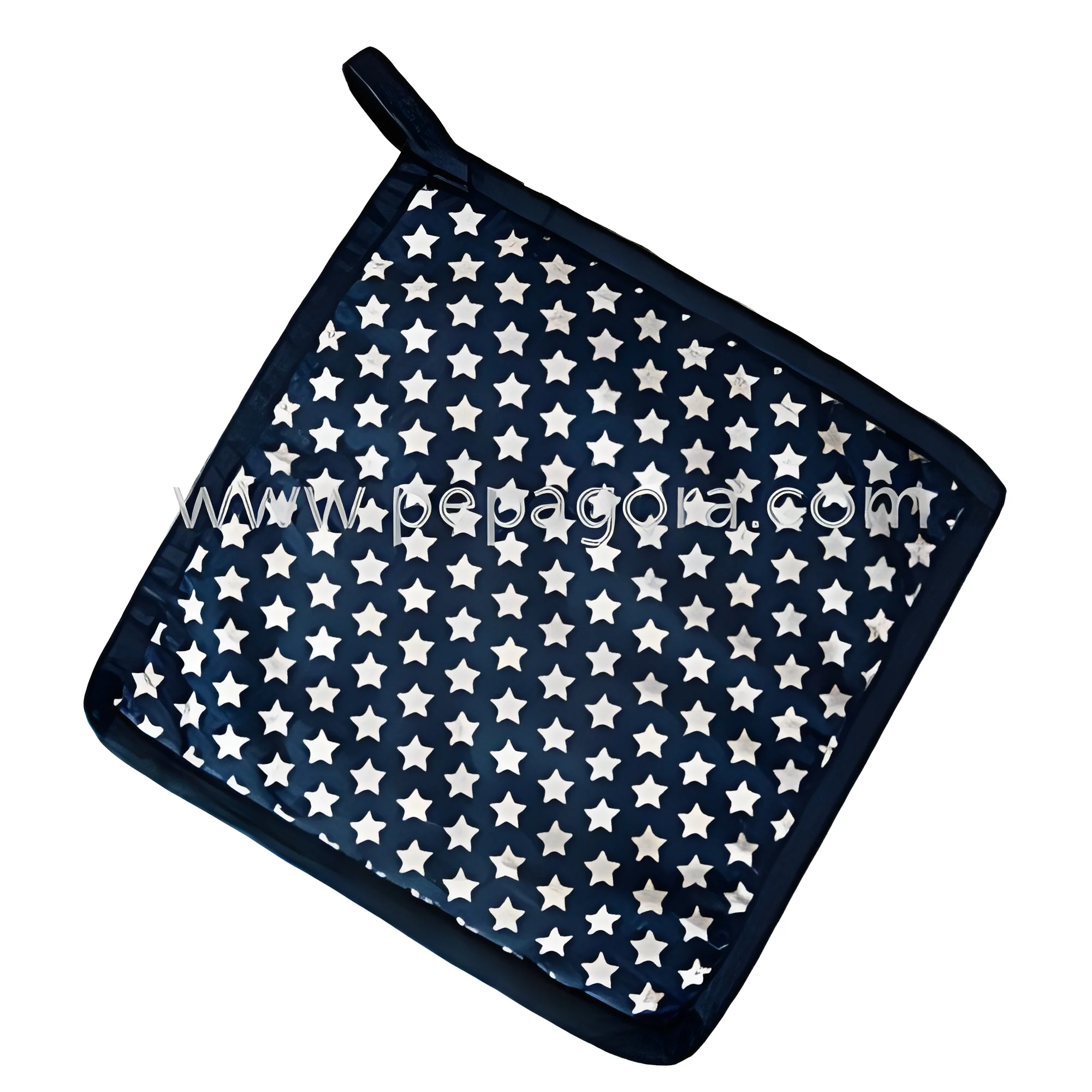
Kitchen Textiles
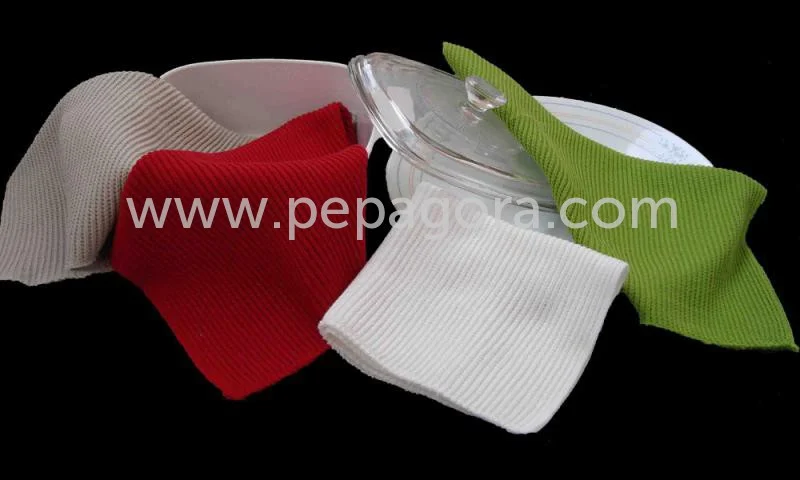
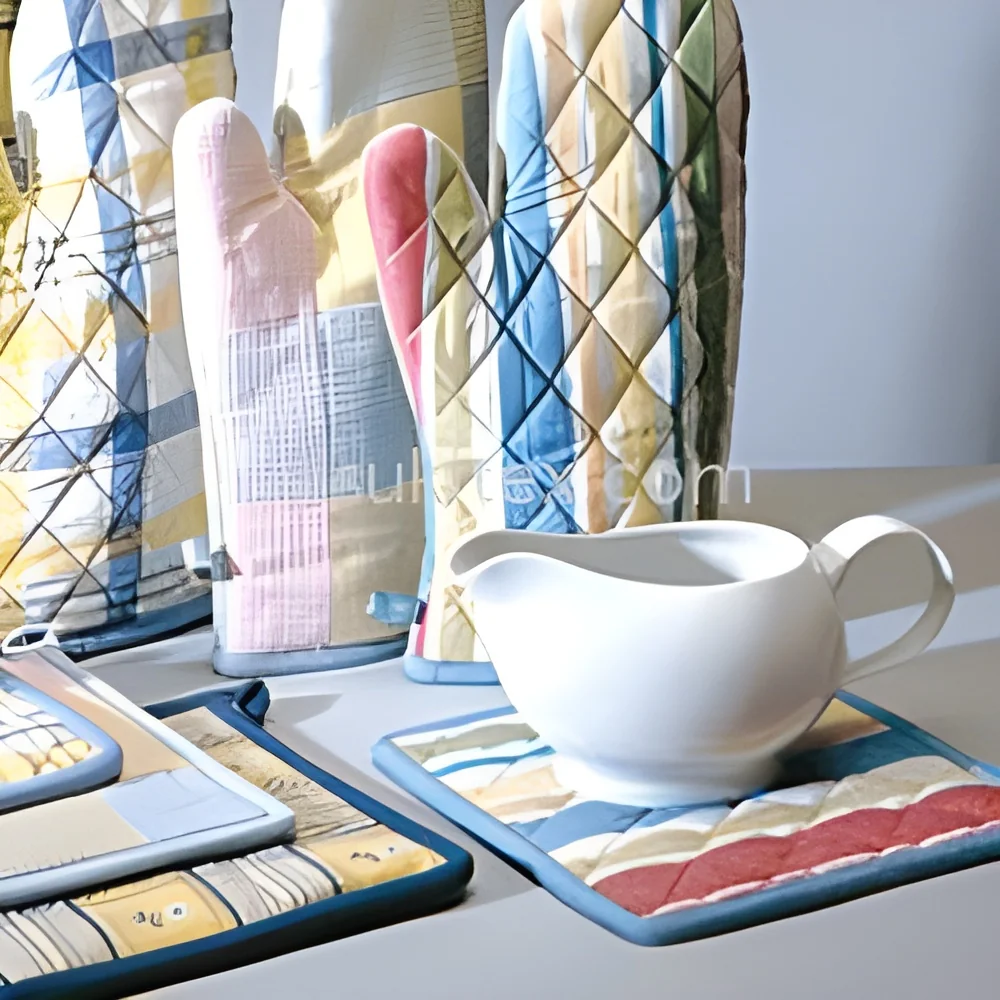
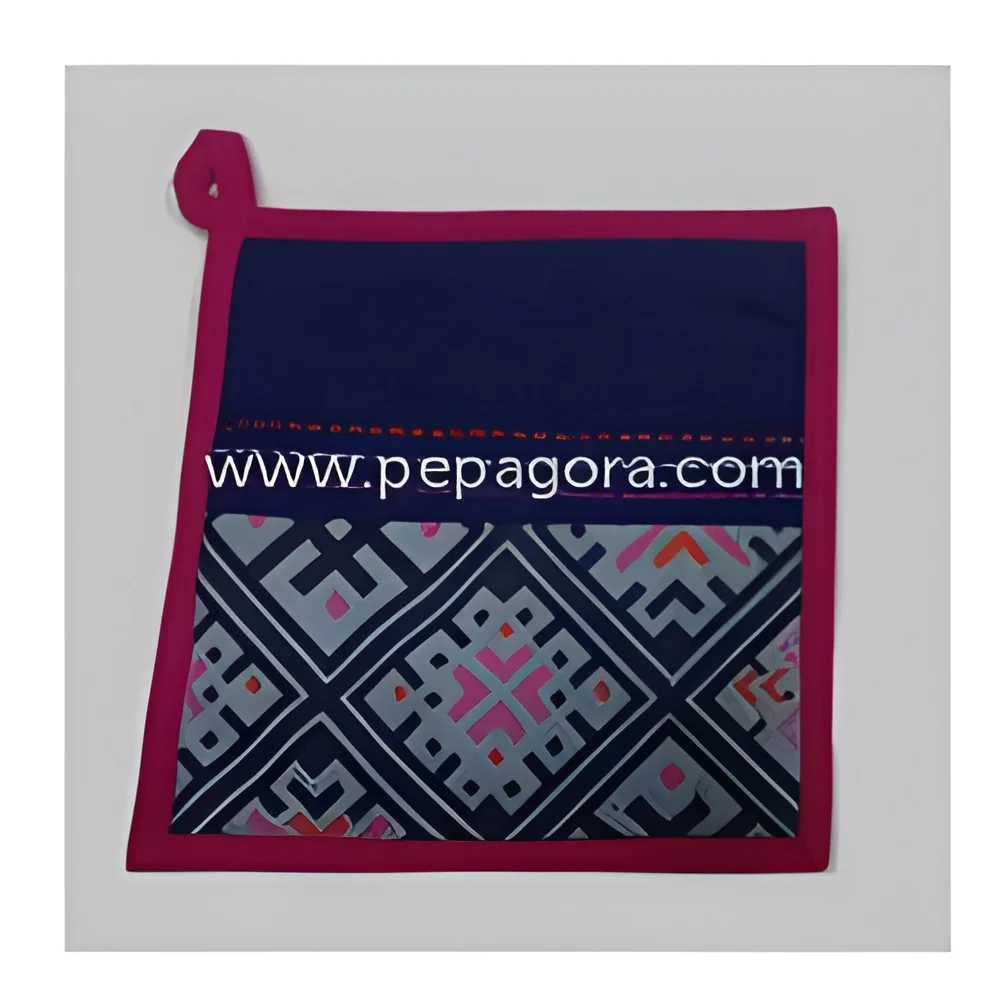
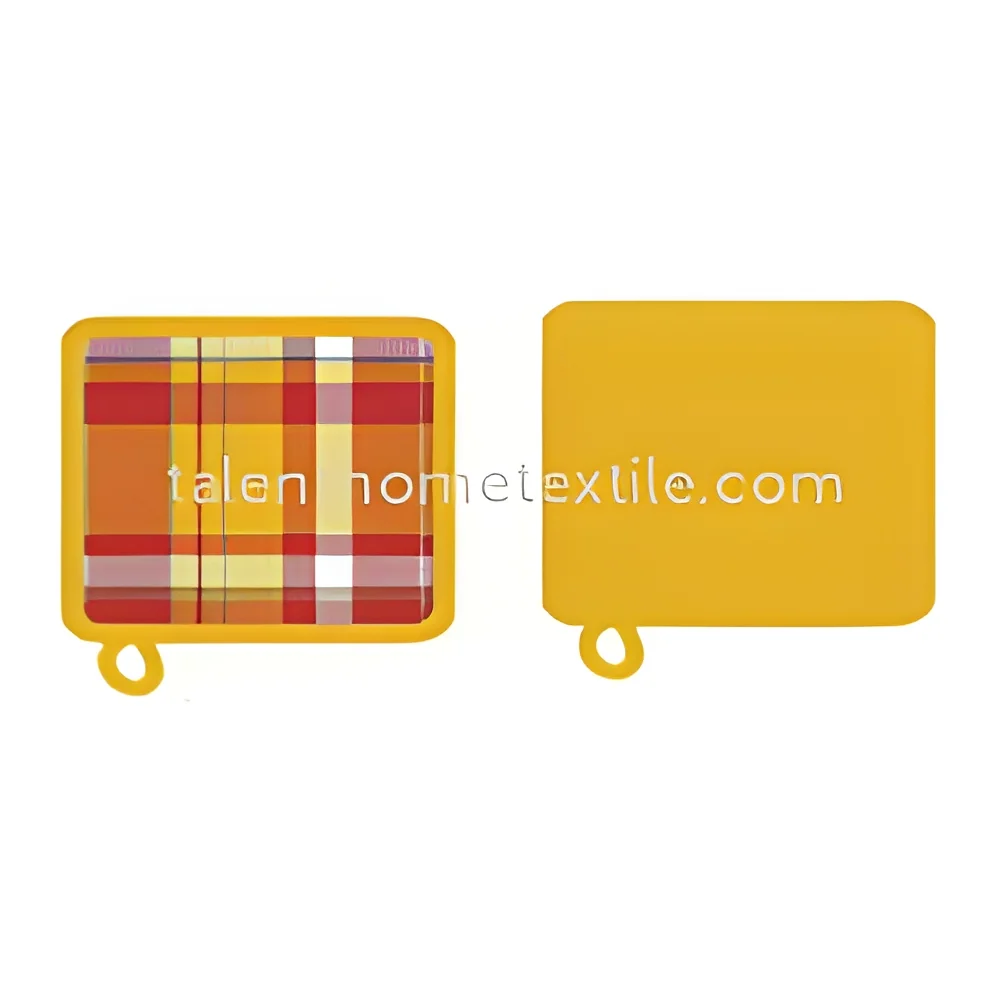
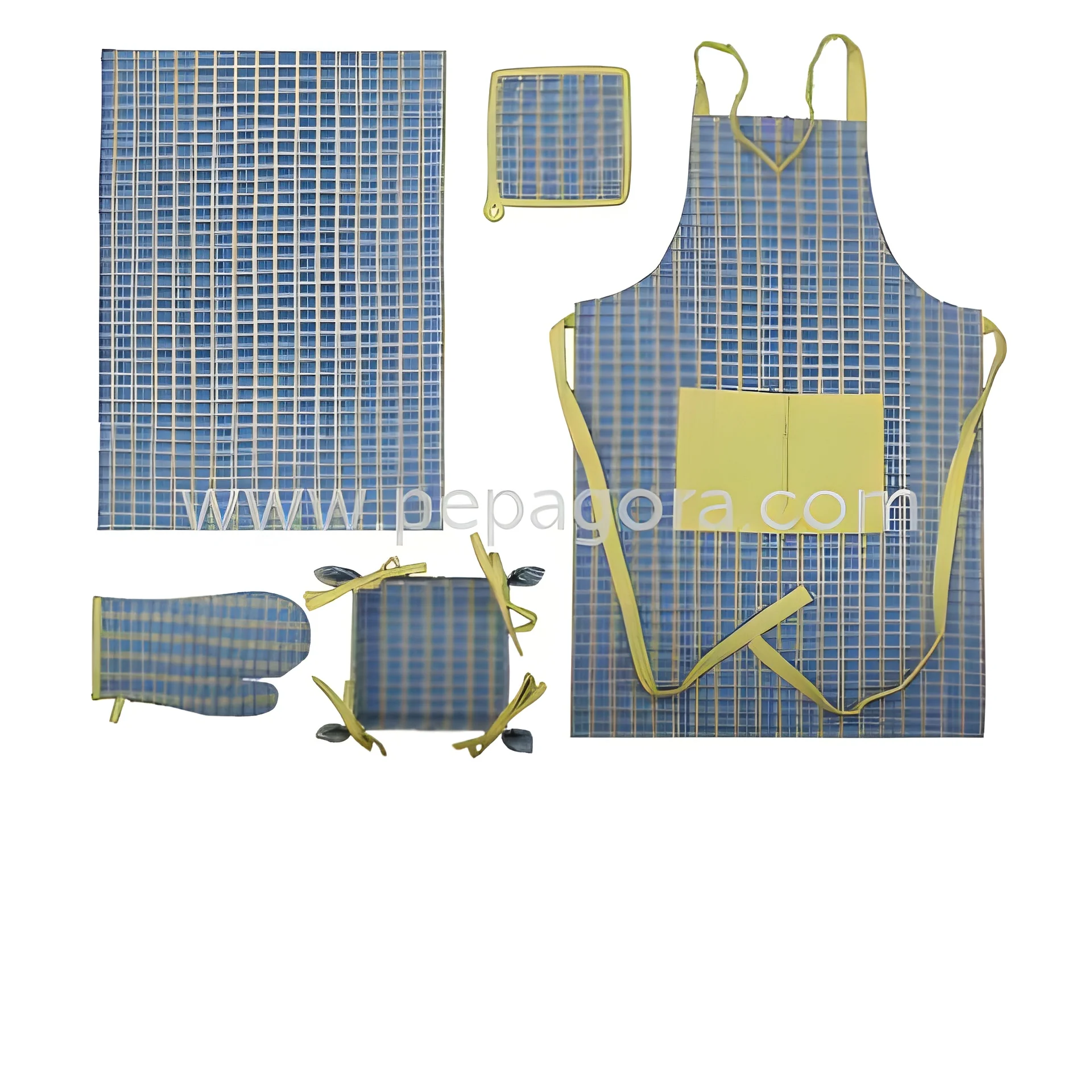
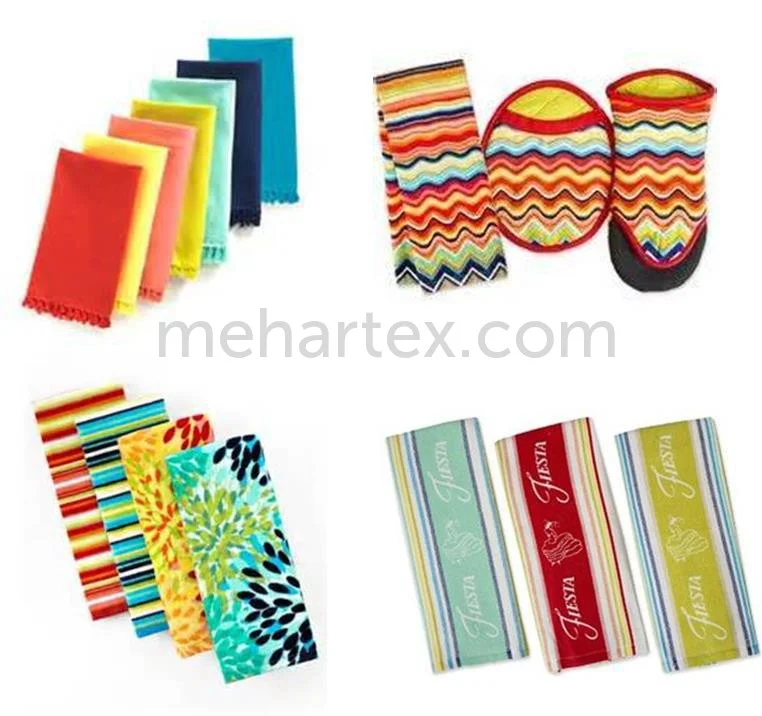
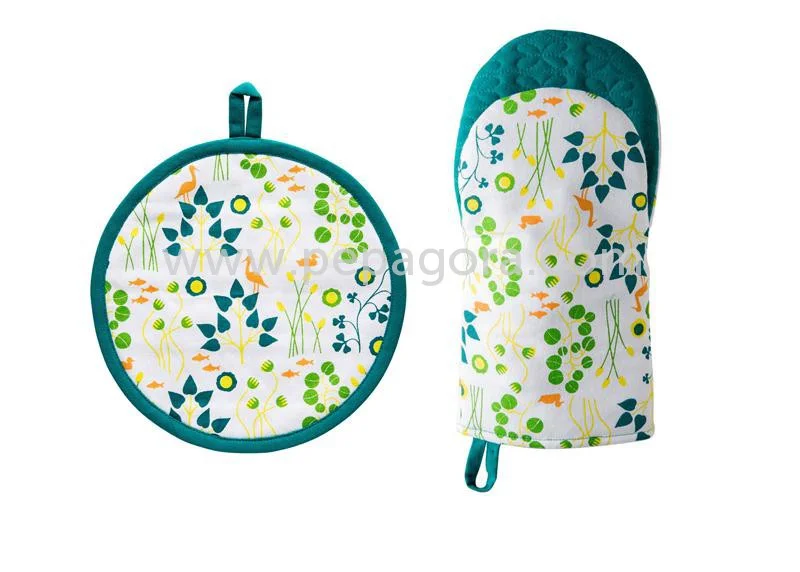
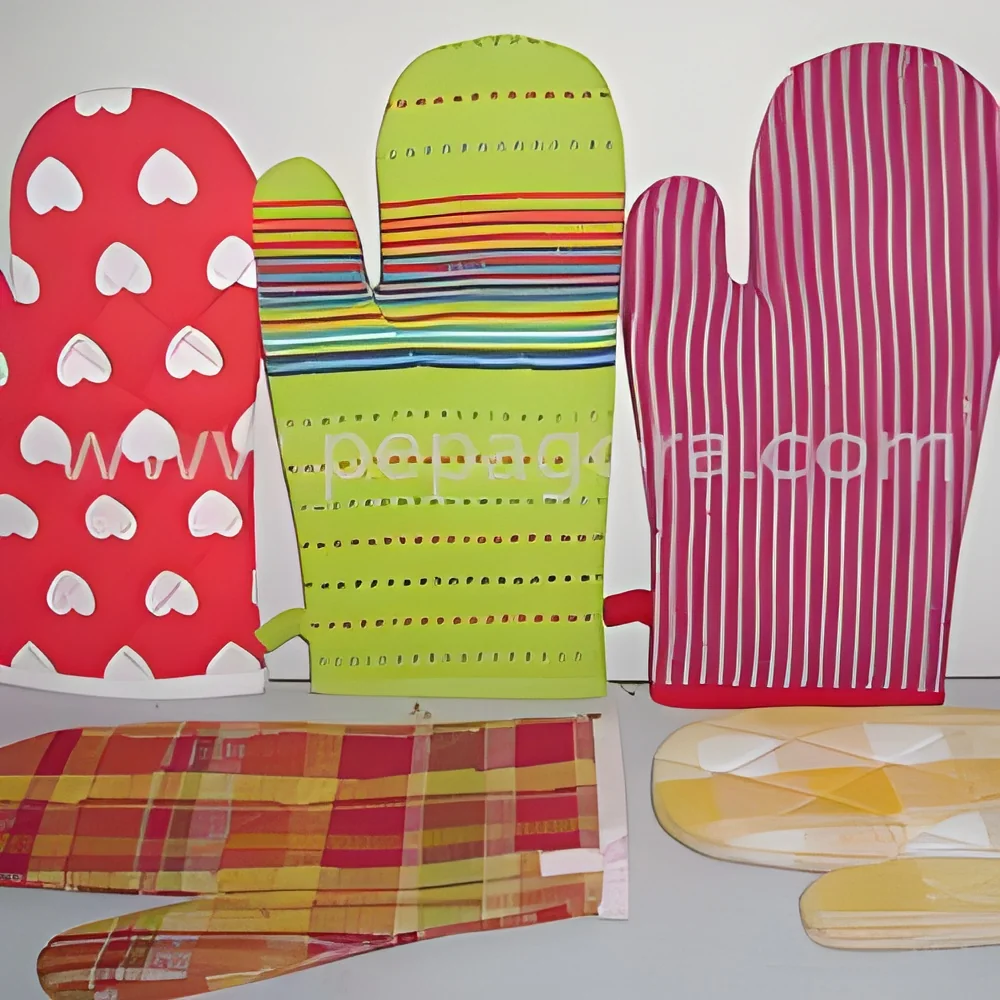
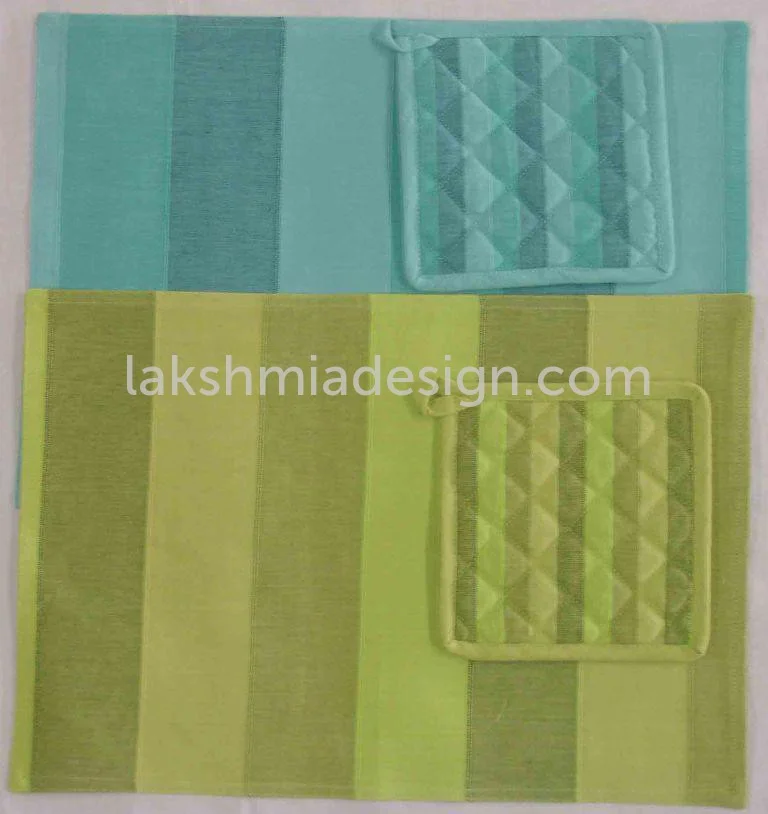
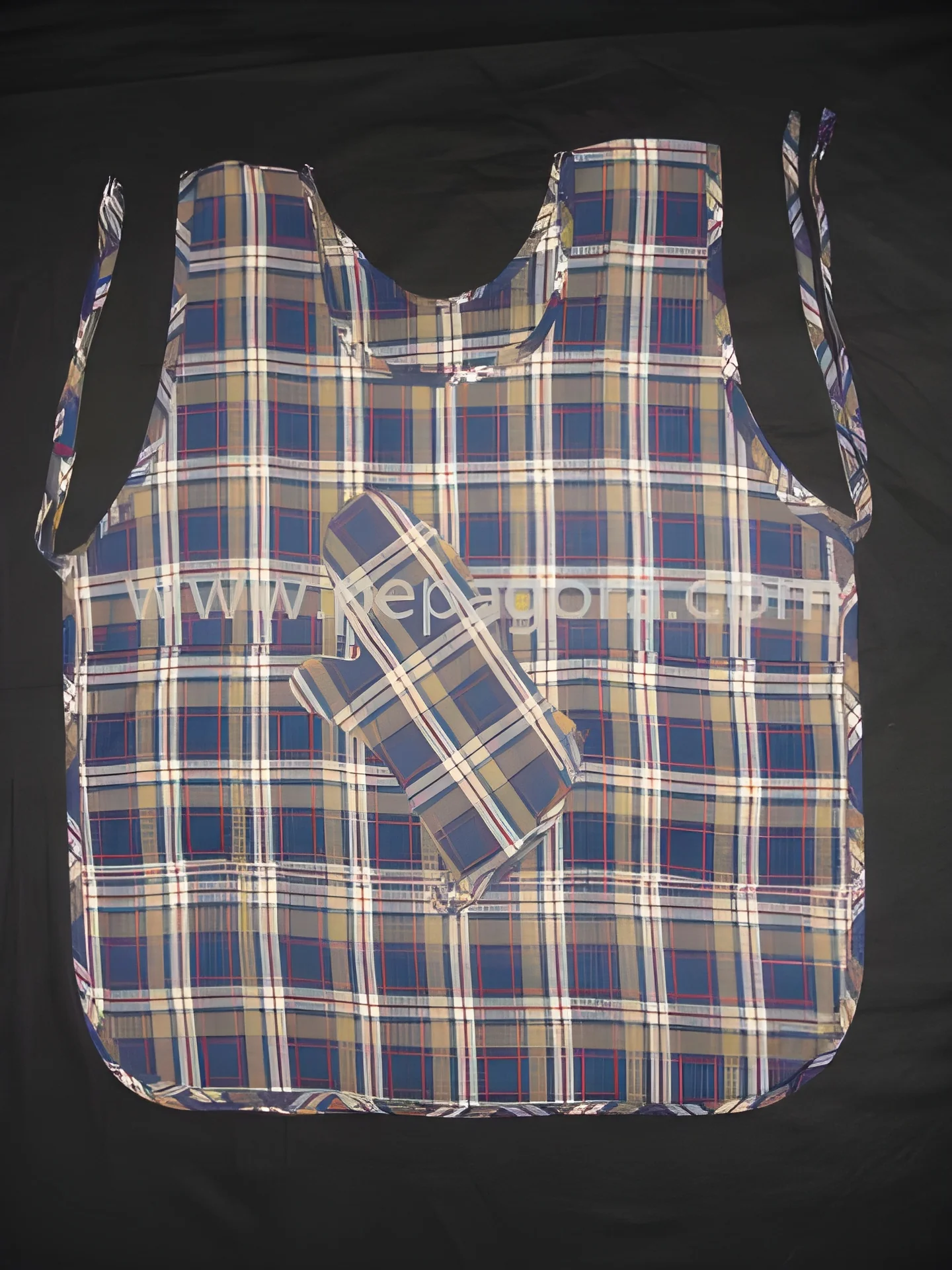
This category includes items like dish towels, aprons, and pot holders. They combine practicality with style, making kitchen tasks more enjoyable.
Benefits and Advantages
Sourcing Other Home Textiles provides several benefits that can significantly enhance business operations and customer satisfaction.
1. Customization: Many suppliers offer options to customize textiles, allowing businesses to tailor products to unique branding and design requirements.
2. Versatility: These textiles can be used across multiple settings, making them a flexible choice for various applications in different industries.
3. Aesthetic Appeal: High-quality designs and materials can enhance the overall look of spaces, improving customer experiences in retail and hospitality.
4. Durability: Well-made textiles can withstand regular use, reducing replacement costs and ensuring long-term value.
5. Eco-Friendly Options: Many manufacturers now offer sustainable textiles, aligning with consumer demand for environmentally responsible products.
6. Comprehensive Sourcing: A wide range of products allows buyers to fulfill multiple needs from a single supplier, simplifying procurement processes.
Buying Guide for B2B Buyers
When sourcing Other Home Textiles, B2B buyers should consider several critical factors to ensure they make informed decisions.
1. Quality Assessment: It is essential to evaluate the quality of textiles based on material, craftsmanship, and durability to ensure they meet industry standards.
2. Supplier Verification: Vetting suppliers for credibility, reliability, and past performance helps mitigate risks associated with procurement.
3. Pricing and MOQ: Understanding pricing structures, including minimum order quantities, can aid in budgeting and overall cost management.
4. Delivery and Lead Times: Assessing logistics and expected delivery times is crucial for maintaining project timelines and inventory levels.
5. Compliance Requirements: Awareness of relevant regulations and certifications ensures that sourced textiles meet industry standards for safety and sustainability.
Compliance and Certifications
Compliance and certifications are vital components of the Other Home Textiles industry. Adhering to quality standards such as ISO 9001 ensures that products meet specific quality management criteria, promoting consistency and reliability.
Industry certifications like CE indicate that products comply with European health, safety, and environmental protection standards. These certifications build trust among buyers and enhance marketability.
Safety and testing requirements are also crucial, particularly for textiles used in commercial and healthcare settings. Products must undergo rigorous testing to ensure they meet fire safety and hygiene standards.
Regional compliance considerations may vary, so it is important for buyers to understand local regulations that affect sourcing and purchasing decisions.
Why Source Other Home Textiles from Pepagora?
Pepagora provides a trusted platform for sourcing Other Home Textiles, offering several key advantages that benefit B2B buyers.
Verified Supplier Network: Pepagora connects buyers with a network of verified suppliers, ensuring reliability and quality in sourcing. This network allows buyers to explore multiple options and select the best fit for their needs.
Streamlined RFQ Process: The platform features an efficient request for quotation (RFQ) system, simplifying the procurement process. Buyers can easily request quotes from multiple suppliers, facilitating competitive pricing and informed decision-making.
Trade Assurance and Support: Pepagora offers trade assurance and buyer protection, providing peace of mind during transactions. Customers can rely on the platform for support throughout the purchasing process, ensuring smooth communication and resolution of any issues.
Regional Coverage: With a strong presence in India, GCC, and Southeast Asia, Pepagora caters to diverse markets. This geographic reach ensures that buyers can access a wide variety of Other Home Textiles tailored to local preferences and requirements.

 IN
IN