
 IN
Paint Rollers
2 products available
What are Paint Rollers?
Paint rollers are essential tools used for applying paint and coatings to surfaces quickly and efficiently. They consist of a cylindrical core covered with a fabric or foam material, which is designed to absorb paint and distribute it evenly across a surface. Paint rollers are favored for their ability to cover large areas in a short amount of time compared to traditional brushes. They come in various sizes, textures, and materials to suit different types of paint and surfaces.
In the business context, paint rollers are primarily used in construction, maintenance, and manufacturing sectors. They are ideal for painting walls, ceilings, and other large surfaces in both residential and commercial settings. Industries often rely on paint rollers to ensure smooth and uniform finishes, enhancing the aesthetic appeal and protection of surfaces. As the construction and renovation markets continue to grow, the demand for efficient painting tools like paint rollers remains strong, making them a staple in the industry.
Key Features and Specifications
Paint rollers are designed with specific features that enhance their functionality and effectiveness. Understanding these specifications is crucial for selecting the right type for various applications.
Key specifications include:
1. Roller Diameter
- Standard sizes range from 4 inches to 18 inches.
- Diameter affects the coverage area and painting speed.
2. Nap Length
- Nap lengths typically range from 1/8 inch to 1 inch.
- Longer naps are suitable for textured surfaces, while shorter naps work best for smooth finishes.
3. Material Composition
- Options include synthetic fibers, natural fibers, and foam.
- Each material offers different absorption and release properties.
4. Core Material
- Common materials include plastic and cardboard.
- Plastic cores are more durable, while cardboard is lightweight and economical.
5. Handle Type
- Various handle designs and lengths are available.
- Ergonomic handles improve comfort during extended use.
6. Paint Compatibility
- Rollers can be designed for water-based or oil-based paints.
- Selecting the right roller helps achieve optimal results.
7. Reusability
- Some rollers are washable and reusable, while others are disposable.
- Reusable options can be more cost-effective over time.
In summary, selecting the appropriate paint roller involves considering these key specifications to match the project's requirements.
Common Applications and Use Cases
Paint rollers find extensive use across various industries due to their efficiency and versatility.
1. Construction: In the construction industry, paint rollers are used for both interior and exterior applications. They help in applying primer, paint, and sealants on walls and ceilings quickly.
2. Maintenance: Facilities management teams utilize paint rollers for routine maintenance tasks, ensuring that surfaces are refreshed and protected from wear and tear.
3. Manufacturing: In manufacturing plants, paint rollers are used for coating machinery and equipment to prevent corrosion and enhance durability.
4. Automotive: In the automotive industry, paint rollers may be employed in custom paint jobs or repairs, allowing for smooth application on vehicle surfaces.
5. Hospitality: Hotels and restaurants use paint rollers to maintain aesthetic appeal by refreshing the paint on walls and ceilings, contributing to a pleasant environment for guests.
6. Retail: Retail spaces utilize paint rollers to keep their interiors and storefronts attractive, reflecting brand identity and enhancing customer experience.
7. Residential: Homeowners often choose paint rollers for DIY projects, enabling them to achieve professional-looking finishes without hiring contractors.
Product Variants and Subcategories
Paint rollers come in various types to meet specific needs and preferences, showcasing their diversity in application.
Standard Paint Rollers: These are commonly used for general painting tasks, available in various sizes and nap lengths to suit different surfaces and paint types.
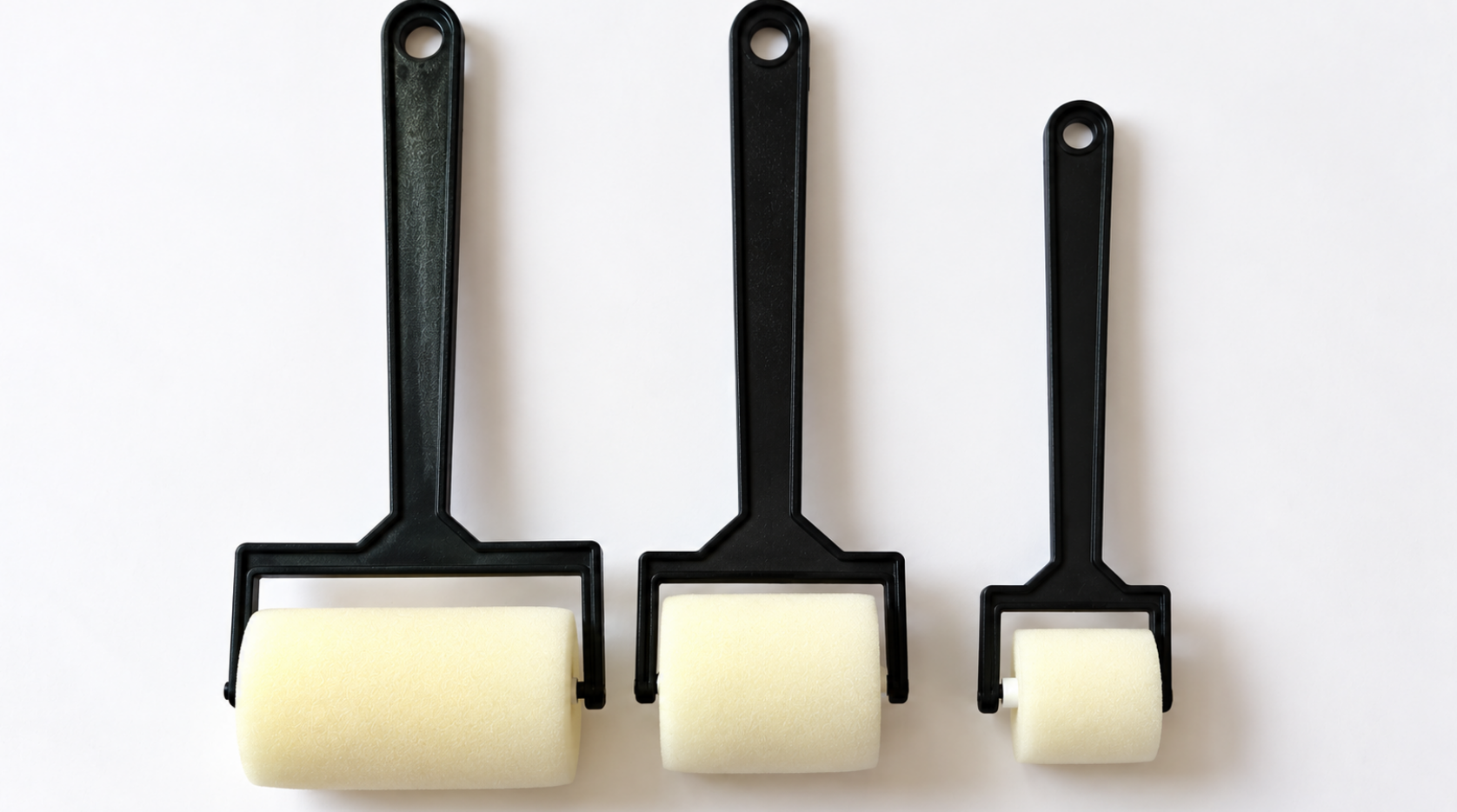
Mini Paint Rollers: Designed for tight spaces and smaller projects, mini rollers are perfect for detail work, such as painting trim and corners.
Foam Rollers: Ideal for smooth surfaces and applying thin coats of paint, foam rollers are often used for finishing touches and touch-ups.
Extra Long Rollers: These rollers are designed for high ceilings and large walls, allowing users to cover significant areas without the need for scaffolding.
Benefits and Advantages
Paint rollers offer several benefits that make them a preferred choice for painting tasks in both commercial and residential settings.
1. Time Efficiency: Paint rollers cover large areas quickly, significantly reducing the time required for painting compared to brushes.
2. Uniform Finish: Rollers provide a consistent and even application, minimizing streaks and ensuring a professional appearance.
3. Versatility: With different sizes, materials, and nap lengths available, paint rollers can be used on various surfaces and with multiple types of paint.
4. Ease of Use: The straightforward design of paint rollers makes them easy to handle, even for those with minimal painting experience.
5. Cost-Effectiveness: Rollers can be reusable, leading to savings on materials over time, especially for large projects.
6. Reduced Cleanup: Many rollers are designed for easy cleaning, allowing for quick transitions between projects.
Buying Guide for B2B Buyers
When sourcing paint rollers, it is essential to consider several factors to ensure a suitable purchase.
1. Quality Assessment: Evaluate the quality of paint rollers by checking materials and construction. High-quality rollers will provide better results and durability.
2. Supplier Verification: Vet suppliers by checking their reputation, customer reviews, and past performance. Reliable suppliers ensure consistent product quality and timely delivery.
3. Pricing and MOQ: Understand the pricing structure and minimum order quantities (MOQ) before making a purchase. This helps in budgeting and ensures supply aligns with project needs.
4. Delivery and Lead Times: Inquire about delivery timelines and logistics. Timely delivery is critical for keeping projects on schedule.
5. Compliance Requirements: Ensure that the paint rollers meet any relevant industry regulations and safety standards to avoid legal issues.
Compliance and Certifications
Compliance with industry standards is crucial for ensuring the quality and safety of paint rollers. Relevant quality standards such as ISO 9001 guarantee that products meet international quality management criteria. Additionally, certifications like CE signify that the products adhere to European safety, health, and environmental protection standards.
Testing requirements ensure that paint rollers perform as intended under various conditions. Regular assessments of durability, absorption, and compatibility with different paint types are essential for maintaining product integrity.
Regional compliance considerations may vary based on local regulations. It is vital for manufacturers and suppliers to stay updated on these requirements to ensure that their products meet market expectations.
Why Source Paint Rollers from Pepagora?
Pepagora provides a trusted platform for sourcing paint rollers, offering significant advantages to buyers.
Verified Supplier Network: Pepagora features a network of verified suppliers, ensuring that buyers can confidently procure high-quality paint rollers from reputable sources.
Streamlined RFQ Process: The request for quotation (RFQ) process on Pepagora is designed to simplify procurement. Buyers can easily compare offers and select the best option for their needs.
Trade Assurance and Support: Pepagora offers trade assurance, providing buyers with protection and support throughout the purchasing process. This helps to mitigate risks associated with sourcing.
Regional Coverage: With a focus on markets in India, the GCC, and Southeast Asia, Pepagora provides extensive regional coverage, making it easier for businesses to access paint rollers that meet their specific requirements.

 India
Frequently Asked Questions
What are Paint Rollers?
Paint rollers are cylindrical tools used for applying paint and other coatings to surfaces. They are designed to cover large areas quickly and efficiently, typically consisting of a foam or fabric cover attached to a roller frame.
What are the different types of Paint Rollers?
There are several types of paint rollers, including standard rollers, mini rollers, and specialty rollers. Standard rollers are used for most painting jobs, while mini rollers are ideal for tight spaces. Specialty rollers may have unique textures or materials for specific applications.
How do I choose the right Paint Rollers?
Choosing the right paint roller depends on the surface you're painting and the type of paint being used. Consider the nap thickness of the roller cover, as thicker naps are suitable for textured surfaces, while shorter naps work well on smooth surfaces.
What are the standard specifications for Paint Rollers?
Standard specifications for paint rollers include roller diameter, nap length, and material type. Roller diameters typically range from 4 to 18 inches, while nap lengths can vary from 1/8 inch to 1 inch, depending on the application.
What is the price range for Paint Rollers?
The price range for paint rollers can vary widely based on type and quality. Generally, prices can start from as low as INR 50 for basic rollers and can go up to INR 500 or more for specialized or high-quality options.
What quality standards apply to Paint Rollers?
Quality standards for paint rollers typically include durability, performance, and material safety. Reputable manufacturers often comply with industry standards to ensure that their rollers are effective and safe for use.
Where can I find Paint Rollers suppliers in India?
You can find paint roller suppliers in India through online B2B marketplaces like Pepagora.com. Additionally, local hardware stores and paint specialty shops often carry various brands and types of paint rollers.
Can Paint Rollers be customized?
Yes, paint rollers can be customized based on specific requirements, such as roller size, nap thickness, or even branding. Many manufacturers and suppliers offer customization options to cater to different customer needs.
What is the typical minimum order quantity for Paint Rollers?
The typical minimum order quantity (MOQ) for paint rollers can vary by supplier but usually ranges from 50 to 100 units. It's advisable to check with individual suppliers for their specific MOQ requirements.
What is the typical lead time for Paint Rollers?
The typical lead time for paint rollers can range from a few days to several weeks, depending on the supplier and the order size. Custom orders may take longer, so it's important to confirm delivery schedules with your supplier.
Why Businesses Trust Pepagora
Thousands of companies trust Pepagora to source smarter and sell faster
Expand Your Sales Globally

Source Smarter,Grow Faster
