
 IN
IN₹
Apparel & Fashion
Sandpaper & Sanding Blocks
7 products available
What are Sandpaper & Sanding Blocks?
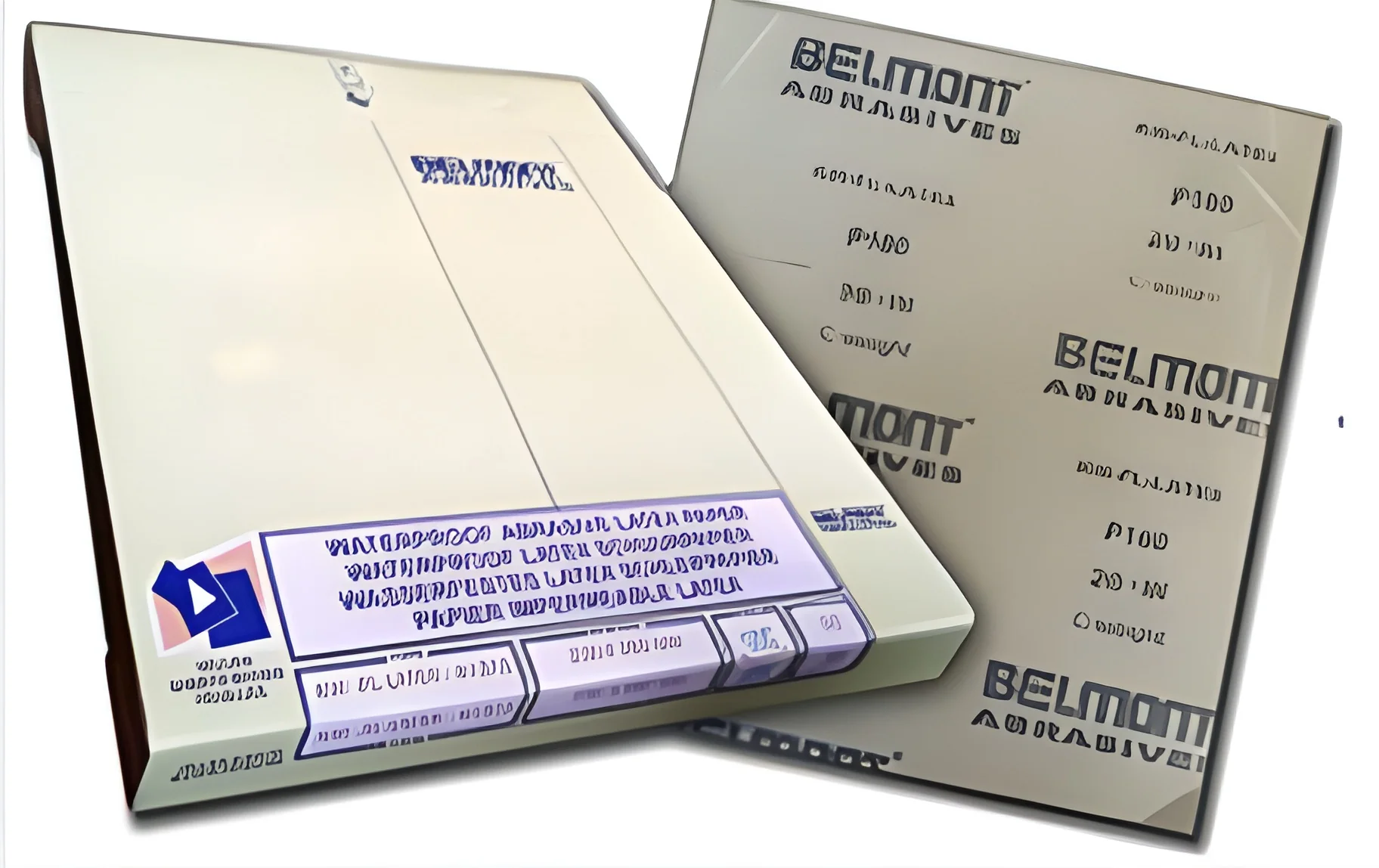
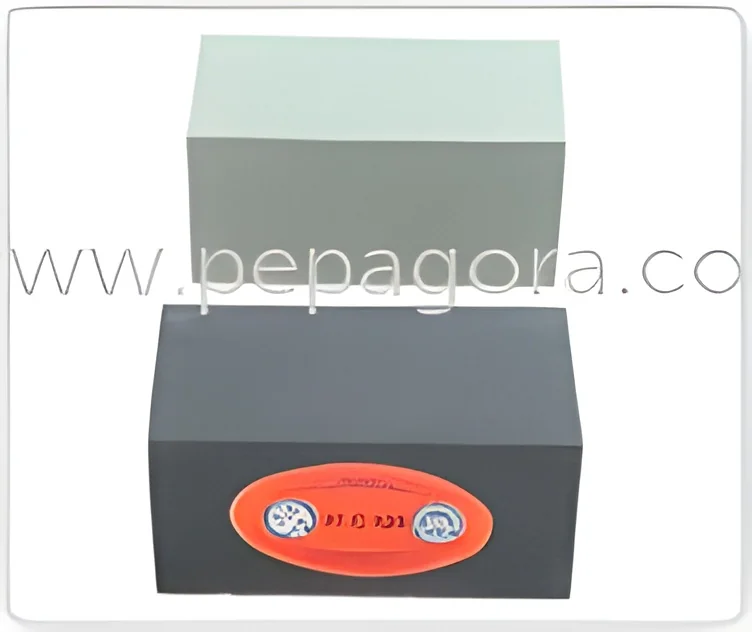
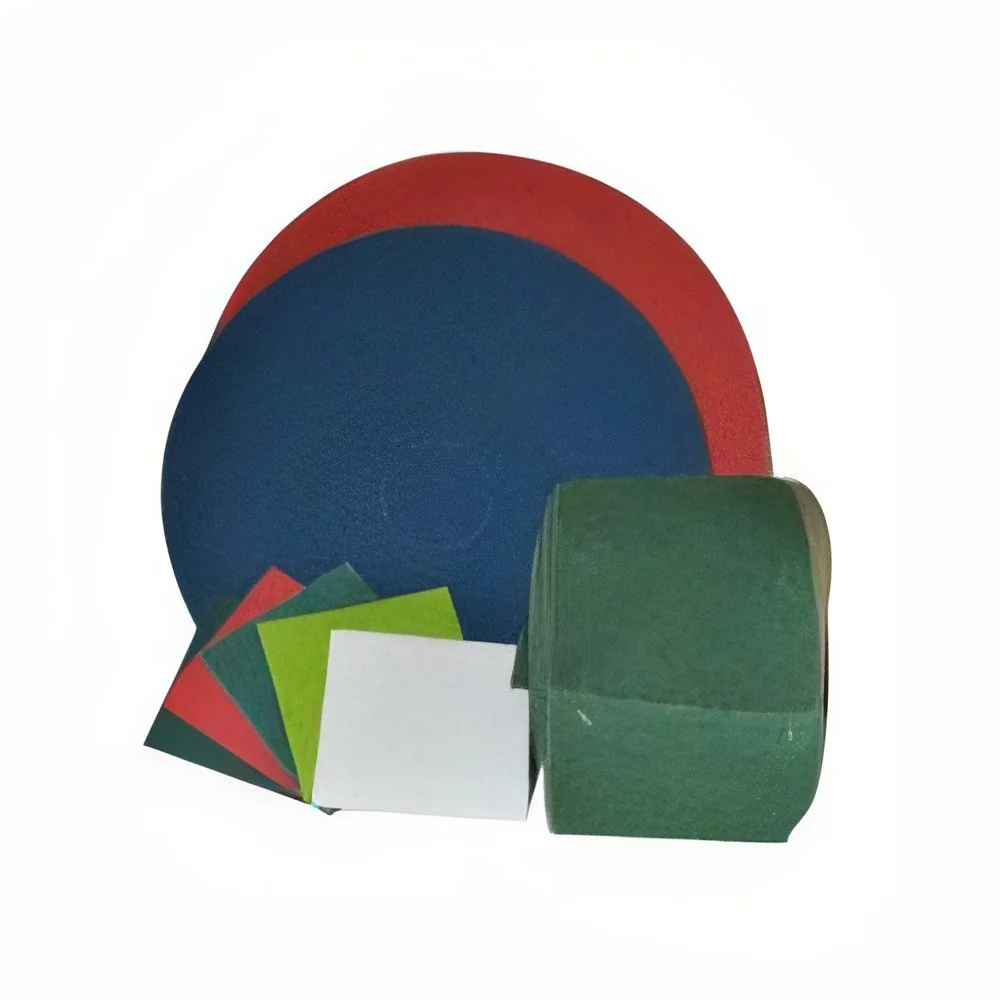
Sandpaper and sanding blocks are essential tools used in various industries for smoothing and finishing surfaces. Sandpaper consists of a thin sheet coated with abrasive material, allowing it to remove material from surfaces effectively. Sanding blocks, on the other hand, are typically made of wood or foam and are designed to hold sandpaper securely while providing a sturdy grip for users. Both products are vital for achieving high-quality finishes in woodworking, metalworking, and construction applications.
These tools find primary use in industries where surface preparation is crucial. For instance, they are commonly utilized in woodworking to prepare surfaces for painting or staining, ensuring smooth and even finishes. In metalworking, sandpaper and sanding blocks assist in removing rust and preparing metal surfaces for welding or coating. As businesses focus on quality and precision, the demand for reliable sanding solutions continues to increase, making these products significant in the industrial market.
Key Features and Specifications
Sandpaper and sanding blocks come with various features and specifications designed to meet specific needs. These specifications are critical for selecting the right product for different applications.
Key specifications include:
1. Grit Size
- Refers to the coarseness of the sandpaper.
- Available in a range from very coarse (40 grit) to very fine (600 grit).
2. Material Type
- Common materials include aluminum oxide, silicon carbide, and garnet.
- Different materials offer varying levels of durability and cutting power.
3. Backing Material
- Sandpaper can have different backing materials such as paper, cloth, or film.
- Each backing type offers specific flexibility and strength characteristics.
4. Size and Shape
- Sandpaper sheets come in standard sizes, while sanding blocks can be rectangular or triangular.
- Variations in size allow for use in different applications and tight spaces.
5. Durability
- Some sandpapers are designed for wet or dry applications.
- Durability varies based on material and intended use.
6. Adhesive Type
- Sandpaper can be PSA (pressure-sensitive adhesive) or hook-and-loop.
- Adhesive type affects ease of use and replacement.
In summary, understanding these specifications helps buyers select the appropriate sandpaper and sanding blocks for their specific needs.
Common Applications and Use Cases
Sandpaper and sanding blocks are utilized in numerous applications across various industries.
1. Woodworking: Used for smoothing surfaces, preparing for finishes, and shaping wood components.
2. Metalworking: Essential for deburring, rust removal, and finishing metal surfaces before coating or welding.
3. Automotive: Applied in bodywork to prepare surfaces for painting and refinishing.
4. Construction: Utilized for finishing drywall, smoothing joints, and preparing surfaces for painting.
5. Furniture Manufacturing: Important for achieving smooth finishes on furniture pieces.
6. Arts and Crafts: Used in various DIY projects for surface preparation and finishing.
7. Marine Applications: Helps in preparing surfaces for painting and maintenance of boats.
Product Variants and Subcategories
There are several variants of sandpaper and sanding blocks available to cater to different user requirements.
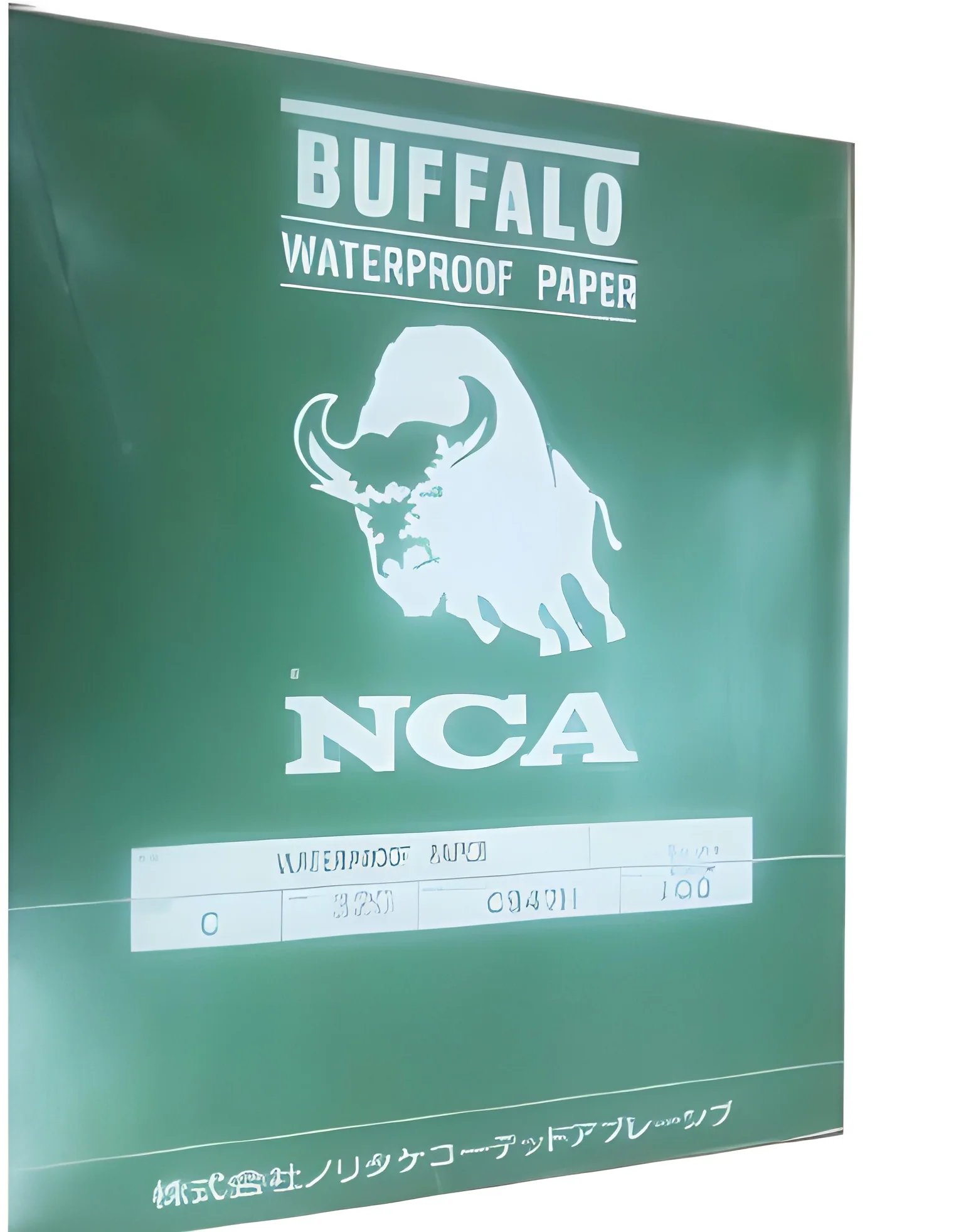
Wet/Dry Sandpaper
This variant can be used with water or other liquids to reduce dust and improve finish quality. It is ideal for automotive and woodworking applications where a fine finish is required.
Sanding Sponges
Sanding sponges are flexible and can conform to various shapes, making them suitable for intricate work and hard-to-reach areas. They are commonly used in woodworking and detail work.
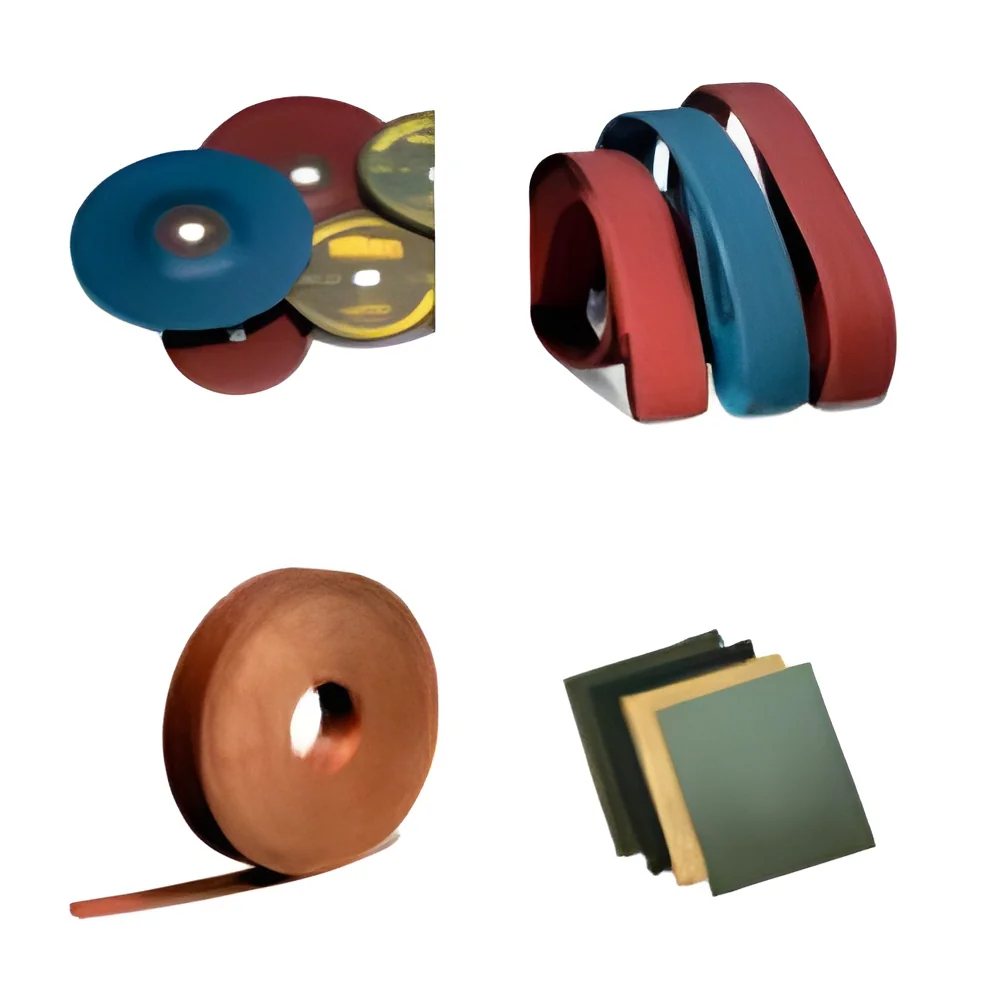
Sanding Discs
These discs are designed for use with power sanders and come in various sizes and grit levels. They are efficient for large surface areas and high-speed applications.
Benefits and Advantages
Using sandpaper and sanding blocks offers several benefits to businesses.
1. Versatility: Suitable for various materials, including wood, metal, and plastic, making them useful across multiple industries.
2. Cost-Effectiveness: Affordable tools that provide significant value in achieving high-quality finishes without extensive investment.
3. Improved Surface Quality: Helps achieve smooth surfaces, ensuring better adhesion of paints and coatings.
4. Easy to Use: Simple design allows users to apply pressure evenly, leading to consistent results.
5. Range of Grits: Available in multiple grit sizes, accommodating different finishing needs from coarse to fine.
6. Compatibility with Tools: Sandpaper can be used manually or with power tools, increasing efficiency in various applications.
Buying Guide for B2B Buyers
When sourcing sandpaper and sanding blocks, buyers should consider several factors to ensure they make informed decisions.
1. Quality Assessment: Evaluate the quality of materials used in sandpaper and blocks. High-quality abrasives provide better performance and durability.
2. Supplier Verification: Vet suppliers for reliability and reputation in the industry. Check for reviews and ratings from previous customers.
3. Pricing and MOQ: Understand the pricing structure and minimum order quantities. This helps in budgeting and planning inventory purchases.
4. Delivery and Lead Times: Confirm logistics, including shipping times and costs, to ensure timely delivery for projects.
5. Compliance Requirements: Be aware of any regulatory compliance needs, such as safety standards and material certifications, to avoid legal issues.
Compliance and Certifications
Compliance and certifications are crucial in ensuring the quality and safety of sandpaper and sanding blocks.
Relevant quality standards such as ISO 9001 ensure that products meet customer and regulatory requirements consistently.
Industry certifications like CE indicate compliance with European health, safety, and environmental protection standards.
Safety requirements must also be adhered to during manufacturing to ensure that sandpaper does not release harmful particles during use.
Regional compliance considerations may vary, so it is essential to check local regulations that may impact product sourcing.
Why Source Sandpaper & Sanding Blocks from Pepagora?
Pepagora provides a trusted platform for sourcing sandpaper and sanding blocks, offering several key advantages to B2B buyers.
Verified Supplier Network: Pepagora connects buyers with a network of verified suppliers, ensuring quality and reliability in product sourcing.
Streamlined RFQ Process: The platform facilitates a straightforward request for quotation (RFQ) process, allowing businesses to obtain competitive pricing and terms quickly.
Trade Assurance and Support: Buyers benefit from trade assurance measures that protect their purchases, enhancing confidence in transactions.
Regional Coverage: Pepagora covers a broad geographic area, including India, the GCC, and Southeast Asia, making it easier for businesses to find local suppliers and reduce shipping times.
Newly Added

Frequently Asked Questions
1
What is Sandpaper & Sanding Blocks?
Sandpaper & Sanding Blocks is a product offered by global suppliers on Pepagora.
2
How do I find suppliers for Sandpaper & Sanding Blocks?
Use Pepagora's search and filter options to find verified suppliers.
3
Can I request a quote for Sandpaper & Sanding Blocks?
Yes, use the RFQ feature to request quotes from multiple suppliers.
4
Is Sandpaper & Sanding Blocks available in multiple languages?
Pepagora supports multilingual catalogs for global buyers.
5
What trust signals are available for Sandpaper & Sanding Blocks?
Look for TruBadge, RFQ, and multilingual support on supplier profiles.
Why Businesses Trust Pepagora
Thousands of companies trust Pepagora to source smarter and sell faster
Expand Your Sales Globally
25000+Products listed.Get discovered by global buyers
Tools to boost visibility
Build your own catalog

Source Smarter,Grow Faster
4000+Active RFQs
100+ Countries served
Easy Sourcing Tools
