𝗪𝗵𝗮𝘁 𝗮𝗿𝗲 𝗣𝗮𝗶𝗻𝘁𝗶𝗻𝗴 𝗧𝗼𝗼𝗹𝘀?
Painting tools are essential equipment used in the application of paint and coatings across various surfaces. These tools include brushes, rollers, spray guns, and other specialized instruments designed to enhance the efficiency and quality of the painting process. Each tool serves a distinct purpose, ensuring that different painting techniques can be employed effectively depending on the requirements of the job at hand.
The primary uses of painting tools extend beyond mere aesthetics. They are utilized in industries such as construction, manufacturing, automotive, and maintenance. Businesses rely on these tools to ensure a smooth and uniform application of paint, which is crucial for both protective and decorative finishes. The relevance of these tools in the industry is significant, as they contribute to the overall quality and durability of the painted surfaces, affecting the long-term performance of various products and structures.
𝗞𝗲𝘆 𝗙𝗲𝗮𝘁𝘂𝗿𝗲𝘀 𝗮𝗻𝗱 𝗦𝗽𝗲𝗰𝗶𝗳𝗶𝗰𝗮𝘁𝗶𝗼𝗻𝘀
Painting tools are characterized by a range of features that cater to different applications. Understanding these specifications is crucial for businesses to select the right tools for their needs.
Key specifications include:
1. Brush Type
- Varies based on bristle material (natural vs. synthetic)
- Different shapes and sizes for specific applications
2. Roller Fabric
- Available in various materials (napped, microfiber, etc.)
- Different pile heights for smooth or textured finishes
3. Spray Gun Type
- Airless vs. air-assisted options
- Adjustable spray patterns for precision application
4. Handle Design
- Ergonomic designs for comfort during extended use
- Various lengths for reach in high or difficult areas
5. Paint Capacity
- Volume specifications for rollers and sprayers
- Efficiency ratings for coverage per gallon
6. Cleaning Ease
- Compatibility with different types of paint
- Quick cleaning features to reduce downtime
7. Durability
- Resistance to paint wear and tear
- Longevity of materials used in tool construction
8. Safety Features
- Non-slip grips
- Protective caps for storage
In summary, painting tools come with a variety of features that cater to different needs and applications, making it essential to consider these specifications when making a purchase.
𝗖𝗼𝗺𝗺𝗼𝗻 𝗔𝗽𝗽𝗹𝗶𝗰𝗮𝘁𝗶𝗼𝗻𝘀 𝗮𝗻𝗱 𝗨𝘀𝗲 𝗖𝗮𝘀𝗲𝘀
Painting tools are versatile and used across various industries and applications.
1. Construction: In the construction industry, painting tools are essential for applying protective coatings and finishes on buildings, both interior and exterior.
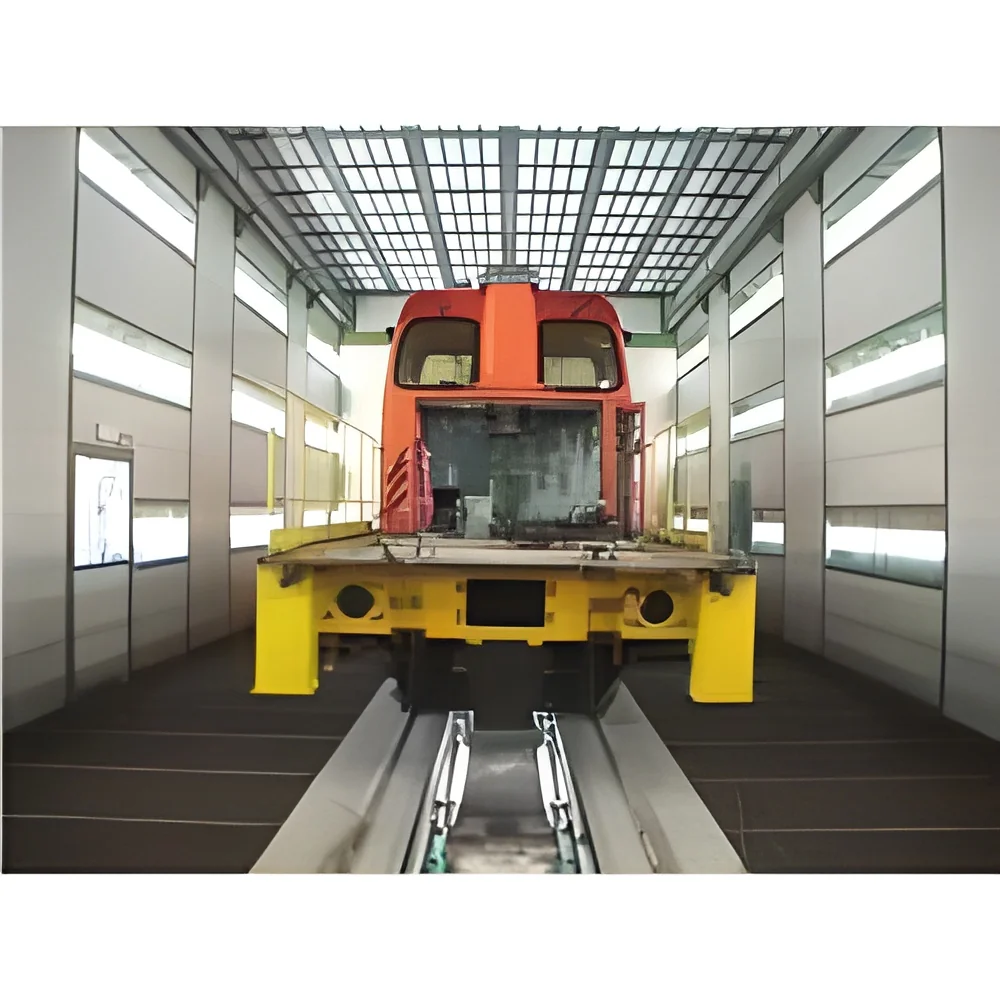
2. Automotive: Automotive manufacturers use specialized painting tools for applying paint and finish to vehicles, ensuring a smooth and even coat.
3. Manufacturing: In manufacturing settings, painting tools are used to coat machinery and equipment, protecting them from corrosion and wear.
4. Maintenance: Maintenance teams rely on painting tools for touch-ups and repairs, ensuring that surfaces remain aesthetically pleasing and functional.
5. Arts and Crafts: In the arts sector, various painting tools are utilized for creative projects, highlighting their importance beyond industrial applications.
6. Shipbuilding: Painting tools are critical in the shipbuilding industry for applying anti-corrosive paints to vessels, ensuring longevity and durability.
7. Furniture: Furniture manufacturers use painting tools to apply finishes to various products, enhancing appearance and protecting wood surfaces.
𝗣𝗿𝗼𝗱𝘂𝗰𝘁 𝗩𝗮𝗿𝗶𝗮𝗻𝘁𝘀 𝗮𝗻𝗱 𝗦𝘂𝗯𝗰𝗮𝘁𝗲𝗴𝗼𝗿𝗶𝗲𝘀
Painting tools encompass a diverse range of variants to suit different needs and preferences in application.
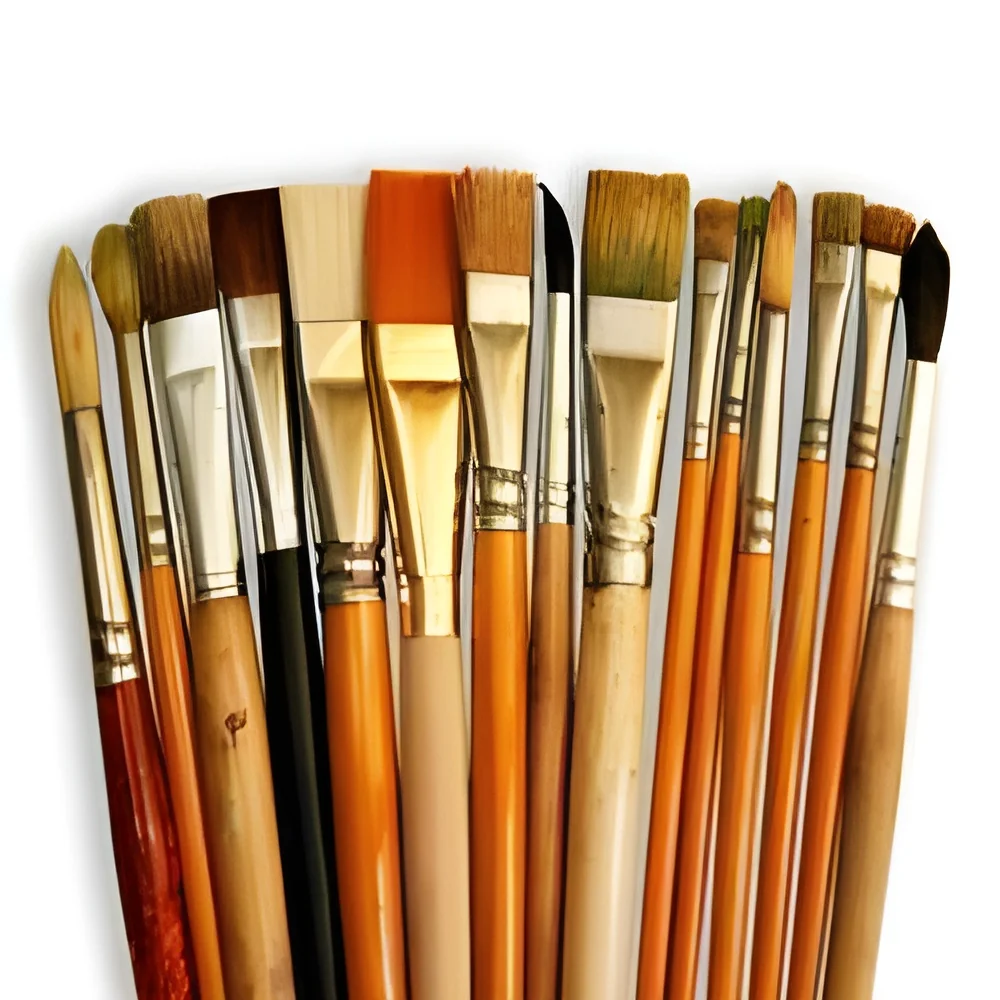
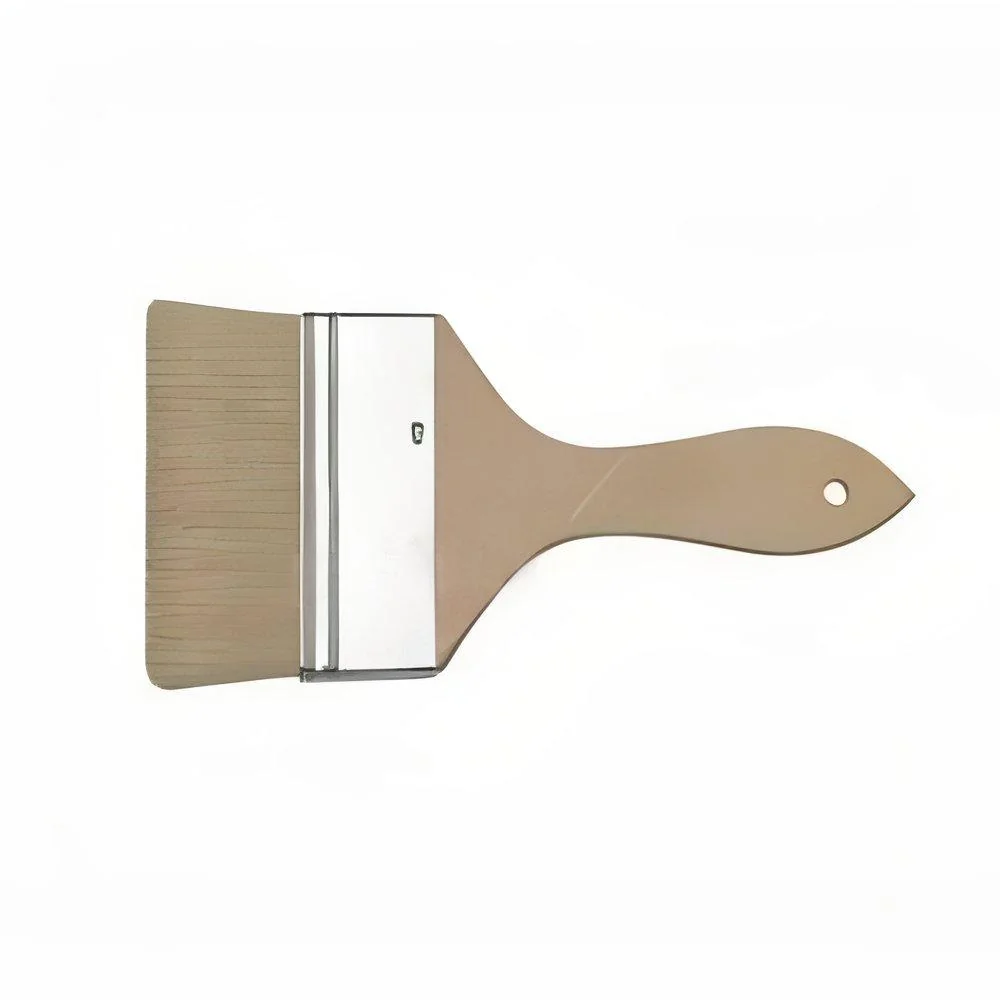
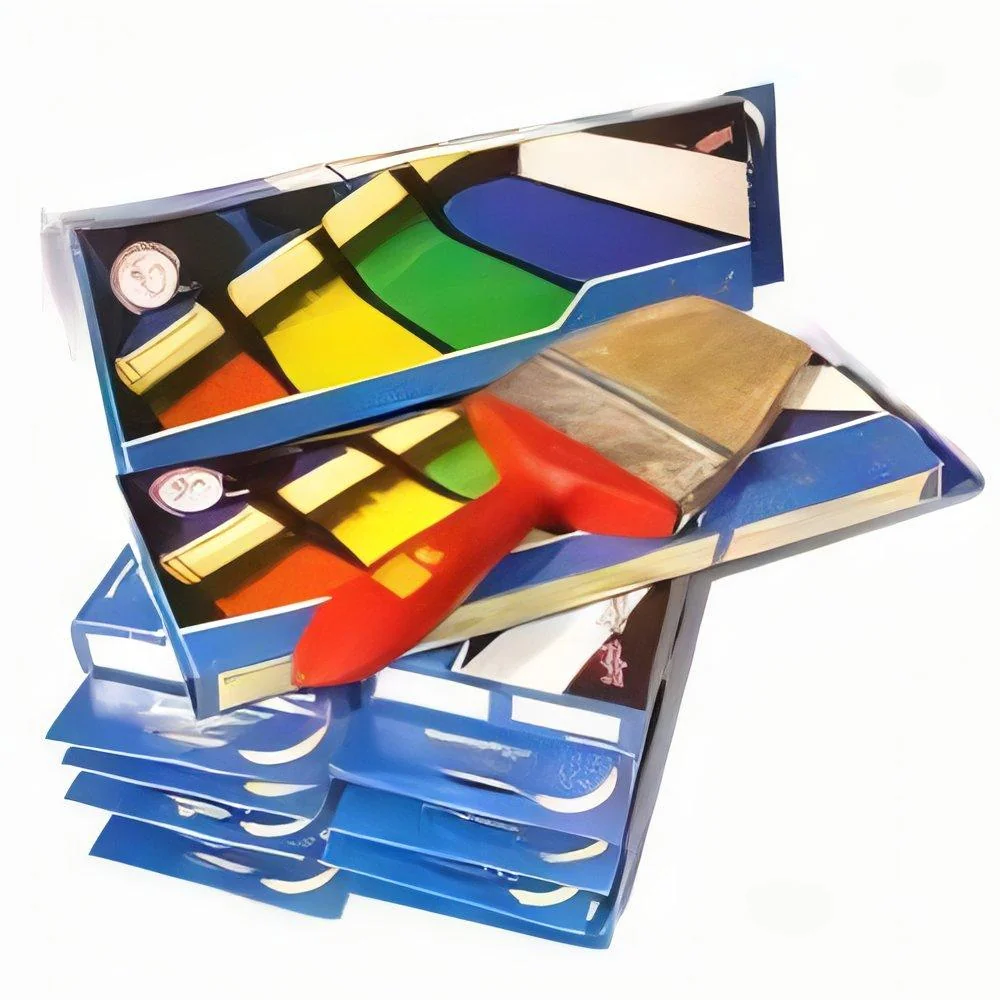
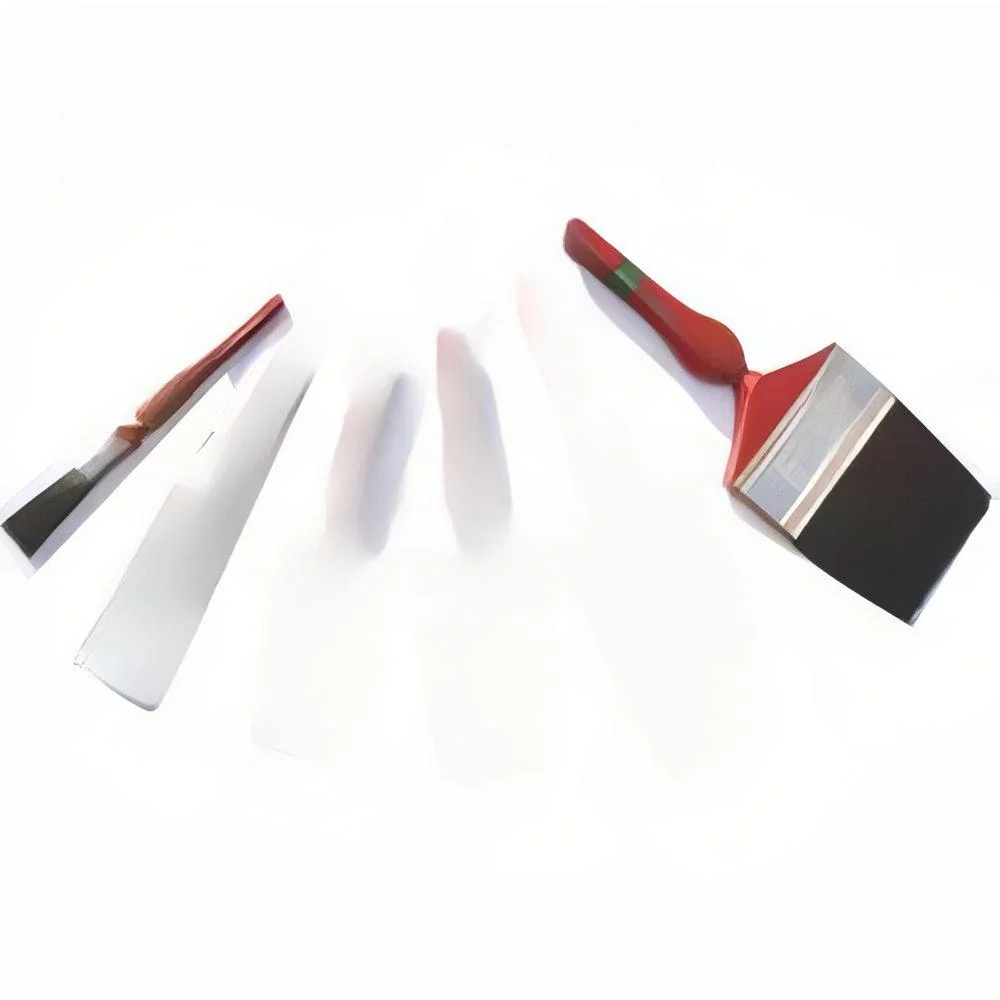
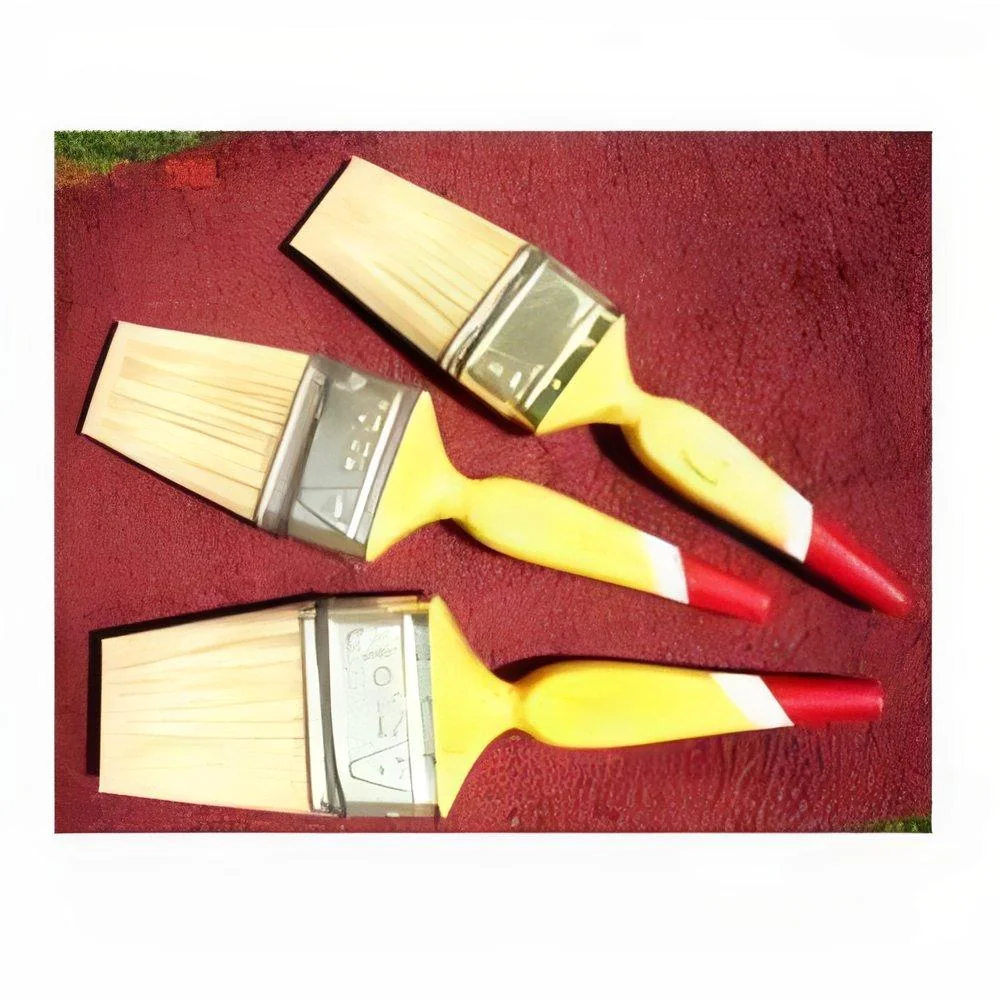
Brushes: Available in various sizes and shapes, brushes are designed for precision application on smaller surfaces, corners, and detailed work. They can be made from synthetic or natural bristles for different paint types.
Rollers: Rollers are ideal for covering large areas quickly. They come in various materials and pile heights, allowing for smooth or textured finishes based on the surface being painted.
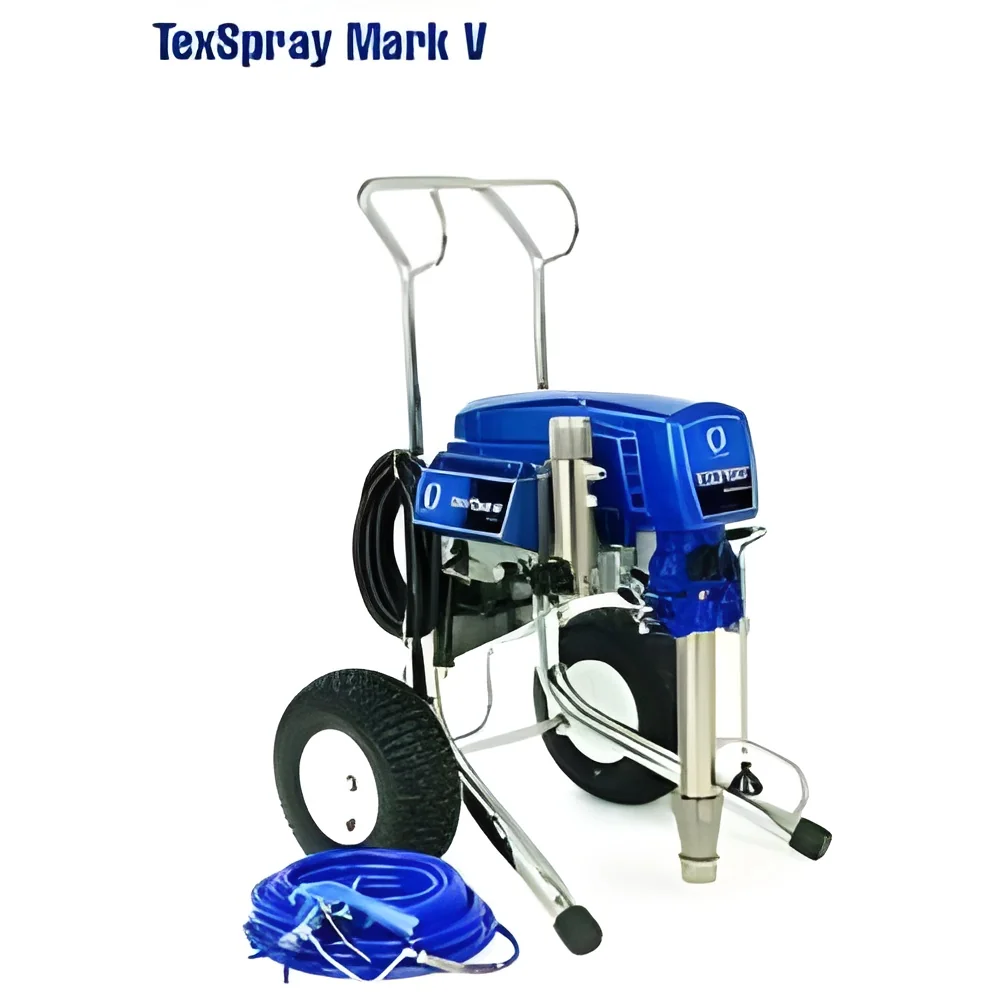
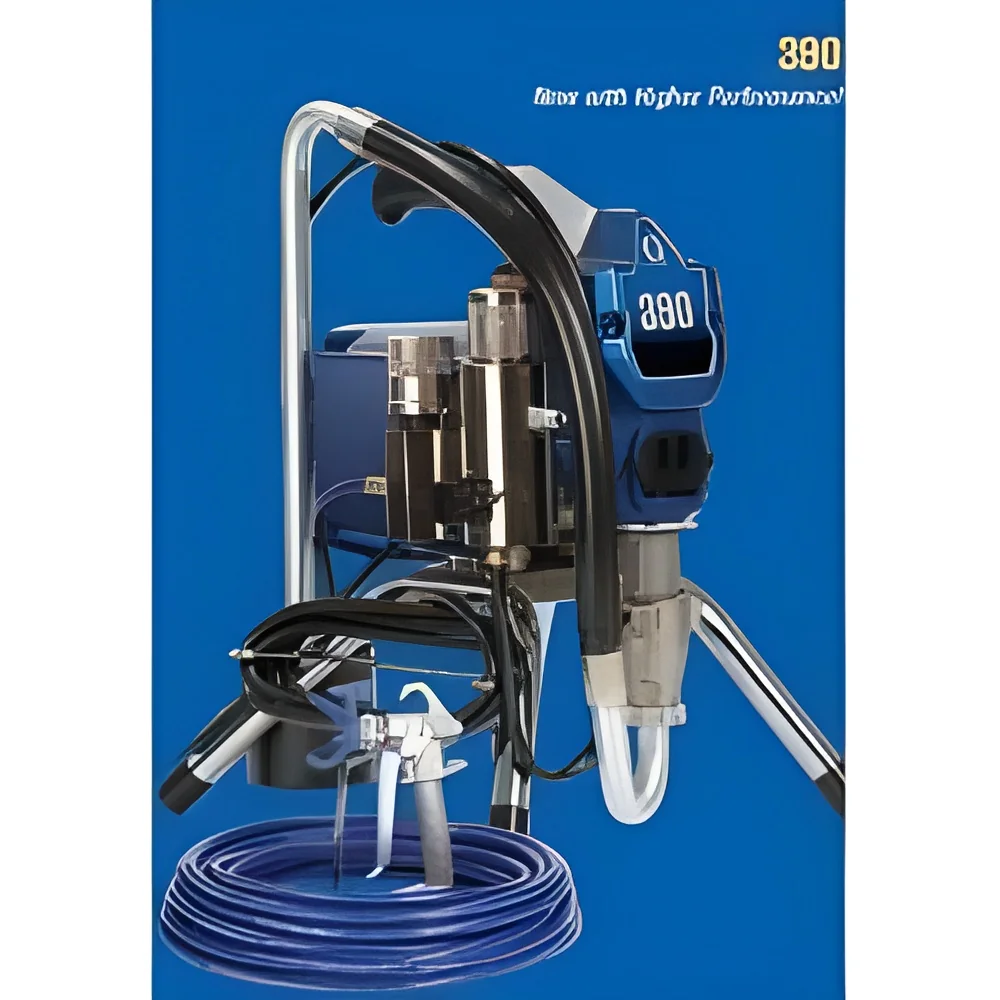
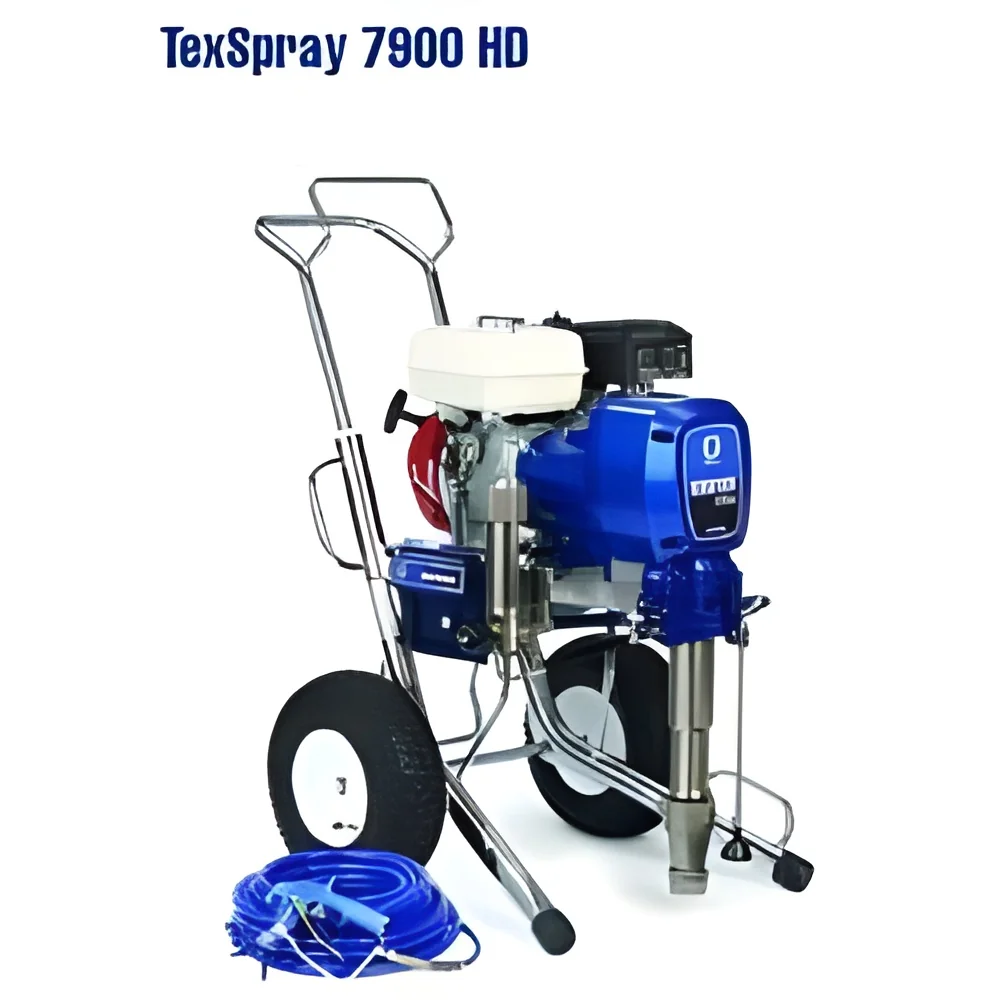
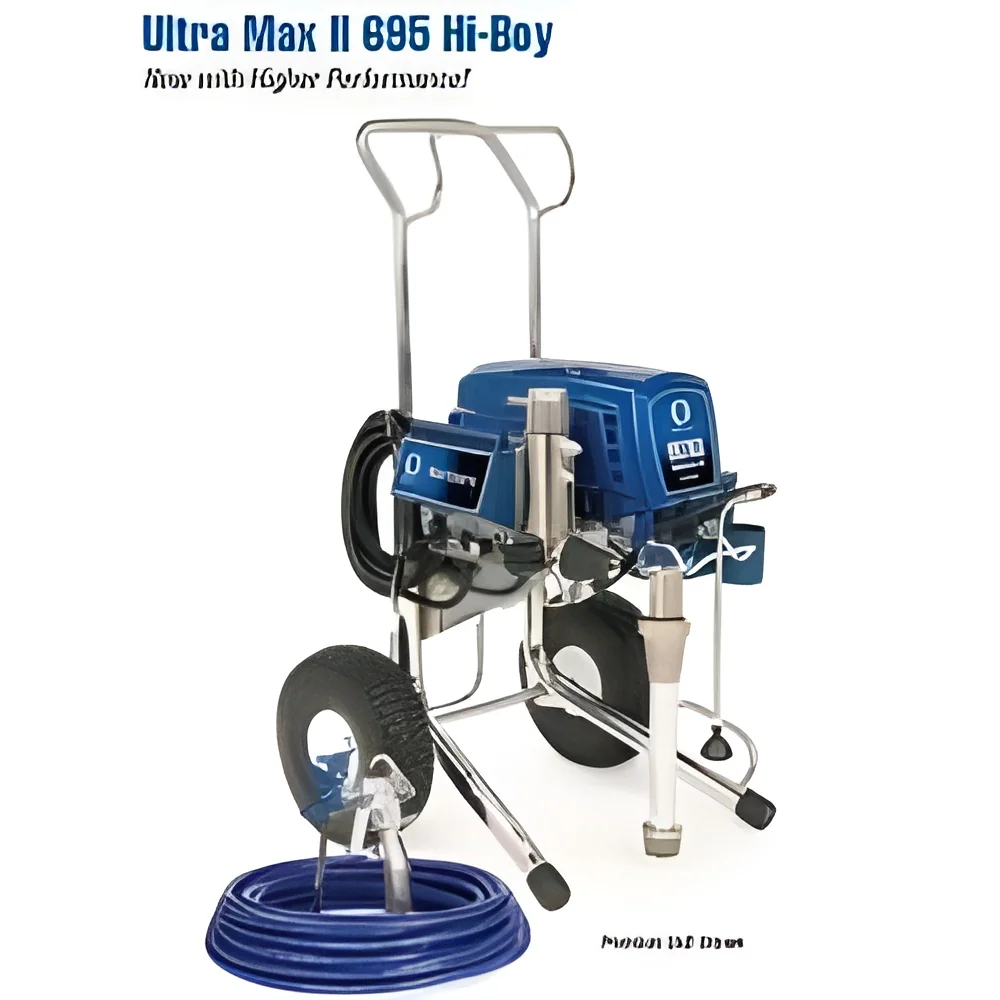
Spray Guns: These tools provide a fast and efficient method for applying paint over large surfaces. They can be adjusted for different spray patterns and are available in airless and air-assisted models.
𝗕𝗲𝗻𝗲𝗳𝗶𝘁𝘀 𝗮𝗻𝗱 𝗔𝗱𝘃𝗮𝗻𝘁𝗮𝗴𝗲𝘀
The use of quality painting tools offers numerous advantages to businesses seeking reliable painting solutions.
1. Improved Efficiency: High-quality tools enable faster application, reducing labor costs and project timelines.
2. Enhanced Finish Quality: The right tools help achieve a smooth, professional finish, improving the overall appearance of the painted surface.
3. Versatility: A wide range of painting tools allows businesses to tackle various applications, from intricate detailing to large surface coverage.
4. Long-lasting Durability: Investing in durable tools reduces the need for frequent replacements, ensuring consistent performance over time.
5. Ergonomic Designs: Many tools are designed for comfort, minimizing user fatigue during extended use and improving productivity.
6. Cost-Effectiveness: By using the right tools, businesses can reduce paint wastage and achieve better coverage, leading to lower overall costs.
𝗕𝘂𝘆𝗶𝗻𝗴 𝗚𝘂𝗶𝗱𝗲 𝗳𝗼𝗿 𝗕𝟮𝗕 𝗕𝘂𝘆𝗲𝗿𝘀
When sourcing painting tools, it is essential for businesses to consider several critical factors.
1. Quality Assessment: Evaluate the materials and construction of the tools to ensure they meet industry standards for durability and performance.
2. Supplier Verification: Vet potential suppliers to confirm their reliability and reputation in the market. Look for reviews and testimonials from other businesses.
3. Pricing and MOQ: Understand the pricing structure and minimum order quantities that suppliers require to avoid unexpected costs.
4. Delivery and Lead Times: Consider the logistics involved in purchasing painting tools, including shipping times and costs, to ensure timely project completion.
5. Compliance Requirements: Be aware of any regulatory standards or compliance requirements that the tools must meet to ensure safety and effectiveness.
𝗖𝗼𝗺𝗽𝗹𝗶𝗮𝗻𝗰𝗲 𝗮𝗻𝗱 𝗖𝗲𝗿𝘁𝗶𝗳𝗶𝗰𝗮𝘁𝗶𝗼𝗻𝘀
Painting tools must adhere to various quality standards and certifications to ensure their safety and performance in industrial applications.
Relevant quality standards include ISO 9001, which outlines requirements for effective quality management systems, ensuring consistency and reliability in manufacturing processes.
Industry certifications, such as CE marking, indicate compliance with European safety standards, providing assurance that the tools meet stringent safety and health requirements.
Safety and testing requirements are crucial in evaluating the performance of painting tools under various conditions. Manufacturers must conduct thorough testing to confirm that their products can withstand typical use scenarios.
Additionally, regional compliance considerations may come into play, where specific regulations apply based on the geographic market. Understanding these requirements is essential for businesses when sourcing painting tools.
𝗪𝗵𝘆 𝗦𝗼𝘂𝗿𝗰𝗲 𝗣𝗮𝗶𝗻𝘁𝗶𝗻𝗴 𝗧𝗼𝗼𝗹𝘀 𝗳𝗿𝗼𝗺 𝗣𝗲𝗽𝗮𝗴𝗼𝗿𝗮?
Pepagora offers a trusted platform for sourcing painting tools, providing businesses with several key advantages.
Verified Supplier Network: Pepagora collaborates with a network of verified suppliers, ensuring that buyers can access high-quality tools from reputable manufacturers. This verification process helps eliminate risks associated with sourcing.
Streamlined RFQ Process: The Request for Quotation (RFQ) process on Pepagora simplifies sourcing by allowing businesses to easily submit their requirements and receive competitive quotes from multiple suppliers, enhancing decision-making.
Trade Assurance and Support: Pepagora prioritizes buyer protection through trade assurance measures, providing support throughout the purchasing process to ensure customer satisfaction and confidence.
Regional Coverage: With a broad geographic reach in markets such as India, GCC, and Southeast Asia, Pepagora enables businesses to connect with local and international suppliers, facilitating efficient procurement of painting tools.
By choosing Pepagora, businesses can streamline their sourcing process, ensure quality, and ultimately enhance their painting operations.

 IN
IN