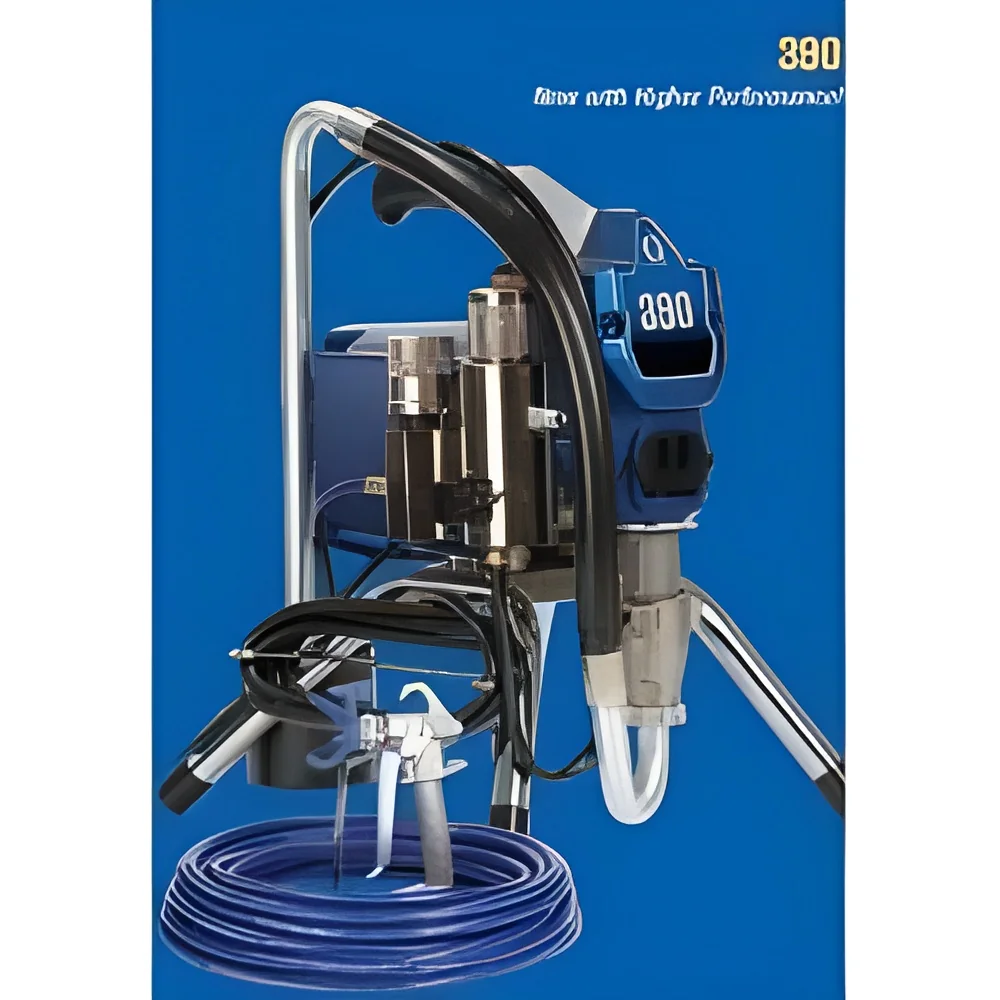
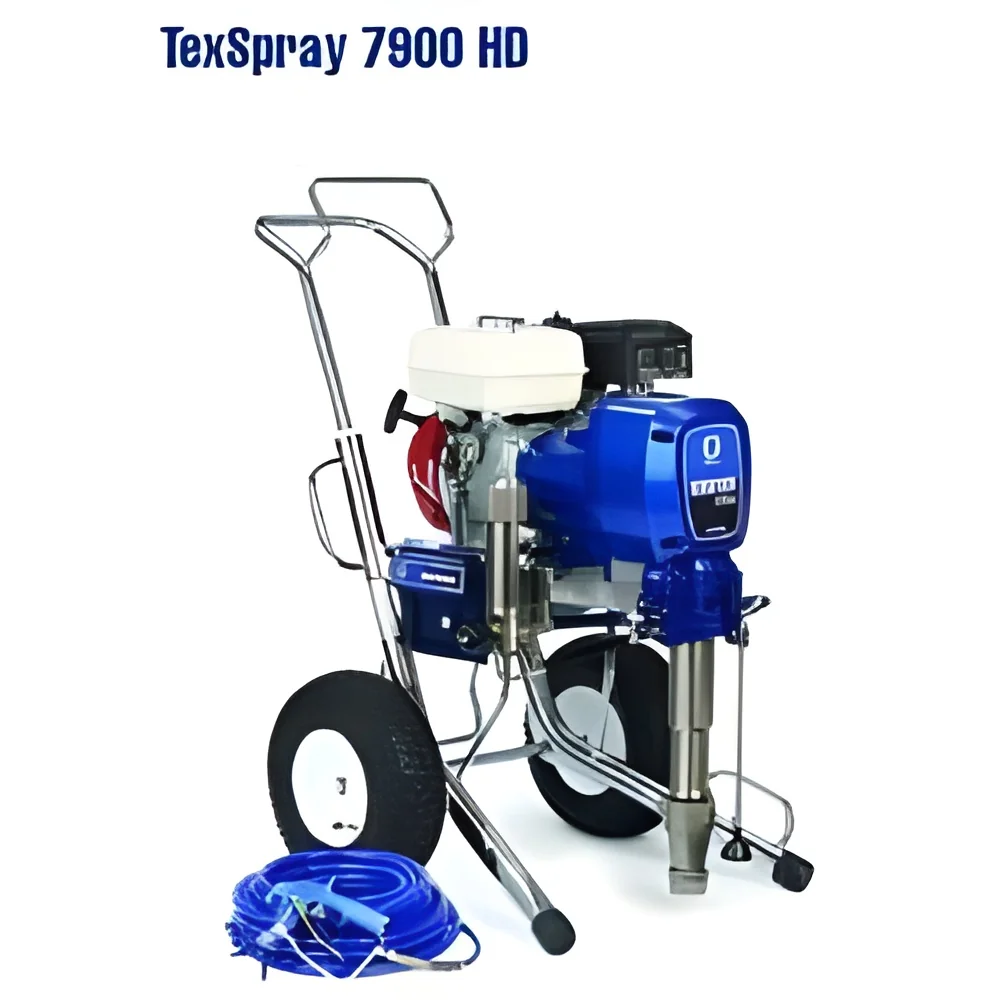
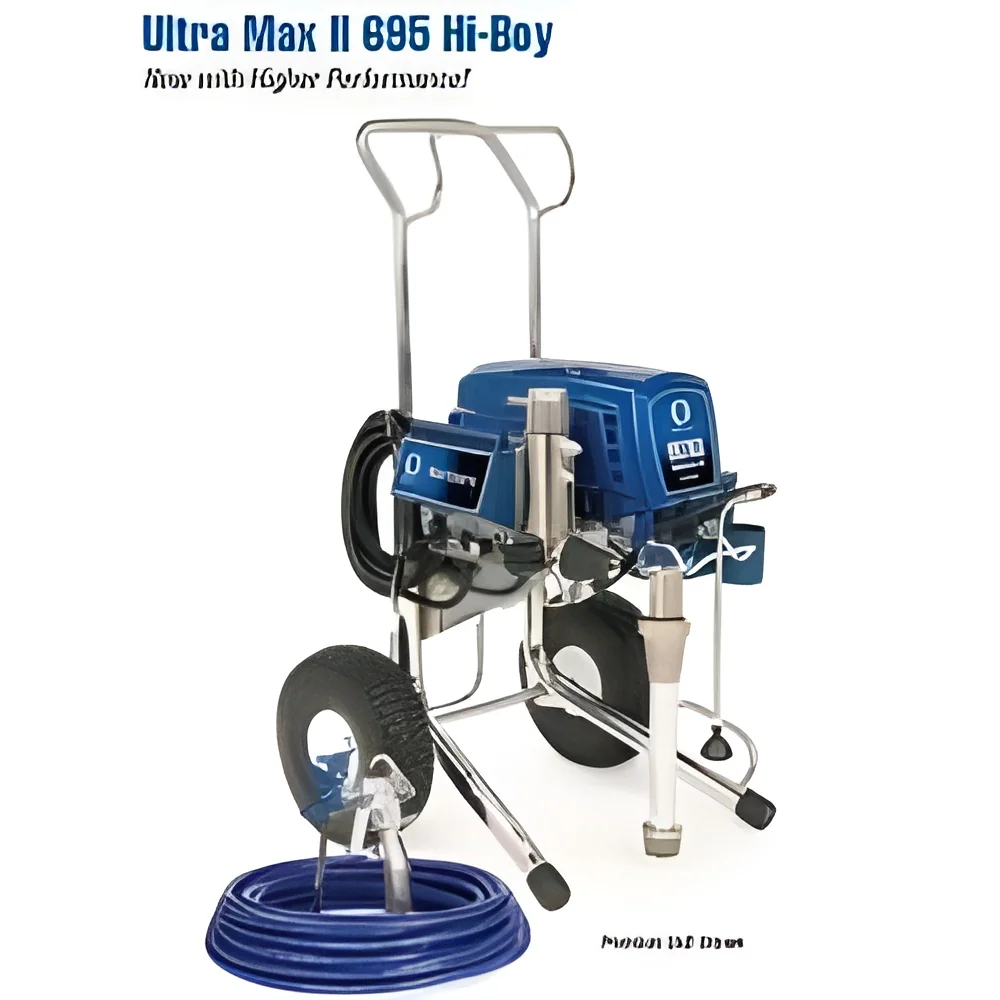
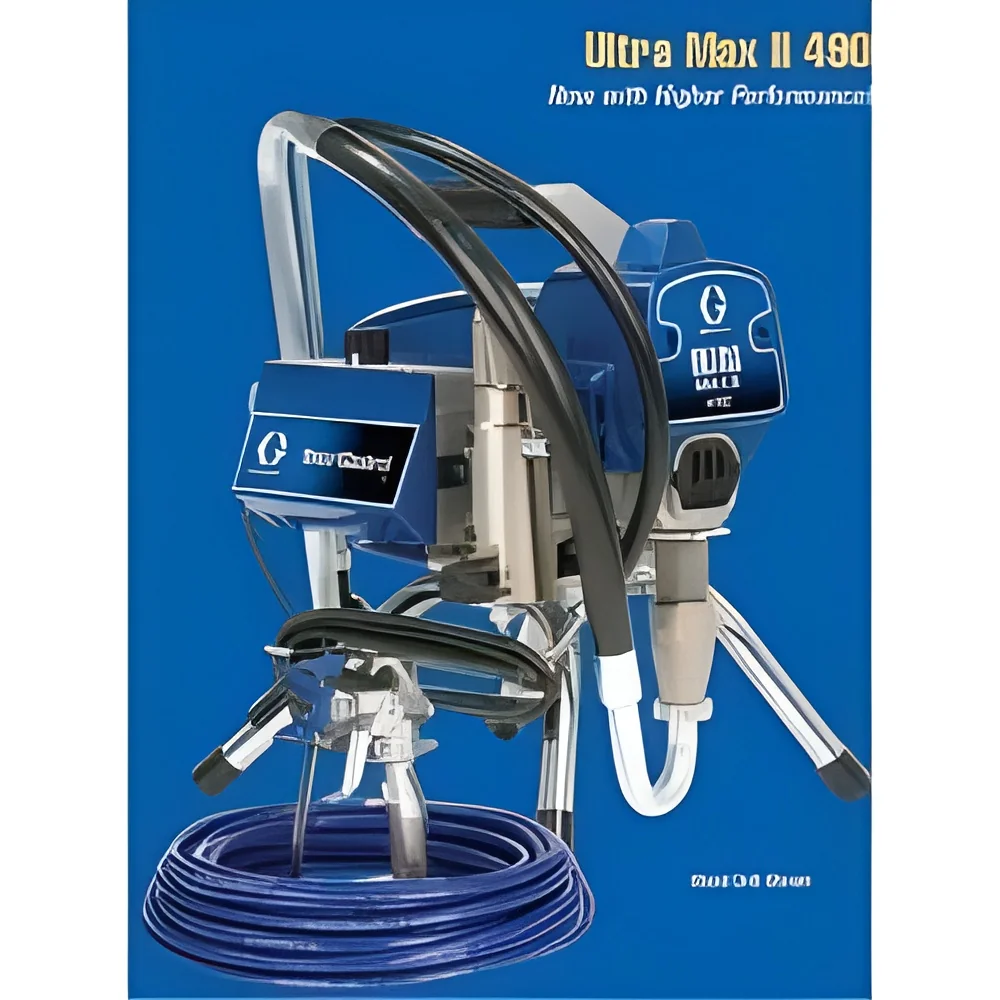
Key Features and Specifications
When evaluating paint sprayers, key features and specifications play a critical role in decision-making. Understanding these features helps businesses select the right equipment for their specific needs. Paint sprayers are designed for different applications and provide various functionalities to enhance efficiency and ease of use.
Key specifications include:
1. Spray Technology
- Airless technology provides high pressure for fast coverage.
- HVLP technology offers precision and minimal overspray.
2. Maximum Pressure
- Airless sprayers typically operate at pressures of 1500 to 3000 PSI.
- HVLP sprayers usually range from 10 to 50 PSI.
3. Flow Rate
- Measured in gallons per minute (GPM), airless sprayers can deliver between 0.5 to 2 GPM.
- HVLP sprayers generally provide a lower flow rate, around 0.2 to 0.5 GPM.
4. Tip Size
- Varies from 0.011 to 0.023 inches for airless sprayers, affecting spray patterns.
- HVLP tips range from 0.5 to 1.5 mm, suitable for various coatings.
5. Weight
- Compact models weigh between 10 to 30 pounds for portability.
- Larger units may exceed 50 pounds, designed for stationary use.
6. Power Source
- Electric models are common for indoor use, offering consistent performance.
- Gas-powered units are preferred for outdoor applications or large jobs.
7. Hose Length
- Standard hoses range from 25 to 100 feet, impacting mobility and reach.
8. Warranty
- Most manufacturers provide warranties of 1 to 3 years, ensuring product reliability.
In summary, these specifications guide buyers in selecting the appropriate paint sprayer based on their operational needs, ensuring efficiency and quality in their painting projects.
Common Applications and Use Cases
Paint sprayers are versatile tools that serve a variety of industries, each with unique applications suited to their specific requirements.
1. Construction: Paint sprayers are widely used for exterior and interior wall painting, allowing for quick and uniform coverage on large surfaces.
2. Automotive: In the automotive industry, these sprayers are essential for painting vehicles and parts, ensuring a high-quality finish that meets industry standards.
3. Furniture Manufacturing: Sprayers are employed in the furniture industry for applying finishes and paints to wooden and metal furniture, enhancing product aesthetics.
4. Industrial Equipment: In manufacturing plants, paint sprayers are utilized for coating machinery and equipment, providing protection against corrosion and wear.
5. Aerospace: Specialized sprayers are used in the aerospace sector to apply coatings that meet strict safety and performance criteria.
6. Marine: Paint sprayers are crucial for applying protective coatings on boats and ships, ensuring durability in harsh marine environments.
7. DIY Projects: Home improvement enthusiasts use paint sprayers for various projects, from refinishing cabinets to painting fences, for a professional look.
Product Variants and Subcategories
Paint sprayers come in various types, each designed for different applications and user preferences.
Airless Paint Sprayers: These sprayers are ideal for large projects where speed is essential. They can handle thicker paints and coatings, providing a strong, even finish suitable for both interior and exterior surfaces.
HVLP Paint Sprayers: Perfect for detailed work, HVLP sprayers minimize overspray and waste. They are commonly used in fine finishing applications, such as cabinetry or automotive work, where precision is critical.
Benefits and Advantages
Selecting paint sprayers offers numerous advantages that enhance operational efficiency and output quality.
1. Time Efficiency: Paint sprayers significantly reduce application time compared to traditional methods, allowing for faster project completion.
2. Uniform Coverage: The advanced spray technology ensures a consistent and smooth finish, minimizing the risk of run marks or uneven application.
3. Versatility: These sprayers can handle a variety of coatings, including paints, stains, and sealants, making them suitable for diverse projects.
4. Reduced Overspray: HVLP models, in particular, are designed to minimize overspray, saving material and reducing cleanup time.
5. Ease of Use: Many paint sprayers come with user-friendly controls, making them accessible for both professionals and DIY enthusiasts.
6. Cost-Effectiveness: While the initial investment may be higher, the efficiency and material savings often lead to lower overall costs in the long run.
Buying Guide for B2B Buyers
When sourcing paint sprayers, it is essential for B2B buyers to consider several critical factors to ensure they make informed purchasing decisions.
1. Quality Assessment: Look for manufacturers that adhere to industry standards, ensuring reliability and performance. Evaluate product reviews and case studies to gauge quality.
2. Supplier Verification: Vet suppliers by checking their credentials, industry reputation, and customer testimonials. A verified supplier network can ensure a smooth procurement process.
3. Pricing and MOQ: Understand the pricing structure and minimum order quantities (MOQ) to align with budget constraints and project needs. Compare quotes from multiple suppliers.
4. Delivery and Lead Times: Assess logistics capabilities and delivery timelines. Ensure that suppliers can meet your scheduling needs to avoid project delays.
5. Compliance Requirements: Be aware of compliance standards relevant to your industry, such as safety regulations and environmental guidelines, to ensure that the products meet necessary certifications.
Compliance and Certifications
Compliance and certifications are vital in ensuring that paint sprayers meet industry standards for quality and safety.
Relevant quality standards like ISO 9001 ensure manufacturers follow effective quality management systems. This certification reflects a commitment to consistent product quality, which is crucial in industrial applications.
Industry certifications, such as CE, indicate that products comply with European health, safety, and environmental protection standards. This compliance is essential for suppliers aiming to operate in the European market.
Safety and testing requirements are critical in the manufacturing process. Paint sprayers must be tested for durability, safety, and performance to ensure they meet user expectations and regulatory demands.
Regional compliance considerations may vary by market. Buyers should familiarize themselves with local regulations to ensure the products they source are compliant with regional standards.
Why Source Paint Sprayers (Airless, HVLP) from Pepagora?
Pepagora offers a reliable platform for sourcing paint sprayers, providing several key advantages to B2B buyers.
Verified Supplier Network: Pepagora connects buyers with a robust network of verified suppliers, ensuring that only reputable manufacturers are featured. This verification process enhances trust and reduces the risk of sourcing unreliable products.
Streamlined RFQ Process: The request for quotation (RFQ) system simplifies the procurement process. Buyers can easily submit their requirements and receive competitive quotes from multiple suppliers, facilitating informed decision-making.
Trade Assurance and Support: Pepagora provides trade assurance that protects buyers against potential issues during the transaction process. This support increases confidence in sourcing decisions and offers peace of mind.
Regional Coverage: With a geographic reach extending across India, the GCC, and Southeast Asia, Pepagora caters to a diverse market. This broad coverage ensures that buyers can find suitable paint sprayers regardless of their location, enhancing accessibility to quality products.

 IN
IN