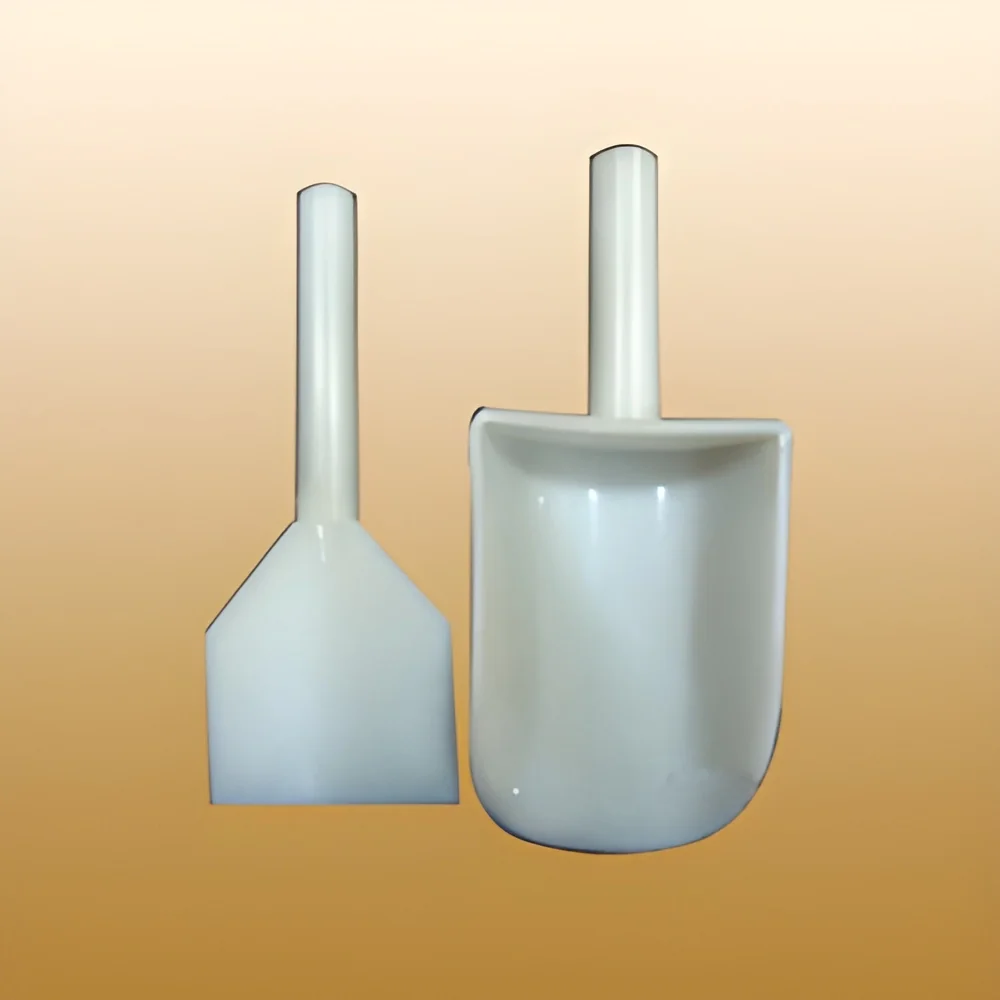
What are Scrapers & Blades?
Scrapers and blades are essential tools used across various industries to remove unwanted materials from surfaces. They are designed for efficiency and precision, allowing users to achieve clean finishes on a range of substrates. Scrapers typically feature a flat edge for scraping, while blades can vary in shape and sharpness depending on their intended use. Both tools are critical in ensuring operational efficiency and maintaining equipment and workspace cleanliness.
These tools find applications in multiple sectors such as manufacturing, construction, and maintenance. In manufacturing, scrapers and blades are used to clean machinery, ensuring optimal performance. In the construction industry, they assist in surface preparation before painting or sealing. Additionally, maintenance teams utilize them to remove debris or old materials, contributing to a safer and more organized work environment. The relevance of scrapers and blades is underscored by their widespread use, making them a staple in industrial operations.
With a growing market for industrial tools, the demand for scrapers and blades continues to increase. As companies strive for enhanced productivity and quality, these tools play a pivotal role in meeting operational demands. The evolving landscape of industrial applications further emphasizes the need for high-quality scrapers and blades, making them integral to various business operations.
Key Features and Specifications
Scrapers and blades are characterized by several features that enhance their performance and usability. When selecting these tools, it is essential to consider specific specifications that align with operational needs.
Key specifications include:
1. Material Composition
- Often made from stainless steel or high-carbon steel
- Offers durability and resistance to wear
2. Edge Shape
- Available in straight, curved, or angled designs
- Each shape serves different scraping needs
3. Handle Type
- Can have ergonomic grips for comfort during use
- Some models include anti-slip features
4. Blade Thickness
- Varies based on application requirements
- Thicker blades are suitable for heavy-duty tasks
5. Length Options
- Available in various lengths to suit different projects
- Longer blades provide extended reach for larger areas
6. Compatibility
- Some blades are designed to fit specific scraper handles
- Ensures optimal performance and ease of use
7. Replacement Options
- Many scrapers allow for easy blade replacement
- Extends the life of the tool and reduces waste
8. Safety Features
- Often include protective guards to prevent injuries
- Some models come with retractable blades for safe storage
In summary, understanding the key features and specifications of scrapers and blades is crucial for selecting the right tools for specific applications. This knowledge ensures that businesses can maintain efficiency and safety in their operations.
Common Applications and Use Cases
Scrapers and blades are versatile tools that serve various industries effectively.
1. Manufacturing: In manufacturing environments, scrapers are used to clean machinery and equipment, ensuring smooth operation and preventing contamination.
2. Construction: Scrapers assist in surface preparation, making them essential for tasks such as removing old paint or sealants before applying new materials.
3. Automotive: In the automotive sector, blades are used for precise scraping of surfaces during repair and maintenance processes, helping to achieve a clean finish.
4. Food Processing: Scrapers are crucial in food processing to maintain hygiene by removing residues from surfaces and equipment.
5. Electronics: In electronics manufacturing, blades are used for delicate tasks such as cleaning circuit boards, where precision is vital.
6. Aerospace: Scrapers help in the aerospace industry by removing coatings and contaminants from aircraft components, ensuring safety and compliance.
7. Marine: In marine applications, scrapers are employed to maintain the cleanliness of boats and equipment, preventing barnacle growth and ensuring operational efficiency.
Product Variants and Subcategories
Scrapers and blades come in a variety of forms to meet diverse industrial needs.
Standard Scrapers
These are basic models designed for general use. They typically feature sturdy handles and replaceable blades, making them ideal for various scraping tasks, including surface cleaning and preparation.
Precision Blades
Designed for detailed work, precision blades have fine edges that allow for accurate scraping and cutting. They are commonly used in electronics and automotive applications where precision is paramount.
Heavy-Duty Scrapers
These scrapers are built for tougher tasks, featuring thicker blades and robust handles. They are ideal for construction and manufacturing environments where heavy materials need to be removed.
Specialty Blades
Specialty blades are tailored for specific applications. For example, some blades are designed for use on delicate surfaces, while others are intended for removing tough adhesives.
Benefits and Advantages
The use of scrapers and blades offers numerous advantages for businesses.
1. Efficiency: Scrapers and blades enable quick removal of materials, reducing downtime and increasing productivity.
2. Versatility: These tools can be used across various industries, making them valuable assets in any toolkit.
3. Precision: With the right blade or scraper, users can perform detailed work, ensuring high-quality finishes on projects.
4. Cost-Effectiveness: Durable materials and replaceable blades reduce the need for frequent purchases, leading to cost savings over time.
5. Ergonomics: Many models are designed with user comfort in mind, reducing strain during use and minimizing the risk of injury.
6. Safety: Built-in safety features help protect users during operation, making these tools safer to handle.
Buying Guide for B2B Buyers
When sourcing scrapers and blades, it is vital to consider several key factors to ensure the right choice for your business needs.
1. Quality Assessment: Evaluate the quality of materials and construction. High-quality scrapers and blades will last longer and perform better under demanding conditions.
2. Supplier Verification: Conduct due diligence on suppliers to ensure they have a good reputation and provide reliable products. Look for reviews and testimonials from other businesses.
3. Pricing and MOQ: Compare prices across different suppliers and consider minimum order quantities. Ensure that you are getting good value while meeting your operational needs.
4. Delivery and Lead Times: Inquire about delivery schedules and lead times. Timely delivery is essential to maintain workflow and avoid project delays.
5. Compliance Requirements: Check for any industry-specific compliance or certification requirements. Ensure that the products meet relevant safety and quality standards.
Compliance and Certifications
Compliance and certifications are critical aspects of sourcing scrapers and blades. Many products adhere to quality standards such as ISO 9001, which ensures that manufacturers maintain consistent quality management systems.
Some products may also comply with HACCP (Hazard Analysis Critical Control Point) standards, especially those used in the food processing industry, where hygiene is paramount. Certifications such as CE indicate that products meet European safety, health, and environmental protection standards.
In addition, testing requirements may apply depending on the industry. It is essential to confirm that scrapers and blades meet these testing and safety standards to ensure they are safe and effective for their intended use.
Regional compliance considerations can also affect sourcing decisions. Different regions may have specific regulations governing materials and safety, so it is vital to ensure that products are compliant with local laws.
Why Source Scrapers & Blades from Pepagora?
Pepagora provides a trusted platform for sourcing scrapers and blades with several key advantages that appeal to B2B buyers.
Verified Supplier Network: Pepagora features a robust network of verified suppliers, ensuring that businesses can find reputable manufacturers and distributors. This network helps mitigate risks associated with sourcing from unknown vendors.
Streamlined RFQ Process: The platform offers a simplified Request for Quotation (RFQ) process, allowing buyers to easily request prices and specifications from multiple suppliers. This feature saves time and helps buyers make informed decisions.
Trade Assurance and Support: Pepagora provides trade assurance, protecting buyers throughout the purchasing process. In case of disputes, the platform offers support to help resolve issues, ensuring a safer purchasing experience.
Regional Coverage: With a strong presence in regions such as India, the GCC, and Southeast Asia, Pepagora enables businesses to access scrapers and blades suited to their local markets. This regional focus helps ensure that buyers receive products that meet their specific requirements and standards.

 IN
IN