Key Features and Specifications
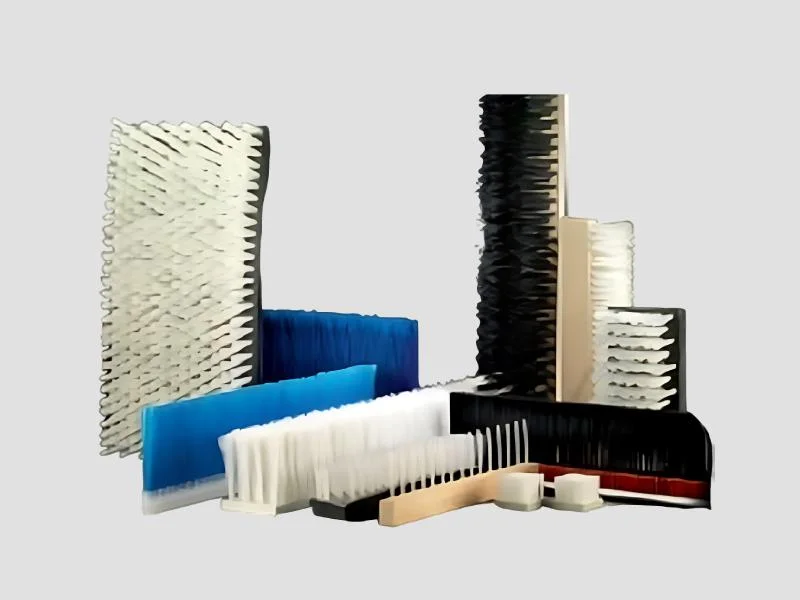
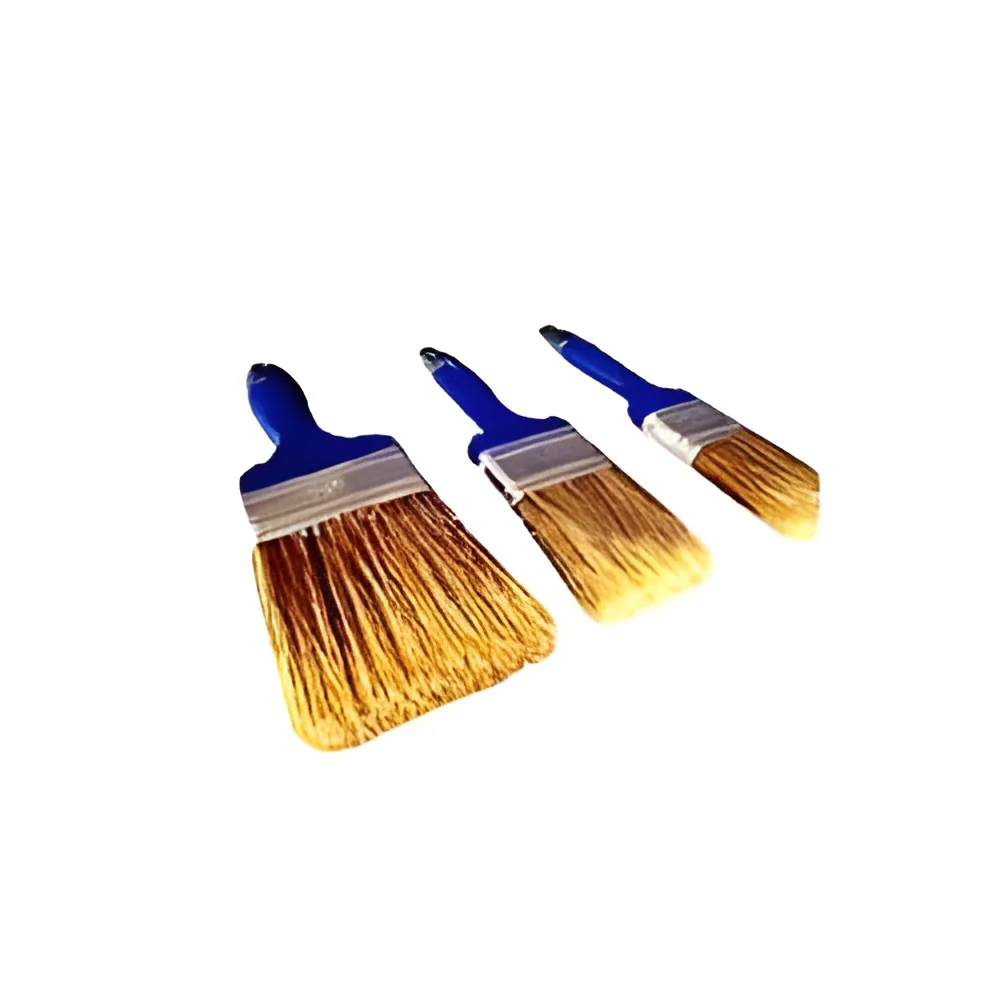
When selecting paint brushes, understanding their features and specifications is crucial for ensuring optimal performance. Key specifications often include brush type, bristle material, handle design, and size options. These factors contribute to the brush's durability and functionality.
Key specifications include:
1. Brush Type
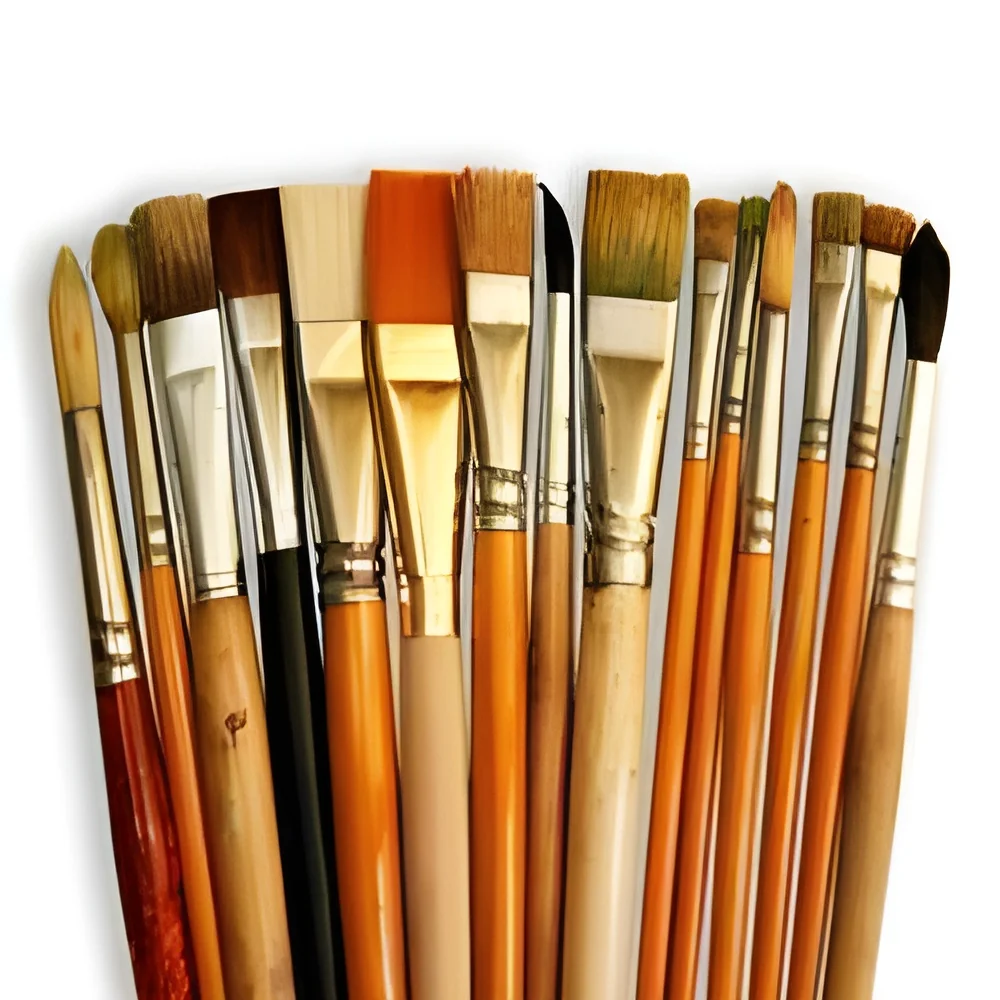
- Flat, round, or angular design
- Each type suited for specific painting techniques
2. Bristle Material
- Synthetic or natural bristles
- Impacts paint application and finish quality
3. Handle Design
- Ergonomic or standard shapes
- Influences user comfort and control
4. Size Options
- Available in various widths and lengths
- Allows for versatility in application
5. Durability
- Resistance to wear and tear
- Ensures longevity under regular use
6. Compatibility with Paints
- Suitable for oil-based or water-based paints
- Essential for achieving desired results
7. Ease of Cleaning
- Bristle types that facilitate easy cleanup
- Important for maintaining brush condition
8. Price Range
- Varied pricing based on quality and brand
- Helps in budget planning for procurement
In summary, selecting the right paint brush involves considering these specifications to match the intended application and ensure quality results.
Common Applications and Use Cases
Paint brushes find utility across a wide spectrum of industries. They are pivotal in ensuring high-quality finishes and precise applications.
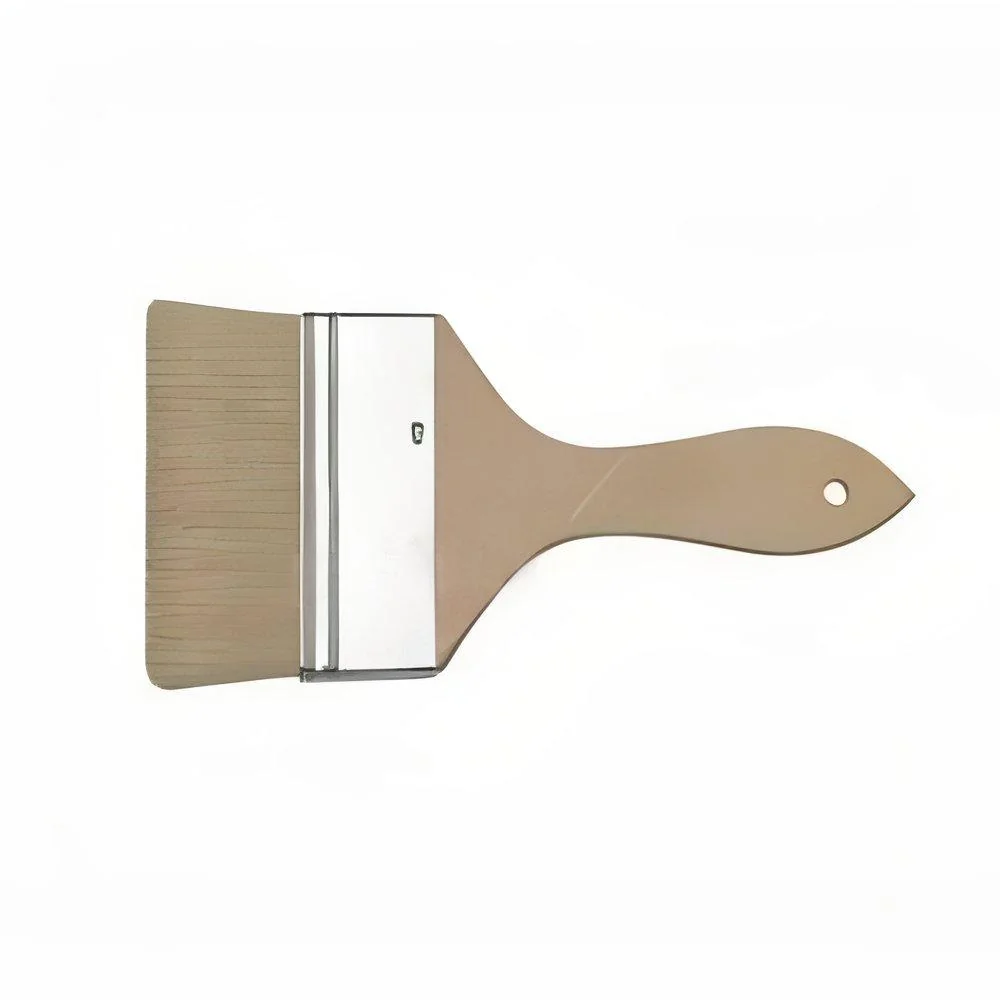
1. Construction: In construction, flat brushes are used for applying primers and paints to walls and ceilings, ensuring even coverage and a polished look.
2. Manufacturing: In manufacturing settings, brushes are employed for finishing products, painting machinery, and applying protective coatings to various components.
3. Automotive: In the automotive industry, paint brushes are essential for detailing, touch-ups, and applying specific coatings to enhance vehicle aesthetics.
4. Arts and Crafts: Artists rely on round and angular brushes for detailed work, blending colors, and creating intricate designs on various mediums.
5. Furniture Restoration: Flat and round brushes are commonly used in furniture restoration projects, allowing for precise application of stains and varnishes.
6. Industrial Coating: Industries that require protective coatings utilize brushes for applying oil-based or epoxy paints to equipment and machinery.
7. Signage: Brushes are used in the signage industry for crafting detailed lettering and designs, ensuring visibility and aesthetic appeal.
Product Variants and Subcategories
Paint brushes are available in various designs to cater to specific needs and applications. This diversity allows businesses to select the most appropriate brushes for their projects.
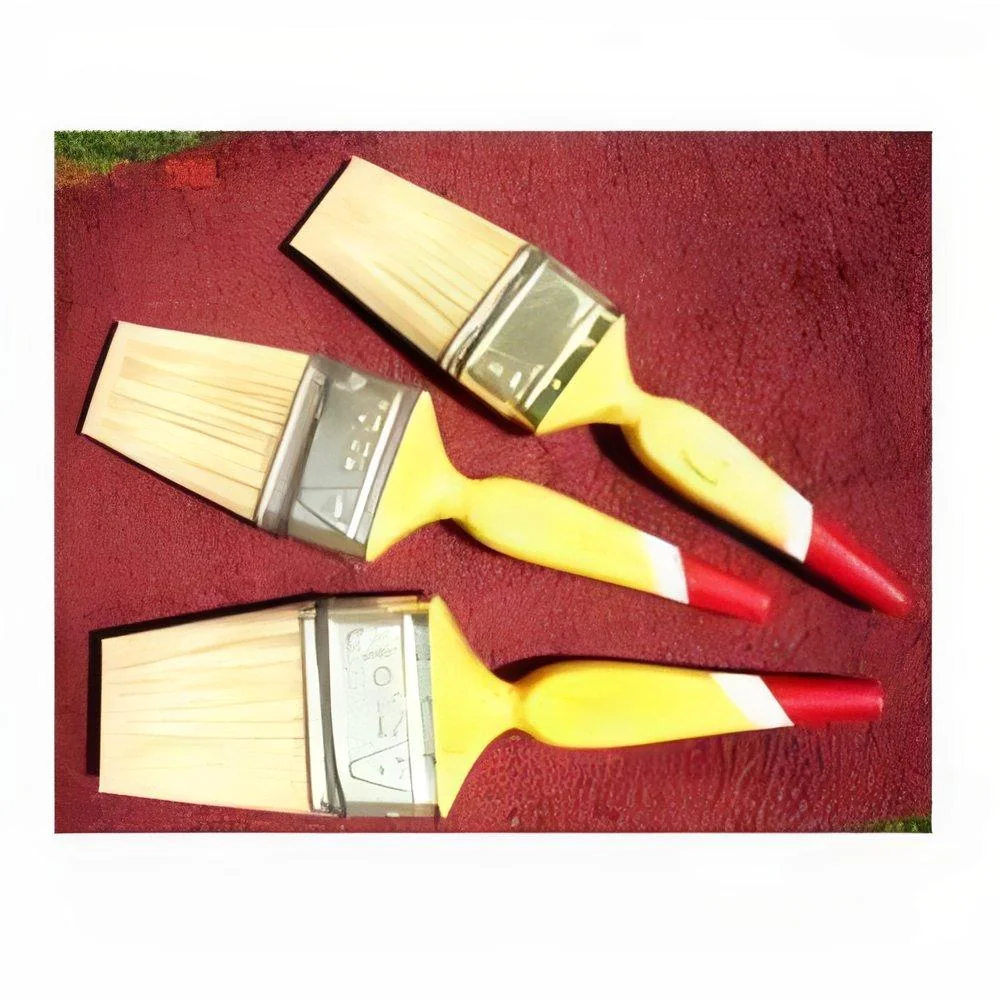
Flat Brushes
Flat brushes are designed for covering large surfaces efficiently. They are ideal for applying base coats and are commonly used in both commercial and residential painting projects.
Round Brushes
Round brushes are perfect for detailed work and intricate designs. They allow artists and craftsmen to create fine lines and detailed patterns, making them essential tools in the art world.
Angular Brushes
Angular brushes feature a slanted edge that facilitates precision work in corners and edges. They are particularly useful in trim work, providing clean lines and sharp finishes.
Benefits and Advantages
Investing in quality paint brushes offers several advantages that can lead to improved application results and overall efficiency.
1. Enhanced Application: Quality brushes ensure even coverage and smooth finishes, minimizing the need for touch-ups.
2. Improved Precision: Different brush shapes allow for detailed work, making it easier to achieve desired aesthetics in projects.
3. Durability: High-quality bristles and handles extend the lifespan of the brushes, reducing the need for frequent replacements.
4. Versatility: A range of brush types can be used across various materials and applications, making them adaptable to changing project needs.
5. Cost-Effectiveness: Investing in durable brushes can lower overall project costs by reducing paint wastage and labor time.
6. Ease of Use: Ergonomic handle designs enhance comfort during prolonged use, improving productivity and user satisfaction.
Buying Guide for B2B Buyers
When sourcing paint brushes, B2B buyers should consider several important factors to ensure they make informed purchasing decisions.
1. Quality Assessment: Evaluate the quality of brushes by examining bristle materials and construction techniques. Look for brushes that offer durability and performance in specific applications.
2. Supplier Verification: It is crucial to vet suppliers for reliability and reputation. Check for customer reviews and industry certifications to ensure a trustworthy partnership.
3. Pricing and MOQ: Understand the pricing structure and minimum order quantities (MOQ) to align purchases with budget constraints and project timelines.
4. Delivery and Lead Times: Confirm shipping options and lead times to ensure timely delivery. This is vital for maintaining project schedules and avoiding delays.
5. Compliance Requirements: Be aware of any compliance standards relevant to your industry, including safety and quality certifications, to ensure that the products meet regulatory needs.
Compliance and Certifications
Compliance with industry standards and certifications is essential when sourcing paint brushes. Relevant quality standards include ISO 9001, which ensures consistent quality management systems.
Certifications such as UL and CE are indicative of product safety and reliability. These certifications ensure that the brushes meet specific safety and performance criteria, providing peace of mind for B2B buyers.
Additionally, it is important to consider regional compliance requirements, particularly if sourcing from international suppliers. Understanding these regulations helps mitigate risks associated with product quality and safety.
Why Source Paint Brushes (Flat, Round, Angular) from Pepagora?
Pepagora offers a comprehensive platform for sourcing paint brushes with several key advantages that cater to B2B buyers.
Verified Supplier Network: Pepagora connects buyers with a network of verified suppliers, ensuring that all partners meet high standards of quality and reliability. This minimizes the risk associated with procurement.
Streamlined RFQ Process: The platform features a user-friendly request for quotation (RFQ) system, allowing buyers to easily compare offers and make informed decisions based on price and quality.
Trade Assurance and Support: Pepagora provides trade assurance, offering protection for buyers throughout the purchasing process. This support ensures that transactions are secure and satisfactory.
Regional Coverage: With a strong presence in India, the GCC, and Southeast Asia, Pepagora facilitates access to a wide range of suppliers, enabling buyers to find the right products tailored to their specific needs.

 IN
IN